Scandals Unending: Japanese Motor Titan Implicated in Massive Fraud
 05/15 2026
 434
434
Tesla's Primary Supplier
Author|Wang Lei
Editor|Qin Zhangyong
The Myth of Japanese 'Craftsmanship Spirit' May Be Unraveling Again.
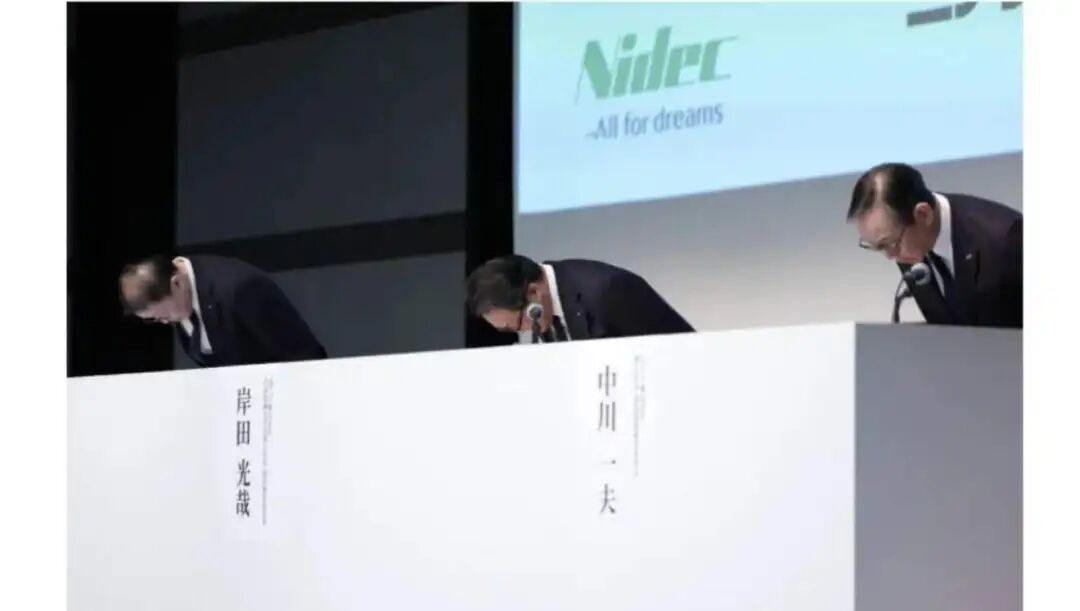
A bombshell has rocked the global manufacturing sector: Nidec, the Japanese motor giant often dubbed the 'Toyota of the motor industry,' has confessed to accounting fraud exceeding 200 billion yen, only to later be exposed for over a thousand instances of significant quality breaches.
For example, Nidec altered designs and processes without customer consent, falsified inspection data, and covertly modified molds...
The automotive industry was thrown into disarray upon the news breaking. As a leading global player in motors and drive systems, Nidec is not only deeply integrated with the automotive sector but also a pivotal component of the global new energy vehicle supply chain, boasting clients worldwide, including a crucial role as a supplier to Tesla.
Despite Nidec's assertion of 'no immediate safety impact,' its actions told a different story: swift apologies, direct client notifications, and the establishment of an external legal investigation committee to rectify the situation by the end of August.
How much credibility does the 'Made in Japan' label retain?
01
A Flurry of Issues Revealed
According to Japanese media and CCTV News, the quality breaches fall into two main categories: unauthorized design changes and falsification of inspection data.
The scale of deception is alarming, with over a thousand identified violations, 97% of which involved unauthorized alterations to molds, production processes, or product designs without customer approval.
The remaining 3% entailed direct falsification of test data, mislabeling of origins, and the use of fraudulent reports to pass inspections, impacting not just appliance motors but also automotive components.
Currently, the Tokyo Stock Exchange has flagged Nidec's stock as a 'stock requiring special attention' due to the need for internal management improvements, facing risks of delisting and regulatory sanctions.
Nidec subsequently held a press conference, stating that no direct impact on product functionality or safety had been detected, nor had any accidents or failures due to quality issues been reported. However, it had commenced individual client visits to explain the investigation and apologize.

However, the investigation into this fraud scandal is just beginning, and final conclusions await the external legal committee's report. As planned, Nidec will set up an investigation committee composed of external lawyers on May 13, aiming to uncover all facts by the end of August.
This is not Nidec's inaugural brush with fraud allegations. The current quality breaches were unearthed during an internal investigation into prior financial misconduct.
As early as 2025, Nidec was implicated in a financial misconduct scandal, with multiple divisions engaging in prolonged financial violations, cumulatively impacting net profits by 160.7 billion yen.
An investigation report released in early March this year officially disclosed that Nidec had engaged in accounting fraud worth approximately 250 billion yen (about 11 billion yuan), including inflating raw material and inventory values, misreporting customs valuations, including government subsidies in financial statements as revenue, and capitalizing labor costs as fixed assets to defer expenses.
The report identified the root cause of the accounting fraud as the profit demands set by the company's founder, Shigenobu Nagamori, which were grossly unrealistic. His dictum of considering anything below a 10% operating profit margin as a loss was viewed as an unassailable directive.

When performance targets were not met, Nidec's headquarters executives would convene multi-day meetings, chastising subsidiary management for failing to achieve operating profit goals and repeatedly making unreasonable demands, even requiring management to work overtime into the night to meet targets. If preliminary operating profit data fell short, instructions to inflate the figures would be issued before the accounting settlement date.
To meet profit targets far exceeding industry norms, a 'by any means necessary' attitude permeated from the top, tacitly condoning or even encouraging various violations...
The company's internal and external audit mechanisms failed to rectify the fraudulent behavior, ultimately triggering this scandal.
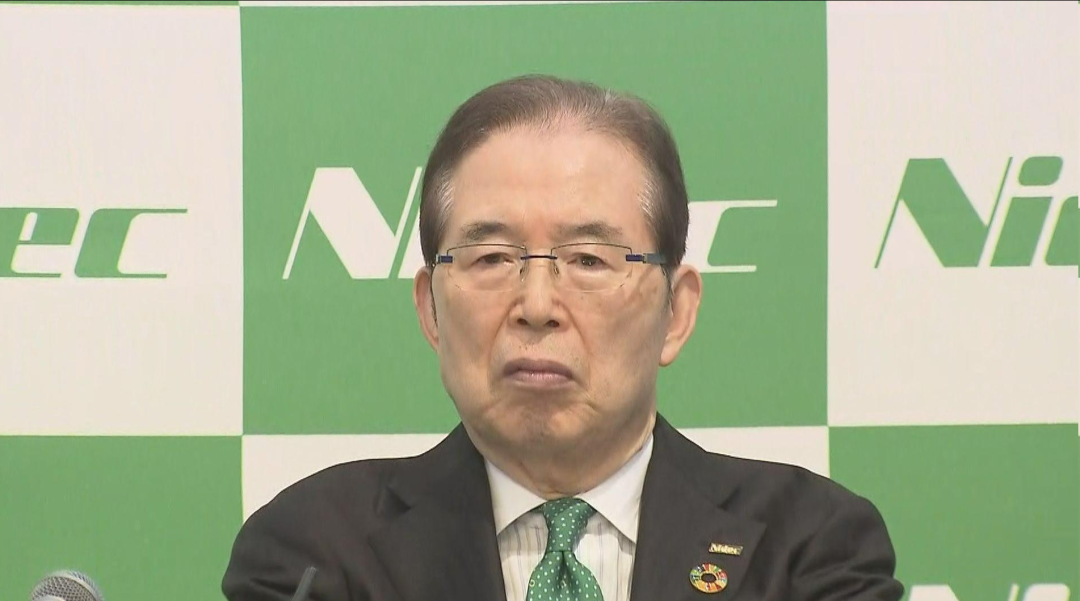
Following the financial misconduct, founder Shigenobu Nagamori relinquished his positions as representative director, director, and global group representative at the end of 2025, transitioning to a non-representative honorary chairman. By the end of February this year, he also stepped down as honorary chairman, completely severing ties with Nidec, expressing profound guilt over the incident.
Subsequently, Nidec's chairman, Hiroshi Obe, CFO Akinobu Samura, and vice president Yoshihisa Kitao, among other founding executive team members, also resigned.
Apart from the confirmed 160.7 billion yen in inflated net profits, the company will also face substantial client claims, product recall costs, and remediation expenses, with total losses expected to surpass 500 billion yen.
Under such immense pressure, it is unsurprising that violations and fraud emerged to meet delivery deadlines and reduce costs.
02
A Key Supplier of Automotive Components
Nidec may not be a household name among end consumers, as it rarely produces consumer-facing products, but it is far from obscure—it is the world's largest comprehensive motor manufacturer.
Its former flagship product was direct-drive small high-speed motors for computer hard disk drives, boasting a 70% global market share at its peak, making it a core component supplier to NVIDIA and a source of pride for Japanese manufacturing.
Of course, that should now be recounted in the past tense.

Founded in 1973 as a modest factory on a Kyoto street, Nidec transformed into a global motor powerhouse through aggressive mergers and acquisitions and cost control, evolving into a motor giant with over 100,000 employees and nearly 300 group companies worldwide, with annual sales of approximately 2.6 trillion yen.
Its business areas encompass precision small motors, home appliance and industrial motors, mechanical devices and electronic optical components, automotive motors and systems, spanning automotive, home appliance, industrial, IT, medical, aerospace, and other sectors.
You may not recognize its name, but the motor in your car's steering system is likely from Nidec. Some quip that if something 'rotates,' Nidec is probably behind it, as the company is an undisputed 'hidden champion' in the motor industry.
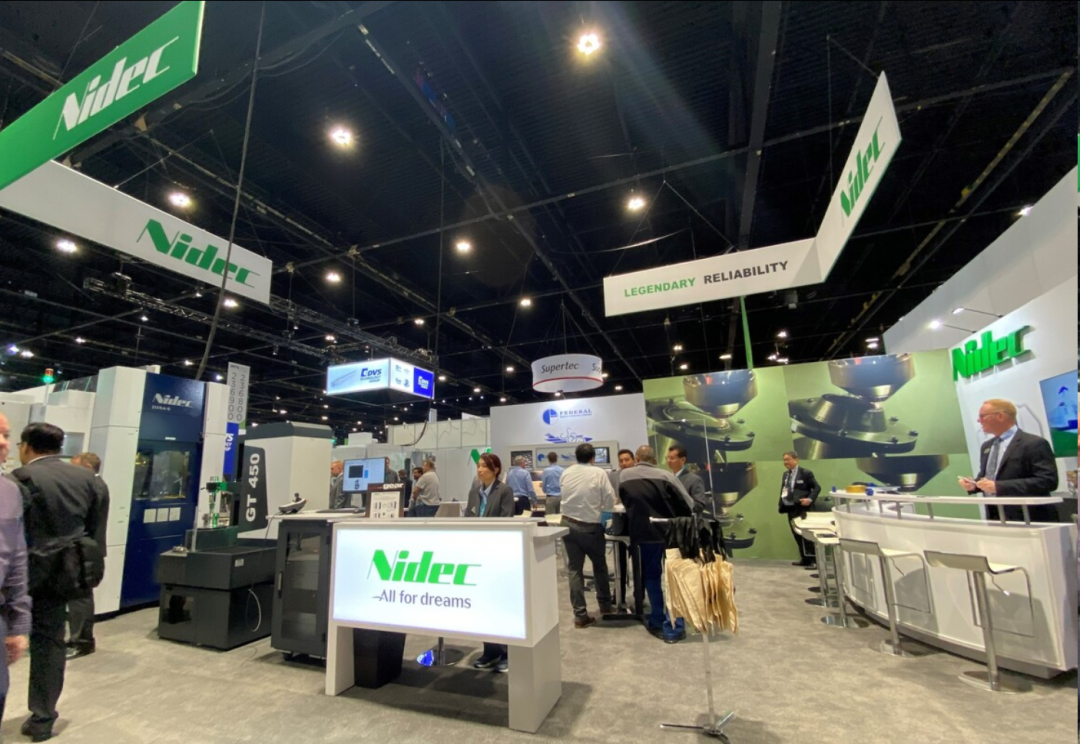
Nidec boasts at least four 'world firsts,' such as spindle motors for hard disk drives, with a global market share exceeding 70%; mobile phone vibration motors, with a global market share exceeding 25%; automotive electric power steering motors, also leading globally. It is even the king of 'integrated robotic rotational joints.'
As of 2025, Nidec has over 340 subsidiaries in more than 40 countries, with a total workforce exceeding 100,000. In FY2024, the company's total revenue was approximately 127 billion yuan, with net profits of 8.2 billion yuan, of which the motor business accounted for 85%.
In particular, automotive motors and drives represent Nidec's most aggressive and vital growth area in recent years.
Currently, the automotive business accounts for about a quarter of Nidec's total sales, making it a core Tier 1 supplier in the global automotive supply chain. Amid the 'electrification and intelligence' trend in automobiles, Nidec essentially supplies all rotating components in cars, including the 'heart' of electric vehicles—the drive motor system, brake motors, seat adjustment motors, sunroof motors, and more.
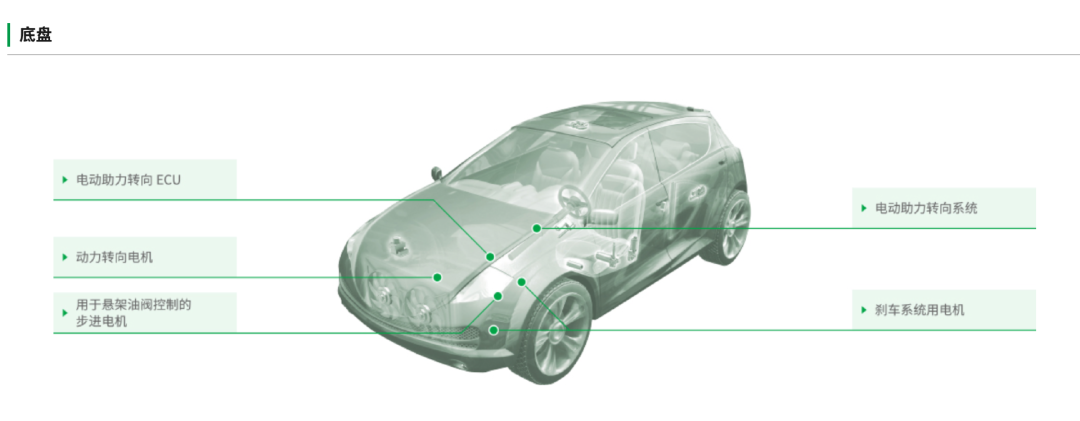
Especially noteworthy is its electric power steering motor, which commands the top global market share. Previously, Nidec was also a core supplier to Tesla, providing motor drive components, and is a key supplier to global automakers like BMW, Toyota, Volkswagen, and General Motors, including many Chinese automakers.
In the domestic market, Nidec has been present in China for nearly 30 years, becoming one of its most crucial global production bases and markets. It has over 20 subsidiaries in Qingdao, Dalian, Suzhou, Shenzhen, and other locations.
According to reports, following the fraud incident, Nidec's clients have begun activating emergency plans, with some suspending new orders and seeking alternative suppliers.
In recent years, fraud by Japanese companies has become increasingly common, particularly in the automotive sector.
In January 2024, Toyota Industrial Equipment, a key component supplier under the Toyota Group, was implicated in a data fraud scandal, with three automotive engines involved in data falsification, forcing partial plant shutdowns at Toyota Motor and Hino Motors due to supply chain disruptions.
In June, five major Japanese automakers—Toyota, Honda, Mazda, Yamaha, and Suzuki—were implicated in fraud during vehicle mass production certification applications, including collision data falsification, engine power test cheating, and brake performance data fabrication.
Notably, a survey conducted online by Japanese data analysis company Fuji Keizai revealed that over the past five years, 25% of Japanese companies have engaged in misconduct such as embezzlement, cheating, or regulatory violations.
For Nidec, the 250 billion yen financial hole may be filled through capital operations, and the 1,000 quality violations may be mitigated through recalls and remediation, but the global trust eroded by long-term fraud has shattered the 'Made in Japan' gold standard.
Japanese manufacturing no longer occupies its former pedestal.
-
![]()
Five Emerging Golden Entrepreneurial Pathways in the Agent Ecosystem: A Deep Dive into the Report (Part 2)
-
![]()
GEM-TIPS Makes Its Debut at Shenzhen International AI Expo: “Octopus AI Brain” + Intelligent Agent Cluster Pave New Ways for Industrial Intelligence
-
![]()
'China's Pioneer Domestic GPU Stock' Moore Threads Posts Profit in Q1, Yet True Profitability Unverified
-
![]()
Hynix Employees Await 3 Million Won in Bonuses, Samsung Employees Go on Strike: A Dramatic Clash Between Korea's Memory Giants
-
![]()
Twelve Years On, Can Cheng Yixiao Steer Kling to Another Victory?
-
![]()
From Data Scarcity to Open Source Boom: How China's Embodied AI Data Industry Can Break Through
-
Trend丨Indium Phosphide (InP) Prices Soar Amid AI Boom, with Cycles and Disruptions Set to Continue
-
![]()
One Article to Decode 'Computing Power Inflation': Why AI Costs Less for You While Computing Power Firms Rake in Profits