Is Detroit Being Sidelined Amid Trump's China Focus?
 05/18 2026
 374
374
Multiple indicators suggest that Detroit's influence is "waning" on the global stage.
Recently, Elon Musk has captured significant attention.
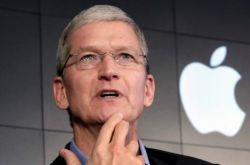
Accompanied by his 6-year-old son and as part of Trump's delegation to China, Musk became the focal point of the visit. Images and videos of him interacting with Lei Jun and Tim Cook have amassed tens of millions of likes.
With Musk's heightened prominence, Tesla's profile has also risen, symbolizing American automotive innovation. In contrast to the BMW and Mercedes-Benz CEOs who accompanied the German Chancellor to China, traditional U.S. automakers General Motors and Ford appear to be the "forgotten entities."
The old guard is fading, while the newcomers shine.
The absence of Detroit's traditional automaker executives from this high-profile delegation also underscores a broader transformation in the U.S. auto industry's approach to the Chinese market.
"Attending would be futile."
"Chairman and CEO Mary Barra will not be part of the trip."
"There has been no news regarding Ford CEO Jim Farley's visit to China."
While netizens joke about whether Jensen Huang can hitch a ride on Trump's plane to China, few recall that General Motors and Ford, once icons of American automotive prowess, have been overlooked by Trump on this occasion.
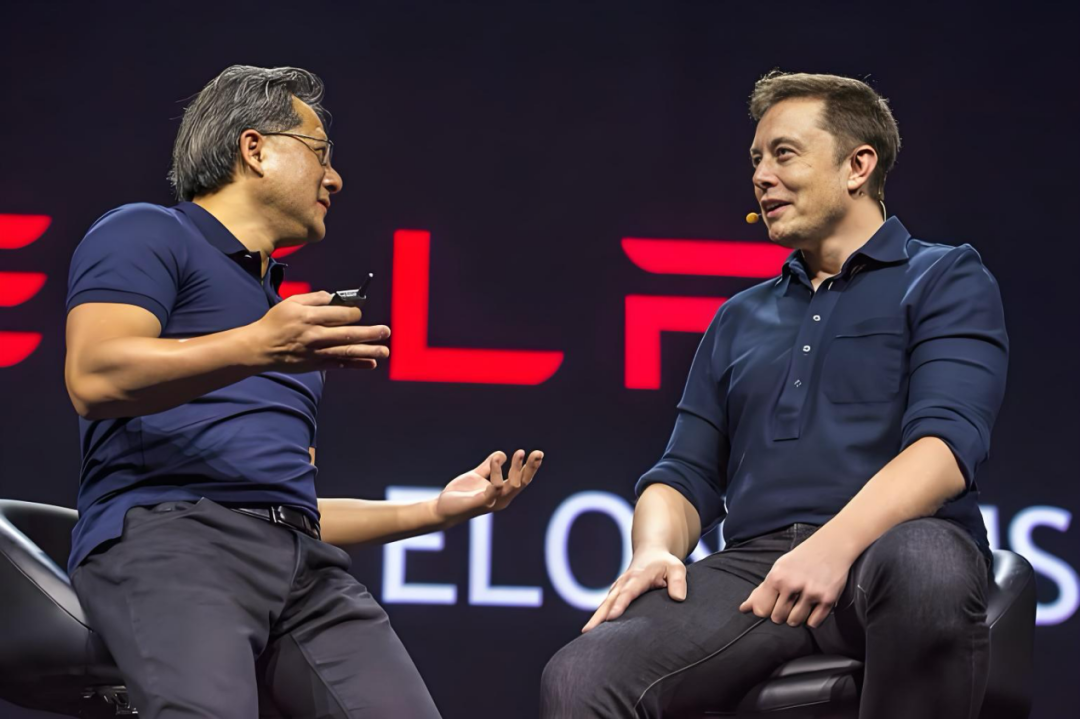
Whether it's General Motors CEO Mary Barra or Ford CEO Jim Farley, their last visits to China were two or three years ago. The last time traditional U.S. automaker executives were part of a U.S. presidential delegation to China was 17 years ago.
"If Musk, who had a falling out with Trump, can join the trip, why can't General Motors and Ford?" It's unclear whether the questioners are genuinely concerned or simply seeking entertainment.
More onlookers chime in with, "It's unnecessary and pointless," or "Look at the sales data to get a reality check."
Although General Motors and Ford have repeatedly underscored the strategic significance of the Chinese market in their global strategies, Trump, known for his love of the spotlight, shows no inclination to "revive Detroit's automotive giants."
Let's consider some straightforward data.
General Motors' market share in China has dropped from around 15% in 2015 to less than 6% in 2025. SAIC-GM sold 560,000 vehicles in 2025, down from a peak of 2 million annually. Changan Ford sold fewer than 100,000 vehicles in 2025, a nearly 90% decline from its 2016 peak of nearly 1 million.
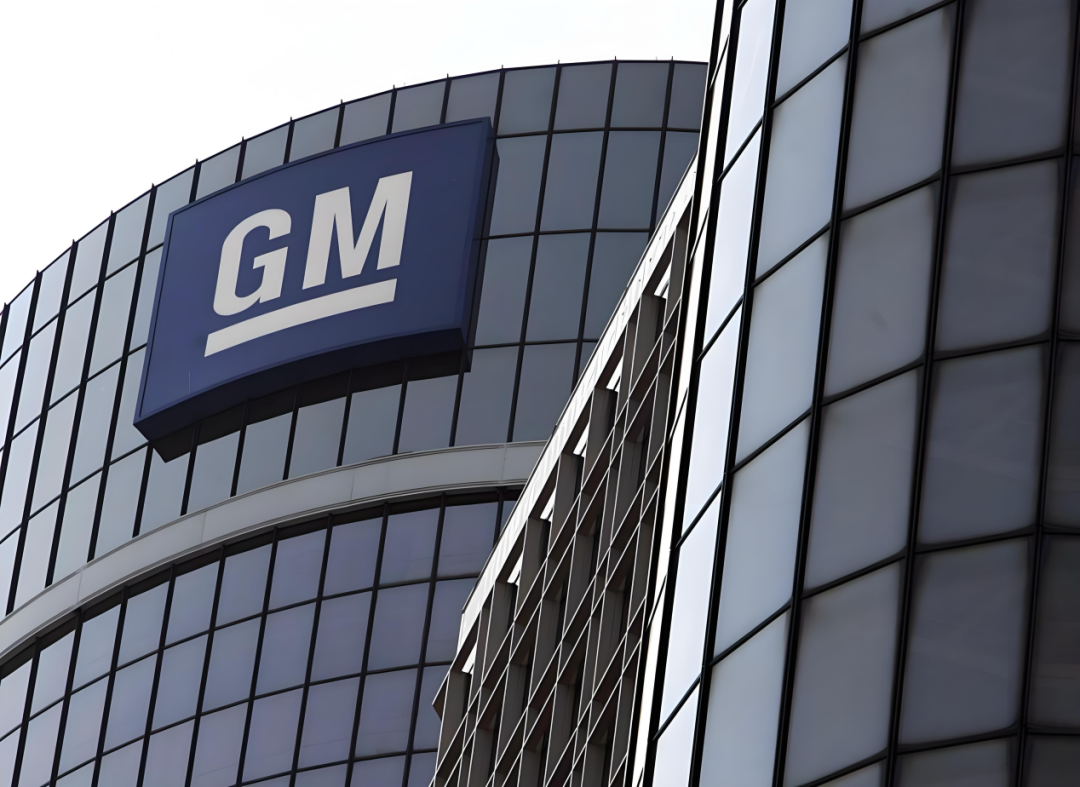
Under these circumstances, even if they had joined Trump, it would have been largely inconsequential—"attending would be futile." The sentiment carries a palpable sense of resignation.
There was a time when General Motors and Ford were bold visionaries, vowing to usher in a new era of electrification for the global auto industry. General Motors once planned to invest up to $35 billion in electrification and intelligence, pledging to cease all fuel-powered vehicle production by 2035.
Ford launched an ambitious "Ford+" restructuring plan to position itself as a "leader in the electrification era." However, things did not unfold as planned. By 2025, Ford's electric vehicle division had sold 178,000 vehicles but incurred a staggering $4.8 billion annual loss, averaging about $27,000 in losses per electric vehicle sold.
Years have passed, and the would-be leaders have become "followers." Their bold promises have been shattered by harsh realities.
Let's examine another set of data.
Of the funds invested by Detroit's "Big Three"—Ford, General Motors, and Stellantis—in their transition to electric vehicles, $53.1 billion has been wasted, marking one of the largest asset write-downs in U.S. corporate history.
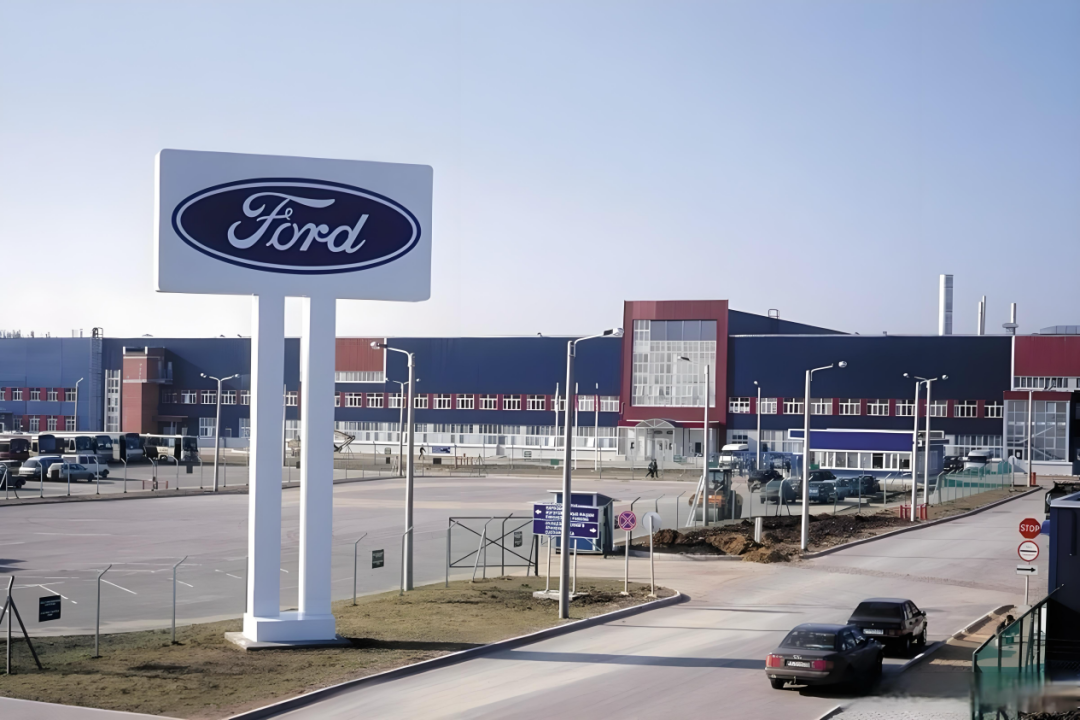
Under the dual pressure of declining sales and profits, General Motors and Ford have been forced to adopt "strategic retreats."
Ford was the first to capitulate. In April of this year, Ford dissolved its independent electric vehicle division, Model e, integrating it into the "Product Creation and Industrialization Division" and ending its "Silicon Valley model" trial phase. Ford announced the discontinuation of the F-150 Lightning, the cornerstone of its electrification strategy, and canceled the next-generation all-electric pickup (code-named T3) and electric Transit van projects.
Jim Farley offered a face-saving explanation: "This isn't abandoning electrification but a rational adjustment of resource allocation."
General Motors, meanwhile, scrapped its 2035 all-electric goal, no longer setting a clear timeline for phasing out fuel-powered vehicles. It closed its Orion electric vehicle factory, reverted to producing fuel-powered SUVs/pickups, and sold its stake in a Michigan battery factory to LG Energy Solution.
In the crucial Chinese market, General Motors drastically reduced spending, while Ford shifted to an export-focused, marginalized strategy. The absence of these two automotive giants from the delegation is notable, given that China was once the heartland of the U.S. auto industry.
Curious netizens have asked, "Has Detroit been sidelined by Trump?"
At the state banquet with Musk, Lu Weiding, chairman of Wanxiang Group, was also present, representing the core component suppliers that underpin Detroit's automotive manufacturing.
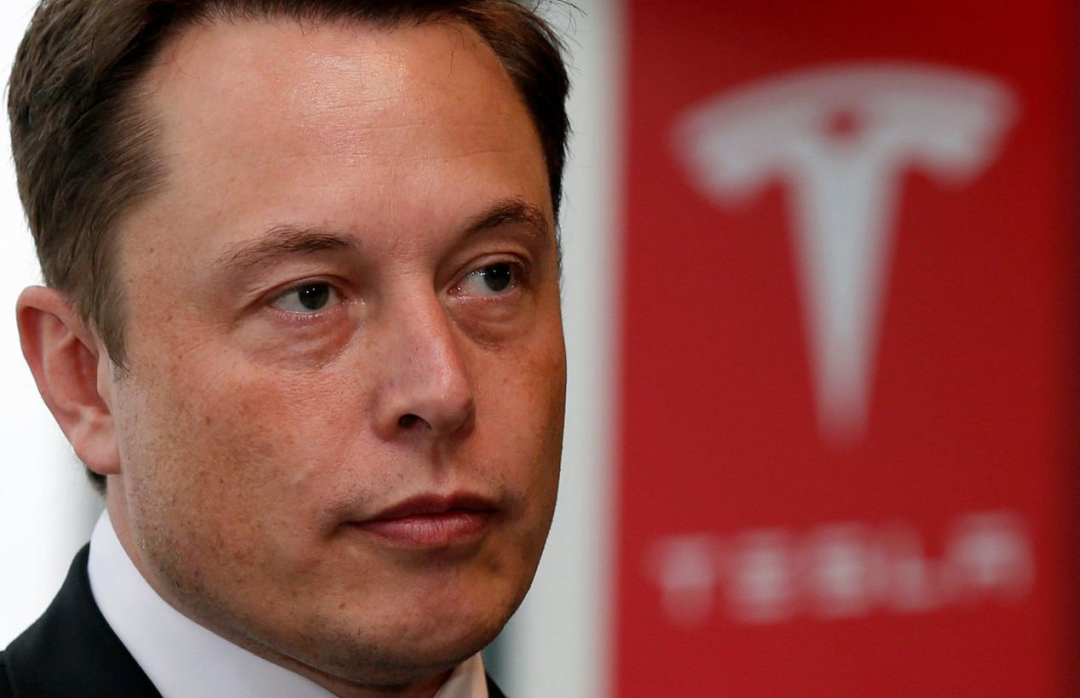
This co-presence was interpreted as Musk being both a "disruptor" of Detroit's traditional auto industry and a "pioneer" in transforming the U.S. automotive supply chain through supply chain cooperation and AI technology exports.
All signs indicate that Detroit is "retreating" from the global market.
Building High Walls
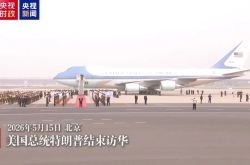
Trump's delegation included industry titans like NVIDIA, Apple, Boeing, Goldman Sachs, and Tesla.
From the delegation's composition, it's evident that the focus of Sino-U.S. commercial cooperation negotiations lies in AI, chips, and high-tech sectors, rather than traditional automotive industries. For instance, Musk's presence was to address specific technical access and data security compliance issues.
It's clear that the U.S.'s contradictions regarding the Chinese market are coming to the fore.
The U.S. cannot afford to lose the Chinese market but still hopes to maintain control over branding, technology, capital, and high-end rule-setting in the tech era. Fearful of Chinese automakers' ability to leapfrog, U.S. manufacturing, represented by Detroit's traditional giants, has shifted from "co-opetition" to "confrontation."
In addition to hefty tariffs, in early May, two U.S. House representatives proposed a bill to codify a regulation implemented during the Biden administration, banning all Chinese automakers from selling passenger vehicles in the U.S.
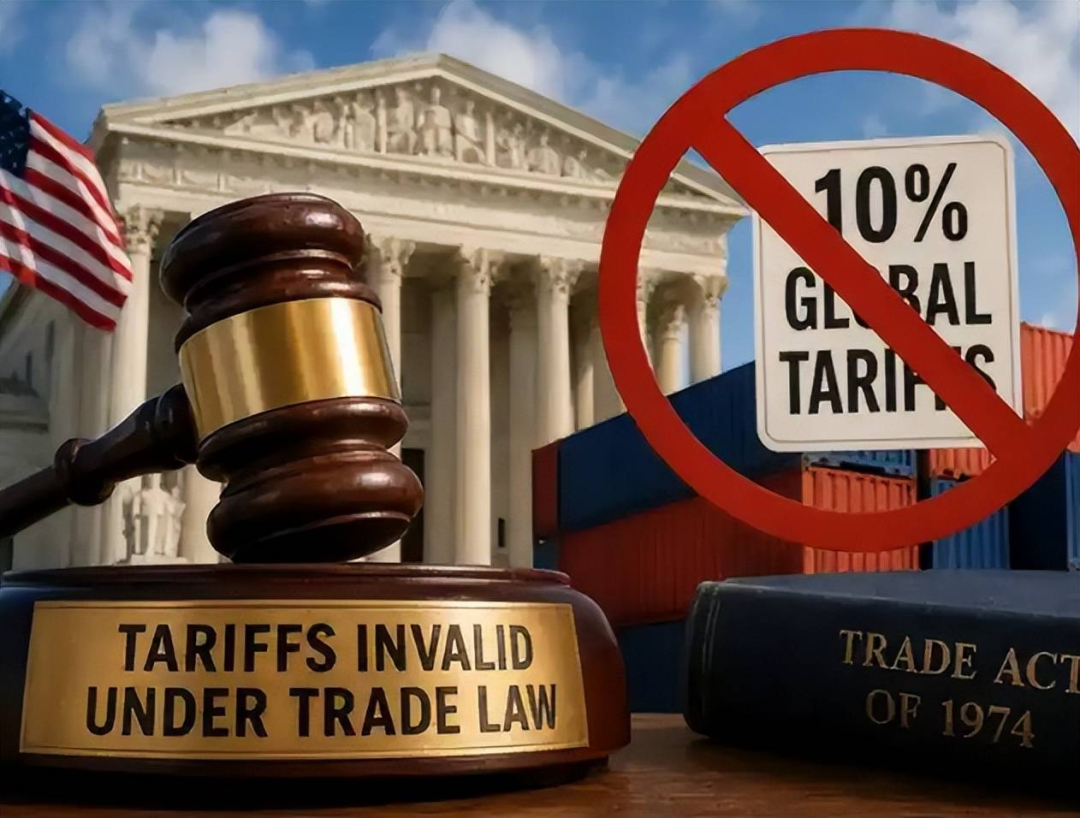
High walls have been erected.
Additionally, Jim Farley purchased and personally drove Chinese electric vehicles, even shipping a Xiaomi SU7 back to the U.S. and driving it for over half a year. "You must drive your competitors' cars to truly understand them," he said.
But after gaining that understanding, he declared, "Chinese electric vehicles must never enter the U.S. market." Allowing them in would spell irreversible disaster for the U.S. auto industry.
Such defensive measures reveal a lack of confidence.
What worries Jim Farley is that a vehicle comprises about 150 modules, with software from 150 different companies that aren't truly interconnected. On the surface, the car bears a Ford logo, but in reality, control over many functions remains with suppliers.
The Wall Street Journal has also commented, "Chinese cars haven't hit the roads yet, but Chinese parts are everywhere." Chinese companies control about 5% of the equity in roughly 10,000 U.S. suppliers, making it hard for Detroit's giants to decouple. Perhaps, without hefty tariff barriers, Chinese automotive and tech companies might have already flooded into the U.S. from Mexico.
Jim Farley had already predicted this two years ago. In May 2023, Reuters reported that Farley, speaking at the Morgan Stanley Sustainable Finance Summit, said, "I think the main competitors we see are the Chinese, not General Motors or Toyota. The Chinese will become a formidable force."
Who will control the souls of Detroit's giants in the future?
Neither Trump nor Detroit's giants want to see "Chinese companies" take charge. With no other options, the giants are once again betting on "Silicon Valley."
The Wall Street Journal reported that a secret team within Ford is developing an electric pickup truck targeting a price of around $30,000 in Long Beach, California. This team consists of talent from internet companies like Tesla and Apple, along with Ford's internal engineers.
However, from Ford's electrification transition path, it's clear that "Silicon Valley-ization" is not a panacea. Ford has already learned this the hard way.
Once, Doug Field, hired from Tesla, established Ford's independent Model e electric vehicle division, leading core projects like a universal electric platform, low-cost electric pickups, and L3 autonomous driving. He was seen as Ford's hope to compete against Tesla and Chinese automakers.
Later, Ford's four-year "independent electric vehicle operation" model officially ended. The outcome was clear: stuffing a few Tesla engineers into a traditional system couldn't save Detroit. Detroit's fundamental issue is that software capabilities and traditional industrial systems have never truly integrated.
Nor dare they integrate. Once the closed loop between software, hardware, supply chains, manufacturing, and user experience is established, how much discourse power would Detroit retain? They dare not take that gamble.
But the old global order will not return.
Note: Some images are sourced from the internet. If there is any infringement, please contact us for removal.
-END-
-
![]()
Launching 7 New Products in May, Laifen Still Needs to Master the Art of "Simplification"
-
![]()
Defying the Cost Tsunami: Why is Apple Daring to Cut Prices Amid Industry-Wide Hikes?
-
Top 10 Most Profitable Enterprises in Computing Power Leasing
-
![]()
The Early Riser Who Has Led Apple for Years Is Finally Stepping Down
-
![]()
Can China's Auto Companies Open the Door to the U.S. Market by Expanding Cooperation Paths?
-
AI Falls Behind, Tencent Rushes to Catch Up
-
![]()
BYD’s European Aspirations: Negotiating with Stellantis for European Factory Acquisitions
-
On World Telecommunication Day (May 17), Three Major Operators Launch 'Token-Based Computing Power Packages'—Here’s How to Avoid Overpaying for the 'AI Premium'