Huawei’s Star Performer: Can AITO Sustain Its Market Dominance?
 05/26 2026
 505
505

lookartv.com
As Dongfeng Motor unveils four new strategic assets, AITO’s market position is quietly evolving.
Originally, AITO stood as Huawei’s premier offering—a technological powerhouse, a sales leader, a profit generator, and the face of Huawei’s foray into the automotive market. Beginning in 2025, AITO embarked on a systematic transformation of Mercedes-Benz, BMW, and Audi dealerships, with investors nationwide viewing AITO as a lifeline to turn losses into profits. The AITO M7, M8, and M9 all became runaway successes, redefining luxury and prestige for many consumers. In 2025, AITO sold 423,000 vehicles, accounting for 71.8% of the total sales across Harmony Intelligent Mobility's five brands. According to financial reports, its gross profit margin per vehicle consistently exceeded 27% (with the industry's top tier at 20%), and its average selling price surpassed 390,000 yuan, ultimately delivering Seres nearly 6 billion yuan in net profit.
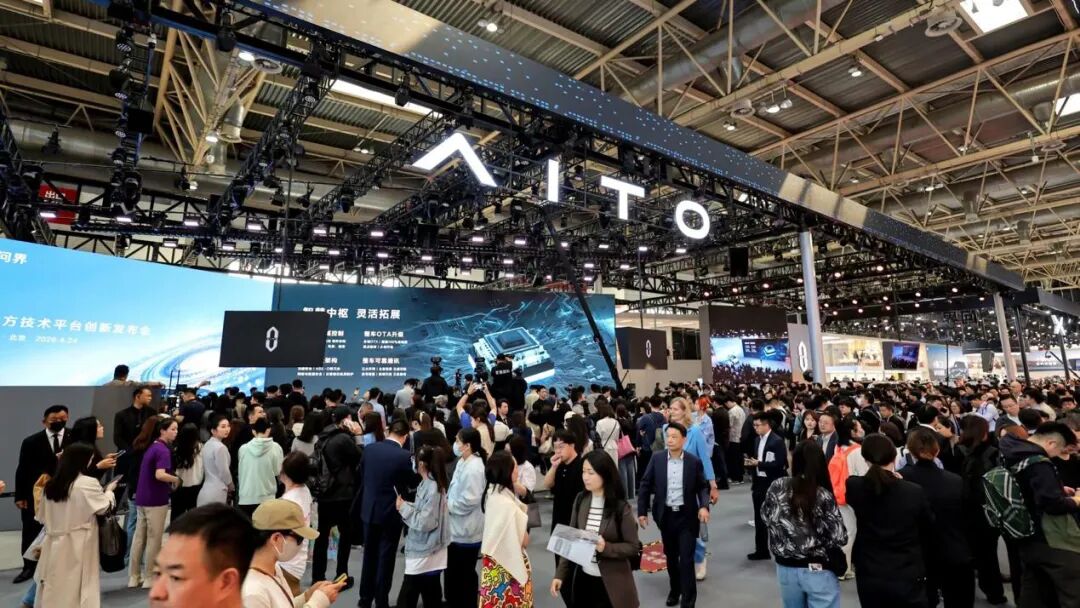
In other words, AITO’s success directly propelled the widespread adoption of Huawei’s technologies. In 2025, around 35 mass-produced models were equipped with Huawei’s advanced intelligent driving assistance technology. By 2026, this number had surged to 115 mass-produced models. However, as Huawei’s technologies are increasingly adopted and strategic collaborations deepen, the competitive landscape is shifting in 2026.

At the group level, has Dongfeng emerged as the biggest winner? Recently, significant changes have unfolded at Dongfeng Group. On May 19, Huawei’s Rotating Chairman Xu Zhijun and Yinwang CEO Jin Yuzhi visited Dongfeng Motor Group. Ultimately, the Mengshi and Yijing brands launched comprehensive, deepened strategic cooperation 2.0 with Yinwang.
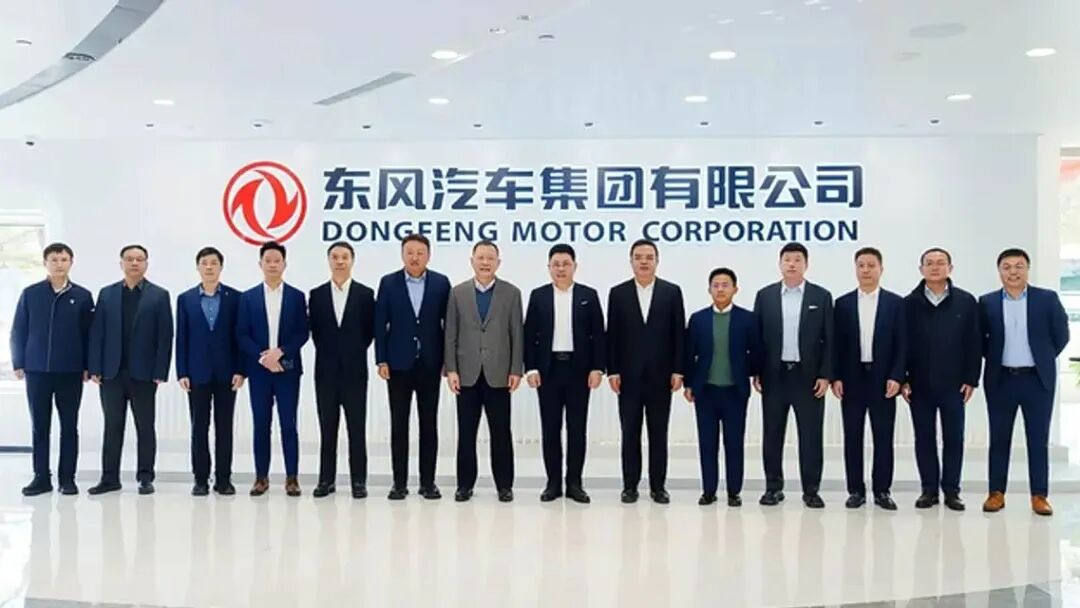
Following this move, Dongfeng now effectively holds four Huawei-backed assets: First, VOYAH Automobile, which has achieved significant success in its collaboration with Huawei, symbolizing the preliminary success of central SOEs' new energy transformation.
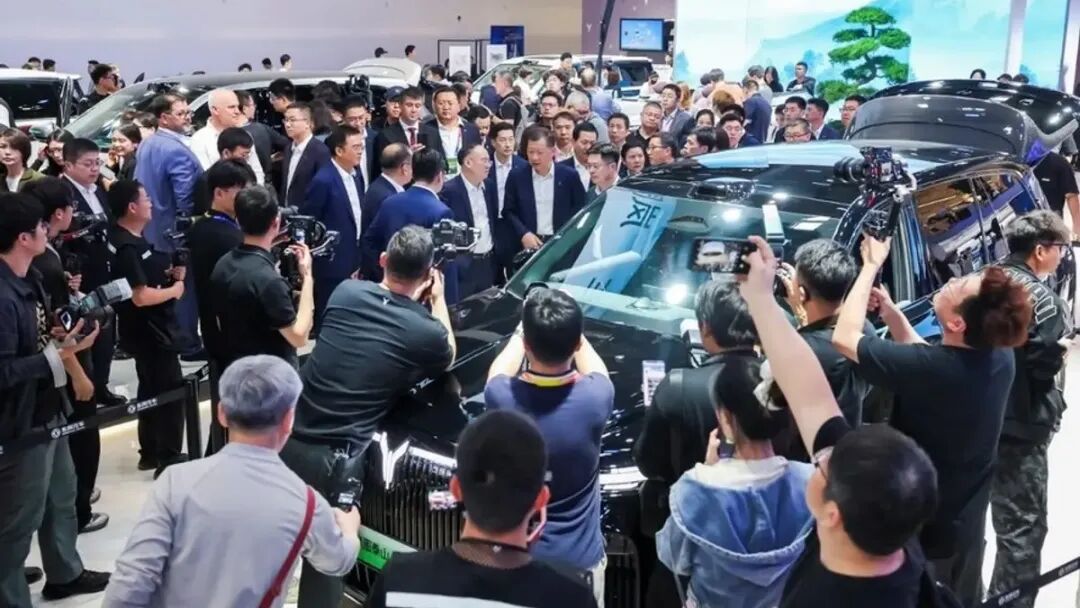
Second, the former DH project, now the Yijing brand, whose debut model, the Yijing X9, is positioned as a flagship family-oriented 9-series SUV. Its strength lies in being the first to adopt all of Huawei’s advanced technologies, directly competing with the AITO M9 in many aspects. Third, the integrated Yipai Technology, which has recently begun expanding its adoption of Huawei’s latest technologies to enhance its performance in the family vehicle segment. Fourth, Mengshi Technology's deep cooperation with Huawei’s ecosystem. Before this year’s Beijing Auto Show, it was announced that new standards for off-road intelligence would be established. Additionally, Dongfeng Fengxing is also actively embracing Huawei’s technologies.
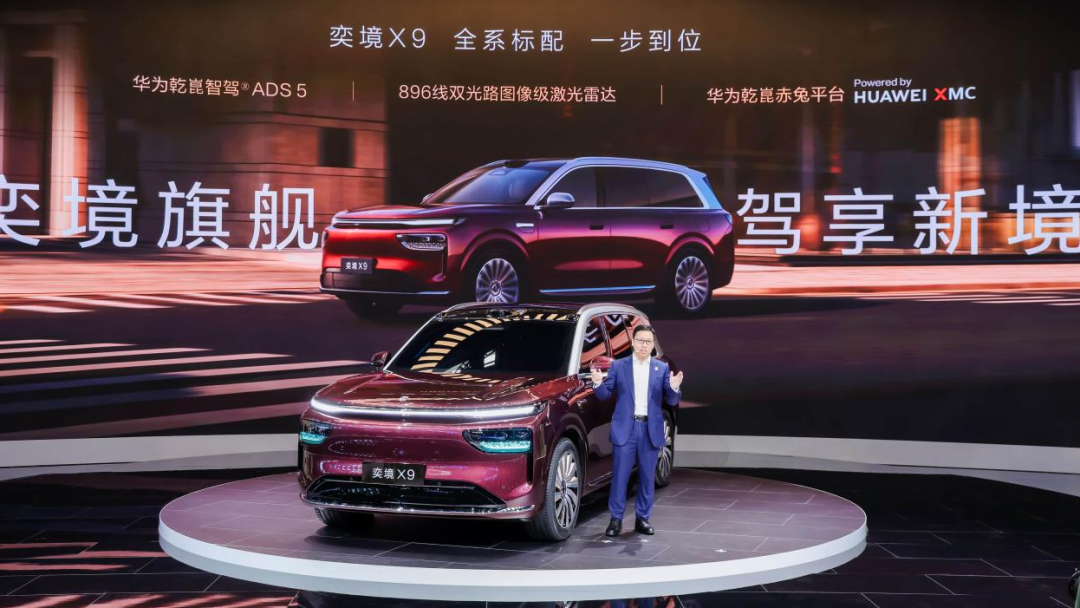
Beyond this, Dongfeng Group is also the second-largest shareholder of Seres Group, AITO’s parent company, though it does not participate in daily operations.
In terms of scale, Dongfeng has surged ahead of other automotive groups. In comparison, FAW Group’s Hongqi will launch the Hongqi H9 equipped with Huawei’s full-stack intelligent solution, FAW Jiefang is collaborating with Huawei on commercial vehicle autonomous driving development, and Audi is adopting Huawei’s advanced intelligent driving assistance. Under China Changan, there are collaborations with Avatr, Deepal, and Qiyuan, while also being a shareholder in Yinwang.
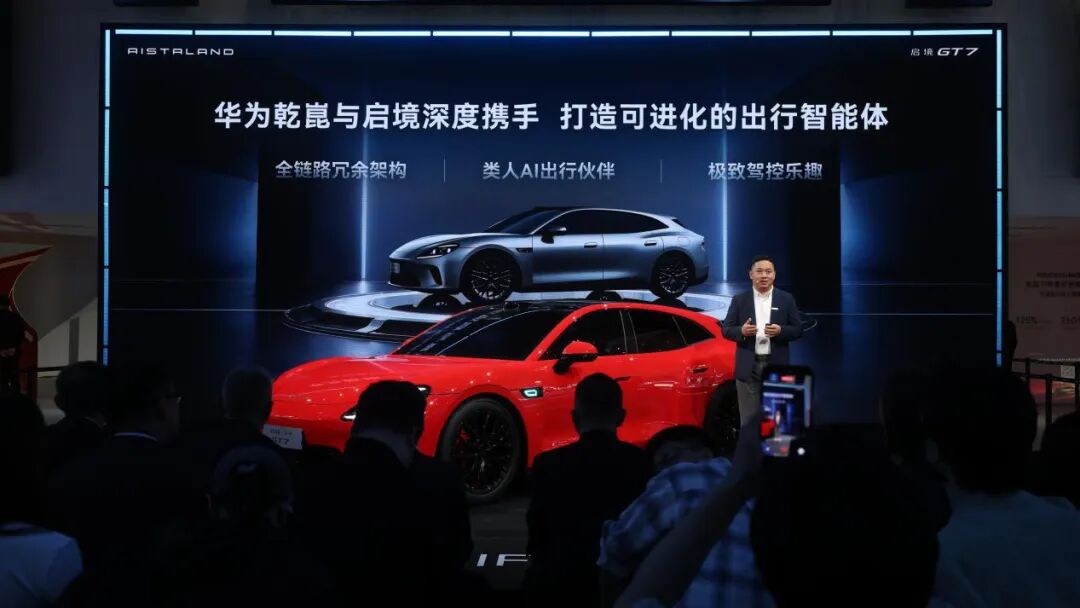
Among other automotive groups, SAIC Motor has Shangjie, GAC Group has Hyper and Qijing, and BAIC Group has Xiangjie. In summary, from the perspective of automotive groups, most have at most two deeply collaborative brands, but Dongfeng’s Huawei integration is clearly significant.
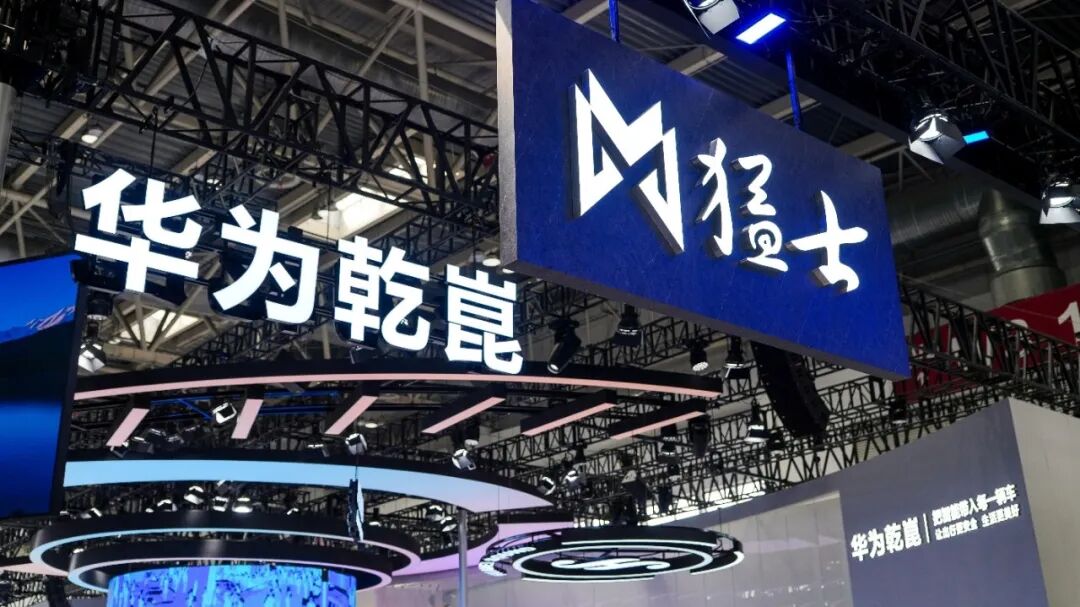
Looking at Dongfeng Group’s various strategic layouts, each brand’s positioning is relatively clear: 1. VOYAH is positioned as intelligent luxury; 2. Yijing is positioned as high-end family-oriented new energy; 3. Mengshi is positioned as high-end off-road new energy; 4. Yipai Technology is positioned as intelligent, mid-to-high-end family vehicles.
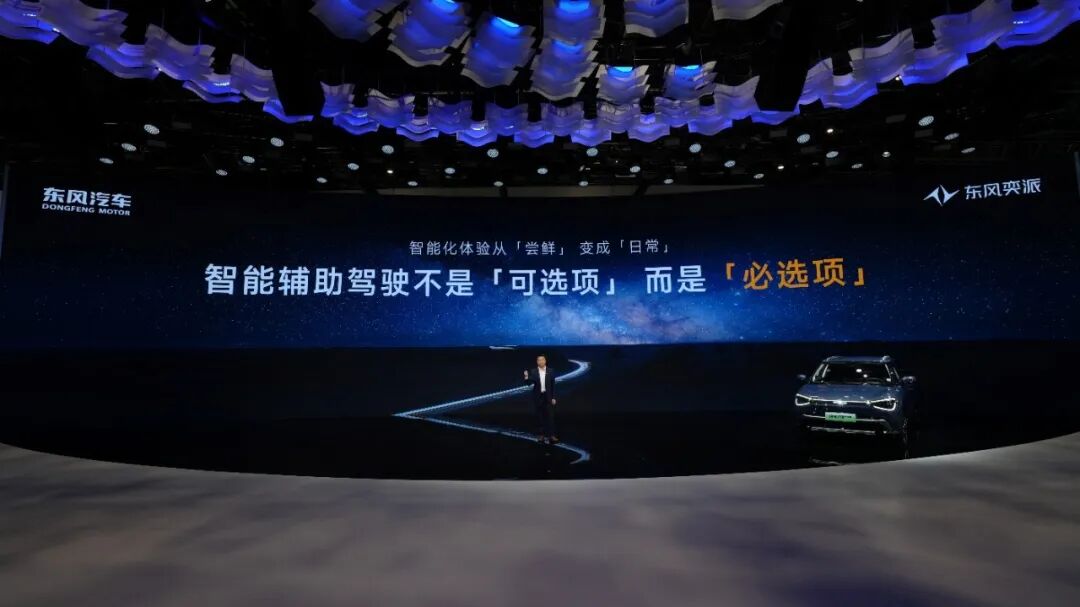
There is almost no significant overlap among the four, and given the precedent set by Geely’s Taizhou Declaration, it’s not hard to see the potential for cost reductions and widespread technology adoption when an automotive group of this scale achieves full group synergy.
From a recent series of new vehicle launches, corresponding contrasts are already evident. These contrasts can lead to shifts in the rankings of automakers adopting Huawei’s full-stack technologies.
The Yijing X9, positioned similarly to the AITO M9, is planned for launch in the third quarter of this year, with a pre-sale price starting at 380,000 yuan. During the Beijing Auto Show, it received over 10,000 small-order reservations in just three days. The Yipai M8 has also recently made its global debut, notably replacing the solid-state LiDAR placement on the roof—seen in other models—with a small blue light. At its launch, it proclaimed the new standard of "Collaborating with Huawei to Create a New Benchmark for Young Family-Oriented Large Six-Seater Hua-Style Vehicles," featuring ADS 5 Pro in-cabin LiDAR, Harmony Cockpit 5.2, vehicle-cloud, vehicle-control, and communication systems, along with a 21-speaker HUAWEI SOUND package.
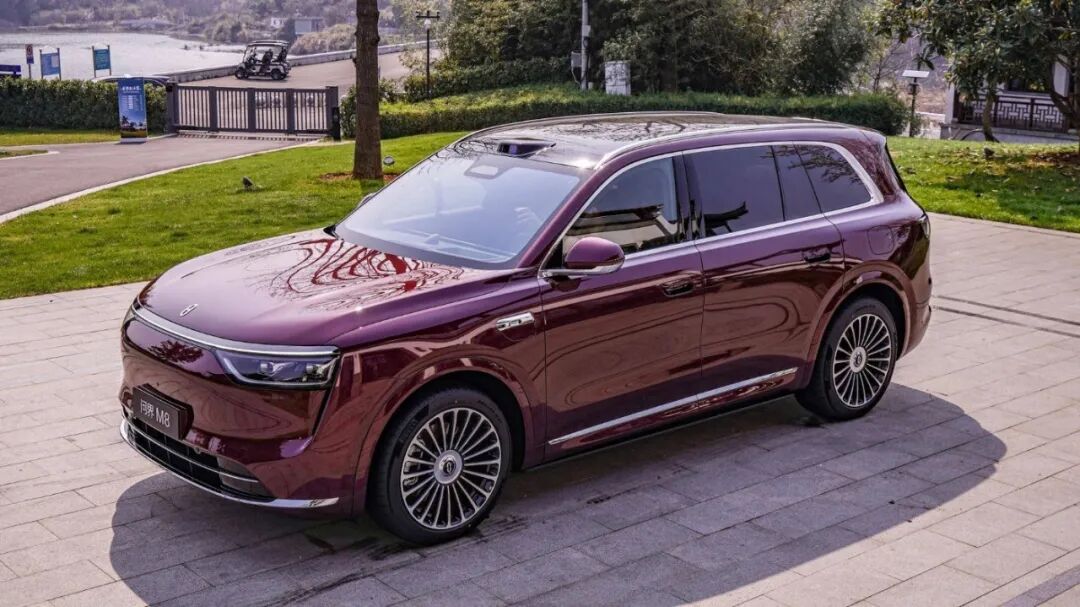
In other words, the emergence of the Yijing X9 is likely to impact the core sales base of the AITO M8.
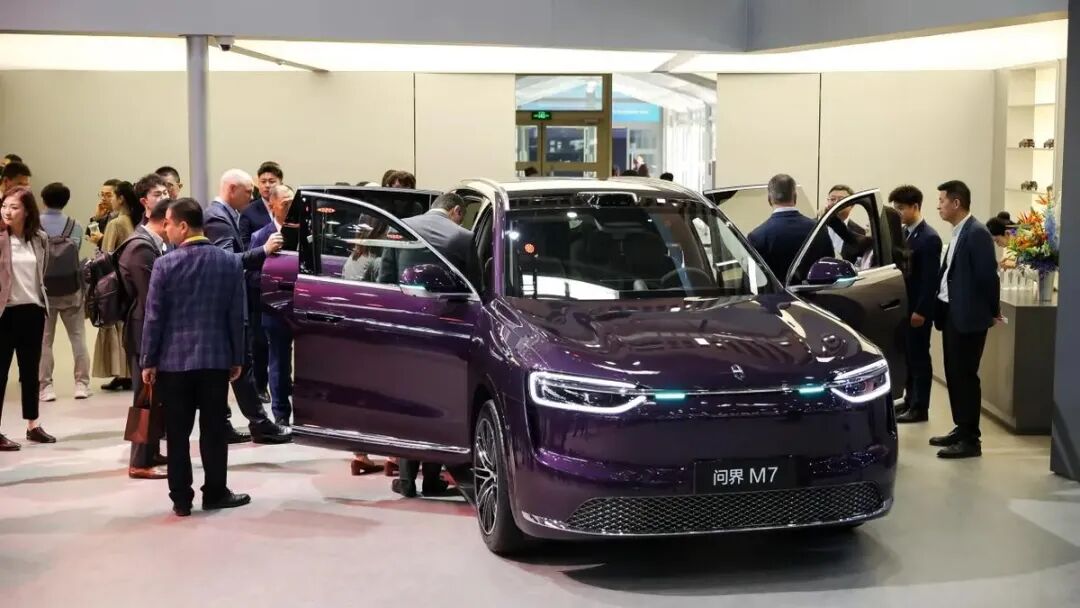
The Yipai M8’s arrival may affect the AITO M7. Of course, the intention is not to target AITO, but since AITO stands at the forefront of the segment, successors will inevitably challenge the predecessor.
However, the biggest variable lies with VOYAH.
How long can AITO remain Huawei’s top brand? As competition intensifies, gains and losses are likely to fluctuate.
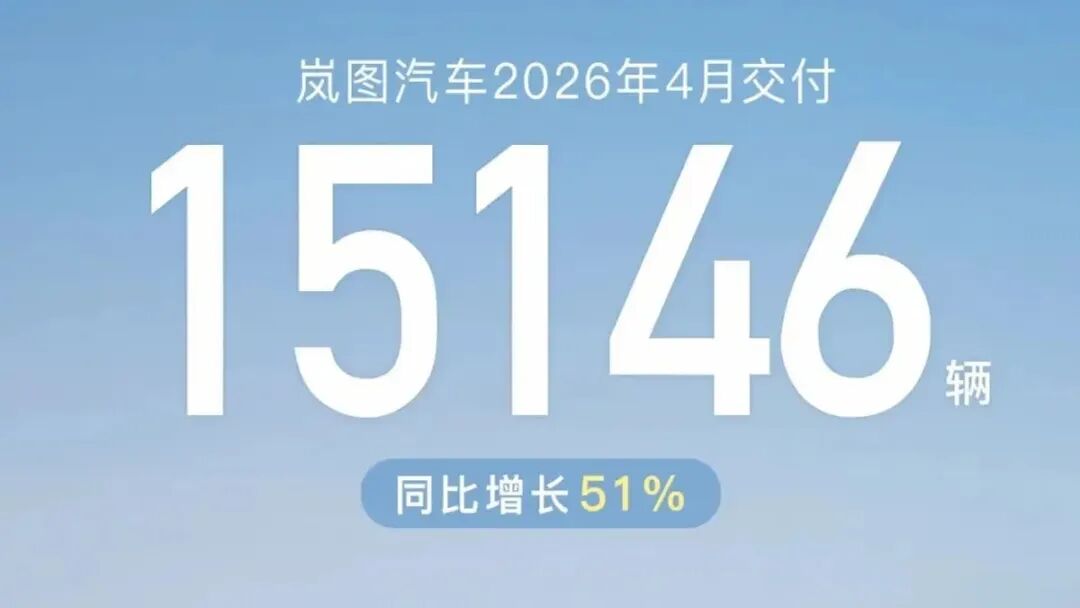
From a brand perspective, VOYAH sold 49,000 vehicles from January to April, averaging 12,200 units per month, with year-over-year growth rates of 31%, 4.3%, 50.1%, and 51% for each respective month. Considering the broader market, where production and sales reached 9.614 million and 9.574 million units, respectively, down 5.5% and 4.8% year-over-year, VOYAH’s performance not only outpaces the market but also establishes its own niche.
AITO’s data is also clear on paper, showing strong performance but warranting deeper analysis. Public data shows that AITO’s cumulative sales exceeded 100,000 units from January to April, up over 38% year-over-year. However, its current sales mix differs from 2025.
In 2025, AITO excelled in the high-end segment, with the AITO M8 selling over 150,000 units (35%+ share), the M7 over 118,000 units (28% share), and the M9 nearly 120,000 units (28% share). This translates to models priced over 410,000 yuan accounting for 63% of AITO’s brand sales.
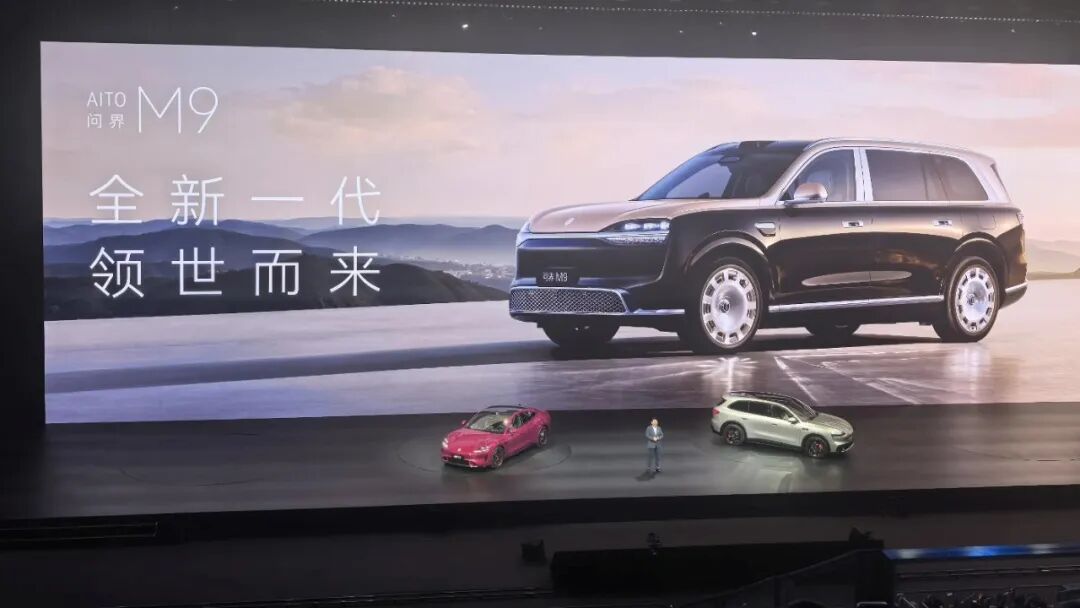
In 2026, this structure began to shift. Current public data shows that from January to April, the AITO M7 accounted for over 55% of sales. Additionally, in April, with the large-scale delivery of the AITO M6, its monthly share reached 25% of the brand’s total.
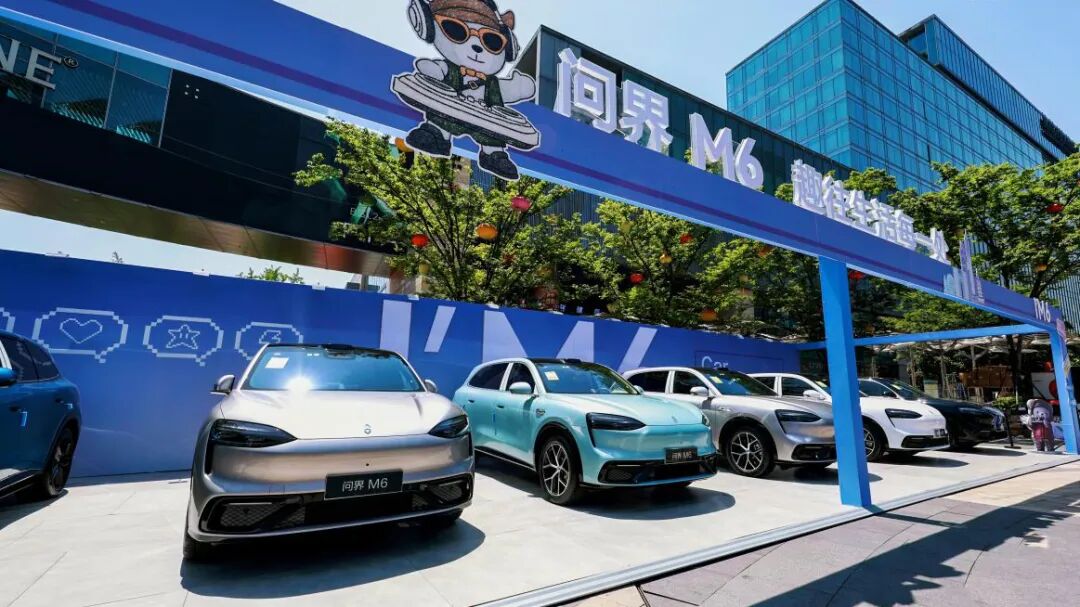
The sales fluctuations of the AITO M8 and M9 are superficially due to many consumers holding out for upcoming models—first with the integration of 896-line LiDAR and then the impending generation change for the AITO M9, which has already received over 60,000 small-order reservations during its pre-sale period. Many are waiting to see the specific performance and pricing of the new generation. However, the deeper reason lies in the increasing number of competitors in what was once an uncontested segment. From a sales mix perspective, the rise of the NIO ES8 and Zeekr 9X has already put pressure on AITO, and with the upcoming launch of the NIO ES9, this trend is likely to continue.
But again, VOYAH is now delivering striking data.
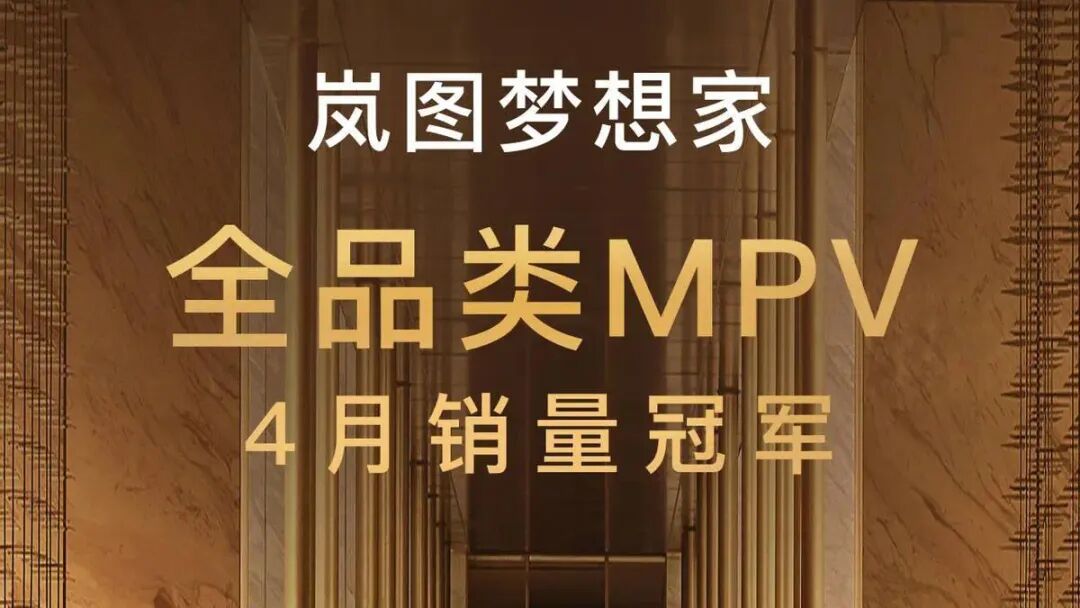
First, the VOYAH Dreamer became the best-selling MPV across all categories in April 2026, surpassing the Toyota Sienna, Tengshi D9, and even the combined sales of the Buick GL8 (fuel + new energy).
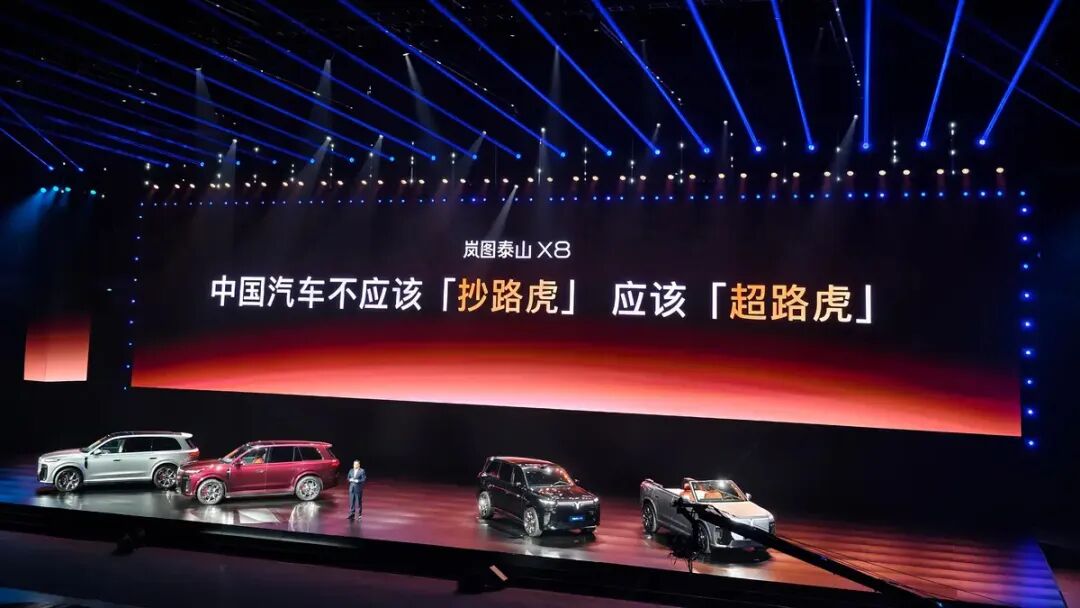
Second is the launch of the VOYAH Taishan X8.
When viewing new cars today, a common phenomenon emerges: they all seem similar. Multiple automakers promote nearly identical technologies and even use similar rhetoric. At this year’s Beijing Auto Show, I interviewed VOYAH’s executive team about why this is the case.
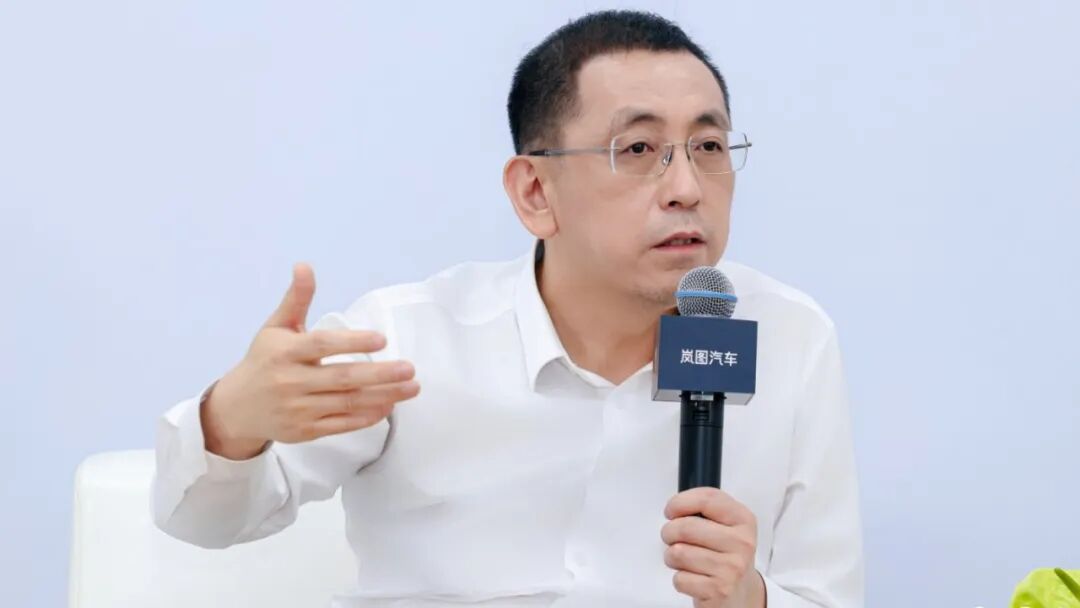
Lu Fang and Shao Mingfeng attributed it to marketing homogenization driven by product homogenization. As a result, there are fewer and fewer new vehicles that users can clearly and quickly recognize. Currently, over two automakers are building intelligent vehicles "like robots," over five are promoting the "new three essentials," and the "fridge, TV, sofa" trend is already outdated, as nearly all new vehicles now come standard with these features.
However, the VOYAH Taishan X8’s launch event was different.
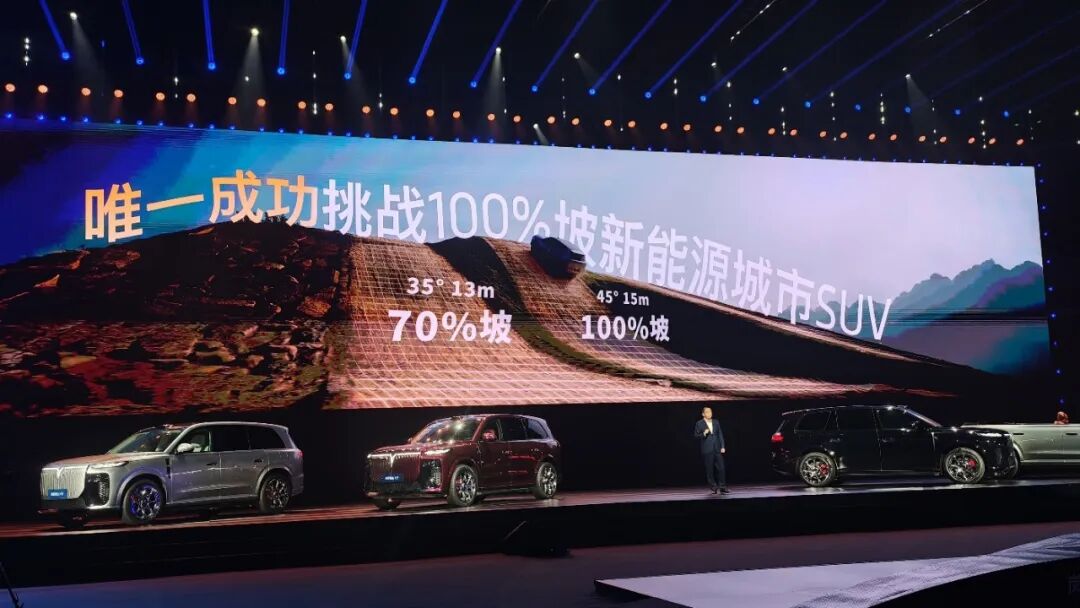
For example, it’s currently the only new energy urban SUV to successfully conquer a 100% gradient slope—comparable to the Range Rover for fuel vehicles, with the Taishan X8 leading for electric vehicles—and the world’s first all-terrain new energy urban SUV. The Taishan X8’s logic is clear: it not only matches but surpasses mainstream features in the market, such as intelligent driving, fridge-TV-sofa setups, performance, safety, and comfort, outperforming many established models. Yet, it also boasts unique technological strengths that become the primary drivers of sales conversions.
The next opportunity point in the market has been preliminarily validated as new energy large five-seater SUVs. However, the Taishan X8 is different. It seeks more than just being large or a mere mobile home. Lu Fang, Chairman and Party Secretary of VOYAH, responded that VOYAH excels at creating new categories. The sales figures of the Dreamer already signify VOYAH’s pioneering energy in leading the new energy luxury MPV segment, which instills confidence in the Taishan X8.
The repeatedly mentioned ‘new king of five-seaters’ at the launch event represents a new frontier. The Taishan X8 can outperform what is currently available in the market, but it also brings new all-terrain capabilities to the five-seater SUV market.

-
![]()
NIO’s Q1 Revenue Surges 112% Year-on-Year, Notching Two Straight Quarters of Profitability
-
![]()
Can Token Packages from China’s Top Telecom Operators Unlock a New Revenue Frontier?
-
![]()
What If Computing Power Could Be Traded Like Futures?
-
![]()
Huawei’s Star Performer: Can AITO Sustain Its Market Dominance?
-
![]()
The Arrival of FSD: A Boon for Chinese Automakers
-
![]()
Japanese Automakers 'Hard Hit' by U.S. Policies
-
![]()
The Dishes of HaiDiLao Are Now Being Served by Autonomous Vehicles! Cold Chain Delivery Costs Plummet by 50%
-
![]()
The Game Changer in Embodied AI: More Important Than Being 'Number One in Evaluation' is Starting to Deliver