Nine “Series 9” Flagship Models Debut in May, Intensifying the High-End Market Battle
 05/26 2026
 353
353

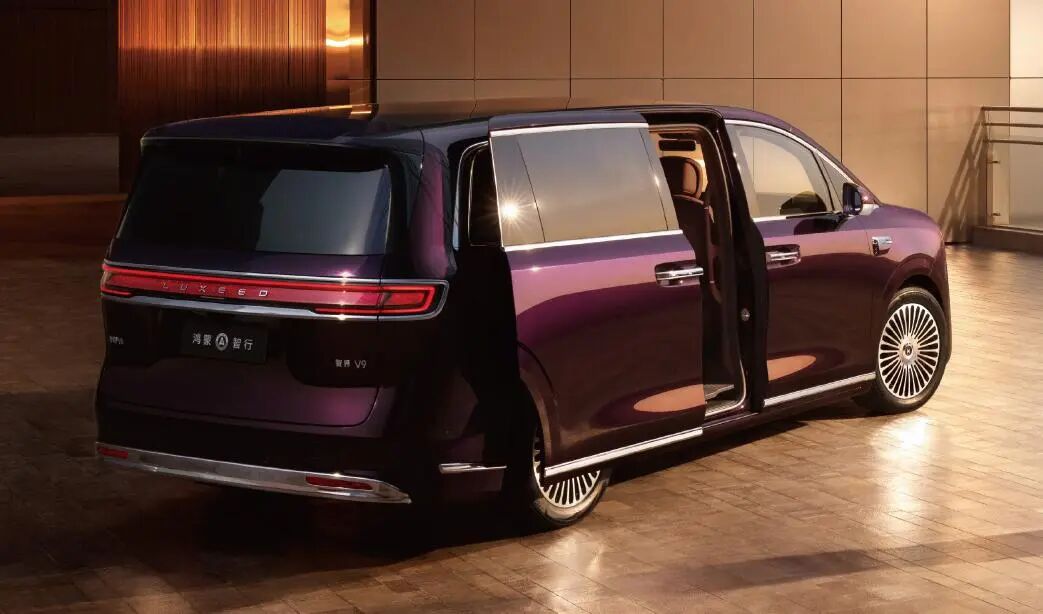
In the high-end vehicle segment, calling May “crazy” is no overstatement. This month witnessed the back-to-back launch of nine flagship models, collectively known as “Series 9” in the industry. Priced between 250,000 and 900,000 yuan, these launches set a record for the most flagship model debuts in a single month in China's automotive history. From the head-to-head launch event of the NIO ES9 and Seres M9 on May 27th to the successive introductions of heavyweight models like the Luxeed V9, Li Auto L9, and Zeekr 009, the high-end market is teeming with tension.
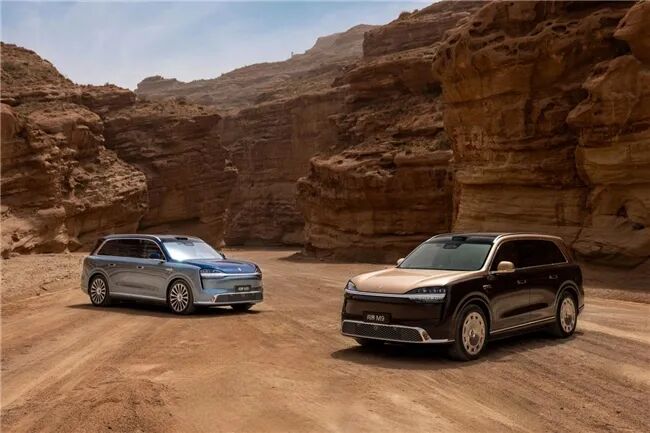
This is not merely a wave of new car launches but a high-stakes battle for brand survival in the high-end segment. Automakers recognize that in the new energy era, capturing the flagship market is key to controlling brand pricing power and technological influence. Yet, the question remains: Can China's high-end market truly accommodate so many “Series 9” models? Behind this collective frenzy lies hidden anxiety and strategic calculation.
Consecutive Launches as Strategic Positioning
Many view the May “Series 9” rush as coincidental, especially since many new cars choose to launch after the Beijing Auto Show. However, a closer look at the timeline reveals that this “Series 9 Battle” was planned half a year in advance, with automakers deliberately scheduling their launches for May.
The most direct reason for this is the rapidly closing window of opportunity in the high-end market. Data from the China Passenger Car Association (CPCA) shows that in 2025, sales of new energy passenger vehicles priced above 300,000 yuan in China grew by 47.2% year-on-year, far outpacing the overall market growth of 18.3%. However, market concentration is also sharply increasing, with the Seres M9, Li Auto L9, and Zeekr 009 accounting for over 60% of the new energy SUV market share above 500,000 yuan. For latecomers, the opportunity to enter is slipping away.
A deeper reason is that “Series 9” has become the ultimate showcase for automakers' technological prowess. Consumers are now more discerning, no longer blindly worshipping foreign brands but instead valuing the technological content of the products themselves. A successful “Series 9” model not only brings substantial profits but also drives the entire brand's upward breakthrough. Take NIO as an example; despite a price reduction for the refreshed ES8, its gross margin remains near 25%, making it a key engine for the brand's overall profitability.
Another factor that cannot be overlooked is the steady decline of BBA (Mercedes-Benz, BMW, Audi). Once firmly entrenched in the high-end market, these brands are struggling in the new energy era. In the first quarter of 2026, BBA's market share in the new energy segment above 300,000 yuan fell below 20%, leaving a significant market vacuum. Chinese brands' collective push into “Series 9” is essentially vying for the pie left behind by BBA.
Who's Truly Upgrading and Who's Just Along for the Ride
Although all dubbed “Series 9,” the product strength and market positioning of these models vary greatly. A closer comparison of the nine models reveals that beyond having a body length of over 5 meters and a wheelbase around 3 meters, many so-called “flagships” are merely “oversized family cars” with little to offer beyond spaciousness.
The “Series 9” market is now mired in severe homogenization. Nearly all models come standard with “refrigerators, TVs, and sofas,” claim to have advanced intelligent driving capabilities, and are equipped with air suspension and CDC damping. When consumers walk into a 4S store, apart from the different brand logos, it's hard to discern the essential differences between flagship models from various brands.
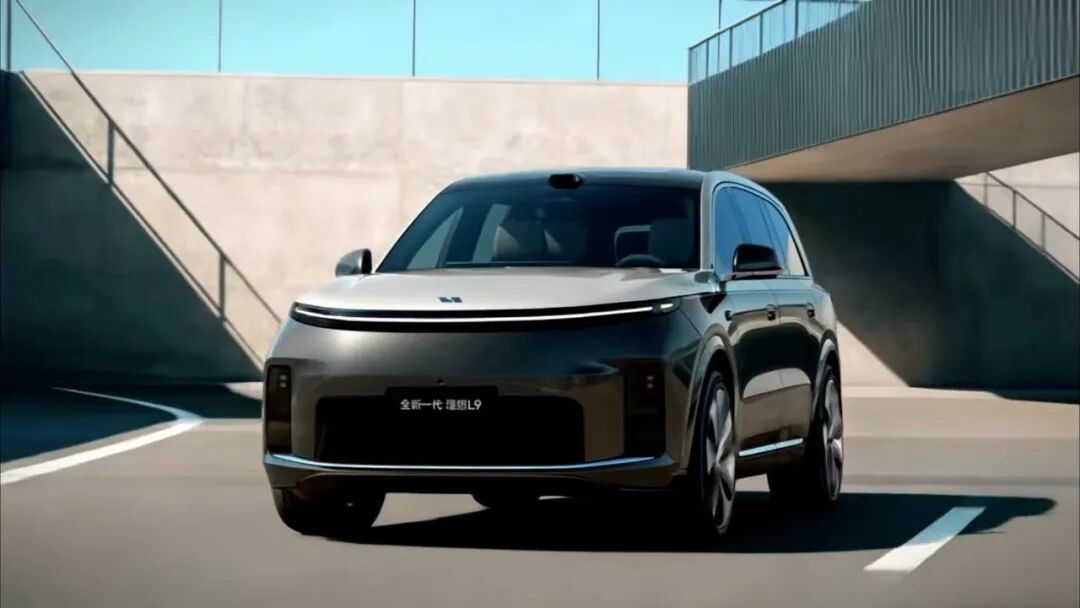
In this context, only companies with genuine technological barriers can stand out. For instance, the Li Auto L9 Livis is equipped with two self-developed 5nm Mach 100 chips, delivering a total computing power of 2560 TOPS, creating a clear generational advantage in intelligent driving. NIO ES9 focuses on chassis technology, featuring the same Tianxing Intelligent Chassis as the ET9, reaching industry-leading levels in comfort and handling. The Seres M9 continues to leverage Huawei's technological edge, debuting with a 6-lidar stereo matrix and an 896-line dual-light-path image-grade lidar, further solidifying its lead in intelligent driving.
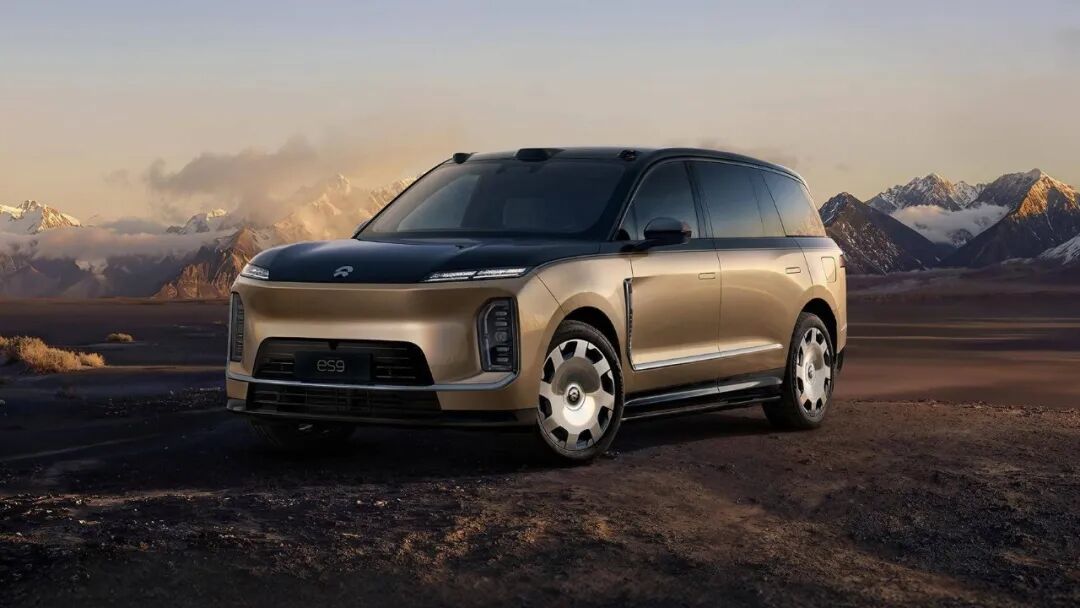
In contrast, some “Series 9” models launched in response to the trend seem lacking in sincerity. Most of them adopt generic platforms and supply chains, merely incorporating differentiated designs in appearance and interior, with little to no innovation in core technologies. These models may appear fully loaded in terms of configuration, but their actual experience falls short, ultimately relying on price cuts to drive sales.
Price War Inevitable
While the high-end market is growing rapidly, its capacity is ultimately limited. Data from the CPCA shows that in 2025, total sales of passenger vehicles priced above 500,000 yuan in China were approximately 1.8 million units, with new energy models accounting for about 45%, or around 810,000 units. With nine “Series 9” models launching in May alone, plus the dozens of flagship models already on sale, the intensity of competition in the market is evident.
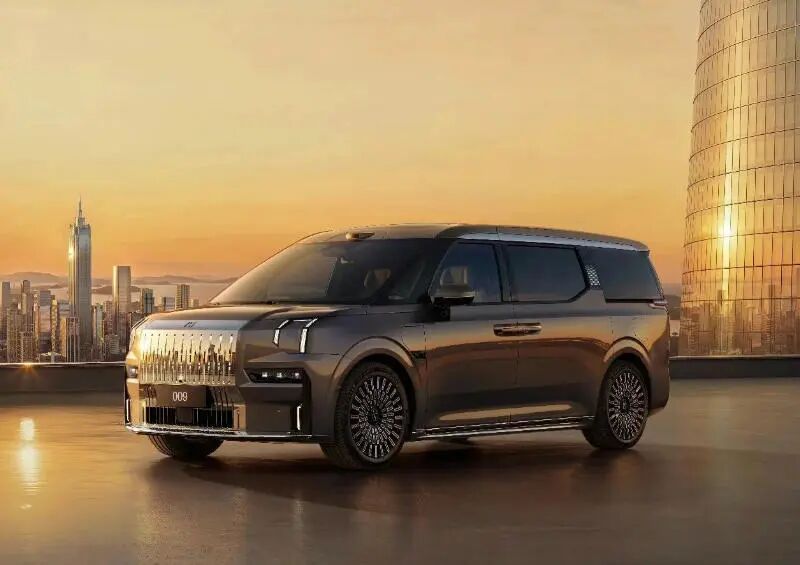
More importantly, many automakers have overly optimistic sales expectations for their “Series 9” models. Several brands have set monthly sales targets of over 10,000 units for their flagship models, but in reality, currently, only the Seres M9 consistently sells over 10,000 units per month in the new energy SUV market above 500,000 yuan, with the Li Auto L9 selling around 8,000 units monthly. If all “Series 9” models plan production based on monthly sales targets of over 10,000 units, it won't be long before the market experiences severe oversupply.
Under these circumstances, a price war is almost inevitable. In fact, signs of a price war have already emerged. The Leapmotor L90 directly lowered the price of pure electric large SUVs to a starting price of 265,800 yuan, with a battery leasing option as low as 179,800 yuan. The Geely Galaxy M9 Black Gold Intelligent Edition's limited-time preferential price is also just 259,800 yuan. The pricing of these models has already created a significant competitive pressure on many joint-venture brands' mid-size SUVs.
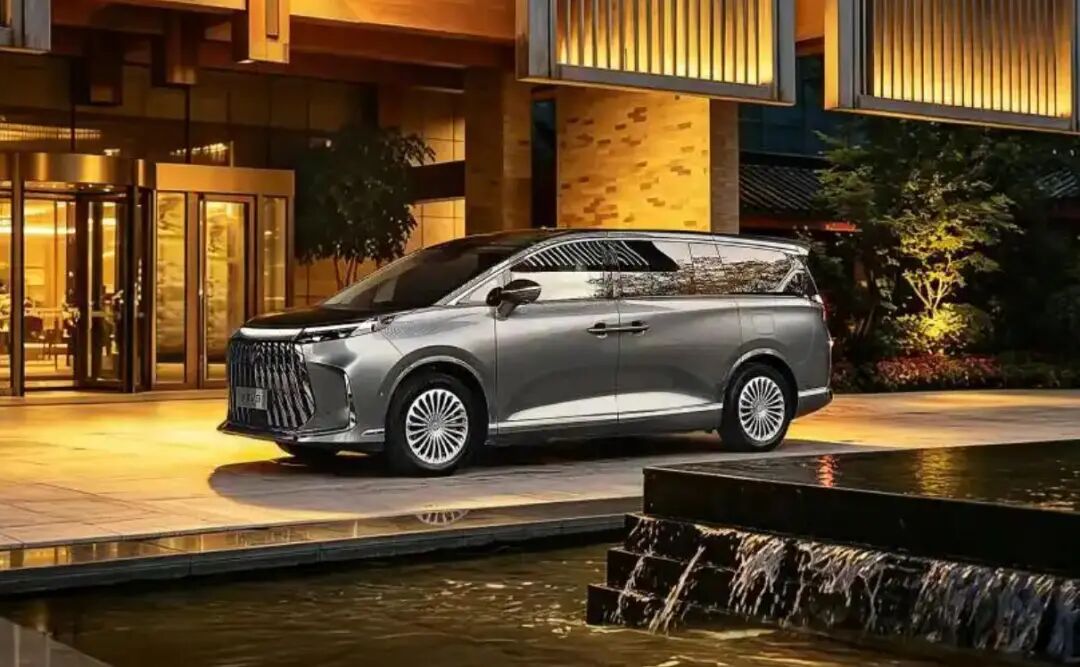
It is foreseeable that within the next six months, the “Series 9” market will undergo a ruthless reshuffle. Models without core technologies, relying solely on configuration pile-up, will be the first to be eliminated by the market. Meanwhile, truly capable brands will further expand their market share through technological innovation and cost control. Ultimately, the “Series 9” market may only be left with 3-5 truly competitive brands.
This “Series 9” battle is an inevitable outcome of the development of China's automotive industry to a certain stage. It signifies that Chinese brands now have the strength to compete head-on with international luxury brands and marks the official entry of China's automotive market into a new phase of high-end development. However, we must also recognize that the high-end market cannot be built solely on configuration pile-up; it requires long-term technological accumulation and brand cultivation.
For consumers, this is undoubtedly the best of times. We can buy better products at lower prices. However, we must also remain rational and not be swayed by flashy marketing tactics. When choosing a “Series 9” model, we should pay more attention to its core technologies and actual experience rather than those flashy but impractical configurations.
-
![]()
Nine “Series 9” Flagship Models Debut in May, Intensifying the High-End Market Battle
-
![]()
Starting at 9.9 Yuan, the Three Major Telecom Operators Foray into the Token Business: Will AI Functions Become the New Phone Bills?
-
![]()
Experiencing Tencent's Marvis: How Close Are We to Emulating 'Iron Man'?
-
![]()
1.25 million AI store managers secure hundreds of millions in funding, achieving 20 billion GMV
-
![]()
DeepSeek Announces Permanent Price Reduction, First Winner Emerges
-
![]()
Back then, you came in to seize my market share; now, I'm going out to take over your factories.
-
![]()
NIO’s Q1 Revenue Surges 112% Year-on-Year, Notching Two Straight Quarters of Profitability
-
![]()
Can Token Packages from China’s Top Telecom Operators Unlock a New Revenue Frontier?