NIO's Profitability: A Testament to Long-Term Success
 05/28 2026
 440
440

Introduction
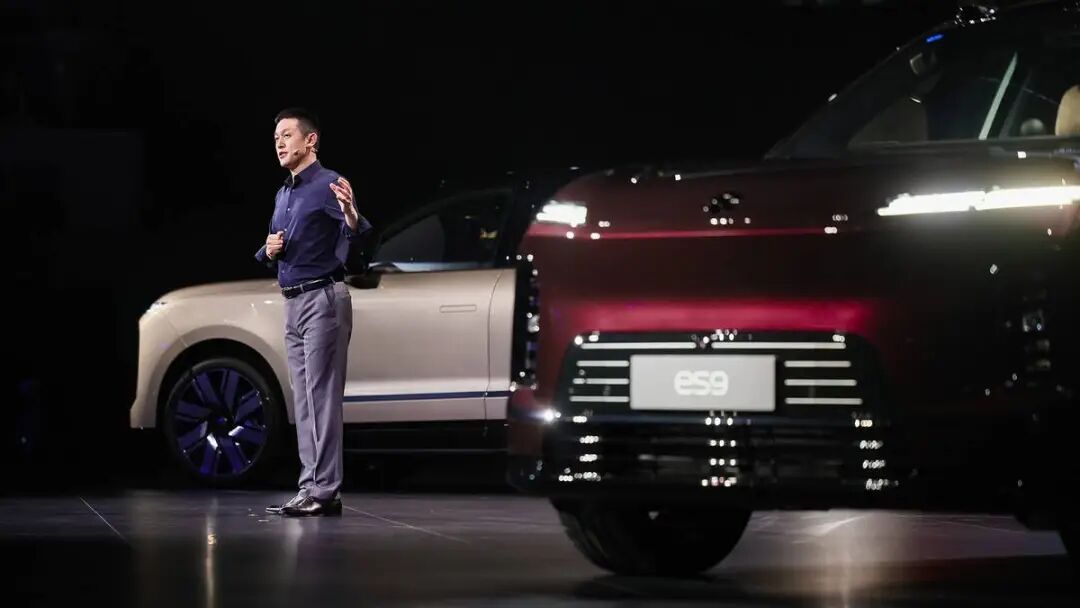
A New Era Dawns for NIO
What you see is NIO's sustained profitability; what I see is the triumph of long-term vision in the automotive industry.
“People often ask if the view from the top is different. Actually, the higher you are, the harder you fall.”
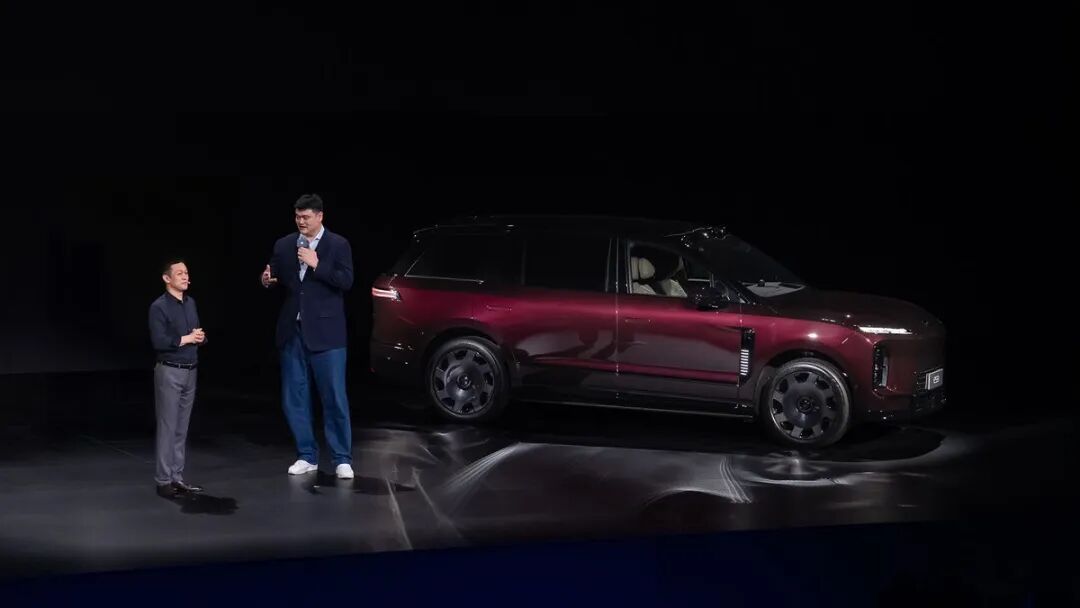
Yao Ming, NIO's newly appointed Chief Experience Officer, remarked in NIO ES9's promotional video. His words echo the fate of all pioneers: the higher you rise, the more perilous the descent—a reality NIO is intimately familiar with.
“I've followed NIO for a long time. Beyond the spotlight, I've witnessed its resilience in bouncing back from setbacks.”
Another insightful comment from Yao Ming, highlighting NIO's true essence: not the applause at its zenith, but the grit to rise after falls.
The automotive industry is undergoing an irreversible transformation. The Battery Electric Vehicle (BEV) era is upon us, faster than anticipated, with New Energy Vehicle (NEV) penetration exceeding 60% and BEVs constituting nearly 70% of that share. This is not a future prediction but a present reality.
The winds of change have arrived, but not everyone can ride them. NIO, the steadfast BEV advocate for over a decade, has finally harnessed this tailwind. The BEV era's full arrival not only validates NIO's long-term commitment but also rewards the very principle of long-termism.
Recently, NIO released its Q1 2026 financial results. This NEV manufacturer, steadfast on the BEV path, once again reported profitability—RMB 66.8 million in operating profit.
These figures may not be staggering individually, but collectively, they send a resounding message to the industry: NIO's profitability is not merely a financial turnaround but a positive feedback loop for its core values.
It demonstrates that long-termism is not a futile endeavor but a verifiable, rewarding path. As long as a company adheres to industry laws and the right direction, the cycle will eventually reward it.

When persistence aligns with industry laws, the cycle rewards the steadfast. This time, the reward extends beyond NIO to the future of the entire industry.
This profitability is a letter to the future of China's automotive industry, stating: the difficult yet correct path is indeed viable.
01 A Long-Awaited Report Card
The overall domestic auto market was sluggish in Q1 this year. Passenger vehicle retail sales declined 18.5% YoY from January to April, with joint-venture brands experiencing a sharp downturn. Fuel and hybrid models faced pressure, while only BEVs maintained modest growth.
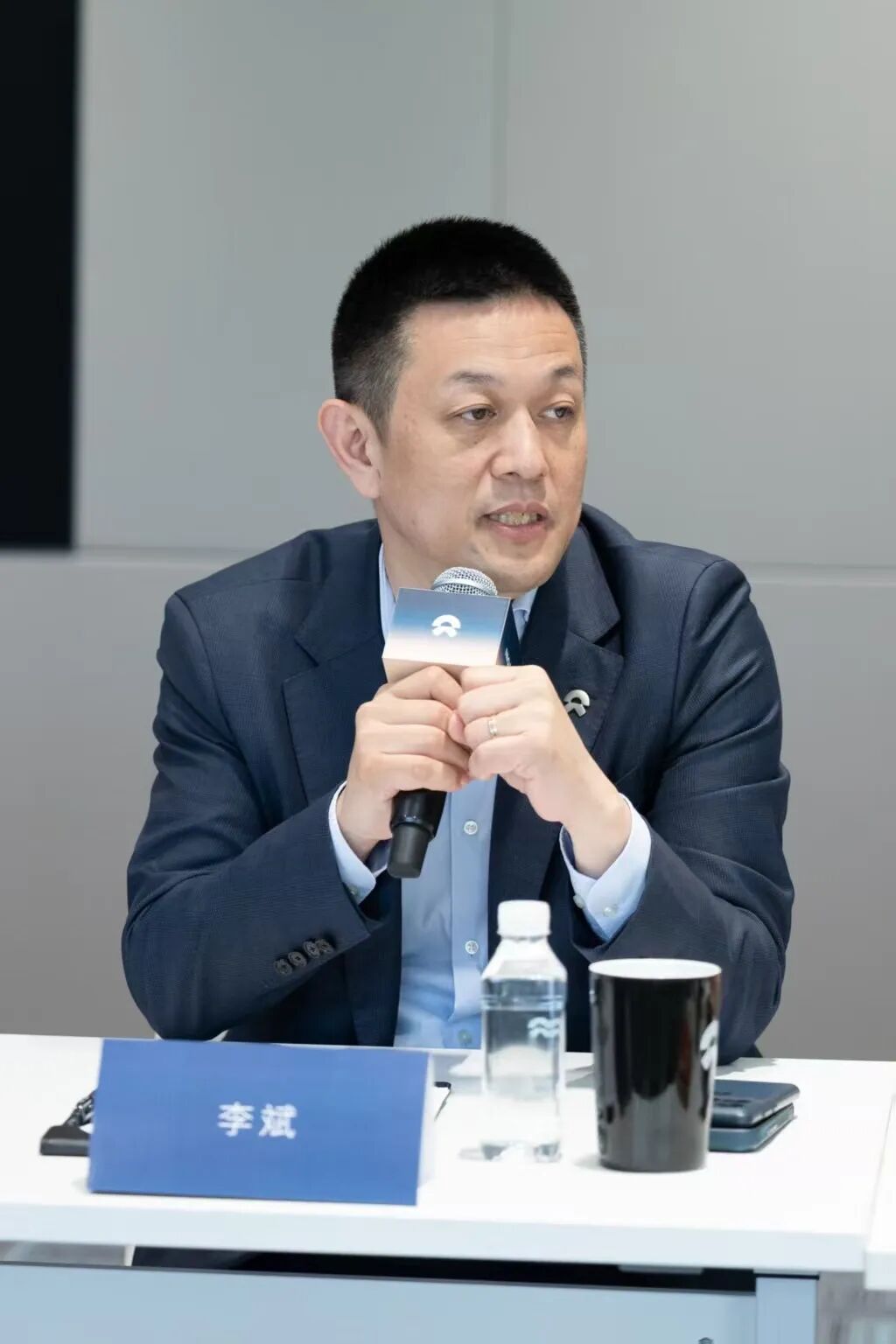
Yet, amid this market downturn, NIO achieved counter-trend growth. Even Li Bin admitted, “It's better than market expectations. Some peers messaged us yesterday saying, ‘We didn't see this coming.’”
“It starts with courage, succeeds through action. When the world says it's too hard, too slow, too bitter, you persevere.”
Yao Ming's words perfectly encapsulate NIO's journey these past years.
Let's delve into the specifics: Q1 total revenue reached RMB 25.53 billion, up 112.2% YoY; 83,465 new vehicles delivered, up 98.3% YoY. Sales and revenue grew in tandem, vividly illustrating the company's rising operational prowess.
Even more striking than revenue is the gross margin: total gross profit hit RMB 4.86 billion, surging 428.4% YoY; vehicle gross margin reached 18.8%, with a comprehensive gross margin of 19.0%—both four-year highs.
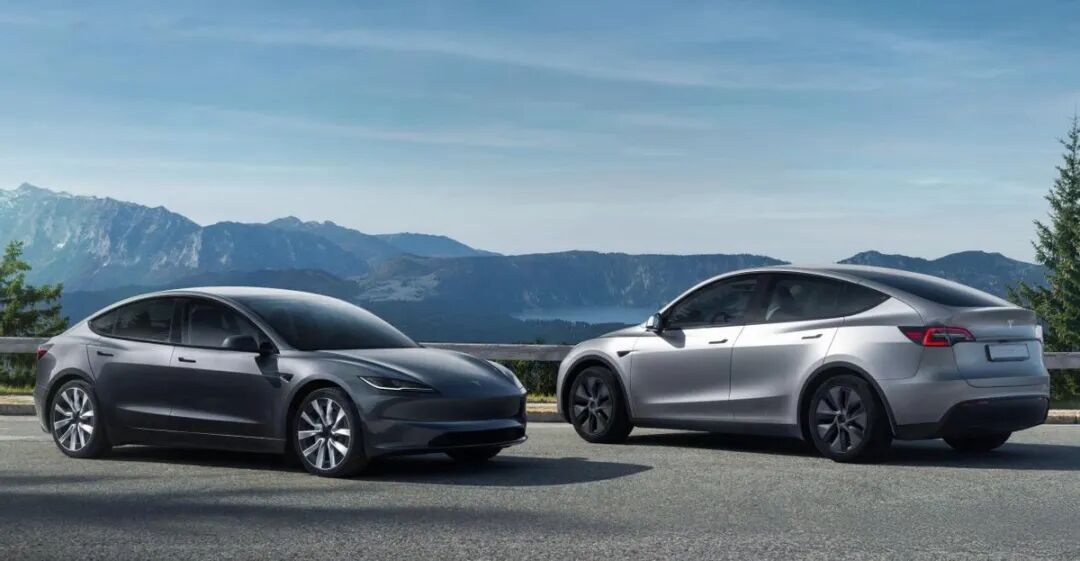
What does an 18.8% vehicle gross margin signify in the industry? In 2025, the average gross margin for A-share automakers was 15.11%, while Tesla's vehicle business gross margin stood at just 17.8%. By this metric alone, NIO has reached the industry's vanguard, standing shoulder to shoulder with Tesla.
Data reveals: NIO ES8 ranked first in 400,000+ RMB passenger vehicle sales for five consecutive months; NIO became the 300,000+ RMB BEV sales champion; in Shanghai, NIO captured 8% market share, ranking first in local sales...
At first glance, the NIO ES8 appears to be the primary contributor to profitability this quarter. However, a deeper analysis reveals a more profound driving force—NIO's robust systematic capabilities and technological accumulation.
Undoubtedly, the battery swap replenishment system remains one of NIO's core competencies and its deepest moat in the premium BEV market.
Meanwhile, NIO has completed a comprehensive layout in the “new three essentials”: the world's first mass-produced 5nm intelligent driving chip, Shenji NX9031; the Skylink OS vehicle-wide operating system; and the Skylink intelligent chassis... As self-developed components scale into production and underlying technologies become multi-brand compatible, NIO's R&D and production costs have dropped significantly.
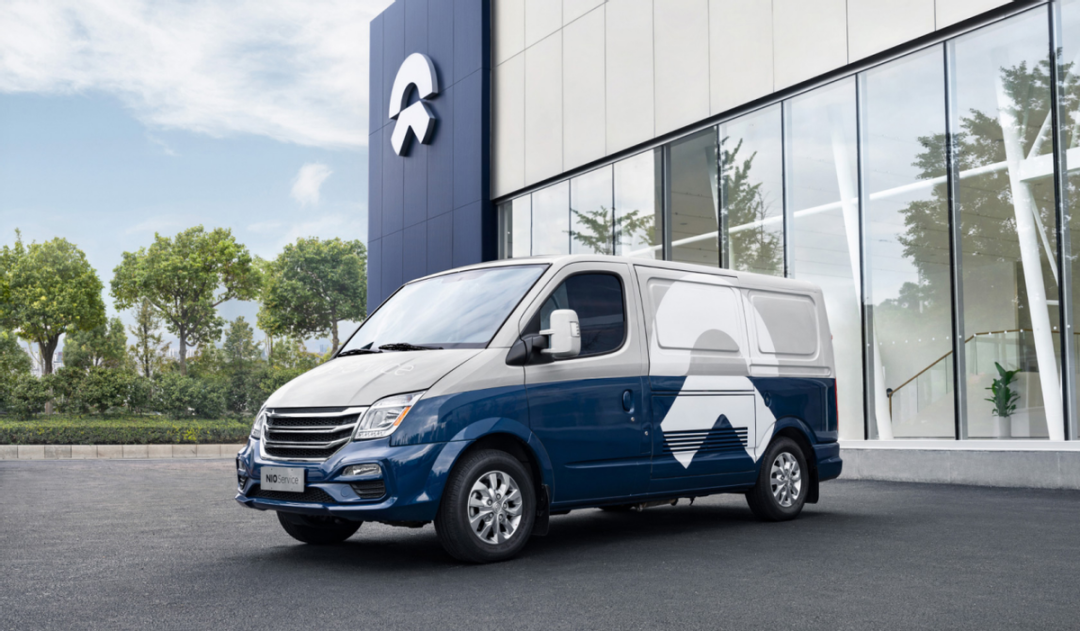
Moreover, the systematic capabilities built earlier continue to pay dividends. Li Bin stated, “Our service businesses—including after-sales, NIOLIFE, and other technical services—combined can cover the losses from battery swapping and even generate profits.”
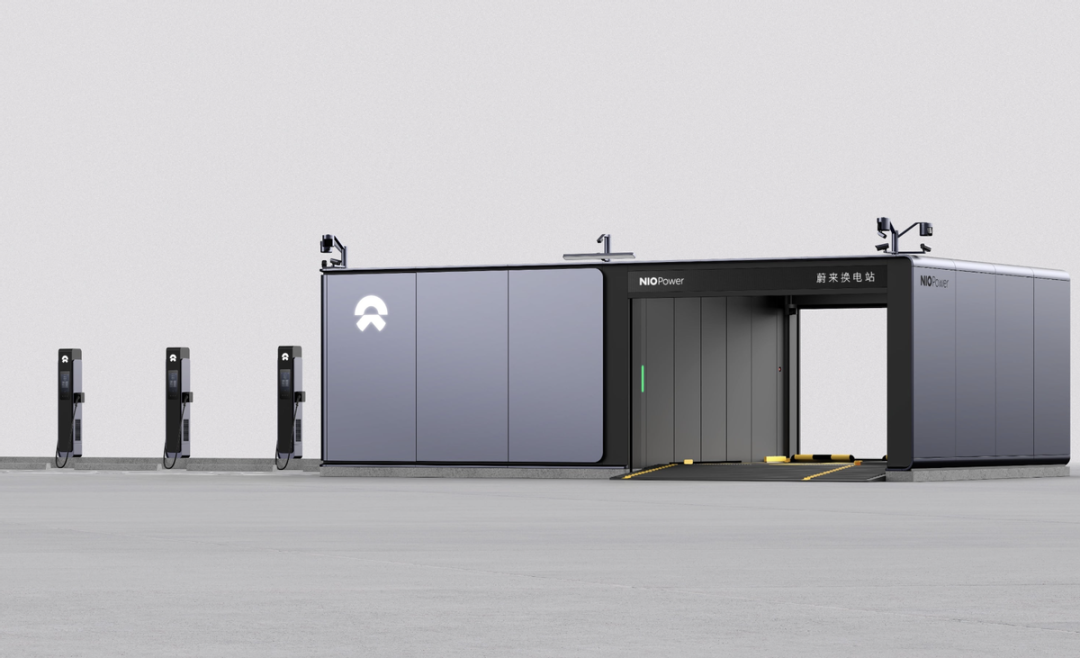
In essence, NIO's years of technological investment are now bearing fruit, and its systematic capabilities are materializing faster and more concretely this year.
This is the foundation for NIO entering a “winning cycle.” It doesn't rely on a single blockbuster model but on a replicable, evolvable system that makes profitability the norm.
According to the financial report, NIO expects to deliver 110,000–115,000 units in Q2, up 52.7%–59.6% YoY; revenue is projected at RMB 32.78–34.44 billion, up 72.4%–81.2% YoY. Future growth will be driven by new models like the L80, L60, and ES9.
But NIO's ambition extends beyond launching new models—it aims to fully leverage the technological and systematic capabilities accumulated over the past eleven years.
02 The BEV Era Has Arrived
“Competition among auto companies has shifted from isolated skirmishes to systematic warfare.”
In Li Bin's view, “In the past, a single edge might suffice—like a range extender, dual fuel capability, larger vehicles, or bigger batteries. But these tricks lose their novelty over time. There's nothing new under the sun; no one can reinvent the wheel.”
This is NIO's understanding of “systematic strength.” The dividends of the BEV era will only accrue to players who truly build systematic capabilities.
CPCA data shows sustained growth in NEV penetration. Retail sales of NEVs reached 849,000 units in April, with a penetration rate of 61.4%. Among them, BEV retail sales hit 579,000 units, accounting for 68.2% of the NEV market.
Data speaks the clearest market language. Li Bin is certain—the inflection point has arrived, and BEV adoption is entering a critical phase. He further predicts that by Q4 this year, NEV penetration will surpass 70%, possibly even reaching 75%.
As China's most steadfast BEV advocate, NIO stands at the forefront, where opportunities and challenges intertwine.
One “hurdle” troubles many automakers: consumers are no longer easily swayed.
In recent years, the market has seen “blockbuster models” that fade into obscurity after a brief surge. It's not that these models lack merit, but as competition intensifies, homogenization erodes their “blockbuster” appeal.
When fridges, TVs, and sofas are no longer unique selling points, when horsepower becomes commonplace, and when six-seater flagship models flood the market, consumers grow fatigued and disillusioned.
This is the true nature of the BEV era—market logic, consumer mindset, and corporate development are all being reshaped.
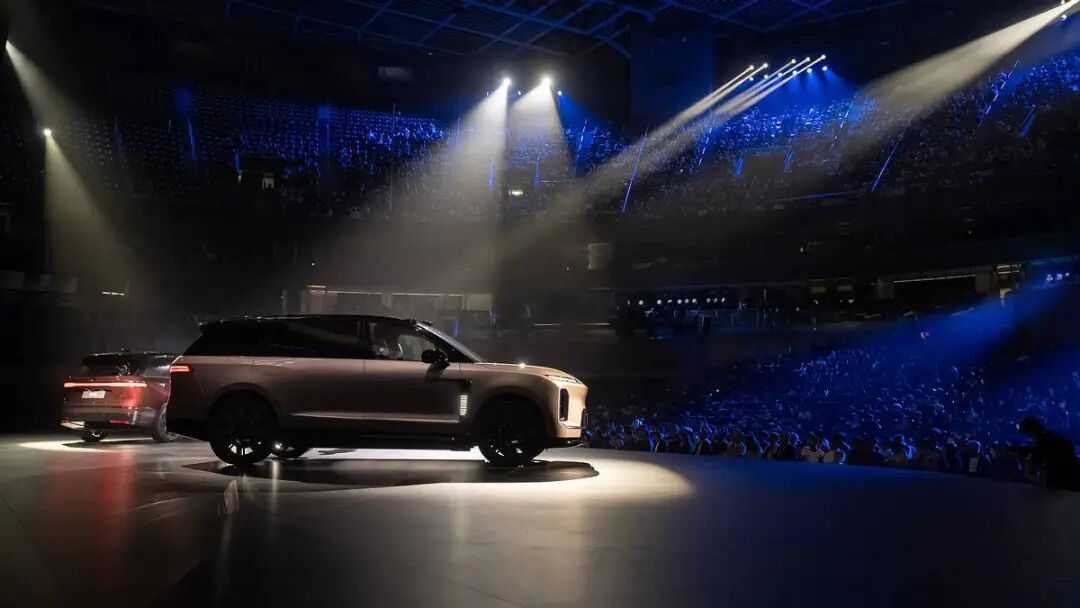
Whether or not rising fuel costs drive more people to BEVs, global automotive consumer research firm J.D. Power has unequivocally endorsed the BEV market: BEVs have shifted from “alternatives” to “preferences,” with 2026 marking a critical year for market share reversal.
If the BEV era is inevitable and market rules will rewrite, how should automakers capture consumer attention? The answer lies in brand strength.
As the BEV market moves beyond mere competition over range, configurations, and hardware specs, consumers increasingly value brand philosophy, emotional experience, service reputation, and ownership identity. Exceptional brand strength will unleash unprecedented energy in this boundless BEV era.
Note that this brand strength is not the outdated “old guard” culture but a “new quality” brand strength born of the BEV era.
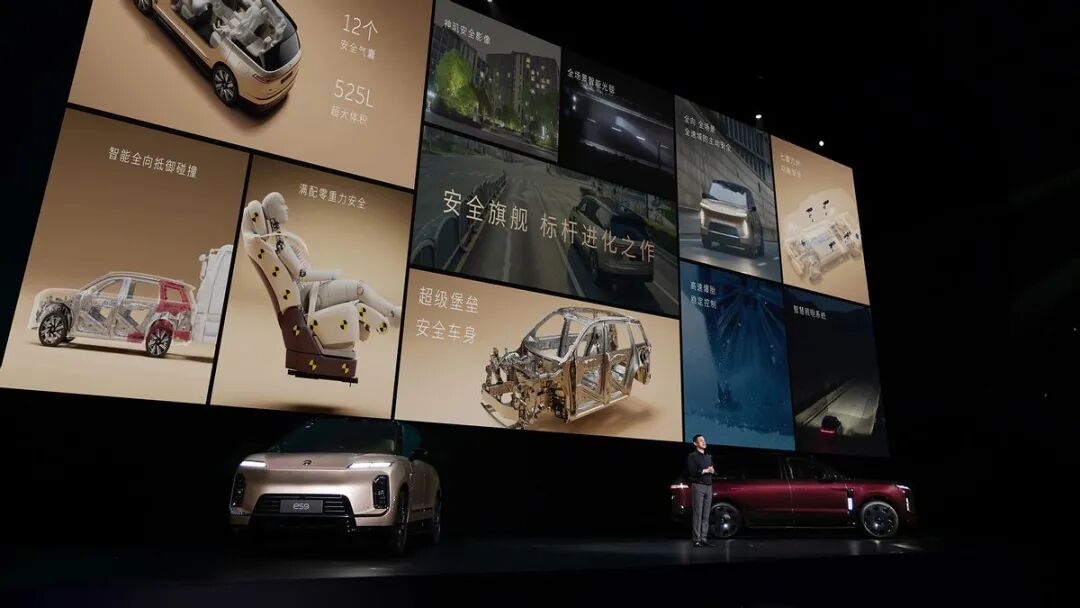
On the BEV track, NIO's brand stature ranks among the top tier. Its unwavering commitment to BEVs has made its brand image even more pure.
The dividends of the BEV era will surely include NIO. Today, NIO's brand positioning across its portfolio is becoming clearer, with differentiated identities taking shape: NIO targets premium originality, Ledo focuses on family practicality, and Firefly appeals to fashion-conscious users. Their final sales proportions are expected to reach 35%, 55%, and 10%, respectively.
03 Upholding Long-Termism
Regarding the future of the automotive industry, Li Bin offers three key judgments: the industry is entering a brutal final phase, with joint-venture brands in freefall; BEVs are reaching an inflection point, with the market shifting to stock competition; brands are evolving from chaos to clarity, with differentiated identities forming.
These three judgments align precisely with the laws NIO follows. The reason NIO has entered a “winning cycle” is that it has moved in step with these laws at every turn.
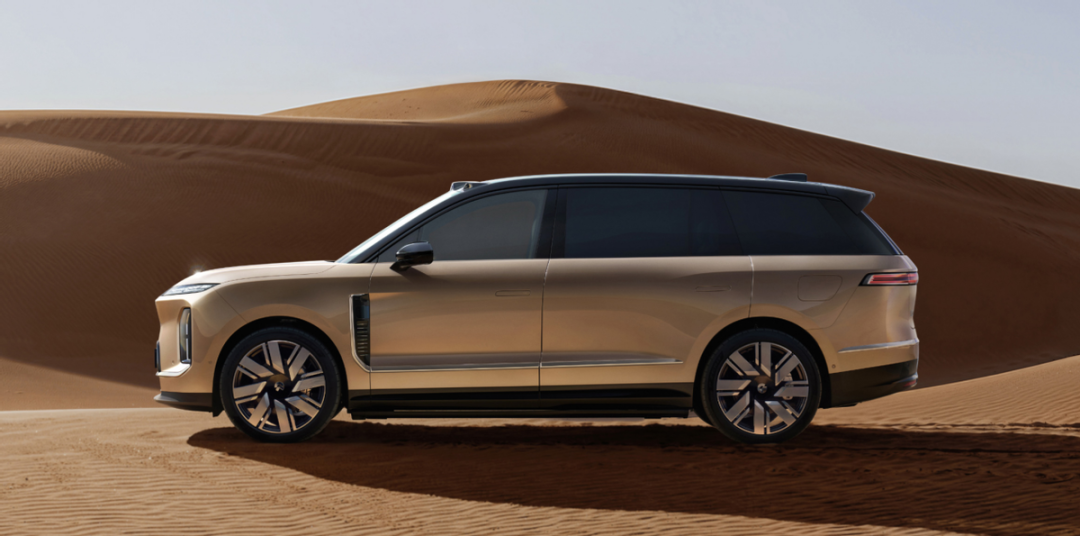
“Products and technologies will become more focused,” “build strong fortifications, fight protracted battles, make steady progress day by day.” This is how Li Bin describes NIO's upcoming posture. It embodies the correct approach to long-termism: not blind expansion but simplification and energy accumulation at key nodes.
Long-termism was once stigmatized. But NIO's current profitability means far more than just success for itself—it declares to the entire industry: the path of long-termism, though deemed too hard, too slow, and too bitter by the world, will yield answers if you stay committed and keep moving forward bit by bit.
“It starts with courage, succeeds through action. When the world says it's too hard, too slow, too bitter, you persevere.”
Yao Ming's words ring especially powerful now. NIO's eleven-year persistence has written the most solid footnote for its Q1 profitability.
This is not just NIO's victory but a positive reinforcement for the entire industry. It tells every company striving on the path of long-termism: your persistence will be seen by the cycle. This is not mere encouragement but a verified law.
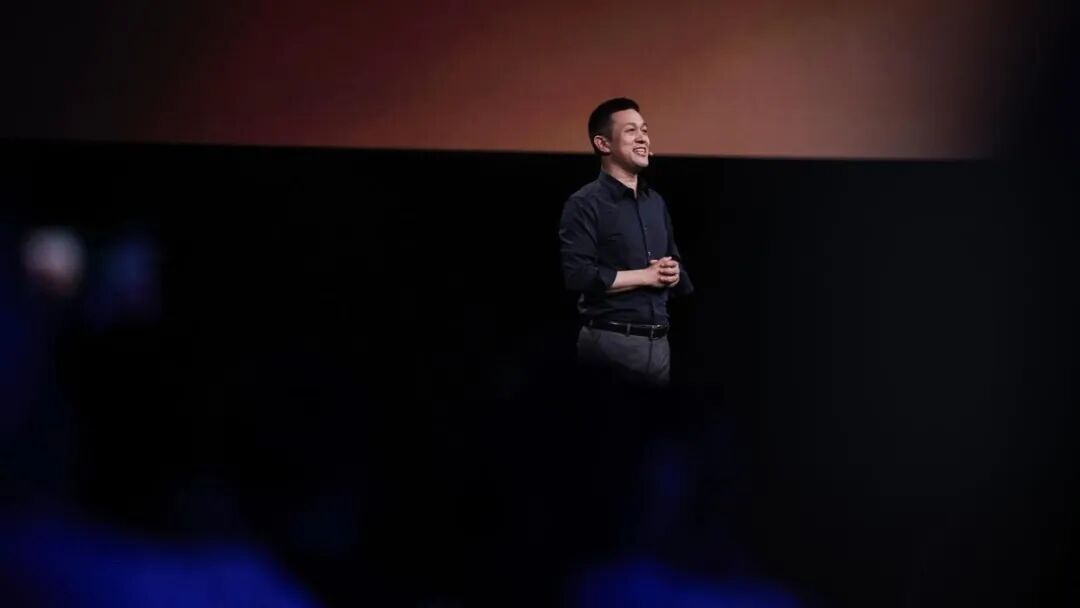
“We only do BEVs, so there's a lot of commonality. Our product lineup is converging, and we're restrained in expanding speculative businesses, so our R&D efficiency naturally improves.”
“Actually, focusing on BEVs makes us run lighter as we go.”
These two statements from Li Bin reveal the secret behind NIO's increasing momentum.
“A car, like a person, is defined by its character. This character isn't built overnight—it grows bit by bit.”
When asked how he views cars, Yao Ming gave this answer. What defines NIO's character? It's eleven years of unwavering commitment to BEVs, the resilience to rise after falls, the painstaking effort in self-developed technologies, and the hard-earned progress in building a battery swap network. This character is now beginning to shine.
NIO's profitability is a beacon of light. It illuminates not only its own financial reports but also the future direction of the entire automotive industry. As more and more people believe in the value of 'long-termism' and as more and more companies dare to make heavy investments in the pure electric vehicle sector, the future of China's automotive industry will gradually move towards true success through this positive feedback loop.

THE END
-
![]()
NIO's Profitability: A Testament to Long-Term Success
-
![]()
DeepSeek Raises the Query, Xiaomi Provides the Solution
-
![]()
The Story Behind Honor's IPO 'Difficulties': Lost Market Share and a Hanging Future
-
High R&D Investment ≠ High Barriers: Decoding Insta360's 'Technology Story'
-
![]()
Over 400 Mercedes-Benz EQC Owners Gear Up for Legal Action! ‘Battery Capacity Degradation’ Dispute Intensifies
-
![]()
The 'Enclosure Movement' in the AI Era: When Operators Start Selling Tokens
-
Domestic Mobile Phone Makers Navigate Challenging Times
-
![]()
NIO's Q1 2026 Performance: Has China's Most Hard-Pressed New Energy Vehicle (NEV) Manufacturer Finally Turned the Corner?