Toyota's Electric Vehicle Strategy Shifts Again: Lexus LF-ZC Project Scrapped, Will Any of the 14 Concept Cars See the Light of Day?
 06/02 2026
 396
396
An early start, but a late finish.
Toyota's pursuit of pure electric vehicles (EVs) has hit another roadblock.
Recently, foreign media reported that Toyota will halt the development of the mass-produced version of the Lexus LF-ZC, a pure electric sedan under its luxury brand.
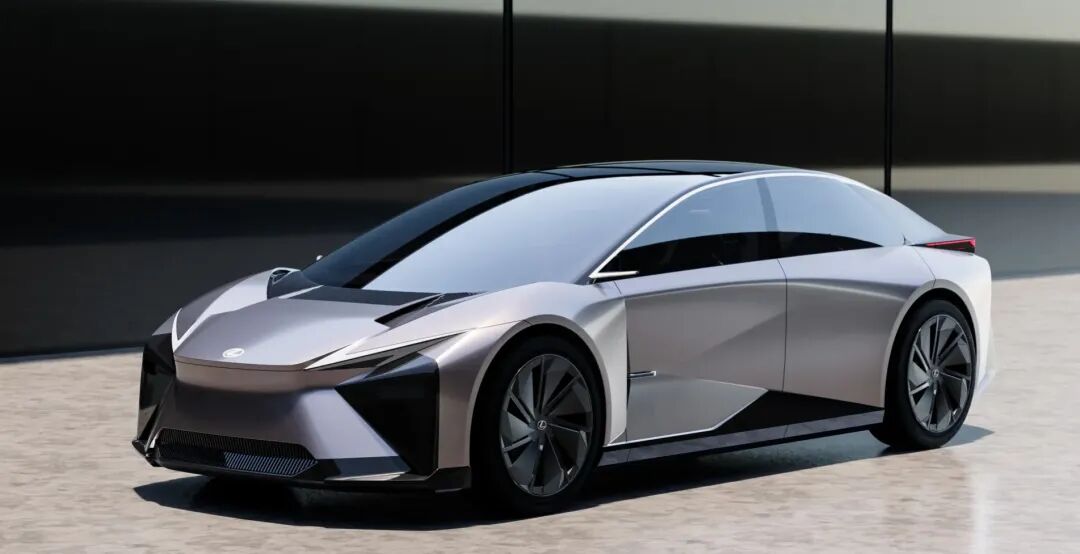
(Image source: Lexus)
Toyota later confirmed the news, stating that the decision to halt development was based on "considering changes in market demand, as part of the overall adjustment of the company's vehicle development projects." The company also clarified that this does not signify Lexus's abandonment of pure electric vehicles.
The LF-ZC made its debut at the 2023 Tokyo Mobility Show, positioned as Lexus's "next-generation pure electric model." Officials highlighted its adoption of a next-generation pure electric architecture, steer-by-wire technology, a new operating system called Arene OS, and advanced artificial intelligence.
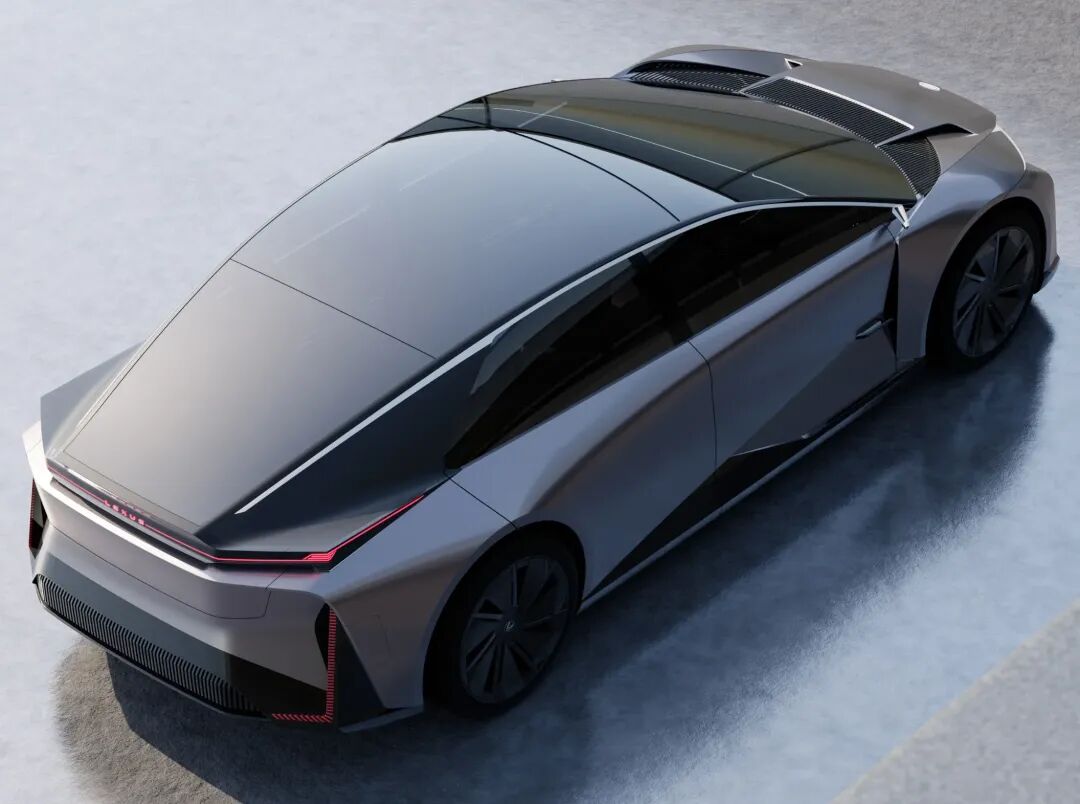
(Image source: Lexus)
Lexus had initially planned to start production of the LF-ZC by the end of 2026 and launch it the same year. However, the timeline was later adjusted to mid-2027.
This is not the first time Toyota has suspended the development of pure electric models. In December 2021, Toyota unveiled 15 models at a strategic briefing, covering sedans, sports cars, crossovers, SUVs, and pickup trucks. All but the bZ4X were concept cars.
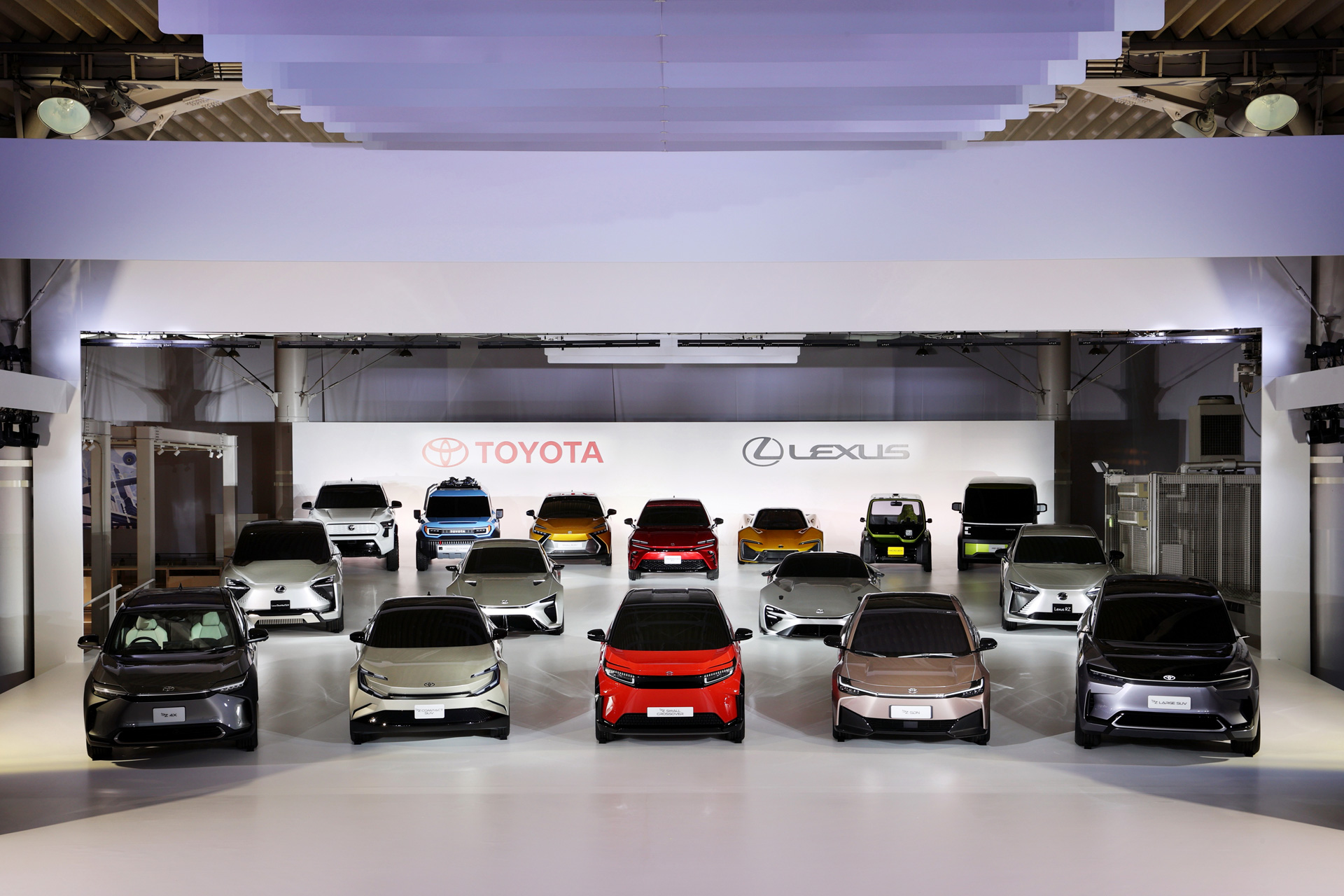
(Image source: Toyota)
Just the following year, reports surfaced that Toyota had already shelved plans for the pure electric Crown and FJ models. Now, four and a half years later, very few of these 14 concept cars have reached production.
Given this track record, Dianchetong (ID: dianchetong233) is not particularly surprised by Lexus's decision to cancel the LF-ZC.
So, why has Toyota been so inconsistent in the pure electric field? And does Toyota have a future in electrification?
Toyota's erratic approach to pure electric vehicles, with almost no new models launched in Japan in recent years, can be partly attributed to Chairman Akio Toyoda's stance on EVs.
While Toyoda has always advocated for a "multi-path carbon neutrality" strategy, suggesting that pure electric vehicles are just one option among many—including plug-in hybrids, regular hybrids, and even gasoline vehicles—his past statements suggest a more negative view of pure electric vehicles.
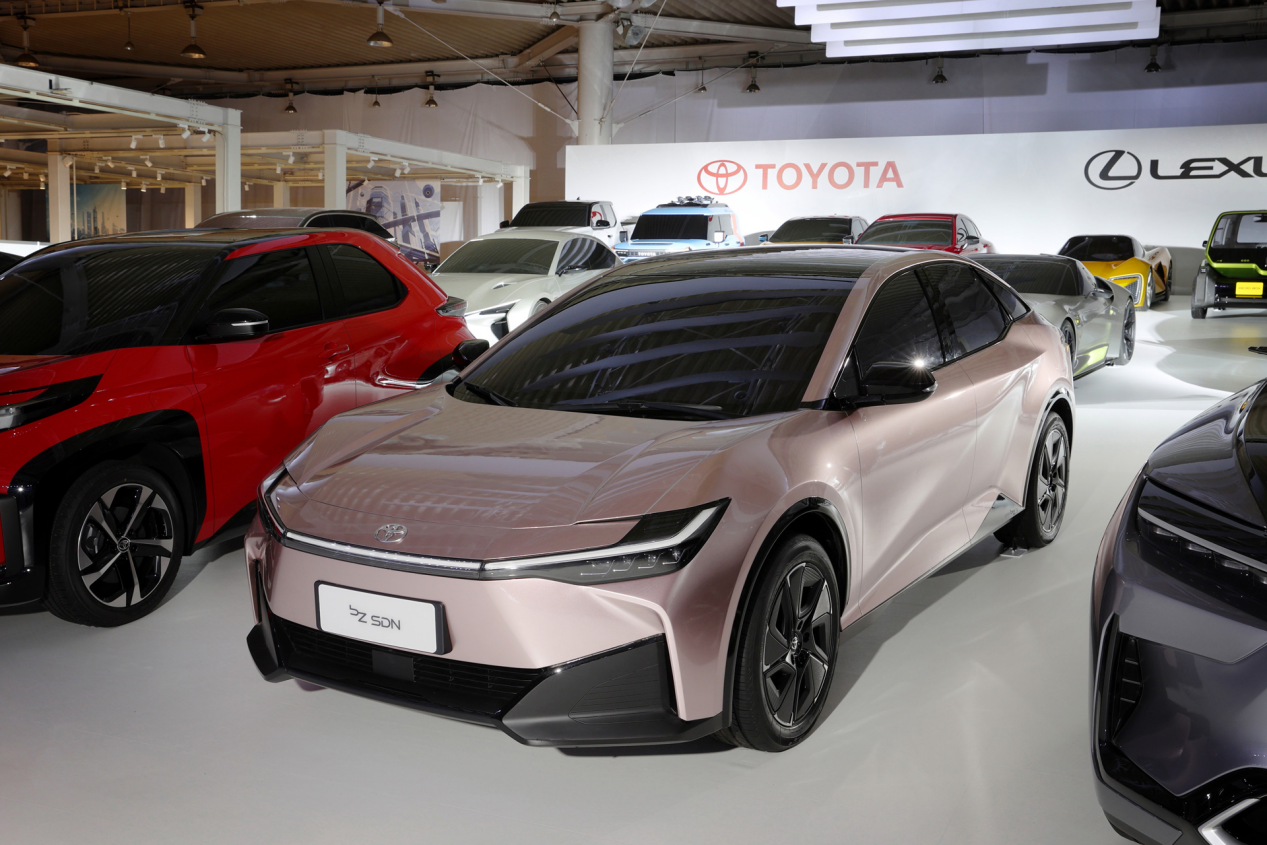
(Image source: Toyota)
Some of Toyoda's notable remarks on pure electric vehicles include: "The more electric vehicles we make, the worse carbon dioxide emissions will be," "If all Japanese cars were pure electric, Japan would face a power shortage during summer," and "Transitioning to pure electrification would destroy the Japanese economy."
Toyoda has even criticized government policies promoting pure electric vehicles and urged automakers to continue investing in hybrid vehicle research and development.
In essence, it seems like a case of "lacking effort while making excuses," blaming carbon emissions, market conditions, power shortages, and even the economy. Dianchetong (ID: dianchetong233) likens it to a child who doesn't want to go to school, claiming that going to university is less profitable than delivering food after graduating from junior high.
Furthermore, Toyoda has stated that pure electric vehicles will likely account for no more than 30% of the market share, with the rest being hybrids, hydrogen fuel cell vehicles, and gasoline vehicles.
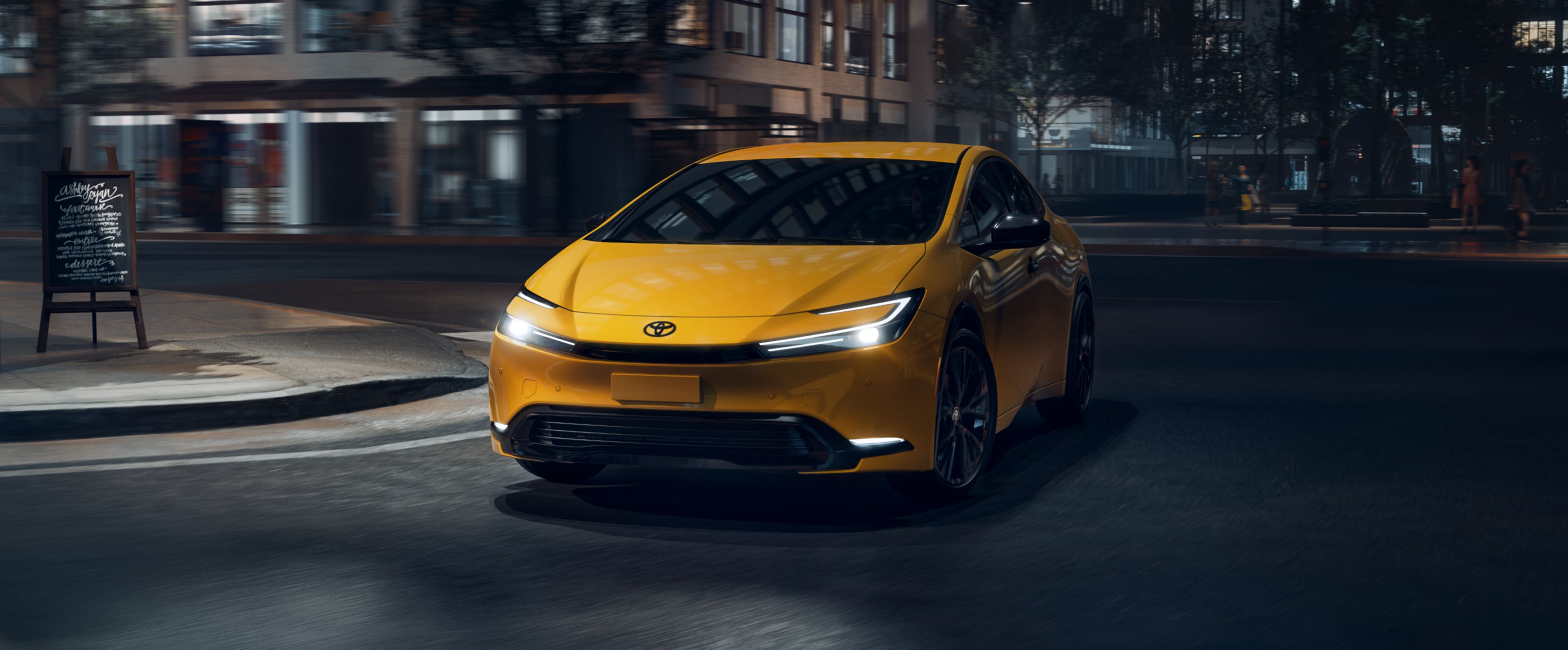
(Image source: Toyota)
So, after all these years, has Toyota made significant progress in hybrid or hydrogen energy technologies?
Looking at the Chinese market, BYD, which once took Toyota as a model, has iterated its hybrid technology several times, achieving considerable advancements in fuel consumption, range, and charging speed. Even Li Auto, with far less car-making experience than Toyota, has deepened its focus on range-extended hybrids over the years, transforming the range extender from outsourcing to joint research and development to self-research.
What about Toyota? We can't expect technological and sales progress when the chairman criticizes pure electric vehicles.
Neglecting new technology research and development, opting for inconsistency, drawing pie-in-the-sky plans for electrification, complaining about pure electric vehicles, and then halting the development of certain electric vehicle models... If this cycle continues, all energy will be spent on internal friction.
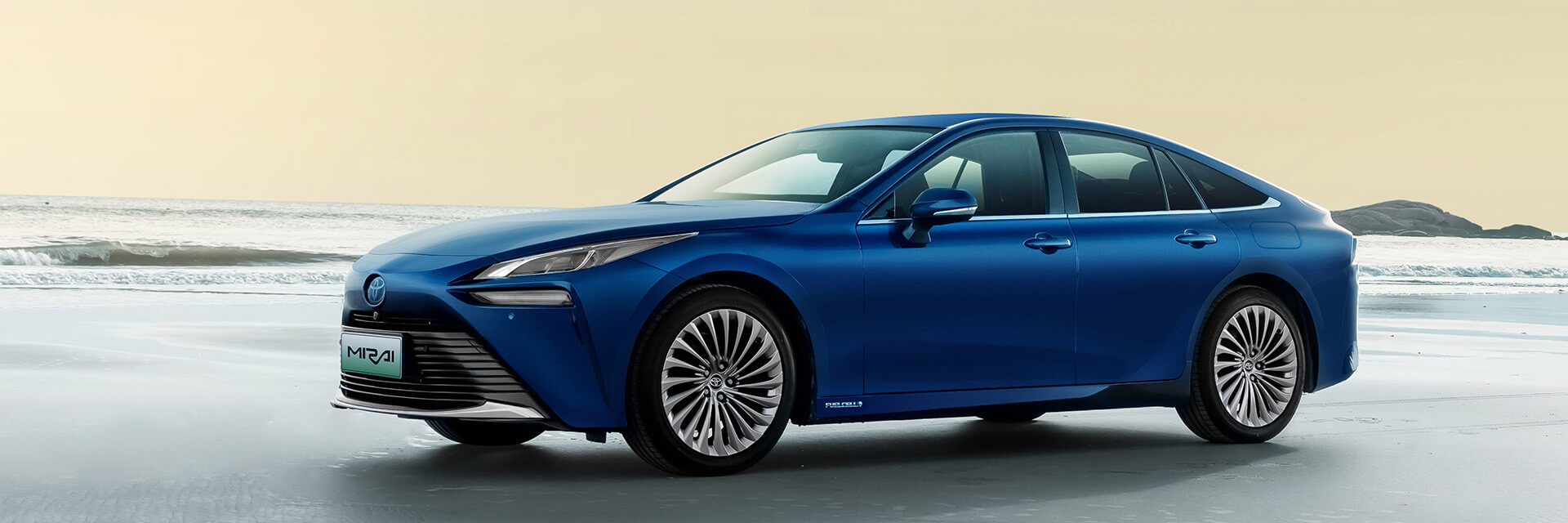
(Image source: Toyota)
As the Chinese saying goes, "A weak soldier is just one, but a weak general ruins the whole army." The automotive industry demands long-term vision and commitment, especially in the niche field of new energy vehicles.
However, we can't completely dismiss Toyota. At least, it has achieved results in electrification transformation in certain markets.
That's right, the Chinese market.
Compared to Toyota's various inconsistencies and hesitations in electrification transformation in Japan, its efforts in the Chinese market have been surprisingly swift.
Currently, Toyota has launched four pure electric models in China: the FAW Toyota bZ3 and bZ5, and the GAC Toyota bZ4X and bZ7.
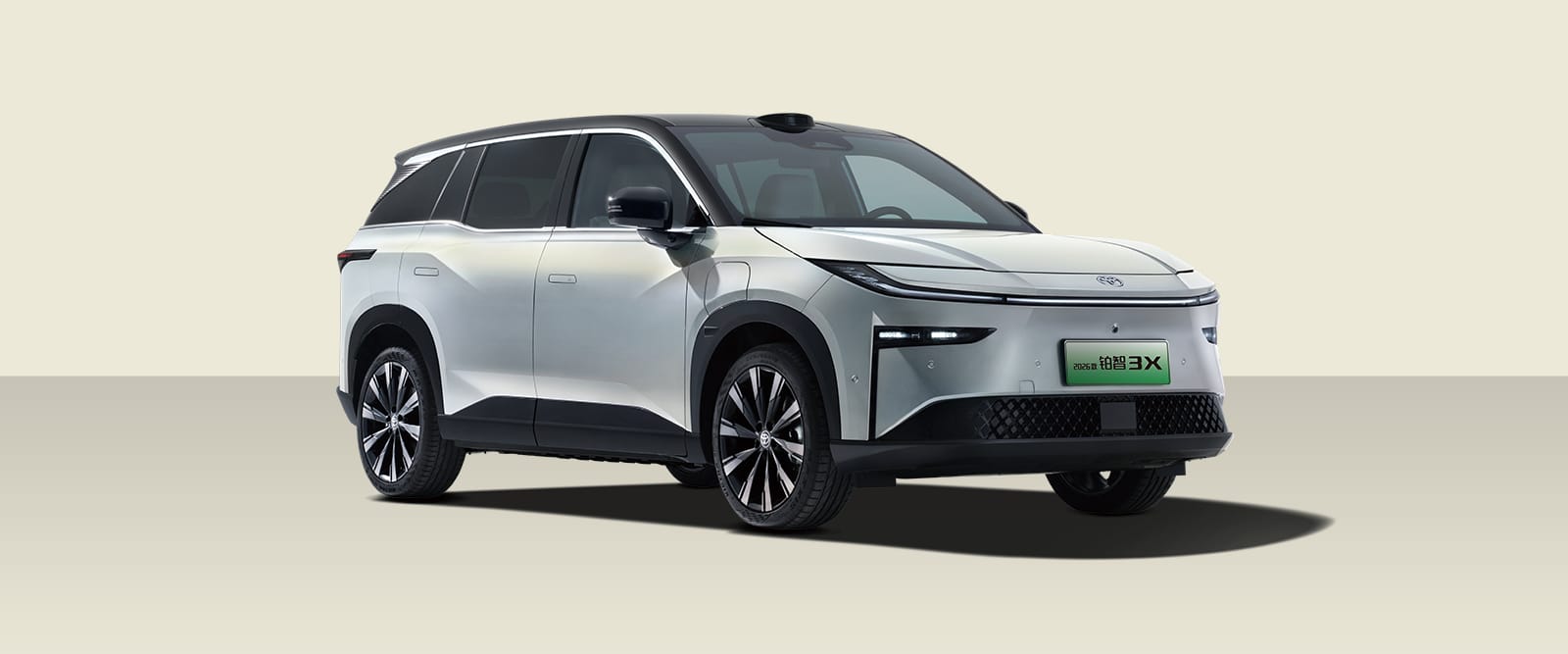
(Image source: GAC Toyota)
It's worth noting that the electric vehicles Toyota has developed in China are all collaborations with joint venture partners and other companies. For example, the FAW Toyota bZ3 and bZ5 are collaborations with FAW and BYD, utilizing BYD's FinDreams batteries. The GAC Toyota bZ4X and bZ7 are built on GAC's new energy platform.
Nevertheless, Toyota has achieved notable results in electrification and intelligent transformation in the Chinese market. For instance, the four pure electric models mentioned earlier all offer versions equipped with LiDAR and Momenta's assisted driving system, significantly outperforming the models Toyota sells in Japan.
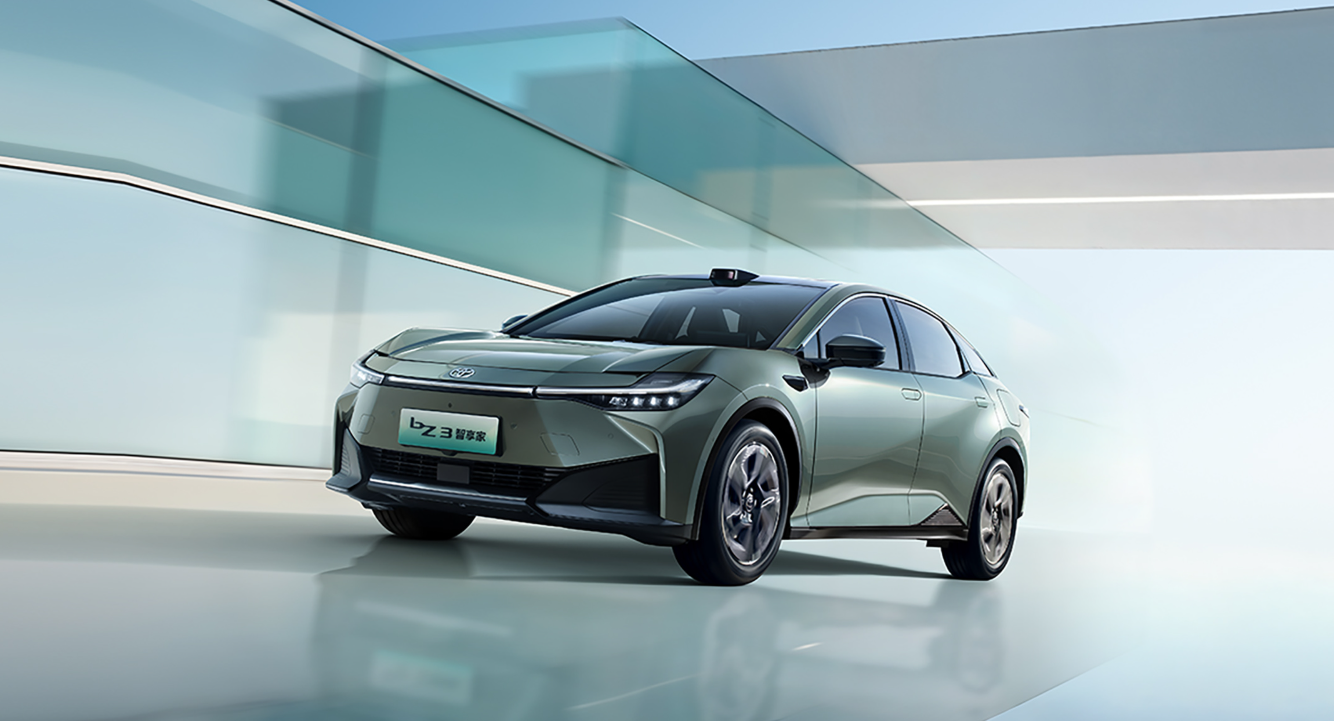
(Image source: FAW Toyota)
The GAC Toyota bZ7 takes it a step further, featuring not only high-level intelligent assisted driving but also Huawei's HarmonyOS cockpit and Xiaomi's CarIoT ecosystem. If the logo were covered, few would believe it's actually a Toyota vehicle.
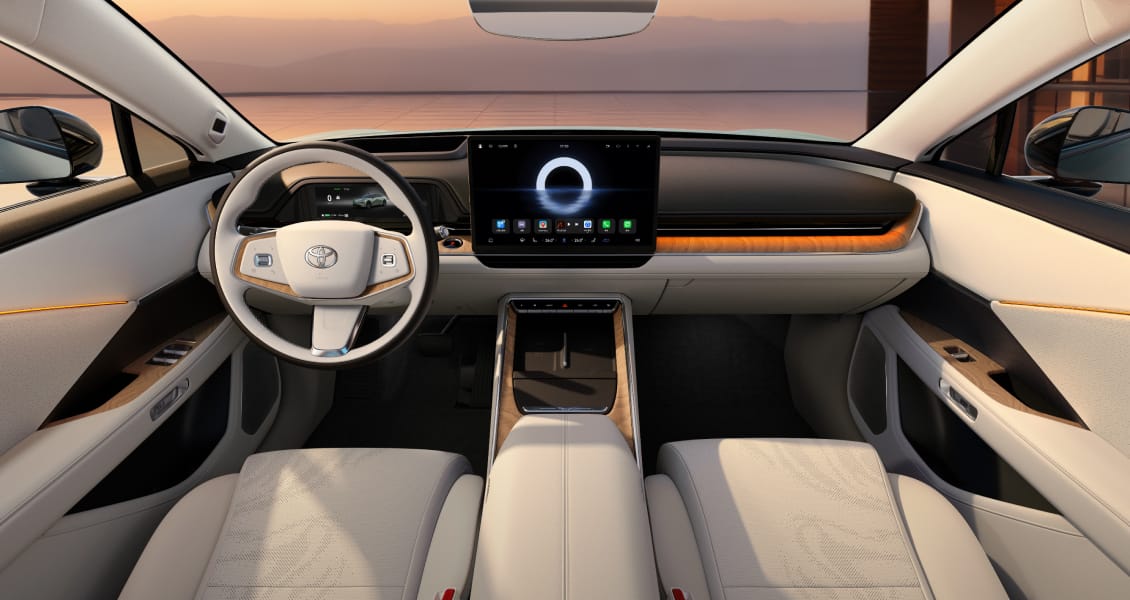
(Image source: GAC Toyota)
Even the hybrid model, the Corolla Smart Hybrid, is equipped with a 12.9-inch large screen and a Qualcomm Snapdragon 8155 in-vehicle chip in China. This configuration is undeniably tailored to the Chinese market.
Moreover, Toyota's R&D focus in the Chinese market has gradually shifted from Japan to China.
In August 2023, Toyota renamed Toyota Motor Engineering & Manufacturing (China) Co., Ltd. to Toyota Intelligent Electric Vehicle R&D Center (China) Co., Ltd. R&D engineers from Toyota's three Chinese companies (FAW Toyota, GAC Toyota, BYD Toyota Electric Vehicle Technology) can now collaborate without barriers on R&D projects led by this center.
At the 2025 Shanghai Auto Show, Toyota further announced that it would transfer decision-making power for product development targeting the Chinese market from its Japanese headquarters to China, establish an independent R&D system in China, and implement a chief engineer system.

(Image source: Toyota)
Dianchetong (ID: dianchetong233) believes that while Toyota continues to struggle in Japan, thanks to China's vast market and the technological accumulation of Toyota's three joint venture partners in the new energy field, Toyota's momentum in electrification and intelligent development in the Chinese market remains strong.
"An orange grown in the south is sweet; grown in the north, it becomes bitter." The same automaker, with new models being cancelled and electrification transformation struggling in its home market, is actively embracing electrification and intelligentization in the Chinese market. One wonders if, one day, the new energy vehicles co-developed by Toyota in China will enter the Japanese market and achieve a "dimensionality reduction strike."
From Toyota's experience in the new energy field, it's clear that the company is in a state of "early start, late finish."
From the world's first mass-produced hybrid model, the Prius, to later collaborating with Tesla to develop pure electric vehicles, and now stalling in electrification transformation, in nearly 30 years, Toyota has gone from a leader to a follower, with seemingly little time left for transformation.
One wonders if, in a few years, we will witness another cycle of Toyota making efforts in electrification → Akio Toyoda opposing electrification → Toyota cancelling electric vehicle R&D.
Lexus Toyota Electrification
Source: Leikeji
The images in this article are from the 123RF licensed image library. Source: Leikeji
-
![]()
A Staggering 2.3 Billion Yuan Loss: What's Ailing Li Auto?
-
![]()
May’s Emerging Auto Sales Rankings: Leapmotor Tops 80,000 Units! Hongmeng Zhixing and Zeekr Surge, Xiaomi Maintains 30,000+ | Mirror Pro
-
![]()
What Signal Does Alibaba's QianWen Embarking on Embodied AI Send?
-
![]()
Chinese Vocabulary Flashcard Market Soars Yearly; Baicizhan, New Oriental, and Science Canister Top Q1 Sales
-
![]()
Kuaishou Considers Spinning Off Kling AI to Forge New Frontiers in the AI Era
-
![]()
The SpaceX IPO is Here: Why is Global Capital Scrambling for This 'Ticket to the Future World'?
-
MiHoYo Makes a Bold Move in AI Amid Revenue Slowdown and Lack of New Game Releases", "MiHoYo, AI, Gaming, Revenue, New Game Releases", "Facing sluggish revenue growth and diminishing core competitive
-
12.25 Billion Yuan! Seven State-Owned Giants, Including Baotou Steel, Communications, and Transportation Investment, Unite to Launch Inner Mongolia’s New Energy Powerhouse: ‘Guojin New Energy’