Final Verdict: Taking a Rational Perspective on the Concentrated Price Increases of Some New Energy Vehicles
 06/05 2026
 366
366
Recently, over 15 automotive brands have raised their vehicle prices or modified purchasing incentives, triggering a wave of price hikes that is unprecedented in recent years. This trend predominantly impacts new energy vehicles (NEVs), including those from certain joint-venture brands, while most gasoline-powered vehicles continue to experience deals price reductions and promotional.
Which Automotive Brands Are Implementing Price Hikes?
Based on incomplete statistics, since March of this year, more than 15 NEV brands have announced product price increases or reduced terminal discounts. This includes brands like BYD, NIO, XPeng, Aion, and Zeekr. The price hikes range from RMB 2,000 to over RMB 10,000, affecting the market segment between RMB 100,000 and RMB 300,000. 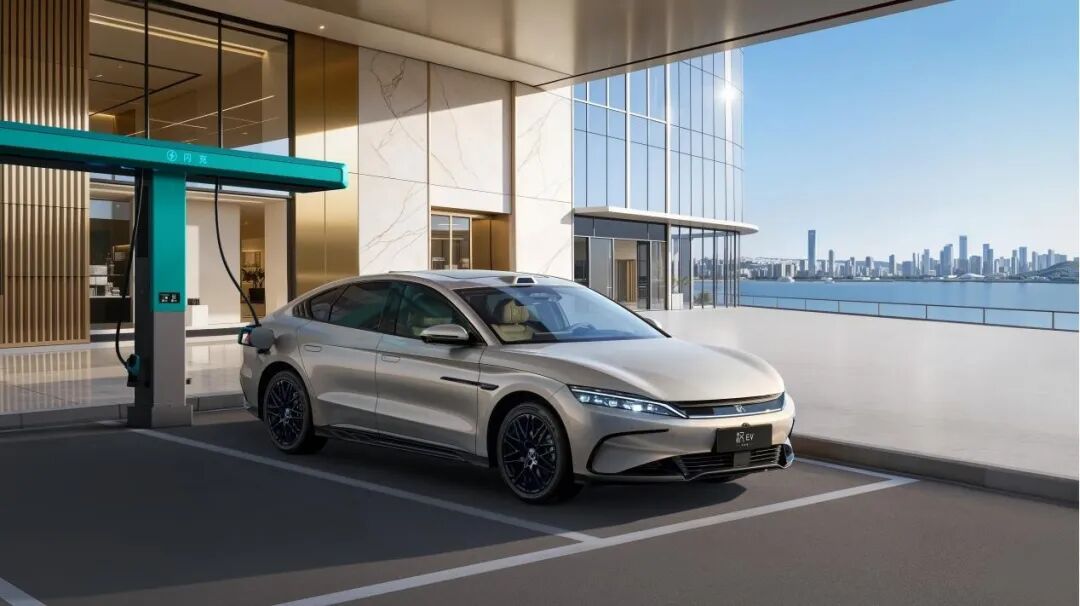
BYD, the leader in NEV sales, raised the prices of intelligent driving packages for several popular models starting May 1. For instance, the optional package for its "Divine Gaze B Assisted Driving Laser Edition" increased from RMB 9,900 to RMB 12,000, marking a hike of over 21%.
NIO increased the starting prices of its main SUV models, including the 2026 ES6, ES8, and EC6, by RMB 5,000 to RMB 10,000 starting May 10. Simultaneously, it reduced the original complimentary battery swap benefits.
GAC Aion raised the terminal prices of its pure electric models, such as the AION Y Younger and AION S Plus, by RMB 3,000 to RMB 6,000, while also tightening terminal discounts. 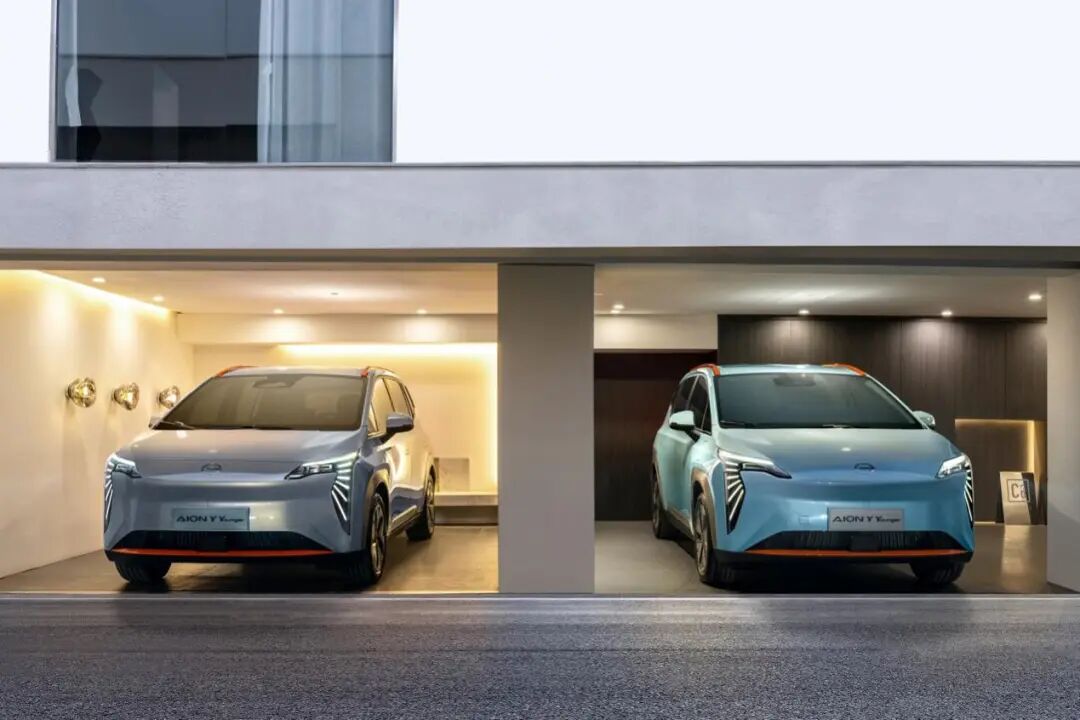
Changan Qiyuan increased the official guidance prices (MSRP) of its three laser radar-equipped Q07 models uniformly by RMB 3,000 starting May 7.
Xiaomi's all-new SU7 model series saw a price increase of RMB 4,000 across the board. Volkswagen's ID series partially raised prices by RMB 4,000-7,000 for certain models. Chery's Exeed ET5 high-end version now charges for its intelligent driving package (valued at RMB 28,800), which effectively constitutes a price hike.
Zeekr, XPeng, and other brands have canceled policies such as complimentary seats and interest-free financing, effectively resulting in price increases.
What Are the Underlying Reasons for the NEV Price Hikes?
Analysts attribute the current round of NEV price hikes to multiple factors. Firstly, there is the rising cost of raw materials for power batteries. Since 2026, the price of lithium carbonate, a key raw material for power batteries, has surged from RMB 250,000 per ton to RMB 320,000 per ton, representing a 28% increase. Cobalt prices have risen from RMB 380,000 per ton to RMB 450,000 per ton, an 18.4% increase, while nickel prices have climbed from RMB 180,000 per ton to RMB 220,000 per ton, a 22.2% increase. Given that battery costs account for 40-50% of the total cost of NEVs, rising raw material prices directly increase production costs for manufacturers. 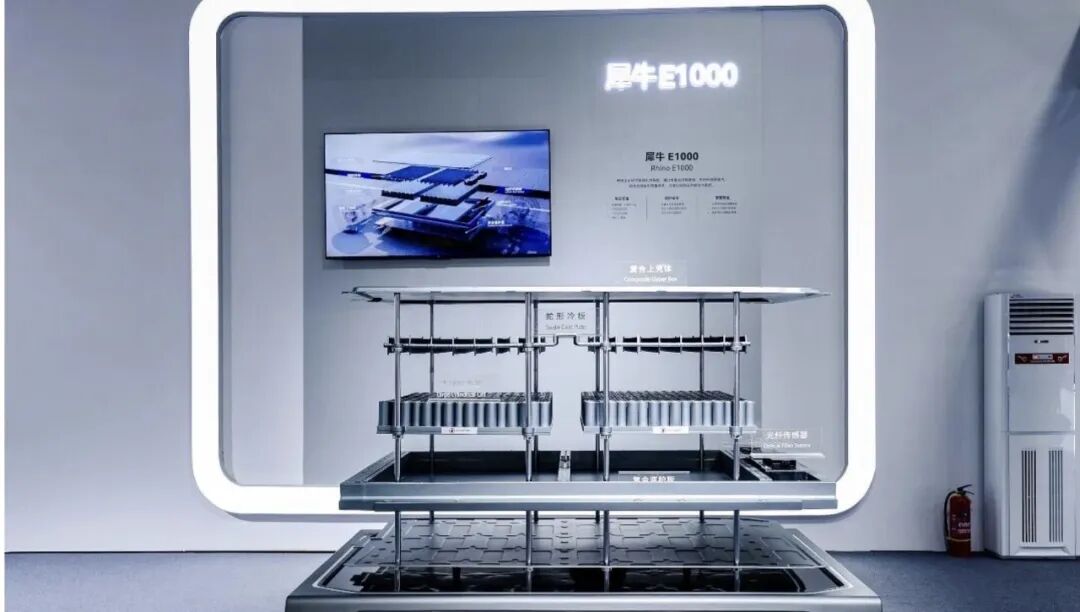
Secondly, there is an imbalance in the supply chain for storage chips. Since the second half of 2025, the explosive growth of global AI computing centers has heavily strained semiconductor production capacity, leading to a severe shortage of automotive-grade storage chips and a sharp rise in prices.
Additionally, the intense price wars in recent years have resulted in widespread losses or reduced profit margins across the automotive industry, making it difficult for automakers to absorb new cost increases. In the first quarter of 2026, domestic automotive industry revenue experienced a slight year-on-year decline of 0.2%, while costs rose by 0.7%. Industry profits fell by 18%, and the sales profit margin was compressed to 3.2%.
What Impact Will This Wave of Price Hikes Have?
Against the backdrop of widespread price reductions in the domestic NEV market, the current wave of automotive price hikes seems counterintuitive, prompting concerns that it may suppress purchasing demand and even affect industry vitality.
From a long-term perspective on NEV development, this round of price hikes is not merely a cost pass-through but a crucial driver for the industry's transition toward high-quality development, warranting a rational and balanced view.
Currently, except for a few brands, most NEV brands in China are operating at a loss. Ultimately, businesses must be profitable to sustain themselves. If suppliers, automakers, and dealers all fail to make money, the industry cannot thrive. Only when every link in the chain is profitable can the industry develop healthily.
Under the pressure of price wars, some suppliers have been forced to cut corners to reduce costs. Car dealers have sold vehicles at a loss, compromising some after-sales services. Thus, low car prices are not necessarily beneficial for consumers.
This wave of price hikes could drive changes in the competitive landscape of the NEV industry, prompting automakers to shift from price competition to technology-driven and value-based competition. This is the inevitable price for the industry to move away from low-end competition and achieve high-end breakthroughs.
For a long time, the domestic automotive market has been mired in price wars, with many automakers compressing profit margins to seize market share, even resorting to cost-cutting measures such as reducing specifications and lowering quality control. While such cutthroat competition may seem to benefit consumers, it actually depletes the industry's R&D capabilities and traps the entire sector in low-level competition. Reduced specifications and quality also harm consumer interests. 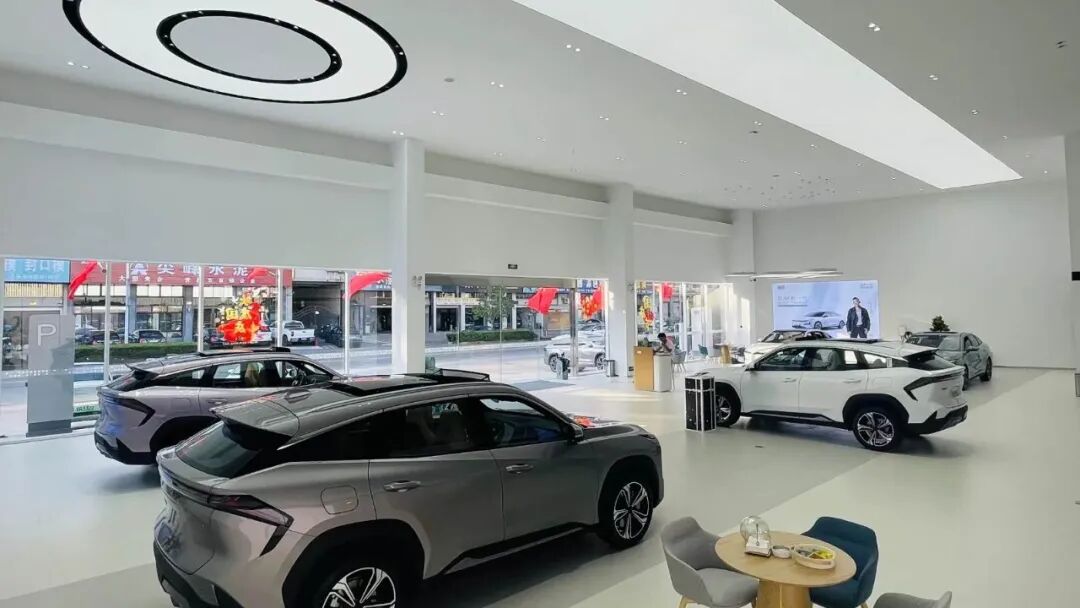
Price hikes help return car prices to a reasonable range, giving automakers the confidence to continue investing in R&D and shifting the industry's focus from price competition to technology and quality competition.
The demand upgrade driven by price hikes can reshape a healthy market ecosystem, shifting car consumption from a blind pursuit of low prices to a rational focus on value, laying a solid foundation for the industry's long-term healthy development.
Reasonable price hikes should be based on technological upgrades and value enhancements, not arbitrary increases. While consumers may face higher purchasing costs in the short term, they will ultimately enjoy safer, smarter, and more reliable travel experiences—the dividends of high-quality industry development.
For automakers, price hikes are not a shortcut to success but an opportunity to drive continuous innovation and enhance core competitiveness. Only by strengthening technological capabilities, improving product quality, and optimizing service levels can they maintain their footing amid price hikes. For the entire automotive industry, the return of car prices to a reasonable range marks the end of reckless growth and the beginning of rational maturity, representing a crucial turning point for China's automotive industry to achieve a qualitative transformation from quantitative expansion. (End)
-
Lenovo Aims to Continue Spinning Its AI Narrative
-
![]()
"532" Giant Vehicles on the Rise: Parking Woes for Owners
-
![]()
更重的电车,应该交多少养路费?
-
![]()
China's AI Agent Industry Ecosystem: A Panoramic Analysis Report
-
![]()
Final Verdict: Taking a Rational Perspective on the Concentrated Price Increases of Some New Energy Vehicles
-
The First Commercial Spaceflight Stock: Who Will Become the Industry Benchmark First?
-
Two Silicon Valley Geniuses Clash: Will AI Programming Lead to Real-World Disaster?
-
![]()
Beating OpenAI at Its Own Game: How Anthropic Pulled It Off