Nissan Initiates Contract Manufacturing Venture with Chery
 06/05 2026
 468
468
India's 'Iconic National Car' Also Seeks Technological Edge
Author: Wang Lei
Editor: Qin Zhangyong
The tables have turned—now, overseas automotive giants are turning to Chinese automakers for profitability.
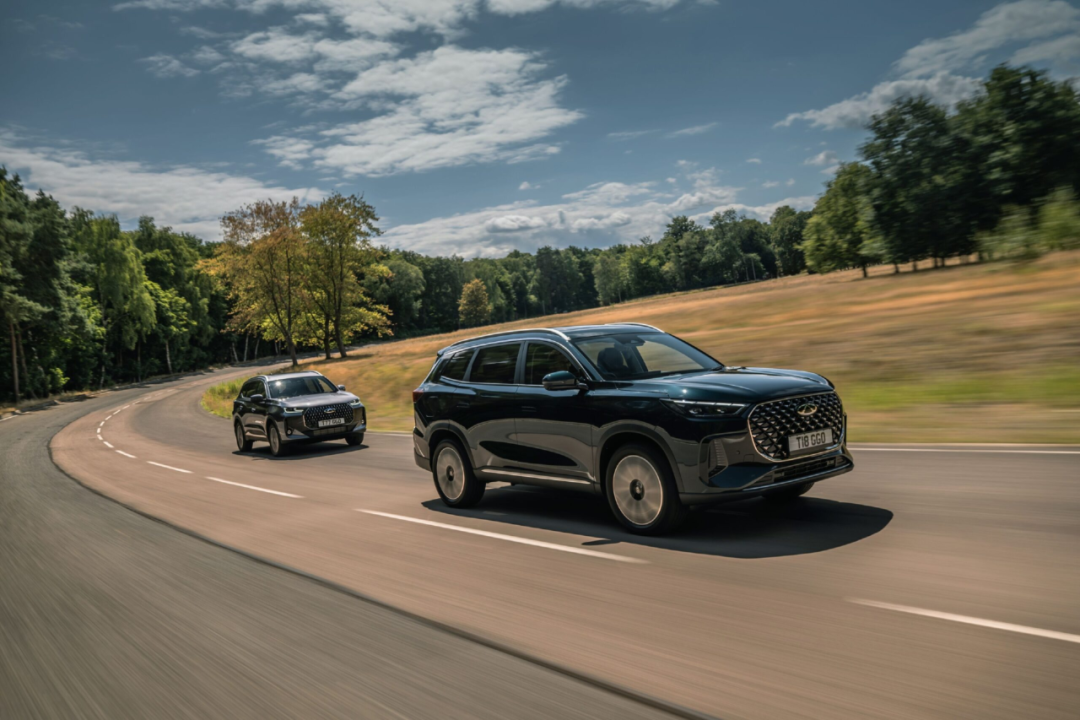
Recently, Nissan and Chery jointly declared the signing of a non-binding Memorandum of Understanding (MoU), with the essence being Nissan's agreement to manufacture vehicles for Chery at its Sunderland facility in the UK.
In simpler terms, Nissan will act as a contract manufacturer for Chery. According to preliminary plans, the production of Chery models is set to commence on the first production line at the Sunderland plant in the fiscal year 2027.
Moreover, reports indicate that Tata Group, India's premier electric vehicle manufacturer, is planning to produce its high-end models through a technology licensing agreement with Chery's platform.
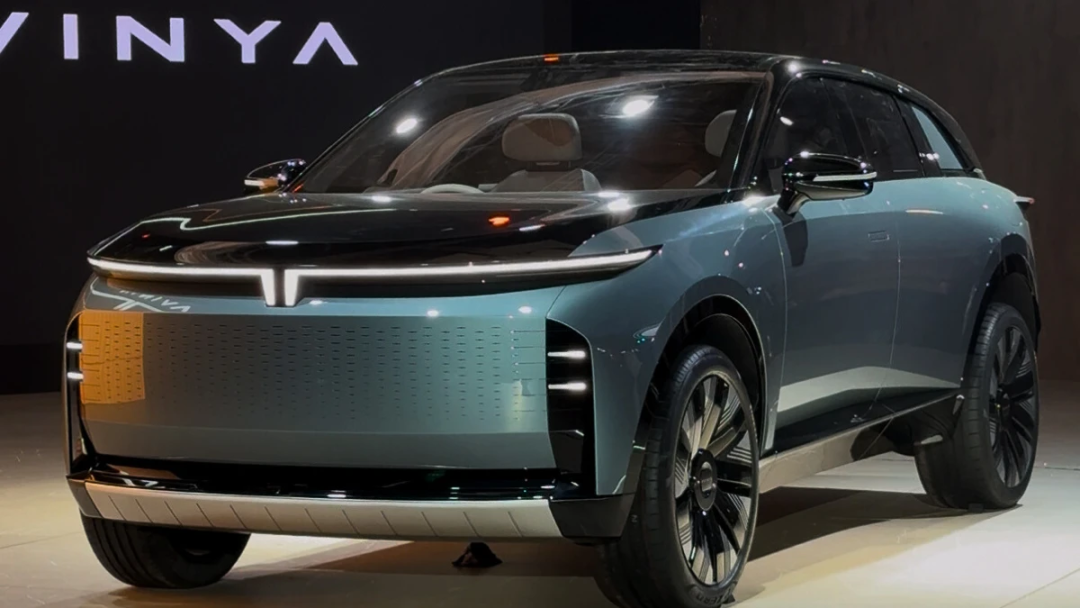
Tata Motors intends to leverage Chery's vehicle platform for local production of its high-end Avinya series electric vehicles in India, with at least two models planned. The debut of the first new car is slated for 2027.
On one hand, Chery's soaring sales necessitate urgent contract manufacturing capabilities, while on the other, overseas manufacturers are seeking technology licensing. Chery's overseas strategy is flourishing on all fronts.
01 A Symbiotic Collaboration That Fits Like a Glove
"Nissan to utilize its UK factory for contract manufacturing of Chinese cars for Chery."
For Europeans, a pertinent question arises: Will Chery cars produced at the Sunderland plant be considered Chinese, British, or even Japanese? Disregarding these complex logistics, one certainty remains—they will bear the "Made in Europe" label.
As is widely known, Chinese automakers are currently navigating a reshuffling in Europe.
With the EU's anti-subsidy investigation leading to additional tariffs on top of the 10% basic duty, the comprehensive tax rate for some Chinese brands has surged to over 40%. For instance, a model priced below 200,000 RMB domestically may see its price skyrocket by tens of thousands of euros due to tariffs alone when exported to Europe, significantly diminishing its price competitiveness.
Even more critical is the narrative of "de-risking," "strategic autonomy," and the notion that "key industries cannot rely on the China-EU supply chain."
Although this situation was somewhat alleviated in early 2026 through the China-EU "price undertaking" mechanism, in the fiercely price-competitive European market, Chinese automakers must find a way to circumvent this barrier.
Securing the identity of being "built in Europe, sold in Europe, and classified as made in Europe" has become paramount, and it must be achieved swiftly, cost-effectively, and with local scale.
Hence, Chery has set its sights on Nissan's Sunderland plant.
Chery's growth in the European market in recent years has been remarkable. According to its 2025 financial report, its annual sales in Europe surged by over 200% year-on-year. In the first quarter of 2026, Chery's European sales reached 90,579 units, marking a staggering 170% year-on-year increase; in March alone, sales hit 38,670 units, a 369% year-on-year surge, capturing a 2.45% market share and making it the fastest-growing traditional automaker among Chinese brands.
The performance in the UK market was even more outstanding, with sales climbing to 22,495 units in March, nearing a 6% market share, ranking second among all brands locally, and surpassing established automakers like BMW and Kia. Brands such as Jaecoo and Omoda have already established themselves as mainstream in the UK market.
While overseas sales are undeniably robust, for Chery under the high-tariff policy, it has become a sweet burden, making the urgency to address the local production capacity gap even more pressing.
Not only does Chery require it, but Nissan is also eager for it. Nissan needs direct measures to find "third-party cooperation opportunities" for its idle capacity, enhance factory utilization, and convert fixed cost burdens into potential revenue streams.
Nissan CEO Ivan Espinosa stated last month that he is confident of finding a company to take over the idle production line. At that time, Chery was already considered one of the potential takers, with Nissan's joint venture partner in China, Dongfeng, also listed as a possible candidate.
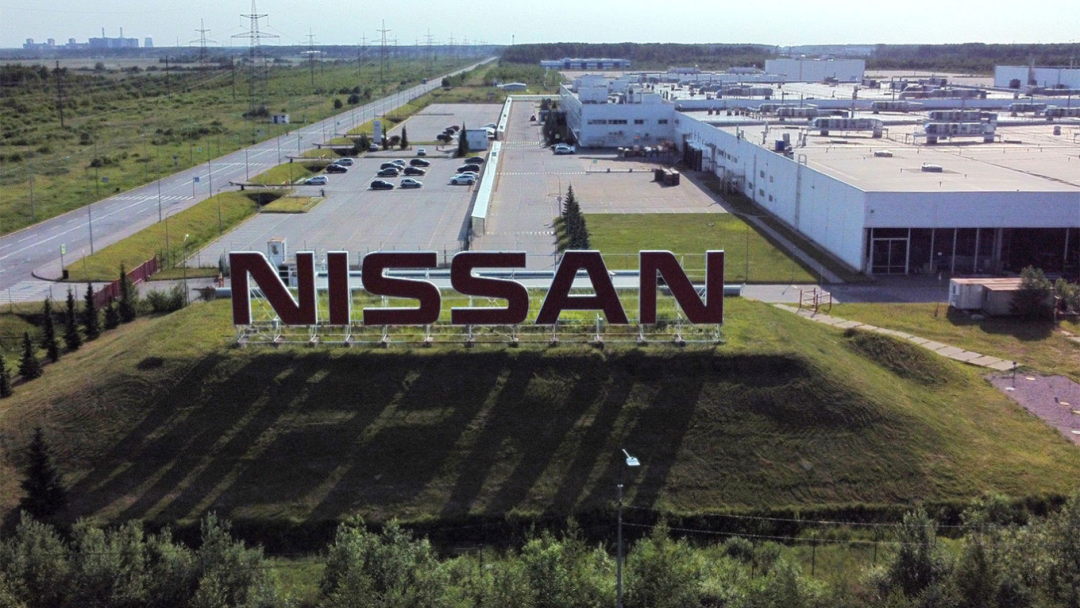
The Sunderland plant, situated in northeastern England, is Nissan's sole manufacturing base in Europe, boasting a designed annual capacity of over 500,000 units and employing approximately 6,000 people, making it one of the largest employers in the UK automotive industry. It primarily produces three models: Qashqai, JUKE, and the all-electric Leaf. From 2027 onwards, the electric versions of JUKE and Qashqai will also be produced here.
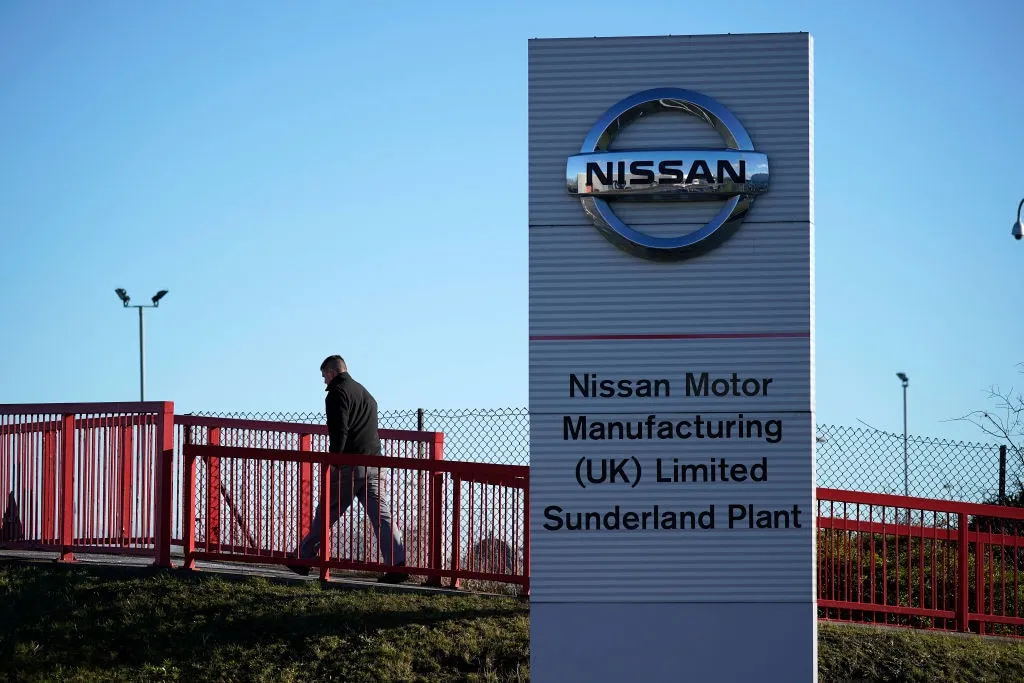
However, Nissan's recent years have been challenging, leading to increasingly severe idle capacity issues. Data from research firm MarkLines reveals that the plant's operating rate was only 45.5% in 2025, down 8.7 percentage points from 2023. The actual production in 2025 was approximately 273,000 units, with capacity utilization hovering around 50%. After the discontinuation of the old Leaf model, the operating rate once plummeted to less than 30%.
To address persistent business losses in the European market and optimize its cost structure, Nissan announced a restructuring plan in May 2026, which includes merging two production lines at the Sunderland plant into one, concentrating the production of models such as the Leaf and Qashqai on the second production line, thereby freeing up the first production line.
According to the signed MoU, Nissan's contract-manufactured Chery models will roll off the first production line at the Sunderland plant in the fiscal year 2027. Moreover, the production lines at the Sunderland plant are distributed across different buildings, providing a high degree of independence, which facilitates the co-production of multiple brands.
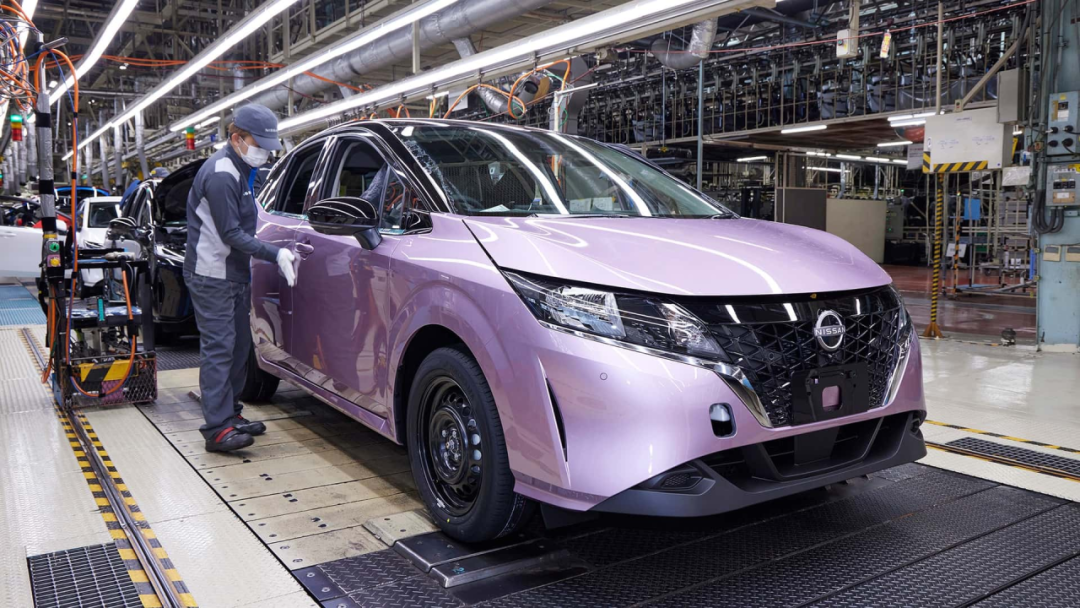
According to the disclosed agreement framework, this cooperation will adopt a contract manufacturing model, with Nissan retaining full ownership of the Sunderland plant's assets and being responsible for managing the existing workforce.
Chery, through its UK subsidiary, will utilize the capacity provided by Nissan for complete vehicle production. Both parties have stated that they will advance specific negotiations in the coming months to finalize the final cooperation execution plan. Meanwhile, Chery has not yet disclosed which models will be produced in the UK.
This collaboration between the two parties also builds on Nissan and Chery's previous overseas capacity cooperation, as this marks the third instance where Chery has taken over Nissan's overseas assets. Previously, Chery had acquired Nissan's Rosslyn plant in South Africa and also formed a joint venture with Spain's EV Motors to repurpose and utilize Nissan's idle plant in Barcelona for production.
02 Testing the Waters in the Indian Market
Besides collaborating with Nissan, Chery has also received positive news from overseas recently. Tata Group, India's electric vehicle leader, is also planning to obtain authorization for a complete vehicle manufacturing platform from Chery.
At that time, it will rely on Chery's authorized complete vehicle technology platform to produce its high-end brand Avinya series electric vehicles at its plant in Tamil Nadu, with plans for at least two models. The first new car is scheduled to be launched in 2027, and the second electric model is expected to be introduced in 2029.
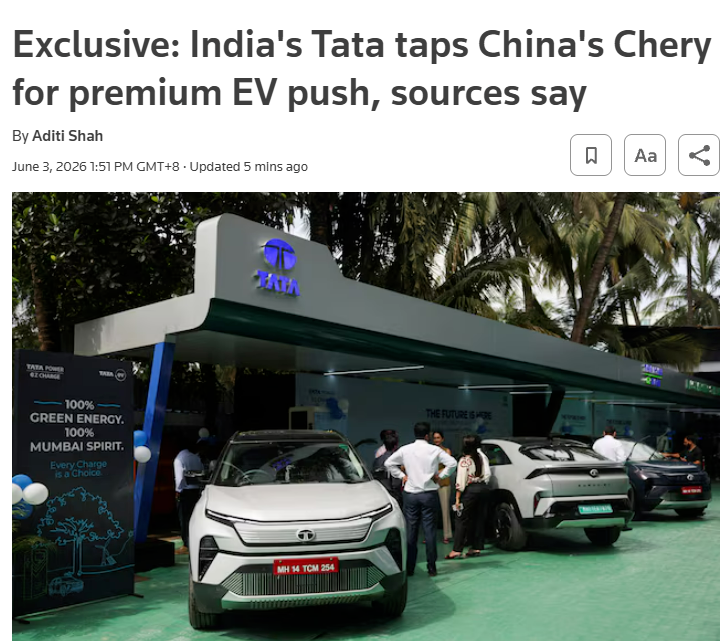
In simpler terms, Tata Group will utilize Chery's technology to produce its own high-end models, with Chery providing the technology and Tata primarily responsible for the interior and exterior design, as well as affixing the Avinya logo.
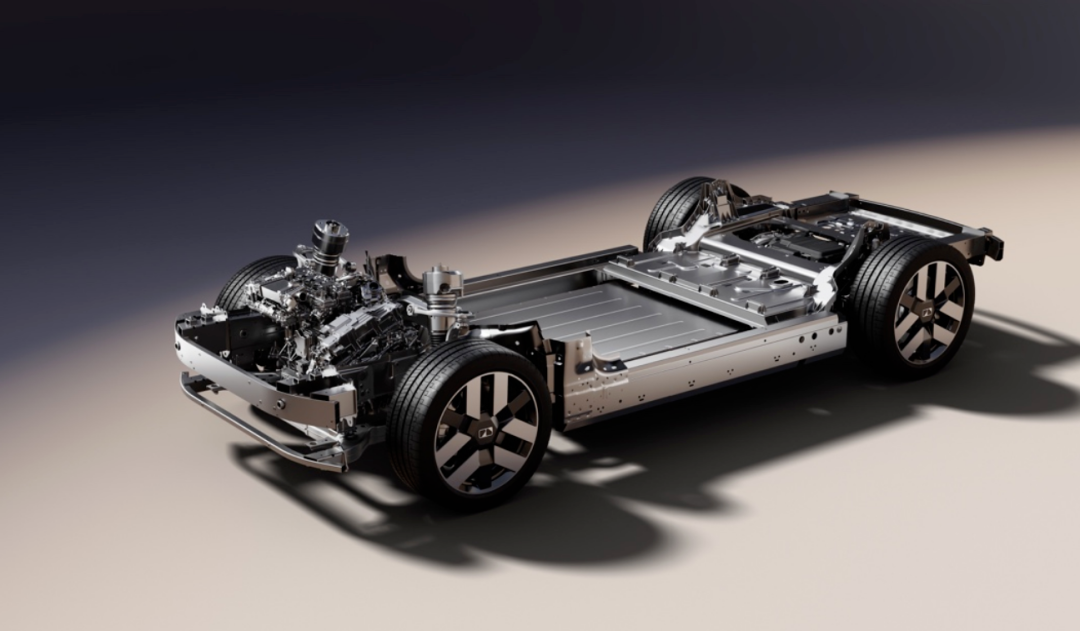
The complete vehicle platform that will be authorized to Tata is precisely the "Freelander platform" jointly developed by Chery and Jaguar Land Rover in China, and it is not surprising that Chery would authorize this platform.
After all, Tata and Jaguar Land Rover share a "parent-child" relationship—Tata acquired Jaguar and Land Rover from Ford for $2.3 billion in 2008, and since then, Jaguar Land Rover has become a wholly-owned subsidiary of Tata Group.
With high-end technology in its own brands, why does Tata still seek Chery's help? In fact, Tata's original plan was clear: to build its own luxury electric vehicle brand Avinya using Jaguar Land Rover's high-end platform EMA, with a target launch in 2025. However, last year, Jaguar Land Rover halted the localization production of the EMA platform in India, citing "the inability to source components at the right price and quality locally," leaving the Avinya project shelved until now.
Until recently, with the official launch of the Freelander brand, coupled with the platform's connection to Jaguar Land Rover, the Indian Tata Group set its sights on this platform, enabling Tata to establish a high-end product line more quickly and with lower capital investment.
According to Reuters, Chery stated in a statement that the cooperation agreement with Tata Motors is built on the foundation of its successful collaboration with Jaguar Land Rover. Chery will provide platform technology services to Tata Motors' passenger vehicle division as a supplier, with each project having independent commercial terms.
However, many also believe that Chery is "walking a tightrope," given the well-known business environment in India, which has been dubbed the "graveyard of foreign enterprises." Previously, BYD, Great Wall Motors, and SAIC have all suffered losses, and even Tesla chose to withdraw from the Indian market.
The rationale behind their cooperation is quite straightforward: Tata needs technology to fill the gap in its high-end lineup, while Chery needs a low-risk way to expand its overseas market presence.
What constitutes a low-risk approach? The cooperation between Tata and Chery is currently designed as a technology licensing model, without equity involvement. Technology licensing fees and component payments are often paid upfront in stages, making it a straightforward transaction without the issue of default.
Furthermore, Chery adopts technology isolation. While the hardware platform can be licensed, the core algorithms for the electric vehicle's intelligent cockpit system and three-electric control (BMS), as well as OTA upgrade permissions, will likely be firmly held by Chery. Chery will also not dispatch a full-process technical team or invest in heavy assets such as land and factories. Theoretically, this model can reduce the risk of being affected by sudden policy changes in India.
Moreover, according to a stringent new technology transfer regulation recently issued in China, which will take effect on July 1st, any restricted technology, data, or talent cannot be transferred through means such as dispatching technical personnel or cross-border training. It also explicitly prohibits the external transfer of technology and related data restricted from export by the state.
This means that even if Tata desires it, Chery now has sufficient grounds to refuse given this red line.
According to Reuters, the first Avinya model based on Chery's platform is currently being shipped from China to India in the form of CDK (kits) for assembly at the new plant in Tamil Nadu. This not only avoids the risk of heavy asset investment but also meets India's policy threshold for "local manufacturing."
In essence, India's Tata is more akin to an assembler of building blocks, and this is not the first time Chery has engaged in such "technology exports." Previously, India's JSW Motor also signed a similar platform licensing agreement with Chery.
For Tata, it obtains a "fast pass" to enter the market, allowing it to launch new cars in 2027 without having to develop from scratch. Chery, on the other hand, receives substantial technology licensing fees without having to build a plant in India or shoulder geopolitical risks. It also lays the groundwork for entering the Indian market in advance.
After all, as China's automaker with the highest exports for 23 consecutive years, boasting cumulative exports of 5.85 million vehicles by the end of 2025 and operations in most global markets, Chery should indeed test the waters in the Indian market.
-
![]()
Unitree’s IPO Gets the Green Light: Can It Be the Pioneer of A-Share Humanoid Robot Stocks and Rival Tesla?
-
![]()
Anthropic Secretly Files for IPO, Transforming 7 Founders into Ultra-Wealthy Individuals
-
![]()
SpaceX Set to Finalize IPO Details Today, Listing on June 12, with AI as New Growth Driver
-
![]()
In-Depth | Burning $100 Million a Day: The First 'Token Retreat' Has Arrived
-
![]()
In-depth Analysis | Interpretation of May Sales of Emerging Auto Brands: Who's on the Rise? Who's Struggling?
-
![]()
Nissan Initiates Contract Manufacturing Venture with Chery
-
China’s Commercial Space Industry: More Than Just Chasing SpaceX
-
![]()
Re-evaluating Unitree: Beyond the Numbers in Financial Reports