Left-Hand AIVA, Right-Hand Jiayue! Volcano Engine’s Back-to-Back Moves: Can ByteDance Replicate ‘Hongmeng Zhixing’ Success?
 06/12 2026
 513
513
ByteDance is making strides to establish its own equivalent of Huawei’s “Hongmeng Zhixing” ecosystem.
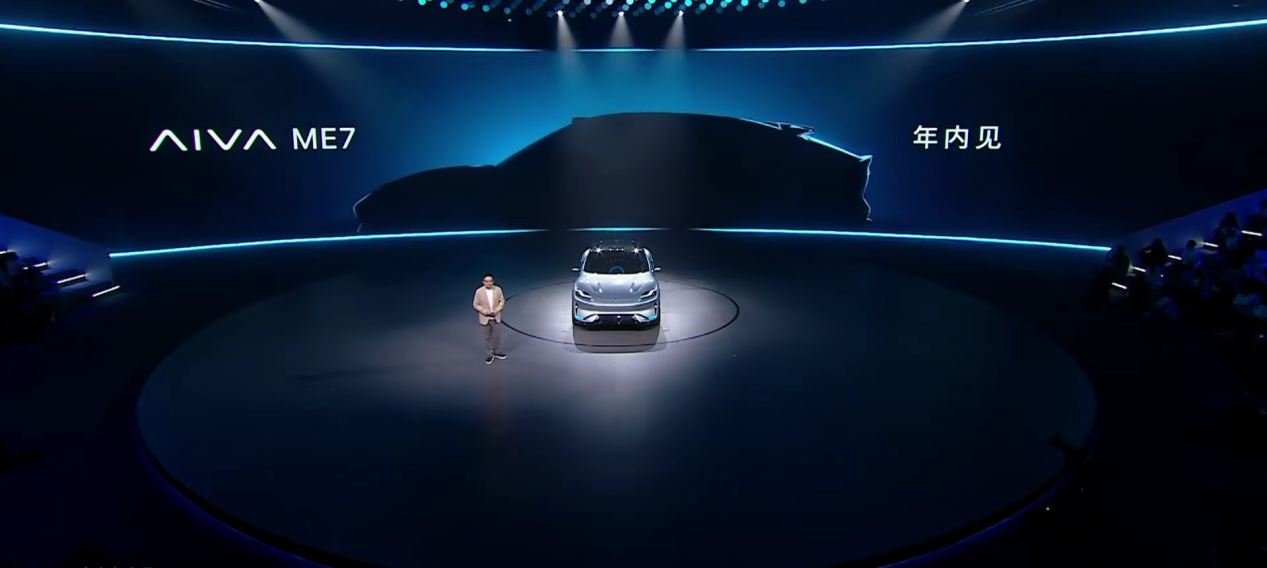
A few days ago, Saido Technology, a subsidiary of Seres, and ByteDance’s Volcano Engine jointly unveiled the new energy vehicle brand AIVA, confirming that the brand’s debut model, the ME7, will hit the market this year.
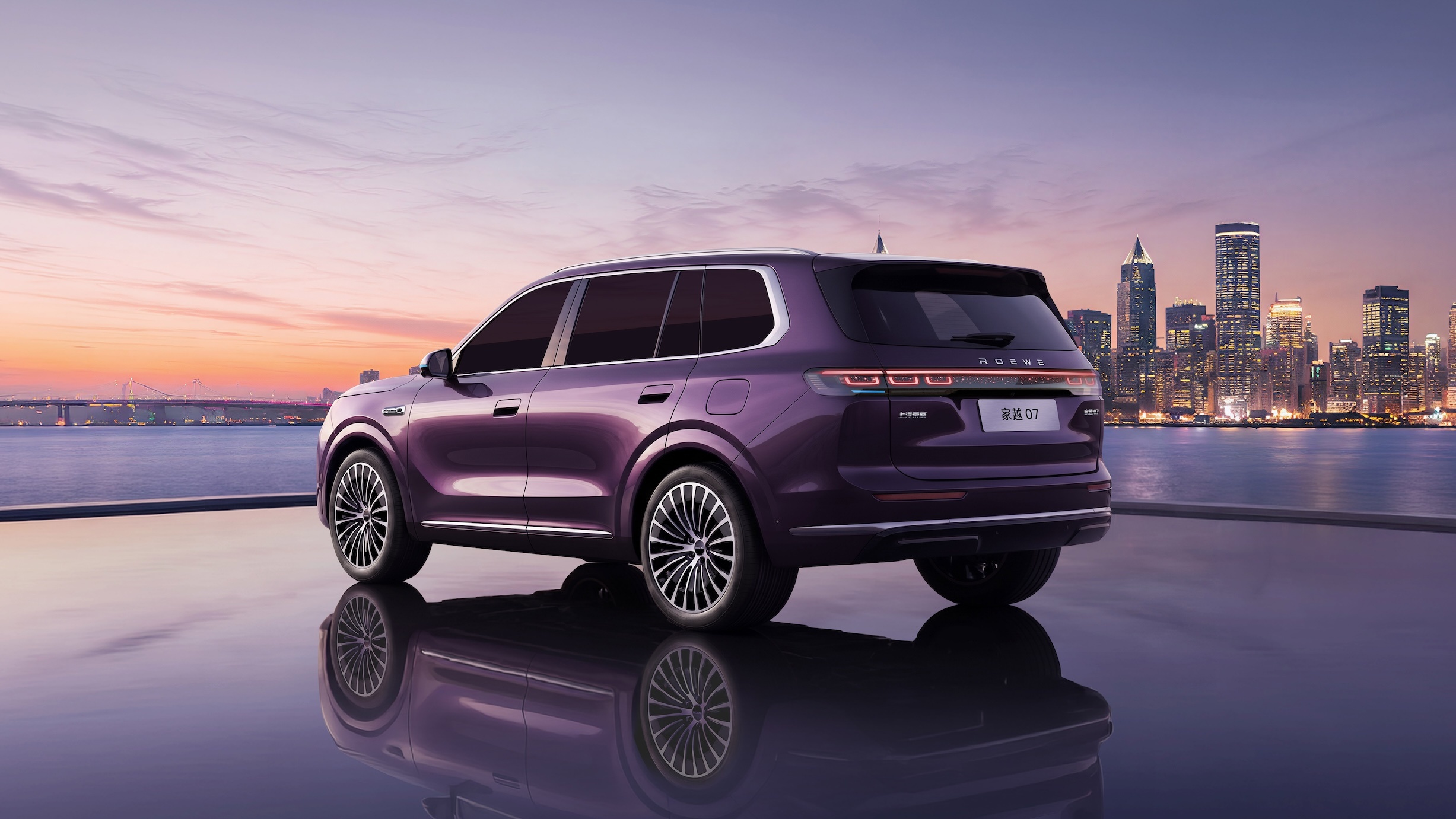
Shortly after, the latest batch of applications filed with the Ministry of Industry and Information Technology revealed the inclusion of the Roewe Jiayue 07—the first mass-produced vehicle co-developed by Volcano Engine and SAIC Motor. Notably, Volcano Engine’s collaboration with SAIC Motor predates its partnership with Seres, with the first three models—Jiayue 06, 07, and 09—showcased as early as April this year.
Interestingly, mirroring Huawei’s cross-border foray into the automotive sector, ByteDance firmly denies any involvement in vehicle manufacturing and explicitly states that it has not taken equity stakes in automakers. It appears ByteDance is poised to follow Huawei’s playbook: refraining from building cars itself while collaborating extensively with automakers to serve as a technology enabler.
The cornerstone of becoming a technology enabler lies in possessing cutting-edge technology. As a prominent domestic internet giant, ByteDance established its cloud and AI service platform, Volcano Engine, in 2021. Its business now spans automotive, finance, entertainment, and other sectors.
In its early stages, ByteDance primarily focused on providing software ecosystem services for the automotive industry. By 2024, Volcano Engine had formed the “Volcano Engine Automotive Large Model Ecosystem Alliance” in collaboration with China EV100 and several automotive industry enterprises. Initial partners included 25 automakers, such as FAW Hongqi, Geely Automobile, and Great Wall Motors.
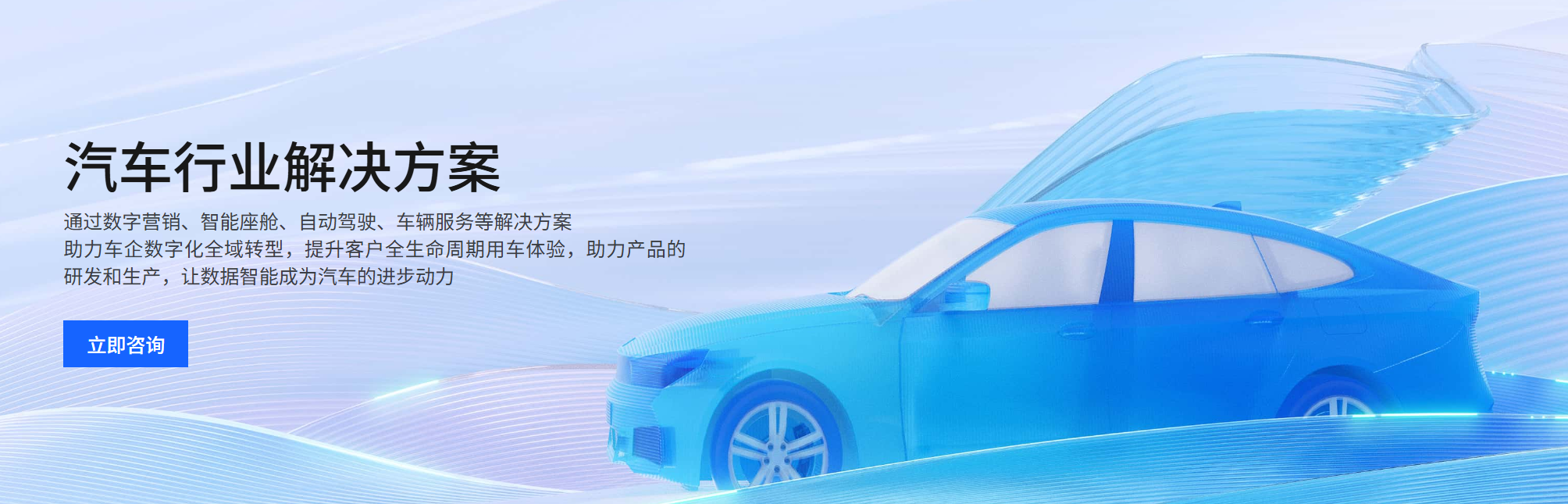
(Image Source: Volcano Engine Official Website)
At the Beijing Auto Show in late April this year, Volcano Engine unveiled a new generation of automotive AI solutions based on the Agentic AI architecture. This innovation fully integrates key functions such as vehicle control, navigation, and intelligent driving, marking the first true realization of an end-to-end AI-native cabin architecture. This architecture shares similarities with integrated cabin-and-driving systems, enabling unified scheduling of vehicle capabilities.
Building on this foundation, Volcano Engine offers two key solutions: the Doubao Cabin Assistant and the AI Cabin Suite. The former is a complete product-level delivery solution that seamlessly interconnects and co-evolves with the Doubao App on mobile devices. The latter represents an upgrade to the Agentic architecture, allowing automakers to freely configure it according to their specific needs.
However, unlike traditional integrated cabin-and-driving solutions—where the cabin domain’s intelligent driving system runs on a single chip—Volcano Engine’s approach emphasizes connecting data and tasks at the model level. Most crucially, ByteDance opts to keep chip adaptation open, enabling collaboration with both international chip manufacturers like NVIDIA and Qualcomm, as well as domestic chip vendors. Volcano Engine has disclosed that it has already established cooperation with 100% of mainstream automakers, with over 7 million vehicles equipped with the Doubao large model.
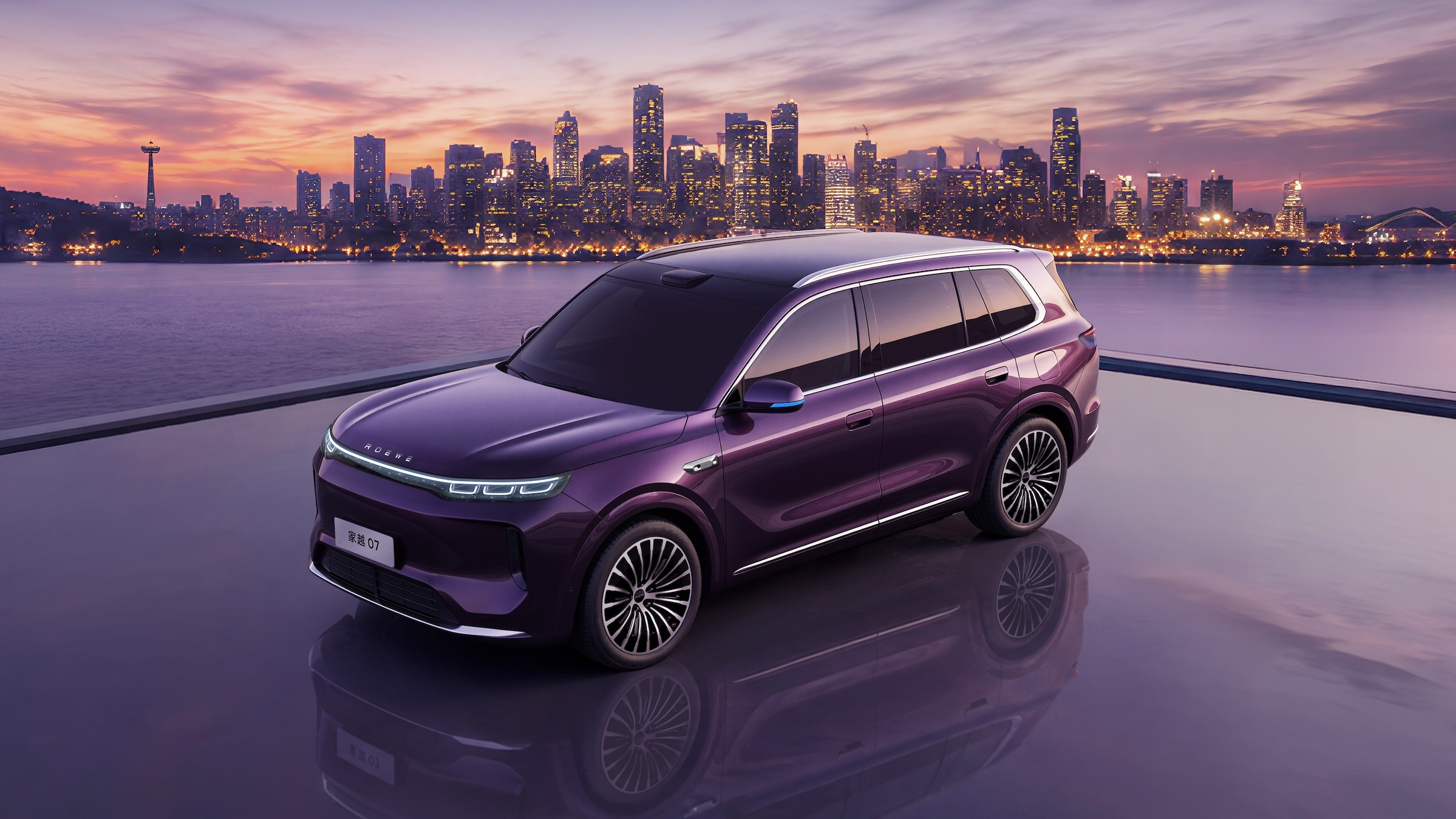
(Image Source: Roewe Automobile)
From Dianchetong’s perspective (ID: dianchetong233), Volcano Engine is constructing a platform that welcomes all automakers and supply chain enterprises. With the Doubao Assistant and intelligent driving technology at its core, it breaks down barriers between hardware and software, empowering automakers to customize intelligent driving systems and smart cabins.
Given its relatively recent entry into the automotive industry, Volcano Engine needs flagship products to showcase its capabilities. Models like the Jiayue 06, 07, 09, and AIVA ME7 serve as concentrated displays of Volcano Engine’s—and even ByteDance’s—technological prowess in the automotive sector. The Roewe Jiayue 07 has already been connected to the network and is expected to launch within the next one to two months, while the ME7 is slated for release within the year. It is believed that the timing will be just right.
If the AIVA ME7 or Roewe Jiayue 07 can achieve results comparable to Huawei’s Hongmeng Zhixing AITO brand, Volcano Engine may well emerge as the second “Hongmeng Zhixing.”
During the era of fuel-powered vehicles, leading companies such as Bosch, Denso, and Magna achieved annual revenues in the hundreds of billions of RMB, while other suppliers could only follow in their wake and “eat the leftovers.” With the advent of the new energy vehicle era, core hardware and software—such as batteries, motors, range extenders, smart cabins, and intelligent driving systems—have replaced the positioning of traditional components, shaking the status of industry giants like Bosch and Denso. Huawei has stepped in as China’s equivalent of Bosch.
More importantly, China is the world’s largest producer, consumer, and exporter of new energy vehicles, implying a market size large enough to accommodate multiple players. The market share that a single Huawei can capture is limited, leaving significant room for ByteDance to grow.
In fact, examining their cooperation models reveals that ByteDance’s Volcano Engine is targeting Huawei on multiple fronts. Currently, Huawei operates under three cooperation models: the supplier model, the Hi model, and the Hongmeng Zhixing model. In the supplier model, Huawei provides only hardware and software to partner automakers. Under the Hi model, Huawei outputs a full suite of hardware and software technologies—such as intelligent driving, smart cabins, and in-vehicle computing architectures—while automakers lead vehicle definition, production, branding, channels, and after-sales.
The well-known Hongmeng Zhixing model sees Huawei take charge of full-link deep empowerment and leadership. Currently, only the five brands under this model have their models unveiled at Huawei product launches.
Judging by the current landscape, Volcano Engine’s Doubao Assistant resembles Huawei’s component model, offering only software ecosystem empowerment. The AI Cabin Suite solution aligns more closely with the Hi model, featuring deeper cooperation with automakers and providing customization services for smart cabins and intelligent driving systems. The Roewe Jiayue 07 and AIVA ME7, meanwhile, mirror the Hongmeng Zhixing model, with ByteDance jointly defining, designing, and building products alongside automakers while providing brand empowerment.
(Image Source: AIVA)
Dianchetong (ID: dianchetong233) believes that, compared to Huawei, ByteDance’s main disadvantage in the automotive sector lies in its limited business scope, which is confined to the software ecosystem and lacks depth in hardware. Huawei’s self-developed hardware—including range extenders, in-vehicle optics, three-electric systems, LiDAR, and in-vehicle communications—enjoys high recognition in the industry. At the same time, Huawei’s identity as a manufacturer of mobile phones, PCs, and home appliances gives it a unique advantage in ecological interconnection.
If ByteDance aims to catch up with Huawei in the automotive sector and create a second “Hongmeng Zhixing,” it must rapidly expand the depth and breadth of its automotive sector layout, as well as its interconnected ecosystem. Collaborating with other supply chain enterprises and even acquiring companies to strengthen its foundation represents the best path for ByteDance to quickly enhance its technological capabilities in the automotive sector.
Of course, ByteDance also possesses its own strengths, namely its unparalleled promotion channels. The popularity of the five brands under the Hongmeng Zhixing model relies heavily on Huawei’s brand recognition and the influence of Richard Yu. However, Huawei lacks its own dedicated promotion channels. ByteDance, on the other hand, controls platforms like Douyin and Toutiao, which serve as powerful promotion tools. In the future, when models like the Roewe Jiayue 07 and AIVA ME7 enter mass production, ByteDance can leverage its own promotion channels for marketing, reducing expenses while effectively increasing product exposure.
The arrival of the new energy vehicle era signifies a transformation in the global automotive industry. Many traditional brands, such as Honda and Nissan, have already shown signs of struggling to adapt, and Bosch has acknowledged that Huawei possesses many advantages it lacks. In Dianchetong’s view (ID: dianchetong233), as a Chinese internet giant, ByteDance has a solid foundation to cultivate Volcano Engine and create a second “Hongmeng Zhixing.”
ByteDance is leveraging its Volcano Engine to delve deeper into the automotive intelligence sector, adhering to the core principle of “not building cars, only empowering”—a strategy highly aligned with Huawei’s development path in the automotive business. Through multi-model collaborations with automakers, self-developed AI cabin technologies, and industry ecosystem construction, it is rapidly seizing the incremental market in intelligent vehicles.
Currently, Volcano Engine has secured two core benchmark cooperation projects: the Roewe Jiayue series, co-developed with SAIC Motor, and the new AI automotive brand AIVA, launched in collaboration with Seres’ Saido Technology. The Roewe Jiayue 07 has completed MIIT network access, and the AIVA ME7 is planned for launch within the year. These two models will serve as key showcases of ByteDance’s automotive technological prowess.
(Image Source: Roewe Automobile)
At the technical level, Volcano Engine has undergone a comprehensive iteration—evolving from early in-vehicle content ecosystems to Agentic AI-native vehicle architectures. It has launched two differentiated solutions: the Doubao Cabin Assistant and the AI Cabin Suite. By connecting cabin and intelligent driving data at the model level and leveraging the advantage of open chip adaptation, it ensures compatibility with mainstream hardware platforms across the industry. Already partnered with all mainstream automakers and boasting an installation base exceeding 7 million vehicles, it demonstrates significant scalability advantages.
From Dianchetong’s perspective (ID: dianchetong233), the new energy wave has disrupted the monopoly of traditional supply chain giants like Bosch and Denso. Huawei has already seized the initiative with its full-stack hardware and software layout, while the vast domestic new energy market still leaves ample room for ByteDance to develop.
Compared to Huawei, Volcano Engine has obvious shortcomings, focusing on the software domain and lacking core hardware capabilities in self-developed in-vehicle hardware, three-electric systems, and intelligent driving perception. Its ecological layout lacks depth. However, it holds its own promotion channels like Douyin and Toutiao, giving it a unique advantage in marketing and communication. In the future, relying on the launch of mass-produced new vehicles, continuous ecological expansion, and channel empowerment, Volcano Engine is expected to continuously narrow the gap with industry leaders and grow into a core technology service provider in the automotive intelligence sector.
ByteDance, Huawei, Hongmeng Zhixing, Seres, Doubao
Source: Leikeji
The images in this article come from the 123RF royalty-free image library. Source: Leikeji
-
![]()
History’s Largest IPO Is Set to Debut—But Chinese Investors Are Shut Out
-
![]()
Should 44 Million Electric Vehicles Be Subject to Road Maintenance Fees If They Don’t Refuel?
-
![]()
US Stock IPO | Anthropic and OpenAI File Successively, Three Giants Aim for a Combined $4 Trillion Market Debut
-
This Smart Toilet Enterprise Holds the Key to AI Computing Power
-
![]()
Breaking News! An AI Company Valued at 5.8 Trillion USD Rushes for IPO with Annual Revenue of 170 Billion USD
-
The Underground 'Computing Battle': How HPC and Large Models Revolutionize Oil Exploration
-
![]()
New Breakthrough! Haiguang Optoelectronics Clears HKEX IPO Hurdle
-
![]()
AI Computing Power Surge Propels Dongtian’s Optoelectronic Communication Business to Soar!