Should 44 Million Electric Vehicles Be Subject to Road Maintenance Fees If They Don’t Refuel?
 06/12 2026
 417
417
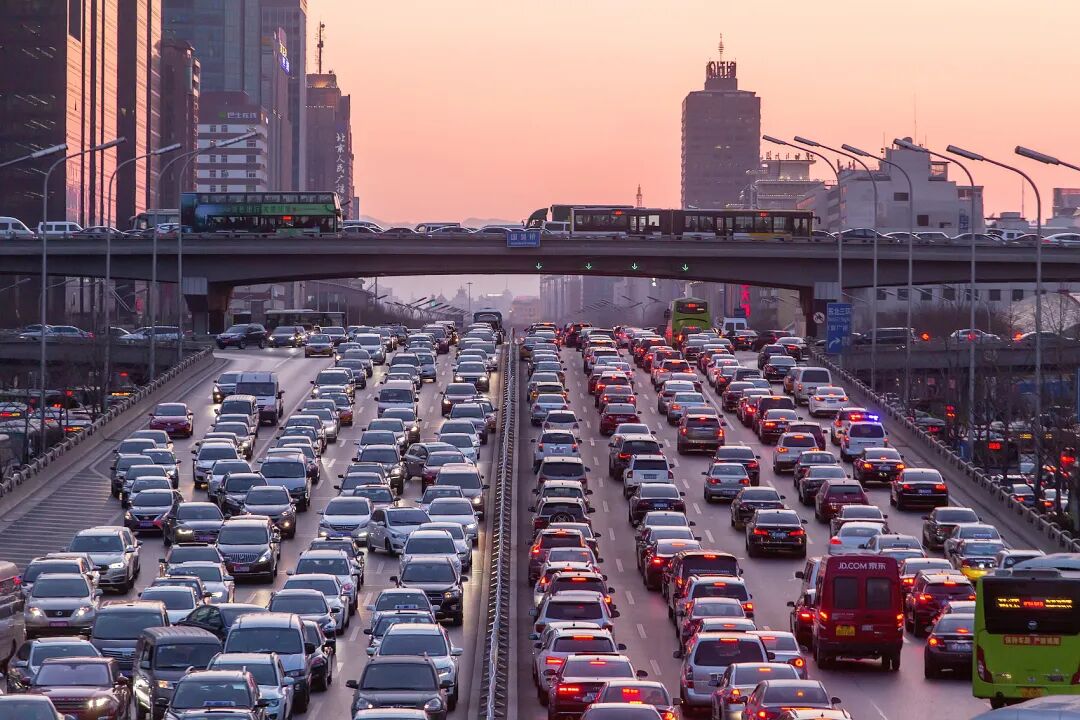
With 44 million new energy vehicles (NEVs) now on China’s roads, rarely refueling and thus not contributing to road maintenance fees through fuel taxes, this represents a systemic oversight rooted in history rather than a deliberate loophole. When the fuel tax system was established in 2009, NEVs were virtually nonexistent among household passenger vehicles. The entire system was built on the logical premise that "all vehicles burn fuel"—a premise that no longer holds true today.
Yet, this unpaid obligation continues to grow. What should be done? Hello, I’m Wei Ming. Today, let’s delve into this issue carefully.
01
The Origins of Road Maintenance Fees: Why Are They Embedded in Fuel Prices?
To understand the core of this issue, we must revisit 2009.
On January 1, 2009, China implemented a reform of refined oil product taxation, abolishing six fees—including road maintenance and waterway maintenance fees—and integrating them into the consumption tax on refined oil products. After the reform, gasoline and diesel consumption taxes included approximately 1.52 yuan per liter dedicated to road maintenance revenue.
The underlying logic of this system was: "Use more, pay more; use less, pay less." Vehicles traveling greater distances or carrying heavier loads consumed more fuel, thus contributing more to road maintenance. This represented a relatively fair user-pays mechanism—those using roads more extensively bore a greater share of upkeep costs.
However, this system implicitly assumed that all vehicles burned fuel.
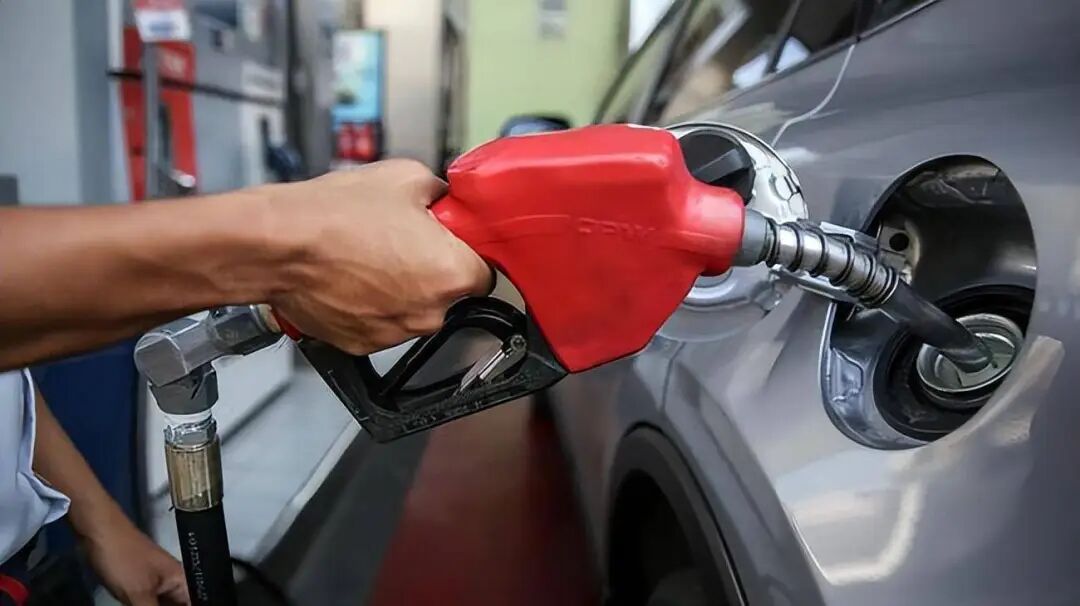
Image source: Internet
At that time, electric vehicles were scarcely present, so this assumption went unchallenged. But by 2025, when NEVs surpassed 50% penetration in retail sales and the national NEV fleet exceeded 44 million vehicles, this premise collapsed entirely.
Fuel-powered vehicles automatically pay road maintenance fees when refueling, while NEVs, which charge their batteries, lack such a mechanism—they do not participate in this system. This represents a systemic gap left by historical technological limitations, not intentional rule evasion. Moreover, fuel vehicles still dominate the overall vehicle fleet, as data indicates.
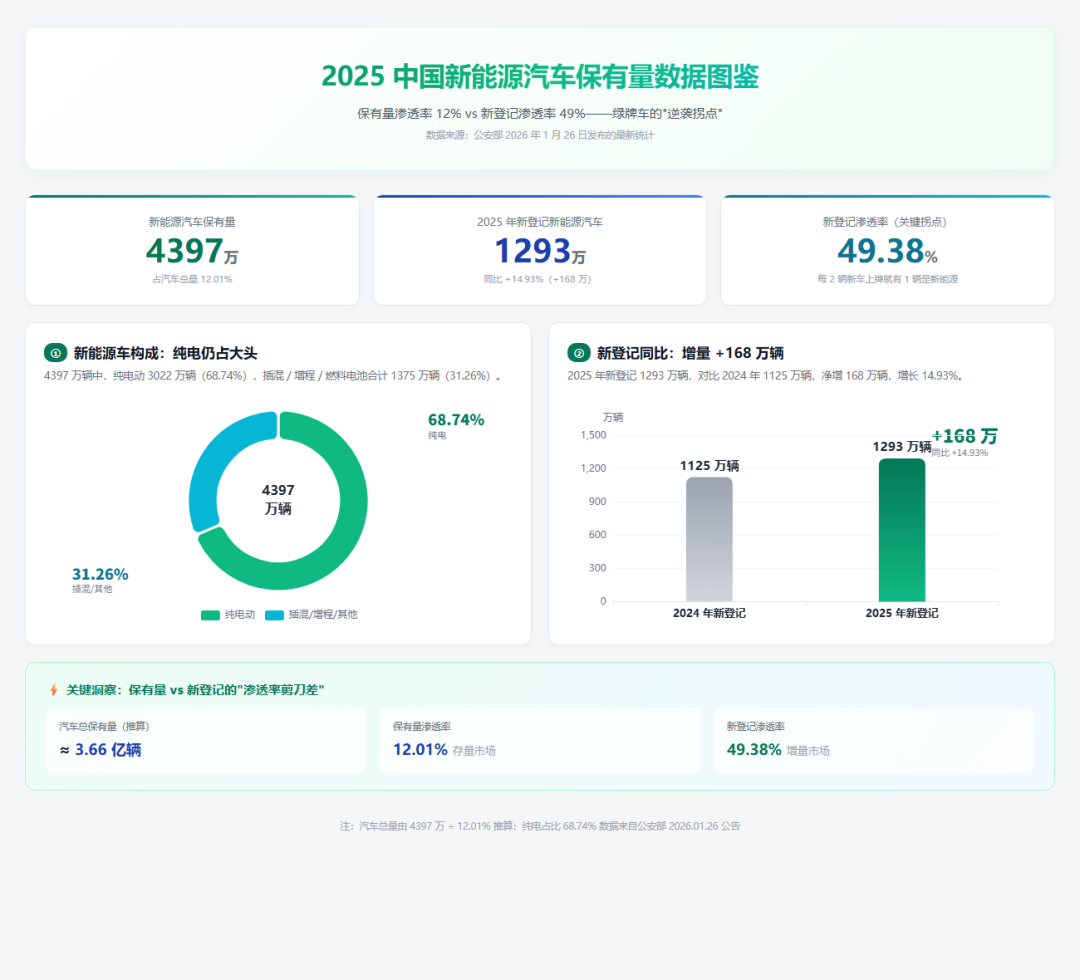
Xinhua News Agency reported that on January 26, the Ministry of Public Security released the latest statistics: by 2025, China’s motor vehicle fleet reached 469 million, including 366 million cars. By the end of 2025, NEVs numbered 43.97 million, accounting for 12.01% of all cars; pure electric vehicles numbered 30.22 million, 68.74% of NEVs. In 2025, 12.93 million new NEVs were registered, accounting for 49.38% of all new car registrations, up 1.68 million (14.93%) from 2024.
Personally, I believe this issue will inevitably rise to the policy agenda once NEVs exceed 20% of the fleet. Fuel vehicle owners shouldn’t place blame entirely on EV owners—I believe most EV owners are willing to share reasonable costs, pending national policy arrangements.
However, a crucial institutional distinction exists that most people overlook:
Road maintenance fees (embedded in fuel taxes) do not fund expressways or urban roads.
Expressways: Operate on a toll-based model—users pay as they go, with independent accounting entirely separate from fuel taxes.
Urban roads: Funded by urban maintenance and construction taxes plus local fiscal revenue, not through road maintenance fees.
Ordinary and rural roads: This is where road maintenance fees primarily apply—millions of kilometers of non-toll roads rely on fuel taxes for construction and maintenance funding.
The Ministry of Transport clearly stipulates that road maintenance fees must "first ensure roads meet specified maintenance quality standards, with a guaranteed proportion allocated to rural road maintenance." This means: EVs not paying road maintenance fees most impact funding for ordinary and rural road maintenance, not expressways or urban roads.

Image source: Internet
So why should EVs bear road maintenance fees? Some argue EVs’ greater weight is one reason.
02
Are Heavier EVs Really More Damaging to Roads?
This requires serious physical analysis, not emotional responses.
Fact 1: EVs are indeed heavier.
Among comparable vehicle classes, NEVs typically weigh 400–700 kg more than fuel vehicles due to their massive battery packs (often hundreds of kilograms). Take the Li Auto L9 and NIO ES9 as examples—these large SUVs priced around 500,000 yuan each have curb weights exceeding 2.5 tons, with some models approaching 3 tons.
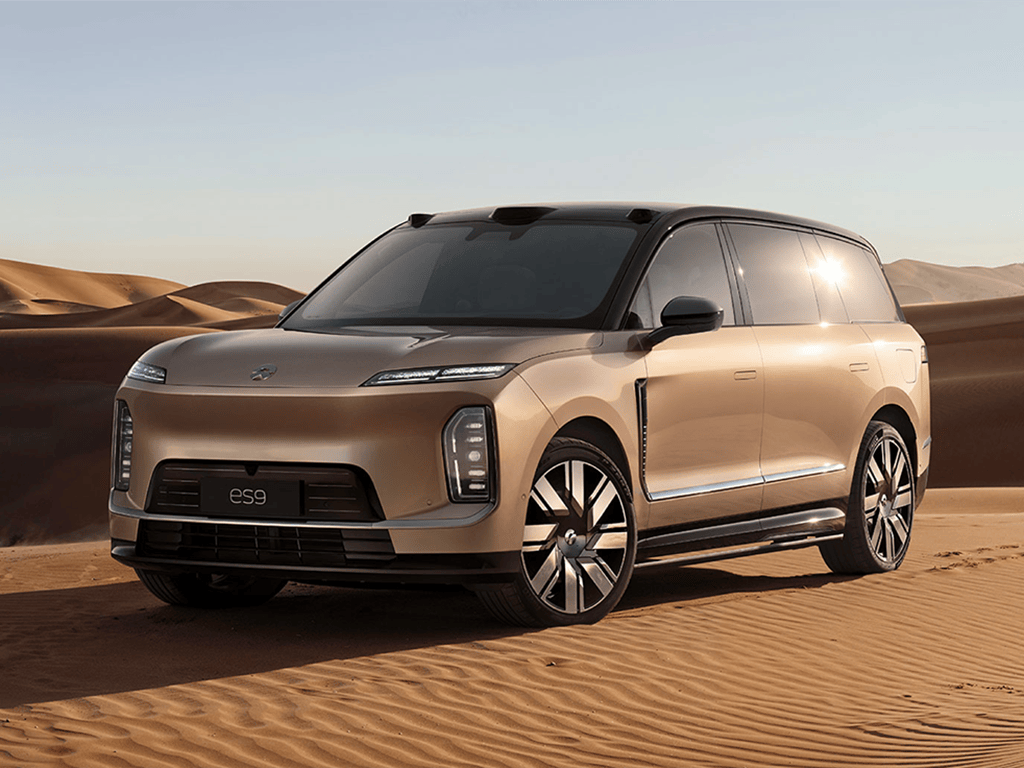
Image source: Internet
Fact 2: Road damage from weight increases exponentially.
Highway engineering research shows pavement damage correlates with the fourth power of axle weight—the famous "fourth power law." This means doubling a vehicle’s weight increases road damage 15-fold, not just twofold. Heavier vehicles thus cause far greater wear on roads and bridges than ordinary passenger vehicles.
Fact 3: EVs have larger tires, but this doesn’t fully offset weight impacts.
EVs use wider, higher-pressure, heavier tires to support greater weight, which somewhat disperses ground pressure. However, this doesn’t fundamentally alter the physical principle that increased weight accelerates pavement deterioration.
It must also be objectively noted: Passenger vehicle weight causes far less road damage than heavy trucks. A 2.5-ton EV causes thousands of times less damage than a 40-ton truck. Thus, while EV weight is a real issue, it shouldn’t be exaggerated.
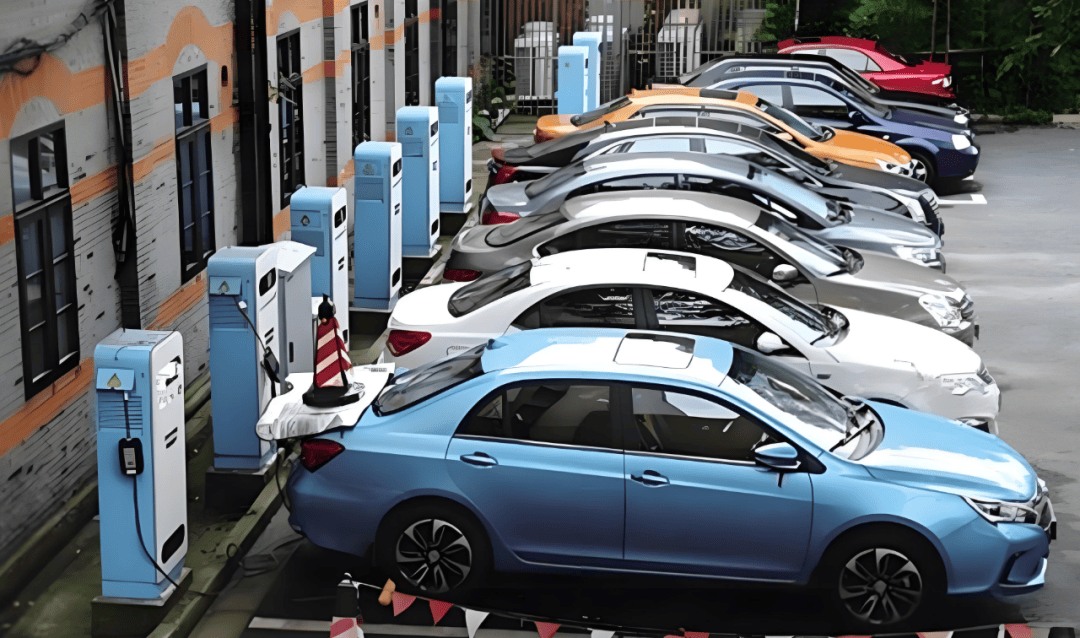
Image source: Internet
03
What Other "Policy Dividends" Do EVs Enjoy?
Road maintenance fees represent just one of many policy preferences for EVs. The trajectory of purchase tax exemptions clearly shows gradual policy withdrawal:
2014–2023: Full exemption from NEV purchase taxes, with cumulative reductions exceeding 150 billion yuan.
2024–2025: Continued exemption, capped at 30,000 yuan tax relief per vehicle.
2026–2027: Halved exemption (official policy phaseout begins).
2028 onward: Full resumption of collection (unless extended again).
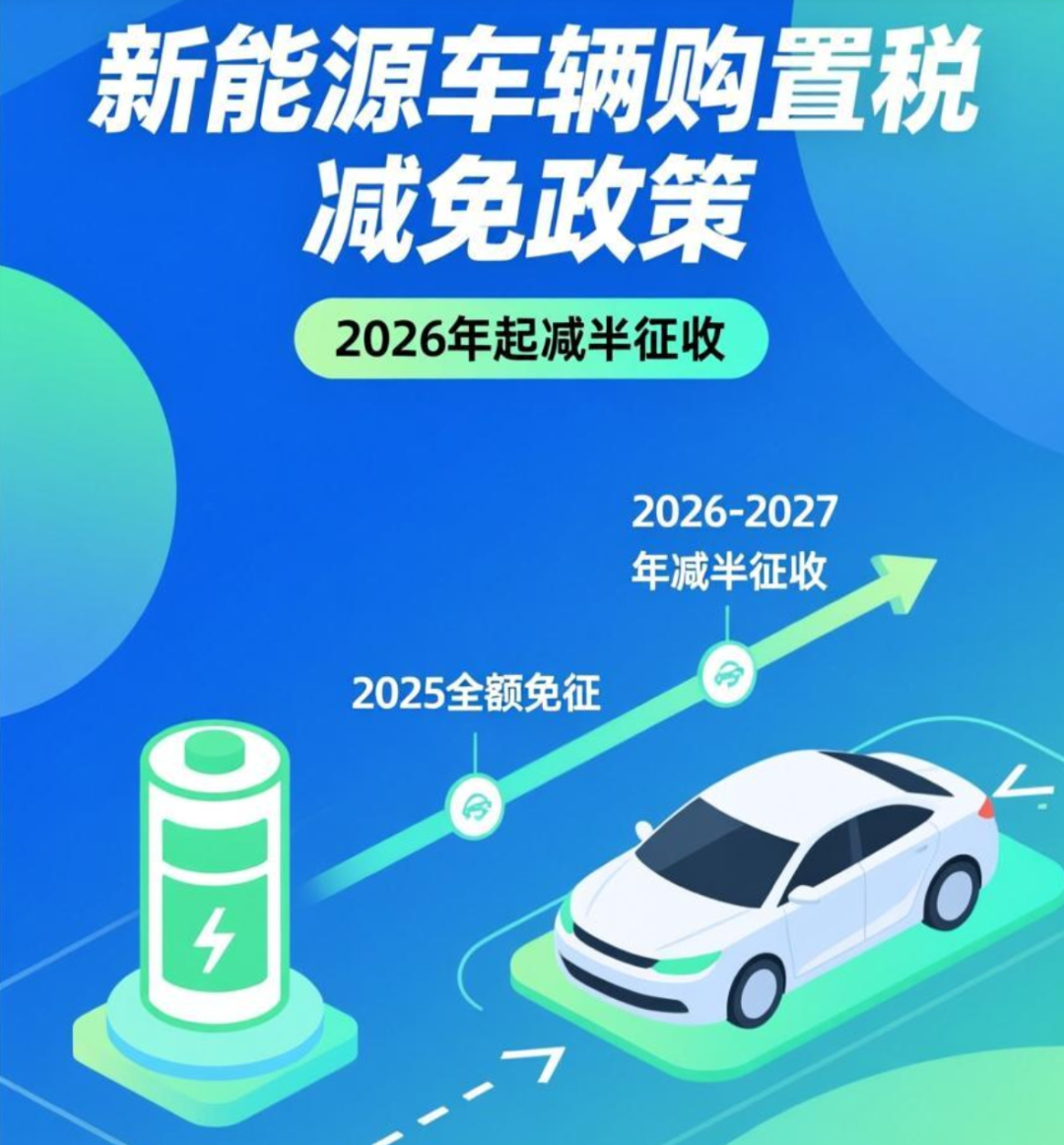
Image source: Internet
This means starting May 2026, NEV purchase tax exemptions will be halved, officially ending the "exemption era." But even then, EVs will still pay half the purchase tax of comparable fuel vehicles—a 300,000 yuan NEV will still pay about 15,000 yuan less in purchase tax than a fuel vehicle.
04
Why Haven’t EVs Started Paying Road Maintenance Fees Yet?
Three reasons explain this.
First: Historical inertia in policy design.
The 2009 fuel tax reform addressed a reality where all vehicles burned fuel. At that time, no one could foresee how rapidly NEVs would disrupt the entire energy structure. System updates always lag behind technological breakthroughs—this is a common dilemma for new energy policies worldwide.
Moreover, as previously noted, fuel vehicles still dominate the overall fleet.
Second: Industrial support remains the top priority.
China’s NEV development pursues two strategic goals: reducing dependence on imported oil (energy security) and promoting carbon reduction (environmental protection). Both require rapid NEV adoption. Imposing road maintenance fees too early would increase EV operating costs, objectively slowing NEV adoption and conflicting with national strategy.
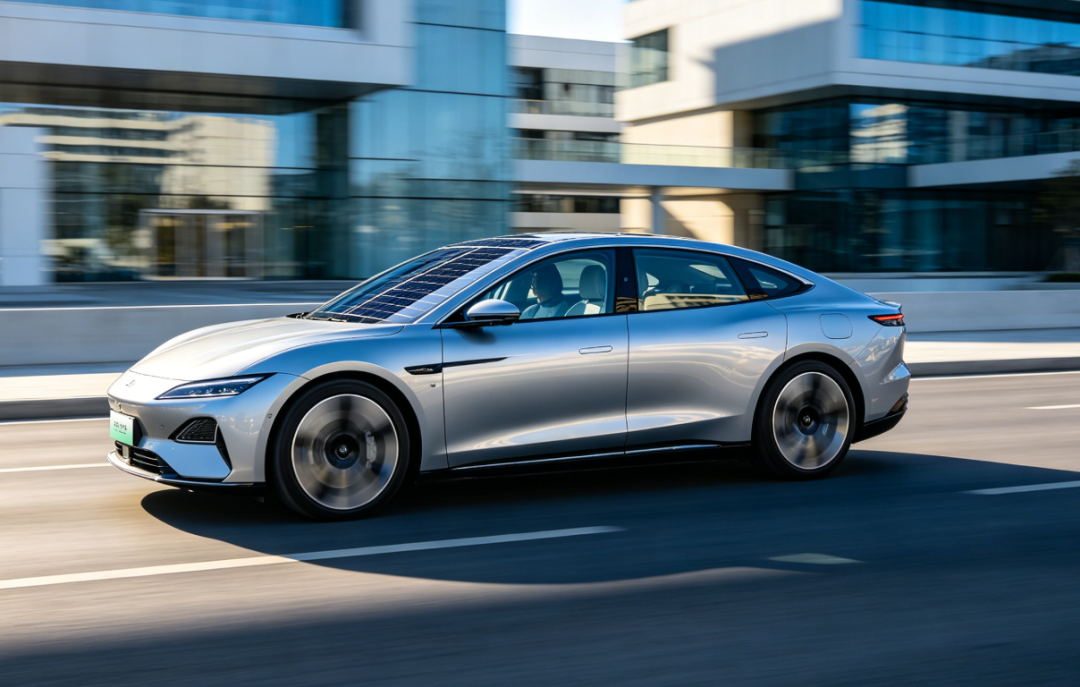
Image source: Internet
Third: Technically mature measurement methods are lacking.
Fuel vehicles’ road maintenance fees are "hidden" in fuel prices and automatically deducted during refueling—simple to operate. But with EVs charging at a vast network of stations, how to precisely measure each EV’s road usage, avoid double taxation, and protect owner privacy—these technical issues still lack perfect solutions.
05
How Will Fees Be Collected in the Future? What Do Experts Say?
This is the most crucial question.
According to Caixin, Securities Times, and other authoritative media, industry insiders note that simultaneous statements from People’s Daily and CCTV represent "trial balloons"—signaling that NEVs will soon face road maintenance fees, likely calculated based on vehicle weight.
Experts propose three main plans:
Plan 1: Charge based on electricity consumption
Add road maintenance fees to electricity costs at public charging stations—e.g., 0.1–0.2 yuan per kWh. Advantages: low collection costs, full compliance, inescapable—EVs must pay when charging.
However, issues exist: What about battery-swapping EVs—should fees be added to swap costs? Many EVs charge at home—how to collect without raising residential electricity prices across the board?
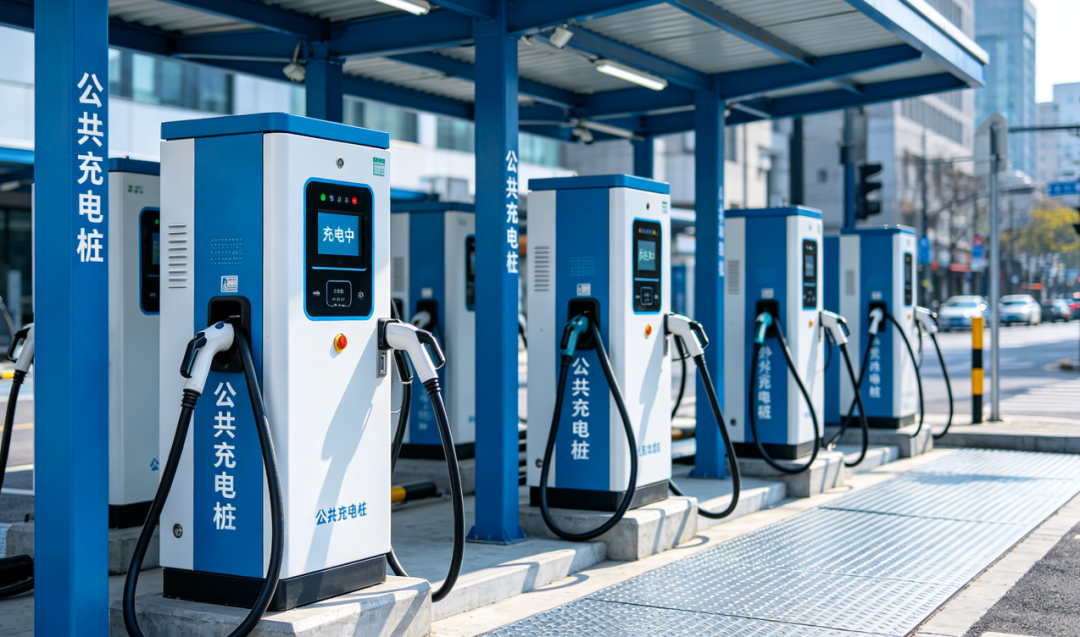
Image source: Internet
Plan 2: Charge based on mileage
Similar to the U.S. mileage tax, record distances via OBD systems or smartphone apps and charge a fixed rate per kilometer. Advantages: truly "pay for what you use," maximizing fairness. Challenges: high data collection costs, privacy concerns, regulatory difficulties, requiring owner self-reporting or unified collection by automakers.
Another issue: Hybrid vehicles use both fuel and electricity. From a fairness perspective, how to tally mileage becomes problematic.
Plan 3: Tiered charging based on vehicle curb weight
Set different annual road use taxes by vehicle weight—heavier vehicles pay more, lighter ones pay less. This approach has precedents in the UK, Netherlands, and other European countries. Advantages: aligns with the physical principle that weight causes road damage, relatively simple to implement. Disadvantages: EVs generally weigh more than fuel vehicles in the same class, making this less favorable for EVs.
This may be the most feasible short-term option, allowing unified standards for fuel and electric vehicles—but would require removing road maintenance fees from fuel prices.
06
The Dilemma: Balancing Fairness and Development
This represents the core contradiction of the issue.
Fairness dimension: 44 million NEVs using roads for free while fuel vehicles bear road maintenance costs through fuel prices represents systemic unfairness. Moreover, as EVs grow heavier, their road impact increases. This sense of unfairness will intensify as NEV adoption grows.
Development dimension: China leads the global NEV market with a complete industrial chain and strong competitiveness. Maintaining this lead represents a national strategic choice. Policy support for EVs aims to give the industry a competitive edge globally. Imposing road maintenance fees too early could slow EV adoption, trading short-term fairness for long-term strategic losses.
People’s Daily commented aptly: The issue essentially reflects a "time lag between industrial transformation and institutional adaptation," and shouldn’t be reduced to conflict between fuel and electric vehicle owners. Any policy adjustment must allow sufficient transition time for the industry—no abrupt changes.
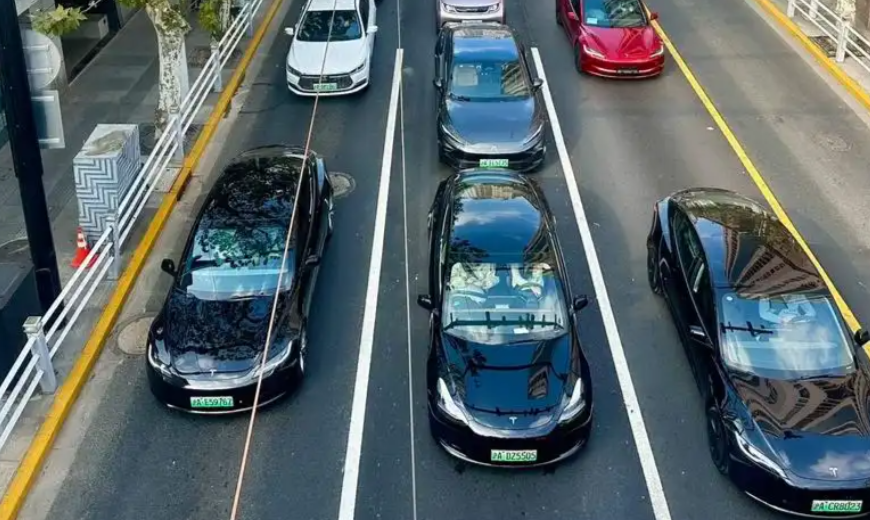
Image source: Internet
Conclusion: The Bill Will Come Due, But the Accounting Must Be Clear
The question isn’t whether EVs should pay road maintenance fees, but rather how, how much, and when to collect them.
From a policy direction perspective, purchase tax exemptions have already begun phasing out (starting 2026), and road maintenance fee collection will inevitably follow. But the path chosen matters greatly—should collection be based on electricity consumption, mileage, or weight? Implemented nationally or through local pilots? Applied only to EVs or adjusted synchronously with fuel vehicles?
Every option carries costs, but the costs of inaction are also significant.
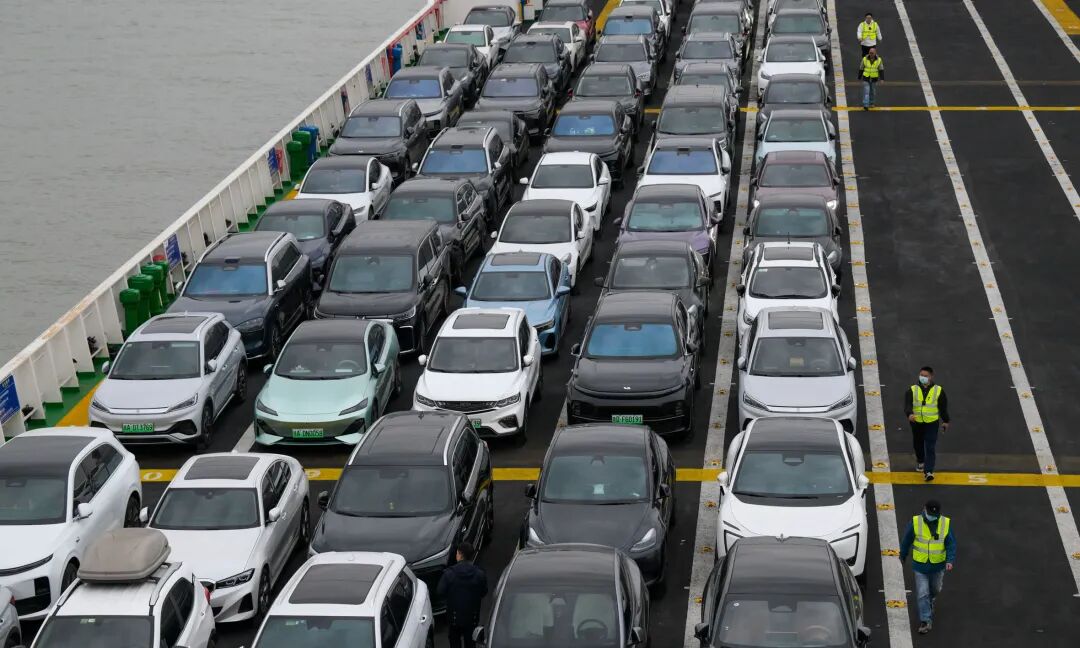
Image source: Internet
Personally, I believe a national uniform collection system allocating fees based on weight could work, as weight represents one of the most critical factors in road maintenance costs and eliminates interference from vehicle type. Otherwise, how to balance calculations among EVs, extended-range EVs, and fuel vehicles? If new vehicle types emerge in the future, weight could still serve as a reference for road maintenance fee collection.
But if the fees are collected and used locally, then each region will need to formulate detailed rules based on their own needs. For example, in some areas where the usage rate of provincial roads is not high and maintenance costs are low, in order to attract more people to buy cars and promote tourism consumption, the fees may not necessarily be based on vehicle weight but on electricity usage instead.
<-
![]()
History’s Largest IPO Is Set to Debut—But Chinese Investors Are Shut Out
-
![]()
Should 44 Million Electric Vehicles Be Subject to Road Maintenance Fees If They Don’t Refuel?
-
![]()
US Stock IPO | Anthropic and OpenAI File Successively, Three Giants Aim for a Combined $4 Trillion Market Debut
-
This Smart Toilet Enterprise Holds the Key to AI Computing Power
-
![]()
Breaking News! An AI Company Valued at 5.8 Trillion USD Rushes for IPO with Annual Revenue of 170 Billion USD
-
The Underground 'Computing Battle': How HPC and Large Models Revolutionize Oil Exploration
-
![]()
New Breakthrough! Haiguang Optoelectronics Clears HKEX IPO Hurdle
-
![]()
AI Computing Power Surge Propels Dongtian’s Optoelectronic Communication Business to Soar!