Hidden Presence: Chinese Automakers 'Lurking' in the U.S. Market
 06/15 2026
 427
427
Lead
Introduction
Chinese Cars Absent from U.S. Market, Yet Automakers Choose to Learn in Dormancy.
It is now widely known that Chinese automotive brands are making significant strides in the global market, yet they face considerable challenges in entering the U.S. market. What many may not realize is that several Chinese automakers maintain a discreet and covert presence in the United States.
These automakers may have established local offices, R&D centers, or even production facilities in the U.S. However, most choose to deliberately avoid media attention and skip industry conferences. As a result, they have not showcased their products at major U.S. auto shows since 2019.
Recently, as Chinese cars purchased by U.S. consumers in Mexico City are driven back home, some media outlets have begun to pay attention to the operations of these Chinese automakers in the U.S.
For instance, SAIC Motor has its U.S. office in a five-story white building on Great Beaver Road, eight miles north of Detroit. Local media discovered that deep within the fourth-floor corridor, a gray glass door bears the SAIC logo, leading to a dimly lit office. Knocks went unanswered, and without an extension number, leaving a message was impossible. The company also does not provide a phone directory.
SAIC Motor is one of China's most successful exporters, with its MG-branded sedans and SUVs ranking among the top sellers in dozens of countries, including Mexico.
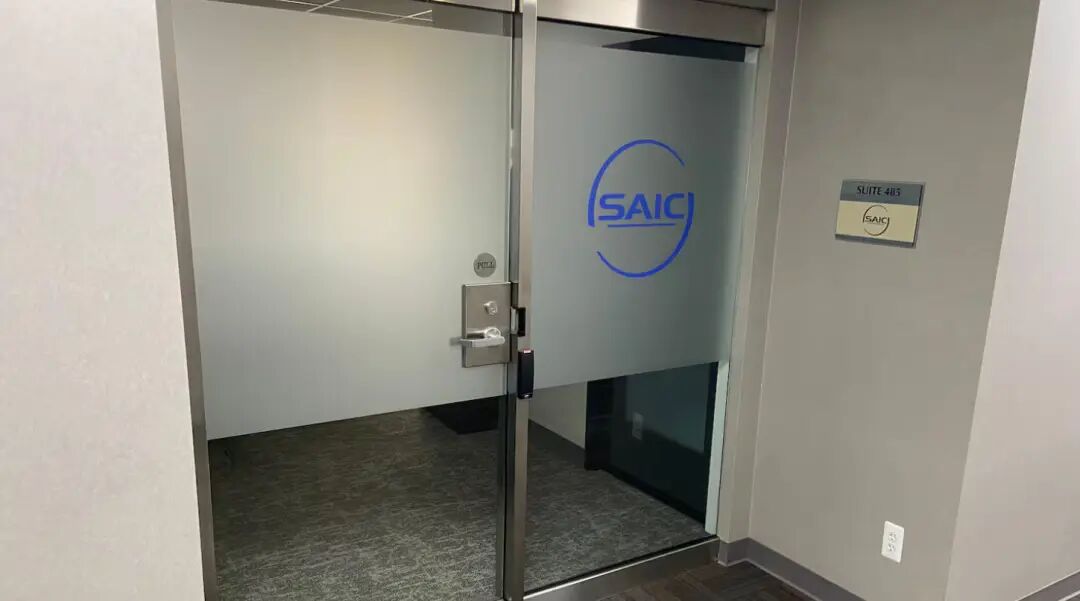
Moreover, SAIC is not alone in this silent approach. Media outlets have called NIO's R&D center in San Jose, California, only to be greeted by a generic answering machine and an unidentified voice mailbox.
Li Auto announced plans to open an R&D center in Silicon Valley, but no public location or contact information has been disclosed. Emails sent to their Chinese headquarters have gone unanswered. Several attempts to call and email other Chinese automakers' U.S. facilities have also yielded no response.
It is clear that behind this collective silence lies an increasingly tense political climate.
Leveraging a robust automotive supply chain and advanced technological capabilities, Chinese automotive products offer high configurations, spacious interiors, powerful performance, and, most importantly, competitive pricing. As a result, they are widely welcomed by consumers worldwide. However, local automotive industries perceive them as a threat, leading to heightened vigilance.
This sentiment is particularly evident in the U.S. market. To protect its domestic automotive industry, the U.S. has imposed a 100% border tax on all electric vehicles imported from China. Combined with the standard 2.5% tariff and other cumulative taxes, the total tariff rate faced by Chinese electric vehicles in the U.S. reaches a staggering 102.5%.
Industry analysts point out that the tense political climate makes Chinese automakers feel unwelcome in the U.S. "Given that politicians are making it clear they do not want the Chinese to enter the market, the current environment may not be suitable, making it difficult for Chinese automakers to truly penetrate this market."
Nevertheless, Chinese automakers have long dreamed of selling cars in the U.S., the world's second-largest light vehicle market. BYD, Geely, Byton, Chery, and Great Wall Motors have occasionally appeared at auto shows in Detroit or Los Angeles. In 2019, GAC Group also participated in the Detroit Auto Show.
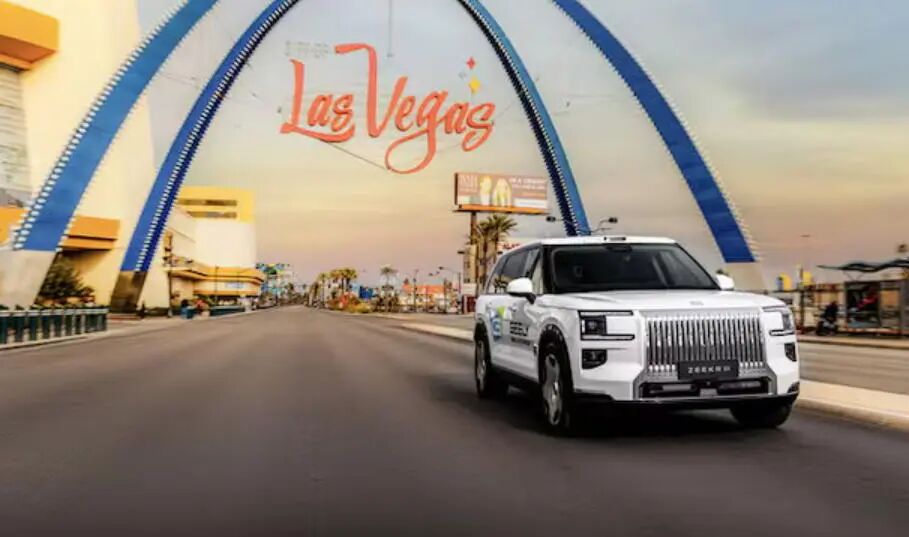
Since then, Chinese automakers have been absent from all major U.S. auto shows, opting instead to showcase their presence at the annual Consumer Electronics Show (CES) in Las Vegas in January. At this year's CES, Geely allowed foreign media to test drive the Zeekr sedan at the Las Vegas Motor Speedway.
Meanwhile, Chinese automakers are increasing their production footprint in Canada. Starting this year, Canada will allow the sale of up to 49,000 Chinese-made vehicles at preferential tariff rates. Given the similar safety and emissions regulations between the U.S. and Canada, the Canadian market could eventually serve as a springboard for Chinese automakers to enter the U.S.
According to consulting firm AlixPartners, Chinese automakers are striving to establish production in at least 16 countries and regions (primarily in Europe and Latin America), aiming to increase overseas local production from 1.2 million units in 2025 to 3.4 million units by 2030. The U.S. is not among these destinations, and no confirmed plans for factory construction in Canada have been announced yet.
AlixPartners' China business experts believe that the Chinese automotive industry will achieve global expansion by establishing independent overseas operations, a process already underway in many regions. For example, SAIC, Chery, JAC, BYD, and Great Wall Motors have all announced plans to build factories in Mexico.
Why do Chinese automakers maintain operations in the U.S. despite the bleak prospects for entering the market?
AlixPartners' experts provide the answer: Chinese automakers' investments in the U.S. are essentially aimed at keeping pace with the automotive industry's development. Manufacturers with R&D centers in the U.S. are searching for talent and learning how to integrate into the U.S. supply chain.
This logic is clearly reflected in the U.S. layout (layouts) of various companies.
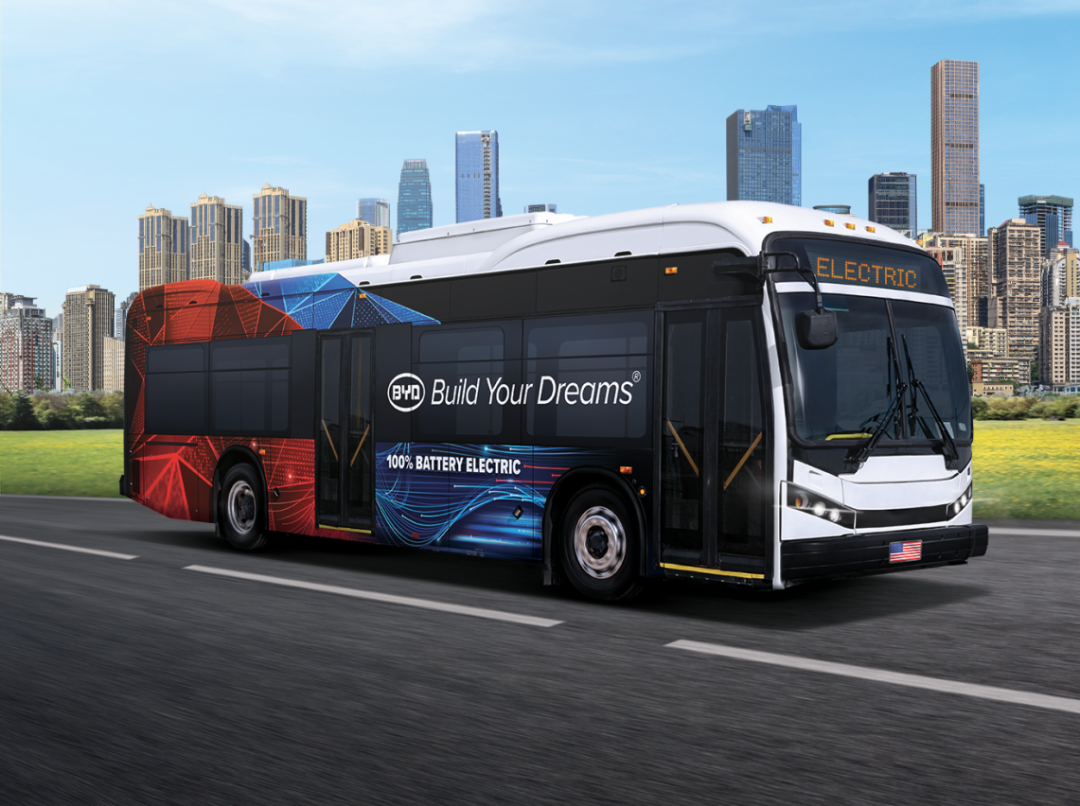
BYD has the most substantial presence, with a bus factory in Lancaster, California, and its U.S. headquarters in Los Angeles. BYD manufactures electric buses for school and city fleets from scratch, rather than assembling them from kits.
As one of China's largest passenger vehicle exporters, BYD is likely to enter the U.S. market when conditions become more favorable. On June 9, BYD Chairman Wang Chuanfu stated at the annual general meeting that he expects BYD to achieve significant growth by 2030, with the potential to become the world's largest automaker in terms of overall production and sales.
Chery's situation is quite different. As China's largest passenger vehicle exporter, Chery International President Zhang Guibing said in an interview in May that the company will enter the U.S. market when market conditions change. Currently, Chery has no operations in the U.S.; its North American operations center is based in Mexico, where it is seeking partnerships with another automaker for production.
Geely also has a presence in the U.S., but not under the Geely brand. As the parent company of Volvo, Polestar, and Lotus, Geely can directly leverage the dealer networks of these three brands if it decides to enter the U.S. market. Its premium electric vehicle brand, Zeekr, is likely to lead the charge.
Currently, about 50 Zeekr electric vehicles are operating on U.S. roads as part of Waymo's autonomous taxi fleet. Geely is also exploring the possibility of producing vehicles in Mexico.
Great Wall Motors' U.S. footprint has significantly shrunk. Its sprawling R&D center in Farmington Hills, Detroit, closed in 2019 and is now used by a Detroit-based social organization.
Karma Automotive is a unique case. Its predecessor was Henrik Fisker's failed Fisker Automotive, which was acquired from bankruptcy in 2014 by Chinese auto parts manufacturer Wanxiang Group. The company focuses on luxury hybrid and electric vehicles, assembling vehicles in Moreno Valley, California, but on a very small scale, with total sales expected to reach only 146 units in 2025.
Li Auto's U.S. plans are currently uncertain. The company announced plans in December last year to establish an R&D center in Silicon Valley but underwent restructuring and business integration in January this year. It is unclear whether it will proceed with its U.S. plans.
NIO has not only failed to enter the U.S. market as scheduled but has also laid off most of the staff at its San Jose R&D center, retaining only a small team. However, its electric vehicle technology may enter the U.S. through another route. British niche automaker McLaren has signed a technical cooperation agreement with NIO, and some of NIO's technology may be applied to McLaren's sports cars.
SAIC Motor purchased an expensive three-story office building in downtown Birmingham, Michigan, north of Detroit, in 2012. Test fleets of MG SUVs have been seen on Michigan roads. However, its entry into the U.S. passenger vehicle market ultimately did not materialize.
Last fall, SAIC sold its Birmingham headquarters and relocated to a smaller office in Troy, a few miles away. Today, SAIC's North American operations primarily focus on logistics and warehousing, with General Motors as one of its largest clients.
XPeng Motors is one of the few companies still actively expanding its workforce. The company has an R&D center in Santa Clara, California, focusing on autonomous driving and artificial intelligence. In late May, XPeng posted 26 job openings in California, indicating that its U.S. operations are still progressing.
The presence of these Chinese companies in the U.S. can be seen as a form of strategic dormancy. Amid high tariffs and political headwinds, they have chosen to focus on R&D, talent, and supply chains to maintain connections with the forefront of the global automotive industry, awaiting the day when market conditions improve.
Editor in Charge: Cao Jiadong Editor: Wang Yue

THE END

-
![]()
Great Wall Motor's Conundrum: Revenue Growth Clashes with Profit Decline—Billion-Yuan Sales Costs Erode Earnings, Overseas Margins Trail Domestic Market
-
![]()
Auto Market News: Relief from Vehicle and Vessel Tax! MIIT Announcement
-
![]()
Haiqing Zhiyuan Gears Up for HKEX Debut: Revenue Growth Amid Profit Challenges, Operating Cash Flow Worsens
-
![]()
Haiqing Zhiyuan Prepares for HKEX Debut: Revenue Jumps Despite Profit Challenges and Worsening Cash Flow
-
![]()
The Big Three Telecom Giants Face Accusations of Overcharging Loyal Customers: Why Do Costs Rise with Tenure?
-
![]()
Competitor’s CTO Criticizes Extended-Range Tech; Seres’ Zhang Xinghai Fires Back: It’s Far From “Pointless”
-
![]()
"Football Unites the World," But Not the North American Auto Industry
-
![]()
Electric vehicles are indeed cheaper, but who says gasoline cars are doomed?