Competitor’s CTO Criticizes Extended-Range Tech; Seres’ Zhang Xinghai Fires Back: It’s Far From “Pointless”
 06/15 2026
 522
522
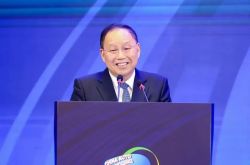
“Some once dismissed extended-range technology as redundant, but now, with 70% of driving range covered by charging and 30% by gasoline-generated electricity, flexible fuel-electric usage is a reality. Users have overcome range anxiety caused by charging challenges, especially during peak travel periods like the Lunar New Year.” On June 12, Zhang Xinghai, Chairman and Founder of Seres Group, delivered this keynote address at the 2026 China Automotive Chongqing Forum, held at the Chongqing Yuelai International Convention Center.
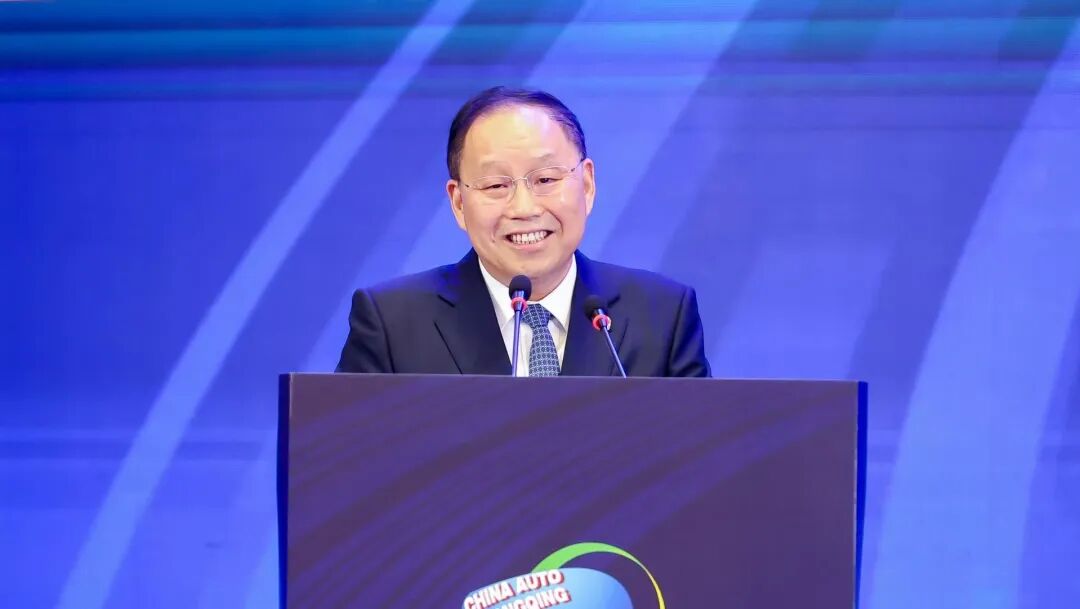
Data released by Zhang revealed that AITO vehicles have amassed a cumulative driving distance of 32.2 billion kilometers to date, with 69.6% of that distance powered by charging. He emphasized that real-world operational data from AITO’s backend systems under Seres is disproving misguided industry criticisms of extended-range technology, as user behavior validates its practicality.
In his speech, Zhang underscored the critical role of safety technology in new energy vehicle (NEV) development while directly addressing industry debates over extended-range tech. He noted that some competitors had previously labeled this approach “pointless” and “redundant.” However, AITO’s operational data demonstrates that user adoption is correcting these misconceptions.
Since Li Auto popularized extended-range electric vehicles (EREVs), industry debates have persisted. Critics argue that generating electricity via fuel combustion adds unnecessary complexity and represents technological regression. Several automakers have voiced skepticism, with Volkswagen’s 2020 stance being the most prominent.
At the time, Volkswagen China CEO Stephan Wöllenstein, when asked about BEVs, EREVs, and PHEVs, stated from an environmental perspective that EREVs were suboptimal. He asserted that the ultimate goal of EVs is to reduce carbon emissions, and burning fossil fuels for electricity undermines this purpose. “Extended-range technology is nonsense—the worst solution,” he declared. Wilko Stark, head of Volkswagen Group China’s R&D, similarly dismissed EREVs as “insignificant” and “outdated.”
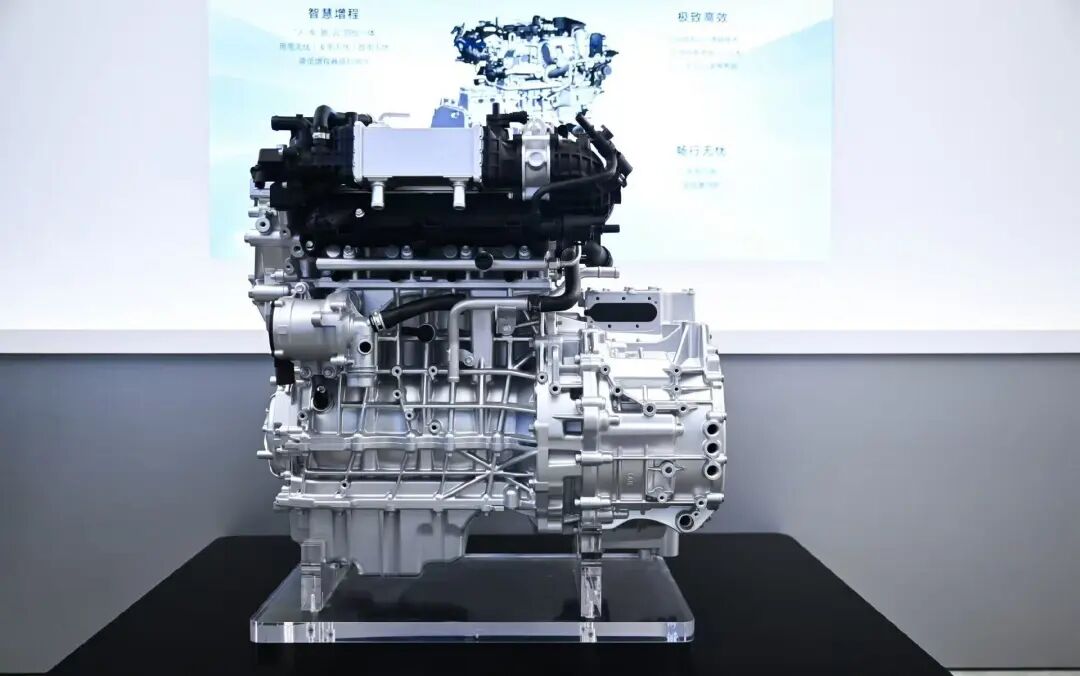
Great Wall Motors (GWM) later doubled down on its stance, refusing to adopt extended-range tech due to perceived inefficiencies. GWM executives argued that EREVs’ indirect power transmission—converting mechanical energy to electricity and back—results in a lengthy chain of efficiency losses. Their tests indicated at least a 13% efficiency drop compared to direct engine-driven systems.
However, GWM’s dismissal stems from its Hi4 intelligent all-wheel-drive hybrid technology, which already covers extended-range scenarios. In essence, Hi4 is positioned as a more advanced solution, rendering standalone extended-range tech redundant within their ecosystem.
Surprisingly, on June 11, Smart’s Global CTO Yang Jun publicly criticized popular extended-range hybrids during an event, stating bluntly that such models exhibit significant driving experience flaws and fail to meet Smart’s performance standards. His remarks reignited industry debates over hybrid tech routes.
Yang highlighted that extended-range vehicles suffer from a stark performance gap between full-charge and low-battery states. When fully charged, power delivery is responsive, offering a smooth drive. However, once the battery depletes, acceleration becomes sluggish, particularly in scenarios requiring rapid bursts of power, such as highway overtaking.
In extreme conditions, EREVs may experience severe power degradation and speed loss, diminishing overall driving pleasure. Yang stressed that such inconsistencies are unacceptable to Smart’s R&D team.
It remains unclear whether Zhang Xinghai’s remarks were a direct response to Smart’s executives. Nonetheless, large-battery extended-range technology now stands as one of the industry’s three dominant tech routes, alongside BEVs and PHEVs (though extended-range is technically a subset of PHEVs).
Zhang also highlighted mounting challenges for automakers, citing a fivefold surge in memory chip prices—from 20 yuan to nearly 100 yuan per unit—and lithium carbonate costs rising from 80,000 yuan to 180,000 yuan per ton. For AITO, this translates to an average cost increase of 15,000–20,000 yuan per vehicle, he noted. “Costs are soaring, material prices are climbing, yet selling prices keep falling. Automakers are under immense pressure,” Zhang said.
On the same day, NIO Chairman William Li echoed these concerns after the LeDao L60 launch event, revealing that raw material costs had risen sharply in 2026, adding over 10,000 yuan per LeDao vehicle. This would necessitate at least a 15,000 yuan price hike to maintain profitability.
-
![]()
The Big Three Telecom Giants Face Accusations of Overcharging Loyal Customers: Why Do Costs Rise with Tenure?
-
![]()
Competitor’s CTO Criticizes Extended-Range Tech; Seres’ Zhang Xinghai Fires Back: It’s Far From “Pointless”
-
![]()
"Football Unites the World," But Not the North American Auto Industry
-
![]()
Electric vehicles are indeed cheaper, but who says gasoline cars are doomed?
-
![]()
The Consensus Between Li Shufu and Li Bin Indicates the Obsolescence of Blockbuster Logic
-
![]()
Used Fuel-Powered Vehicle Prices Plummet, Losing Two Years' Value in Just Two Months
-
![]()
Hidden Presence: Chinese Automakers 'Lurking' in the U.S. Market
-
![]()
BBA Struggles to Keep Pace with Domestic Car Competitors