Electric vehicles are indeed cheaper, but who says gasoline cars are doomed?
 06/15 2026
 529
529
When several unconventional events occur simultaneously, the turning point for automobiles may have truly arrived this time.
The first event is that in May this year, no fuel-powered cars appeared in the top 10 of the retail auto sales rankings. Evergreen models like Lavida and Sylphy failed to maintain their familiar ranking positions. Just six months ago, there were still seven fuel-powered models in the top 10 sales rankings.
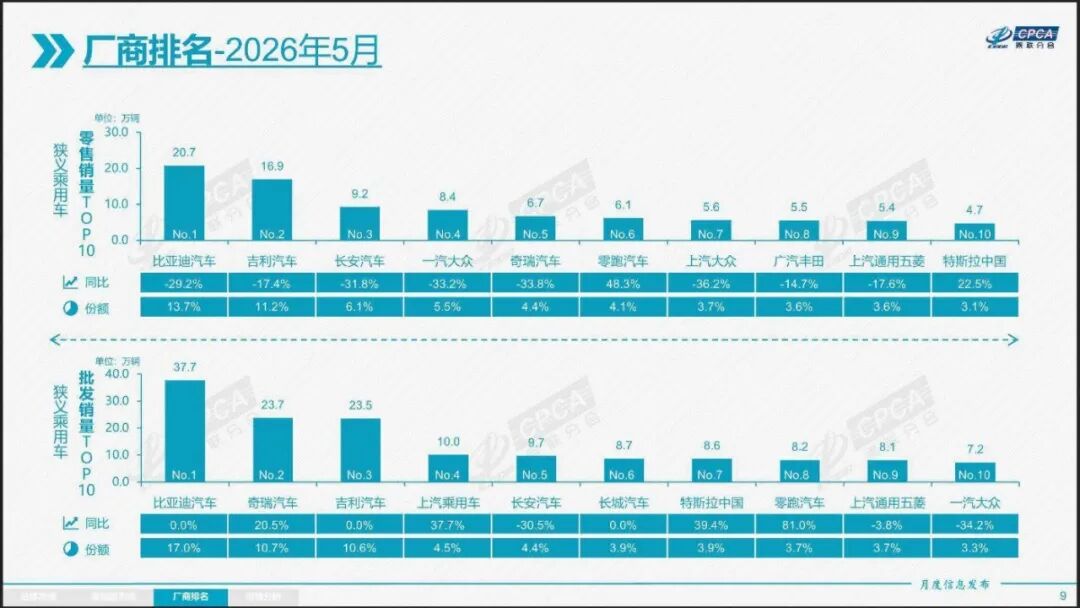
Furthermore, it is particularly noteworthy that in the best-selling car rankings for May this year, there was also a sharp decline in the number of models with engines. Essentially, plug-in hybrids and extended-range models are being surpassed by all-electric models. The sales champion, Geely Starry Wish, the runner-up, Model Y, and the third-place finisher, Xiaomi SU7, are all all-electric models. Among models with engines, only the Fangchengbao Titan 7 is a plug-in hybrid that outperforms all-electric models.
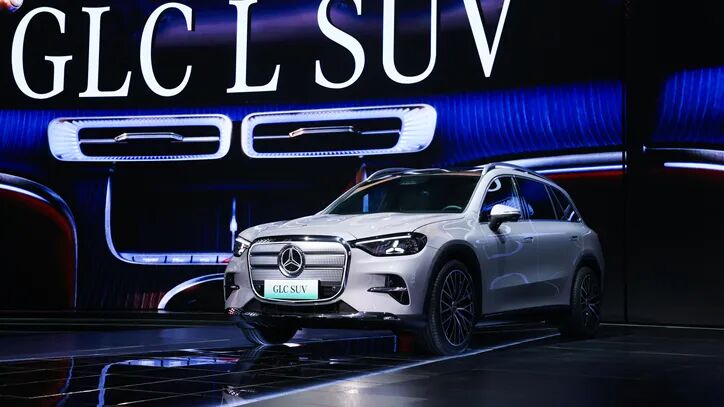
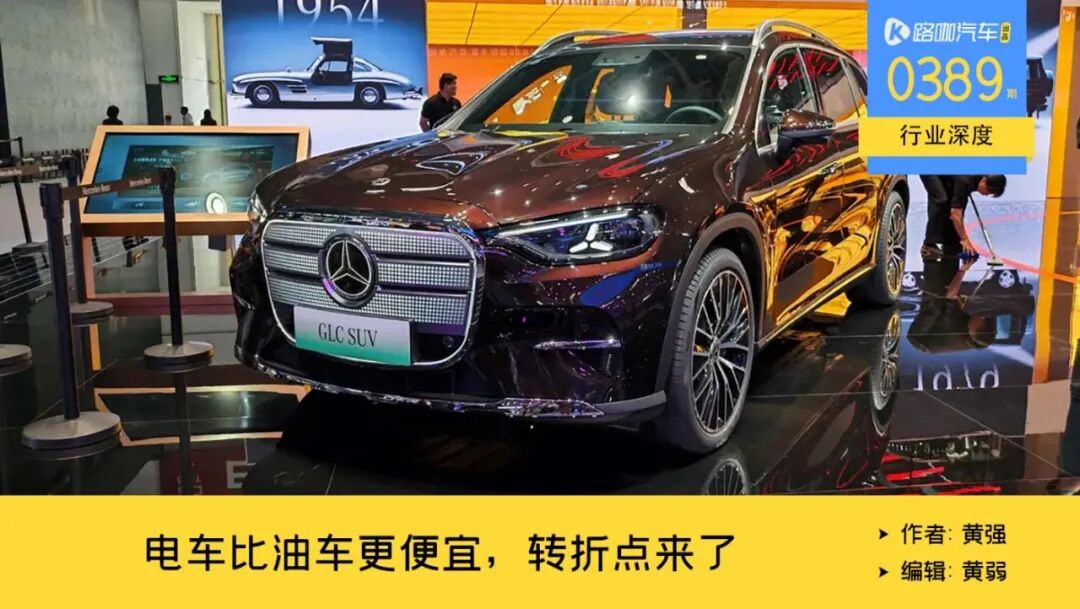
The second event is the launch of pre-sales for the all-electric Mercedes-Benz GLC. You might think that the release of pricing information for a single model is insignificant for the entire industry. However, this is not the case. From a generational update perspective, this marks the first move by German luxury cars targeting the Chinese market. Audi has shifted its focus to AUDI, which has indeed bolstered sales, while the launch timeline for the BMW iX3 is even later. Moreover, the pricing strategy for the all-electric Mercedes-Benz GLC breaks with Mercedes' long-standing rules, making it highly noteworthy. The third event is that despite continued price reductions for fuel-powered cars in May, with some models reaching new lows, many consumers are waiting for a rebound in fuel prices.
Thus, the combination of these contrasts indicates that the development trend is no longer ordinary.

Will it become the norm for electric vehicles to be cheaper than fuel-powered cars? The notion that electric vehicles are cheaper than fuel-powered cars sparked a debate among automakers two years ago. First, new energy advocates claimed that electric vehicles were cheaper, then joint-venture brands countered by asserting that fuel-powered cars were cheaper. Ultimately, the debate fizzled out without a clear conclusion.
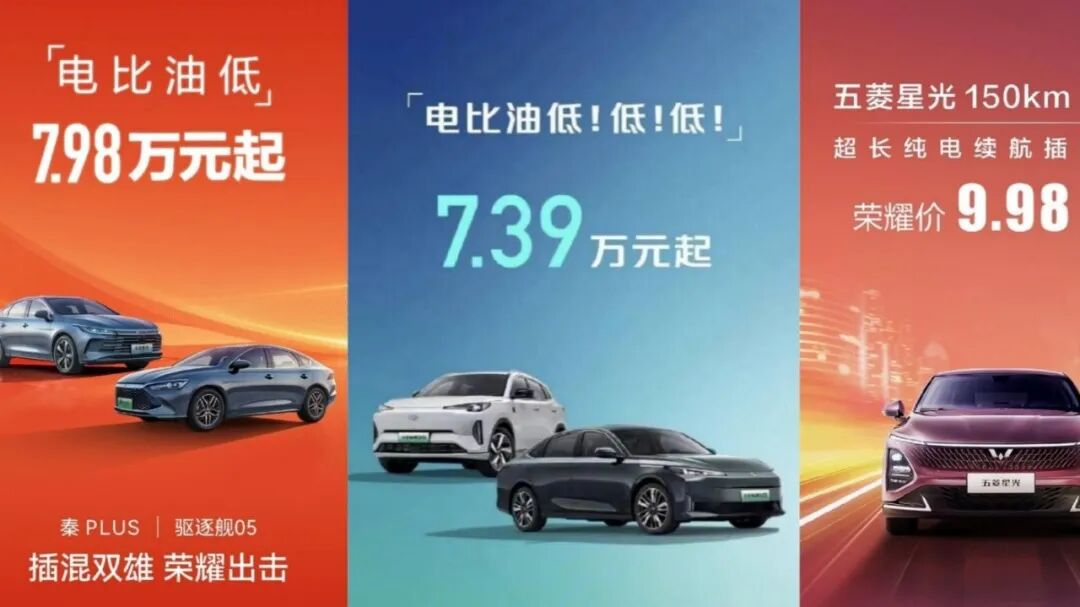
Indeed, in many market segments, new energy vehicles are continuously launching new models in an attempt to breach the final defenses of fuel-powered cars. So far, new energy vehicles have largely broken through two layers of fuel-powered cars' defenses. First, they have squeezed out the premium pricing space of major brands. Just two years ago, when interviewing many brand executives, they all said that fuel-powered cars were profitable while new energy vehicles were not.
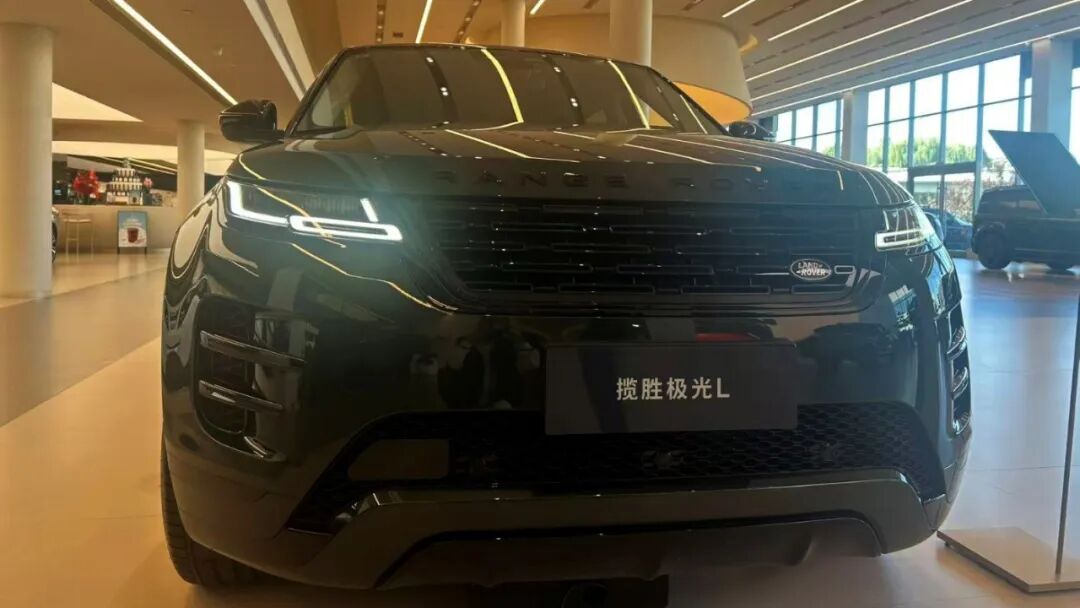
However, since the latter half of 2025, such statements have rarely been heard. The recent round of significant price reductions for fuel-powered cars is another example. The original price of the Land Rover Range Rover Evoque L was 425,900 yuan, but its terminal price has dropped to below 200,000 yuan. Initially, it was reduced to 170,000 yuan, and even after the clearance sale, it has only slightly increased in price but remains inexpensive.
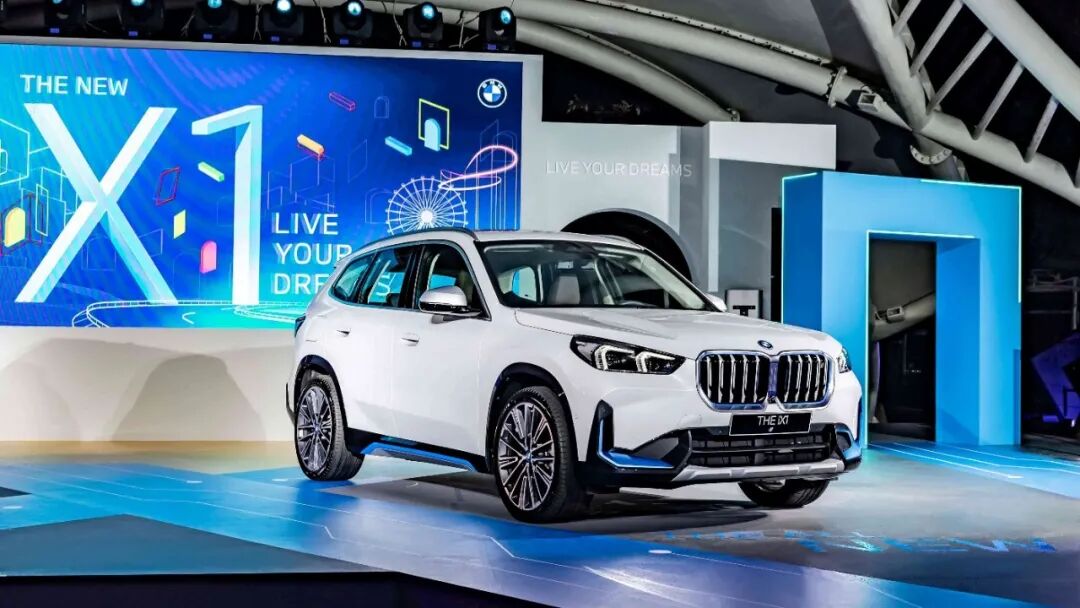
The terminal selling price of the BMW X1 has also dropped to around 170,000 yuan. However, this round of fuel-powered car price reductions has had a greater impact on second-tier luxury brands.
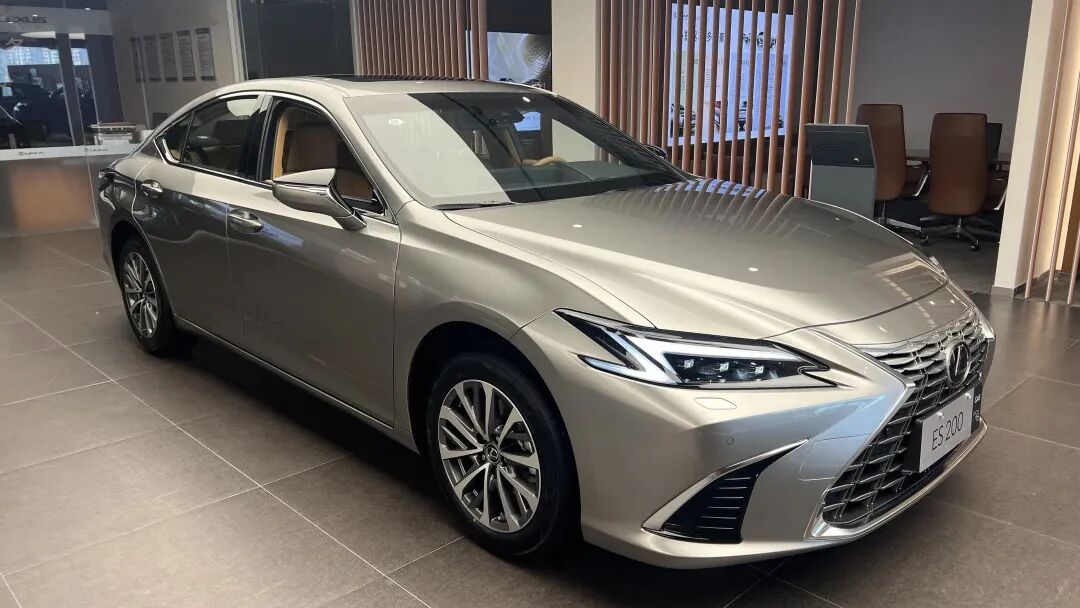
The terminal price of the BMW 3 Series 325Li remains above 200,000 yuan. The terminal price of the Audi A4L luxury version is just over 200,000 yuan. The terminal price of the Audi Q5L 40TFSI luxury version is still around 250,000 yuan. Even the terminal price of the Lexus ES200 remains above 200,000 yuan. After the Mercedes-Benz C-Class was equipped with a 2.0T engine, it currently has the highest terminal price in its class. The Mercedes-Benz E-Class is still more expensive than the BMW 5 Series and Audi A6L. The terminal price of the Mercedes-Benz GLC 260 luxury version remains above 300,000 yuan. Of course, the market share of fuel-powered cars is declining, which has affected the sales of luxury fuel-powered cars.
Upon careful comparison, the conclusion is that compared to two years ago, the prices of some versions of mainstream luxury brand fuel-powered cars that sell in large volumes have increased by a few thousand yuan. However, on the whole, they have decreased by 10,000 to 20,000 yuan.
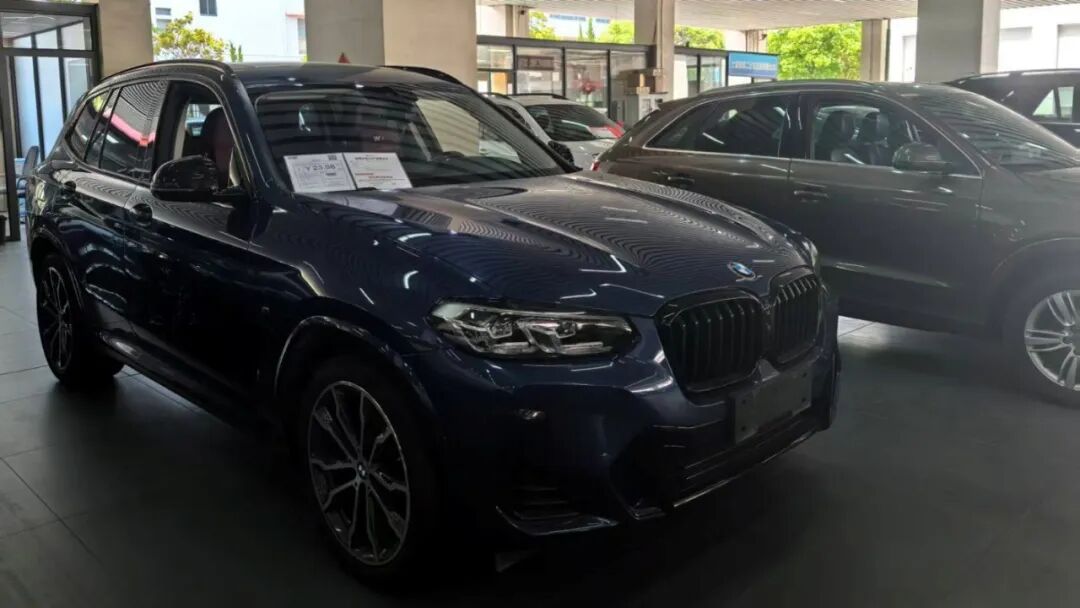
The second defense breached by new energy vehicles is the residual value of used cars. Previously, this was the biggest advantage of fuel-powered cars over new energy vehicles.
Views such as 'electric vehicle range decreases after a few years' and 'new energy vehicles are not as durable as fuel-powered cars' have indeed influenced many people. However, the issue is that with the significant decline in sales of joint-venture brand fuel-powered cars, prices have rapidly dropped to maintain normal operations. As a result, new car prices have dropped, followed by used car prices. Now, fuel-powered cars that could once fetch a relatively good price after seven years have become dirt cheap.
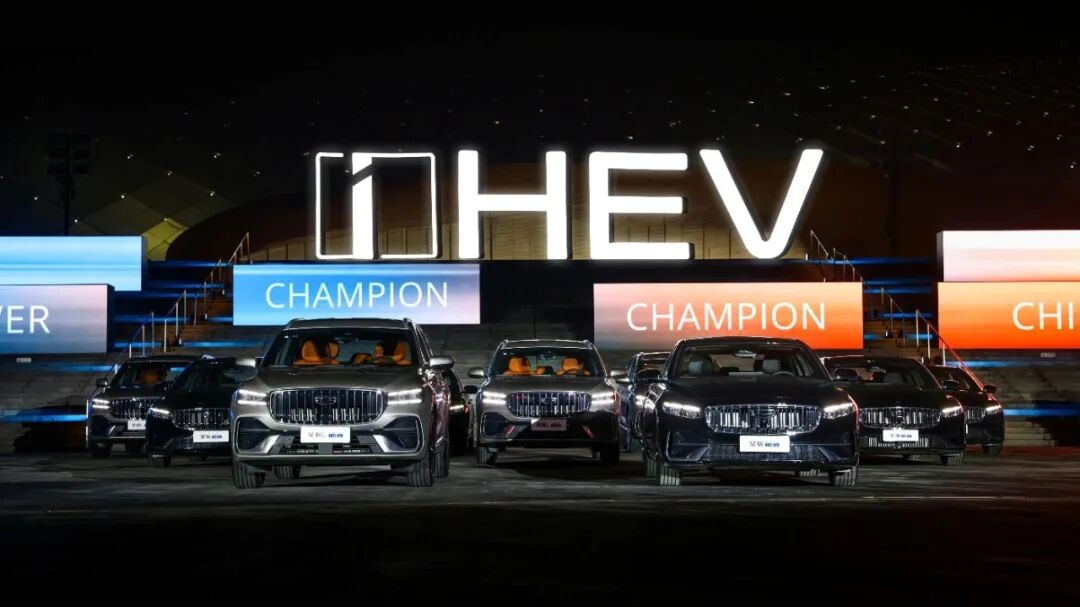
However, the conclusion that can be drawn is that while the penetration rate of new energy vehicles has repeatedly reached new highs above 65%, they have mainly eaten into the market share of mainstream joint-venture brands such as Volkswagen, Toyota, Honda, and Nissan. In the luxury brand segment and some other market segments, there are still some notable exceptions. For example, in May sales, Geely's fuel-powered cars outperformed its new energy vehicles. Additionally, as mentioned earlier, the prices of many luxury cars have not truly collapsed.
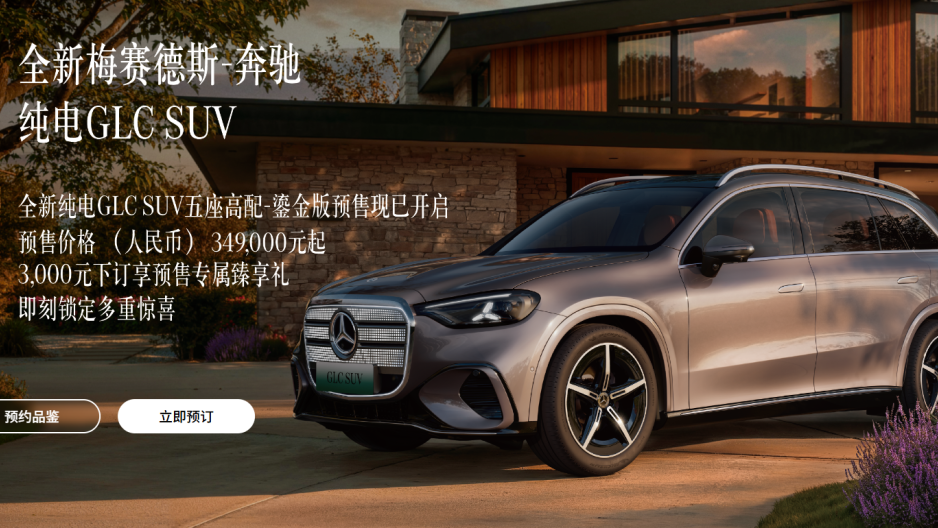
However, the latest turning point is that after the all-electric GLC launched pre-sales, Mercedes-Benz, this behemoth, has preliminary (chūbù, initially) figured out a new round of strategies. This could potentially become a catalyst for significant market changes because its new car pricing has, for the first time, adopted the strategy of 'electric being cheaper than fuel.'
With a 30% market share, can fuel-powered cars hold out for several more years?
Priced at 349,000 yuan, with a policy of inflating a 3,000 yuan deposit to 10,000 yuan, free upgrades for front and rear seat ventilation and heating, and free upgrades for the sound system.

At first glance, the price impact may not seem significant. However, when you consider that this price includes AIRMATIC air suspension derived from the Mercedes-Benz S-Class, a maximum CLTC range of 703 kilometers, a 39.1-inch screen, the latest Momenta flywheel intelligent driving assistance, a two-speed transmission, and consistently delivers a 'reverse understatement' in terms of all-electric range, and it's still a Mercedes-Benz, the value becomes apparent.

Given these features, the pre-sale price is actually only 342,000 yuan. If, following the patterns of the Chinese market, the price further decreases after launch, its competitive edge will be strong. After all, large six-seater and extended-range models were popular in previous years, and the market for large five-seater all-electric SUVs is only just beginning to explode in 2026. It faces relatively few competitors.
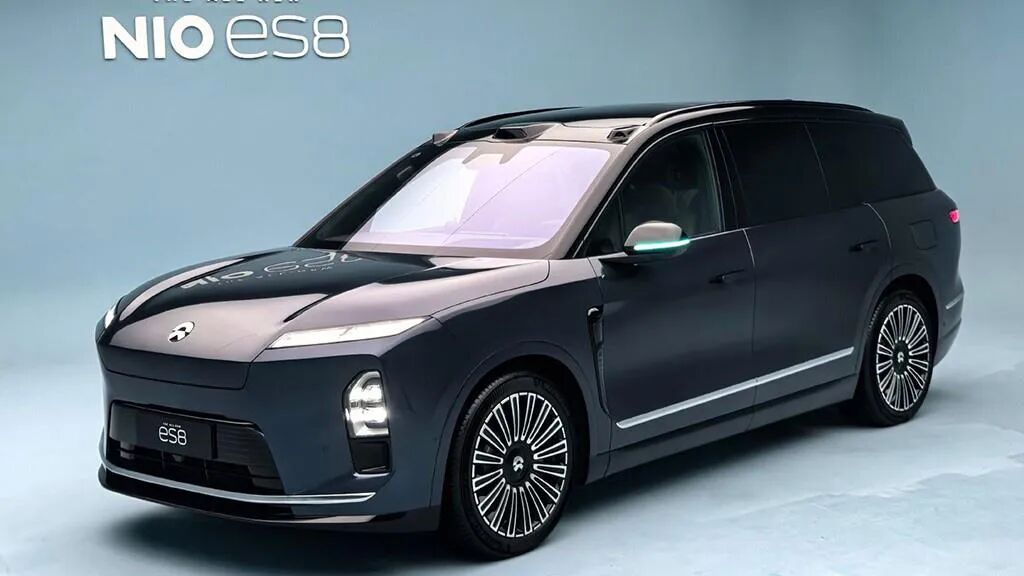
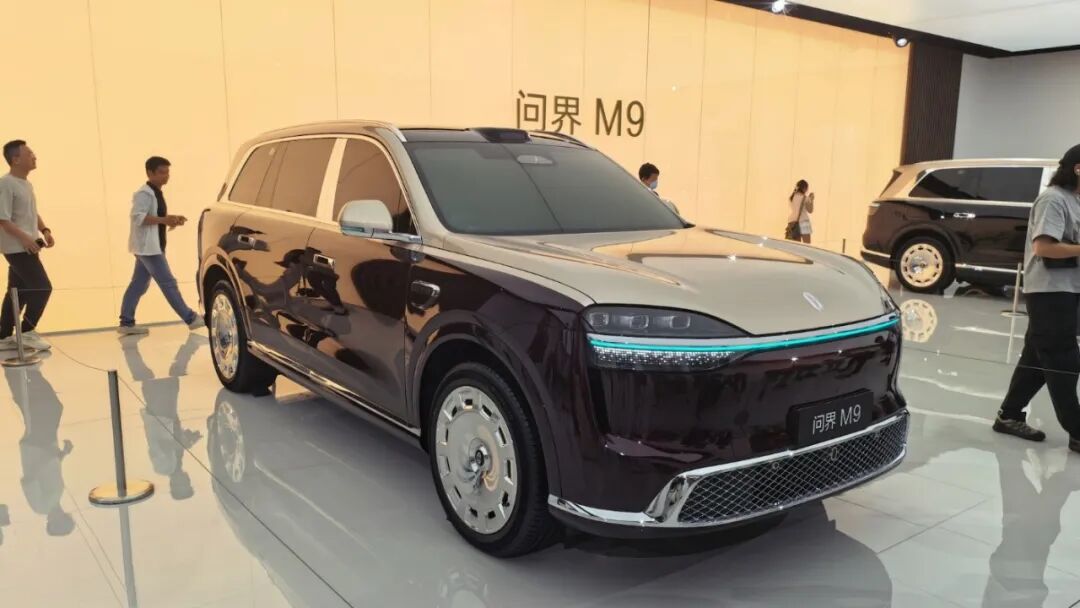
The NIO ES8 is set to launch a five-seater version, which may be priced lower than the six-seater version, currently guided at 406,800 yuan. Li Auto's i series currently targets family users and has not entered the large five-seater segment. XPENG's large five-seater model, the G9, failed earlier, but with the rise of the XPENG GX, a new XPENG G9L will be launched, but its pricing will certainly not be high. Therefore, in the entire market, the all-electric Mercedes-Benz GLC has few clear competitors, with only the five-seater versions of the Seres M9 and NIO ES8 being notable exceptions.
If you agree with this analysis, a question arises: the consumption logic for smart products is that new entrants have an advantage. This has been repeatedly demonstrated in the smartphone industry. Even if you have a legendary device, once competitors arrive with the latest chips and cameras, consumers will inevitably 'favor the new over the old.'
However, the more important topic is that Mercedes-Benz's operational logic reflects its underlying strategic thinking. The pre-sale starting price of 349,000 yuan, while not seemingly cheap, reveals its ingenuity to those familiar with Mercedes-Benz.
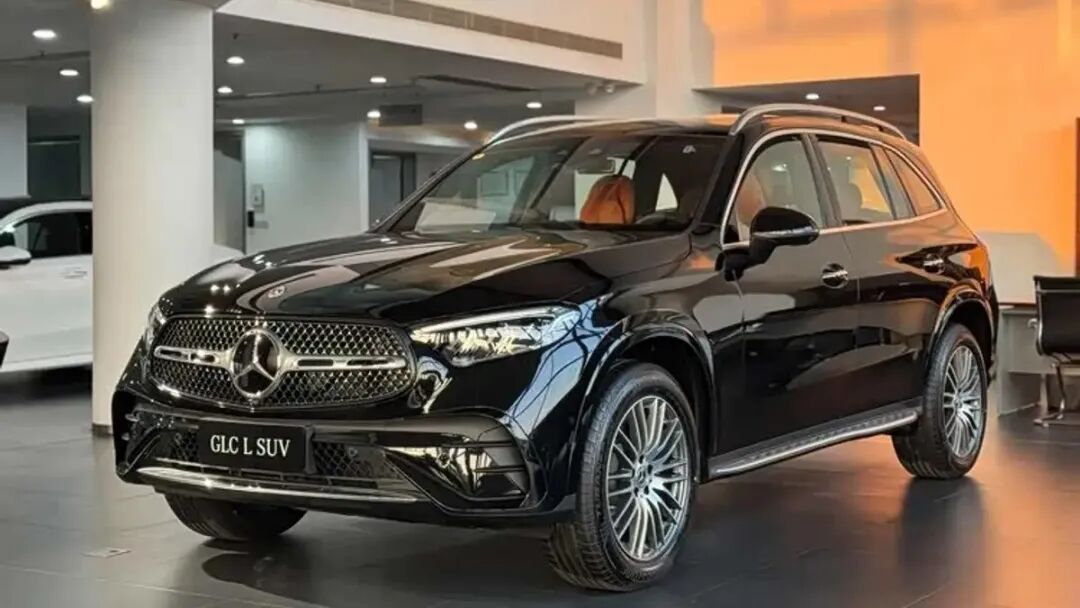
The current guidance price range for the fuel-powered version of the Mercedes-Benz GLC is 351,800 to 462,800 yuan. The previous Mercedes-Benz GLC that could suspend (xuánguà, display) a green new energy license plate, the 2025 350 e L 4MATIC Collector's Edition, a plug-in hybrid with a WLTC all-electric range of only 115 kilometers, has seen its terminal price at 4S stores drop by more than 150,000 yuan, with a bare car price between 360,000 and 370,000 yuan. It is still more expensive than the high-end pre-sale price of the next-generation all-electric Mercedes-Benz GLC.
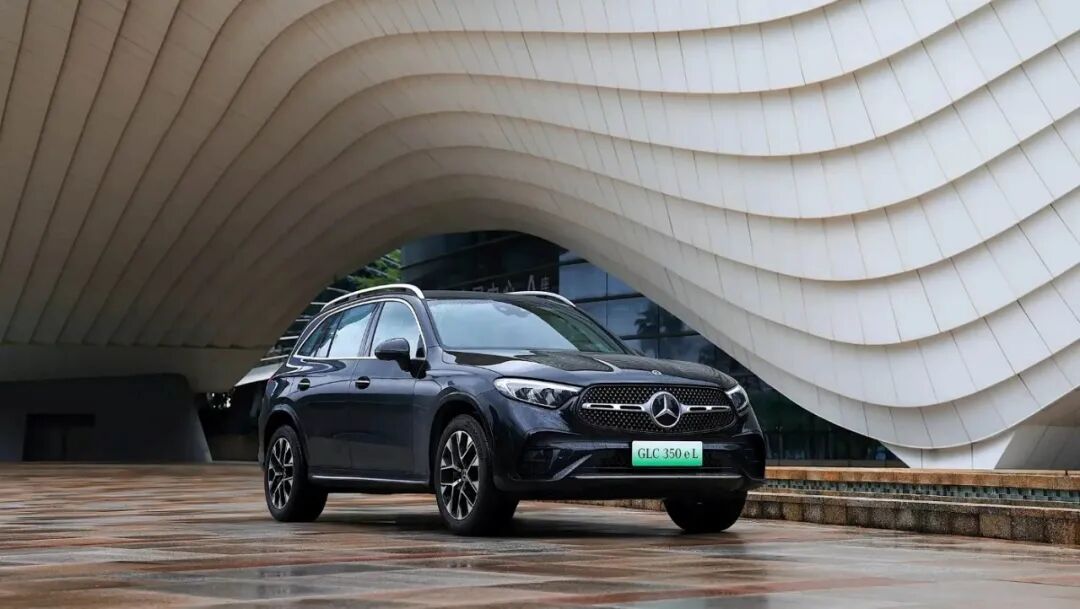
Thus, for most people, it is easy to understand the logic here. Mercedes-Benz's approach to car manufacturing, including its supply chain, costs, and configuration selections, no longer follows the logic of the previous generation. Instead, it truly aligns with the latest demands of Chinese consumers to make adjustments.
The car is undoubtedly competent, even possessing significant advantages. The next challenge is to develop a series of adaptive marketing and communication strategies to reintroduce Mercedes-Benz to those interested in all-electric luxury SUVs, even if they had no strong affinity for Mercedes-Benz during the fuel-powered era.
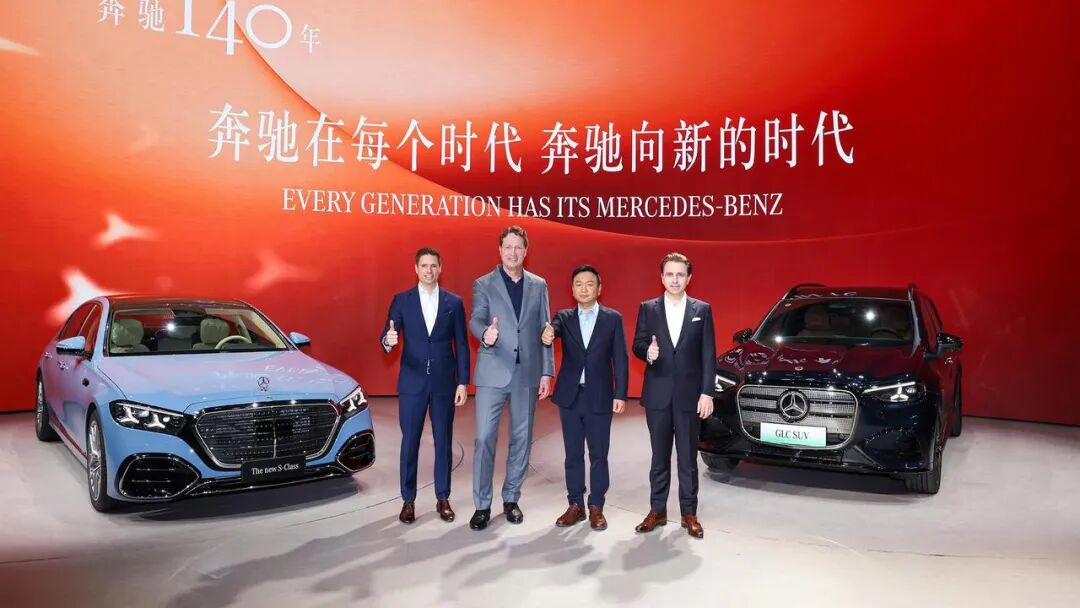
The automotive industry indeed follows certain logics. With a nearly fully loaded feature set, all-electric vehicle models are inherently more costly than fuel-powered cars. This means that if Mercedes-Benz had chosen to keep pace with the Chinese market when updating its fuel-powered GLC, it could have maintained its sales base. By this, I mean improving intelligence levels, incorporating advanced driving assistance, further enhancing fuel efficiency, upgrading comfort features, and pricing the vehicle according to the latest Chinese market standards, it could still achieve respectable sales figures and profitability.
In other words, this type of fuel vehicle is not easily overtaken by new energy vehicles, because there will always be niche user groups whose perceptions and experiences will determine their final consumption choices.
Then, let's bring the topic back to the main point. Are fuel vehicles really on the decline, as public opinion suggests?
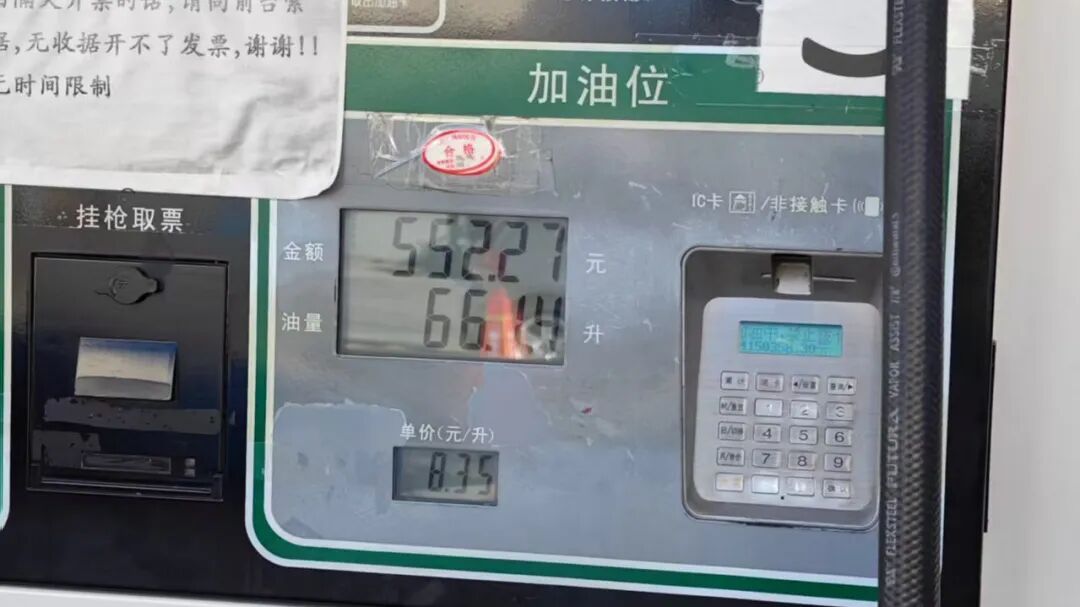
First, we need to define what 'on the decline' means. From the data, the penetration rate of new energy vehicles in the passenger vehicle market rose to 62.9% in May this year, reaching a historical high. However, this data also shows that 36.1% of the population is still purchasing fuel vehicles. At the same time, there is another factor to consider: fuel prices reached record highs in the first half of this year, with the price of 95# fuel once (yīdù, meaning 'at one point') exceeding 9 yuan/L. Another 1 yuan increase would have brought it on par with the prices of ride-hailing premium vehicles.
This is not a new phenomenon in history. Several oil crises ultimately led to the rise of Japanese vehicles and the decline of inefficient, large-displacement American models. As early as the first oil price increase, many institutions and within the enterprise (qǐyè nèibù, meaning 'within companies') had already projected a decline in fuel vehicles.
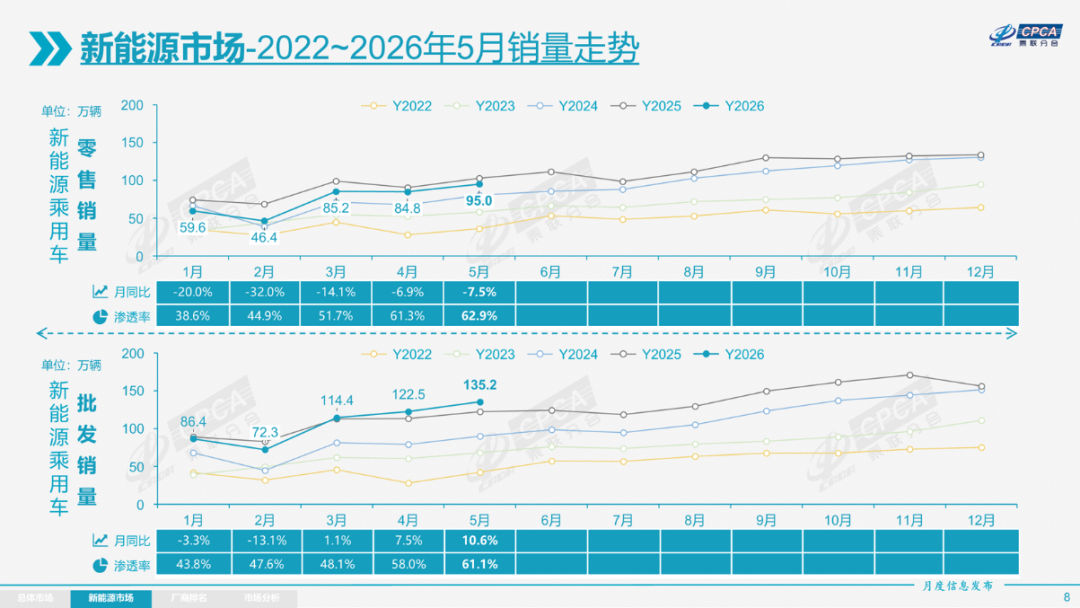
Then, an interesting situation emerged. New energy, especially pure electric models, will undoubtedly remain the endgame in the medium term. However, two other sets of data present new facts. First, while the new energy penetration rate reached a new high in May 2026, the penetration rate among luxury brands was only 36.9%, while that of domestic brands reached 81.4%. Second, as prices continue to rise, market penetration decreases inversely, especially for pure electric models.
Among luxury vehicles in the first tier priced over $80,000, the proportion of pure electric models is now less than 10%, whereas two years ago, this figure was close to 25%.
The conclusion is quite clear. In the ordinary household market, fuel vehicles truly have limited opportunities. However, in the luxury vehicle market, if there are qualitative changes in fuel prices and more fuel vehicles undergo adaptive upgrades, whether fuel vehicles still have fighting power will be evident to all.
-
![]()
Great Wall Motor's Conundrum: Revenue Growth Clashes with Profit Decline—Billion-Yuan Sales Costs Erode Earnings, Overseas Margins Trail Domestic Market
-
![]()
Auto Market News: Relief from Vehicle and Vessel Tax! MIIT Announcement
-
![]()
Haiqing Zhiyuan Gears Up for HKEX Debut: Revenue Growth Amid Profit Challenges, Operating Cash Flow Worsens
-
![]()
Haiqing Zhiyuan Prepares for HKEX Debut: Revenue Jumps Despite Profit Challenges and Worsening Cash Flow
-
![]()
The Big Three Telecom Giants Face Accusations of Overcharging Loyal Customers: Why Do Costs Rise with Tenure?
-
![]()
Competitor’s CTO Criticizes Extended-Range Tech; Seres’ Zhang Xinghai Fires Back: It’s Far From “Pointless”
-
![]()
"Football Unites the World," But Not the North American Auto Industry
-
![]()
Electric vehicles are indeed cheaper, but who says gasoline cars are doomed?