A Strong Start Gone Awry: FAW Toyota, Once Ahead, Now Struggles to Keep Pace
 06/16 2026
 478
478
When it comes to domestic joint-venture automotive brands, Volkswagen and Toyota undoubtedly reign supreme as the industry's leading forces. These two automotive giants have adopted remarkably similar strategies in China, each establishing two joint-venture manufacturers—one in the north and one in the south. Consequently, we frequently refer to Volkswagen's and Toyota's joint-venture entities as North-South Volkswagen and North-South Toyota, respectively.
This article delves into the story of FAW Toyota, one of Toyota's two joint ventures in China.
As the title implies, among the two Toyota joint-venture automakers—FAW Toyota and GAC Toyota—FAW Toyota clearly had the upper hand initially. It once boasted a significant lead over GAC Toyota in terms of both establishment time and overall scale.
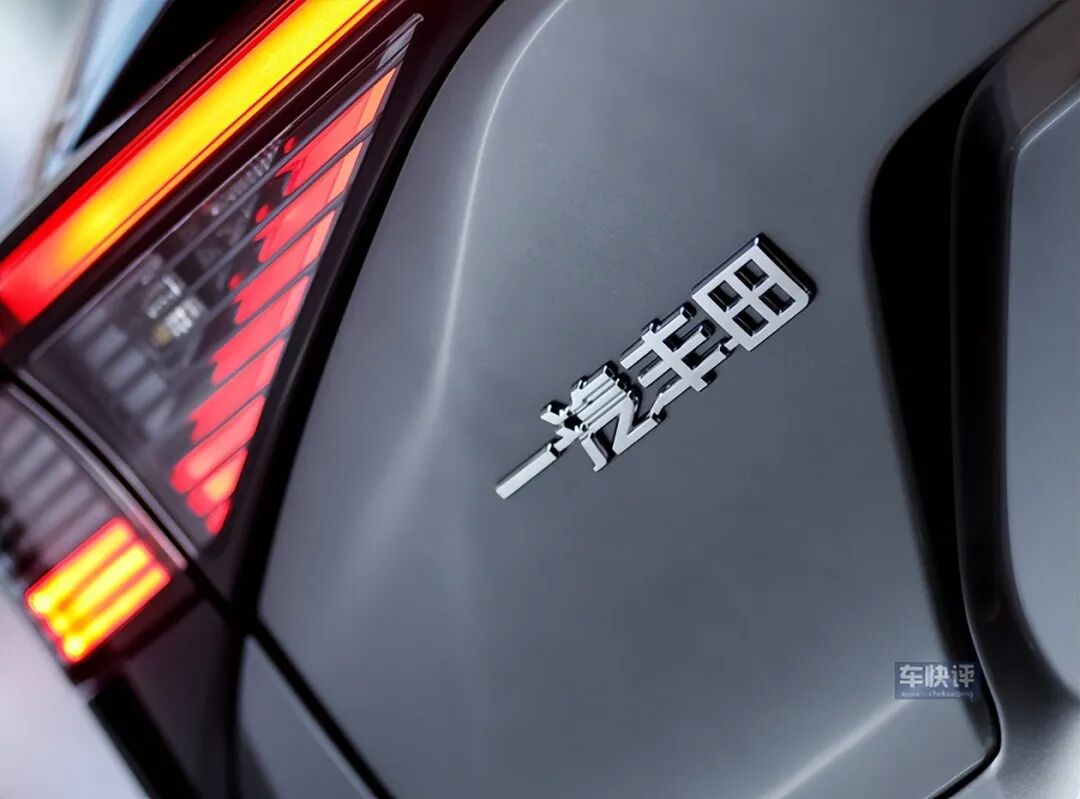
According to available data, FAW Toyota was first established in June 2000 under the name Tianjin Toyota and introduced its inaugural model in 2002. It was officially rebranded as FAW Toyota in 2023, marking Toyota's first joint-venture vehicle manufacturer in China. In contrast, GAC Toyota inked its factory construction agreement in 2004 and commenced operations in 2006. From a chronological standpoint, FAW Toyota seized the early advantage in both its establishment and the launch of its first model.
When it comes to vehicle models, FAW Toyota needs little introduction. Beyond the Vios, which was the first to roll off the production line, its portfolio includes the Corolla, Crown, RAV4, Prado, and even the Coaster, showcasing a diverse and comprehensive lineup. In contrast, GAC Toyota, apart from its inaugural model, the Camry, had relatively few offerings, with the Highlander being one of the few exceptions. Judging by the vehicle lineups of these two automakers in their formative years, FAW Toyota clearly outperformed GAC Toyota.
In terms of scale, FAW Toyota initially boasted a registered capital of 3.3 billion yuan and an initial annual production capacity of 420,000 units. It leveraged the advantageous resources of the FAW Group, establishing a well-covered dealer network across the country with a Tianjin factory and a Changchun engine production base. In contrast, GAC Toyota appeared much more "modest" at its inception, with an initial registered capital of 1.692 billion yuan and an initial annual production capacity of only 200,000 units. It initially operated out of a single factory in Nansha, with its sales channels primarily concentrated in South China.
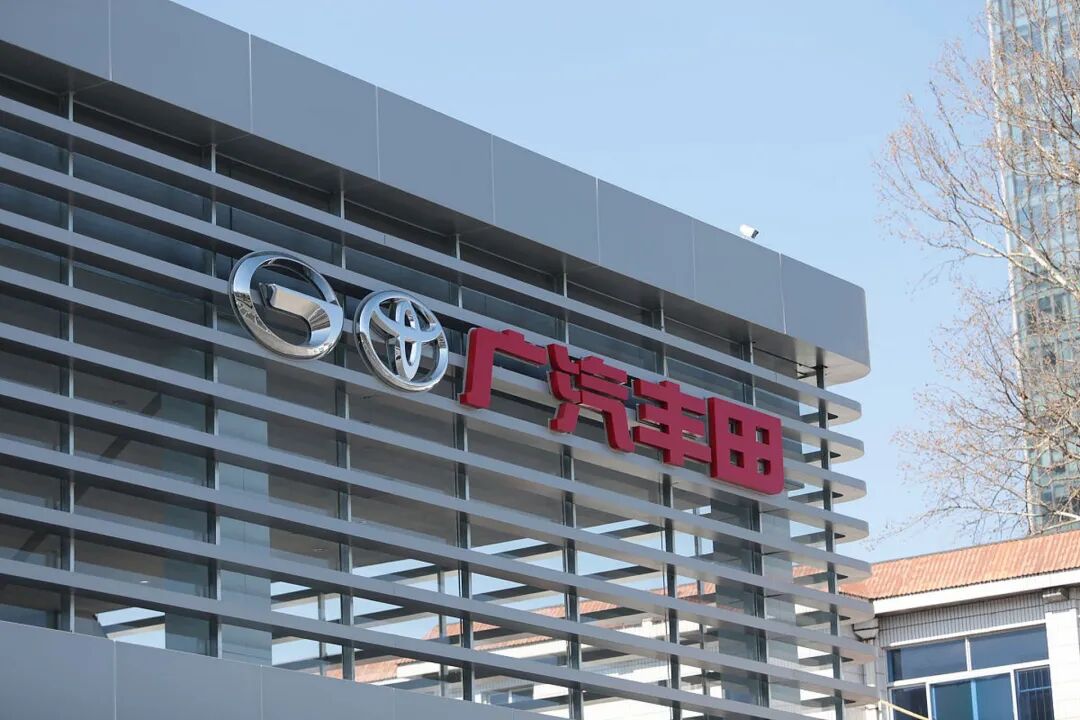
A decade ago, in 2016, FAW Toyota's cumulative annual sales reached 658,800 units, while GAC Toyota's annual sales were a mere 421,800 units, highlighting a substantial gap between the two automakers. By 2025, FAW Toyota and GAC Toyota's cumulative annual sales stood at 805,500 units and 772,700 units, respectively, with the sales gap noticeably narrowing.
However, a dramatic turnaround occurred in 2026. FAW Toyota, which once held a "strong hand," found itself completely outperformed in sales by GAC Toyota, which had seemingly started with a less promising foundation. Let's examine the data.
According to the latest released figures, GAC Toyota's cumulative domestic sales in May reached 55,048 units, down 15% year-on-year. In contrast, FAW Toyota's cumulative domestic sales were a mere 34,958 units, down a staggering 49% year-on-year. Currently, both Toyota joint ventures have nine models on sale.
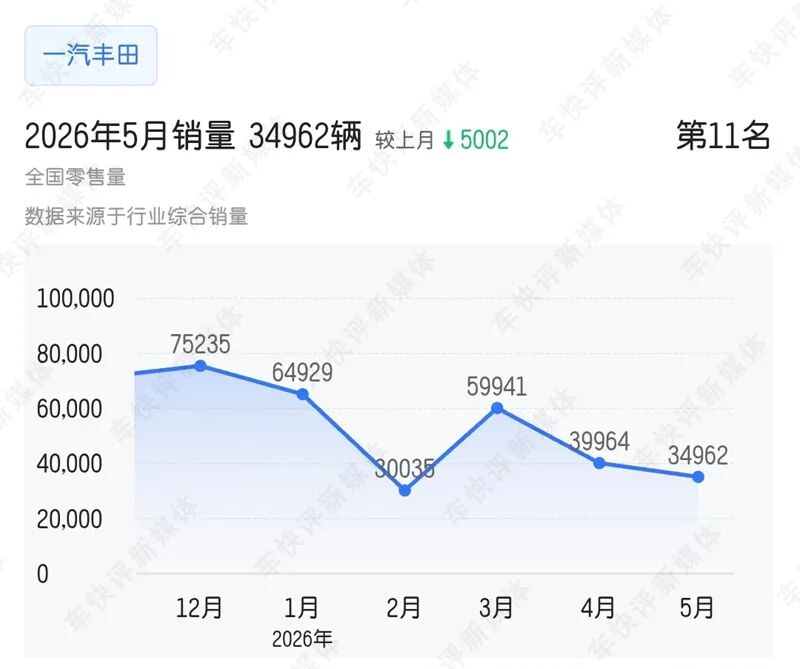
GAC Toyota's significant sales lead over FAW Toyota can be primarily attributed to the strong performance of its bZ pure electric series. Additionally, fuel-powered models such as the Camry, Frontlander, Highlander, and Sienna also contributed to its success. Among them, the Camry sold 12,237 units in May, while the Frontlander sold 10,725 units.
The reason for FAW Toyota's significant year-on-year sales decline in May, besides the lackluster performance of its new energy vehicles, lies in the poor market reception of models such as the Corolla, Asia Dragon, and Corolla Cross. The best-selling RAV4 managed to sell only 9,857 units in May. In essence, none of FAW Toyota's models surpassed the 10,000-unit sales mark in May.
Regarding the online claim that FAW Toyota's sales exceeded 50,000 units in May, this figure actually pertains to terminal sales data, not retail data. The distinction lies in the fact that retail sales refer to the data of dealers completing sales contracts and ultimately delivering vehicles to consumers, excluding exports and wholesale to 4S stores.
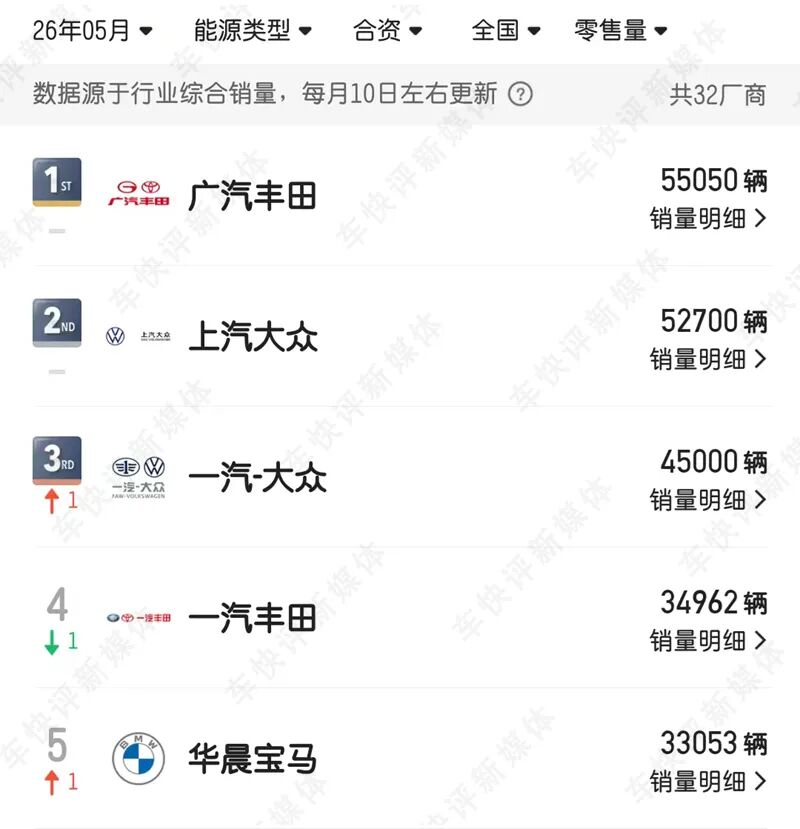
Terminal sales, on the other hand, is a broader and more ambiguous term that encompasses retail sales, insurance registrations, and license plate registrations.
So, finally, as a mainstream domestic joint-venture automaker, where do you think the problem lies in FAW Toyota's inability to have any model sell over 10,000 units in May, with a month-on-month decline nearing half?
Copyright Notice: This article is original to CheKuaiping. Reproduction requires authorization. Unauthorized reproduction and any form of plagiarism or misappropriation of text or images will be subject to legal action. Some images in the article are sourced from the internet, with copyright belonging to the original authors. If your work is used, please contact us for royalties or deletion.
-
![]()
What is the Future for Domestic Large-Scale AI Models?
-
![]()
Insights into China's Gimbal Camera Market Structure, Player Dynamics, and Development Trends in 2026
-
![]()
Massive Capital Influx! NVIDIA's $25 Billion Bond Issuance Secures $85 Billion in Oversubscribed Demand, How Will the AI Chip Giant Secure Long-Term Liquidity?
-
![]()
Has DJI Caught Up with Insta360?
-
![]()
The Hidden Update of visionOS 27 is Incredible: Uncovering the Major Upgrades Apple Didn't Mention
-
![]()
Volunteer Application Agent: Tencent is Restrained, Alibaba is Aggressive
-
![]()
A Glimmer of Innovation Dances on the Tightrope
-
![]()
The AI Glasses Track is Fully Taking Off: How Far Are We from Them Being 'Must-Haves'?