When Smart Grows Up, Will It Still Be Appealing?
 06/22 2026
 370
370
Lead | Introduction
Recently, the brand-new smart #6 has officially hit the market, offering a limited-time promotional price ranging from RMB 177,900 to RMB 217,900. With a length of 4,906mm and a wheelbase of 2,926mm, this mid-size hatchback sedan represents smart's largest mass-produced model to date. The pricing and dimensions seem at odds with the brand's iconic image of a compact two-seater 'urban elf.' When a smart vehicle loses its compact charm, can it still garner market acceptance?
Produced by | This article is produced by Heyan Auto Studio.
Written by | Cai Yan
Edited by | He Zi
Full text: 1,778 characters
Reading time: 3 minutes
The smart #6 boasts several 'firsts'—it's the first plug-in hybrid smart, the first four-door sedan smart, and the first smart model approaching 5 meters in length. Transitioning from pure electric to plug-in hybrid, smart is attempting to redefine itself. But will consumers embrace this transformation?
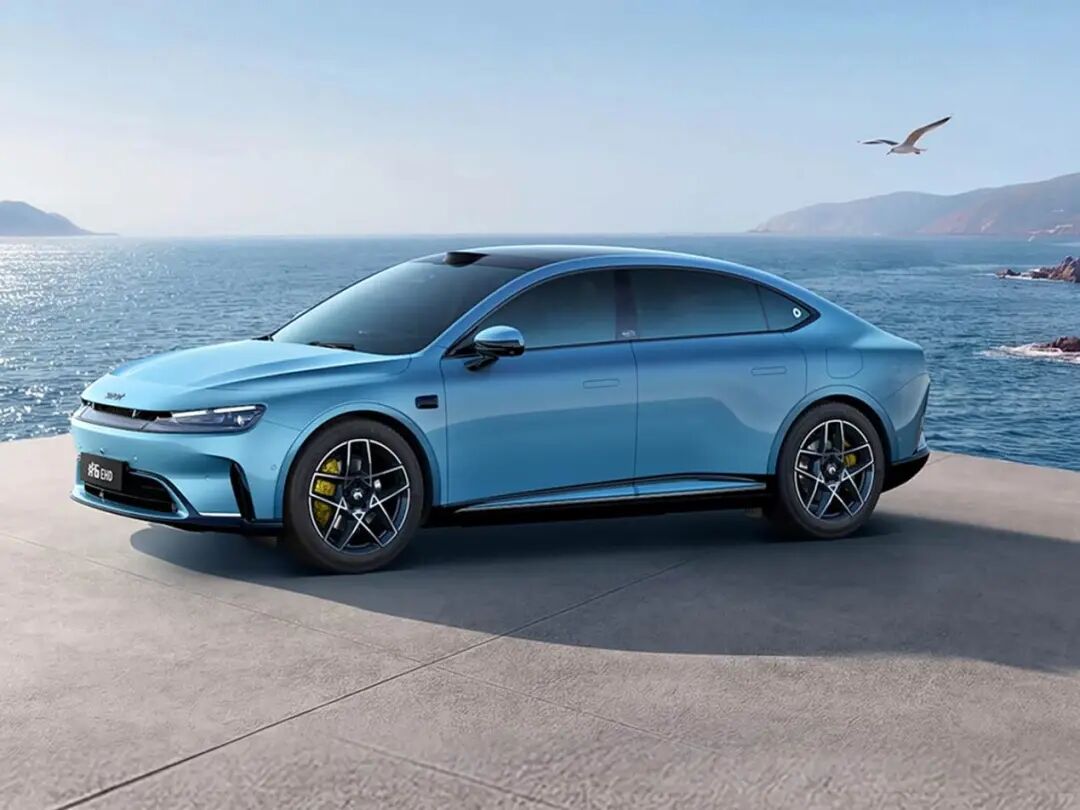
△The smart #6 represents the brand's largest production model to date.
Does the Soul of Smart Remain?
From a product standpoint, the #6 is smart's most revolutionary model yet. Powered by a new-generation Leitner electric hybrid EVO engine with 47.26% thermal efficiency, its hybrid system combines a 1.5T dedicated engine with a P3 high-performance electric motor, delivering a combined power output of 320kW and achieving 0-100km/h acceleration in just 6.7 seconds. Available with 20kWh and 41.46kWh battery options, it offers CLTC pure electric ranges of 135km and 285km, respectively, with a maximum combined CLTC range of up to 1,810km. Despite its size, it achieves a fuel consumption of just 3.9L/100km on backup power while running on regular 92-octane gasoline. This powertrain addresses traditional smart's biggest weaknesses—range anxiety and practicality—making it a viable option as a primary family vehicle.
Intelligent driving represents the #6's most aggressive configuration strategy. Standard features include lidar, the 'Vast Horizon' driving assistance system supporting highway NSP navigation assistance and urban mapless NOA, along with APA automatic parking and RPA remote parking. Lidar standardization below RMB 200,000 is virtually unprecedented. The cabin boasts an AMD V2000 chip, a 10.2-inch digital instrument cluster, 13-inch dual OLED central displays, a 25.6-inch AR-HUD, and integration with Doubao AI large model. With over 100 standard high-perception features, this 'entry-level but fully equipped' approach remains rare among luxury brands.
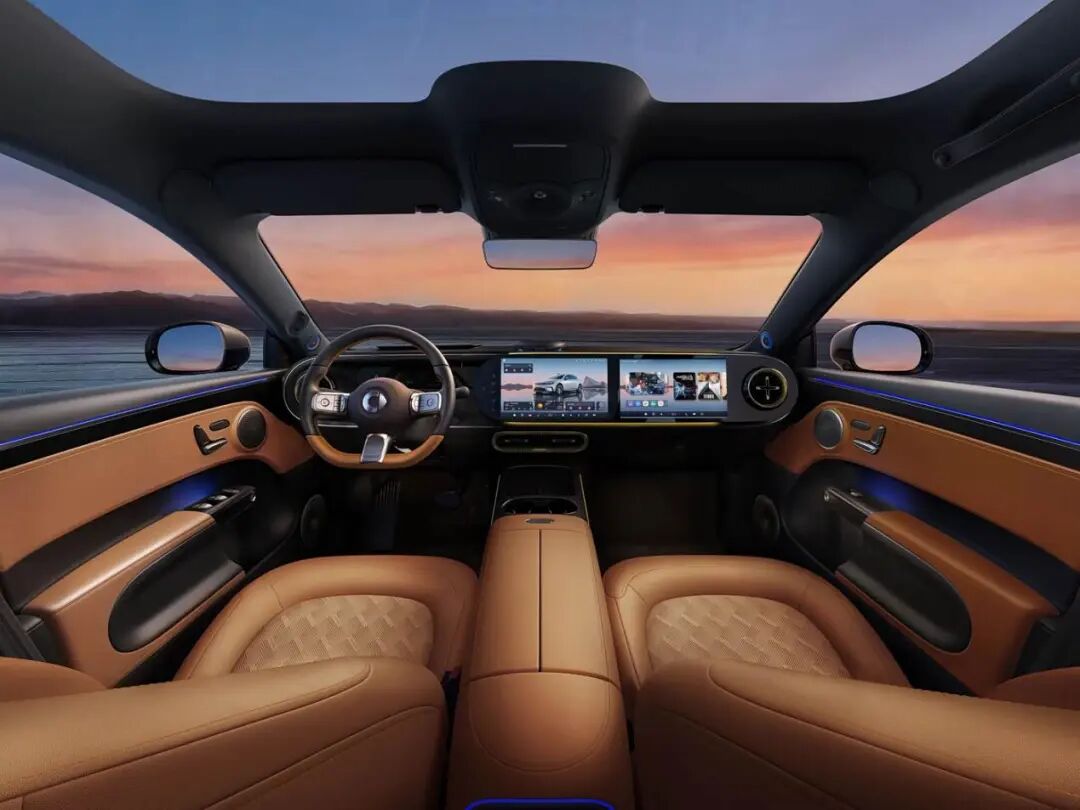
△The smart #6 features the 'Vast Horizon' driving assistance system.
Despite these comprehensive intelligent driving upgrades, the #6 raises questions: When smart loses its compactness, does its original spirit remain? Tong Xiangbei, smart Global CEO, responds that smart should be defined by 'Mercedes design, safety first, and enjoyable driving' rather than dimensions or seating capacity. The product does strive to maintain these core DNAs.
The design comes from the Mercedes-Benz global team; driving dynamics benefit from joint tuning by smart and Mercedes experts with ZF's China-first closed-loop steering system; safety features over 85% high-strength steel and aluminum with a 'honeycomb intrusion-resistant ring' body structure. However, replacing smart's iconic two-seater image fundamentally challenges consumer brand perceptions. While 'agility' once defined smart, a 4.9-meter sedan's agility claims appear questionable.
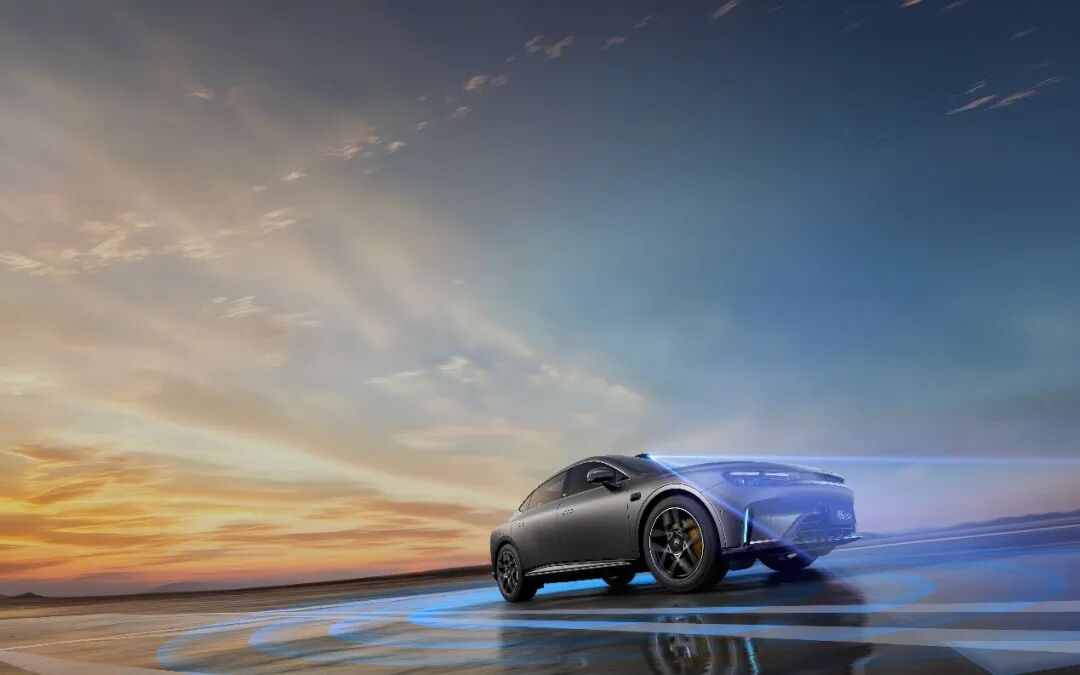
△The #6 still carries smart's DNA.
Can the #6 Break Through?
Market data reveals smart's challenging position. Chinese retail sales peaked at 42,292 units in 2023, declined by 21.3% to 33,280 in 2024, and further slipped to 30,799 in 2025. Through May 2026, only 8,516 units were sold domestically. Worse still, the brand still relies heavily on the #1 model, which accounted for nearly 60% of May 2026 sales with just 1,266 units. No model exceeds 2,000 monthly sales—a concerning sign for a brand claiming 'Mercedes heritage.'
The #6 enters China's fiercely competitive RMB 170,000-220,000 plug-in hybrid mid-size sedan segment. Competitors like BYD Han DM-i (from RMB 169,800), Seres SL03 REEV Elite (from RMB 129,900), and Lynk & Co 07 EM-P (from RMB 155,800) all boast more mature networks and clearer brand positioning. While the #6 offers superior range, intelligent driving hardware, and cabin chips, its starting price exceeds most domestic rivals.
Where does smart's future lie? Currently, the brand pursues a 'dual approach'—the #6 targets mainstream mid-size sedan buyers while the planned 2026 #2 returns to two-seater roots. Chen Xiaofei, smart China Marketing VP, confirms no larger models will follow, emphasizing premiumization and personalization routes. Tong Xiangbei similarly rules out larger models 'in the near term.' However, this 'largest and smallest' strategy risks blurring consumer perceptions. With Europe now smart's largest market, international growth may offset Chinese market pressures.
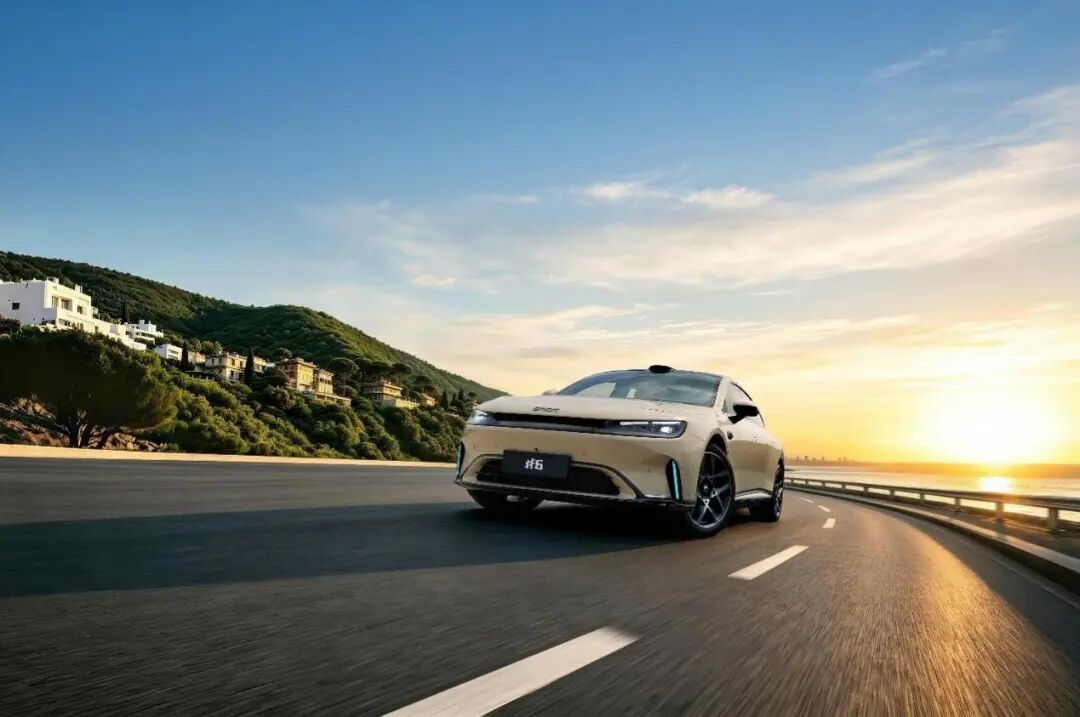
△The #6 faces exceptionally strong competition.
Commentary
Will consumers buy a smart that's no longer compact? From a product perspective, the #6 demonstrates sincerity with its 1,810km range, standard lidar, Mercedes design, and German tuning. However, from a brand standpoint, when facing a 4.9-meter smart, do consumers see an 'urban elf' or a 'Geely rebadge'? With identical suppliers, chips, and batteries across brands, true differentiation must come from brand identity itself. Smart must answer not 'Is this car good?' but 'Why is this a smart?'
(Original content from Heyan Auto. Unauthorized reproduction prohibited.)
-
![]()
Profit Margins Drop to 3.2%, Existing Vehicle Market Shifts to Value Competition Cycle
-
![]()
North American Regulatory Bodies Order Anthropic to Remove Two Flagship Large Models: Who Gains from This Industry Upheaval?
-
![]()
Dreame Technology Implements Major Strategic Retrenchment Amid Controversy: Retains Four Core Sectors, Continues Pursuit of Car Manufacturing
-
![]()
AI Phones Haven't Gone Mainstream Yet, and Now Agent Phones Are Taking Off? A Deep Dive into the AI Strategies of Eight Mobile Giants
-
![]()
AI Smartphones Haven't Gone Mainstream Yet, But Agent Smartphones Are Already Taking Off? Breaking Down the AI Strategies of Eight Smartphone Giants
-
![]()
Mega Review of 2026 Mid-Range Smartphones: Post Price Hikes, Which Model Reigns Supreme Among vivo, OPPO, Honor, and Xiaomi in the 3000 Yuan Bracket?
-
![]()
Without the Support of These Companies, SpaceX Would Struggle to Launch Rockets!
-
![]()
Enflame Technology Clears IPO Hurdle: A Daring Venture into CUDA-Incompatible Realm