FAW-Audi and SAIC-Audi Restructuring: One Maintains Profit from Gasoline Cars, the Other Stakes Future on Electric Vehicles
 06/22 2026
 343
343
Lead | Introduction
With SAIC-Audi unveiling its second model under the AUDI brand, the AUDI E7X, the topic of differentiation between FAW-Audi and SAIC-Audi has resurfaced as a hot issue. As the sole luxury automotive brand in China with two joint ventures, how will Audi reshape its future strategy in the Chinese market?
This article is produced by Heyan Yueche Studio.
Written by Zhang Dachuan.
Edited by Hezi.
Full text: 2,473 characters.
Reading time: 4 minutes.
Driven by intensifying competition in China's luxury car market and an accelerated shift toward electrification, Audi is officially advancing the restructuring of its business operations in China between FAW-Audi and SAIC-Audi. The two companies will create distinct positioning for the two joint ventures by dividing brand product lines. This adjustment does not involve merging or splitting the dual joint venture model but focuses on reshaping strategic divisions, reducing internal resource conflicts, coordinating resource allocation across both ventures, clearing systemic bottlenecks, and accelerating Audi's breakthrough in electrification in China.
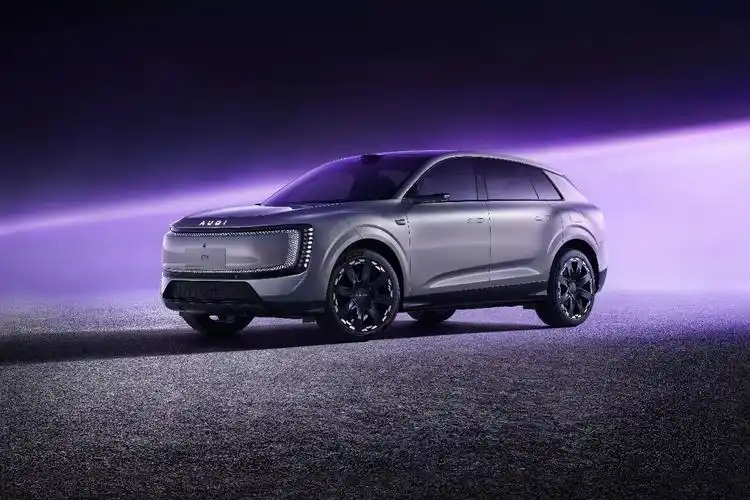
△ The launch of the AUDI E7X has garnered significant attention.
Why is Audi initiating restructuring in northern and southern China?
Audi is the only luxury automotive brand in China with two joint ventures.
FAW-Volkswagen, established in 1991, operates FAW-Audi, which handles the production and sales of the full range of Four Rings-branded gasoline vehicles, as well as Four Rings-branded pure electric models like the Q4 e-tron. SAIC Audi Sales Company, established in 2020, initially launched Four Rings-exclusive gasoline models such as the A7L and Q6, along with the pure electric SUV Q5 e-tron built on the MEB platform. In 2024, it introduced the exclusive pure electric letter-logo AUDI brand, launching the E5 Sportback series.
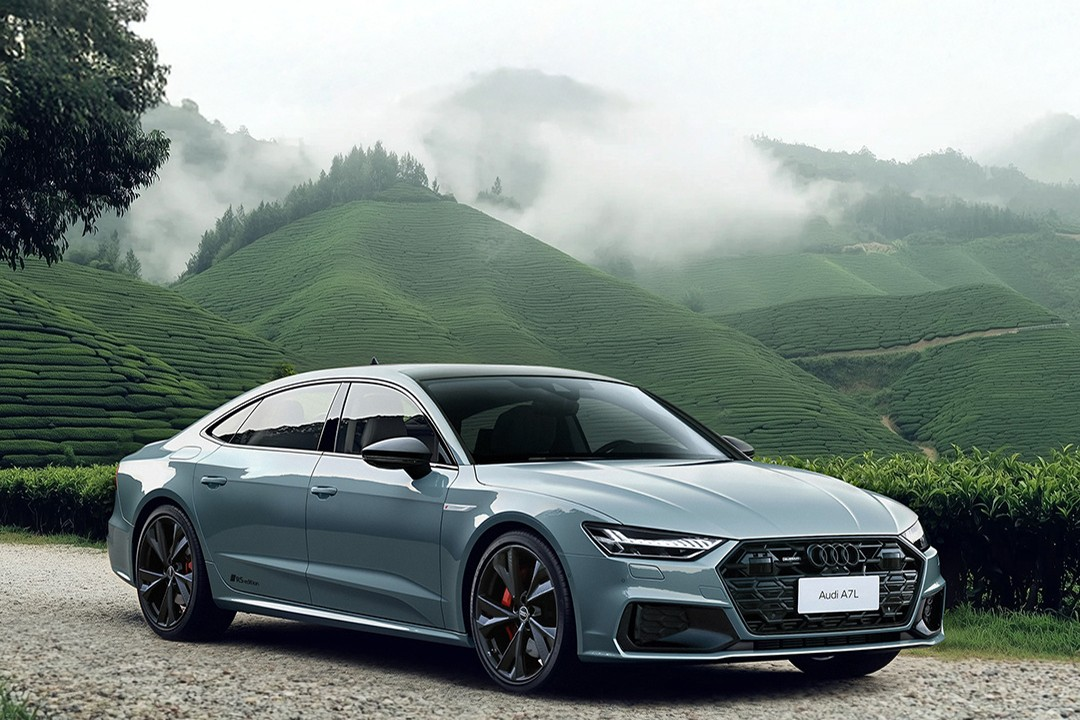
△ Previously, there was some overlap in the gasoline vehicle businesses of FAW-Audi and SAIC-Audi.
Following this structural adjustment, the classic Four Rings brand will be fully assigned to FAW-Audi, covering gasoline models and Audi's global high-end new energy products. SAIC-Audi will specialize in the letter-logo AUDI series, focusing entirely on the pure electric vehicle sector. Correspondingly, SAIC-Audi's existing gasoline vehicle-related assets and businesses will be transferred to FAW-Audi, and it will no longer produce electric vehicles on the PPE platform.
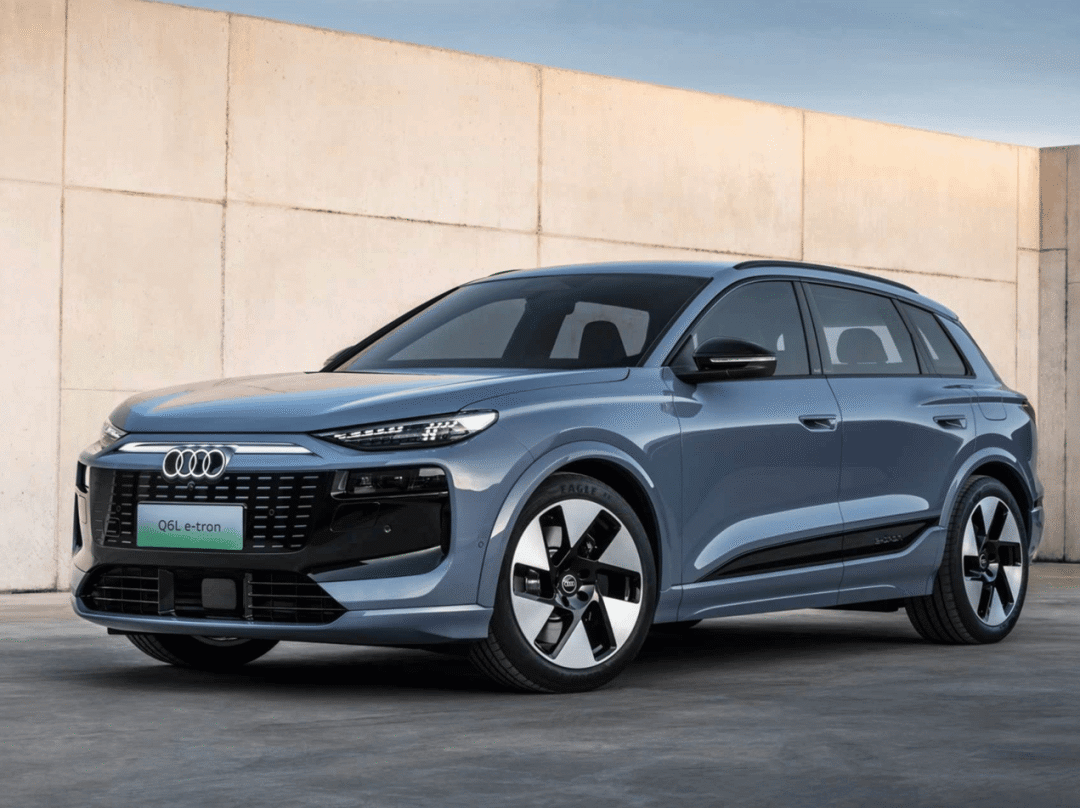
△ In the future, electric vehicles based on the MEB and PPA platforms bearing the Four Rings logo will be produced by FAW-Audi.
This strategic layout has been in the making for some time. In March of this year, Audi's global CEO Gernot Döllner made it clear that SAIC-Audi's core mission is to develop the letter-logo AUDI pure electric brand, while FAW-Audi will focus on the full range of Four Rings-branded products. During the Beijing Auto Show, Döllner reiterated that the "dual-brand, dual-partner" strategy is Audi's core approach in China, with the brand continuing to pursue a parallel route for gasoline and electric vehicles.
During the rapid expansion phase of China's automotive market, the dual joint venture model in the north and south relied on dual-line deployment to quickly boost sales and capture market share, demonstrating significant advantages. However, with the current slowdown in industry growth and intensified market competition, the previous vague division of labor has led to substantial business overlap, causing internal resource conflicts. Against this backdrop, clearly delineating the business boundaries between the two joint ventures in the north and south to avoid internal disorderly competition is essential for maximizing Audi's overall interests in China.
FAW-Audi: Short-Term Gains, Long-Term Challenges
This restructuring of business operations in the north and south will bring significant short-term benefits to FAW-Audi.
After the transfer of all gasoline vehicle businesses from SAIC-Audi to FAW-Audi, the long-standing issue of internal competition will be resolved. Previously, the product positioning of the A6L and A7L, as well as the Q5 and Q6, were highly similar. Audi had to compete head-on with first-tier luxury brands like Mercedes-Benz and BMW while also dealing with internal cannibalization of customers by its own models. After integrating the gasoline vehicle segment, the situation of similar products consuming each other will be completely improved.
Looking at the broader industry environment, without strong policy support, it is difficult for the domestic automotive market to return to rapid growth, and maintaining market equilibrium is already challenging. Against this backdrop, major automakers have initiated strategic retrenchment and business integration. For example, Geely has proposed a return to the "One Geely" strategy, and Changan has accelerated the deep synergies between its two new energy brands, Avatr and Deepal. The industry consensus is clear: The era when simply launching new models, incubating new brands, and expanding offline channels could lead to success is long gone. For Audi, integrating its gasoline vehicle business is the optimal solution for stabilizing its core profit base and eliminating internal resource conflicts.
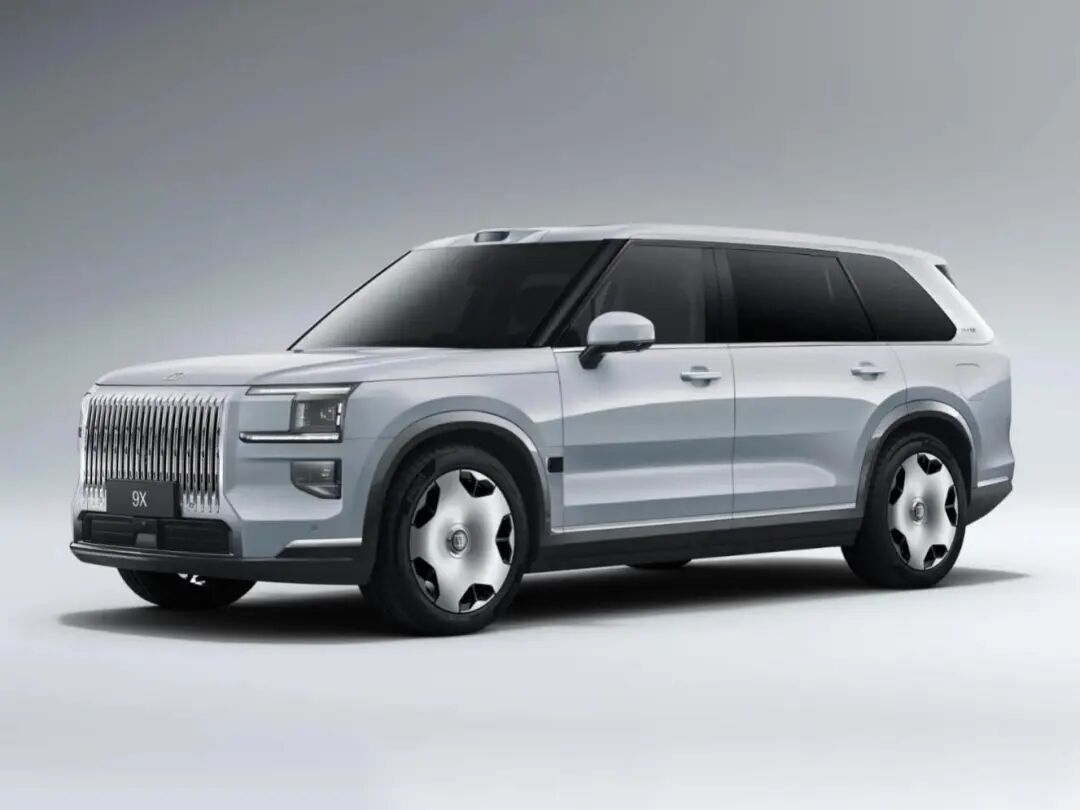
△ Business reset and integration have become the most direct methods for automakers to reduce costs.
However, from a long-term perspective, this adjustment is not entirely beneficial for FAW-Audi. According to the division of labor agreement, FAW-Audi will take on the full range of electric products from Audi's PPE platform, which has underperformed in the Chinese market to date. According to Gasgoo's statistics, the first domestic model on the PPE platform, the Audi Q6L e-tron, sold only 803 units cumulatively from January to April this year. Not just Audi, the entire 300,000-500,000 RMB luxury pure electric SUV segment is under pressure, with Mercedes-Benz, BMW, Volvo, Cadillac, and other equivalent products also performing poorly in terms of sales.
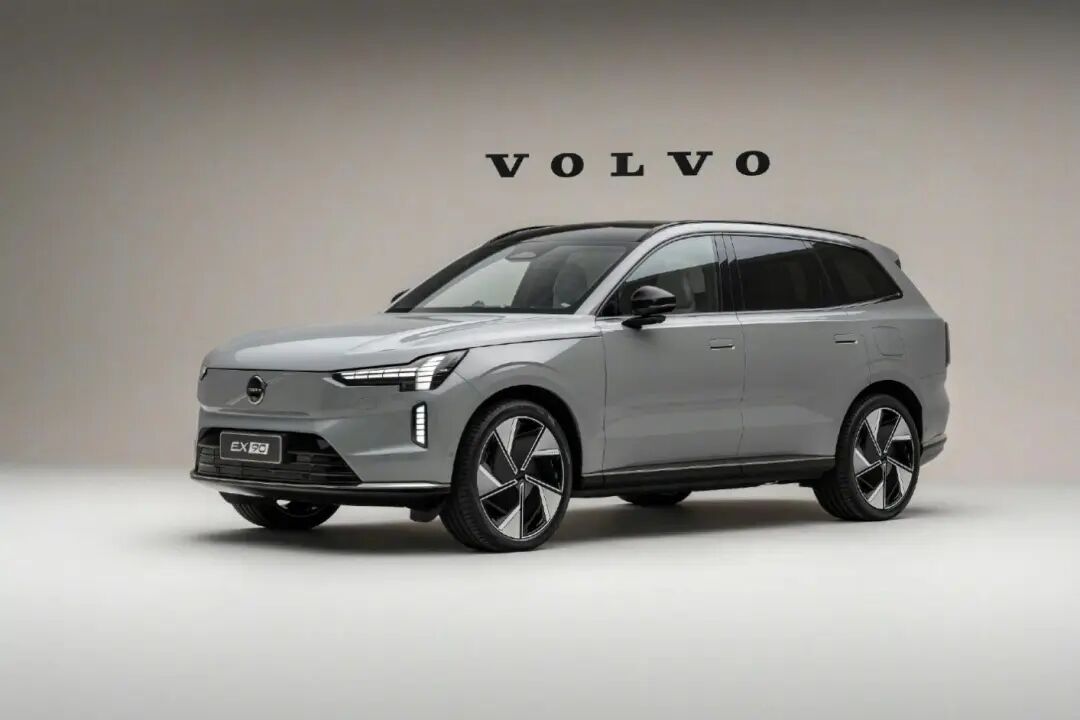
△ Electric vehicles from foreign brands in the 300,000-500,000 RMB range are underperforming compared to domestic brands.
When domestic consumers choose high-end electric vehicles today, they place greater emphasis on the intelligent experience brought by smart cockpits and advanced intelligent driving. Local new forces such as AITO, NIO, Li Auto, and Zeekr have a prominent advantage in this dimension. For traditional automakers, the negative impact of a lack of competitiveness in a new vehicle platform far outweighs the impact of a single model's poor sales. If FAW-Audi cannot establish differentiated competitiveness based on the PPE platform, it will continue to face growth bottlenecks in the future. Additionally, with the R&D and iteration pace of European electric vehicle models significantly slower than that of domestic new forces, maintaining product market appeal will be a core challenge that FAW-Audi must urgently address in the long term.
SAIC-Audi: Short-Term Pressure, Long-Term Gains
In 2025, SAIC-Audi's total retail sales reached 47,258 units, with only two pure electric products available: the Q5 e-tron and the E5 Sportback, which launched in September of the same year. According to terminal retail statistics, the two electric models sold a cumulative 9,988 units throughout the year, accounting for 21.1% of total sales. Including channel bulk deliveries, the annual electric vehicle delivery volume reached 16,138 units, with the proportion rising to 34.2%. It is evident that gasoline models such as the A7L, Q6, and A5L Sportback remain the brand's sales pillars. SAIC-Audi's electrification layout is still in its early stages, not to mention that the Q5 e-tron will no longer be under SAIC-Audi's purview in the future. Therefore, after the overall transfer of gasoline vehicle businesses to FAW-Audi, SAIC-Audi will face short-term revenue and sales pressure.
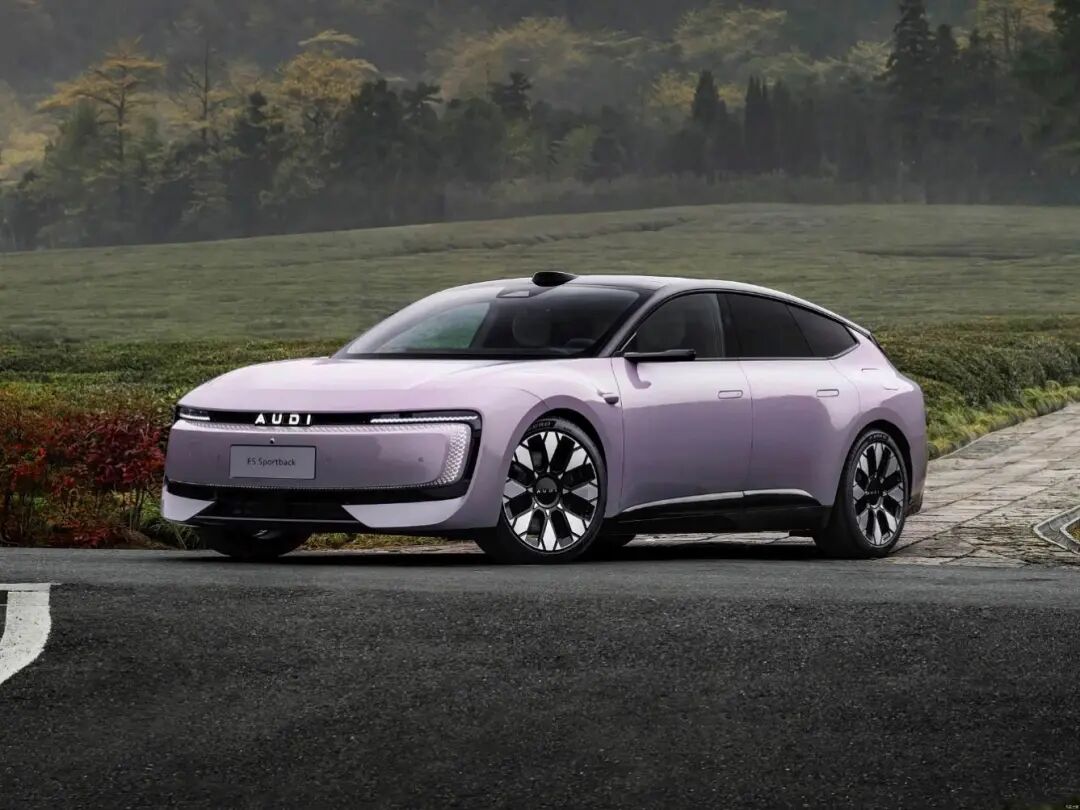
△ In the future, the SAIC-Audi AUDI brand will fully rely on SAIC's technological accumulations in new energy and intelligent connected vehicles.
However, from a long-term development perspective, this structural adjustment brings core benefits to SAIC-Audi—the brand will gain full control over the development of its new energy business, upgrading its positioning from Audi's second joint venture in China to the core carrier of Audi's new energy strategy in China. It will have greater autonomy in the research, development, and definition of new energy products.
At this stage, the letter-logo AUDI brand has extensively reused SAIC Group's mature new energy technology resources, with significantly reduced constraints from Audi's global system in terms of cooperation with local suppliers for smart cockpits and advanced intelligent driving. On the product side, SAIC-Audi has already launched two pure electric models, the E5 Sportback and E7X, with a third high-end sports sedan planned for launch in 2027. Such a high-frequency and intensive new vehicle launch rhythm is rare among traditional luxury multinational automakers.
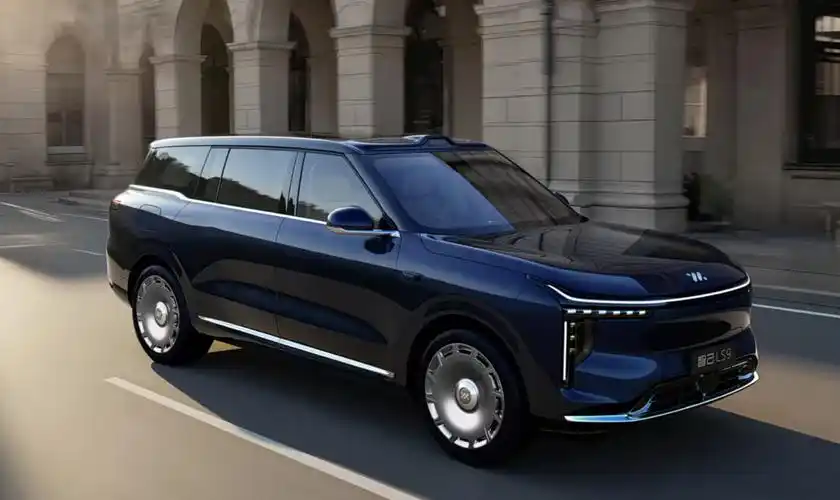
△ SAIC's technologies in extended-range/long-range plug-in hybrid vehicles are also expected to be introduced into SAIC-Audi's portfolio.
On the one hand, Audi Global is allocating core resources to SAIC-Audi to help it rapidly complete its business transformation and offset the short-term impact of the structural adjustment. On the other hand, by relying on SAIC's mature self-developed system, SAIC-Audi's future product iteration efficiency will significantly improve. Additionally, SAIC-Audi can subsequently introduce long-range plug-in hybrid and extended-range models, constructing a dual product matrix of pure electric and hybrid vehicles. In contrast, FAW-Audi, constrained by Audi's global unified technology planning, will face multiple approvals and technical barriers in introducing plug-in hybrid and extended-range products, making implementation more difficult. From a broader trend perspective, the penetration rate of new energy vehicles in China has leaped from less than 20% in earlier years to 47.9% in 2025 and has now surpassed 60%. Therefore, while SAIC-Audi may face short-term performance pressure after shedding the burden of its gasoline vehicle business, its long-term growth potential and development prospects are more prominent once it fully focuses on the new energy sector.
Commentary
This restructuring of Audi's business operations in the north and south implements separate governance for gasoline and electric vehicles. FAW-Audi will consolidate its gasoline vehicle business in the short term to eliminate internal conflicts and stabilize profits but will face significant electrification challenges as it tackles the underperforming PPE pure electric platform alone. SAIC-Audi will experience short-term sales pressure but holds an independent new energy brand, relying on SAIC's local technologies to deeply cultivate the new energy sector, with greater long-term potential. The effectiveness of this division of labor hinges on the subsequent product and intelligent capabilities of both parties.
(This article is original to Heyan Yueche and may not be reproduced without authorization.)
-
![]()
Dreame Technology Implements Major Strategic Retrenchment Amid Controversy: Retains Four Core Sectors, Continues Pursuit of Car Manufacturing
-
![]()
AI Phones Haven't Gone Mainstream Yet, and Now Agent Phones Are Taking Off? A Deep Dive into the AI Strategies of Eight Mobile Giants
-
![]()
AI Smartphones Haven't Gone Mainstream Yet, But Agent Smartphones Are Already Taking Off? Breaking Down the AI Strategies of Eight Smartphone Giants
-
![]()
Mega Review of 2026 Mid-Range Smartphones: Post Price Hikes, Which Model Reigns Supreme Among vivo, OPPO, Honor, and Xiaomi in the 3000 Yuan Bracket?
-
![]()
Without the Support of These Companies, SpaceX Would Struggle to Launch Rockets!
-
![]()
Enflame Technology Clears IPO Hurdle: A Daring Venture into CUDA-Incompatible Realm
-
![]()
Significant Shifts in Home Appliance Market Trends During This Year’s 618 Shopping Festival
-
![]()
Insta360 Fights Back! Standing Up to Black PR Operations", "Insta360 Innovation, Black PR Operations, Patent Litigation, Market Competition, Financial Performance", "Insta360 Innovation, targeted by b