Opting for a New Energy Vehicle May Seem Cost-Effective in Terms of Fuel, But Insurance Premiums Often Surprise Owners
 06/25 2026
 475
475
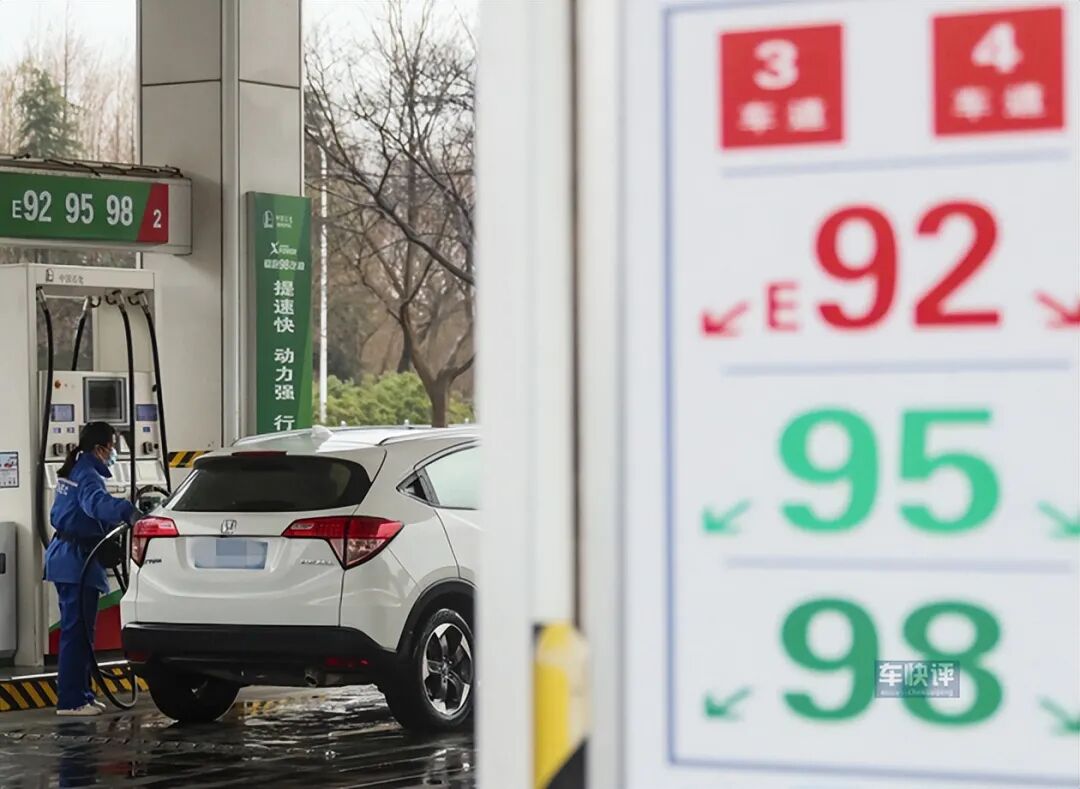
Currently, a key factor driving many individuals to purchase new energy vehicles (NEVs) is the substantial savings on fuel costs. Whether it's pure electric vehicles, plug-in hybrids, or extended-range hybrids, they all boast significant fuel economy advantages over traditional fuel-powered cars.
Particularly for pure electric vehicles, based on current fuel prices and assuming an annual mileage of 20,000 kilometers, saving approximately 10,000 yuan in fuel costs annually should be easily achievable. The more miles driven, the greater the fuel cost savings.
Consequently, you'll notice that numerous car salespeople promote the fuel-saving benefits of NEVs as a means to persuade consumers, ultimately creating the impression that purchasing an NEV is a financially savvy decision.
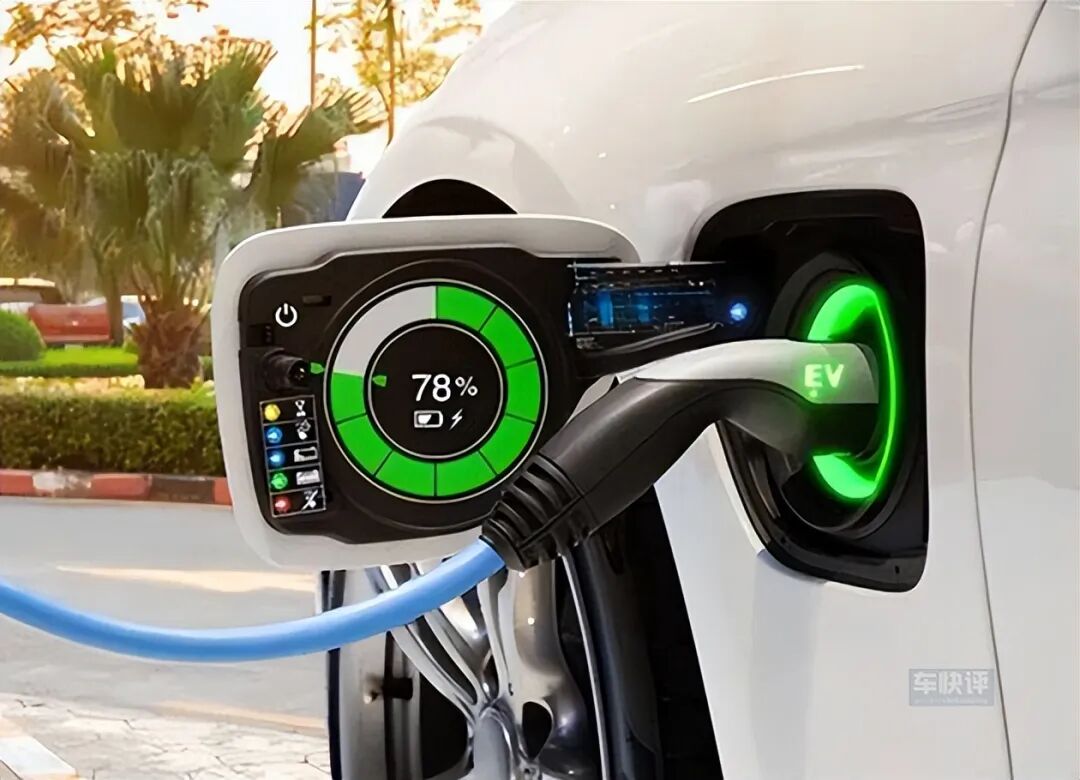
Indeed, given the current development trajectory in China, even if electricity prices were to rise significantly, they are unlikely to surpass fuel prices. This implies that, in terms of operational costs, NEVs are considerably cheaper than traditional fuel vehicles. However, just when you think purchasing an NEV is a money-saving venture, there's a crucial aspect you might have overlooked: insurance premiums, as hinted at in the title.
To illustrate this point more vividly, let's examine a comparative data analysis.
Consider purchasing a compact city commuter car. The annual insurance premium for a Honda Fit is likely to be around 3,500 yuan. In contrast, a pure electric model in the same category typically commands a premium of 4,500 yuan or more, easily surpassing a 1,000-yuan difference.
For family cars priced between 150,000 and 200,000 yuan, the insurance premium for fuel vehicles hovers around 5,000 yuan, whereas the premium for NEVs can soar up to 7,500 yuan, marking a substantial difference of approximately 2,500 yuan.
In the luxury car market, where prices exceed 300,000 yuan, the disparity becomes even more pronounced. The insurance premium for fuel vehicles ranges from 6,000 to 7,000 yuan, while NEVs generally command premiums exceeding 10,000 yuan. For instance, large NEV SUV models like the NIO ES8, AITO M9, Li Auto L9, and Zeekr 9X all have annual premiums surpassing 10,000 yuan or even higher.
So, the question arises: Why is there such a significant difference in insurance premiums between fuel vehicles and NEVs within the same class or price bracket?
Firstly, compared to traditional fuel vehicles, NEVs are outfitted with intelligent sensors such as radars and cameras. Consequently, even minor scratches or collisions can result in significantly higher maintenance costs than those associated with traditional fuel vehicles. Taking the parts-to-vehicle price ratio as an example, it stands at around 200%-250% for fuel vehicles, while it has reached 450% for NEVs.
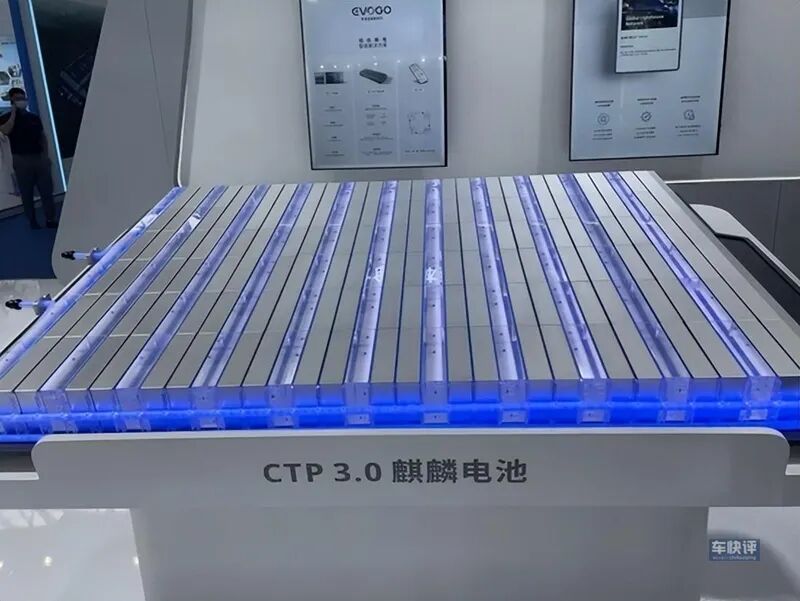
Secondly, the three-electric systems (battery, motor, and electric control) of NEVs are more "delicate," particularly the power battery, whose price is exorbitantly high, accounting for 40%-60% of the total cost of an NEV. If the battery pack is damaged during operation, the replacement cost can be astronomical, ranging from tens of thousands to over a hundred thousand yuan. More absurdly, in some cases, the cost of replacing the battery in an NEV has far exceeded the vehicle's original purchase price.
Finally, due to their faster power response and more aggressive acceleration, NEVs are more prone to traffic accidents when driven by inexperienced or female drivers compared to fuel vehicles. This is also a significant factor contributing to the generally higher insurance premiums for NEVs.
Moreover, judging by the current development trend, the average annual insurance premiums for NEVs are also on the rise compared to 2025. Whether it's economy models priced between 100,000 and 200,000 yuan or luxury models priced above 300,000 yuan, the increase generally exceeds 20%.

This doesn't even take into account the fact that if there is a claim record, the increase in insurance premiums for NEVs is 70% higher than that for fuel vehicles. After considering all these factors, do you still believe purchasing an NEV is truly cost-effective? Share your thoughts.
Copyright Notice: This article is original to CheKuaiping. Reproduction requires permission. Unauthorized reproduction and any form of plagiarism or misappropriation of images and text are strictly prohibited, and legal action will be taken. Some images in the article are sourced from the internet, and the copyright belongs to the original authors. If your work is used, please contact us for royalties or deletion.
-
![]()
Can Computers, Despite Daily Price Hikes, Still Be a Viable Purchase?
-
![]()
January-June Auto Stocks' 'Resilience Ranking': Geely Alone Posts Gains, Six Plummet Over 40%, One Tumbles 54.5% | Mirror Pro
-
![]()
China’s Public Charging Market: Didi Charging, Teld, and Yunkuai Take the Lead
-
![]()
The First Year of AI-Native Mid-Year Shopping Festival: Technology Reconstructs Human-Product Matching for 618
-
![]()
Micron has released its financial report, showing revenues of $41.5 billion, a 74% increase quarter-over-quarter, with a gross margin of 84.6%. The company provided both short-term and long-term guida
-
![]()
Expert Interpretation of New Policy Combination: Activating the Trillion-Dollar Automotive Aftermarket
-
![]()
Doubao Goes 'Professional', Volcano Rolls the Snowball
-
AI: No Sign of a Bubble!