BMW 7 Series/i7: The Limitations of 'Political Correctness' for German Automobiles
 06/25 2026
 388
388
Commencing in 2026, German luxury car manufacturers, including BMW, Mercedes-Benz, and Audi, will make a complete shift towards electrification. Almost all their current offerings boast corresponding fully electric variants, with certain models being upgraded to 800V high-voltage electrical systems. This includes the globally launched BMW 7 Series family, which made its debut at this year's Beijing Auto Show.
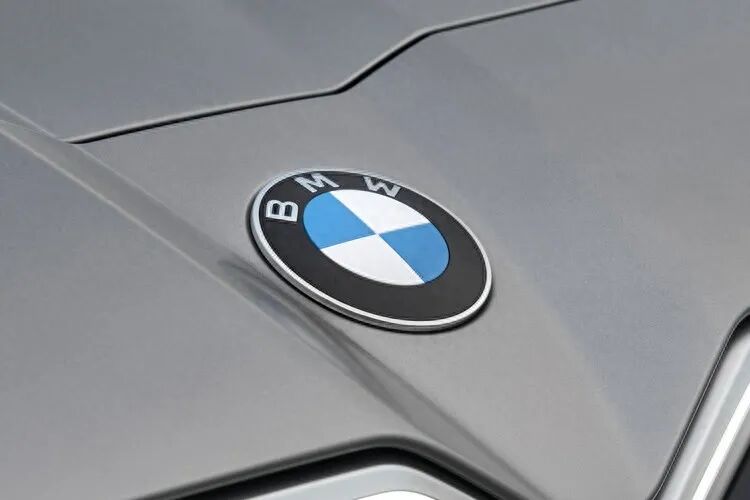
Nevertheless, on this flagship luxury vehicle, the author perceives a lingering sense of 'political correctness' among German automakers, coupled with an underlying sentiment of animosity towards 'the East' in their pursuit of electrification.
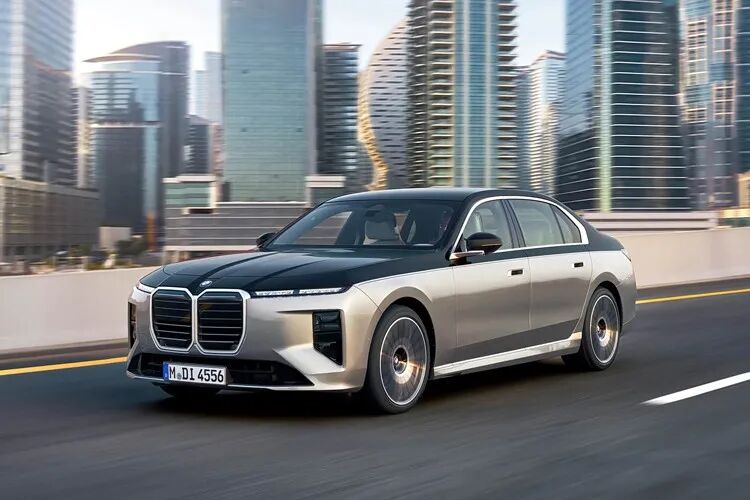
Given the current state of the automotive industry's supply chain, it is improbable that German automakers will entirely forsake internal combustion engines, even in the next decade. The prospect of BMW completely discarding its B-series modular engines, which have been refined over decades, seems far-fetched. Not only would top executives be hesitant, but every stakeholder along the profit chain would likely oppose such a move—this has become the prevailing 'political correctness' within the entire German automotive sector.
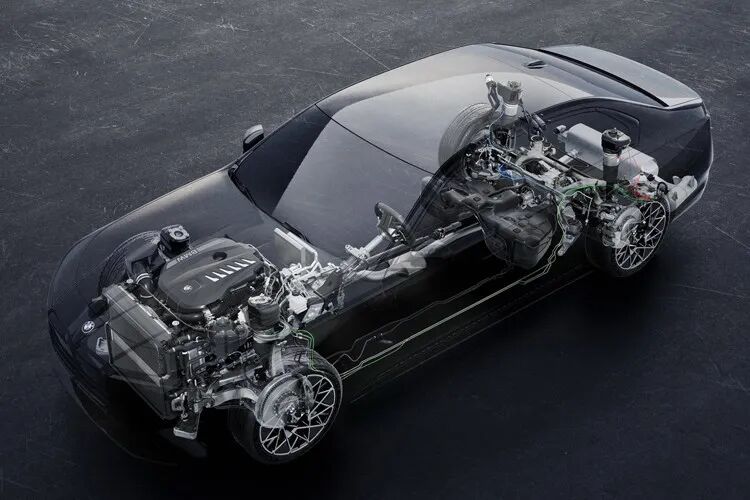
Mild Hybrid Version
Consequently, the new 7 Series continues to utilize the B58 3.0T L6 engine. By optimizing the exhaust turbocharger, its maximum power output has been elevated to 394 horsepower. Paired with a 48V mild hybrid system, the vehicle achieves 0-96km/h acceleration in under 5 seconds, with an electronically limited top speed of 250km/h.
When compared to the mild hybrid variant, the plug-in hybrid version exhibits an even more pronounced 'path dependency'.
Following years of market validation, the technical approach of 'dedicated hybrid engine + dual front-axle motors' has been established as the superior choice for plug-in hybrid systems. However, the 750e xDrive still opts for the outdated 'B58 engine + 8AT transmission + P2 motor' configuration.
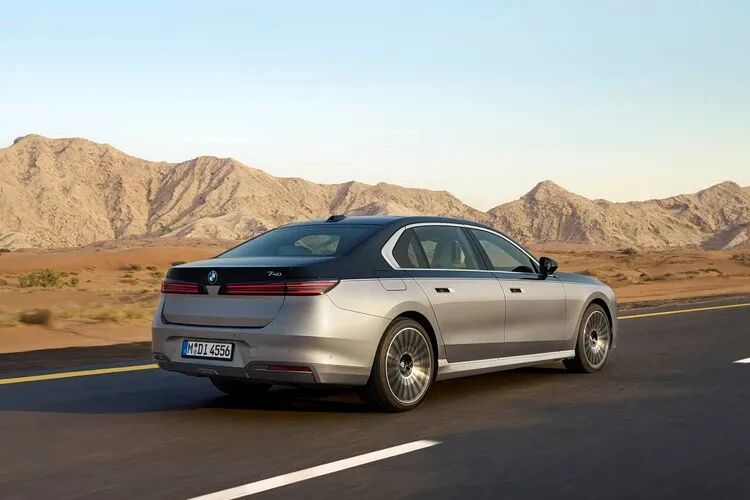
On this particular vehicle, BMW restricts the B58 engine's output to 308 horsepower to minimize the impact of high power output on fuel economy. Nevertheless, thanks to the 194-horsepower P2 motor positioned at the front of the transmission, the car achieves 0-96km/h acceleration in 4.6 seconds, with a top speed also capped at 250km/h.
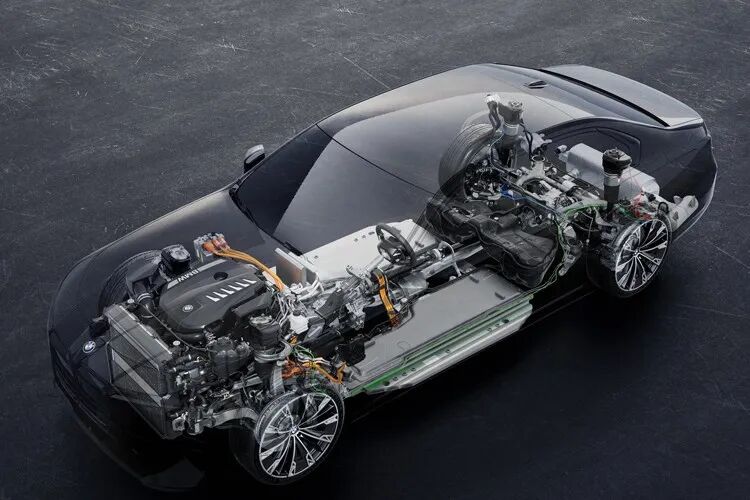
Plug-in Hybrid Version
From a hardware standpoint, even with a single-motor plug-in hybrid system operating on a 400V electrical architecture, achieving sub-4-second 0-100km/h acceleration should be relatively straightforward. However, BMW appears to deliberately minimize the impact of electrification on the vehicle's overall performance.
If the mild hybrid and plug-in hybrid versions reflect BMW's 'arrogance and prejudice,' then the all-electric i7 fully unveils German automakers' animosity towards 'the East.'
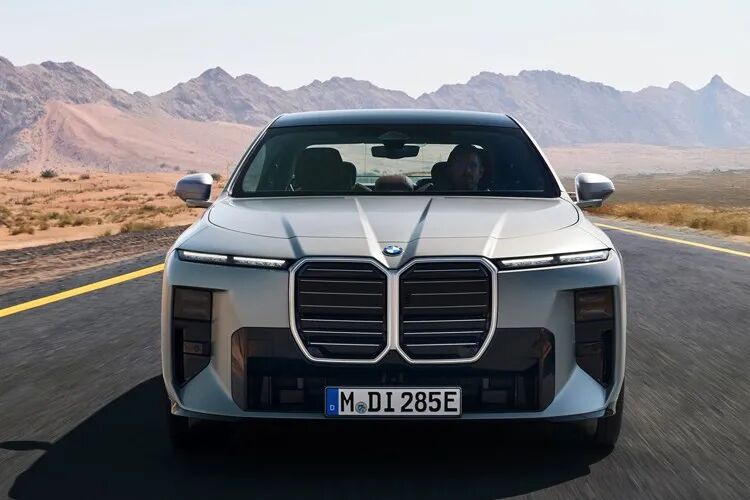
As a flagship model, both the 50 xDrive and 60 xDrive versions feature dual-motor all-wheel drive as standard. In terms of specifications, their total outputs reach 449 horsepower and 536 horsepower, respectively, with 0-100km/h acceleration times of 5.3 seconds and 4.6 seconds, and top speeds of 210km/h and 240km/h. While acceleration performance is comparable, the absence of a multi-speed transmission to balance RPM means their top-speed capabilities fall short when compared to the wider gear ratio range offered by the mild hybrid and plug-in hybrid versions.
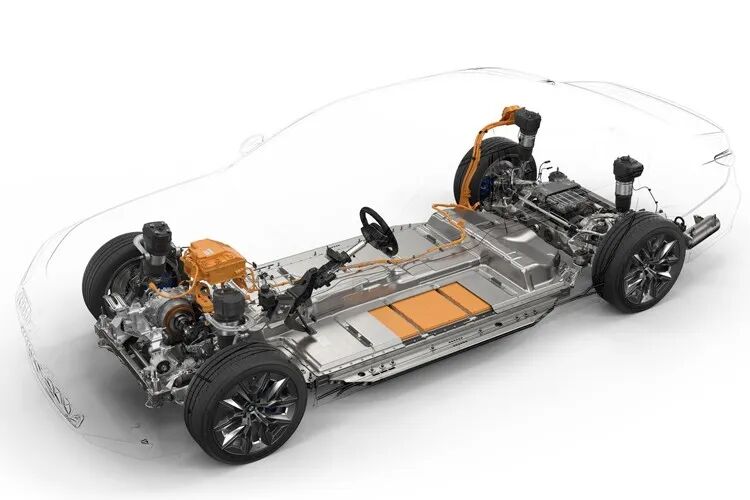
All-Electric Version
Herein lies the crux: this vehicle eschews the commonly utilized permanent magnet synchronous or induction asynchronous motors prevalent in China, opting instead for field-excited synchronous motors at both the front and rear—a configuration that is virtually unheard of in China and can be considered a 'German specialty.'
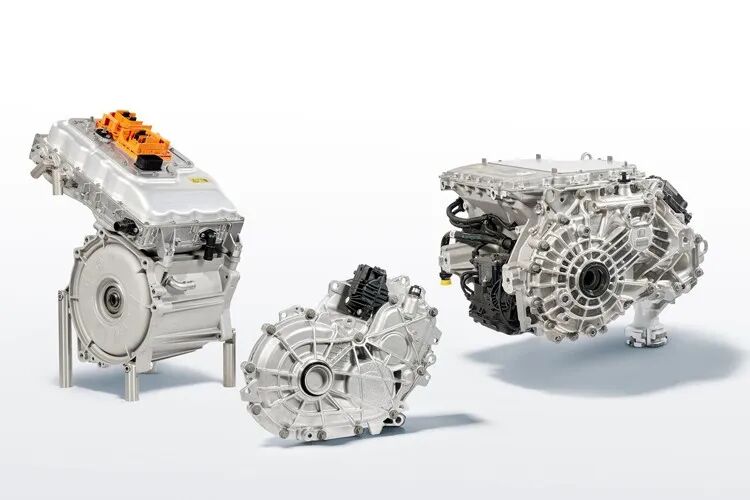
Field-Excited Synchronous Motor
As is widely acknowledged, China boasts the most mature rare earth resources and industry on a global scale. Consequently, all Chinese automakers prioritize permanent magnet synchronous motors (PMSMs) when developing electric vehicles. These motors not only offer exceptional speed control (with motor speed fully synchronized with magnetic field frequency) but also achieve the highest low-speed electric drive efficiency among motors, reaching 95% or even higher. For performance-oriented electric all-wheel-drive models, front-axle induction asynchronous motors are employed to enhance high-speed performance and efficiency.
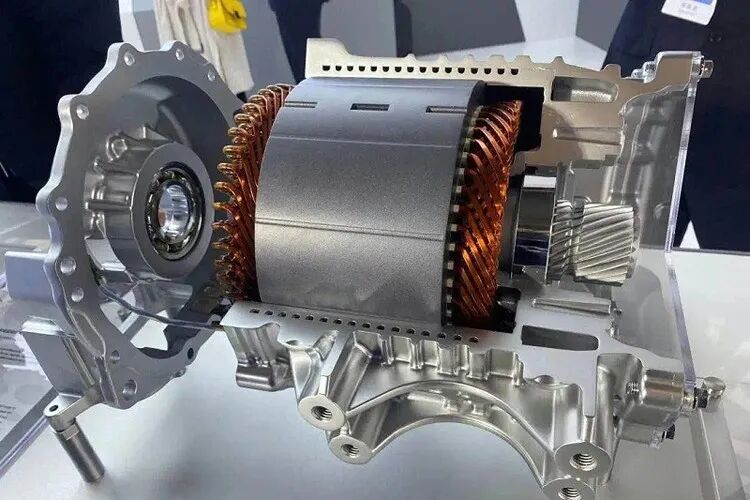
Permanent Magnet Synchronous Motor
Evidently, BMW from Germany lacks this unique industrial advantage. To achieve excellent speed control, it resorts to a secondary option: replacing the permanent magnet rotor with higher-cost coil windings to generate the excitation magnetic field through power supply. Compared to permanent magnet rotors, excitation coils inevitably consume some power to maintain the magnetic field, undoubtedly reducing overall efficiency.
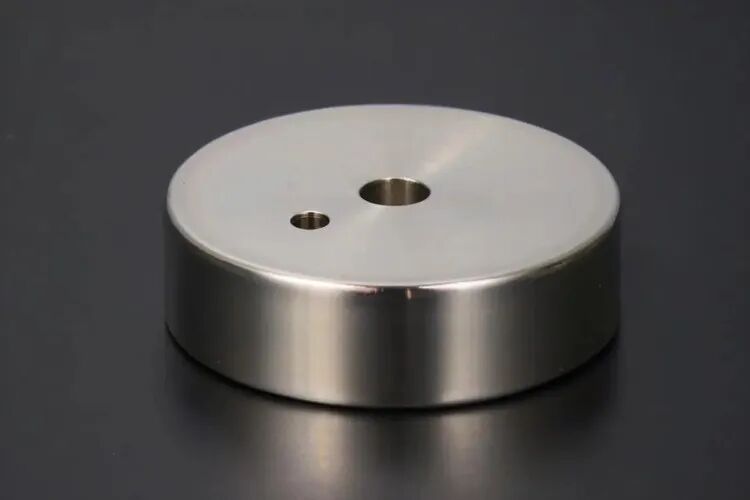
Neodymium Iron Boron Permanent Magnet
From the perspective of German automakers, avoiding potential 'chokepoint' issues justifies not using permanent magnet synchronous motors that rely on rare earths—after all, they have frequently employed such tactics in semiconductors, tunnel boring machines, navigation satellites, and other fields. For 'the East,' this reeks of petty suspicion and a lack of trust.
Of course, when compared to permanent magnet synchronous motors, field-excited synchronous motors offer several technical advantages, the most notable being superior high-speed efficiency.
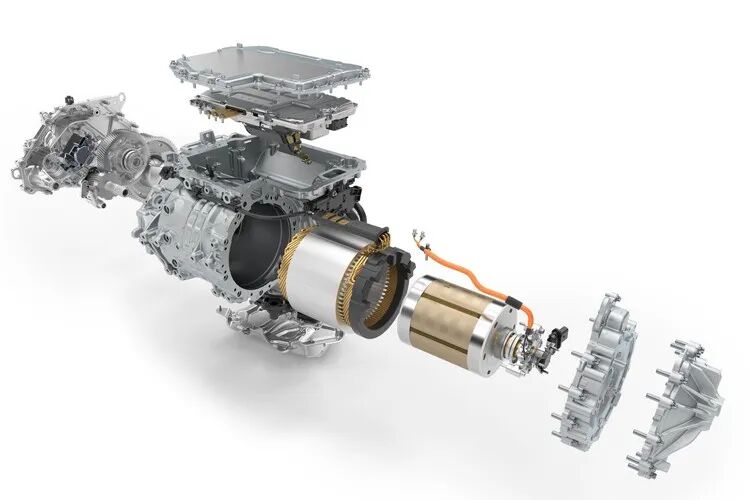
Excitation Coil Rotor
The rationale behind this is straightforward: excitation coils allow for precise control of the rotor's magnetic field through input. Under high-speed conditions, active field weakening can reduce the impact of back electromotive force on overall efficiency, resulting in lower comprehensive power consumption at high RPMs.
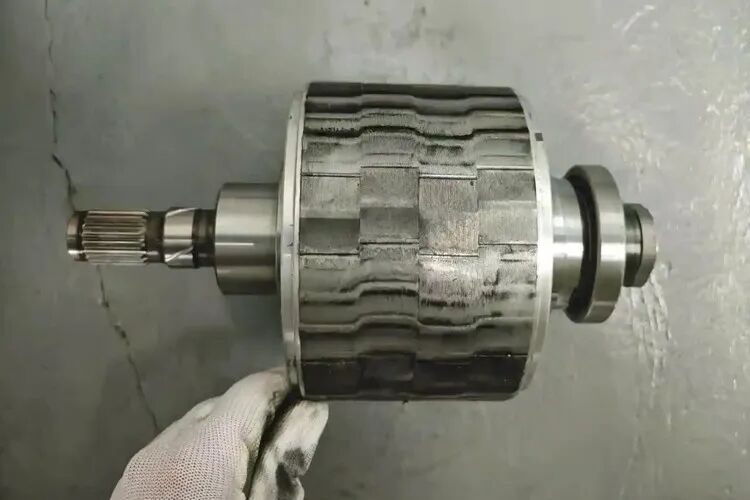
Permanent Magnet Silicon Steel Rotor
In contrast, traditional permanent magnet synchronous motors have their magnetic field characteristics 'locked in' at the moment of manufacturing. While they can deliver strong torque and ultra-high efficiency at low speeds thanks to their inherent strong magnetic field, at high speeds, the electromotive force generated by the rotor's magnetic field cutting the stator coils creates natural resistance. This can only be mitigated by increasing the direct-axis voltage to provide an additional reverse magnetic field for cancellation. Essentially, this involves externally forcing field weakening on the permanent magnets—a delicate operation that, if mishandled, can significantly increase high-speed power consumption.
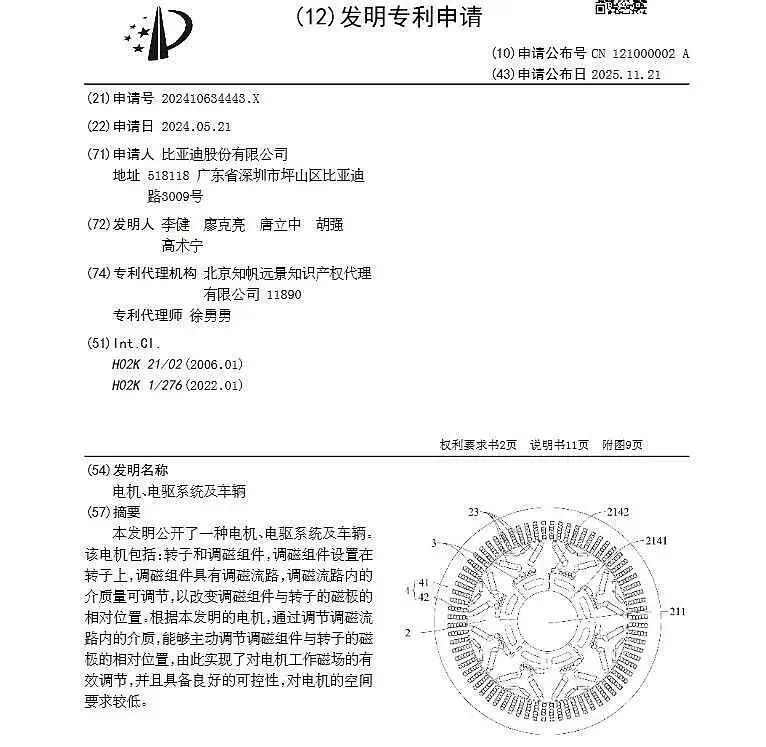
Of course, Chinese permanent magnet synchronous motor technology continues to advance. To address the issue of low high-speed efficiency, automakers like BYD, FAW, and Chery have proposed their own innovative solutions.
According to domestic patent filings, BYD Auto has applied a device called a 'magnetic field adjustment component' to the permanent magnet rotor. This is a movable magnetic-conductive slider inside the rotor that, when positioned differently, creates a proportional change between the 'working magnetic field passing through the air gap' and the 'internal leakage magnetic field of the magnet' (by establishing an internal magnetic shortcut, allowing the magnetic field passing through the air gap to form a closed loop within the rotor). This achieves active field weakening, thereby improving electric drive efficiency under high-speed conditions.
In Conclusion:
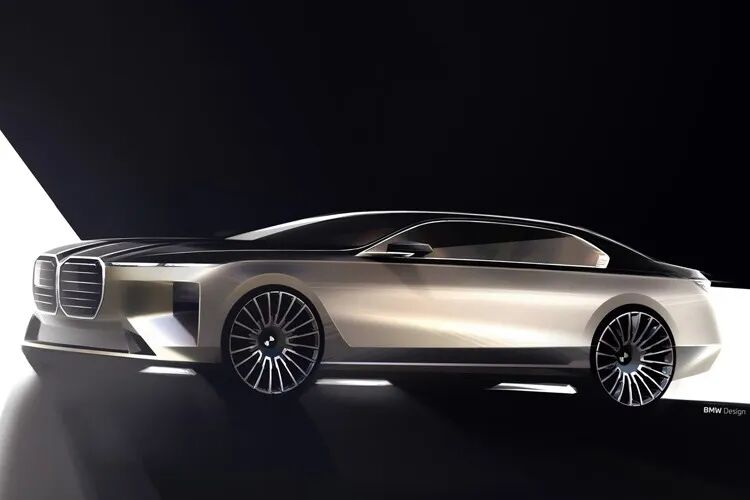
As a representative of German flagship vehicles, the 7 Series/i7 unveiled at this year's auto show undoubtedly reflects BMW's latest interpretation of luxury cars in the current era. We can still clearly discern the German automotive industry's severe path dependency on internal combustion engines. More importantly, with 'rare earth-free' motors becoming the new political correctness in the West, German electric vehicles are destined to face challenges in 'the East.'
-
![]()
Can Computers, Despite Daily Price Hikes, Still Be a Viable Purchase?
-
![]()
January-June Auto Stocks' 'Resilience Ranking': Geely Alone Posts Gains, Six Plummet Over 40%, One Tumbles 54.5% | Mirror Pro
-
![]()
China’s Public Charging Market: Didi Charging, Teld, and Yunkuai Take the Lead
-
![]()
The First Year of AI-Native Mid-Year Shopping Festival: Technology Reconstructs Human-Product Matching for 618
-
![]()
Micron has released its financial report, showing revenues of $41.5 billion, a 74% increase quarter-over-quarter, with a gross margin of 84.6%. The company provided both short-term and long-term guida
-
![]()
Expert Interpretation of New Policy Combination: Activating the Trillion-Dollar Automotive Aftermarket
-
![]()
Doubao Goes 'Professional', Volcano Rolls the Snowball
-
AI: No Sign of a Bubble!