[Exclusive] Numerous BMW i3 and i4 EV Owners Receive Battery Replacement Alerts, Some After Just 8,000 Kilometers. BMW Attributes It to a System Glitch.
 06/26 2026
 333
333
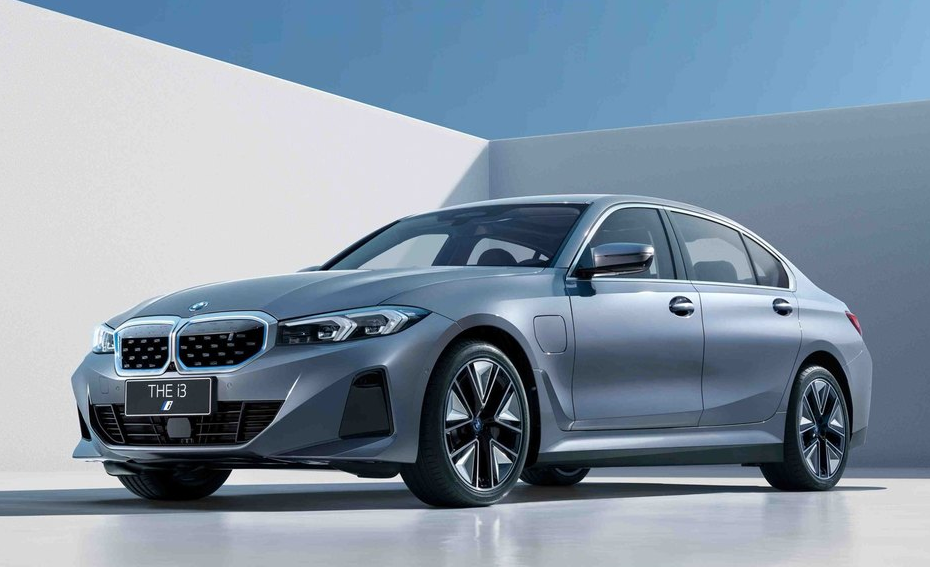
Owners of BMW i3 and i4 electric vehicles have been inundated with battery replacement alerts. BMW has responded, stating that these alerts were triggered by a system glitch and that they are actively working on a fix to prevent future occurrences.
According to a report by Xiaoxiang Morning Herald on June 24, several BMW i3 and i4 owners reported receiving battery replacement alerts when starting their vehicles. Some netizens expressed their surprise, saying, "My brand-new car has only driven less than 8,000 kilometers, and now they're telling me to replace the battery?"
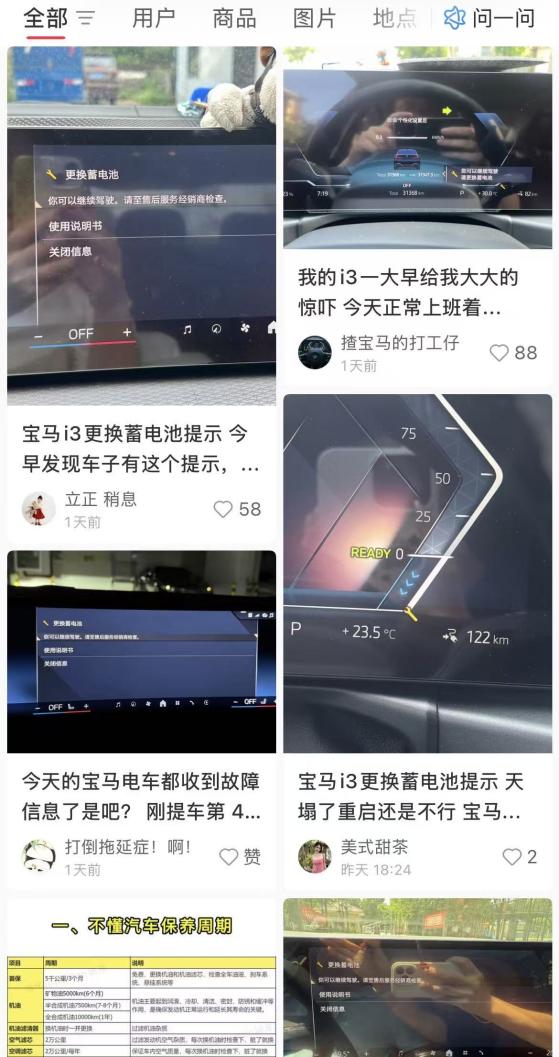
BMW's official customer service informed the New Recognition Research Institute that the alert was a false alarm caused by technical issues. The problem does not impact the normal functioning of the high-voltage battery, and there is no need for battery replacement or any immediate action. BMW is diligently working on a solution to prevent such alerts from recurring in the future.
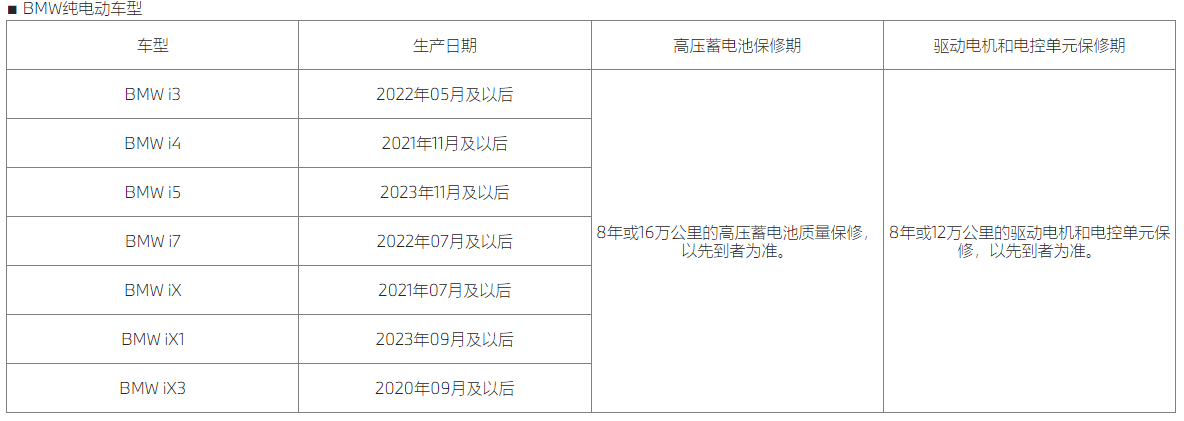
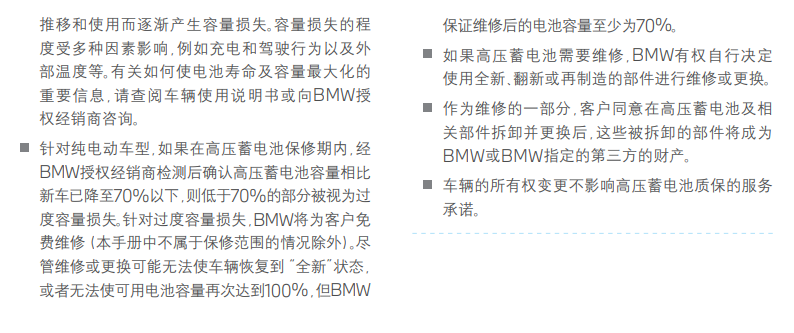
It is noteworthy that for i3 models manufactured from May 2022 onwards and i4 models from November 2021 onwards, the warranty period for the high-voltage battery extends to 8 years or 160,000 kilometers. According to BMW's New Vehicle Warranty Manual, if the battery capacity falls below 70% within the warranty period, as verified by an authorized dealer, it can be repaired free of charge, and the repaired battery is guaranteed to maintain at least 70% capacity.
BMW electric vehicles have encountered issues before. According to The Paper, in 2025, BMW recalled over 230,000 vehicles in China, primarily domestically produced iX3 and i3 models.
The recall was prompted by concerns that the power connector of the starter generator might not have been manufactured to specifications, potentially leading to a loose connection between the positive terminal of the starter generator and the positive terminal of the 48V wiring harness. This could result in an abnormal increase in resistance, which, in extreme cases, might cause the vehicle to stall while driving or lead to engine compartment ablation and fire, posing a significant safety risk.
Such battery false alarm incidents are not exclusive to BMW. Tesla has also faced similar issues in the past. According to IT Home, nearly 4,500 Tesla Model 3 and Model Y owners in South Korea reported battery faults, with the vehicle screen displaying the error code "BMS_a079," leading to restricted charging capabilities.
Moreover, Tesla has also encountered battery system misjudgments due to software issues in China.
According to a document from the State Administration for Market Regulation, Tesla vehicles may experience discrepancies between the feedback voltage of the power battery voltage sensing circuit and the actual voltage of the battery cells due to software glitches. This can lead to misjudgments by the battery management system, causing the vehicle screen to display warnings such as "maintenance required" and "safely park the vehicle." The vehicle will gradually cease power output, posing a safety hazard. Consequently, Tesla recalled a total of 67,698 imported Model S and Model X vehicles produced between 2013 and 2020.
Whether it's the battery false alarm alerts for the BMW i3 and i4 models, past electrical system issues, or Tesla's battery system misjudgments, these incidents underscore the urgent need for new energy vehicle companies to address not only hardware concerns but also software system failures. Automakers must intensify their efforts in identifying and resolving software and hardware vulnerabilities to prevent similar mishaps from recurring.
-
![]()
Discounts Now on Offer: Is Xiaomi No Longer Grappling with Vehicle Shortages?
-
![]()
Samsung Doesn't Make Money the Hard Way
-
![]()
Japanese Media Acknowledges: China's Engine Technology Outstrips That of Japanese Firms
-
![]()
Japanese Media Concedes: China’s Engine Technology Outpaces Japanese Firms
-
![]()
Doubao Professional Version Unveiled! China Now Boasts Its Own National-Level Professional AI Agent
-
![]()
ByteDance and Alibaba Both Step Back from the Gaming Arena
-
Xiangeo International Clears BSE Review: Setting a Global Standard for the ‘Chinese Sound’ | A-Share Financing Brief
-
![]()
86% Gross Margin, Revenue Hits 48-Year High: Micron Warns of Prolonged Supply Tightness Beyond 2027