“From a 5-minute escape window to a zero-fire baseline, I finally feel confident driving an electric vehicle”
 06/26 2026
 333
333
The new standards, for the first time, mandate that batteries must not catch fire or explode following internal short-circuit-induced thermal runaway, earning them the nickname “the strictest battery safety regulations in history.”
“I’ve seen news reports of electric vehicles suddenly catching fire or exploding while driving, after being parked in the sun, or during fast charging. I worried that everyday scenarios like going over speed bumps, driving over gravel, or parking in an open lot in summer could trigger battery thermal runaway, so I hesitated to choose an electric car.”
These everyday anxieties, scattered across all driving scenarios, acted as invisible barriers, deterring many potential NEV buyers.
The industry’s former “5-minute escape time” standard felt flimsy in the face of real consumer concerns. Regular drivers wanted the certainty of “no fire at all,” not just “time to escape after a fire starts.” This growing safety trust gap became the direct catalyst for policy upgrades.
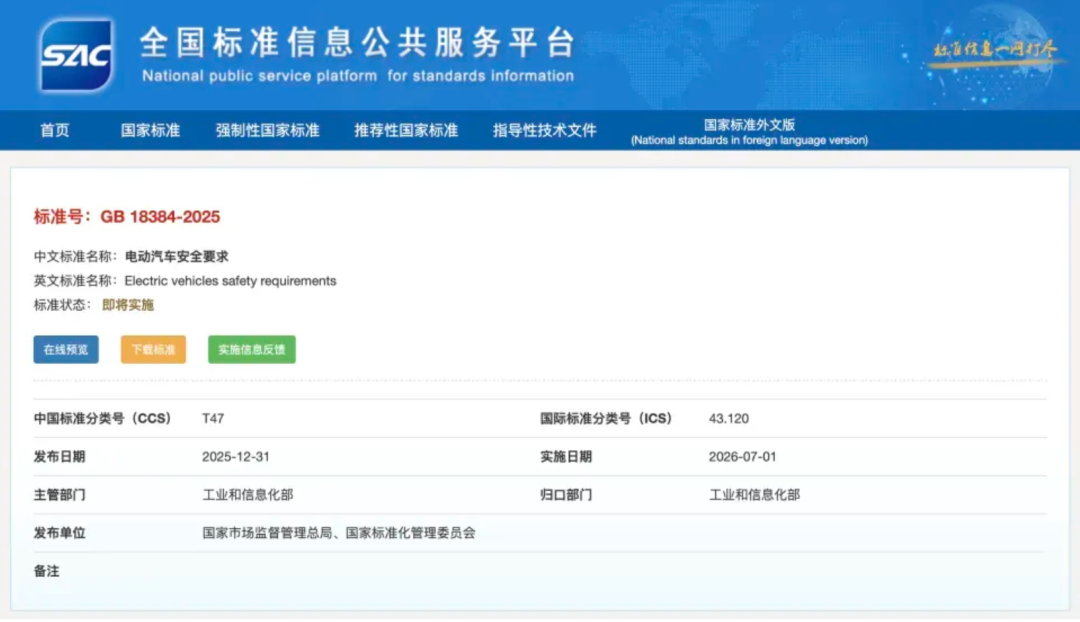
On July 1, 2026, China’s NEV sector will reach a policy milestone as two mandatory national standards—Safety Requirements for Electric Vehicles and Safety Requirements for Power Batteries Used in Electric Vehicles—take effect.
The new rules upgrade battery thermal runaway safety from the long-standing “5-minute warning before fire/explosion” to “no fire, no explosion, and no harmful smoke exposure to occupants” under extreme conditions. They also mandate physical “one-touch power-off” devices in vehicles, replacing software-controlled shutdown logic.
“Preventing accidents before they happen”
Industry analysts view these adjustments as more than technical upgrades—they signal a clear regulatory strategy to raise compliance thresholds, reshape cost structures, accelerate industry consolidation, and concentrate market share among leading players.
The newly implemented GB 38031-2025 Safety Requirements for Power Batteries Used in Electric Vehicles represents a comprehensive upgrade from the 2020 version.
Under the old standards, the core requirement for battery thermal runaway testing was “providing occupants with at least 5 minutes of warning before fire or explosion to allow escape.” The new standard elevates this to “no fire, no explosion, continued alarm signaling, and no harmful smoke exposure.”
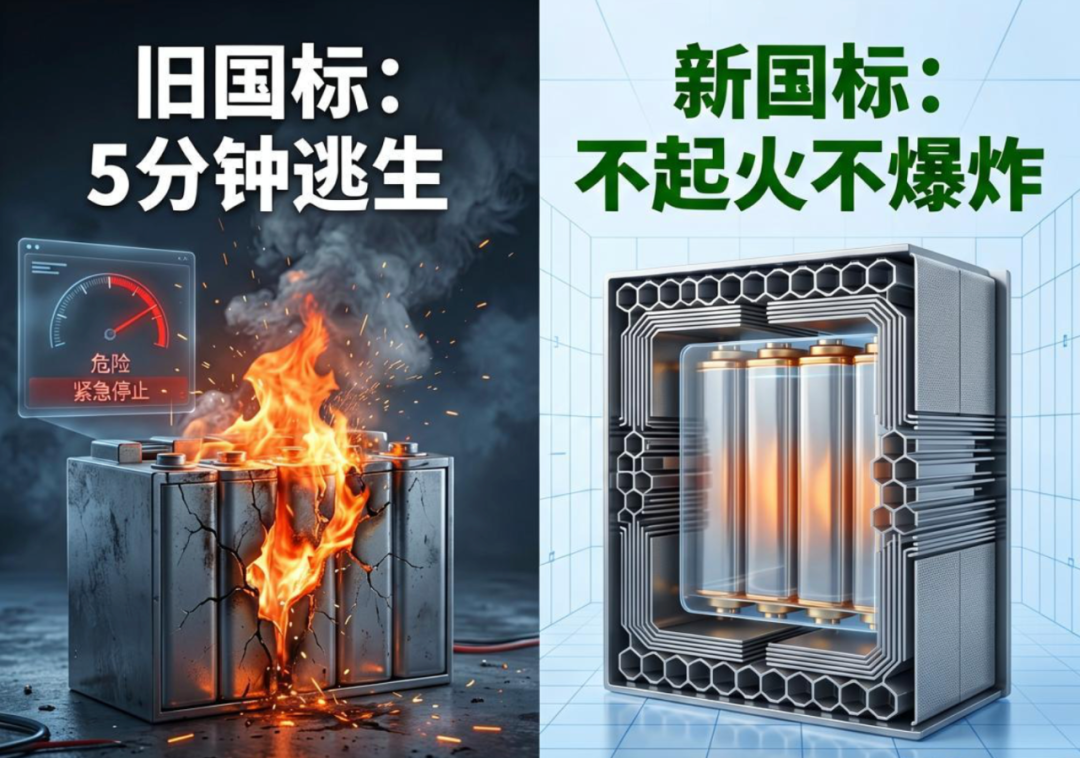
This shift replaces the passive “escape window” approach with an active safety system that prevents thermal runaway propagation at its source.
To validate extreme scenarios, the new standards redesign thermal runaway testing. Instead of relying solely on external heating, they introduce internal heating modes to precisely simulate chain reactions from internal battery shorts. Stricter conditions include defined temperature thresholds, vehicle power states, and over 2 hours of observation.
This change exposes flaws in past “test-oriented optimizations.” Some automakers previously passed 5-minute escape tests by adding thermal insulation pads to delay flame eruption—a superficial fix that fails under the new standards.
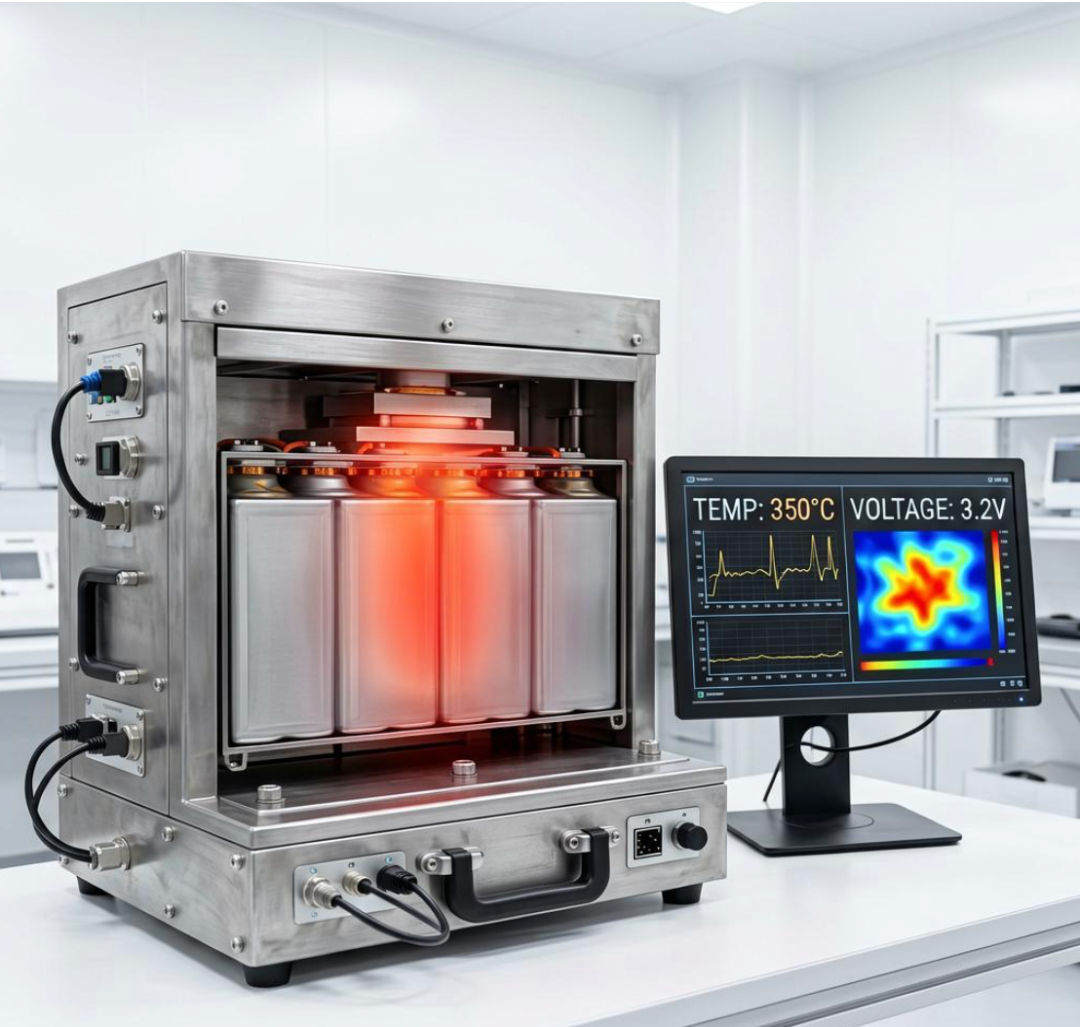
Beyond thermal runaway upgrades, two new tests target high-frequency daily risks. The bottom impact test requires a 30mm hemispherical striker to hit the battery pack’s bottom three times with 150 joules of energy. Post-impact, the pack must avoid leakage, casing rupture, fire, or explosion while meeting insulation resistance requirements.
This test addresses common scenarios like scraping the road surface, hitting speed bumps, or driving over potholes—frequent triggers of thermal runaway in vehicles with inadequate bottom protection, often seen in low-speed EVs and budget models.
Another new test—“external short circuit after 300 fast-charging cycles”—targets long-term safety risks of high-voltage fast-charging tech. Batteries supporting 20%-80% charging in under 15 minutes must pass external short circuit tests after 300 full cycles without fire or explosion. This ends the “fast-charging-at-all-costs” approach that sacrificed cycle life and safety margins.
Simultaneously, the Safety Requirements for Electric Vehicles will significantly improve rescuer safety in post-crash scenarios by mitigating high-voltage electric shock risks.
Safety margin concerns amid price wars
The strict enforcement of new standards reflects safety risks accumulated during rapid industry growth. China’s NEV market penetration reached 38.9% in January 2025 and surged to 59.67% by April 2026, making NEVs the dominant market force.
However, intense price wars have squeezed profit margins, prompting some firms to cut battery safety investments, creating industry-wide hazards.
A MIIT survey revealed that only 78% of Chinese NEV firms currently possess the full technical capabilities required by the new standards, with 8% unprepared and 14% in transition. This highlights historical underinvestment in safety among smaller brands and budget models.
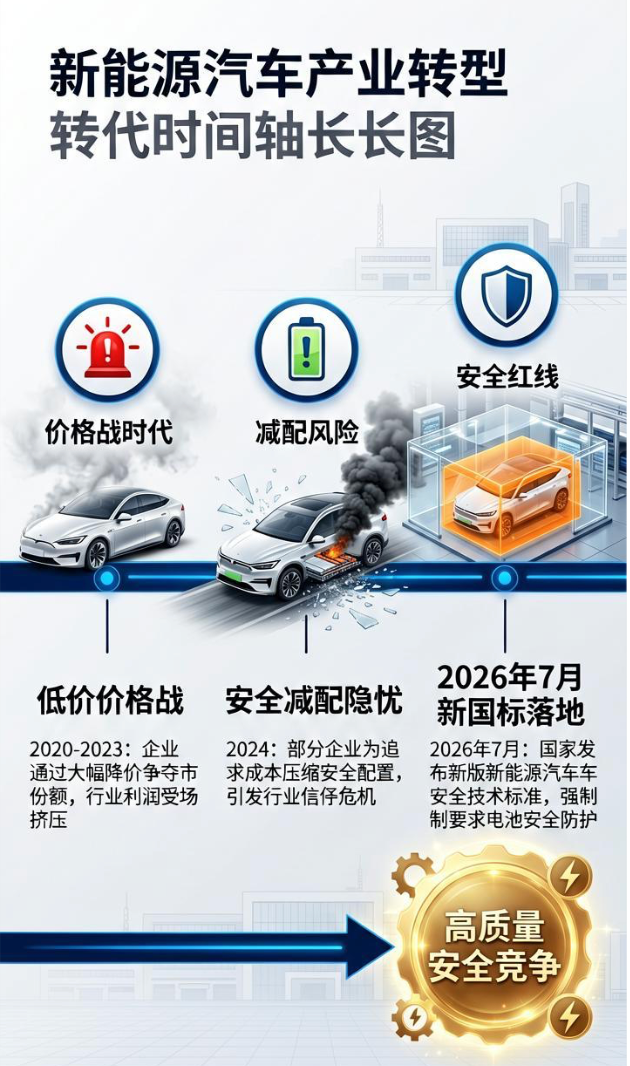
The November 2024 lithium battery fire in Huizhou, Guangdong, exemplifies these risks. A thermal runaway in 500,000 18650-type ternary lithium cells stored at Letineng New Energy’s warehouse caused a chain reaction fire, killing two and inflicting over RMB 9 million in damages.
Investigators found the company had skipped installing thermal runaway monitoring and fire suppression systems to cut costs, densely packing cells that ignited chaotically after a single cell failure. This cost-cutting mindset extended to vehicle manufacturing.
During the fierce 2025 price wars, many sub-RMB 100,000 NEV models reduced battery pack bottom armor thickness from 1.5mm to 0.8mm to lower prices. Some even removed bottom buffers, exposing shells directly to road hazards.
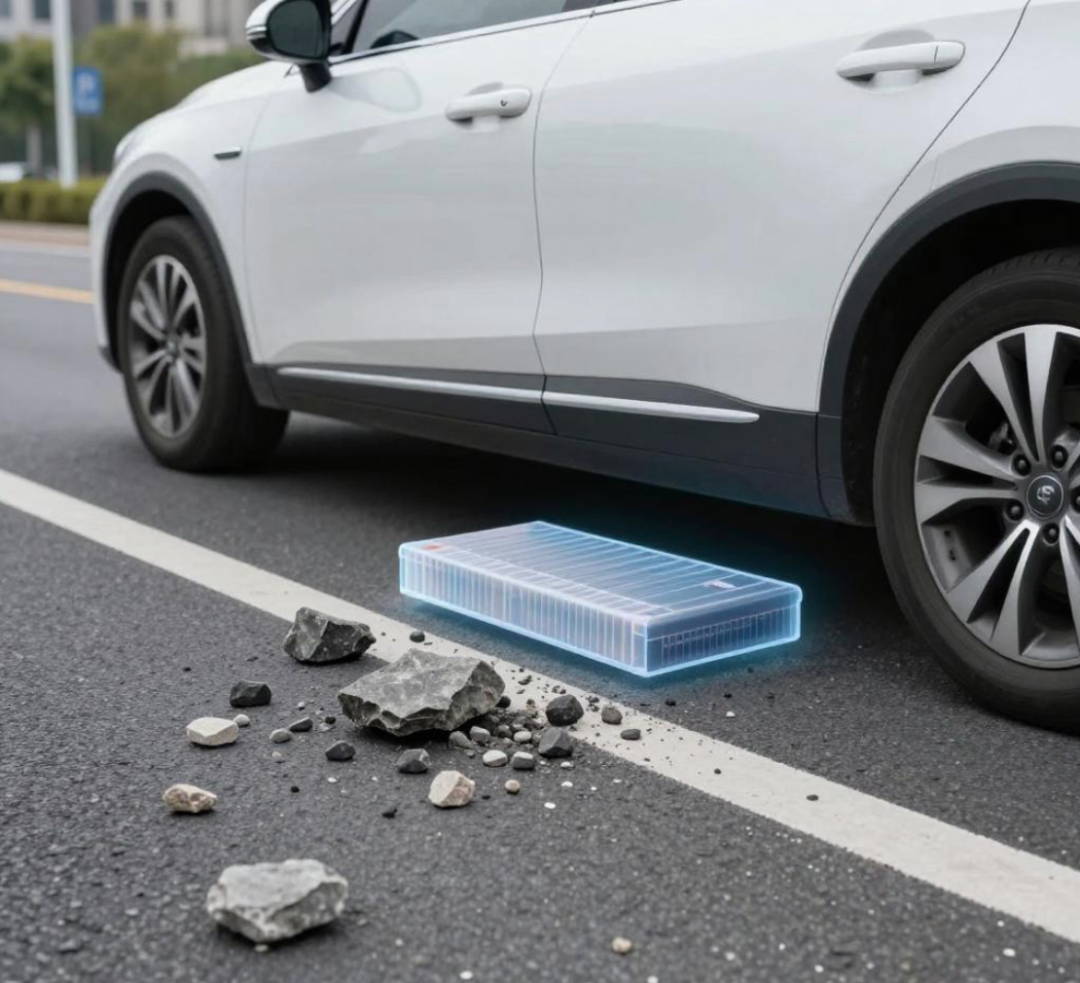
Such models risk casing deformation and internal cell damage from minor bottom impacts, creating thermal runaway hazards.
For years, the industry wrongly believed battery safety could rely solely on BMS algorithm optimizations. Many small automakers skipped structural R&D, assembling vehicles with off-the-shelf cells and third-party BMS software.
The new standards shatter this “software-only” illusion—requiring hardware-level safety measures like structural protection, thermal barrier materials, and cell intrinsic safety improvements. Algorithms alone can no longer pass tests.
Battery makers face existential crises
Compliance burdens from the new standards fall unevenly, reshaping industry competition over the next two years.
Leaders like CATL and BYD deployed non-propagation technologies years ago, making most new standards routine internal requirements. BYD’s second-generation Blade Battery tests show no fire/explosion after 4-cell simultaneous thermal runaway, far exceeding new standards.
For these giants, marginal compliance costs are negligible—instead, standards reinforce their tech moats. In contrast, smaller automakers and battery firms face dual cost pressures.
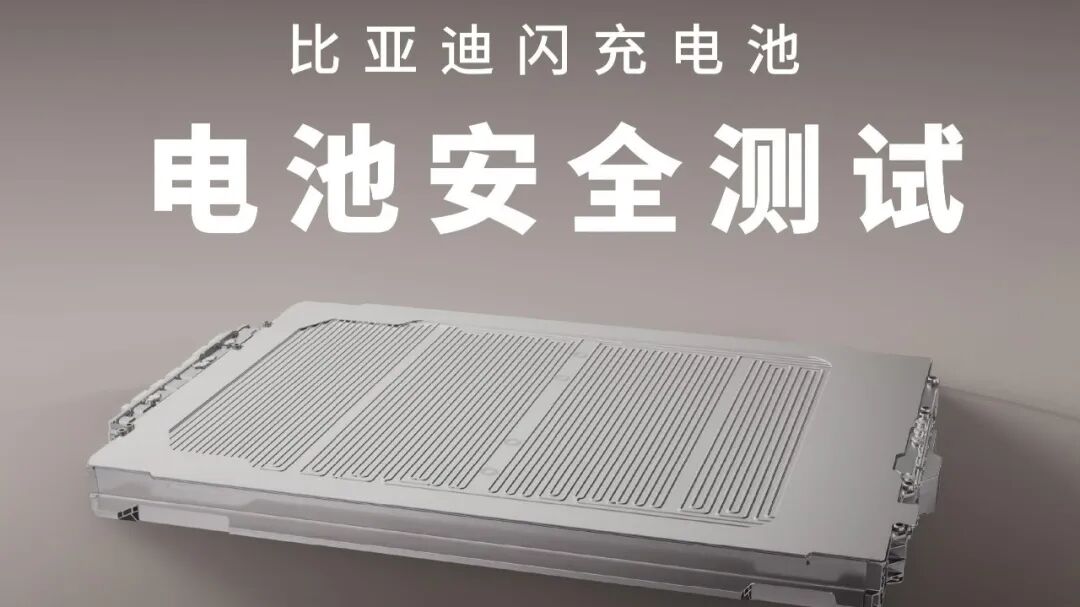
Industry estimates suggest new standards will raise power battery system costs by 15–20% for a typical 500km-range BEV, adding over RMB 3,000 per vehicle. Firms also face 6–12 months of re-certification delays, straining cash flows for smaller brands.
This compliance divide is already reshaping the battery market.
In H1 2025, the industry showed “top-tier contraction, second-tier rise” trends as firms like Gotion High-Tech and Eve Energy gained orders with fast-charging tech.
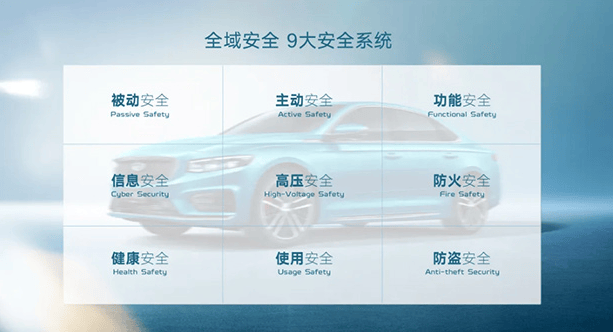
The new standards will accelerate long-term consolidation. Short-term, some small battery makers lacking compliance capabilities will exit. Long-term, tech leaders with lower marginal compliance costs will dominate, restoring industry concentration.
Ultimately, the new standards mark China’s NEV sector’s transition from “scale-at-all-costs” growth to safety-driven quality competition.
For the industry, these rules aren’t just cost increases—they’re catalysts for full-chain tech upgrades. Firms now invest in advanced aerogel insulation, perfluorohexanone fire suppression, and cell intrinsic safety modifications to meet “no fire/explosion” thermal runaway requirements, driving broader battery tech advancements.
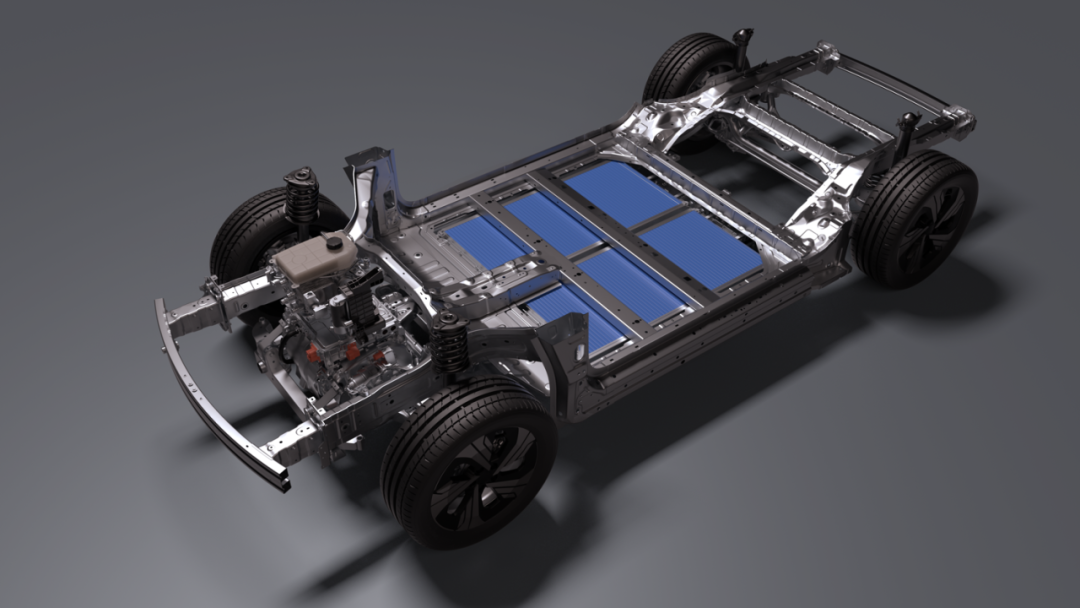
Mandatory physical power-off systems will also reconstruct vehicle high-voltage safety architectures, forcing automakers to build hardware-level safety redundancies instead of relying on software controls.
From consumers’ perspective, the standards will eliminate “safety-compromised” budget models that once dominated through low pricing. Future NEVs will meet unprecedented battery safety baselines, systematically addressing risks like post-impact fires and fast-charging shorts.
After the July 1, 2027 transition deadline, all NEV models sold in China will comply, safeguarding over 30 million NEV users.
At this industry turning point, the new standards represent a crucial self-correction as China’s NEV sector shifts from policy-driven to market-driven growth. By setting mandatory safety baselines and using asymmetric compliance costs to accelerate consolidation, they steer the industry toward multi-dimensional competition in technology, safety, and experience.
Note: Images sourced from the internet. Contact us for removals if needed.
-END-

-
![]()
Weighing the Pros and Cons of In-House Chip Development: Most Automakers Shouldn't Feel Compelled to Pursue It
-
![]()
Can the Leapmotor D99 Gracefully Ascend into the Premium MPV Market as the Brand Climbs Higher?
-
Midea Bets 1 Billion Yuan on Liquid Cooling, Targeting AI Computing Power Market with 2027 Production Launch
-
Amidst Declining Profit Margins, Can Anwen Technology Sustain Its Edge in Automotive Cockpits?
-
![]()
5,000 Companion Robots Sold: Can UBTECH Breathe a Sigh of Relief?
-
![]()
NIO Maintains Brand Premium: Onvo Sets Minimum Price at 150,000 Yuan, Avoids Direct Competition with Leapmotor and BYD | MJ Pro
-
![]()
“From a 5-minute escape window to a zero-fire baseline, I finally feel confident driving an electric vehicle”
-
![]()
Profits Skyrocket! From Leasing to Construction: A Storage Enterprise with Hundred-Billion-Yuan Revenue Plans 1.175 Billion Yuan Investment in New Headquarters