Can the Leapmotor D99 Gracefully Ascend into the Premium MPV Market as the Brand Climbs Higher?
 06/26 2026
 533
533
Lead | Lead
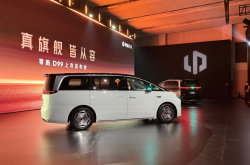
At the launch event, Cao Li, Senior Vice President of Leapmotor Technology, meticulously outlined the flagship strengths of the D99. Yet, behind this presentation lies a more pressing query: Can the Leapmotor D99 elegantly leap into the premium MPV segment?
This article is crafted by Heyan Yueche Studio.
Authored by Qian Lei
Edited by He Zi
Full text: 2,685 characters
Estimated reading time: 4 minutes
On June 25th, the Leapmotor D99 made its official debut in Jinhua, priced between RMB 249,800 and RMB 319,800. This marks the second offering on Leapmotor's flagship D platform and its inaugural MPV model. A decade's worth of full-domain self-research technology has been distilled into this flagship MPV, which spans over 5.2 meters. The Leapmotor D99 embodies the D series' core ethos of 'million-dollar experience, technology for all,' presenting a configuration list rarely seen in the 300,000-yuan price bracket across six key dimensions: comfort, range, intelligence, driving control, safety, and aesthetics.
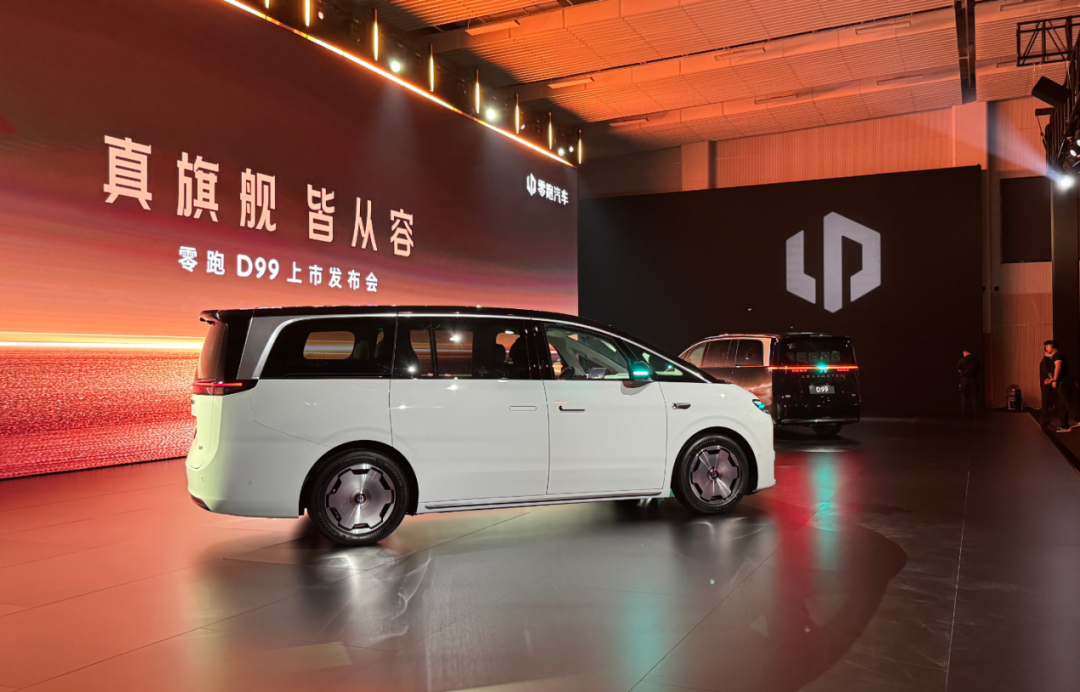
Indeed, the launch of the D99 transcends mere product lineup completion. Following the D19's establishment as the flagship SUV, the D99's arrival signifies Leapmotor's official entry into the premium MPV market, filling the final piece of the puzzle. The 'flagship SUV + flagship MPV' dual-flagship strategy positions Leapmotor at the heart of the 300,000-yuan market for the first time. For Leapmotor, this represents a pivotal leap in brand elevation; for the market, it tests whether 'technology for all' can redefine luxury.
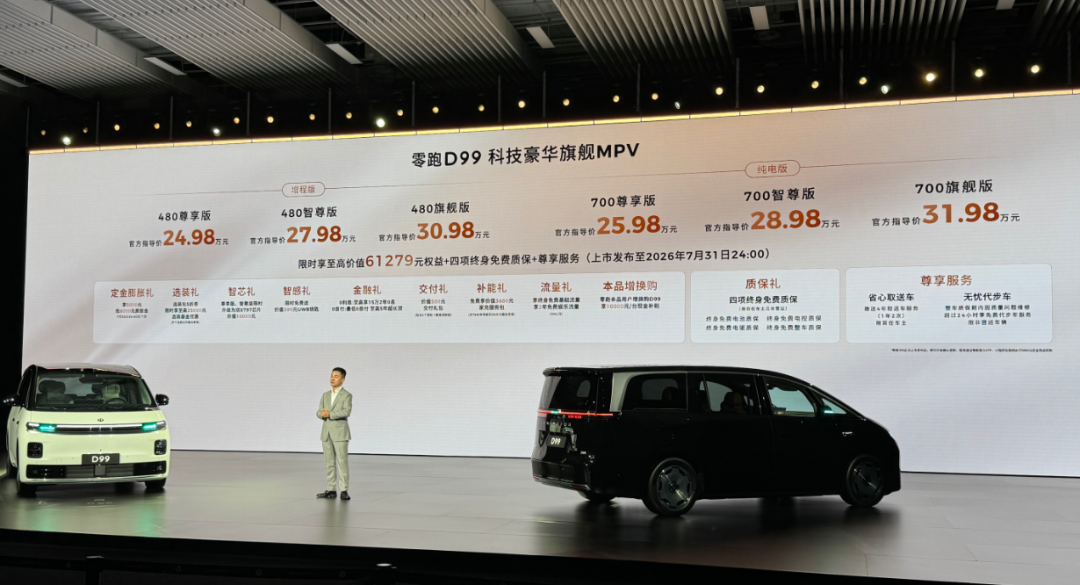
From a pricing standpoint, the starting price of RMB 249,800 is modest, but the Leapmotor D99's ambitions extend far beyond this figure. It aims to deliver a comprehensive flagship experience, addressing a longstanding question: Can Chinese-brand high-end MPVs offer consumers a sense of ease beyond mere price in the 300,000-yuan segment?
Flagship Product Strength: Not Just Abstract
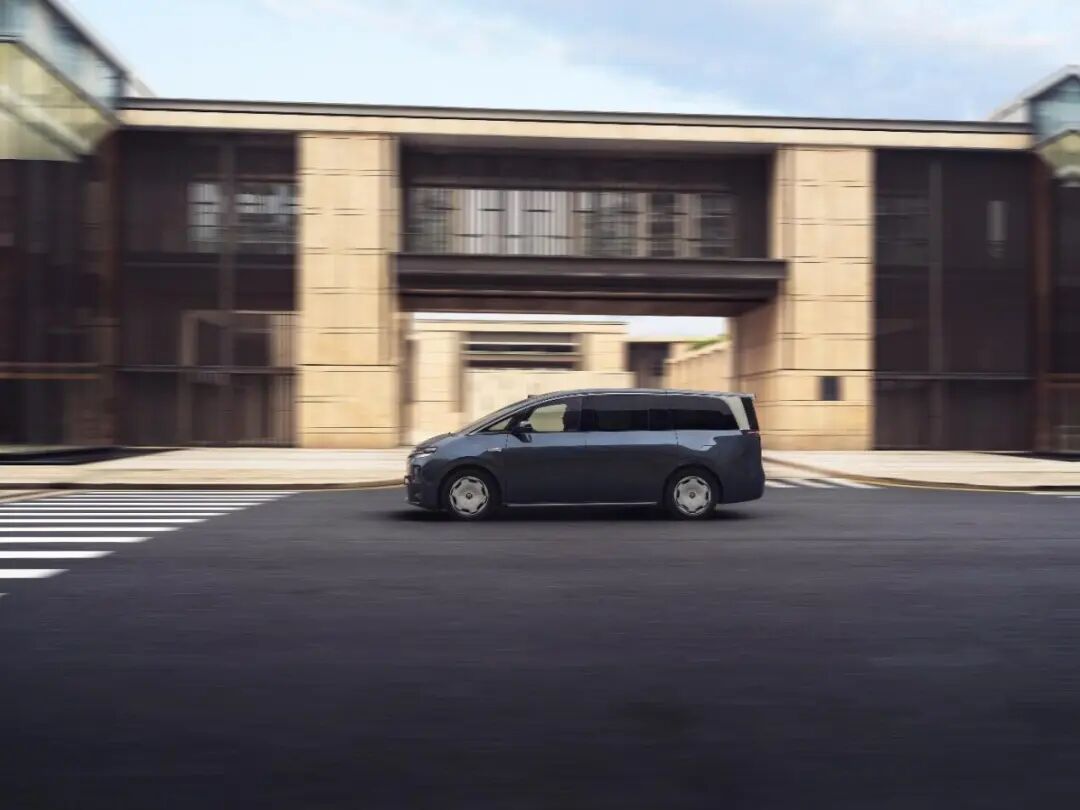
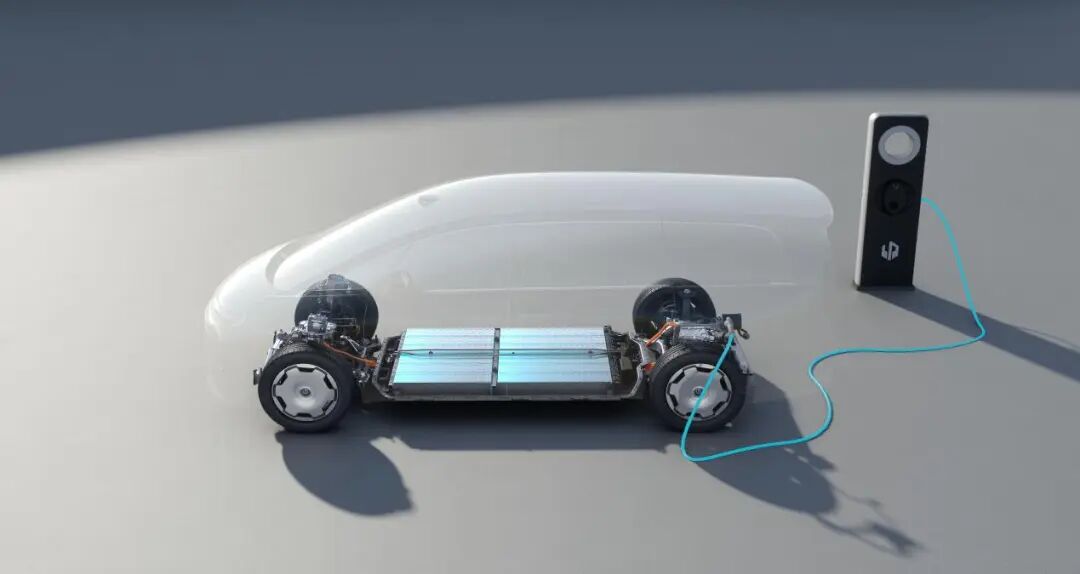
At first glance, the Leapmotor D99 deviates from the traditional boxy MPV silhouette. Designed with the 'Tech-Natural Aesthetics 2.0' philosophy, its sleek and elongated body features a 'Cosmic Horizon' front fascia and flush side windows, rivaling million-dollar models. The interior boasts a double-layered cockpit with eucalyptus wood trim, velvet roof lining, and French diamond-stitched seams. A 3.9-meter ambient light ring creates an immersive nighttime experience, while 29 square meters of soft-touch materials envelop the cabin. The first and second rows are upholstered in full-grain semi-aniline leather. The extended-range version packs an 80.3kWh battery, offering a CLTC pure electric range of 480km—the longest among global extended-range MPVs. Paired with 800V fast charging, it takes just 15 minutes to charge from 30% to 80%. The pure electric version features a 115kWh battery, delivering a CLTC range of 700km and a peak power exceeding 460kW, with 15 minutes of charging providing over 350km of range.

In terms of space, the interior space utilization rate reaches 91.3%. The second row features dual 124° zero-gravity rotating seats supporting 45° welcome mode, 90° scenic view mode, and 180° face-to-face seating, complete with leg rests, massage, heating, and ventilation. The third row supports heating and electric adjustment. The vehicle offers 11 seat configurations and 5 bed modes, with the second and third rows forming a nearly 2.5-meter flat bed. The trunk provides 706L of storage, expandable to 2890L with the third row folded. Eleven acoustic glass panels and Michelin quiet tires create a serene cabin; the Forest Oxygen Cabin, climate-controlled fridge, 23-speaker sound system, and ambient lighting enhance comfort. The air suspension lowers the body, working in tandem with rotating welcome mode and electric sliding doors to ensure easy access for the elderly and children.

The intelligent cockpit debuts with dual Qualcomm 8797 chips, delivering a total computing power of 1280TOPS. It features a 10.25-inch instrument cluster, 17.3-inch central touchscreen, 50-inch AR-HUD, and a 21.4-inch 3K rear entertainment screen. The infotainment system supports six-zone voice recognition, 13 dialects, and driver-free wake-up, allowing passengers in different seats to issue commands simultaneously. Intelligent driving is powered by the VLA large model, paired with 28 sensing hardware including LiDAR, covering 44 active driving functions for full-scenario navigation from parking spot to parking spot. The system identifies risks such as abnormal deceleration of adjacent vehicles and blind-spot merges, equipped with features like 120-meter tracked reversing, all-attitude automatic parking, and smartphone-controlled parking. All variants come standard with an auxiliary driving indicator light.
Safety-wise, the body adopts a twelve-horizontal, five-vertical, four-strong-ring cage design, with 81% high-strength steel and aluminum alloy, achieving a torsional rigidity of 46682N·m/deg. It is equipped with 11 airbags and an A-pillar-to-D-pillar curtain airbag. All variants come standard with AEB and AES. The battery features ten-layer protection, withstanding temperatures exceeding 1300℃ and preventing fire for 72 hours after thermal runaway; the AIBMS can predict risks 30 days in advance. The cabin has earned 'Zero Formaldehyde' and fire safety five-star certifications from CATARC.
All variants come standard with four-wheel drive, featuring a front double-wishbone and rear five-link suspension paired with dual-chamber air suspension and variable damping shock absorbers, with a 95mm adjustment range. The LMC2.0 chassis features predictive magic carpet functionality, scanning the road surface in real-time to adjust the suspension; it corrects the body within 200 milliseconds in the event of a dual-wheel blowout at high speeds. The MKC2 brake-by-wire system and front four-piston calipers, paired with Michelin Primacy 5E tires, achieve a 100-0km/h braking distance of 37.5 meters. A 6.1-meter turning radius and agile U-turn functionality allow this large vehicle to navigate city streets with ease.
The Window for Brand Ascension Has Opened
The launch of the Leapmotor D99 marks the extension of the D platform from flagship SUVs to flagship MPVs. Leapmotor has now completed its A, B, C, and D product matrices, covering all categories and extending its price range to the 300,000-yuan level. The D99 continues the 'technology for all' approach, concentrating intelligent driving, chassis, powertrain, and other configurations in the 300,000-yuan market. All variants come standard with four-wheel drive, dual-chamber air suspension, 800V architecture, and dual Qualcomm chips—a combination rarely seen in its class. Whether this configuration can create sufficient differentiation remains to be validated by the market.
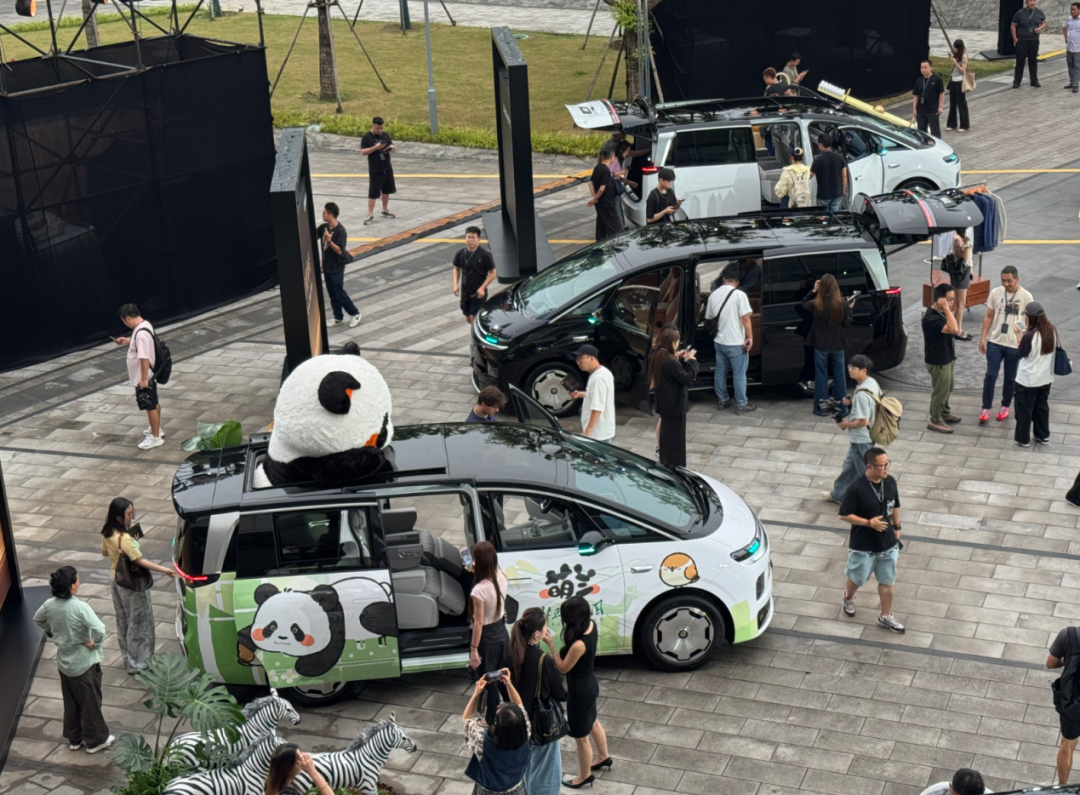
The high-end MPV market has long been dominated by joint ventures and luxury brands, with users demanding high standards for brand and service. The D99 enters this market backed by full-domain self-research, boasting competitive product strengths on paper. However, whether it can achieve breakthroughs in sales and reputation depends on post-delivery feedback, channel capabilities, and the speed of brand recognition improvement. Leapmotor's global cumulative sales have surpassed 1.5 million units—reaching 1.5 million from 1 million in just 8 months. This rapid growth reflects the release of product definition and supply chain capabilities, but surging sales do not equate to simultaneous brand momentum. The window for Leapmotor's brand ascension has opened, yet the challenges are clear.
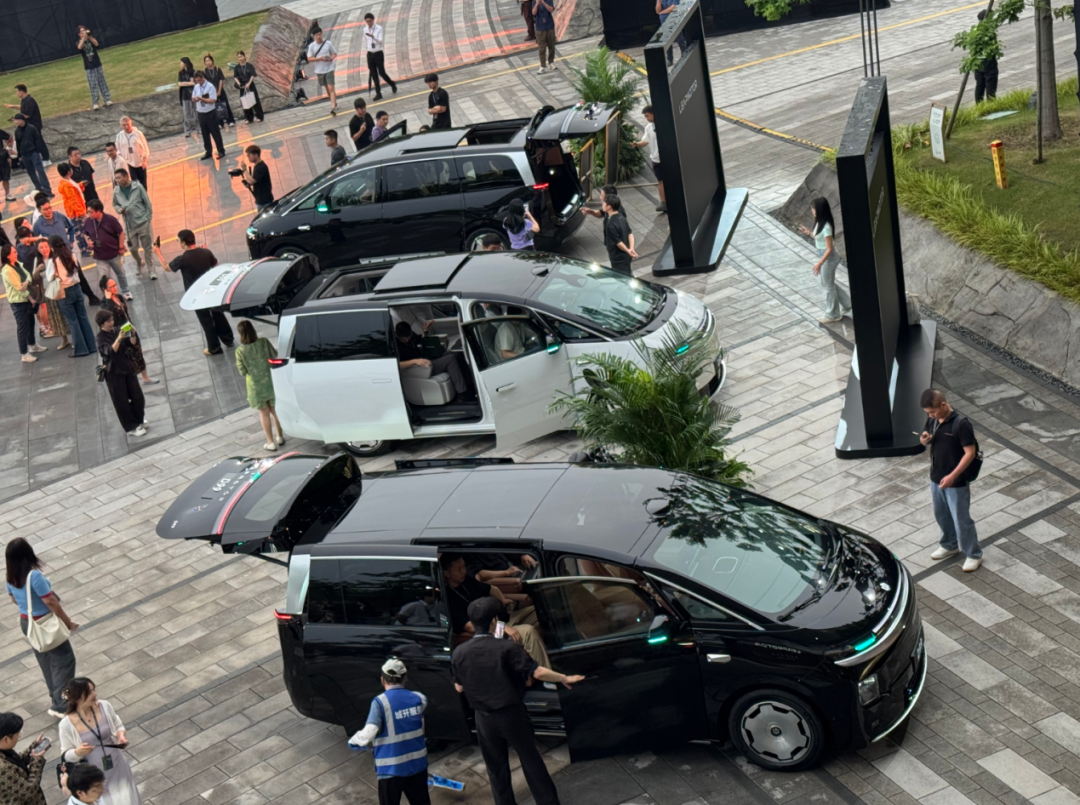
For Leapmotor, brand ascension is no easy feat, with at least three structural constraints ahead. First is the thin profit foundation. Net profit for 2025 was just RMB 540 million, with per-unit profit below RMB 1,000; the first quarter of 2026 saw a return to losses, with the gross margin dropping from 14.9% to 9.4%. Scale expansion has not yet translated into profit buffers, yet brand ascension requires long-term R&D and marketing investments. Under profit pressure, the margin for error in every expenditure narrows. Second is the R&D investment gap compared to the first tier. In Q1 2026, Leapmotor spent RMB 1 billion on R&D, while NIO spent approximately RMB 1.9 billion, and XPeng and Li Auto spent RMB 2.91 billion and RMB 2.7 billion, respectively. The intelligent driving competition is shifting from 'following' to 'leading,' with R&D intensity directly affecting technological iteration speed. Leapmotor must prove it can achieve faster progress with fewer resources.
The hardest barrier to overcome may be the inertia of user perception. The long-standing 'extreme cost-effectiveness' label has helped Leapmotor quickly accumulate scale but has also made core users highly price-sensitive. In the 300,000-yuan MPV market, brand reputation and residual value may outweigh configuration parameters. Technical parameters can be rapidly stacked, but the 'sense of premium' in users' minds cannot be rushed—it comes from sustained validation of product experience, long-term refinement of service systems, and the slow accumulation of trust between the brand and users.
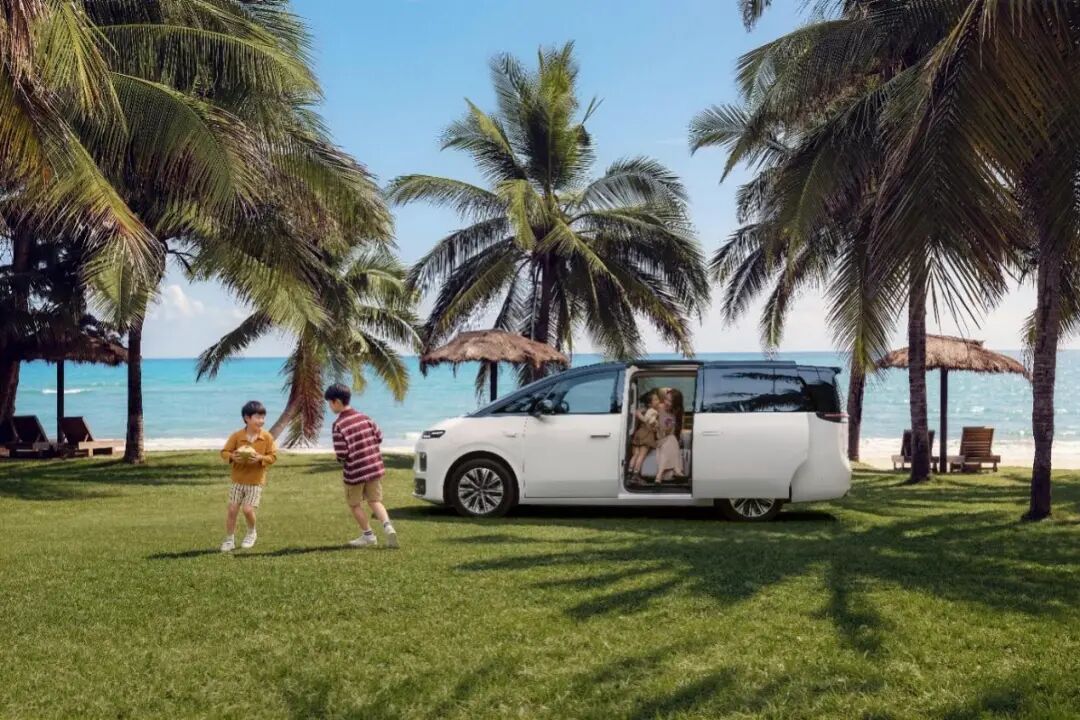
However, Leapmotor is not without leverage; the key lies in whether it can convert scale advantages into upward momentum. First, the D series is raising the brand's ceiling. From the D19 to the D99, Leapmotor has lifted its price range to RMB 250,000-300,000, using technology tags like 1000V high-voltage systems, VLA intelligent driving, and dual-chamber air suspension to build a 'tech-luxury' perception—whether this path succeeds remains uncertain, but it at least grants Leapmotor a seat at the 300,000-yuan table. Another overlooked aspect is that overseas markets are becoming a 'second engine' for profits. Leveraging the Stellantis joint venture model, Leapmotor has entered over 40 countries, exporting over 75,000 units in January-May 2026, topping the new energy vehicle export charts. High-margin overseas business provides financial buffers for brand ascension. More critically, the window for technological iteration is opening. Leapmotor has designated 2026 as the inaugural year of its intelligent driving strategy, planning to complete L3 upgrades within the year. If it can achieve a leap from 'following' to 'leading' in intelligence, the 'tech-luxury' narrative gains credible support. However, the window is limited; success depends on execution efficiency and resolve amid rivals' accelerated iterations.
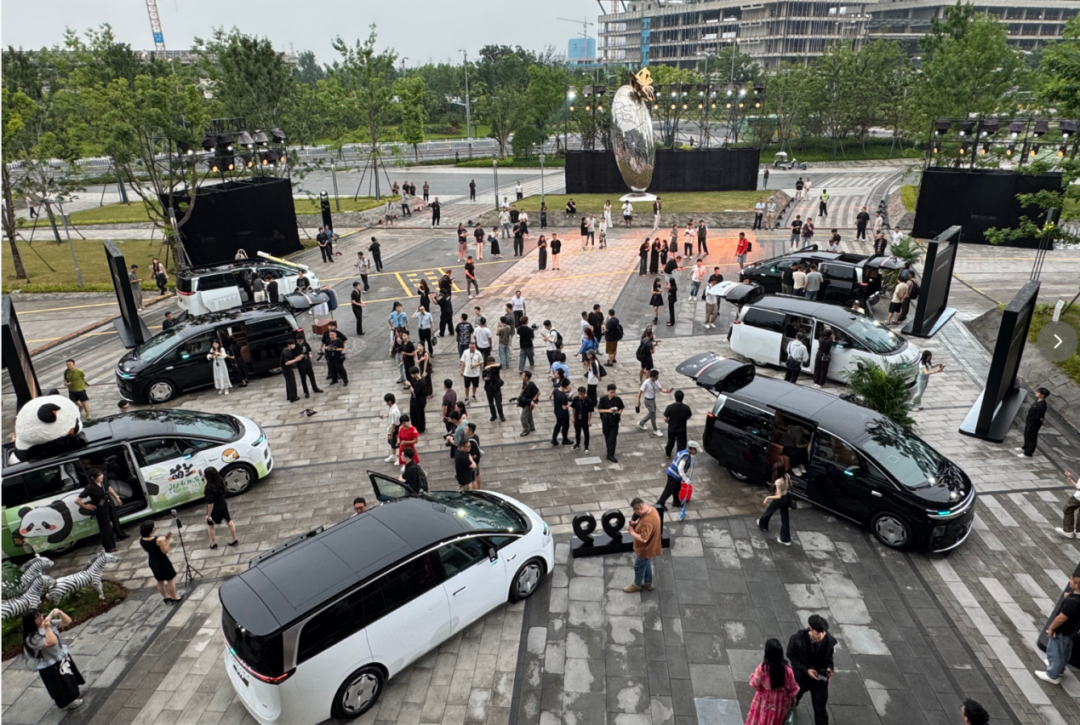
Commentary
Leapmotor is undergoing a challenging transition from a cost-effectiveness label to brand premium. The launch of the D99 marks its first frontal charge toward this watershed. With high configuration density and a full-domain self-research technological narrative, it has secured a ticket to the table. However, the rules of the high-end market differ sharply from the mass market—it tests not just product parameter competitiveness but also the protracted battle for brand recognition, the high-standard battle for service systems, and the accumulation battle for user trust. The D99 may not reshape the entire market's competitive landscape in the short term, but it proves one thing: Leapmotor is no longer satisfied with a 'good enough' narrative—it is redefining itself with a flagship MPV.
(This article is original to Heyan Yueche and may not be reproduced without authorization.)
-
![]()
Weighing the Pros and Cons of In-House Chip Development: Most Automakers Shouldn't Feel Compelled to Pursue It
-
![]()
Can the Leapmotor D99 Gracefully Ascend into the Premium MPV Market as the Brand Climbs Higher?
-
Midea Bets 1 Billion Yuan on Liquid Cooling, Targeting AI Computing Power Market with 2027 Production Launch
-
Amidst Declining Profit Margins, Can Anwen Technology Sustain Its Edge in Automotive Cockpits?
-
![]()
5,000 Companion Robots Sold: Can UBTECH Breathe a Sigh of Relief?
-
![]()
NIO Maintains Brand Premium: Onvo Sets Minimum Price at 150,000 Yuan, Avoids Direct Competition with Leapmotor and BYD | MJ Pro
-
![]()
“From a 5-minute escape window to a zero-fire baseline, I finally feel confident driving an electric vehicle”
-
![]()
Profits Skyrocket! From Leasing to Construction: A Storage Enterprise with Hundred-Billion-Yuan Revenue Plans 1.175 Billion Yuan Investment in New Headquarters