NIO Maintains Brand Premium: Onvo Sets Minimum Price at 150,000 Yuan, Avoids Direct Competition with Leapmotor and BYD | MJ Pro
 06/26 2026
 575
575
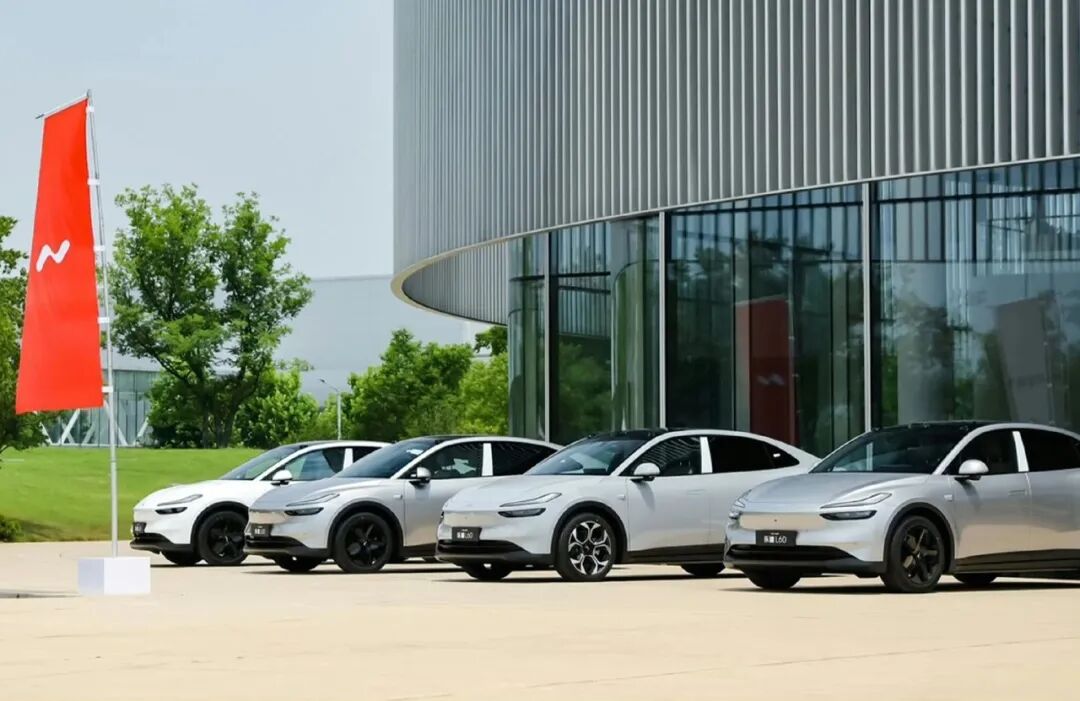
"Onvo will not follow the pricing strategies of Leapmotor and BYD. We are committed to delivering high-quality intelligent vehicles and will not compromise by making our products overly affordable. Our long-term pricing strategy sets the minimum price at 150,000 yuan," NIO's management revealed during the shareholders' meeting on June 25, while discussing Onvo's brand development strategy. They emphasized that this approach not only safeguards the brand's gross profit margins but also maximizes the reuse of NIO's technology platform, thereby enhancing R&D efficiency. Furthermore, NIO reiterated that it will not produce low-cost models under the NIO brand, strictly controlling brand bandwidth to maintain its premium market positioning.
With the successive successes of the L90 and L80 models, Onvo's momentum is building. The recently launched L60 has also garnered strong order numbers. In terms of product rollout, Onvo has completed all new product launches for this year and will now focus on sales and customer service.
According to NIO's management, Onvo plans to open approximately 100 new stores this year, primarily targeting lower-tier markets. They acknowledged that Onvo's brand awareness still needs improvement but emphasized that its market positioning aligns precisely with the pan-institutional consumer group, filling a gap in the mid-range joint venture market previously dominated by Toyota and Volkswagen. This positioning leaves significant room for growth on the supply side.
Regarding how NIO plans to maintain technological competitiveness after reducing headcount and the proportion of R&D personnel in 2025, the management clarified that the core R&D strategy revolves around "cost reduction and efficiency improvement." Firstly, NIO will maintain robust investment in foundational R&D to uphold its core technological edge. This investment forms the bedrock of the company's technological barriers and will not be compromised due to overall cost controls.
Simultaneously, NIO will enhance technology reuse across the entire group. For instance, the 900V rear-axle electric drive is now utilized across multiple product lines. Looking ahead, reuse will be further refined at a more granular level, such as promoting cross-model standardization of sub-platforms like seat frames. NIO stated that its platform-level R&D efficiency is already industry-leading, and as the platforms of NIO and Onvo become fully integrated, the cost advantages derived from technology reuse will further widen the competitive gap.

In the realm of application-level R&D, NIO began implementing ROI (Return on Investment)-oriented management in the second half of 2024 and will fully roll it out through the CBU (Core Business Unit) mechanism in 2025. All projects will be mandatorily ranked by ROI, with R&D progress reviewed biannually. According to NIO, over 1,300 application-level projects were initiated in 2025, many of which were small, scattered initiatives. For example, if a vehicle project for the European market fails to generate profits, it will be scrapped. "The main reductions in R&D will occur at the application level, where efficiency will be significantly enhanced. There is no need to worry about our foundational competitiveness and platform efficiency; we will achieve substantial efficiency gains at the application level," NIO's management said.
Regarding the battery and BaaS (Battery as a Service) business, NIO's management stated that the competitive advantages of BaaS have yet to be fully realized. This year, NIO's battery procurement scale will exceed 30 billion yuan and is expected to grow further next year. Despite overall R&D cost reductions, investment in battery R&D continues to increase. "Once our long-life batteries become available, battery cell standardization is achieved, and monthly rental fees decrease, the industry will reach a consensus," NIO's management said.
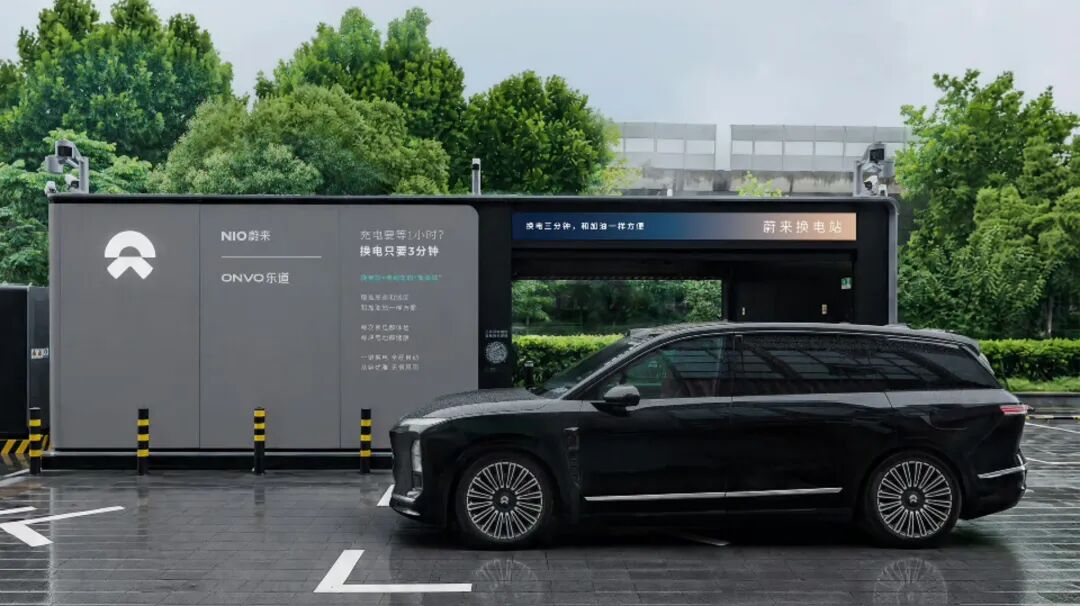
At the operational level of battery swapping, NIO's battery swap stations achieved a gross profit margin of 20% in the first quarter of this year. NIO's management expects the gross profit margin to remain relatively stable in subsequent quarters, validating the value of the user-centric business model for existing operations.
NIO's management stated that among its various businesses, the energy segment is currently the only one operating at a loss. This is because approximately 300,000 users are entitled to lifetime free battery swaps, incurring an annual per-user cost of about 3,000 yuan and resulting in an annual loss of around 1 billion yuan. This loss is borne by the User Relations and Sales department and is not an operational loss of the energy business segment; it is merely recorded under the energy business due to accounting rules. However, NIO's management noted that as sales volumes rise to 400,000-500,000 units this year, the proportion of users entitled to free battery swaps will continue to decline, and the scale of losses will continue to narrow without further expansion.
Regarding the overseas expansion strategy, NIO's management clarified that for the next four years (2025-2028), the company's primary focus will remain on the Chinese market. They believe that overseas markets are currently not a blue ocean, as Chinese brands face intense homogenized competition abroad, with insufficient recognition from overseas consumers for the premium pricing of Chinese brands and a lack of cost advantages for mid-to-high-end positioning in overseas markets.
In response to some competitors using the characteristics of plug-in hybrid models to circumvent certain punitive tariffs, NIO's management stated that this approach is not universally applicable, as purely electric vehicles still face tariff cost pressures when going overseas, and the comprehensive cost of Chinese supply chains going overseas is higher than domestically. However, NIO's management emphasized that NIO has not abandoned its overseas布局 (layout), with current overseas investments primarily used to maintain user services for sold vehicles and safeguard brand reputation. "We paid a significant amount in tuition during the previous cycle, but there is no need to worry that we will not go overseas. We still have a long-term strategy and plan," NIO's management said.
-
![]()
Weighing the Pros and Cons of In-House Chip Development: Most Automakers Shouldn't Feel Compelled to Pursue It
-
![]()
Can the Leapmotor D99 Gracefully Ascend into the Premium MPV Market as the Brand Climbs Higher?
-
Midea Bets 1 Billion Yuan on Liquid Cooling, Targeting AI Computing Power Market with 2027 Production Launch
-
Amidst Declining Profit Margins, Can Anwen Technology Sustain Its Edge in Automotive Cockpits?
-
![]()
5,000 Companion Robots Sold: Can UBTECH Breathe a Sigh of Relief?
-
![]()
NIO Maintains Brand Premium: Onvo Sets Minimum Price at 150,000 Yuan, Avoids Direct Competition with Leapmotor and BYD | MJ Pro
-
![]()
“From a 5-minute escape window to a zero-fire baseline, I finally feel confident driving an electric vehicle”
-
![]()
Profits Skyrocket! From Leasing to Construction: A Storage Enterprise with Hundred-Billion-Yuan Revenue Plans 1.175 Billion Yuan Investment in New Headquarters