In-depth Analysis | June Sales Interpretation of New Forces: The Knockout Stage is Heating Up
 07/02 2026
 525
525
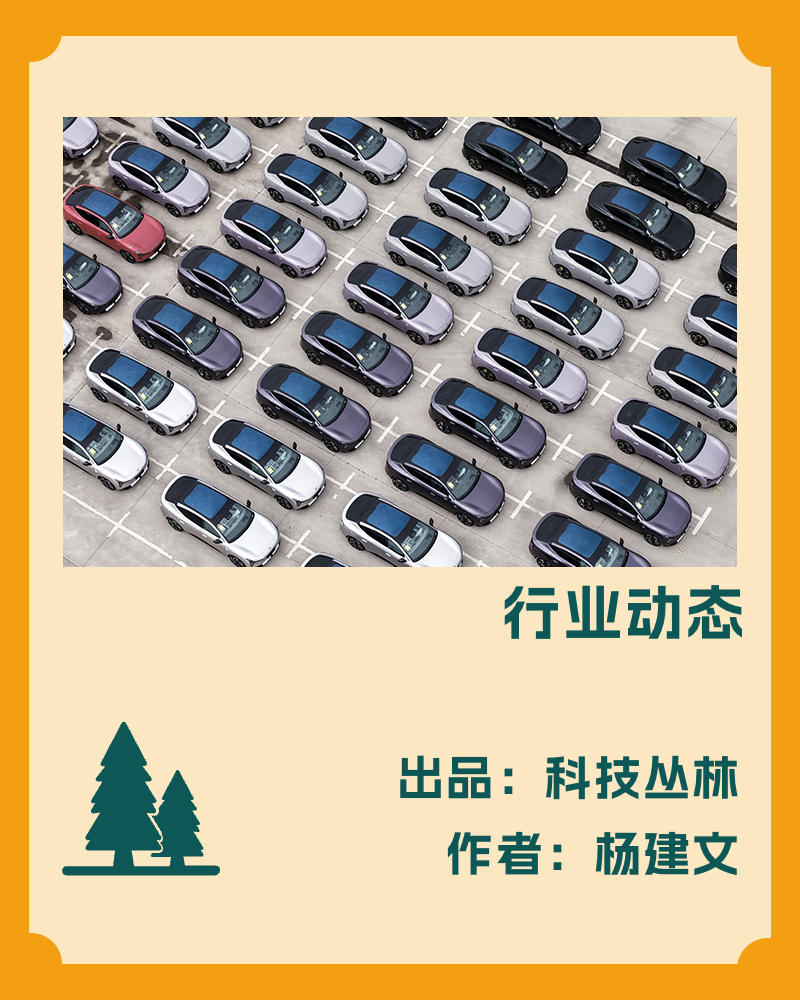
On the first day of each month, it’s customary to review the sales performance of various automakers.
Let’s start with the new forces.
NIO: 40,597 units
XPENG: 40,126 units
LI Auto: 30,895 units
Leapmotor: 93,376 units
Xiaomi: 30,000+ units
01 NIO
In June, NIO delivered 40,597 new vehicles, a new high for the year. From NIO's perspective, this is a solid performance.
However, from the viewpoint of
Currently, they only achieved just over 40,000 units, and this was with the strong contribution of the ES9. Compared to their target of "over 50,000 monthly sales in the first half of the year," there is a significant gap. This implies that some models are underperforming in the sales breakdown. 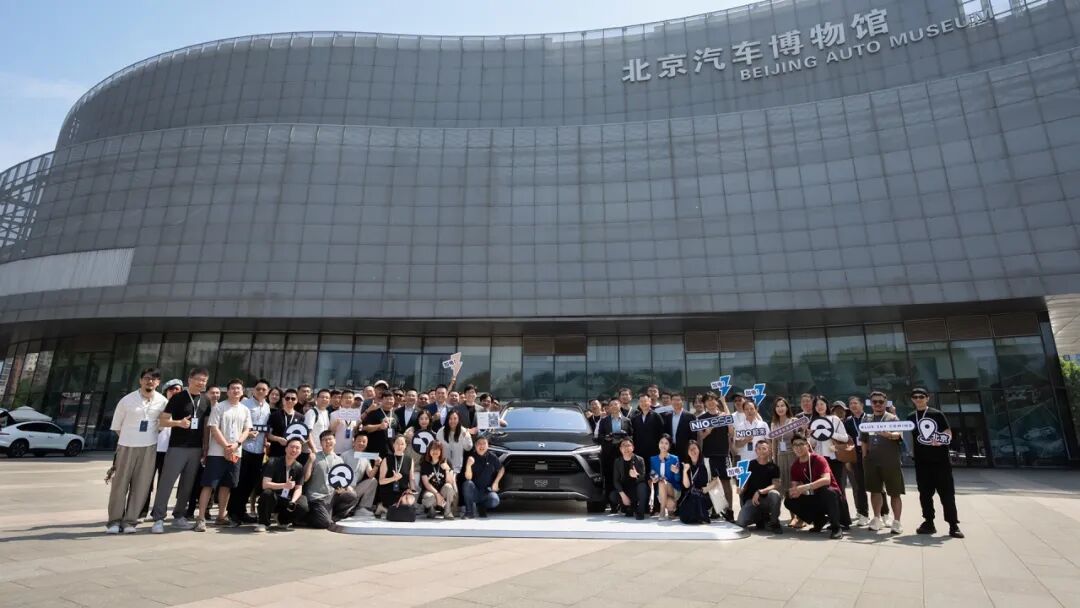
Let's take a closer look by brand. Here's the overview:
NIO brand delivered 21,908 new vehicles (20,013);
ONVO brand delivered 11,743 new vehicles (12,029);
Firefly brand delivered 6,946 new vehicles (5,663).
It's clear at a glance that the NIO brand is lagging. For NIO, the main sales contributors are still the ES8 and ES9. Let's look at the ES8 first. On June 22, the 120,000th new ES8 was delivered, with the 110,000th delivered on May 23.
At this pace, the new ES8 delivered approximately 7,500 to 7,900 units in the first 22 days of June, with total June deliveries likely approaching or exceeding 10,000 units. For the ES9, which was launched on May 27 and began deliveries on May 28, the 10,000th new ES9 was delivered on June 26.
It took 30 days to reach 10,000 deliveries, setting a new record for the fastest delivery milestone for a premium all-electric vehicle priced at 500,000 yuan in the Chinese passenger vehicle market. 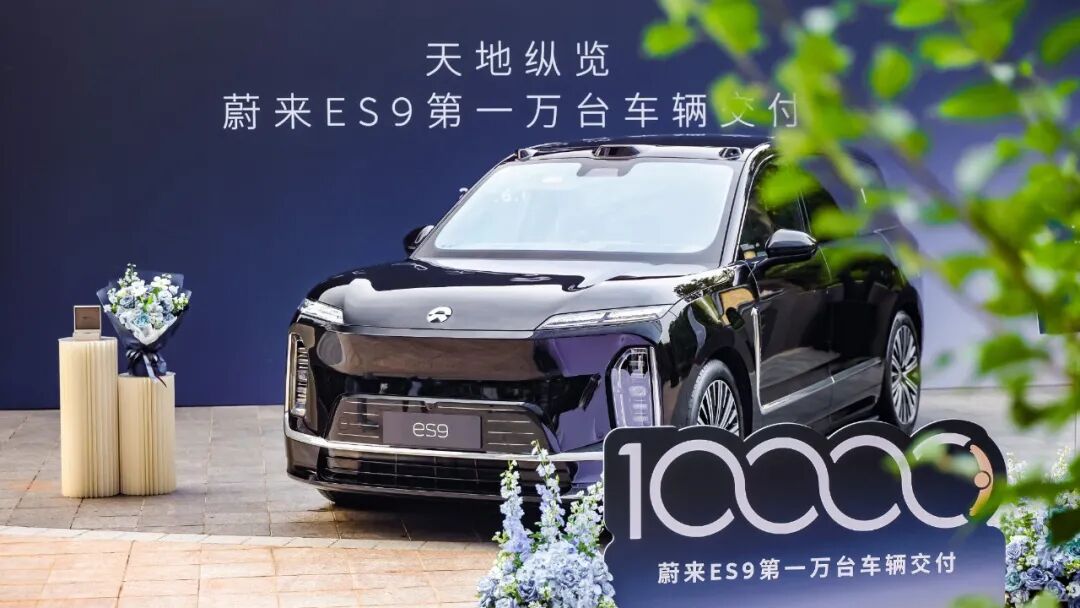
This reveals two signals:
1. The ES9 is trending to be as popular as the ES8.
2. The production ramp-up has been highly successful.
Thus, the new ES8 and ES9 together can contribute around 20,000 units in sales.
However, on the flip side, this means the refreshed 5566 models have peaked.
Last month, I said, "The stronger the ES8 is, the more the other models seem inadequate, with only under 9,000 units sold across seven models."
Now, that statement has evolved: The stronger the ES8 and ES9 are, the more inadequate the other models seem, with only under 2,000 units sold across seven models.
Of course, another possibility is that due to the high unit prices and premiums of the ES8 and ES9, production scheduling for the remaining models has been adjusted to prioritize these two vehicles—after all, no one wants to miss out on revenue. Nevertheless, this still indicates that the competitiveness of the remaining models is quite weak. 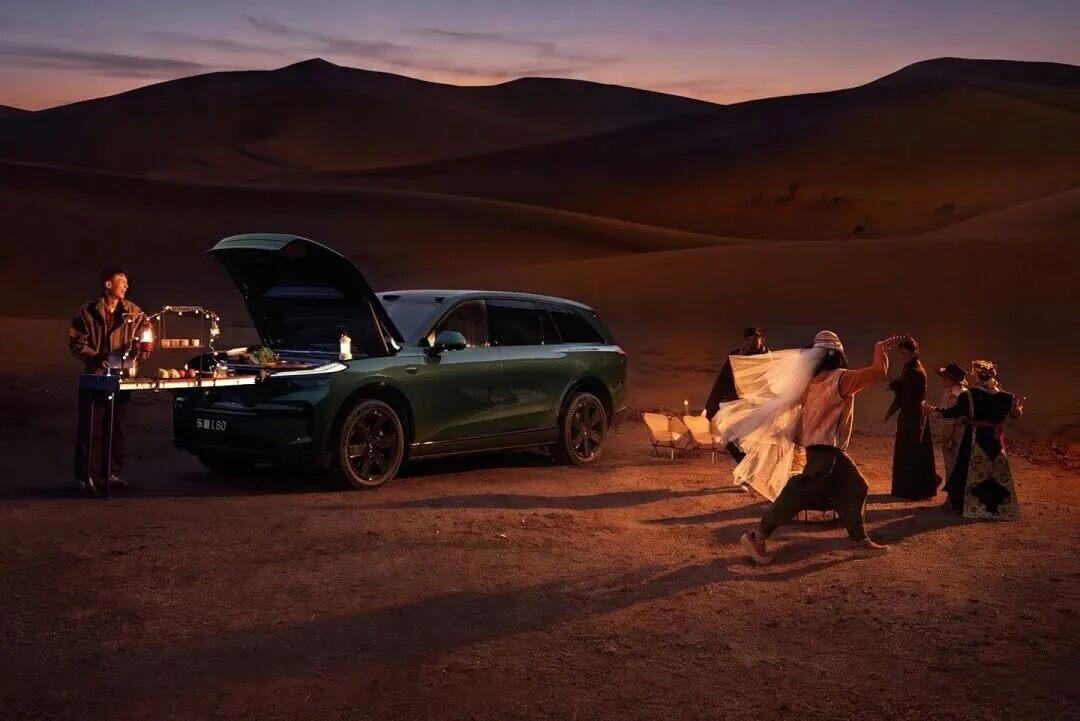
For ONVO, although monthly sales still exceed 10,000 units, there has been a slight decline.
June saw 11,743 units sold, compared to 12,029 in May. However, it's important to note that the new ONVO L60 was launched on June 11, featuring upgrades across six dimensions and 106 refreshed aspects, significantly enhancing its competitiveness.
Despite this, the sales decline suggests a trade-off—could it be that the L80 and L90 are lacking momentum? This will require continued observation over the next few months. 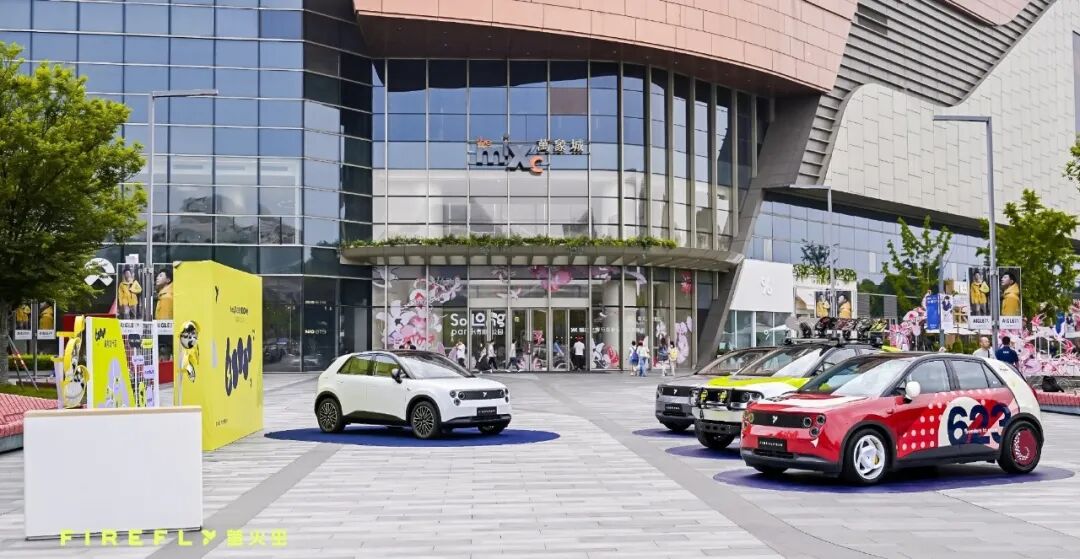
There’s no need to worry about Firefly; as always, it's performing excellently, with deliveries nearing 7,000 units.
This year, it’s estimated that the Firefly brand alone will contribute 50,000 to 60,000 units to NIO's sales, which is quite impressive.
Firefly also offers another strategy for other competitors: rather than solely competing on price, it's essential to focus on user engagement and community operations.
The NIO ES8 five-seater version has opened for pre-orders and will officially launch on July 9.
This model is expected to bring new growth to NIO.
NIO's total deliveries in the second quarter of 2026 were 107,658 units, slightly below the previous guidance of 110,000 to 115,000 units.
However, driven by the strong performance of high-value models like the ES8 and ES9, the second-quarter financial results are expected to be quite positive. As NIO puts it, steady progress day by day leads to long-term success.
Keep pushing forward, and let’s power up together!
02 XPENG
XPENG delivered 40,126 new vehicles in June, up from 32,158 in May, representing an increase of around 8,000 units. In June, the XPENG GX delivered 6,739 units and rolled off the production line for the 10,000th unit on July 1.
Thus, it’s clear where this increase comes from. Currently, GX production is ramping up smoothly.
With the addition of core component production lines, delivery schedules will gradually accelerate. As of today, orders with a delivery timeline exceeding 35 weeks are expected to see their wait times reduced by 1 to 3 weeks.
Currently, the delivery timeline for the all-electric XPENG GX is 30-34 weeks, while the extended-range version is 12-15 weeks. 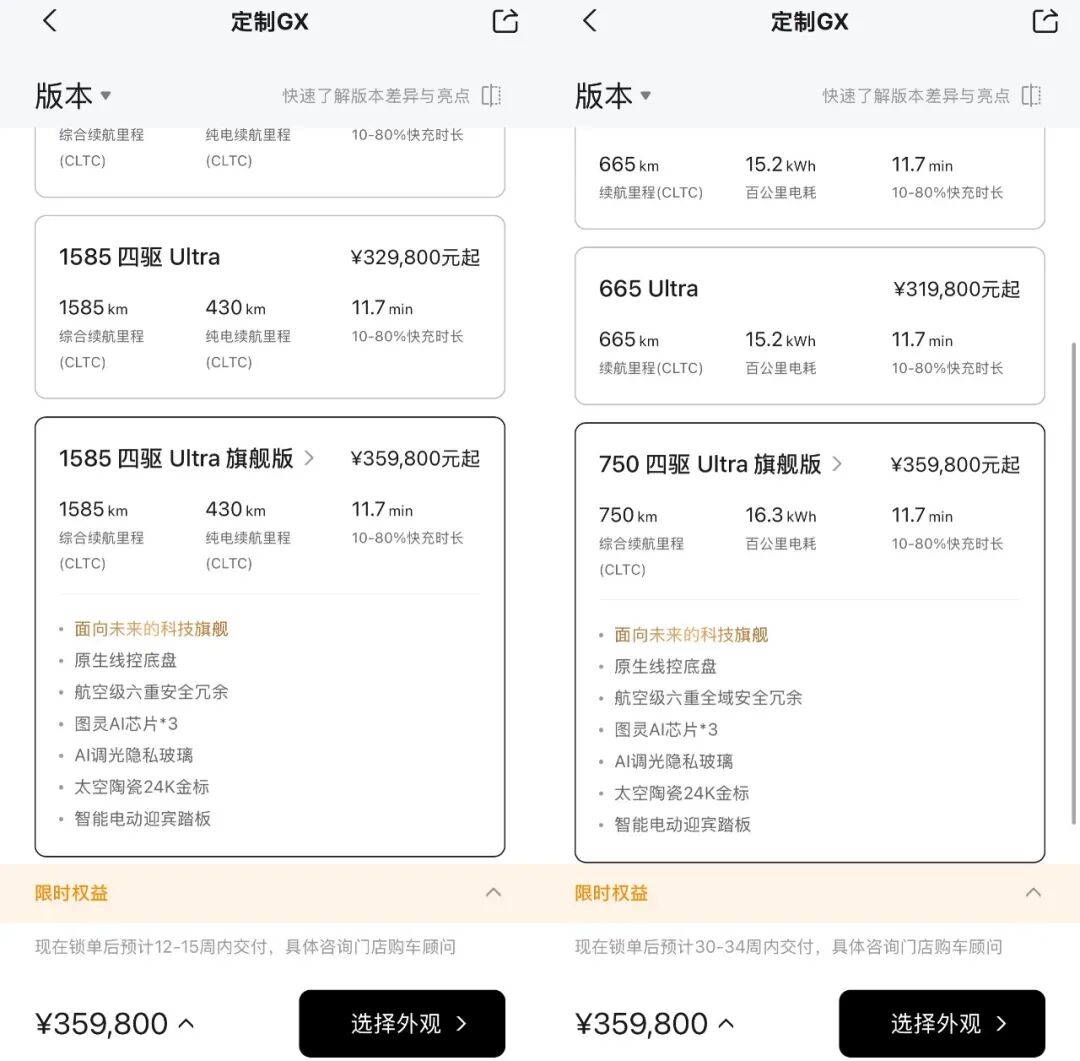
This means that for an extended period, the GX will consistently provide high margins and sales growth. Another piece of good news is that the first SUV in the MONA series, the XPENG MONA L03, will make its Chinese debut and open for pre-orders on July 2. 
I’m quite excited about this model for several reasons:
1. Visually, the L03 is highly appealing, with a cohesive and premium design that clearly surpasses the M03. Positioned as "the first intelligent and stylish SUV for young people," in today’s appearance-driven era, it’s already halfway to success.
2. The successful experience with the XPENG M03 will undoubtedly carry over to this model, so there’s no need to worry about product definition or feature richness—the only concerns are SKUs and pricing.
3. In the compact SUV market, there’s a lack of strong competitors in terms of smart cockpits and intelligent driving, which are highly valued by young users—XPENG's strength lies precisely here, representing a form of "dimensionality reduction" strike.
4. This model targets the vast compact SUV market; as long as the pricing and SKUs are right, young consumers will surely embrace it. 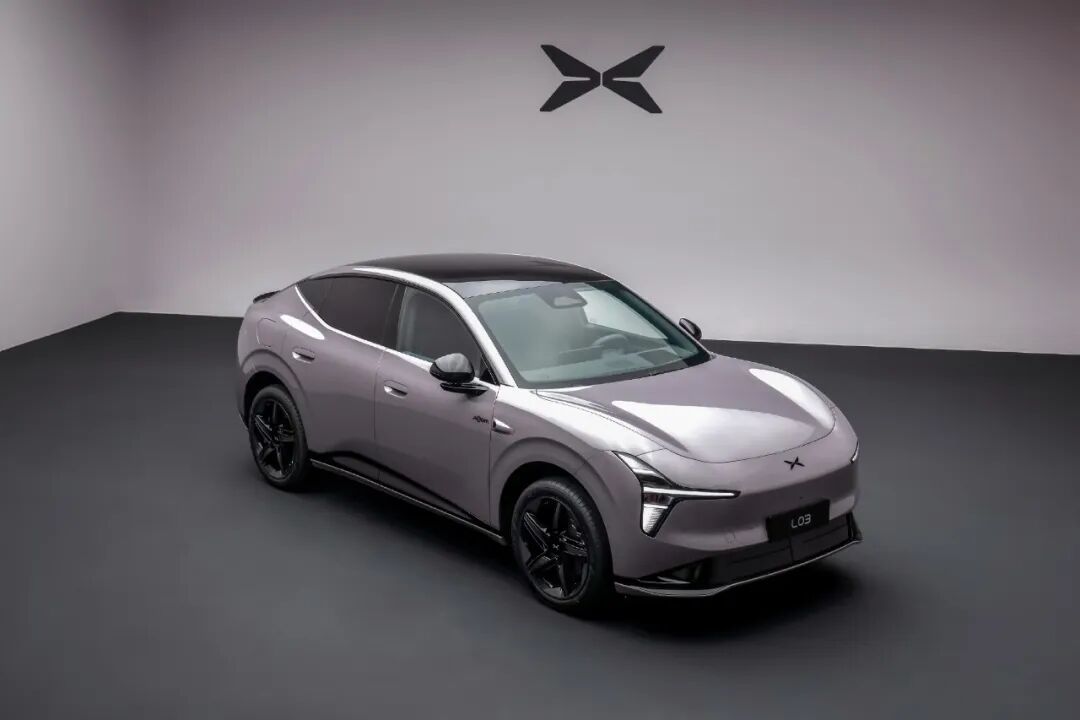
The same logic applies to the upcoming L05. If these two models are priced and configured appropriately, combined monthly sales of 20,000 units for the L03 and L05 should be achievable, propelling XPENG's monthly sales to new heights. I’ll be there tomorrow to witness the pre-order launch of the L03.
03 LI Auto
LI Auto delivered 30,895 vehicles in June, which was within expectations. There’s not much to say here, as the second quarter was focused on clearing inventory and transitioning to new models. The new L9 was launched on May 15 and began deliveries on May 17, while the new L8 was launched on June 23.
This sets the pace for LI Auto in the second quarter. Moving forward, the sales trajectory will largely depend on the extended-range series. 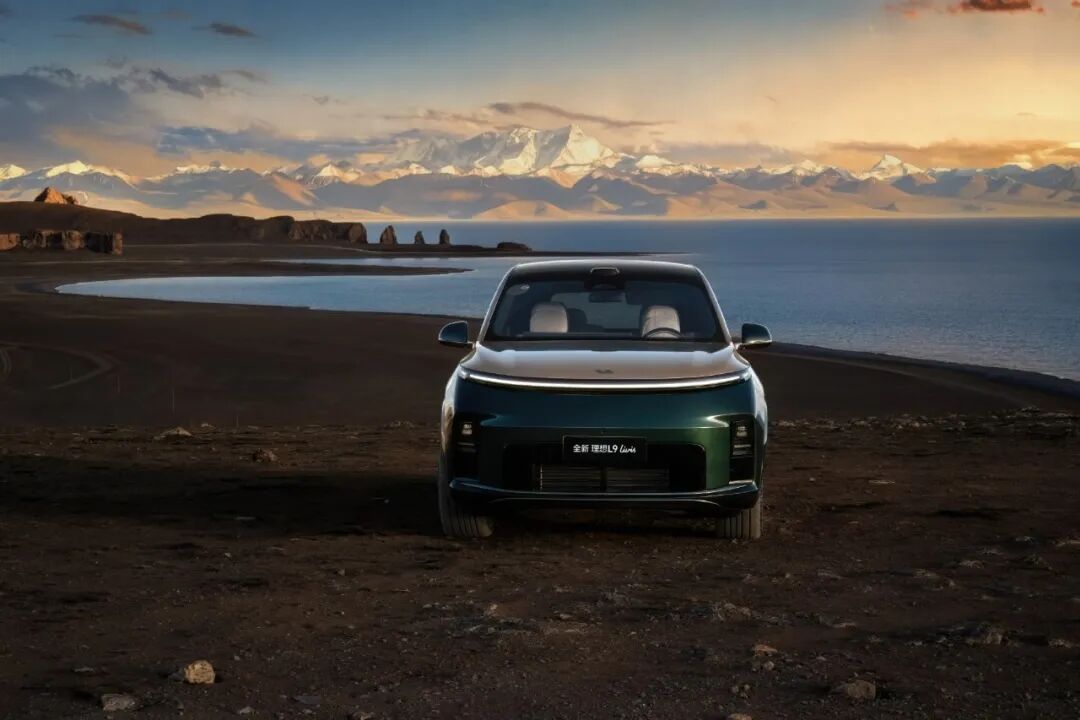
Let’s start with the L9. On the surface, the new L9 (priced at 459,800 to 509,800 yuan) represents a 50,000 to 70,000 yuan increase over the previous model (409,800 to 439,800 yuan), marking a significant leap upward.
However, don’t forget that LI Auto is offering limited-time purchase incentives (20,000 yuan cash discount), initially said to end in June but still available in July.
This brings the actual price of the 2026 Ultra model down to 439,800 yuan (matching the old Ultra model).
As for the Livis, it still offers a limited-time 10,000 yuan cash discount plus a 10,000 yuan accessory credit.
The Livis has proven its value in sales, securing over 10,000 firm orders within two weeks of launch.
Regarding the Ultra model, Li Xiang stated, "Starting in June, we will focus on promoting the LI L9 Ultra, aiming to capture 20% of the 400,000 to 500,000 yuan new energy SUV market." 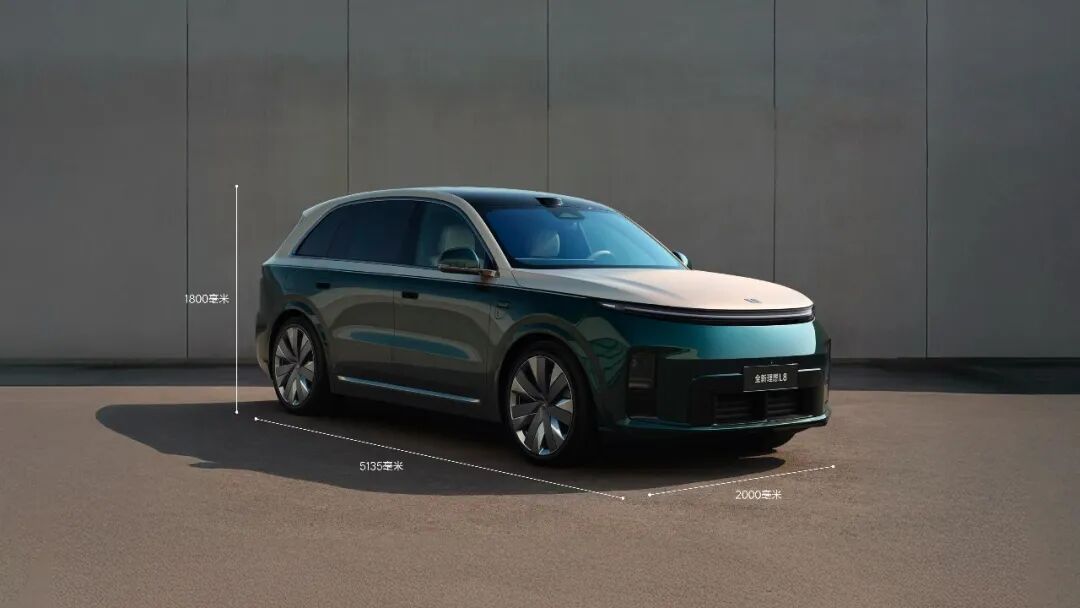
The situation with the L8 is less promising. The new L8 has undergone two key changes:
1. Its seating configuration has shifted from six to five seats.
2. On the surface, the price (369,800 to 429,800 yuan) has increased by around 50,000 yuan compared to the old model (321,800 to 379,800 yuan). Despite this, the new L8 offers a 10,000 yuan cash discount across all trims.
In reality, the L8 Ultra’s final price matches that of the old L7 Ultra, with the addition of a new L8 Livis trim priced at 419,800 yuan.
The all-new LI L8 Ultra comes fully equipped with flagship hardware:
- A 72.7kWh 5C ultra-fast-charging battery;
- Third-generation dual-chamber dual-valve air suspension, steer-by-wire, and rear-wheel steering;
- Dual zero-gravity seats;
- A 29-inch 6K panoramic screen and a 4720W flawless Star Ring theater sound system;
- A 1280TOPS high-computing-power Mach M100 chip and an ATL-P high-performance LiDAR.
This ensures the new LI L8 Ultra delivers top-tier performance in charging, handling, comfort, cabin experience, and assisted driving.
In short, this vehicle has no weaknesses, offering a superior driving experience at the same price point as before. However, compared to the L9, it faces greater challenges. Since its launch, LI Auto has not disclosed order or related information. 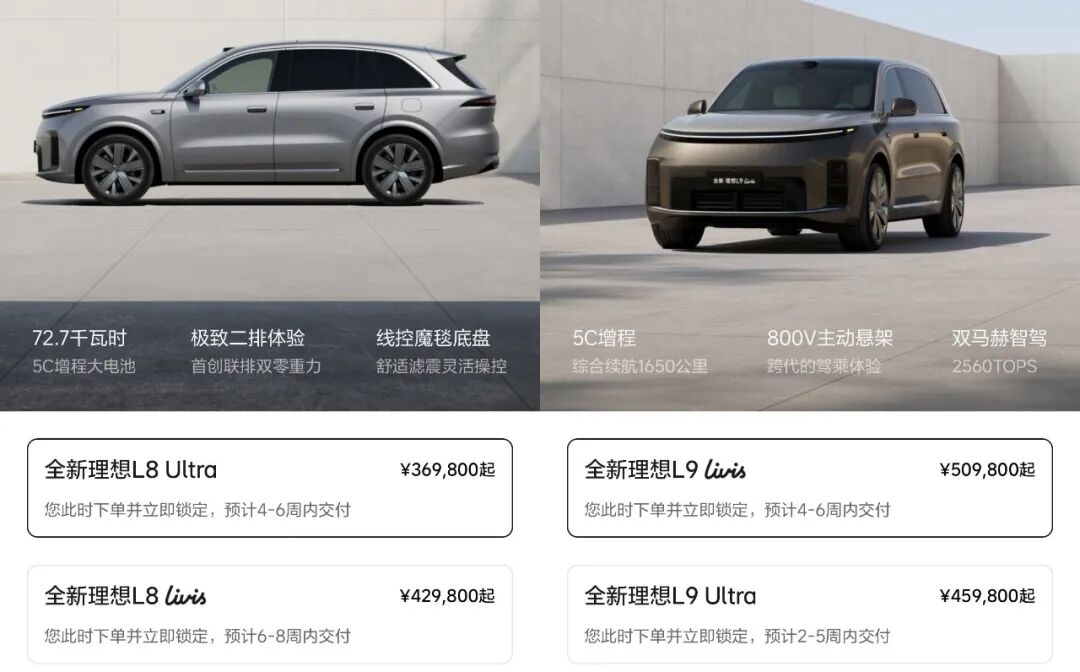
LI Auto's influence in the extended-range market has diminished.
There are several reasons for this:
1. The industry has become more competitive, with features previously reserved for million-yuan vehicles now trickling down to more affordable models, making traditional price and tier differentiation less effective.
2. For example, features like air suspension and full steer-by-wire, which LI Auto now promotes, are available on similarly sized competitors like the LS8 for around 310,000 yuan, making the L8 Ultra seem overpriced by comparison. Such hardware-driven value propositions no longer resonate as strongly with users.
3. LI Auto made a strategic misstep. Recall that when the LI L series was launched two years ago, models like the L9, L8, L7, and even the L6 easily achieved over 10,000 monthly sales. However, this success led LI Auto to believe its position in the extended-range market was unassailable. The lackluster refresh in 2025 (limited to chip and aesthetic updates) eroded LI Auto's extended-range advantage, transforming it from a market leader to a defender, losing its voice in setting industry standards.
Thus, despite LI Auto's strong product definition capabilities, in today’s homogenized and fiercely competitive landscape, its magic has faded.
It’s quite regrettable, really. Of course, there’s no need to envy NIO.
Why are NIO's new ES8 and ES9 selling well?
They’re essentially cashing in on brand equity—previously priced at 500,000 to 600,000 yuan, now at 400,000 yuan, creating a perception of great value. However, this strategy can only be used once, as it risks diluting the brand. Naturally, this isn’t the volume-driven approach LI Auto would want. 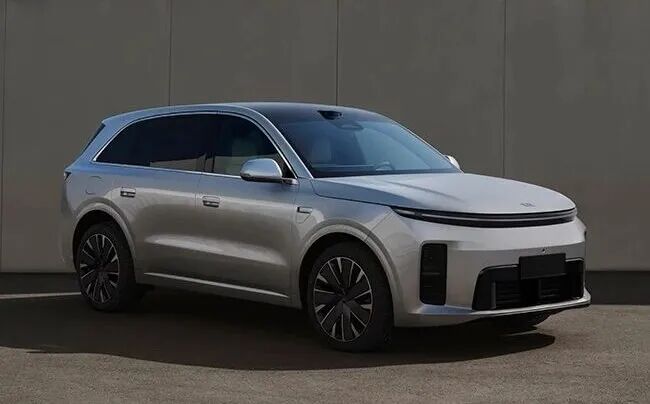
Currently, monthly sales of 30,000 units represent a floor for LI Auto—or rather, the lowest monthly sales figure that investors and the public currently find acceptable.
Going forward, the new L8 and L9 must prove their value and potential through sales, driving up LI Auto's sales volume, revenue, gross margin, and profits.",
Leapmotor is currently riding high on its momentum. The A10 and D19 models propelled this momentum in the first half of the year. In June this year, the C-series models C10, C11, and C16 were refreshed and launched. Meanwhile, the D99 was also launched ahead of schedule, with a starting price of 249,800 yuan, continuing Leapmotor's tradition of cost-effectiveness.
Their addition will contribute new growth. Leapmotor's current strategy is thrilling, akin to dancing on a tightrope over a cliff.
The average person can't pull this off. After completing the refresh and new product launches in June, Leapmotor will release the annual models of A05, B10, and B01 in July and August.
With this, the refresh and launch of the entire A, B, C, and D series will be complete. In the second half of the year, Leapmotor will enter a comprehensive sales sprint phase. 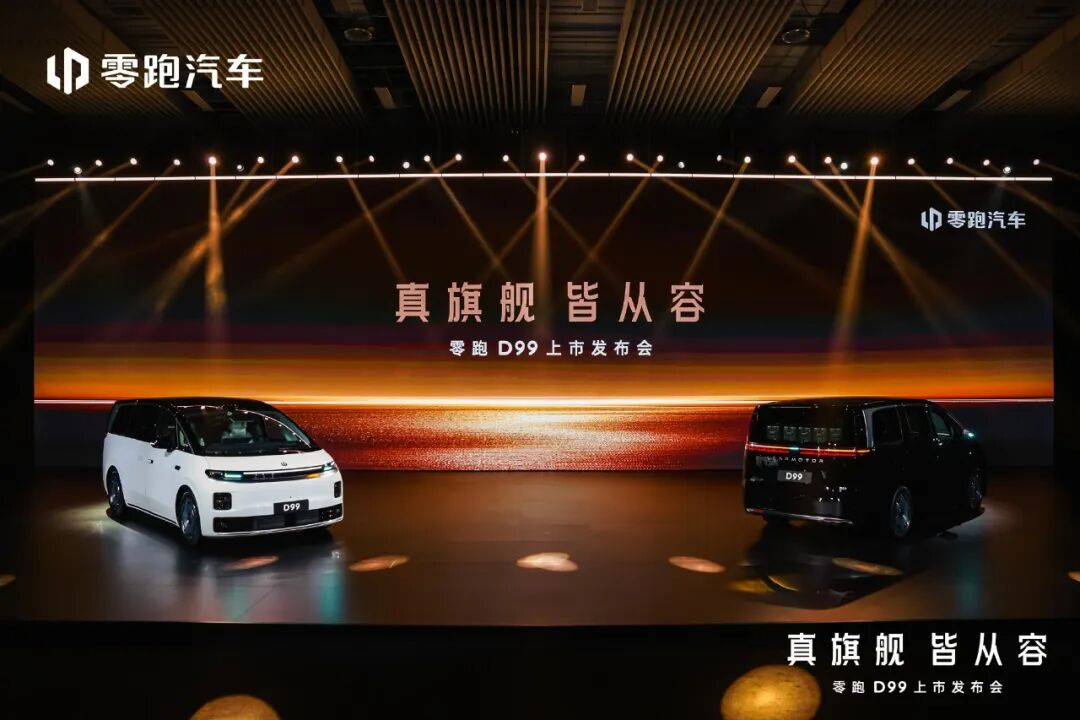
The expected delivery volume in the second half of the year is 640,000 units.
This means Leapmotor's average monthly sales need to exceed 100,000 units, with some months likely seeing 110,000 or 120,000 units as the norm.
As mentioned in a previous article in 'Tech Jungle': Starting from June, we will witness Leapmotor setting new delivery records time and again.
05. Xiaomi Auto
Xiaomi Auto's delivery volume exceeded 30,000 units in June, the same as last month.
To be honest, this volume isn't particularly high.
Currently, Xiaomi Auto is mainly delivering two models:
SU7: Standard, Pro, Max
YU7: Long Range, Pro, Max, Standard (new), GT (new)
Currently, the production capacity for the SU7 has been maximized.
Last month, the delivery time after locking an order was still 8-13 weeks.
But now, the delivery time for different SU7 variants is only 4-7 weeks.
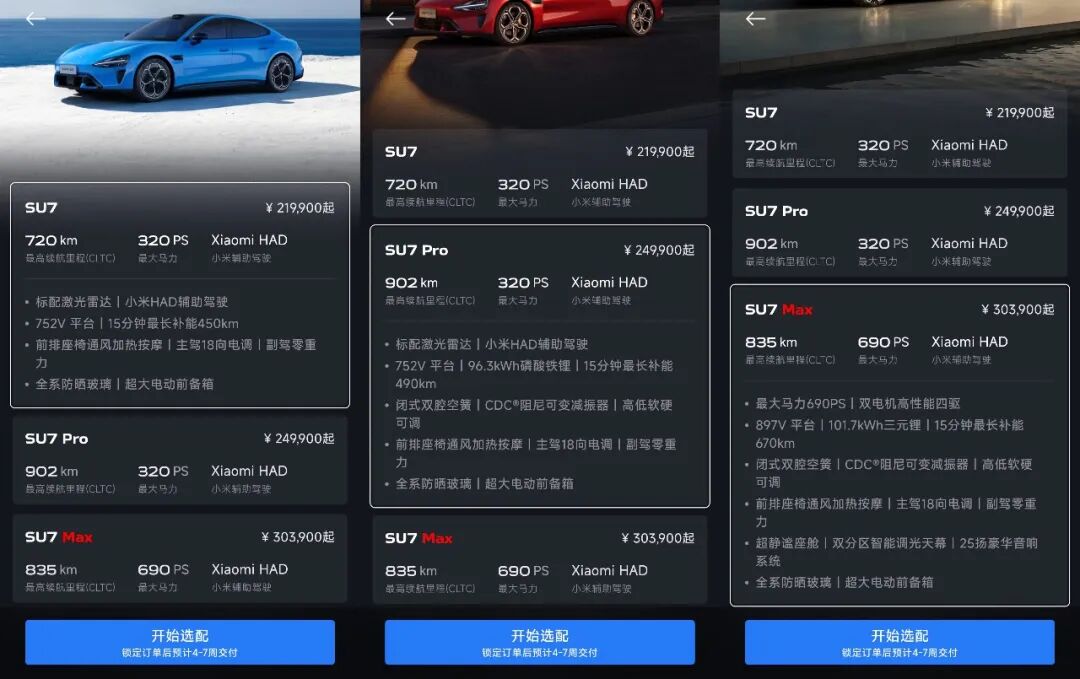
Currently, the new SU7 can guarantee a steady delivery of over 20,000 units. Meanwhile, the monthly sales of the YU7 are decreasing month by month. 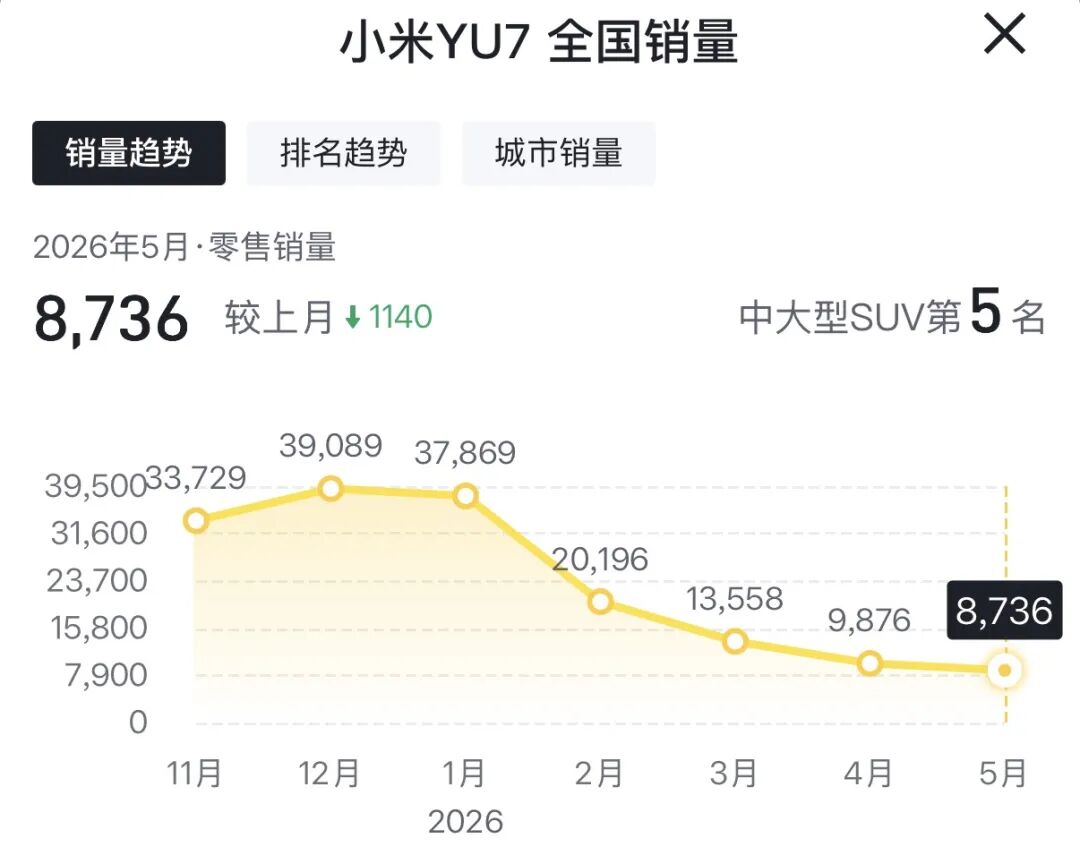
On May 22nd, the YU7 Standard and GT models were added to the lineup.
So, there will be new growth in June. Currently, the delivery time after locking an order for the YU7 is 6-9 weeks, so there are still existing orders.
In the first half of this year, Xiaomi Auto's cumulative delivery volume exceeded 180,000 units. However, Xiaomi Auto has set a delivery target of 550,000 units for this year. The pressure in the second half of the year remains significant. 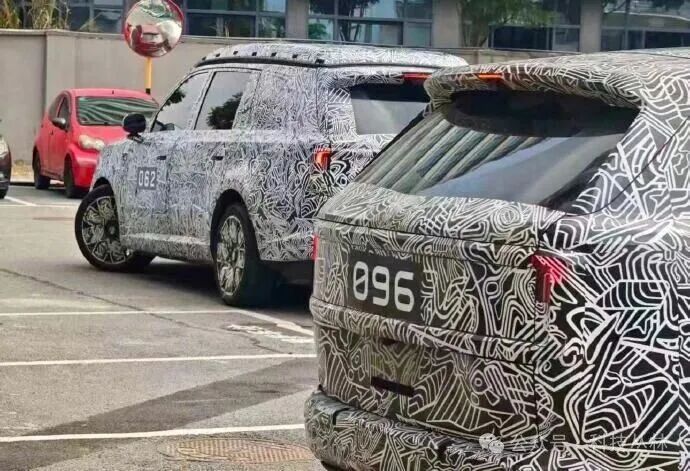
For Xiaomi Auto's 550,000 sales target, the true game-changer will undoubtedly be the upcoming 'Xiaomi Xuntian'.
Whether it can precisely address the pain points of the family extended-range market and reshape the landscape with 'Xiaomi-style' pricing and experience will directly determine whether Xiaomi Auto's annual target of 550,000 units is ambitious or just a fantasy.
The real sprint has just begun.
Xiaomi Auto's 2026 will succeed or break through based on the 'Xuntian'.
The end.
-
![]()
Behind the Release of Its First Self-Developed Chip, Is OpenAI's Full-Stack Ambition on Display?
-
![]()
Has Anthropic Targeted Chinese Users? Is a New Era of AI-Driven Racial Discrimination Emerging?
-
![]()
MathWorks: Generative AI Holds Great Potential, Yet a Trusted Toolchain is Essential for Flawless Operation
-
![]()
Small Earphones, Big Business
-
![]()
Volkswagen Slashes 100,000 Jobs, Mercedes-Benz Axes Year-End Bonuses: What’s Ailing German Auto Titans?
-
![]()
Doubao Can No Longer Offer Free Services to 345 Million Users: China's Era of Free AI Is Drawing to a Close
-
![]()
How Can Chinese Small Home Appliances Conquer Southeast Asia Through 'Dimensional Competition'?
-
![]()
Why are top intelligent driving players betting on reinforcement learning?