Xiaomi Pengcheng: Crafting the Future of Mobility
 07/13 2026
 354
354
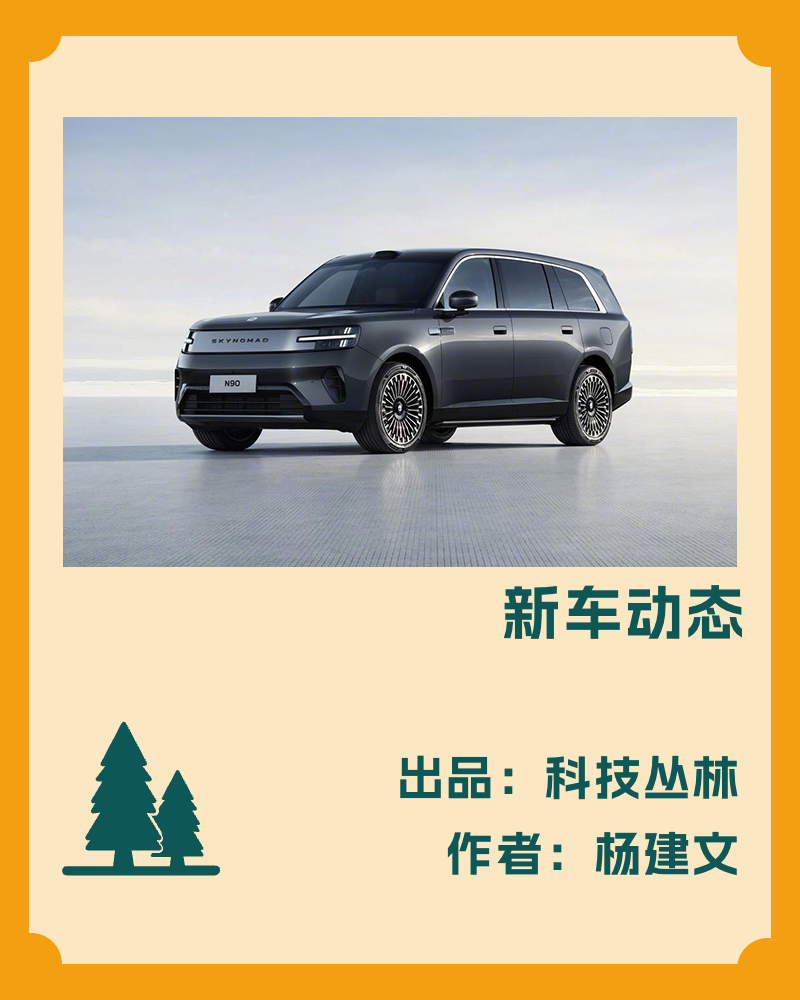
Today, let's delve into the world of Xiaomi Pengcheng.
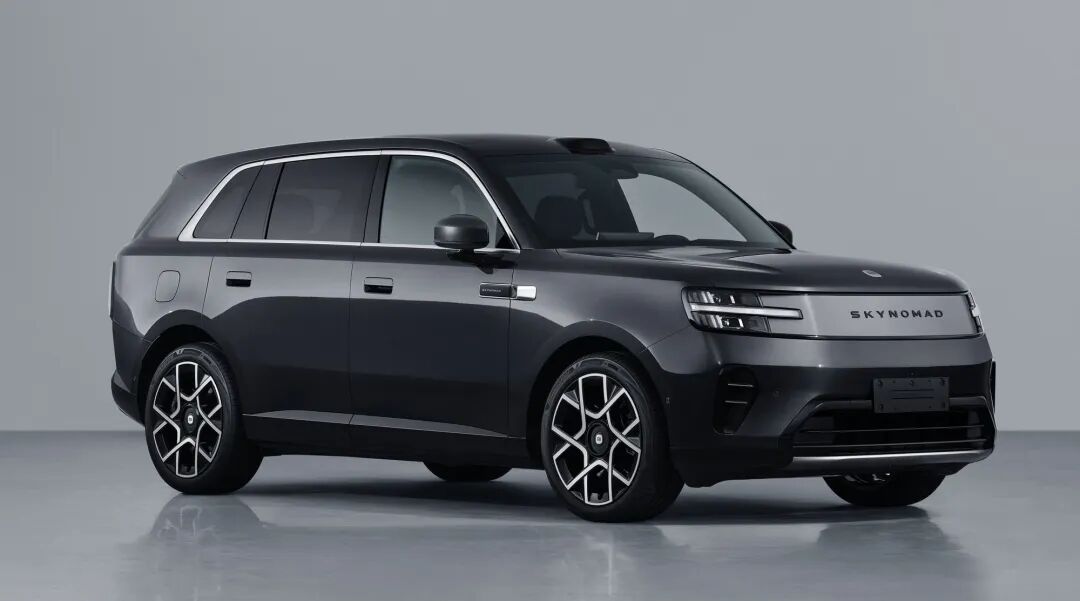
On July 8th, Xiaomi Auto officially unveiled its latest product lineup, SkyNomad, known in Chinese as Xiaomi Pengcheng.
Starting from July 9th, Lei Jun penned a comprehensive article outlining the product's positioning, followed by subsequent revelations from MIIT filing information.
A plethora of details about this new vehicle continue to emerge.
From this point forward, we officially embark on the promotional journey for Xiaomi Pengcheng.
As the inaugural model in Xiaomi Auto's new product range, the Pengcheng N90's product planning, positioning, and subsequent market prospects warrant a thorough examination.
Throughout this vehicle's promotional campaign, competitors can also glean insights into the marketing strategies employed by internet-based car manufacturers.
Now, let's dive in.
01 The Second Series Unveiled
Firstly, it's crucial to clarify a fundamental premise: Xiaomi Pengcheng is not a newly established, independent automotive brand by Xiaomi. Instead, it falls under the Xiaomi Auto umbrella, alongside the two primary model series, SU7 and YU7.
The vehicle will still proudly display the Xiaomi brand logo, and no separate sales channels or brand operation systems will be established.
In fact, Tech Jungle had previously made a clear judgment in earlier articles that Xiaomi would not create a distinct sub-brand for this product line.
Now, the "other shoe has dropped," confirming this speculation.
The core reasons for this decision are threefold: Firstly, it allows for the consolidation of market recognition and brand momentum accumulated by the main Xiaomi brand, eliminating the need to build a new brand that would divert traffic and user attention.
Secondly, it enables full utilization of Xiaomi's existing vehicle production facilities, upstream and downstream supply chain systems, and supporting after-sales networks, significantly reducing the marginal costs associated with research, development, and launch for the new product series.
Thirdly, it avoids product positioning confusion that could arise from a multi-brand layout, consistently presenting a singular entity—Xiaomi Auto—to the consumer market.
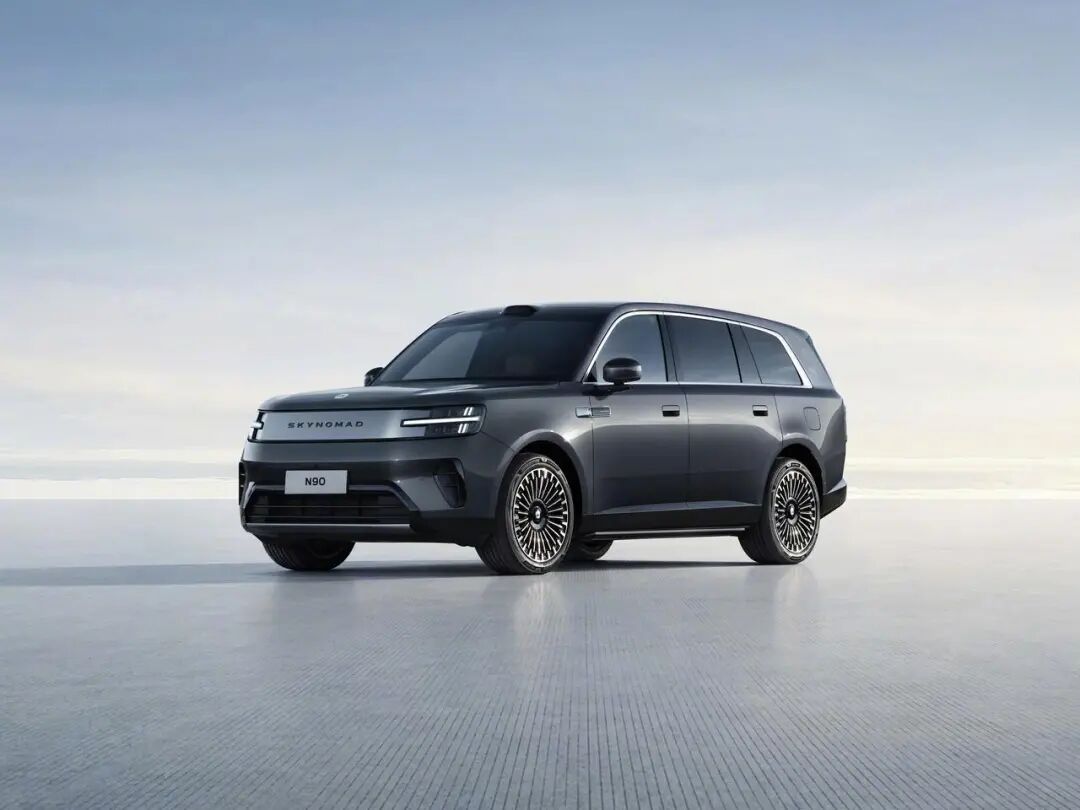
The two product lines cater to distinct user groups.
The SU7 and YU7 series prioritize performance, focusing on personalized driving and vehicle handling, with a design style that resonates with the aesthetic preferences of young consumer groups. Their core audience consists of individual consumers who value driving pleasure and seek performance experiences.
In contrast, the Pengcheng series leans more towards practicality. Its core focus lies in practicality, with the most prominent feature being a flexibly transformable, extra-large interior space.
02 What Kind of Car Does Xiaomi Aim to Build?
The main theme of Pengcheng revolves around adaptable large space and pragmatism, clearly targeting middle-aged individuals, families, and the "freelancers/light business/light family" user triangle.
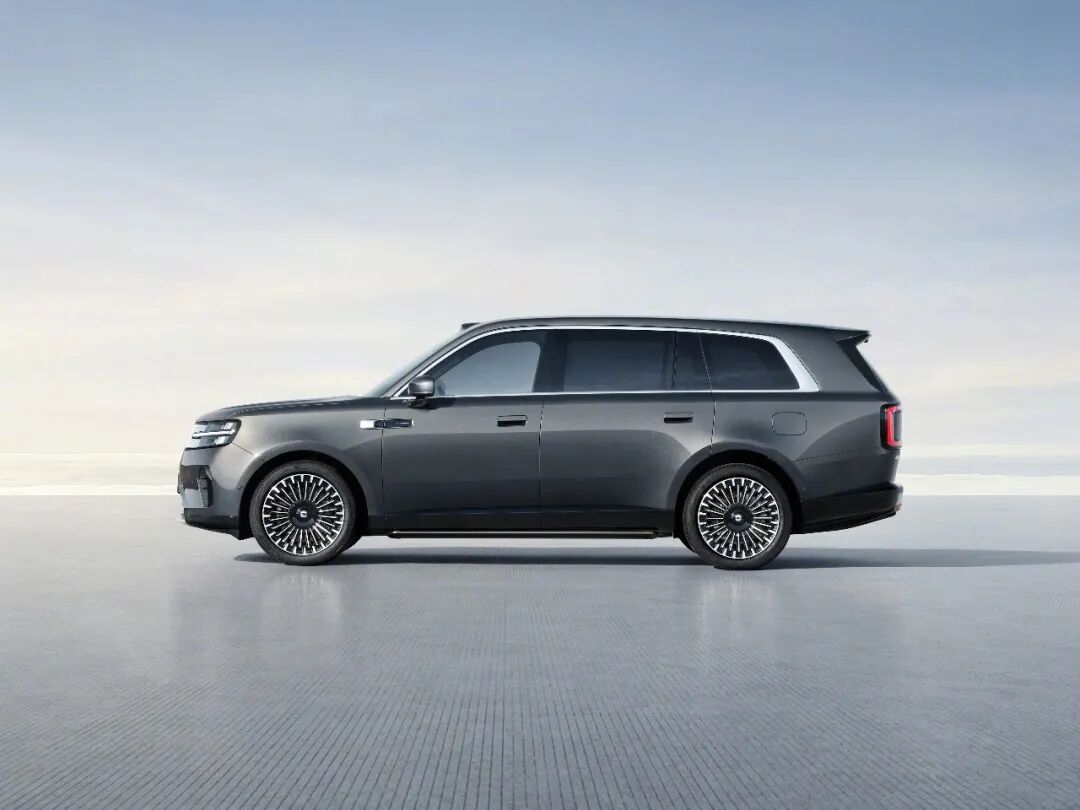
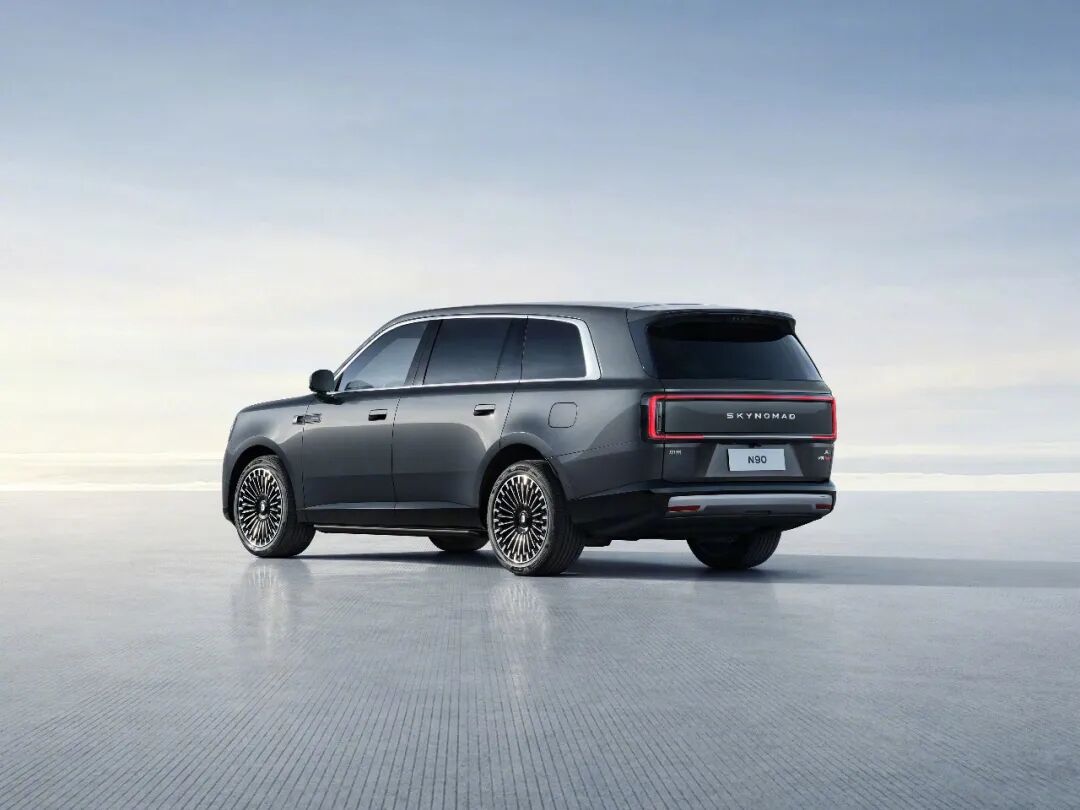
In terms of appearance, compared to the youthful individuality of the SU7 and YU7, the Pengcheng's style is indeed more subdued.
However, this car still boasts impressive aesthetics.
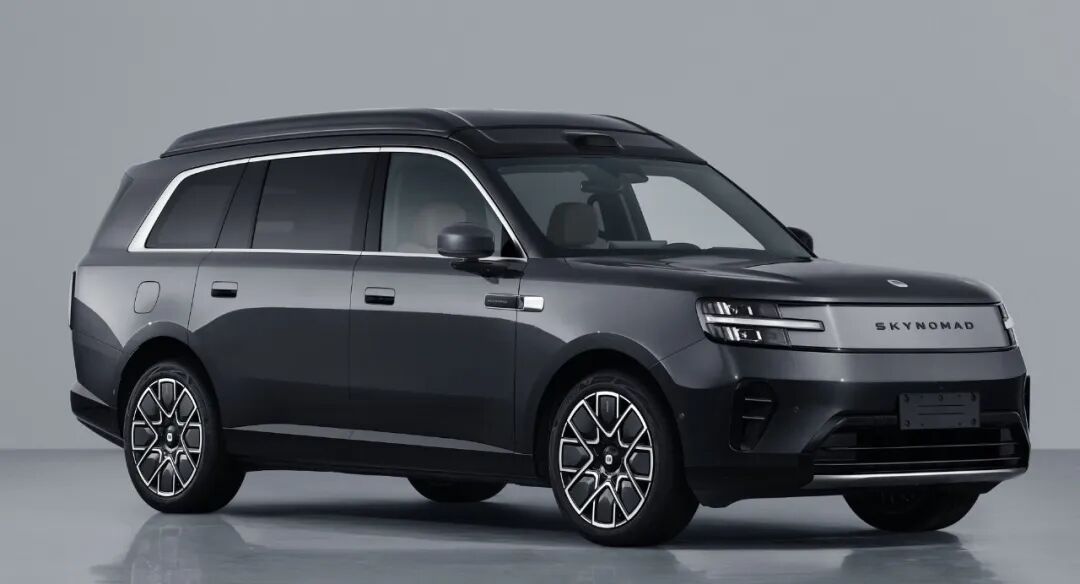
The Xiaomi Pengcheng N90 measures 5285×1998×1825mm (standard version)/1925mm (camping version with roof raised), with a wheelbase of 3080mm, positioning it as a full-size SUV.
This size specification clearly targets flagship models like the Li Auto L series and Seres M9.
Space is the core narrative of this car.
Through intelligent adaptable space design, it addresses current users' pain points regarding the need for a single vehicle to serve multiple purposes.
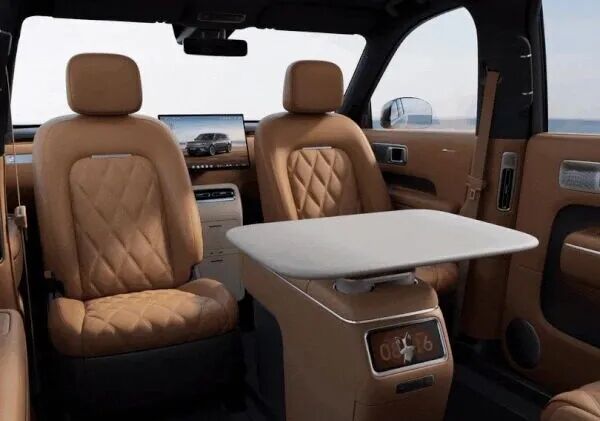
Relying on its self-developed Kunlun architecture, the car features a flat floor + a continuous long sliding rail inside, with front seats supporting 180-degree rotation in P-gear mode, second-row zero-gravity seats, and a central console island that can move forward and backward.
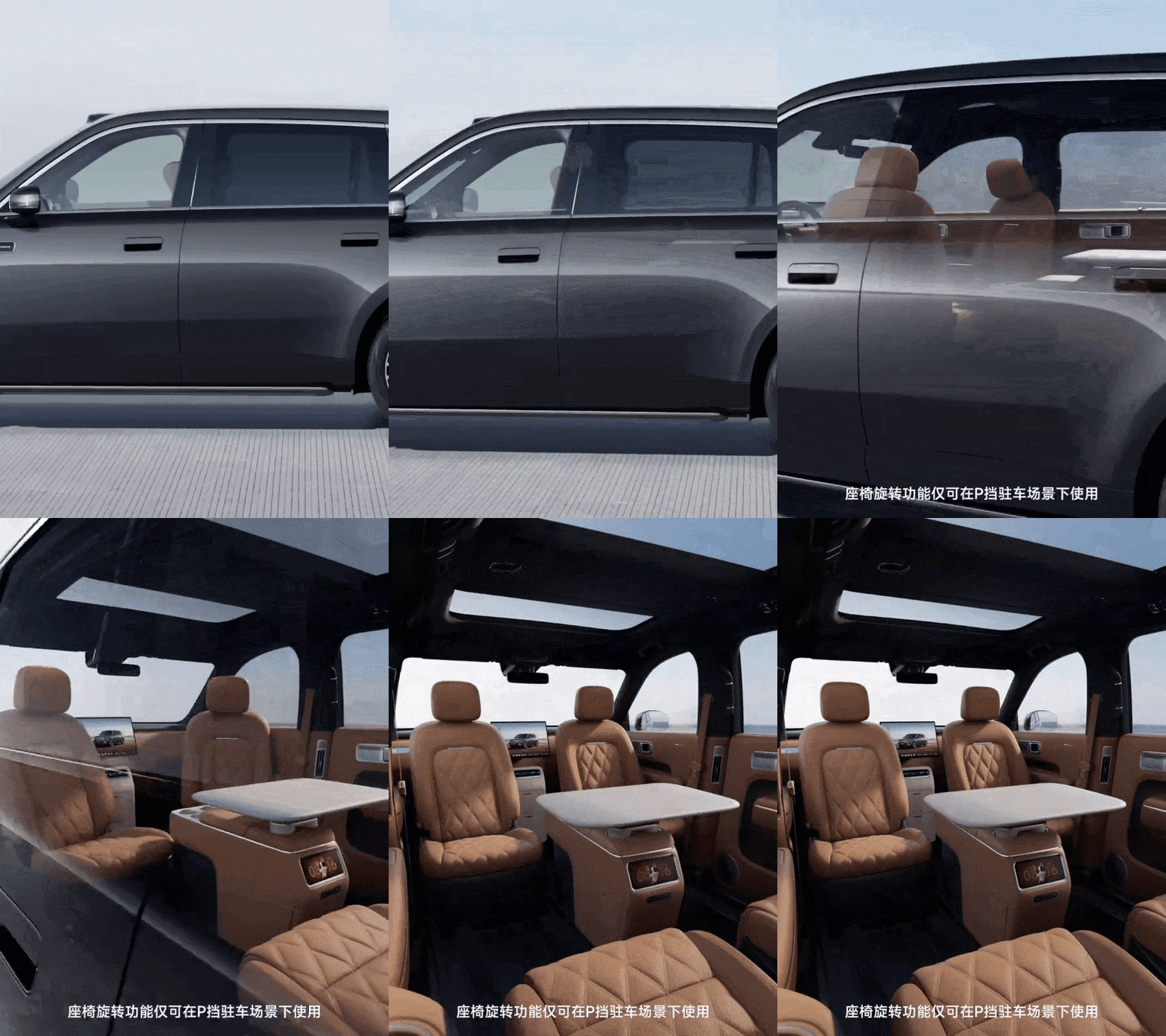
The MIIT filing images reveal hard indicators such as sliding rails, rotatable mechanisms, and the ability to still accommodate multiple suitcases in the second and third rows when in use.
The official scenario-based breakdown is: one-person mode = studio, two-person mode = café, three-person mode = meeting room, and family mode = playground.
The powertrain is a standard extended-range solution, but the parameters are nothing to scoff at. The 1.5T range extender comes from Dongan Power's M15DRE, with a maximum power of 112kW. The N90 is equipped with a dual-motor all-wheel-drive system (210kW front/100kW rear).
It comes with a 76kWh battery pack, sourced from two suppliers: Sunwoda and CALB.
Under WLTC conditions, the Xiaomi Pengcheng series offers a maximum pure electric range of 380km and a minimum fuel consumption of 5.7L/100km when the battery is depleted.
Under CLTC conditions, the pure electric range of the Xiaomi Pengcheng series exceeds 500km.
03 The Stories It Can Tell and Its Unavoidable Concerns
Compared to the Xiaomi SU7/YU7, the "storytelling" material for Pengcheng is actually richer:
1. The two main brand models have already established the baseline for car manufacturing. The SU7 and YU7 have accumulated tens of thousands of units in total sales to date. On the factory side, the second phase of the Beijing Super Factory is operational, and the third phase is in planning. The capacity and supply chain pitfalls that the SU7/YU7 encountered early on have already been navigated, so Pengcheng won't have to start from scratch.
2. The product definition experience from the SU7/YU7 can be directly reused. Pengcheng starts off standing on the shoulders of two hit models, with no need to build the cabin, human-vehicle-home ecosystem, or channels from scratch.
3. With over three years from project inception to now, the narrative of taking time to perfect things adds points. In the current industry, where launching a new car every few months is common, everyone has seen how long Pengcheng has been in road testing and how many times the camouflaged prototype has been spotted since project inception to launch.
As of June 30, 2026, Xiaomi Auto has invested a cumulative total of 2,684 test vehicles across its entire product line, with road test mileage exceeding 35.51 million kilometers, covering over 300 cities nationwide. Among them, Xiaomi Pengcheng has invested 566 test vehicles and accumulated over 4.28 million kilometers in road tests.
This rhythm of "taking three years to finally unveil it" at least indicates that it wasn't rushed to market, which can actually garner more user trust in the current climate.
4. There's no doubt about Lei Jun's marketing prowess. It has already been validated through the SU7 and YU7. This rhythm is also a familiar strategy.
However, concerns must also be addressed openly, and several are genuine:
Firstly, the concept of a versatile space is clever in product definition but lacks high barriers. Sliding rails + rotatable seats + zero-gravity seats are areas where suppliers like Magna are experts. Domestic brands like Zeekr, XPeng X9, and Li Auto have also explored similar variations.
This time, Xiaomi has broken down the scenarios for "one/two/three/family" users more finely and packaged them with roof upgrades/side cabinets as original factory options. However, at the hardware level, supplier solutions can catch up within half a year to a year. In the long run, the exclusivity of the "space" story will be diluted—just like Li Auto's refrigerator, TV, and large sofa, which were short-term selling points but eventually became commonplace across brands, with competition shifting to other areas.
Secondly, the intensity of industry competition is on a completely different scale than when the SU7 was released (March 2024). At that time, competition was already fierce. Xiaomi managed to establish itself then relying on Lei Jun's exceptional marketing and strong product strength.
Now, the entire new energy vehicle industry is highly mature. Regardless of price range, vehicle class, or powertrain type, there are numerous highly competitive players, and the challenge level is different.
Now, Pengcheng wants to enter the extended-range market, but it must first contend with players like Li Auto, Seres, IM Motors, XPeng, and others.
Overall, the product supply in this niche market is highly saturated, with consumers having an extremely wide range of model choices.
For the Pengcheng N90 to break through, it needs to offer sufficiently strong competitiveness and sincerity in terms of product pricing and configuration.
04 The Sales KPI It Carries Is Heavier Than Imagined
Xiaomi Auto has set a full-year vehicle delivery target of 550,000 units for 2026, with only just over 30% of the target completed in the first half of the year, totaling 185,055 deliveries.
In the second half of the year, it needs to complete over 365,000 deliveries, translating to an average of over 60,000 deliveries per month.
Therefore, the pressure is further passed on to the Xiaomi Pengcheng series.
According to the current official timeline, the Pengcheng N90 plans to hold a dedicated technical launch event at the end of July, with official market launch and deliveries beginning in mid-to-late August.
From the start of sales to the end of 2026, this model has only four months to contribute to sales growth.
This means the Pengcheng N90 must quickly become a hit model after its launch.
Additionally, the N70 has also been simultaneously listed on the MIIT roster.
With both a five-seat version (N70) and a seven-seat version (N90) in the extended-range lineup launching together, there is indeed a chance to compete.
The performance pressure carried by the Xiaomi Pengcheng series is undeniable, and whether it can achieve expectations remains filled with uncertainty.
Just as previously stated:
For Xiaomi Auto's 550,000 sales target, the true decisive factor is undoubtedly the upcoming "Xiaomi Pengcheng."
Whether it can precisely address the pain points of the family extended-range market and reshape the landscape with "Xiaomi-style" pricing and experience will directly determine whether Xiaomi Auto's annual target of 550,000 vehicles is ambition or fantasy.
The real sprint has just begun.
Xiaomi Auto's 2026 sales target: success hinges on "Pengcheng," and breaking through also depends on "Pengcheng."
The end.
-
![]()
Weekly Stock Review | Who Dominates the Market: Hedge Funds, Quant Traders, Institutions, or Hot Money?
-
![]()
Sales Slump Again: Why Are Affluent Buyers No Longer Exclusively Opting for Porsche?
-
![]()
Xiaomi’s New Auto Brand Launch Sparks Stock Rebound: Is a Trend Reversal on the Horizon?
-
![]()
Seres Mid-Year Report Catastrophe: Projected Losses Surpass 1.5 Billion Yuan!
-
![]()
"Fruit Chain Brother No.1" Plummets Below Issue Price on Debut Trading Day! Chaoshan's Wealthiest Woman Stakes HK$24 Billion on AI
-
![]()
Auto Market Undergoes Major Shake-Up: Winners and Losers Revealed
-
![]()
The Successful Recovery of the First Stage of the Long March 10B: What Does It Mean for China's Commercial Space Industry?
-
![]()
Xiaomi Pengcheng: Crafting the Future of Mobility