Sales Slump Again: Why Are Affluent Buyers No Longer Exclusively Opting for Porsche?
 07/13 2026
 368
368
'Value-Driven' Strategy Still Falls Short for Porsche.
As domestic new energy vehicles strive for greater value, Porsche, once a titan in the luxury car market, has encountered another setback, posting another disappointing performance in the first half of 2026.
Official data reveals that Porsche delivered 122,300 vehicles globally in the first half of 2026, marking a 16% year-on-year decline and hitting a new low since 2020. All regional markets witnessed negative growth, with the Chinese market experiencing the steepest drop, delivering only 14,501 units—a staggering 32% year-on-year decline and a contraction of over 65% compared to the same period in 2023.
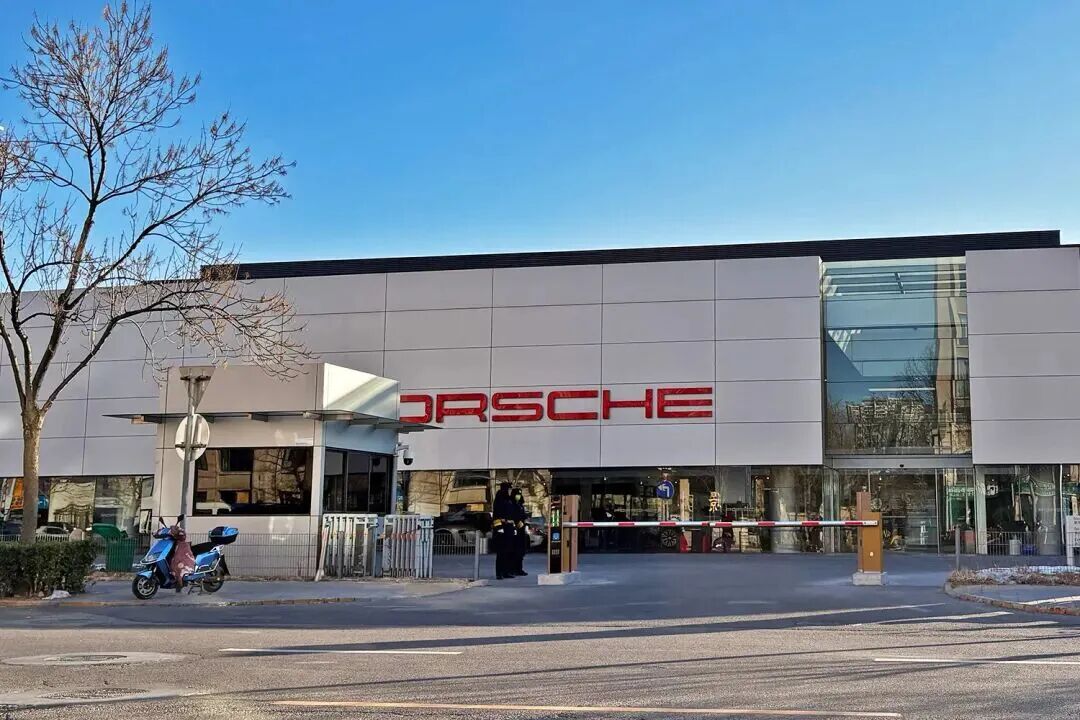
As a frontrunner in electrification, Porsche has been actively deploying electric models and had largely completed its electric model lineup by 2026. However, despite these efforts, it has failed to sustain its former glory and missed out on opportunities amid the global electrification trend.
Particularly in the Chinese market, Porsche's sales decline has been the most pronounced, transforming what was once a major profit center into a cost sinkhole.
Product and Strategy Failures
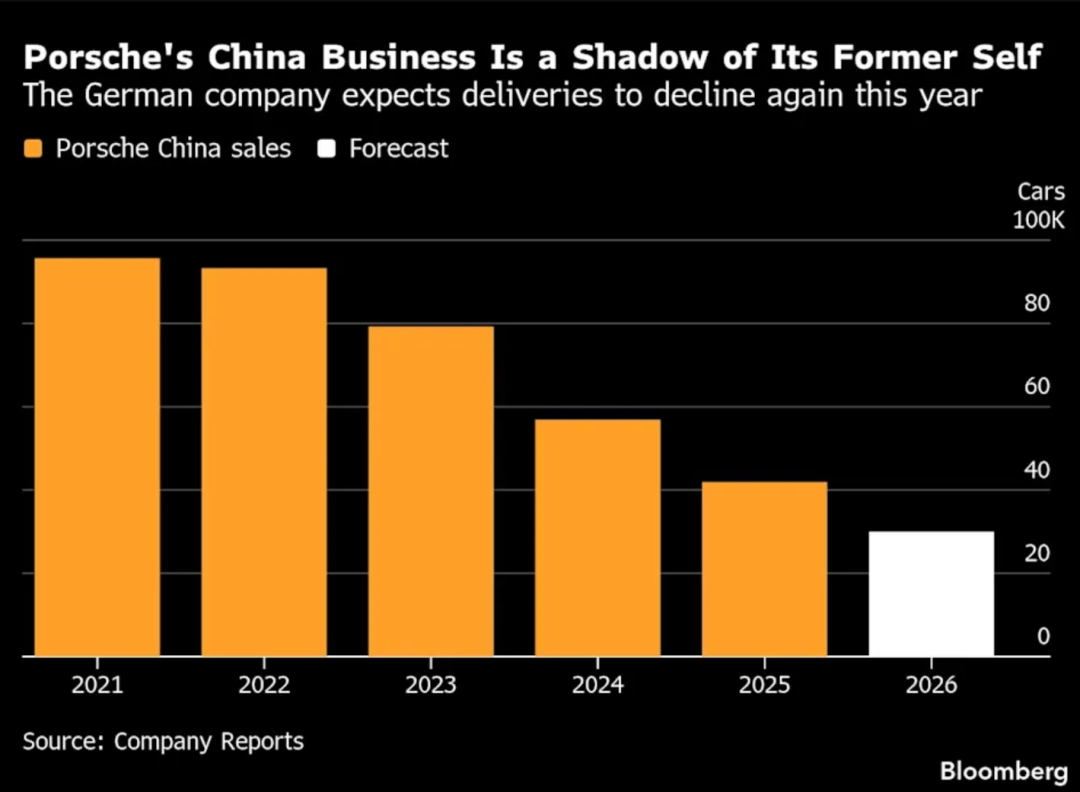
From a longer-term perspective, Porsche's sales in China have declined for four consecutive years, dropping from 93,300 units in 2022 to 41,900 units in 2025—a contraction of over 56% from the historical peak of 95,700 units in 2021.
In the first quarter of 2026, only 7,519 units were delivered, marking a 21% year-on-year decline. With the release of the six-month sales data, 14,501 units were delivered—a 32% year-on-year decline, indicating a continuously worsening sales trend.
Porsche internally estimates that its annual sales in China for 2026 may plummet to around 30,000 units.
The severe sales decline stems from Porsche's misjudgment of Chinese market demand, resulting in a mismatch between its products and the market.
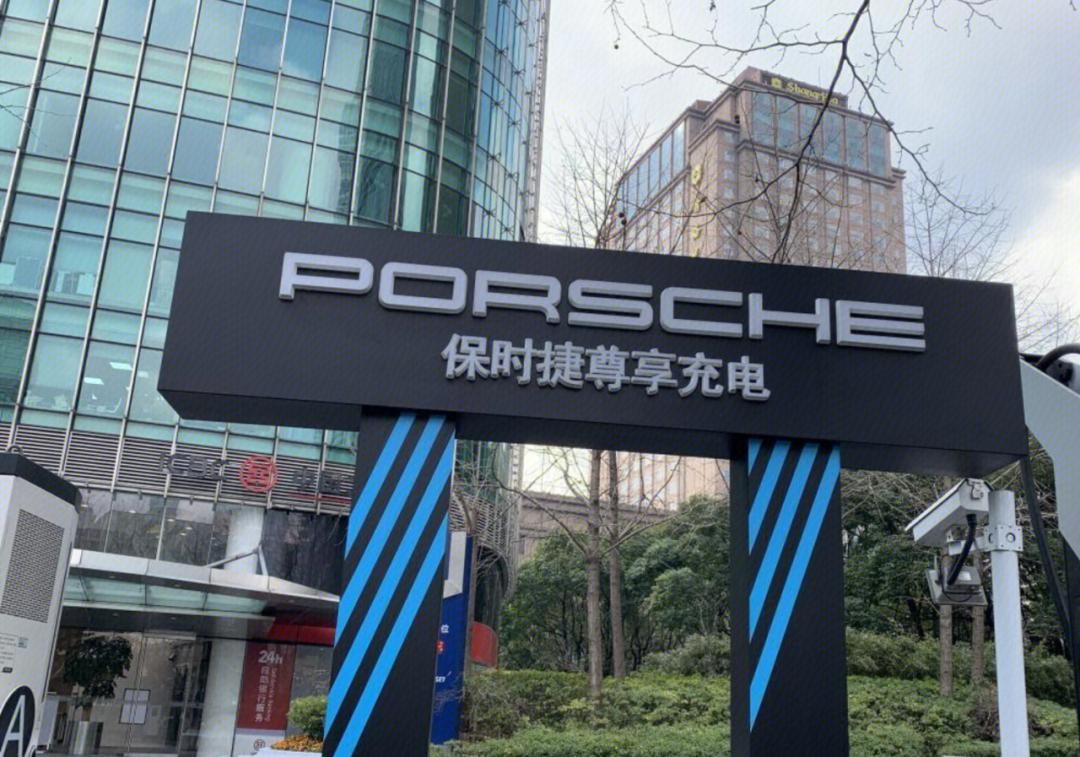
Regarding the global sales decline, Porsche officials have cited three factors: the discontinuation of the 718 fuel version leading to a supply gap, the normalization of the high base effect of the all-electric Macan from the same period last year, and the expiration of U.S. electric vehicle tax incentives.
However, when these factors are applied to the Chinese market, it becomes clear that the so-called external influences struggle to explain the changes in the Chinese market.
Firstly, fuel vehicles are no longer the primary focus of sales in the Chinese market. Even in 2025, the 718 sold only 18,612 units in China—a 21% year-on-year decline. The remaining products delivered after the discontinuation of production in the first half of this year also contributed 2,789 units, an unexpected sales contribution for the Chinese region.
As for the sales of the all-electric Macan, although it was a successful product globally in 2025, contributing 45,367 units in sales, its presence in the Chinese market was extremely low, with only 1,313 units sold throughout the year, making it difficult to replace the market position of the fuel version Macan.
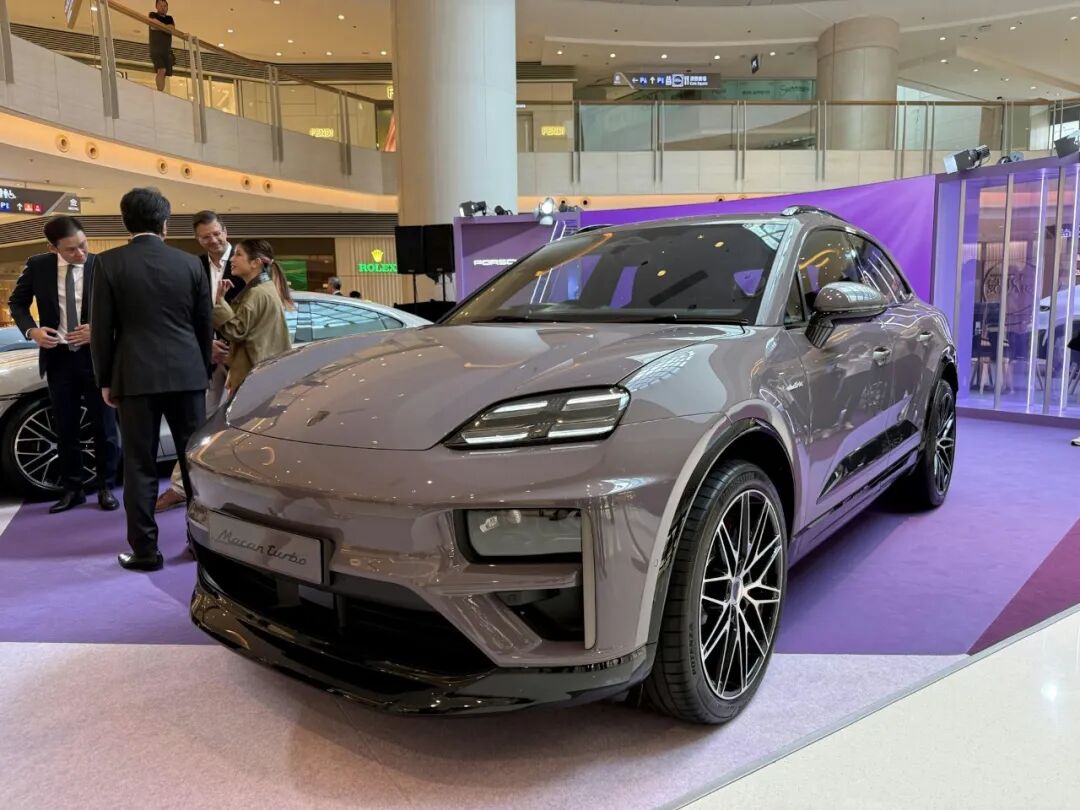
Due to the sales performance of the all-electric Macan, Porsche announced that starting from July 2026, it would officially stop accepting new personalized option orders for the all-electric Macan in the Chinese mainland, with consumers only able to purchase existing or in-transit vehicles.
Moreover, terminal feedback indicates that the price of the all-electric Macan is no longer as firm as previous Porsche models, with store discounts reaching around 76% off, along with a three-year interest-free financial policy.
At the same time, there are rumors that the all-electric Macan is planned to be discontinued in September this year. For consumers, spending a significant amount of money on a model that is about to become outdated may seem like a poor decision.
Apart from these strategic dimensions, what is more crucial is that Porsche is no longer as attractive as it once was. Consumers are aware that apart from the symbolic crest, the product value that Porsche can offer is continuously decreasing.
When competing products can offer a range of over 800 kilometers, the CLTC range of the 2026 Taycan Turbo S is only 666 kilometers. In terms of visible power parameters, it is even inferior to domestic new energy products priced at 300,000 yuan.
Regarding intelligence, an aspect that Chinese consumers care more about, Porsche's performance is even less responsive than that of Volkswagen. Voice interaction only supports basic commands; assisted driving only comes standard with adaptive cruise control, while urban NOA requires additional options and has limited adaptation.
As a result, there has been a classic 'lower-level overtaking' in the domestic market, with most models that resemble Porsche's all-electric models in appearance selling better than Porsche itself.
Apart from price advantages, the more important reason is that their intelligence capabilities are superior to Porsche's. According to McKinsey's consumer survey, among the factors influencing consumers' car purchases, the weight of 'leading technological strength' has reached 61%, far exceeding 'brand historical heritage'.
It can be said that Porsche's collapse in the Chinese market is entirely the result of declining product competitiveness and a product strategy detached from reality.
'Bitter But Effective Medicine'
Regarding Porsche's sales decline, the solutions proposed by both Porsche's headquarters and Porsche China are surprisingly consistent, attempting to retreat in order to advance and maintain the last vestiges of dignity.
Porsche CEO Michael Leiters previously stated, 'Porsche must make money even if it sells fewer cars. We hope to continue attracting new customers to the Porsche brand.'
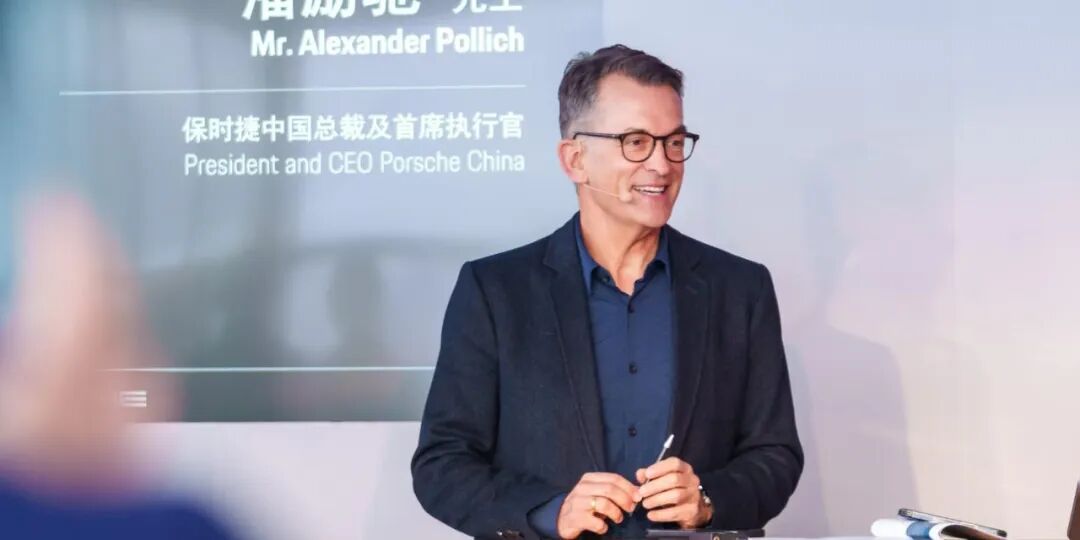
Porsche China has proposed a core strategy of 'quality over quantity,' pursuing sustainable profitable growth rather than chasing short-term sales volume.
It can be said that Porsche has prescribed itself a 'bitter but effective medicine,' attempting to maintain profitability by downsizing and using its own subtractions to offset the sales decline brought about by the market.
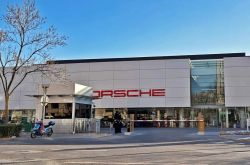
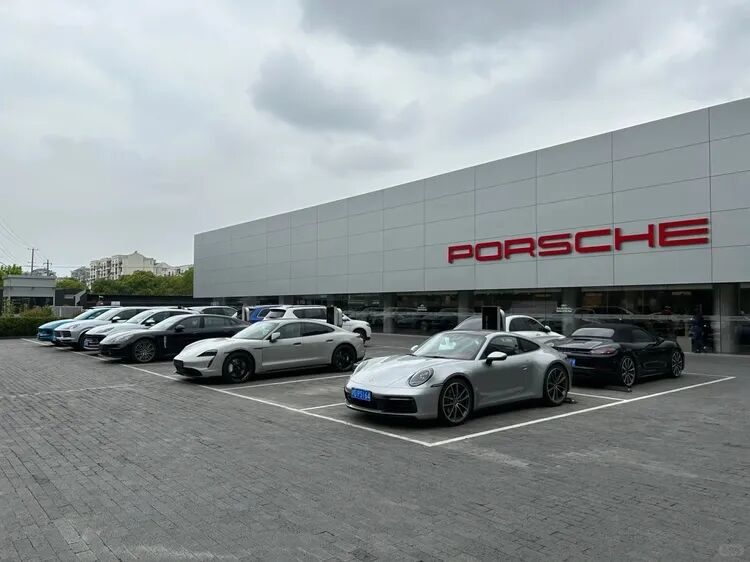
Specifically, the first action Porsche China took was to close stores and tighten its marketing network. In 2025, the number of stores was reduced from a peak of 150 to 114, with the goal of compressing it to around 80 in 2026.
Official reports state that on June 30th, the Porsche centers in Jining, Huaian, and Nanning Xingning terminated their distribution businesses, with the Wuhu store ceasing sales at the end of July.
At the same time, Porsche has also shut down approximately 200 self-built charging stations in China. While this may seem like cost-cutting, from a brand-building perspective, it undoubtedly increases the cost of vehicle use for consumers.
When domestic new energy brands are vigorously building their own charging facilities, Porsche has voluntarily abandoned its existing achievements, which undoubtedly has a significant impact on brand building for consumers of luxury electric vehicle brands.
Regarding store closures, Porsche China CEO Pan Lichi stated that it is about 'eliminating the chaff and keeping the wheat,' closing inefficient stores while retaining and upgrading high-quality outlets in core cities to enhance store efficiency.
From the results, there has been an effect, but under the macro sales decline, its impact is limited. Officials stated that among the stores retained in 2025, the average delivery volume per store increased by 12% compared to 2024, and the overall profitability of dealers improved.
However, in reality, closing stores has caused Porsche to lose consumer groups in second-tier cities, further accelerating customer attrition.
More importantly, channel contraction has failed to fundamentally solve profitability issues, with dealers still facing losses of 70,000 to 80,000 yuan per new vehicle sold.
This dilemma may be seen by Porsche's leadership as a painful period of change that will improve with the success of reforms.
However, from a market perspective, Porsche officials no longer seem to view the Chinese region as an important market.
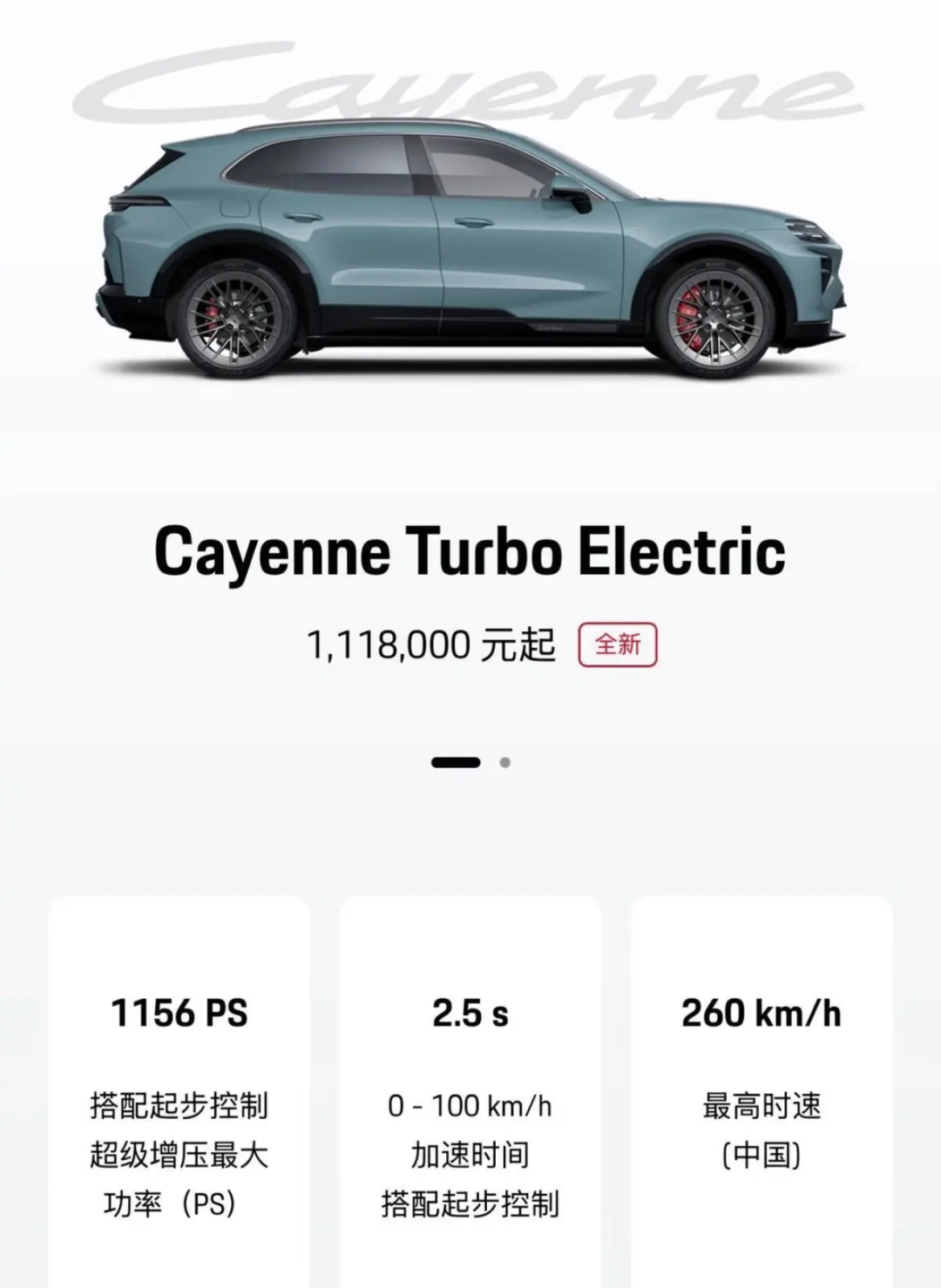
For example, the all-electric Cayenne Turbo and Turbo Coupé were officially launched in April this year, but major 4S stores will not receive quotas until October 2026, with the first batch of deliveries expected from the end of 2026 to the first quarter of 2027. At the same time, the quota for the Chinese market is extremely limited, with an estimated 100 units.
For Chinese consumers accustomed to a fast pace, a waiting period of over six months is almost like giving up on the market. Selling new energy vehicles with limited quotas in 2026 is purely playing with fire.
Perhaps Porsche has not yet realized that times have changed, and the high-end market is no longer dominated by Porsche as it was in those years. Some newcomers have already divided up the high-end market quite thoroughly.
In the price range above 500,000 yuan, Chinese brands such as NIO, Zeekr, AITO, and Yangwang have completely rewritten the value standards of luxury cars with 800-kilometer ranges, high-level intelligent driving, and rich cabin experiences.
In the first five months of 2026, in the million-yuan sedan market, the Hongmeng Zhixing Zunjie S800 accumulated sales of 6,283 units, far surpassing the 2,166 units of the Porsche Panamera. Chinese consumers' definition of 'luxury' has shifted from brand aura to the hardcore product strength of intelligence and electrification.
Porsche's dilemma is essentially a structural failure of traditional luxury brands in the era of electrification, digitization, and consumer sovereignty. This failure cannot be resolved by simply cutting dozens of dealerships.
Overall, it is not that affluent buyers have abandoned Porsche, but rather that Porsche struggles to understand the needs of affluent buyers in the new era.
In the wave of electrification and intelligence, Porsche needs to rethink how to organically combine 'sports car DNA, design, performance, driving pleasure, heritage, and scarcity' with new luxury definition factors such as 'intelligent cockpit, software experience, AI-assisted driving, and charging convenience' to regain consumer favor in the Chinese market.
Note: Some images are sourced from the internet. If there is any infringement, please contact us for deletion.
-END-

-
![]()
Anthropic Engages with Samsung for Self-Developed AI Chips, Trend of Large Model Companies Collectively 'Building Chips' Emerges
-
![]()
Why Has Continental Evolved into a Pure Tire Company Post-'Downsizing'?
-
![]()
Zhipu’s Valuation Soars, MiniMax Faces Challenges
-
![]()
Weekly Stock Review | Who Dominates the Market: Hedge Funds, Quant Traders, Institutions, or Hot Money?
-
![]()
Sales Slump Again: Why Are Affluent Buyers No Longer Exclusively Opting for Porsche?
-
![]()
Xiaomi’s New Auto Brand Launch Sparks Stock Rebound: Is a Trend Reversal on the Horizon?
-
![]()
Seres Mid-Year Report Catastrophe: Projected Losses Surpass 1.5 Billion Yuan!
-
![]()
"Fruit Chain Brother No.1" Plummets Below Issue Price on Debut Trading Day! Chaoshan's Wealthiest Woman Stakes HK$24 Billion on AI