Chuenergy’s Maiden ET Vehicle Rolls Off Line at SAIC-GM Wuhan South Plant, Poised to Rival AITO M5
 07/15 2026
 503
503
In an age where “selling cars is no longer a surefire path to profitability,” can car manufacturing still be a lucrative venture?
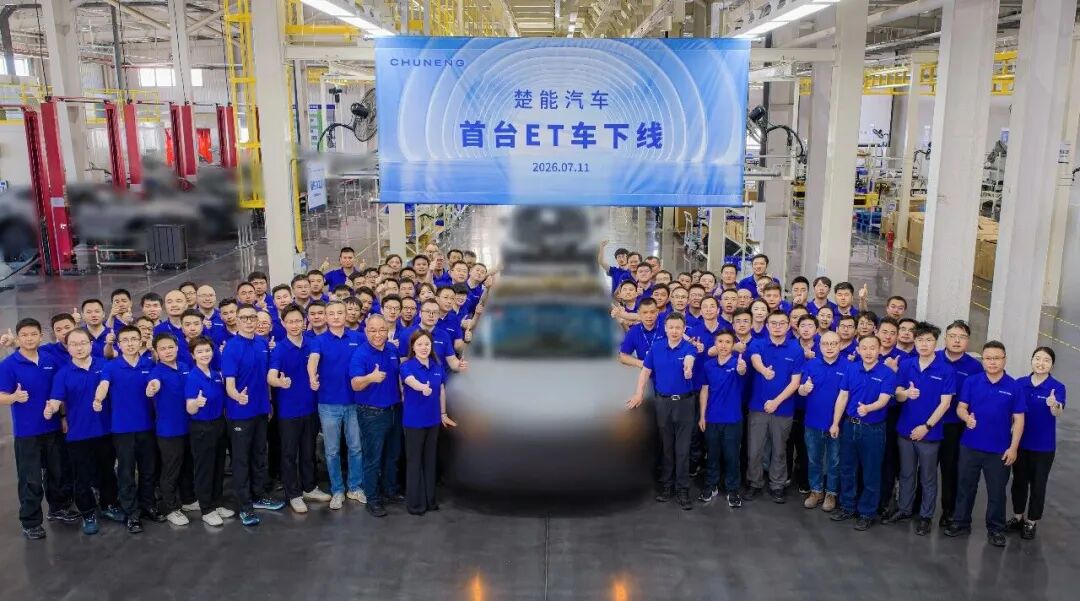
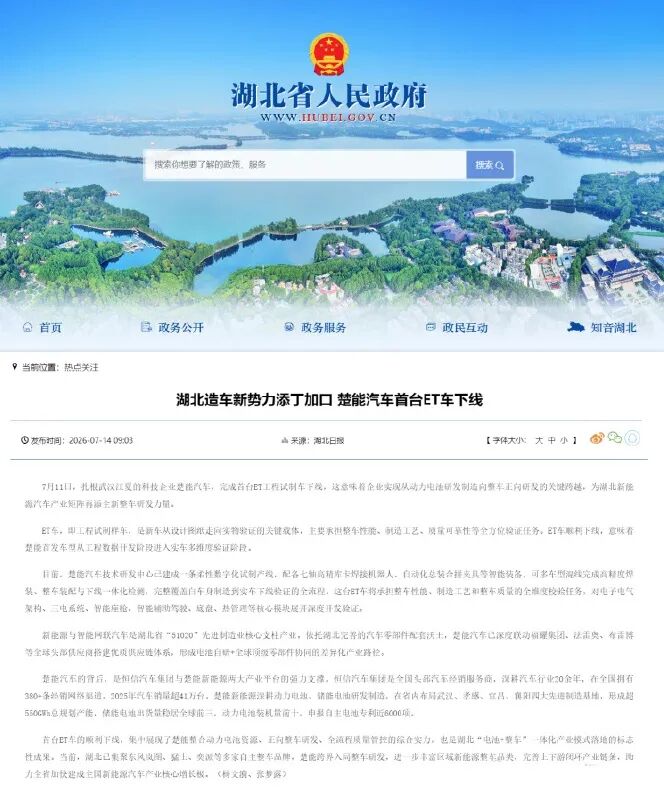
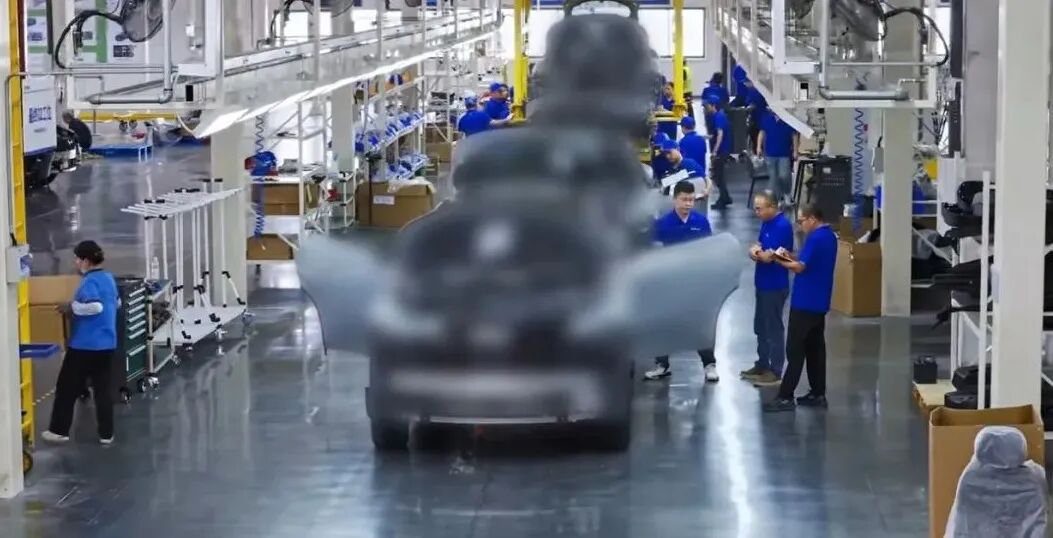
On July 11, Chuenergy celebrated the roll-off of its first ET vehicle at the pilot production workshop in Jiangxia, Wuhan, situated within the SAIC-GM Wuhan South Plant.
This announcement may have flown under the radar, as the new energy vehicle (NEV) sector is accustomed to the regular emergence of new brands.
Yet, the minds behind this venture warrant a closer look.
Chuenergy is a collaborative effort between Chuenergy New Energy and Hengxin Automotive Group, a prominent national 4S dealership group. Both entities share a common founder—Dai Deming.
Hengxin Automotive Group stands as a leading automotive dealership and service provider in China, boasting over two decades of industry experience. With a sprawling network of over 380 dealership channels nationwide, it achieved sales exceeding 410,000 vehicles in 2025. Meanwhile, Chuenergy New Energy specializes in the research, development, and manufacturing of power batteries and energy storage batteries, with four cutting-edge manufacturing bases in Wuhan, Xiaogan, Yichang, and Xiangyang within Hubei Province, collectively boasting a planned production capacity surpassing 550GWh.
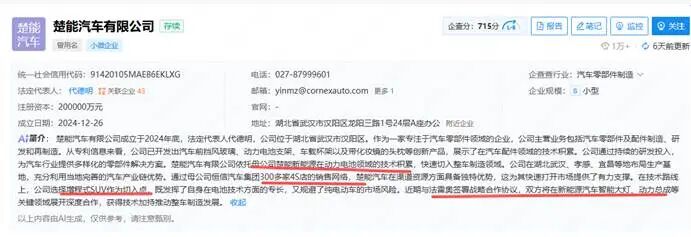
However, Chuenergy has yet to disclose its most crucial automotive production资质 (qualification).
Speculation abounds online that Chuenergy is set to acquire the former WM Motor’s vehicle manufacturing plant in Huanggang, Hubei. The plant commenced operations in January 2020 with an initial planned capacity of 150,000 units but ceased production in October 2022 due to WM Motor’s operational challenges.
In terms of new product strategy, reports suggest that Chuenergy’s debut model will target the mainstream family NEV market, priced between RMB 150,000 and 200,000, with a focus on extended-range SUV offerings. Its primary competitor is slated to be the AITO M5, positioning it squarely in the mid-range family NEV SUV segment.
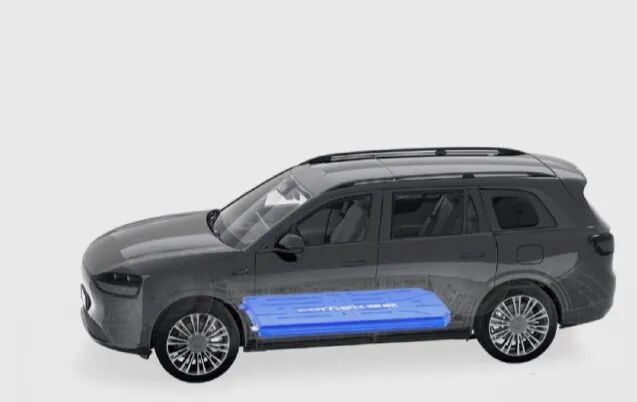
The inaugural model is a 5-meter-long sporty SUV with a 3-meter wheelbase, available in both extended-range and pure electric variants. Mass production and launch are scheduled for June 2027.
This price bracket represents the most fiercely contested segment in the Chinese market.
How can a fledgling brand, devoid of user reputation and accumulated intelligent driving technology, persuade consumers to part with RMB 200,000 for one of its vehicles?
Particularly amid the tail end of subsidy reductions and the looming withdrawal of policy support for NEVs, Chuenergy faces significant hurdles in car manufacturing. Regardless of its product lineup, this is a challenge Chuenergy must navigate post its 2027 launch.
The question lingers: Does China truly need another NEV brand? Will it emerge as the next ‘Leapmotor’ from Hubei? Only time will tell!
-
Why Can''t AutoNavi Maps Excel in Local Services?
-
![]()
Cameras: A New Frontier in Smart Hardware at More Affordable Prices
-
Raising Nearly US$400 Million in Intensive Financing Over Six Months: Can This New Heavy Truck Player Pioneer a New Model for Autonomous Heavy Trucks?
-
![]()
Memory Chip Price Surge Imposes Heavy Burden on Smartphone Market, with Q2 Global Shipments Slumping to 13-Year Low
-
![]()
Tencent’s Acquisition of Manus: No Less Anxious Than Meta
-
![]()
Collective Failure of BBA, Only '56E' Holding On
-
![]()
Step's Apple Dream
-
![]()
The value of AI Coding is quietly shifting from 'whose model is stronger' to 'whose toolchain is denser'.