Huawei and Tesla Pioneer the Path! Modular Design Takes Center Stage, Electric Vehicles Bid Adieu to 'Instant Obsolescence'
 07/16 2026
 419
419
Is Modular Design the Panacea?
The average lifespan of new energy vehicles stands at a mere 1.8 years—are users replacing their cars even more frequently than their smartphones?
Recently, discussions surrounding the 'rapid replacement cycle of new energy vehicles' have inundated the internet. However, this conversation is somewhat misguided. Some fragmented reports misconstrue the average 1.8-year lifespan of new energy vehicles as their replacement cycle, contrasting it with the 8.2-year average for traditional fuel-powered vehicles.
As a burgeoning industry, new energy vehicles have witnessed meteoric growth but still trail behind fuel-powered vehicles in terms of market penetration. With sales skyrocketing, their average lifespan remains understandably low. According to the China Automobile Dealers Association, the replacement cycle for new energy vehicles spans 3-5 years, compared to 6-8 years for their fuel-powered counterparts.
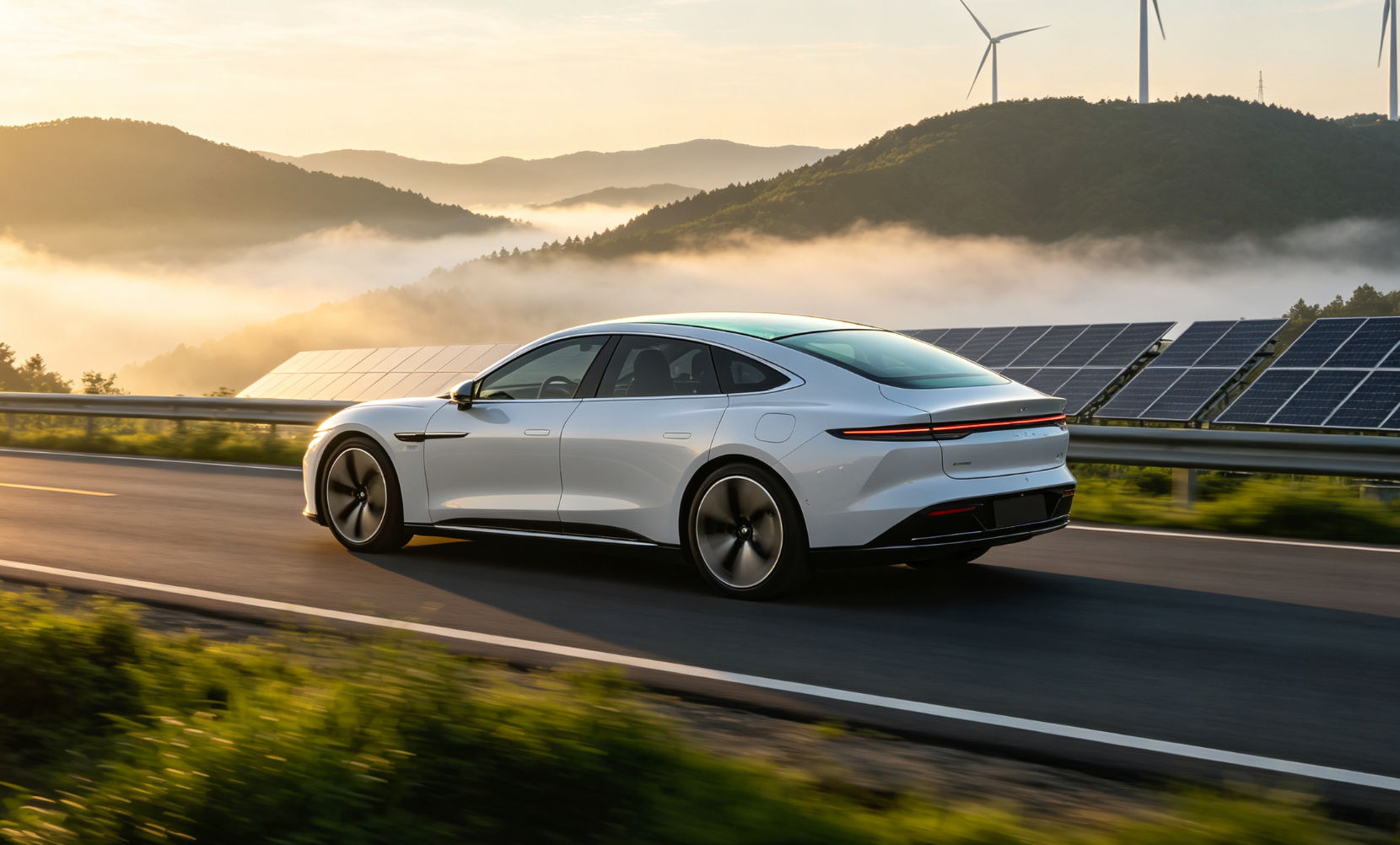
(Image source: Generated by Doubao AI)
Although the replacement cycle for new energy vehicles is indeed shorter, the disparity is not as pronounced as portrayed. The primary reason for the topic's virality lies in its resonance with consumer concerns—obsolescence anxiety.
Zeng Qinglin, General Manager of Yijing Auto, remarked that product iteration speed is intrinsic to industry development. Rapid technological advancements in the nascent stages lead to frequent product upgrades. As technology matures, the industry will stabilize. New energy vehicles should embrace forward-looking designs, embedding hardware that surpasses current needs and facilitating high-frequency OTA updates to accommodate future use cases.
However, with mainstream new energy vehicle products undergoing annual updates—and some iterating three times a year—is embedding hardware truly sufficient?
'Purchasing today means obsolescence tomorrow' is the most distressing dilemma for consumers eyeing new energy vehicles. Without buying, the household truly needs a vehicle; but purchasing guarantees eventual regret.
Behind this phenomenon lies the astonishing ascent of new energy vehicles. In 2020, domestic sales reached just 1.367 million units; by 2021, this figure soared to 3.521 million, marking a 157.6% YoY increase. This rapid growth is fueled by technological upgrades.
In recent years, charging power for new energy vehicles has surged to 1,500kW, all-electric range continues to climb, massaging seats and advanced driver-assistance systems (ADAS) are becoming standard, and even some models under ¥100,000 now feature LiDAR. Mid-to-high-end models boast visible upgrades.
Yet these advancements bring not only superior experiences but also regret for early adopters.
While 'early adoption means early enjoyment,' automobiles are high-value purchases costing hundreds of thousands of yuan. Consumers prioritize residual value. Excessively frequent updates and significant new-model upgrades inevitably impact older models' residual value. Combined with price wars, it's not uncommon for a new car to lose half its value within a year.
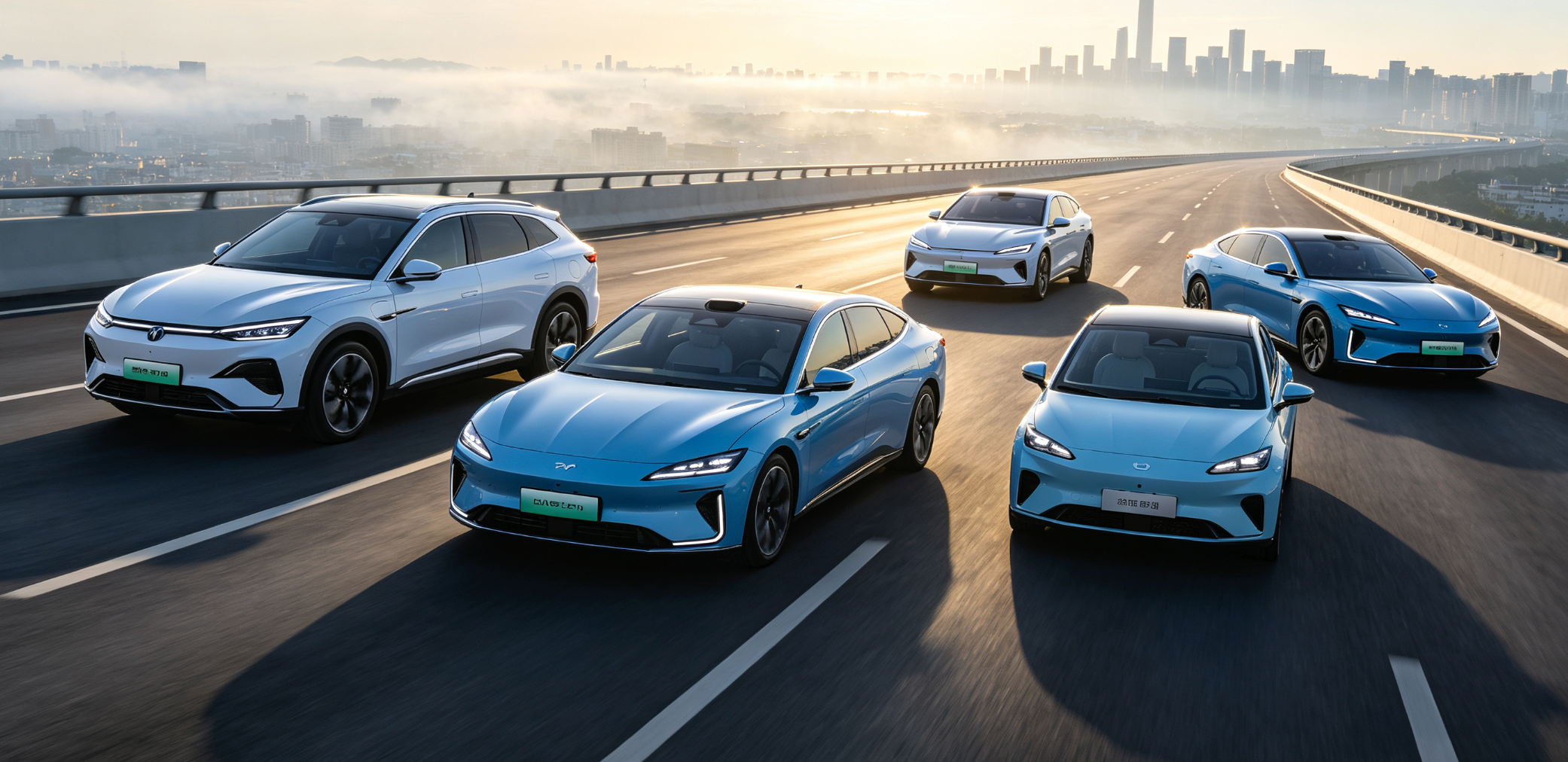
(Image source: Generated by Doubao AI)
Fortunately, after years of development, many hardware components and designs in new energy vehicles have matured—except for ADAS, which continues to race toward L3 and L4 autonomy. Until true autonomous driving arrives, ADAS cannot be considered mature.
Zeng Qinglin's proposed hardware embedding primarily targets smart cockpits and ADAS. By embedding high-computing-power chips, vehicles can avoid insufficient computing capacity. Dianchetong (ID: dianchetong233) immediately thinks of NIO, whose 2022 ET7 model embedded four Orin X chips, delivering 1,016 TOPS of computing power—still sufficient today.
However, by current standards, 1,016 TOPS cannot meet L3/L4 autonomy requirements. NIO, XPeng, and Li Auto now equip high-end models with multiple self-developed chips, exceeding 2,000 TOPS in computing power, embedding even stronger capabilities.
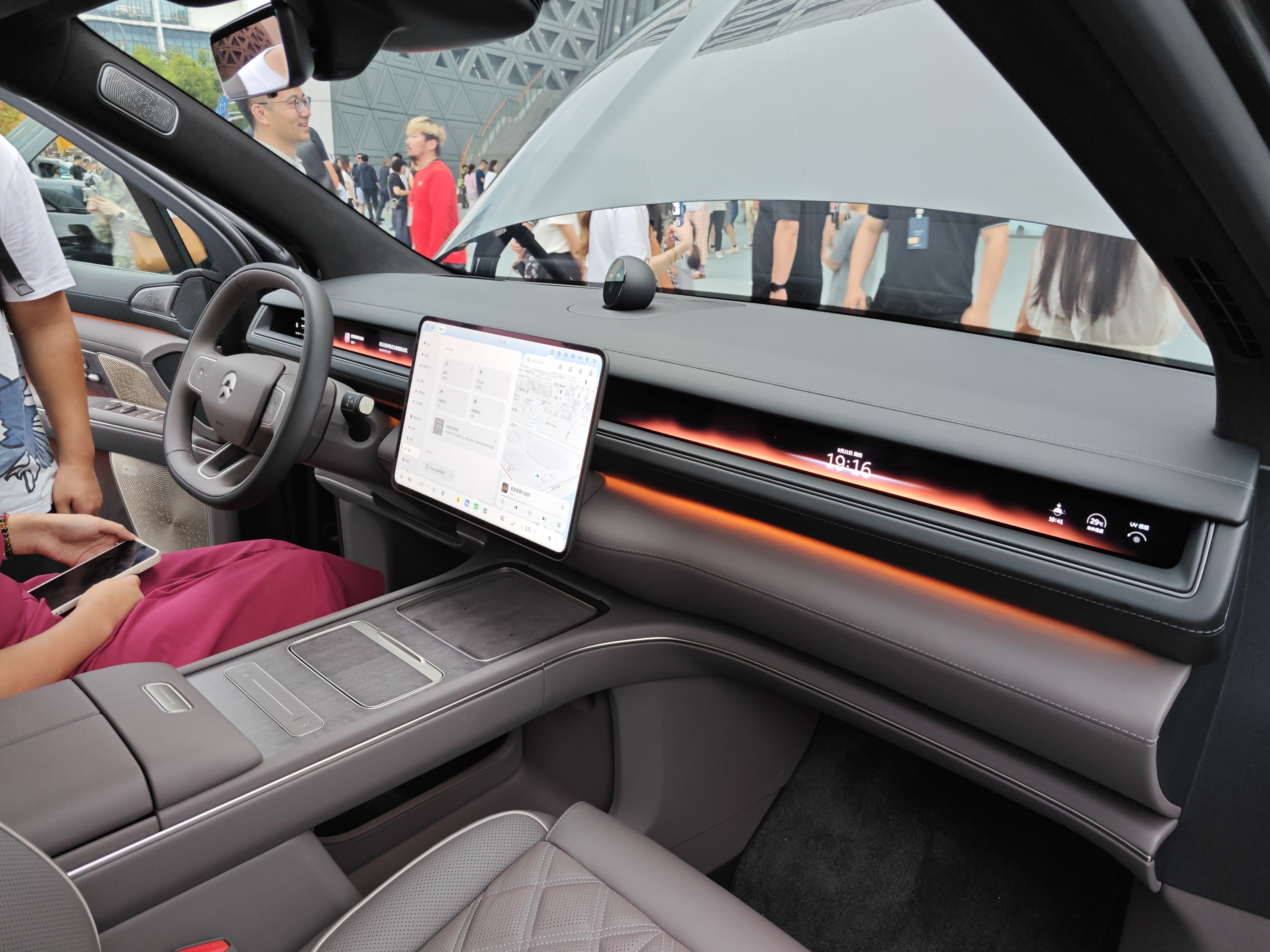
(Image source: Dianchetong)
The issue is that higher-level ADAS demands not only greater computing power but also synchronized upgrades to architecture, sensor performance, memory bandwidth, and capacity. Through self-developed chips, automakers like BYD, NIO, Li Auto, and XPeng can address architectural challenges, but sensor performance and memory bandwidth/capacity bottlenecks are difficult to resolve through embedding alone.
On one platform, a netizen commented, 'You can embed hardware for today, this month, or this year—but can you embed hardware for next year, three years later, or a decade from now?'
This resonated deeply with Dianchetong (ID: dianchetong233). Embedding hardware has its limits. We lack definitive answers on the computing power and bandwidth required for true L3/L4 autonomy. Automobiles are not fast-moving consumer goods; average households keep a car for a decade or longer. Can automakers pre-install hardware needed only a decade later?
To address consumer 'obsolescence' anxiety, 'modular' design may offer a superior solution.
In March, Tesla unveiled a patent for modular design of its FSD hardware system. The patent outlines a redesign of the MCU and FSD hardware, allowing independent disassembly and replacement of system components rather than replacing the entire hardware system.
Based on this patent, upgrading or repairing the FSD hardware system requires replacing only specific components, significantly reducing the complexity of hardware upgrades, maintenance, and repairs while facilitating future advancements.
The arrival of FSD V14 drew praise from AI4 platform owners but angered AI3 and older model owners who, despite paying the same price for FSD software access, could not experience the full-featured FSD V14.
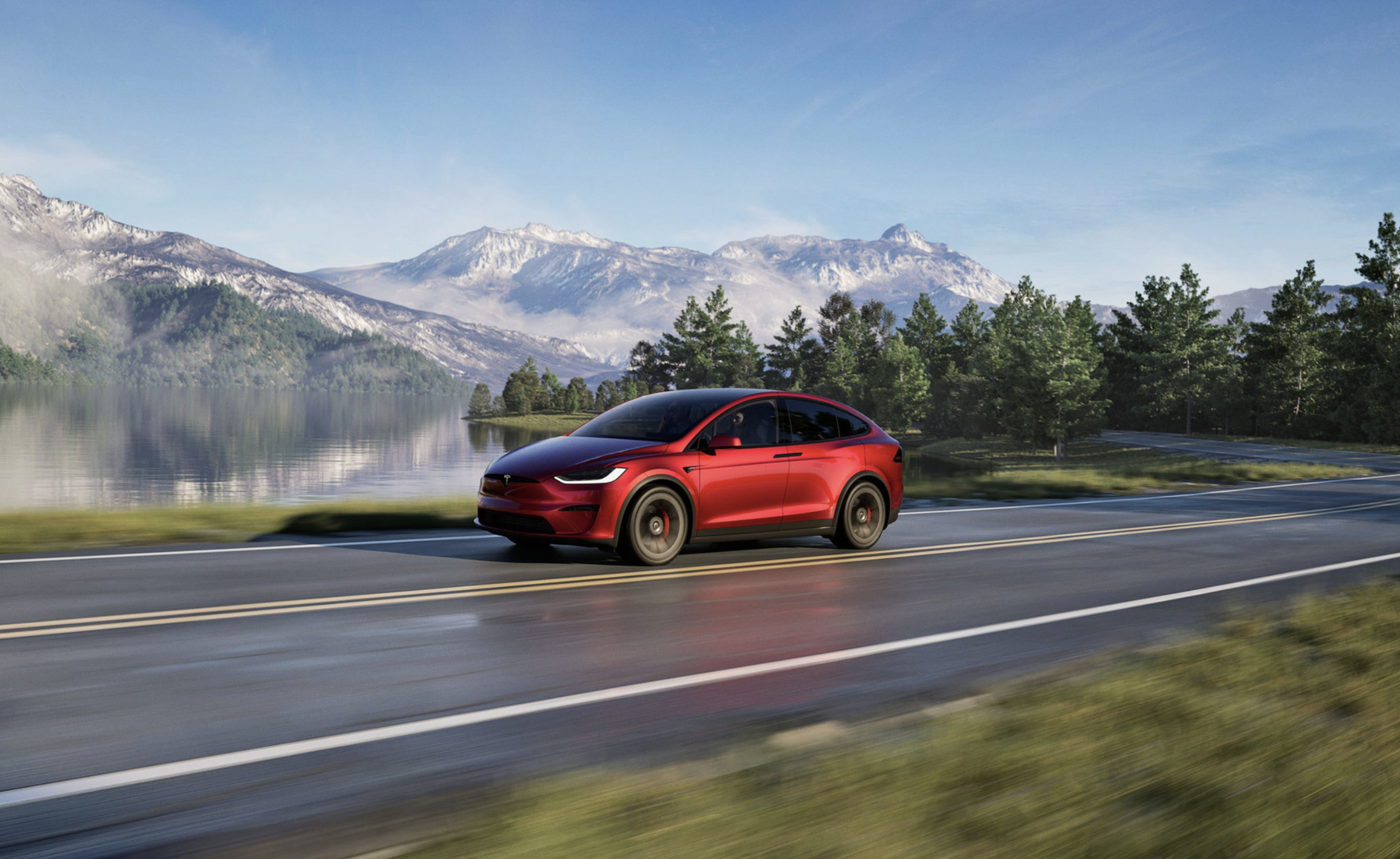
(Image source: Tesla)
Under strong consumer demand, Elon Musk announced plans to build mini-factories in the U.S. for upgrading AI3 platform models. If vehicles adopted modular design, Tesla's existing factories could handle these upgrades.
At the High-Level Forum on Intelligent Electric Vehicle Development in April, Huawei Senior Vice President Jin Yuzhi stated that the current mismatch between the hardware iteration cycle (2-3 years) and the vehicle lifecycle (10-15 years) urgently requires industry exploration of 'replaceable smart hardware' solutions.
When Huawei's 896-line LiDAR was rolled out, it offered upgrade services to owners of older models like the AITO M7 and M8. In the future, components like seats, steering wheels, and infotainment screens could all enable convenient replacement and upgrades through modular design, extending a vehicle's usable life indefinitely.
Of course, modular design faces numerous challenges. First is the coupling of underlying architectures: sensors and domain control protocols from different suppliers lack standardization, leading to data misalignment and fusion delays. Dispersed multi-module layouts also risk electromagnetic interference, affecting ADAS stability.

(Image source: Dianchetong)
Second is the severe lack of standardization. The industry lacks universal mechanical and electrical interfaces, preventing module interchangeability. Hardware iterations outpace vehicle development cycles, rendering embedded modules quickly obsolete with poor upgrade compatibility. Meanwhile, ASIL-D safety redundancy certifications for L3+ systems significantly raise development and certification costs.
Third are vehicle engineering constraints. Perception module placement restricts body styling and aerodynamic design, while distributed heat sources complicate thermal management and encroach on crash structures, increasing repair costs after collisions.
Fourth are mass production and after-sales challenges. High/low-config modularization increases production line and parts SKU inventory pressures. Later hardware upgrades require in-store recalibration, leading to poor user experiences, high failure rates, and difficulty achieving pure OTA iterations.
Modular ADAS hardware design fundamentally addresses core user pain points: long-term vehicle depreciation, hardware obsolescence, and functional fragmentation. It resolves the industry's inherent contradiction between a 10-year vehicle lifecycle and 2-3-year smart hardware iterations. A detachable, partially upgradable hardware model allows vehicles to adapt to the latest ADAS systems without full hardware replacements, significantly extending intelligent service life and eliminating post-purchase obsolescence and high maintenance costs.
Technical and industrial challenges—including architectural adaptation, industry standardization, engineering mass production, and safety certifications—require automakers to research and resolve.
Stripping away the hype around the 1.8-year average vehicle age, the 3-5-year replacement cycle for new energy vehicles, while unique to the industry's early stages, still exposes a consumer pain point: not mechanical degradation but rapid smart hardware iterations causing 'technological obsolescence anxiety' and asset depreciation.
Given the current mismatch between unsettled autonomous driving technologies and divergent hardware/vehicle iteration cycles, automakers' 'hardware embedding + OTA' approach remains a temporary compromise, unable to fundamentally resolve user pain points. Modular replaceable hardware design represents the core solution for long-term intelligent vehicle development.
Cases like NIO's thousand-TOPS computing power embedding show automakers' attempts to reserve space for future upgrades through advanced hardware redundancy, alleviating short-term user anxiety. However, ADAS upgrades require systemic improvements to computing power, chip architecture, sensor precision, memory bandwidth, and vehicle actuators. Stacking computing power alone lacks long-term significance.
The unpredictability of technological iterations ensures hardware embedding always lags behind industry advancements. Automakers cannot forecast L3-L5 technical standards and safety requirements three to five years ahead, meaning embedded top-tier hardware will eventually be outdated, leaving early adopters feeling 'betrayed.' This is why OTA upgrades have inherent limitations.
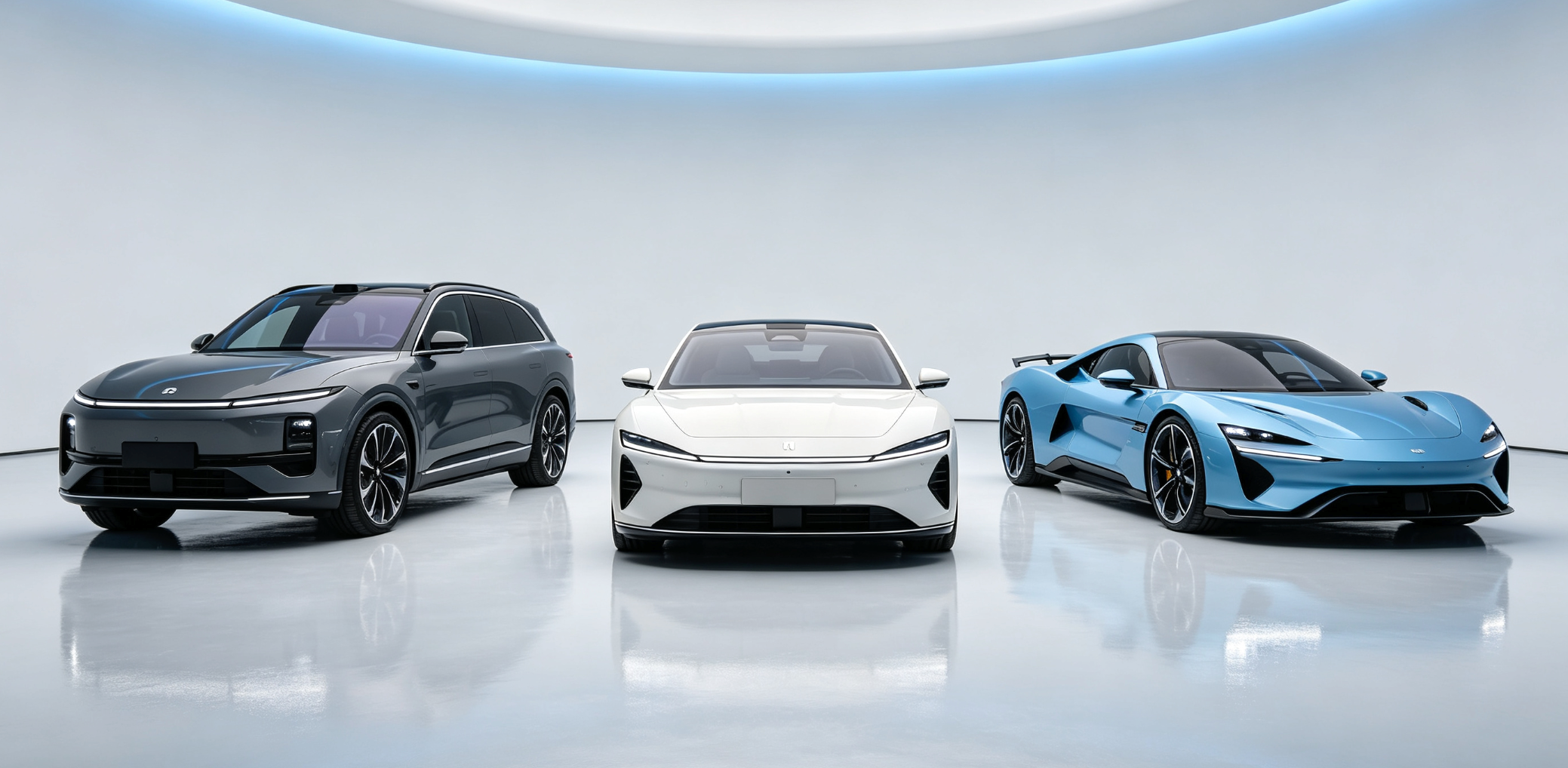
(Image source: Generated by Doubao AI)
Compared to the symptomatic relief of hardware embedding, Tesla and Huawei's pioneering modular hardware upgrade model breaks from traditional fixed vehicle hardware designs. It modularizes core intelligent components like ADAS computing and perception hardware, enabling localized upgrades and repairs without whole-vehicle replacements. This approach aligns perfectly with the rapid iteration cycle of smart hardware, significantly reducing long-term ownership costs, delaying vehicle depreciation, and resolving the industry's inherent contradictions.
Admittedly, modular implementation still faces multiple industrial barriers. The lack of unified industry standards, incompatible software/hardware interfaces, electromagnetic compatibility challenges, vehicle safety certification difficulties, and immature mass production/after-sales systems have prevented large-scale modular upgrade adoption.
However, from a long-term industry perspective, technological iterations will eventually stabilize, and standardization, modularization, and upgradability will define the ultimate form of intelligent vehicles. In the short term, hardware embedding paired with frequent OTA updates will remain automakers' primary means of retaining users. In the long run, only widespread modular design adoption can end the 'buying means obsolescence' dilemma for new energy vehicles, transforming them from fast-moving consumer electronics back into durable transportation assets.
The World Artificial Intelligence Conference 2026 (WAIC 2026), themed 'Intelligent Partners · Co-Creating the Future,' is about to open.
The AI narrative has shifted from model parameter stacking to Agent productivity deployment. Heterogeneous collaboration and photonic computing continue to push computational limits. Embodied AI accelerates applications, with robots entering homes and factories, turning physical AI into reality.
Leitech's WAIC exploration team has arrived in Shanghai to witness the annual peak of AI industrialization. Stay tuned!
Source: Leitech
Images in this article come from: 123RF Royalty-Free Library Source: Leitech
-
![]()
Liu Qiangdong Gains Crucial Foothold as Tencent Forms Alliance to Counter ByteDance's Dominance
-
![]()
Physical AI Infrastructure Race: U.S. Firm General Intuition Trains Robots Using Game Footage, Reaches $2.3 Billion Valuation
-
![]()
DeepSeek May Launch IPO as Early as This Year Amid 'Insatiable Demand for Computing Power'
-
![]()
Huawei and Tesla Pioneer the Path! Modular Design Takes Center Stage, Electric Vehicles Bid Adieu to 'Instant Obsolescence'
-
![]()
Expected to Rake in a Staggering 24.4 Billion in the First Half of the Year: What Gives Foxconn Industrial Internet the Competitive Edge?
-
![]()
Tencent Invests 13.6 Billion to Become a 'Minority Shareholder': What Are Its Ambitions with Manus?
-
![]()
Computing Power Extends to Space: Aerospace AI Sparks a New Industrial Era
-
AI's Richest Person Revealed: A Native of Zhanjiang!