No Retreat, No Power Play: Is GAC Honda's Contract Renewal a Guaranteed Success or a Desperate Move?
 07/22 2026
 541
541
Over the next 12 years, the sole challenge will be to demonstrate whether a joint venture brand, free from complacency and genuinely localized, can forge a viable path amidst the siege of independent brands.
On July 20, 2026, GAC and Honda renewed their contract, extending their partnership until 2038. This move directly debunked the rampant rumors of "Honda's exit" that had been circulating for the past two years. What surprised the entire industry more than the "no exit" outcome was the fact that, at a time when all joint venture brands were vying for equity stakes and control, GAC and Honda—partners for nearly three decades—managed to maintain an equal 50:50 equity ratio.
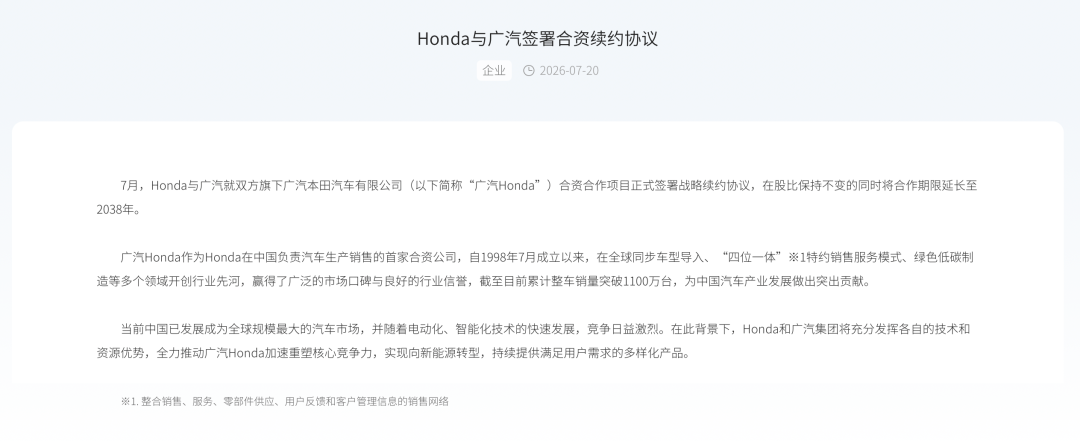
However, unlike the "long-term commitments" made during the heyday of joint ventures, GAC and Honda are now two entities that cannot afford failure, clinging to each other on the brink.
On one hand, Honda is losing ground globally; on the other, GAC must defend one of its last strongholds in the South China joint venture market. This renewal reflects the stark reality faced by both parties, stripping away all pretenses from the current transformation of joint venture brands.
From "Podium Regular" to "Production Halt" in Just Five Years
Many may not have realized without looking at the data: GAC Honda, once a brand where vehicles were in such high demand that buyers had to wait and even pay a premium, is now being squeezed by independent brands.
An industry leader that sold 800,000 units in 2020 saw sales plummet to 350,000 units by 2025. In the first half of 2026, sales were halved again to just over 60,000 units.
The once-iconic Accord model, now surrounded by competitors like the BYD Han and Geely Galaxy, struggles to secure orders even with a RMB 30,000 price cut. The Earth Dreams series, once revered for "buying an engine and getting a car for free," now lags behind domestic 2L-class hybrids in fuel efficiency, power, and intelligence.
Even more distressing is the fact that GAC Honda is now trapped in a vicious cycle.
Its traditional fuel vehicle base is shrinking rapidly at an annual rate of over 20%, while newly launched pure electric models, lagging in intelligent configuration, fail to meet market expectations. Monthly sales barely reach 1,000 units half a year after launch, unable to meet the replacement demand from fuel vehicle users. The past strategy of "globally synchronized models + stable quality control" has completely failed in today's Chinese market.
Meanwhile, Honda's overseas headquarters has wavered on its electrification strategy in recent years, shifting from insisting on hydrogen energy to being forced to pivot to pure electric vehicles. By the time they finally reacted and decided to introduce products to the Chinese market, the domestic new energy vehicle sector had already evolved to the point where even RMB 100,000-class models come standard with advanced intelligent driving features.
According to insiders, GAC Honda has now internally halted all ineffective projects that lack market competitiveness, proactively scaled back operations, and reduced its overly dispersed production capacity to just core bases. In essence, they are "tightening their belts for winter." If they cannot deliver competitive new energy products within the next two to three years, they will disappear from the market long before the 2028 expiration of their old contract.
Why the Unwavering 50:50 Equity Ratio?
Almost immediately after the official announcement of the unchanged equity ratio, questions arose: With equity restrictions fully lifted and Honda suffering its first-ever massive loss of over RMB 17 billion since going public, why didn't Honda seize the opportunity to acquire full control of the joint venture and do as it pleased?
The answer is harsh.
It's not that Honda doesn't want to seize control; it's that the cost-effectiveness of doing so is now so low that maintaining the status quo is preferable.
First, Honda simply lacks the financial resources to wage an equity war. The massive losses of 2025 have yet to be recouped, and performance in other global markets continues to decline. Acquiring the Chinese partner's equity would require not only a hefty premium but also tie up Honda's already strained cash flow even further.
More realistically, even if Honda secured 100% control, without the local supply chain resources and understanding of Chinese user needs held by the Chinese partner, Honda would struggle to compete against BYD and Geely on its own.
Second, the current 50:50 ratio is no longer a balance of power from the past but a safety net for mutual support. When the joint venture was profitable, both sides vied for control to maximize profits. Now, during the costly transformation period, maintaining an equal equity ratio means both sides must share the financial burden and risks, preventing either from abandoning ship.
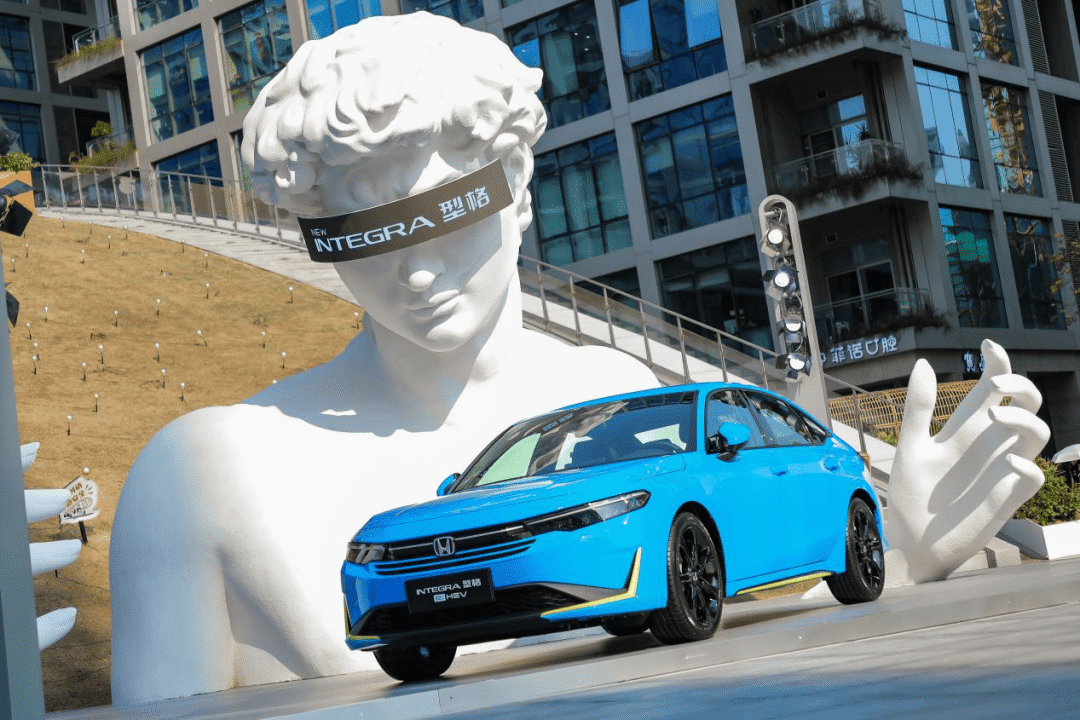
From Honda's perspective, if it increased its stake to over 60%, it would bear all the transformation losses alone. Success would be fine, but failure would leave it with no one to share the blame.
More critically, GAC Honda can least afford internal strife now. A management shakeup over equity control could collapse the established dealer network and shatter decades of user reputation, effectively crippling itself. Thus, from both Honda's and GAC's perspectives, seizing equity now would grant nominal control but risk losing the final years of transformation opportunity—a losing proposition.
Simply put, the current 50:50 ratio is not a result of "friendly negotiations" but a recognition that the cost of upending the table far exceeds the cost of stabilizing it together.
The Countdown to a Final Desperate Battle
Looking at the contract extended to 2038, many see it as a vote of confidence from Honda in the Chinese market, but in reality, it is Honda's final "death sentence with reprieve." After all, the window of opportunity for joint venture brands is rapidly closing.
By 2026, domestic new energy vehicle penetration will have surged to 62%. At this rate, fuel vehicle market share could drop below 10% before 2030, pushing all joint venture brands that fail to complete electrification transformation out of the mainstream market. The 12-year renewal seems long, but GAC Honda's golden transformation period is at most 3-5 years.
Yet, both sides have drawn up a grand plan.
In 2027, they aim to launch three all-new models covering fuel, hybrid, and pure electric routes, developed specifically for the Chinese market.
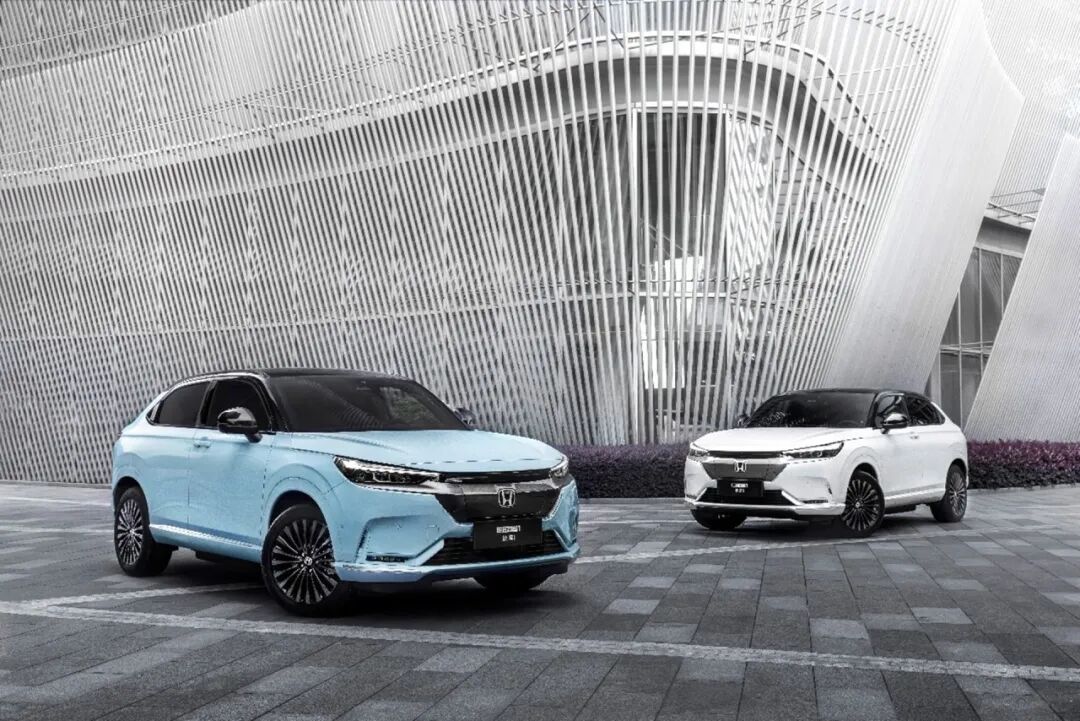
The question is whether GAC Honda can truly shed its past arrogance and integrate domestic intelligent driving systems and local three-electric technologies into its new vehicles. Can it keep pace with domestic product iteration speeds, abandoning the old approach of "three years of overseas R&D followed by two years of Chinese adaptation"? Can it deliver a smart terminal for Chinese consumers that allows watching short videos, activating urban NOA, and receiving semi-annual infotainment system updates?
In recent years, many joint venture brands, including Honda, have taken a detour of "pseudo-transformation," paying lip service to electrification while repurposing outdated overseas platforms, resulting in poor sales and wasted years.
GAC Honda now lacks the luxury of trial and error. If the three new models launched in 2027 are mere "retrofitted electric" half-measures or fail to equip Chinese users with mainstream intelligent driving and cabin configurations, the contract extending to 2038 will not save them.
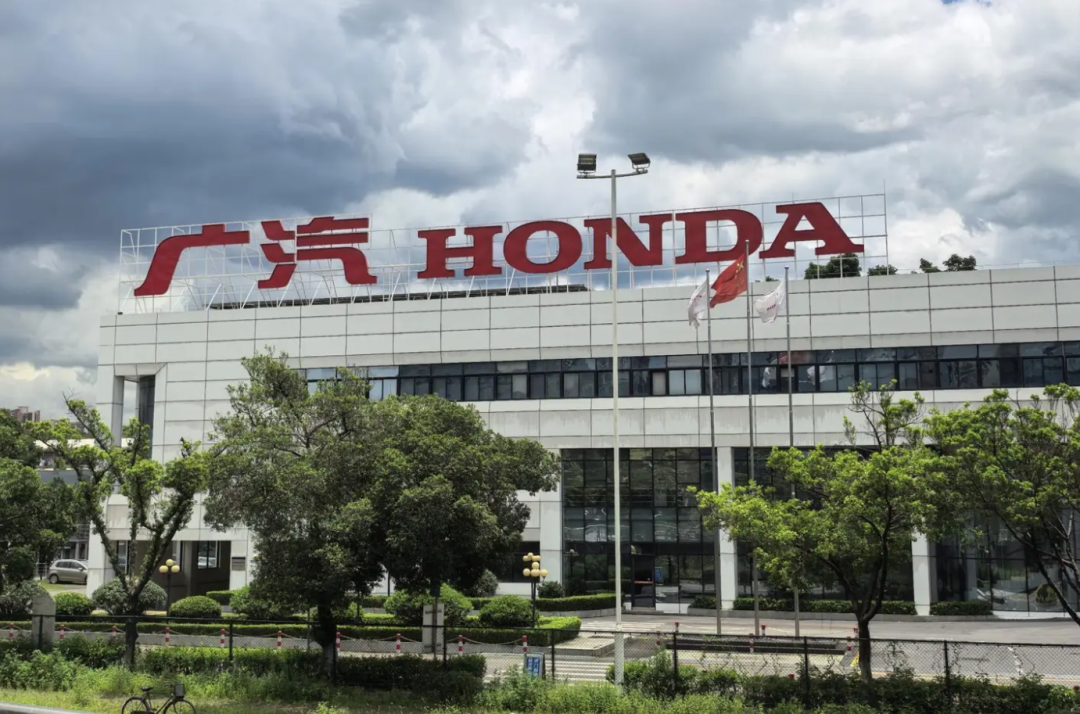
Thus, this renewal is essentially GAC Honda's "final self-rescue effort." The era of foreign brands profiting effortlessly in China is truly over. There are no more "century-old brand halos" or "technological edges" that guarantee success. Without humility and alignment with the Chinese market's pace, they will be thoroughly eliminated.
From 1998 to 2038, GAC Honda's 40-year journey completes a full cycle in China's automotive joint venture history. For the first 30 years, it thrived on complementary strengths between Chinese and foreign partners, becoming a benchmark in the joint venture sector. Over the next 12 years, the sole proof needed is whether a humble, truly localized joint venture brand can forge a viable path amidst the siege of independent brands.
Note: Images sourced from the internet. If infringement occurs, please contact for removal.
—END—

-
When Cost-Effectiveness Falters, Mobile Phone Sub-brands Engage in a Survival Showdown
-
![]()
Automotive-Grade Fragrance Generator: Safety as the Foundation, Pleasant Aroma as the Norm
-
![]()
Tengjing Technology’s Revenue Projected to Soar by Over 50% in First Half of 2026!
-
![]()
Insta360 Ramps Up 'Bundling' with Upstream Optical Supply Chain with 110 Million Yuan in Related Procurement
-
![]()
Following NIO and CATL’s Footsteps, Guangzhou Nurtures Another Billion-Dollar Unicorn
-
![]()
No Choice for Mobile Phone Companies | Waves
-
![]()
From Jiyue to Li Auto and Saido: The Expedition of AI Cars Has Just Begun | Business Wave
-
![]()
Why Chinese Domestic Brands Are Embracing the Supercar Race Despite Its Unprofitable Nature