Ideal Shifts Away from Extended-Range, NIO Steers Clear, Xiaomi Sets Sights on AITO?
 07/22 2026
 524
524
Who Will Remain in the Extended-Range Arena?
The extended-range powertrain, once criticized, took a mere six years to emerge as a dominant force in China's automotive market. Its growth trajectory surpassed all expectations, leaving many automakers who had not embraced extended-range technology lamenting their 'misjudgment of the trend'.
Now, another 'misjudgment' has surfaced. The momentum of the extended-range powertrain market has abruptly reversed. Across the market, only a handful of extended-range models consistently sell over 5,000 units per month. Yet, 54 new extended-range models are slated for launch in 2026.
Suddenly, the once-sought-after extended-range segment has hit a market ceiling, with various extended-range models vying to cross a 'single-log bridge'.
The Slaughter Commences
The market has already started to show signs of strain.
Data from the China Passenger Car Association (CPCA) indicates that in May this year, nationwide wholesale sales of extended-range models reached 95,000 units, marking a significant 24.9% year-on-year decline—the largest single-month drop in nearly five years. In the same month, wholesale sales of battery electric vehicles (BEVs) increased by 16.6% year-on-year, while narrowly defined plug-in hybrids (PHEVs) also experienced growth exceeding 10%.
In June, the decline deepened further. Nationwide wholesale sales of extended-range models reached 94,000 units, a 25.2% year-on-year decrease, setting another record for the largest single-month drop in five years. Their market share in the new energy vehicle (NEV) market fell to 6.4%. From January to June this year, cumulative wholesale sales of extended-range models reached 504,000 units, down 13.1% from 580,000 units in the same period last year.
The decline of extended-range models and the rise of BEVs can be attributed to the fact that 'range anxiety' and 'cost advantages' are no longer significant concerns—precisely the reasons for the initial surge in extended-range powertrains.
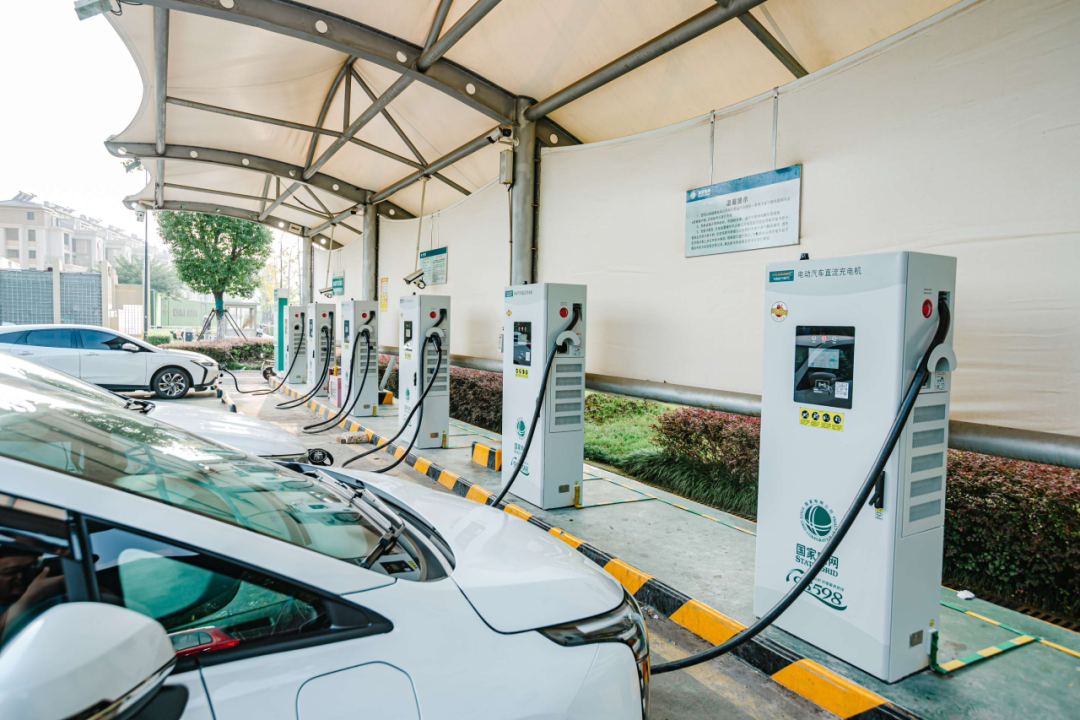
During the extended-range powertrain market's surge, BEVs faced range anxiety issues, while PHEVs suffered from a subpar driving experience. In this gap, extended-range powertrains, which offered no range anxiety, smooth driving, and cost savings over fuel vehicles, flourished.
This led to an unexpected boom for the industry. Data shows that in 2020, annual sales of extended-range electric vehicles were just 30,000 units, but by 2025, they exceeded 1.23 million units, a staggering growth of 1.2 million units.
This growth provided a lifeline for participants struggling to keep pace with the BEV transition.
Moreover, since 2024, traditional automakers, new energy vehicle (NEV) startups, and joint ventures have all entered the extended-range segment, expanding the number of brands offering extended-range passenger vehicles from six to over 20. Extended-range models have also gradually extended from high-end flagship models to the mainstream family market.
Suddenly, the extended-range market became a 'golden highway'.
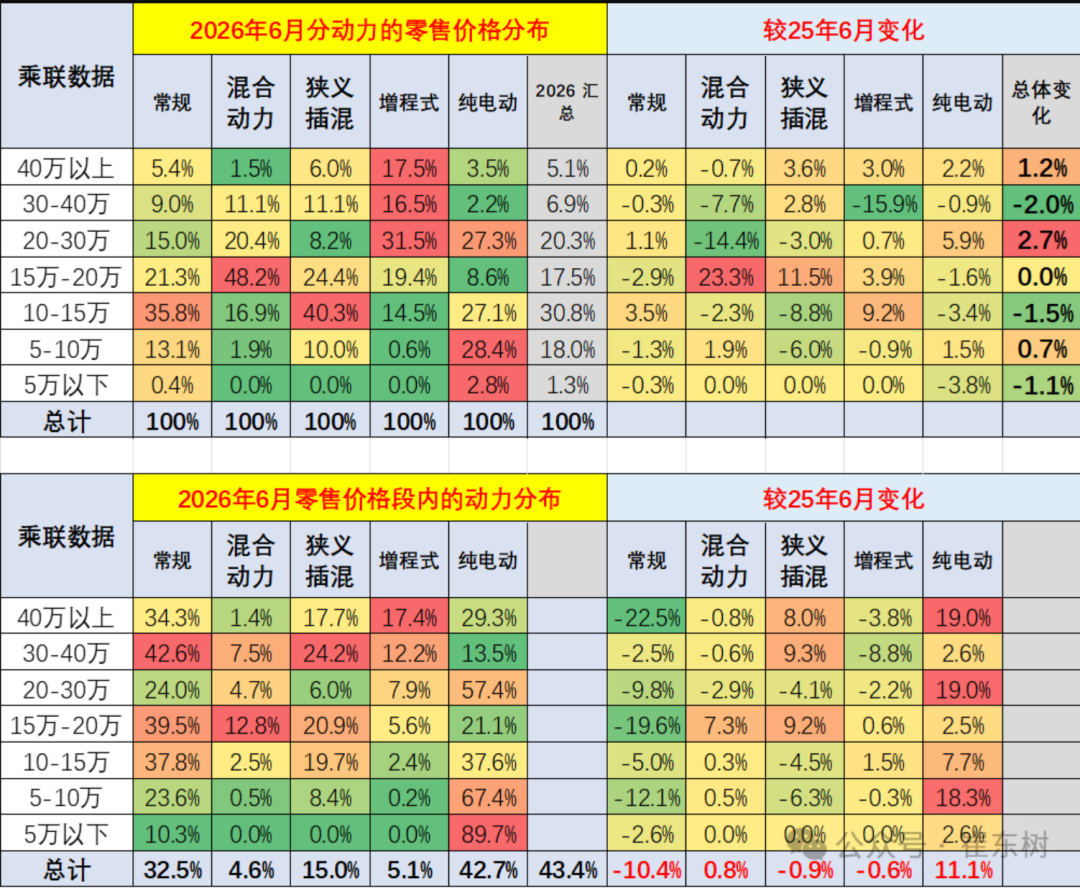
However, market changes in 2026 have proven more unpredictable than expected. The deployment of 800V high-voltage platforms in models priced below 200,000 yuan, coupled with fast charging capabilities that can go from 30% to 80% in under 20 minutes, has dramatically improved the charging experience for BEVs.
Late last year, Cui Dongshu, Secretary-General of the CPCA, stated that extended-range models would face a certain decline in 2026. Technological breakthroughs and improved infrastructure have addressed the pain point of short driving range in BEVs, weakening the universal advantage of extended-range models' ability to use both fuel and electricity.
In 2026, sales of extended-range vehicles indeed plummeted, with the market shrinking. Many new extended-range models aiming to capitalize on market opportunities suddenly found themselves on a 'single-log bridge'.
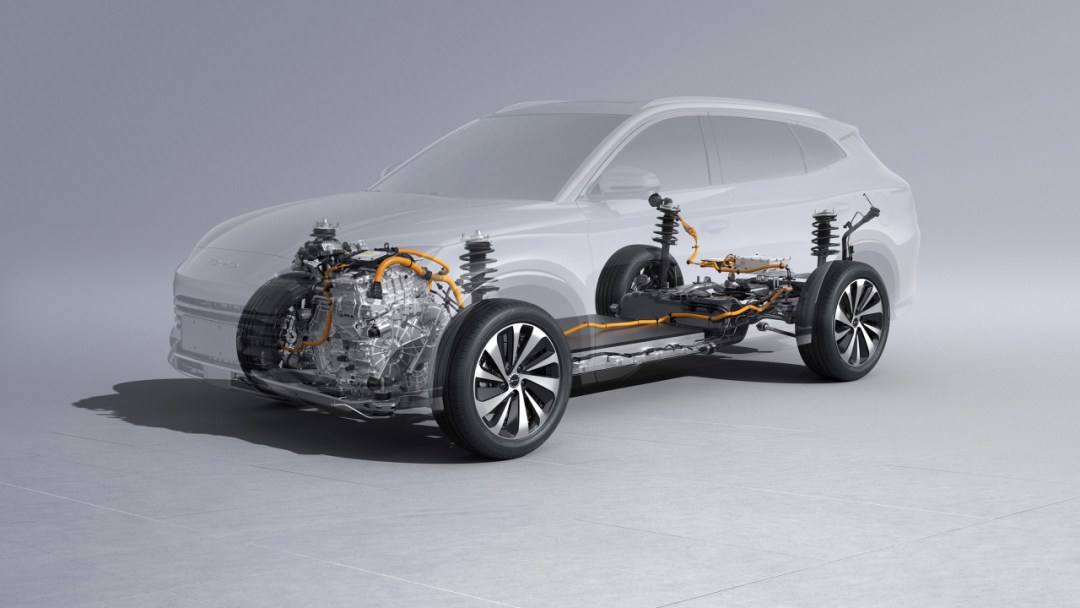
The difficulty of crossing the 'single-log bridge' is well-known, turning the extended-range market into a 'survival game'.
The AITO M9 and M6 have upheld the prestige of the high-end extended-range market, while the Ideal L series has barely managed to hold its ground. The rest of the models linger below 3,000 units in sales—this is the current main landscape of the extended-range market.
Perhaps some disagree, considering that Leapmotor, which leads NEV startup sales with an average of 70,000 to 80,000 units per month, heavily relies on extended-range models. For instance, Leapmotor has established itself in the 150,000-yuan market with its C-series extended-range versions.
However, examining the current sales structure, Leapmotor's cumulative sales in the first half of the year reached 356,500 units. Extended-range models, priced between 100,000 and 150,000 yuan, focus on cost-effectiveness, using in-house R&D to compress costs and high-specification, low-price strategies to target mainstream family markets. The main sales growth, however, comes from BEVs.
Ideal, which once rapidly rose in the market with extended-range powertrains, delivered about 31,000 units in June, with two-thirds coming from the pure electric i6, leaving less than 10,000 units for the L-series extended-range models.
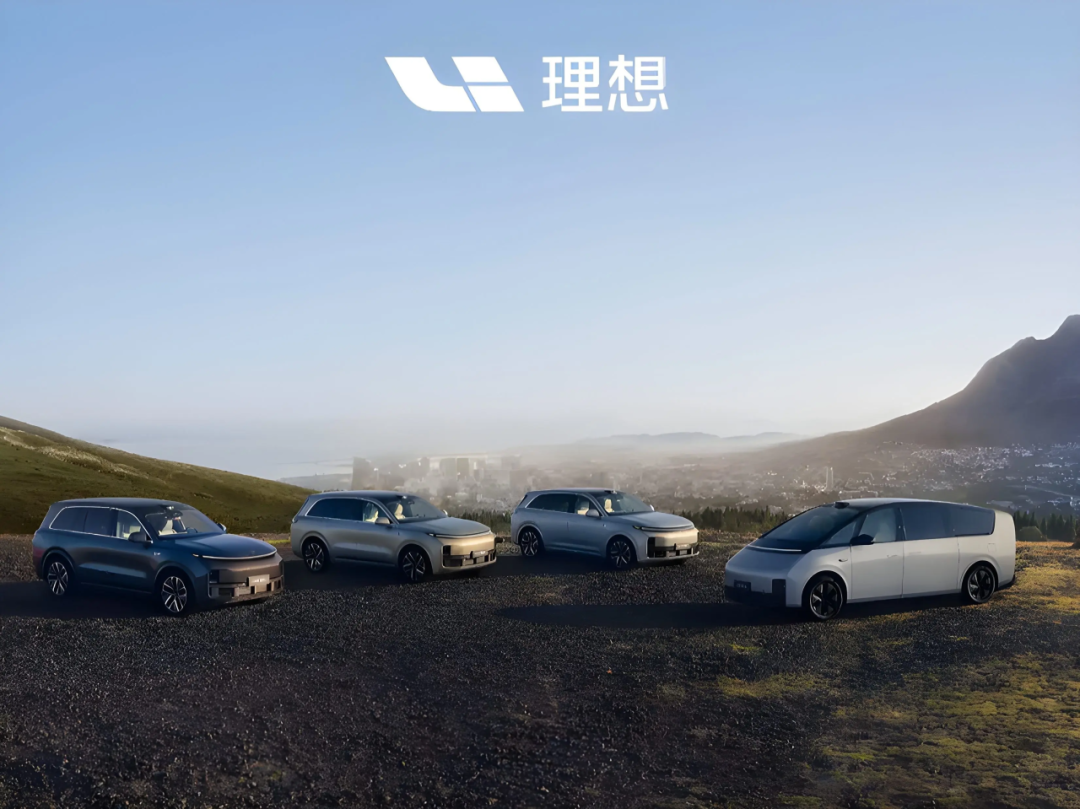
From the perspective of these two brands that once rose primarily due to extended-range powertrains, extended-range models now serve as just one piece of their product matrix. Flagship models? They no longer fit that description. In the top 10 NEV sales rankings for the first half of this year, extended-range models are nowhere to be seen.
Automakers have keenly captured this change.
In April, Mu Feng, President of Great Wall Motors, stated that the company would resolutely not pursue extended-range models due to the excessively long powertrain chain and significant energy loss at high speeds. On May 29, Li Bin stated at the Future Automotive Pioneers Conference that extended-range and plug-in hybrid models 'would definitely not be developed further'.
The reason is the same: the extended-range market no longer offers dividends. There is almost no technological gap between extended-range models today.
This means a brutal slaughter has already begun.
Polarization
Of course, the narrowing of gaps and the decline of the extended-range market do not mean it has 'reached a dead end'. Rather, the extended-range market has reached a crossroads, and necessary and sufficient market competition has become inevitable.
Because new models are still entering the market, and there remains strong demand for extended-range powertrains. In other words, the extended-range market has shifted from a universal hit to a niche market necessity.
On June 10, the Ministry of Industry and Information Technology's (MIIT) 408th batch of announcements revealed that Xiaomi Auto had officially obtained production qualifications for extended-range electric passenger vehicles. Its new model directly targets the Ideal L9 and AITO M9, striving to fulfill its initial spirit of 'Xiaomi Auto paying tribute to Huawei'. For Xiaomi Auto, which is in its expansion phase, extended-range models are still seen as a crucial step to boost sales volume.
Additionally, He Xiaopeng last year defined extended-range technology as a route that will coexist with BEVs in the long term. Joint ventures such as Volkswagen, Toyota, and Nissan are leveraging their accumulated engine technology to launch extended-range models. However, the new extended-range models launched this year all follow the 'large battery + small fuel tank' route, inevitably competing with BEVs.
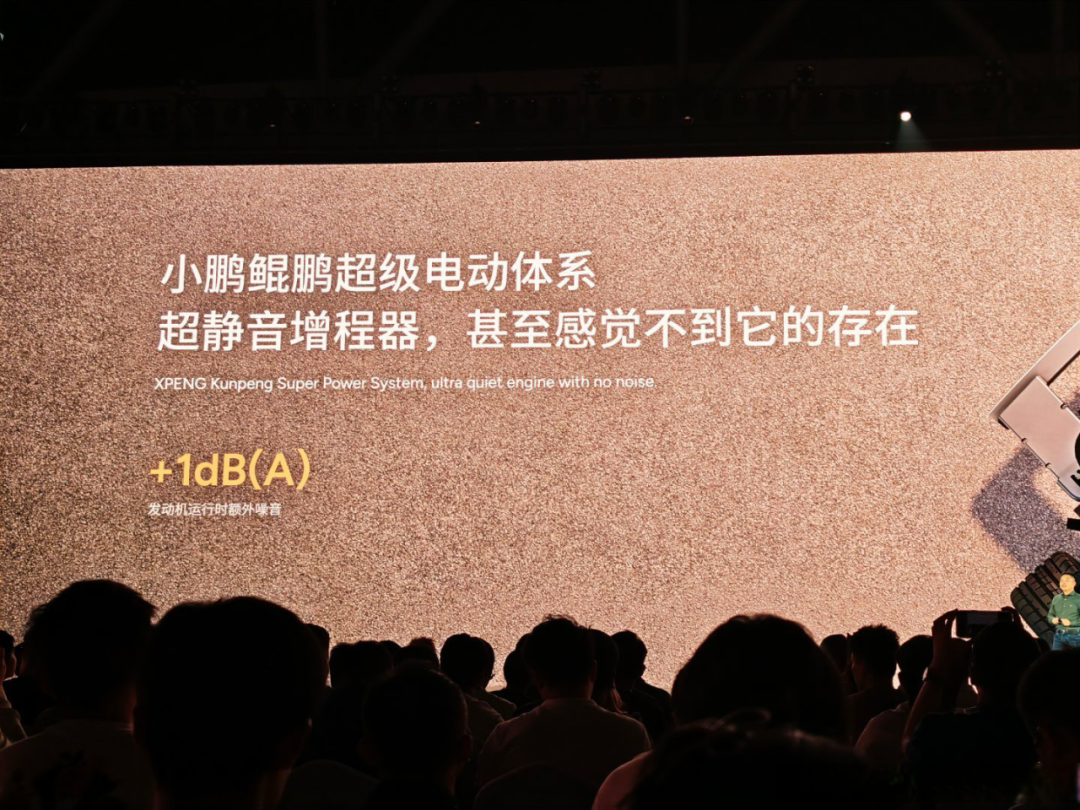
While the market cools down on one side, more models are being introduced on the other. Besides the boom period during R&D, there is still market demand.
Zhu Jiangming, founder of Leapmotor, stated that for users who have difficulty charging and those in cold regions like Northeast and Northwest China, extended-range and plug-in hybrid models still meet practical needs and will coexist with BEVs for a long time.
Moreover, overseas markets represent a new growth pole for extended-range models. For instance, Ideal has entered the UAE and Saudi Arabian markets, introducing its L-series models. Data shows that from January to May, cumulative exports of extended-range models reached 61,000 units, a year-on-year increase of 266.9%. This growth indicates a vast market demand waiting to be tapped.
Currently, from a strategic layout perspective, the extended-range market has shown polarization. One approach, led by Leapmotor, focuses on low-cost electrification solutions for the 100,000 to 150,000 yuan market, emphasizing cost-effectiveness. The other approach prioritizes experience, treating extended-range as a supplement to BEVs, targeting the large SUV and MPV markets.
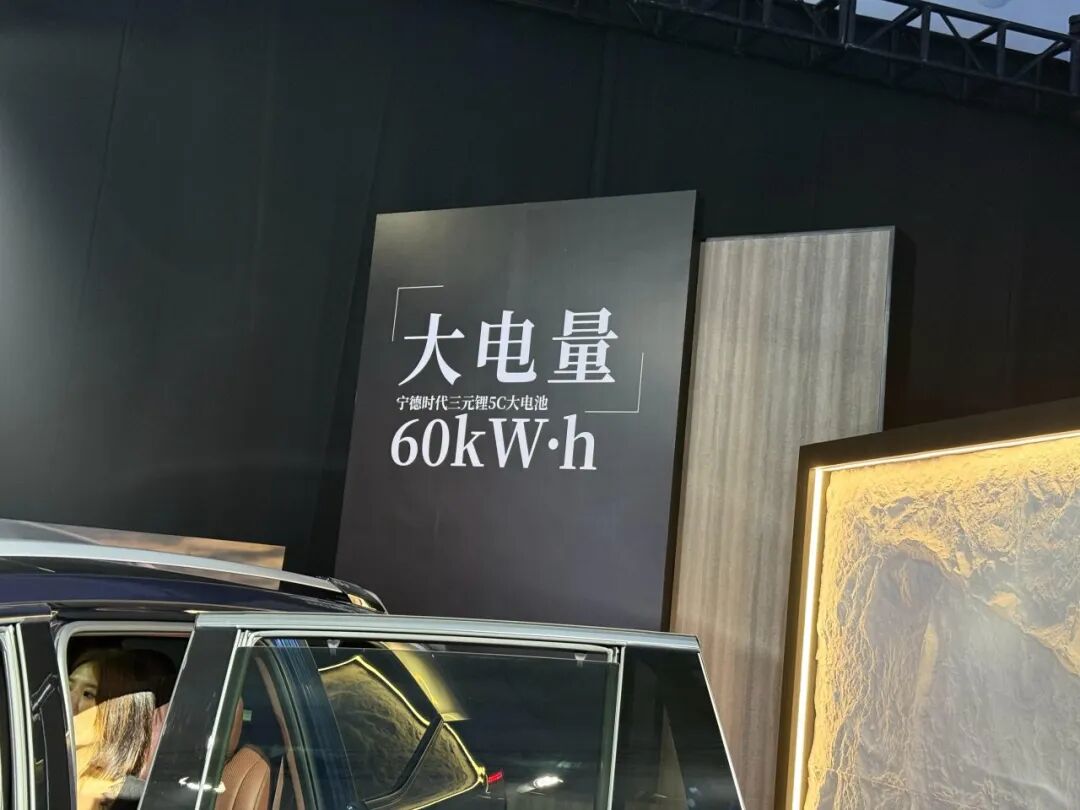
This is one of the strategies behind the launch of many extended-range models. Different tactics have led to differing opinions, with debates like 'Is the future of extended-range BEVs?' or 'Is the future of extended-range 5C extended-range?' remaining unresolved.
It is estimated that in the coming years, the extended-range market will account for about 15% of the NEV passenger vehicle market, meaning it cannot support a large number of models. Under fierce competition, a few leading players may emerge, forming an important part of the NEV market alongside BEVs and PHEVs.
So, who will remain in the extended-range arena?
Note: Images sourced from the internet. If there is any infringement, please contact us for removal.
-END-

-
When Cost-Effectiveness Falters, Mobile Phone Sub-brands Engage in a Survival Showdown
-
![]()
Automotive-Grade Fragrance Generator: Safety as the Foundation, Pleasant Aroma as the Norm
-
![]()
Tengjing Technology’s Revenue Projected to Soar by Over 50% in First Half of 2026!
-
![]()
Insta360 Ramps Up 'Bundling' with Upstream Optical Supply Chain with 110 Million Yuan in Related Procurement
-
![]()
Following NIO and CATL’s Footsteps, Guangzhou Nurtures Another Billion-Dollar Unicorn
-
![]()
No Choice for Mobile Phone Companies | Waves
-
![]()
From Jiyue to Li Auto and Saido: The Expedition of AI Cars Has Just Begun | Business Wave
-
![]()
Why Chinese Domestic Brands Are Embracing the Supercar Race Despite Its Unprofitable Nature