SAIC’s Four Key Divisions See Leadership Overhaul: Lu Xiao Moves to Passenger Cars, Xu Ping Takes Charge of GM, Wu Yun Leads Volkswagen
 07/28 2026
 527
527
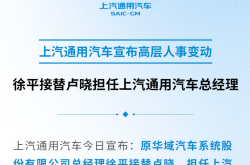
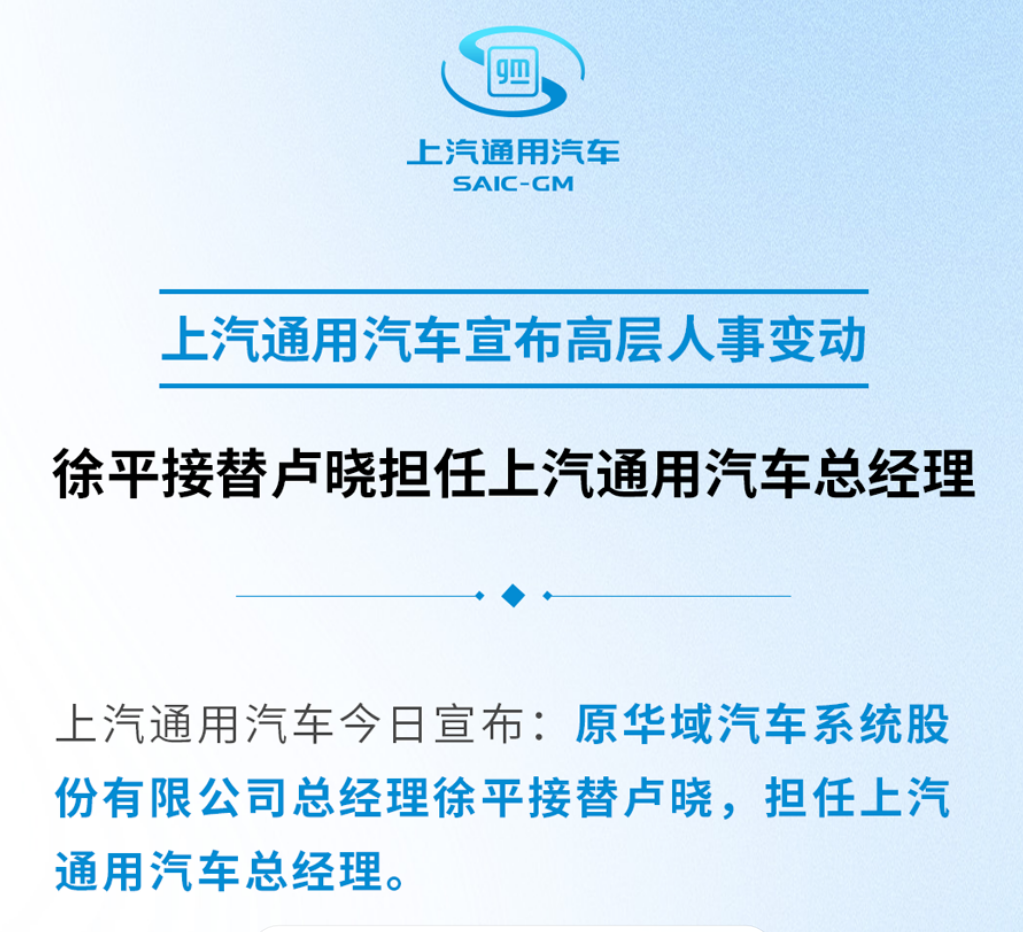
On July 28, SAIC General Motors announced significant leadership changes: Xu Ping, previously the General Manager of Huayu Automotive Systems, has taken over from Lu Xiao as the General Manager of SAIC General Motors. Lu Xiao has been reassigned to SAIC Passenger Vehicles, succeeding Wang Jun as General Manager. Meanwhile, Wang Jun will continue his role as Deputy Chief Economist of SAIC Group and Party Secretary of SAIC Passenger Vehicles.
Simultaneously, Qichebatan has learned that SAIC Volkswagen is also poised for high-level adjustments. Tao Hailong, the current General Manager of SAIC Volkswagen, is set to step down and transition to Huayu to succeed Xu Ping as General Manager of Huayu Automotive Systems. Wu Yun, a seasoned executive within SAIC Volkswagen, is expected to take his place. However, as of the press deadline, SAIC Volkswagen has not officially confirmed this news.
With these changes, SAIC Group’s four major business divisions have undergone another round of leadership reshuffles, two years after their collective overhaul in 2024. Unlike the previous adjustments, which had a distinct "firefighting" tone, this round reflects a deeper strategic intent.

Two Years, Two Rounds of Adjustments: From "Emergency" to "Strategic Upgrade"
In July 2024, SAIC Group completed a leadership transition at the chairman and president levels, with Wang Xiaoqiu assuming the role of Chairman and Jia Jianxu becoming Group President. Subsequently, SAIC’s three passenger vehicle companies underwent simultaneous leadership changes: Tao Hailong succeeded Jia Jianxu as General Manager of SAIC Volkswagen, Lu Xiao took over from Zhuang Jingxiong as General Manager of SAIC General Motors, and Wang Jun replaced Wu Bing as General Manager of SAIC Passenger Vehicles. These adjustments were clearly reactive in nature, as all three divisions faced sales pressure, transformation challenges, and profitability issues.
Take Lu Xiao, for instance. When he assumed leadership, SAIC General Motors was at a historic low, experiencing its first-ever revenue decline. Upon arrival, Lu Xiao swiftly implemented reforms, accelerating project development, reducing costs through technological innovation, restructuring the organization, and leading the launch of the joint venture’s first "Xiaoyao Super Integration Architecture" developed by a Chinese team. He also introduced Buick’s premium new energy sub-brand, "Zhijing." The Zhijing E7 set a record for the fastest delivery of 10,000 units among joint-venture new energy models, while the Zhijing Shijia claimed the title of best-selling luxury new energy MPV priced above 400,000 yuan in the first half of 2026. In 2025, SAIC General Motors ranked first among joint ventures in new energy penetration and maintained profitability for five consecutive quarters.
Under Tao Hailong’s leadership, SAIC Volkswagen achieved annual sales of 1.06 million units in 2025, with the Volkswagen brand securing the top spot in fuel vehicle single-brand sales and increasing its market share to 8.5%-8.6% against industry trends. Meanwhile, Wang Jun oversaw the integration of brands such as Roewe, MG, and Feifan at SAIC Passenger Vehicles, forming a synergistic "large passenger vehicle division."
If the 2024 adjustments were reactive, the 2026 reshuffle represents an upgrade from "emergency" to "strategy." SAIC Group has achieved seven consecutive months of year-on-year sales growth, emerging from its adjustment phase. This rotation is clearly not about "catching up" but about "attacking"—deploying core talent to fronts where they can make the greatest impact while replicating and promoting proven transformation models across the system.
Lu Xiao Transfers to Passenger Vehicles, Bringing Proven Transformation Experience
In this reshuffle, Lu Xiao’s transfer from SAIC General Motors to SAIC Passenger Vehicles was the first to be publicly announced. Analysts believe this move carries significant strategic weight, representing another output of SAIC’s successful validation of "technological democratization" and "blockbuster methodology."
Lu Xiao’s nearly three-decade career within the General Motors system has equipped him with a rare combination of global vision and local R&D experience. In less than two years at SAIC General Motors, he validated a complete transformation methodology: from developing a self-researched technical architecture to creating a premium new energy sub-brand and rapidly deploying a full range of products. The core of this methodology lies in preserving global technical heritage while empowering local teams with full R&D leadership and product definition rights.
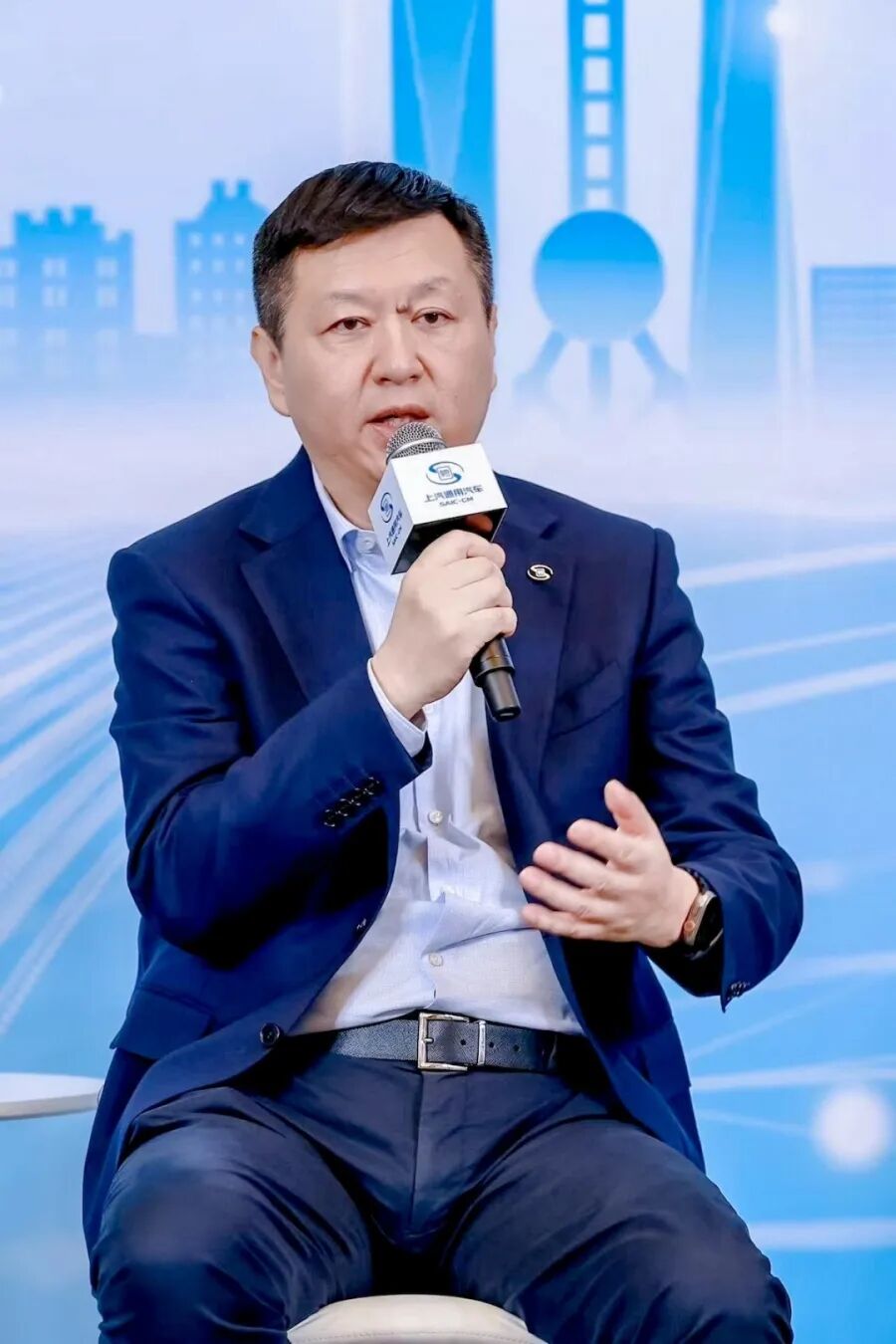
For Roewe and MG, which have long faced pressure to move upmarket, Lu Xiao brings exactly what is most scarce—practical experience in successfully achieving premium transformation. How to define competitive new energy products, how to establish premium brand recognition, and how to rapidly respond to market demands are all "hard skills" that SAIC Passenger Vehicles currently needs.
Qichebatan has learned that Wang Jun, after stepping down as General Manager of SAIC Passenger Vehicles, will continue to serve as Deputy Chief Economist of SAIC Group and Party Secretary of SAIC Passenger Vehicles. This arrangement reflects the group’s recognition of his strategic planning capabilities and ensures a more refined division of labor between business operations and strategic direction at SAIC Passenger Vehicles.
Xu Ping Succeeds Lu Xiao: A Seamless Transition for a Technical Veteran
Xu Ping, who succeeds Lu Xiao, is similarly a seasoned technical expert. Since 1998, he has held extensive roles at SAIC General Motors and Pan Asia Technical Automotive Center (PATAC), including Deputy Director of PATAC Powertrain, Executive Director of Project Management, Executive Vice President, and Executive Director of SAIC General Motors’ Planning and Development Department.
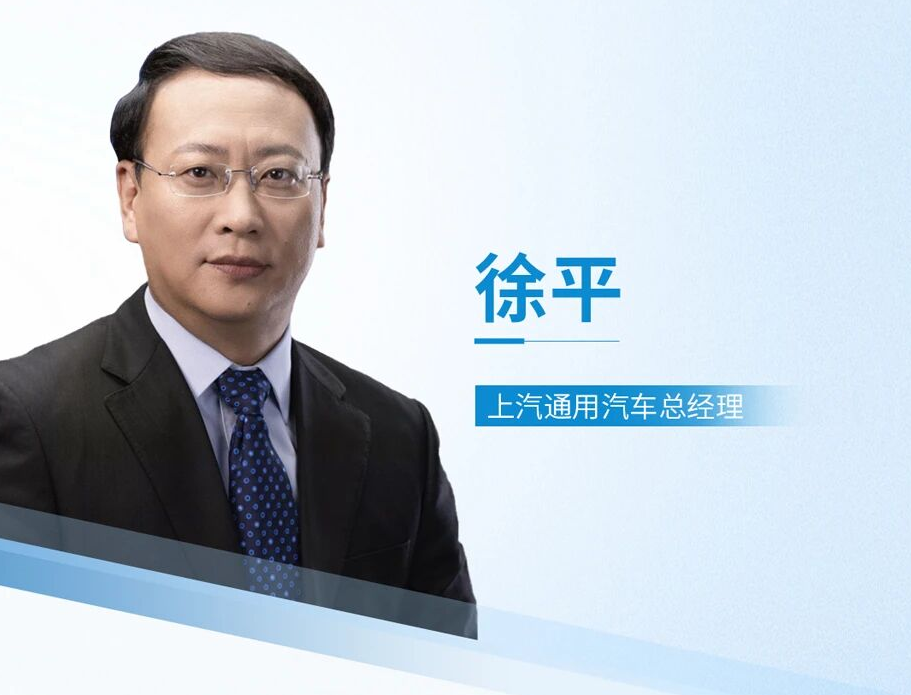
He later served as Executive Deputy Director of SAIC Group’s Technical Center, Deputy General Manager of SAIC Passenger Vehicles Branch, and General Manager of SAIC UK Holdings, accumulating international management experience. Before his new appointment, he served as General Manager of Huayu Automotive Systems, gaining deeper insights into the automotive supply chain.
The transition between Xu Ping and Lu Xiao can be described as "seamless." Both have long tenures at PATAC and SAIC General Motors, sharing a high degree of consensus on R&D systems, product planning, and corporate operations. This smooth handover ensures that SAIC General Motors’ established intelligent electrification strategy remains unchanged, while Xu Ping’s diverse experience in passenger vehicles and overseas operations may bring fresh perspectives on resource integration to the company.
Marketing Veteran Wu Yun Takes Over, Aiming for Market Proximity and User Engagement
Compared to the technical backgrounds of Lu Xiao and Xu Ping, Wu Yun’s appointment offers a different perspective.
Wu Yun is a locally grown executive at SAIC Volkswagen. Records show that Wu Yun previously served as Senior Director of Marketing for the Volkswagen brand at SAIC Volkswagen, deeply involved in the marketing and promotion of core models such as the ID. series, Passat, and Tiguan, amassing rich practical experience in brand positioning and product communication. Recently, Wu Yun was appointed as a new director in the industrial and commercial personnel adjustments at SAIC Volkswagen Sales Co.
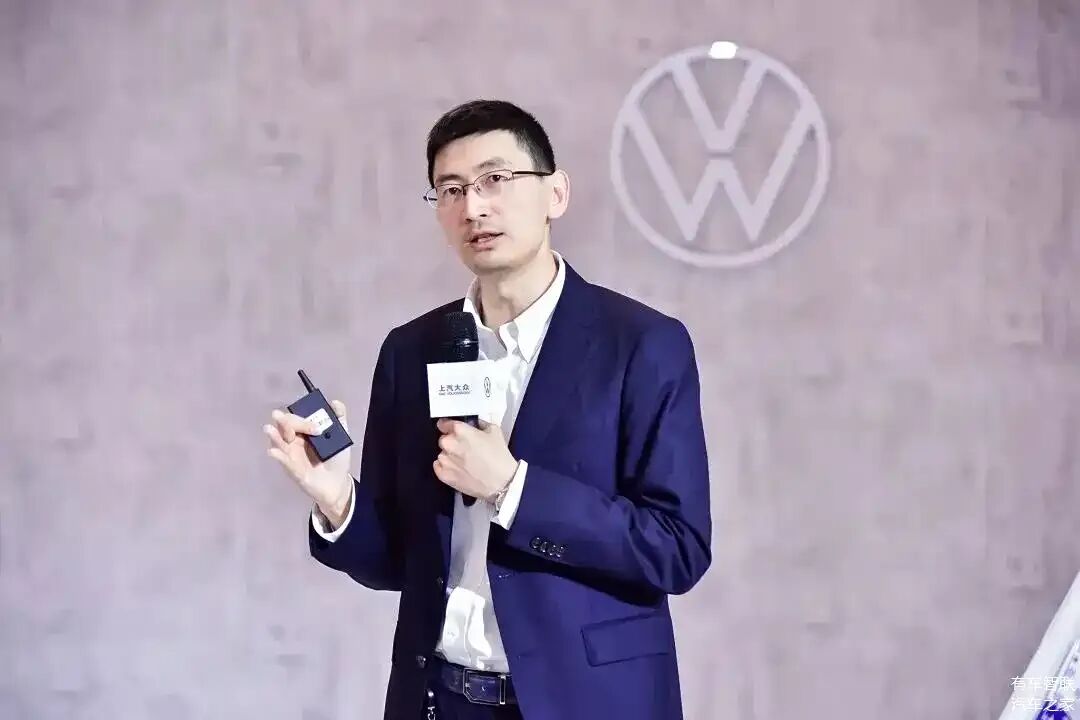
Qichebatan believes that Wu Yun’s appointment as General Manager of SAIC Volkswagen reflects SAIC Group’s preference for younger leadership. As competition in the new energy market shifts from "technological prowess" to "user operations and brand mindshare," a strategist deeply familiar with Chinese consumer psychology and Volkswagen’s marketing system is invaluable to SAIC Volkswagen.
Notably, in June of this year, SAIC Volkswagen Sales Co. underwent industrial and commercial changes. Wang Xiaoqiu, Chairman of SAIC Group, stepped down as legal representative and chairman, succeeded by Tao Hailong, General Manager of SAIC Volkswagen. This adjustment—"stepping back for group leaders, stepping forward for frontline leaders"—essentially aligns powers, responsibilities, and benefits to enhance market decision-making efficiency. Now, with Tao Hailong stepping down and Wu Yun taking over, it signifies that SAIC Volkswagen, after establishing its "production-sales integration" framework, has entered a new execution phase, driven by marketing-oriented managers closer to the market and users.
Conclusion:
On July 28, the leaders of SAIC General Motors and SAIC Passenger Vehicles changed simultaneously, with SAIC Volkswagen’s leadership reshuffle also underway. On the surface, these are personnel adjustments, but in reality, they represent a crucial strategic move by SAIC Group in the second half of the intelligent electrification era.
At the intersection of the "first half of electrification" and the "second half of intelligence," automakers’ core competitiveness is shifting from singular technological leadership to a comprehensive competition of "technology + brand + user operations." SAIC Group’s two rounds of collective rotations over two years provide its answer: circulating proven methodologies within the system, positioning talent with different expertise appropriately, and enabling each division to find its offensive rhythm in the era of rapid new energy transformation.
-
![]()
139 Institutions Conduct Research as Robotec Promptly Secures a Major Order Worth 129 Million Yuan!
-
![]()
Zeiss Boosts Investment to Expand 25,000-sqm Optical Plant, Elevating Its Exclusive EUV Optical Manufacturing Capabilities!
-
![]()
SAIC’s Four Key Divisions See Leadership Overhaul: Lu Xiao Moves to Passenger Cars, Xu Ping Takes Charge of GM, Wu Yun Leads Volkswagen
-
![]()
Nearly a Year On, Traffickers Still Reap Tens of Thousands by Selling Zeekr 9X in Russia
-
![]()
Apple’s New Business Model: Pay $39 a Month, But at What Cost to Your Wallet?
-
![]()
Tencent Places Its Bets on WorkBuddy: The Next Frontier in AI-Driven Office Solutions, Vying for the Smart Gateway
-
![]()
Apple Reclaims Global Market Cap Crown: Is a Strong Device the True Path for AI?
-
![]()
Apple Regains Global Market Cap Leadership: Are Smart Devices the Future of AI?