Old Cars’ Residual Value Plummets: What Are My Options for Upgrading?
 08/04 2026
 511
511
Introduction
Cars have never been considered fast-moving consumer goods. Remember, don’t spend your hard-earned money on fleeting trends.
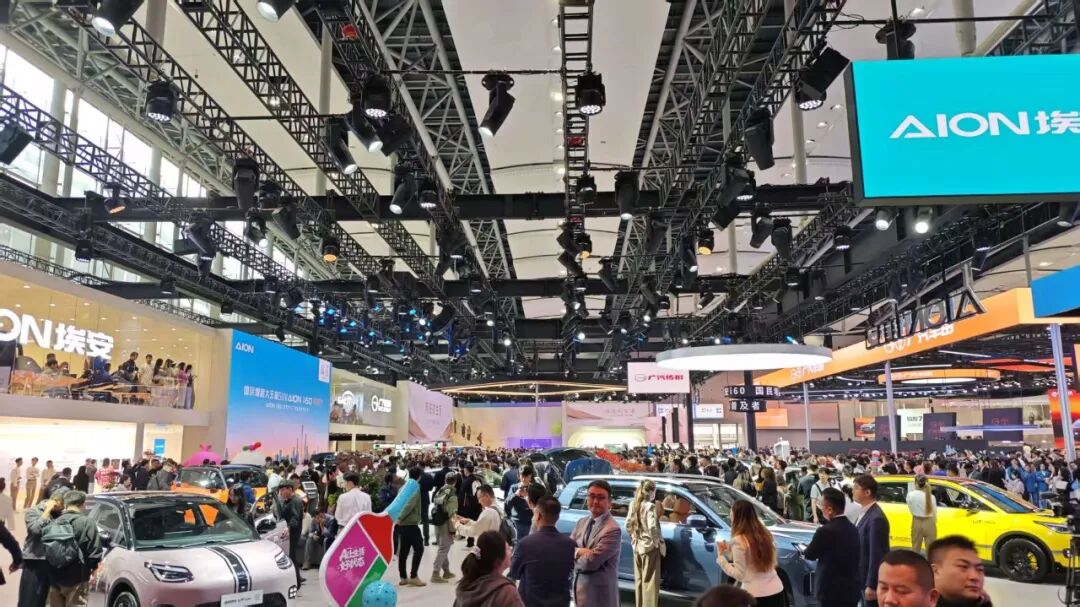
The chaos in this year’s new car market is unprecedented, they said. After years of fierce competition, the automotive market has undergone significant reshuffling. Now, if you’re willing to spend, countless options await you.
Compared to previous years, luxury brands like BBA have slashed prices on entry-level models by over 100,000 yuan to boost sales. Volkswagen and Toyota have resorted to selling at a loss, biting the bullet. Even prominent Chinese automakers are relentlessly vying for market share, determined to emerge victorious amidst the turmoil.
“When did buying a car become so affordable?” Those who experienced the era of car price hikes will ponder this soul-searching question. Yet, the cutthroat competition in China’s automotive market shows no signs of abating.
Recently, at a press conference announcing that Chery’s cumulative global sales had surpassed 20 million vehicles, Chairman Yin Tongyue explicitly stated that Chery would not engage in low-level price wars and would instead focus on technological innovation, value creation, and enhancing customer satisfaction. His declaration stirred excitement among attendees. However, upon reflection, one must ask: in the current environment, who can truly afford to sit on the sidelines?
With over 500 new models launched in just half a year, disrupting the market, can a single individual’s call truly steer the market in an ideal direction?

For consumers, intense competition has indeed made new car prices more accessible, allowing young people to aspire to B-class or higher vehicles right out of college. However, for existing car owners, the sharp decline in new car prices has caused the residual value of their current vehicles to plummet.
Those with a pragmatic mindset may choose to scrap their old cars and purchase new ones with some subsidies. More astute individuals might simply trade in their old car for another used one. After all, used car prices have dropped significantly, and the cost-effectiveness of high-quality used cars has soared.
01 Think Twice Before Replacing Your Car
What sets this year’s automotive market apart from a decade ago?
With automakers vigorously pursuing technological and service advancements, everyone secretly laments their past purchases, feeling taken advantage of by joint-venture brands and spending exorbitant amounts on vehicles that felt like unfinished products. The disdain for the industry’s past practice of hiking prices for popular models is even more pronounced.
Today, as Chinese brands drive down car prices, dilute technological premiums, and nearly eliminate brand value, China has become the cheapest place in the world to buy a car and access technology.
It took less than a decade to create such a divided market atmosphere. To be honest, this is a scenario that Chinese users never imagined but eagerly anticipated. However, with the explosive launch of new cars, a structural issue has emerged: existing users’ attitudes towards car replacement are quite intriguing.
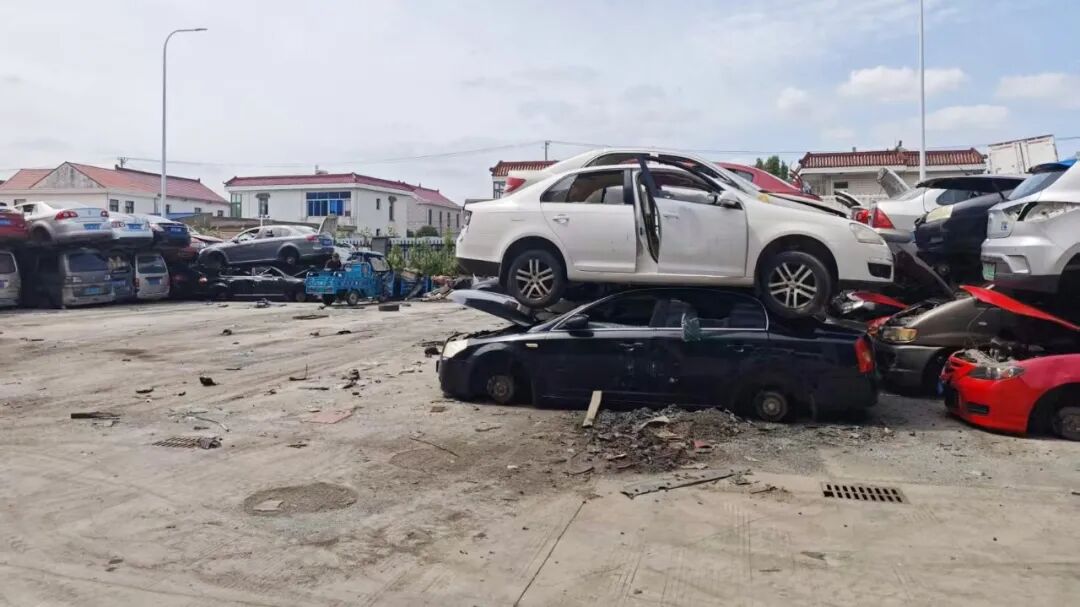
Especially those who have owned a car for more than five years will find that if their car was originally priced around 200,000 yuan, its current residual value has dropped below 50,000 yuan. Family cars priced around 100,000 yuan are now essentially worth only 10,000 yuan, not much higher than scrap subsidies.
In other words, while everyone believes that new car prices have bottomed out and shortening the replacement cycle might be feasible, a glance at their own car’s residual value reveals significant fluctuations. If they replace their car now, the price difference remains substantial, and they haven’t saved much compared to the past.
Therefore, despite more than half of the year passing, fatigue in the automotive market is evident. Even with national subsidy policies in place, a nearly 20% decline in domestic cumulative sales data is quite telling: existing users can no longer afford to replace their cars.
Against the backdrop of a continuously declining economic environment, what is the nature of “cars” for ordinary consumers?
We do not deny that the experience improvements brought by the rapid iteration of the new energy industry are tangible and captivating. Many attention-grabbing brands have turned a vast number of users into brand ambassadors through saturated marketing. In this environment, the consensus among potential consumers is to “buy a new car quickly and enjoy new-era technology.”
Last year, driven by subsidy policies, a large number of tempted consumers sent their old cars to the scrapyard just to experience the convenience and economy of new-era automotive life with new energy vehicles.
However, from the perspective of ordinary people, while paying for new technological iterations once is acceptable, considering car replacement as something to think about every 2-3 years raises the question: who wouldn’t carefully consider their finances?
Especially after understanding the impact of policy rollbacks and the plummeting used car purchase prices, I doubt anyone would recklessly replace their car.
No matter how good the new car experience is, it cannot withstand the depreciation caused by rapid model updates. No matter how low new car prices are, they cannot overcome the helplessness of the significant price difference when old cars become worthless. Moreover, endless market competition further confuses consumers, leaving them unsure of the best choice.
Simply put, in the worldview of ordinary users, all competition in the automotive circle will ultimately be quantified in monetary terms. However, this simplest idea often becomes the key to making a final decision after prolonged consideration.
A simple example: when you drive a once-reputable car like a 5-8-year-old Volkswagen Lavida or Honda Civic to the used car market and receive an evaluation price equivalent to a folding screen smartphone, or at best 30,000-40,000 yuan for a newer model, while listening to the dealer’s complaints, where is the enthusiasm for car replacement?

Replace your car? With what? Even if you bite the bullet and replace it, would you get another car that’s similar or even of lower quality than your old one? Why bother? Even more absurdly, even if you replace it with a new car costing over 300,000 yuan, chances are its residual value will halve in two years, and its technology will be outdated. By then, who will have the courage to continue replacing their car?
02 No Need to Trade in Old for New Unless Necessary
According to Ministry of Public Security data, by the end of 2025, there were 43.97 million new energy vehicles in China. In 2025 alone, retail sales of new energy passenger vehicles reached 12.809 million units, accounting for 29% of the total inventory. Nearly 30% of new energy vehicles were registered within the past year, clearly indicating the rapid changes in the Chinese automotive market.
However, at its core, shortening the replacement cycle is the key to rapidly increasing car ownership. The cost of replacing a car within five years will undoubtedly be several times higher than replacing it within 8-10 years. After a simple calculation, who dares say that following corporate promotional slogans to replace a car is a cost-effective decision?
Last year, data from the National Bureau of Statistics showed that the per capita disposable income of residents nationwide was 43,377 yuan. By place of residence, the per capita disposable income of urban residents was 56,502 yuan, while that of rural residents was only 24,456 yuan.
Although these figures show a year-on-year increase compared to the previous year, the reality remains that cars are still a luxury for the vast majority of the Chinese population. Do you really think earning over 10,000 yuan per month is common in China?
Behind the continuous decline of new car prices, we cannot ignore the more concerning realities for consumers, such as rapid model updates and quick depreciation of existing used cars.
Just ask: if your monthly income is around 5,000 yuan, can you truly calculate the additional expenses of trading in your ordinary family car for a new one? Few can.
In the current public opinion environment, someone will tell you that new energy vehicles have simple after-sales maintenance, low usage costs, and good intelligent experiences. For users with rigid demands, these are undoubtedly unavoidable advantages. However, if this forces existing users to update their vehicles, associating owning a fuel car with being outdated and old-fashioned, it is either foolish or malicious.
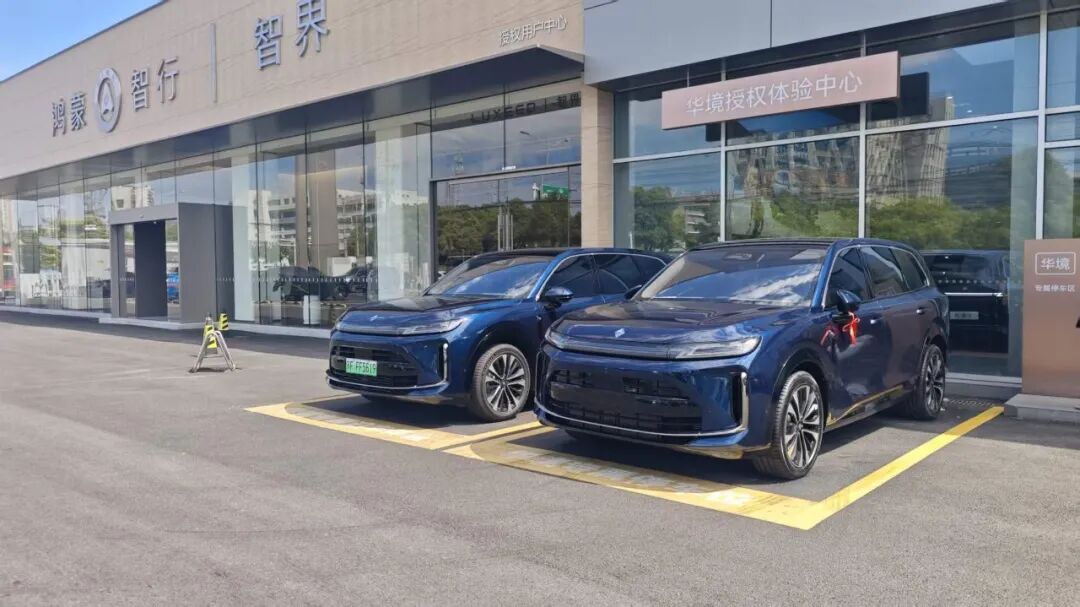
In the past two years, many in the industry have exposed the chaos of hastily produced cars.
At the 2026 China Automotive Forum, Li Fenggang, General Manager of Beijing Hyundai Motor Co., publicly criticized some brands for skipping necessary testing procedures to accelerate market launches, turning consumers into unwitting test drivers and posing safety hazards.
Almost at the same time, the National Technical Committee for Automotive Standardization publicly solicited opinions on three new energy vehicle testing regulations, proposing to increase the total reliability driving test mileage for new energy vehicle models to 30,000 kilometers.
Combining these events, it is clear that for ordinary people, the financial risks of recklessly replacing a car are transparent.
Spending a fortune to upgrade for a momentary psychological pleasure raises doubts about whether your car will justify your initial support years later. From car residual value to durability and emotional value, there is hardly any accurate answer for almost any aspect.
There has always been a significant difference between the public opinion frenzy and the realities of daily life.
Amidst the clamor of some manufacturers, cars are nearly equated with electronic fast-moving consumer goods, with rapid technological iteration requiring consumers to tirelessly spend their money to support industrial progress. Additionally, countless new car pickup sharing posts have become media tools to guide public consumption.
However, as ordinary consumers, can we really treat “car replacement” as a common occurrence because of this?
I firmly believe that cars will never become like smartphones in our hands, which we can replace with half a month's salary when they break or become outdated. Cars are significant assets on ordinary families' balance sheets, tools to shield from the elements during commutes, and consumption thresholds that many can only cross after saving for three to five years.
Now, as manufacturers shout about “technological equity” and “experience upgrades,” driving new car prices lower and lower, they are not only squeezing profit margins but also eroding the residual value of old cars owned by millions of existing users. These are tangible assets belonging to the people and should not become hidden costs of industrial expansion.
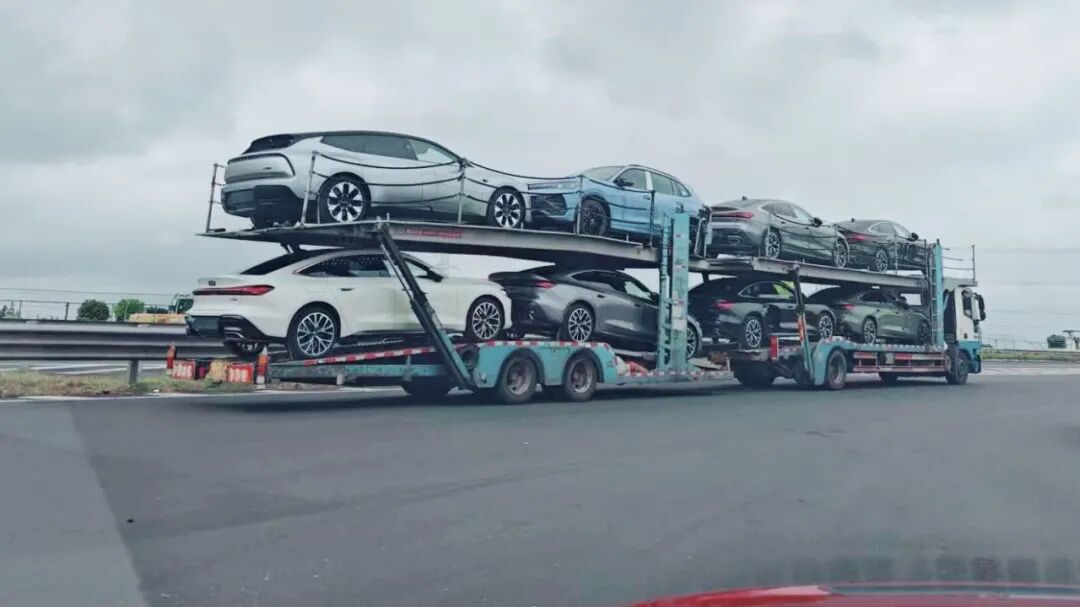
We welcome the rise of Chinese automobiles and recognize the experience leap brought by new energy technology. However, when “model updates every two years and major upgrades every three years” become the industry norm, and public opinion pressures everyone to trade in their old cars for new ones, ordinary people must stop and calculate: replacing a 150,000 yuan new car when the old one's residual value is only 20,000 yuan, plus insurance and taxes, requires a one-time payment of nearly 140,000 yuan, equivalent to two years' disposable income for an urban worker.
After calculating this, the so-called “paying for experience and emotional resonance” seems like a mirage.
More alarmingly, when some automakers compress research and development testing cycles to rush to market, every “new experience” for ordinary consumers may become the cost of industry trial and error.
For most Chinese families, a car accompanies them through eight to ten years of daily life. It is not a tool for showcasing technology or a prop in “car pickup vlogs.” It is a valuable asset purchased with hard-earned money and needs to be used reliably for a long time. Reducing the anxiety marketing of “falling behind if you don’t replace” and showing more respect for the asset value of existing users may be the most crucial lesson for this fervent market.
Every replacement is a tangible depletion of savings. Instead of the slogan of “replace every two years,” we hope for less marketing anxiety and more respect for the assets of existing users from automakers. Making people's cars “more valuable” is just as important as making new cars “cheaper.”
Editor-in-Chief: Yang Jing Editor: He Zengrong

THE END
-
![]()
Smartphone Chip Shipments Decline by 15%, While Smartphone Shipments Fall by Less Than 7%: Where Is the Discrepancy?
-
![]()
New Forces Start to Profit from Scale
-
Sluggish Sales: New Policies Step In to Revive the Market
-
![]()
The Changing Tide of Luxury Cars: Why Are Mercedes-Benz Sales Slumping?
-
![]()
Can You Still Identify Intelligent Driving When the Small Blue Light is Off?
-
![]()
The Stronger the Model, the More Valuable the Application Becomes
-
Is Alibaba Using QwenWork to Rival WorkBuddy?
-
China Eastern Airlines Endures 'Six Straight Years of Losses': Mid-Year Projection Indicates Further Losses Over 1.8 Billion Yuan, with High Debt and Liquidity Challenges Persisting