Can You Still Identify Intelligent Driving When the Small Blue Light is Off?
 08/04 2026
 328
328
Recently, the topic “The small blue light for intelligent driving is set to be banned for non-compliance with national standards” has gone viral on social media. Several mainstream car manufacturers have publicly responded, acknowledging the relevant regulatory requirements and stating that new models submitted for approval will strictly adhere to national regulations in terms of design modifications. This feature, which was once highly sought after in the new energy vehicle market and seen as a symbol of advanced intelligent driving, has now reached a critical juncture in its development.
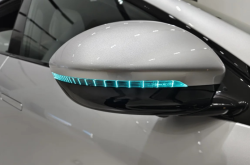
The intelligent driving “small blue light,” officially known as the Autonomous Driving System (ADS) Indicator Light, is typically installed on the vehicle's exterior rearview mirrors, rear, or fenders. When the vehicle activates advanced driving assistance features such as highway NOA (Navigate on Autopilot) or urban navigation, the small blue light indicates the system's operational status through different patterns: a steady light signifies normal operation, a slow blink indicates the system is handling complex road conditions, and a rapid blink warns that manual intervention is needed. It can also work in tandem with functions like blind-spot warnings and automatic parking, acting as a visual communication link between the vehicle and the outside world. Initially, many users saw it as a straightforward indicator of whether a vehicle was equipped with advanced intelligent driving capabilities.
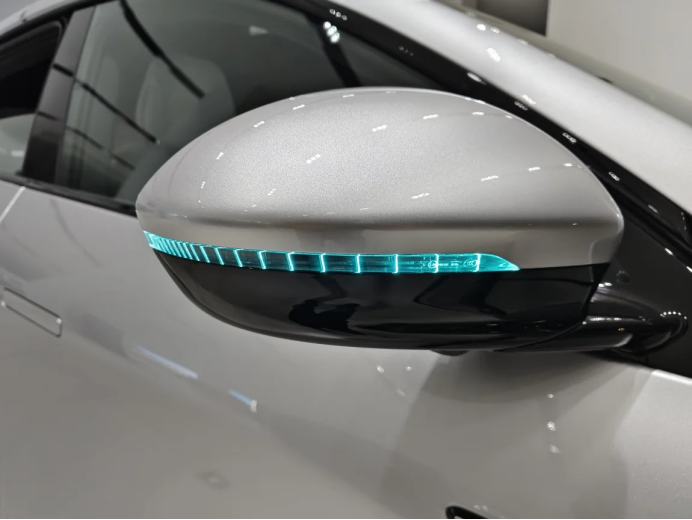
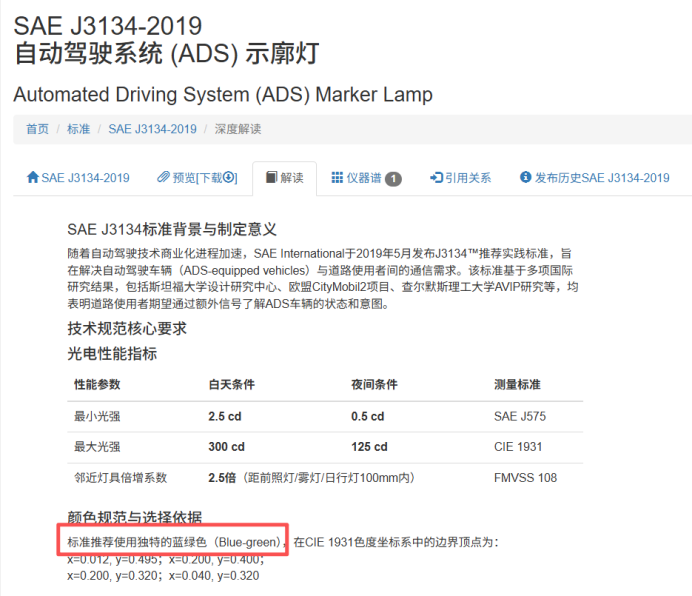
From an industry development standpoint, the concept of external lighting interaction for intelligent driving did not originate in China; it first emerged in overseas concept vehicles. In 2015, the Mercedes-Benz F015 autonomous driving concept car was the first to feature similar indicator lights, providing initial inspiration for the industry. In 2019, the Society of Automotive Engineers (SAE) in the United States issued the SAE J3134 recommended technical standard, suggesting that autonomous vehicles use blue-green lights to differentiate themselves from ordinary vehicles.
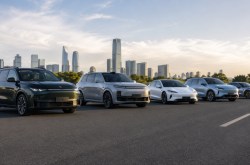
In 2022, the Li Auto L9 became the first model in China to mass-produce the small blue light on a large scale, quickly drawing market attention with this distinctive feature. Subsequently, numerous car companies, including XPeng, Seres, NIO, and BYD, followed suit, incorporating the small blue light as a key feature in their advanced intelligent driving models, transforming it from a unique selling point of a single car company into an industry-wide standard. Data reveals that in the first half of 2025, the domestic installation volume of small blue lights for advanced driving assistance reached 755,000 units, with an installation rate of 7.1%, marking a year-on-year increase of 1098%.
However, compliance issues with the small blue light have long been a lurking concern within the industry. Publicly available information indicates that the current mandatory national standard, Installation Requirements for External Lighting and Light Signaling Devices of Motor Vehicles and Their Trailers (GB4785-2019), clearly specifies the permitted light colors for different lighting devices, allowing only white, red, amber, and yellow light sources. Blue is not included in the permitted range, and the standard does not mention a lighting device category for “autonomous driving indicator lights.”
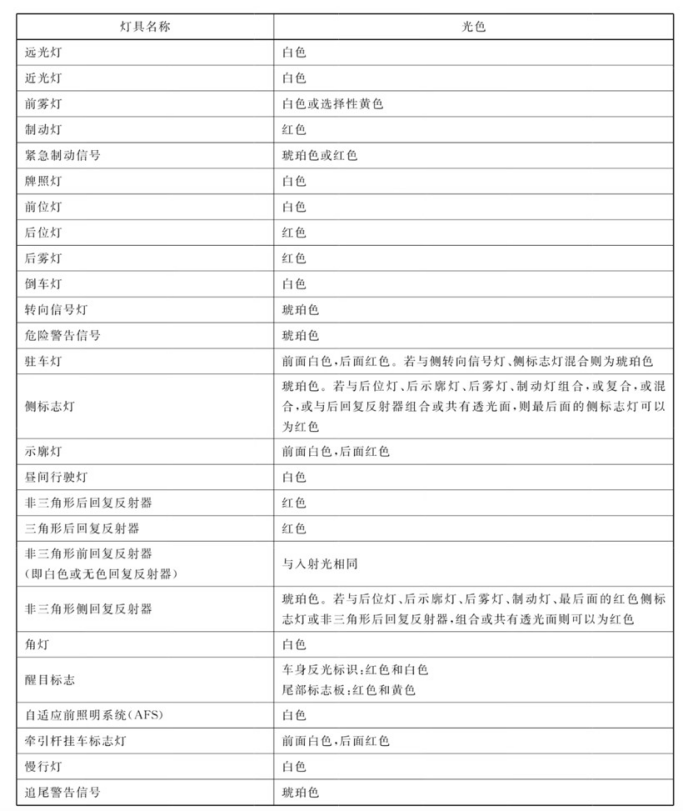
Although a 2021 draft of relevant domestic standards proposed adding provisions for autonomous driving indicator lights, these contents were entirely omitted from the final version of the national standard released in 2024. Many car companies exploited this transitional period by classifying the small blue light as an “intelligent driving status indicator device” rather than a traditional signaling light, thus implementing the feature without breaching the explicit clauses of existing standards.
As the market penetration of the small blue light grew, various practical issues began to surface on the roads, becoming a primary catalyst for stricter regulation. First is the compliance issue regarding light usage: the prolonged use of blue light on ordinary civilian vehicles can easily confuse road users about the signals of regular versus special vehicles, interfering with traffic police and surrounding drivers' judgment of road conditions and thus posing certain safety risks. Second, the absence of industry-wide standards has led to inconsistencies in the brightness and flashing frequencies of small blue lights across different brands. Some models feature excessively bright blue lights, causing glare for following vehicles during nighttime driving and becoming new sources of road interference. Additionally, many drivers report encountering vehicles with small blue lights on the road, with some drivers attempting to test intelligent driving technologies by engaging in aggressive behaviors such as cutting in line and tailgating.
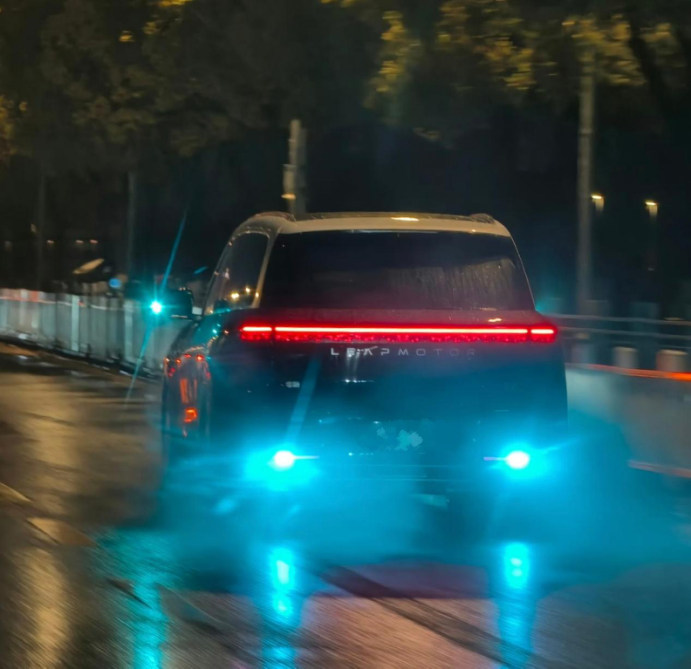
Therefore, these regulatory adjustments are not only necessary measures to fill existing gaps but also a crucial step in driving the industry toward standardization. On one hand, brands that have already finalized their designs and are preparing to submit new models for approval will need to modify their lighting solutions. Simultaneously, brands that have previously relied on the small blue light as a selling point for their intelligent driving features will need to adopt new marketing strategies. On the other hand, these adjustments can prompt the industry to rethink its competitive approach, moving away from superficial marketing tactics that rely on external lighting to signify intelligence and instead redirecting research and development resources toward core capabilities such as intelligent driving algorithms and sensing hardware.
It should be noted that this ban primarily targets newly certified models undergoing approval. Vehicles already on the road will not be subject to mandatory recalls or required to remove the hardware; they can continue to operate normally and undergo regular annual inspections without any impact. However, it is possible that some car companies may remotely disable the external blue light via OTA updates in the future, though the intelligent driving status indicator functions on the internal instrument cluster and central control display will remain unaffected, and all capabilities of advanced NOA and intelligent driving will still be fully usable.
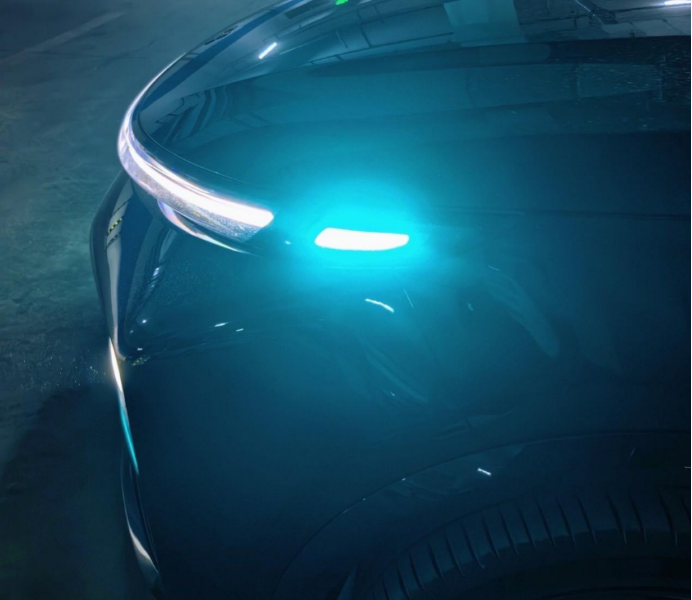
It is worth mentioning that these adjustments do not entirely negate the value of external intelligent driving indicators. China is already making progress in revising the GB 4785 standard, Installation Requirements for External Lighting and Light Signaling Devices of Motor Vehicles and Their Trailers, with plans to study the establishment of a dedicated lighting category for Level 3 and higher autonomous vehicles. This aligns with the exploratory directions of Germany's Autonomous Driving Act and relevant United Nations Economic Commission for Europe (UNECE) standards.
The phased withdrawal of the small blue light represents a microcosm of the domestic advanced intelligent driving sector's transition from early exploration to compliance and pragmatism. As relevant standards continue to be refined, external human-vehicle interaction solutions for autonomous driving will also follow a clearer and more unified path toward standardization.
(Images sourced from the internet; removal upon infringement claim)
-
![]()
Two Truths About July's Auto Market: Domestic Focus on Technology, Overseas Focus on Speed | Second Half Kickoff ②
-
![]()
Smartphone Chip Shipments Decline by 15%, While Smartphone Shipments Fall by Less Than 7%: Where Is the Discrepancy?
-
![]()
New Forces Start to Profit from Scale
-
Sluggish Sales: New Policies Step In to Revive the Market
-
![]()
The Changing Tide of Luxury Cars: Why Are Mercedes-Benz Sales Slumping?
-
![]()
Can You Still Identify Intelligent Driving When the Small Blue Light is Off?
-
![]()
The Stronger the Model, the More Valuable the Application Becomes
-
Is Alibaba Using QwenWork to Rival WorkBuddy?