China Allocates 200 Billion Yuan in Subsidies to Bolster Car Purchases, Yet Auto Market Sees 20% Decline in First Half-Year
 08/04 2026
 487
487
Lead
Introduction
Would the auto market have fared even worse without the support of 'national subsidies'?
It's a well-known fact that vehicle purchase subsidies have long served as a crucial tool for stimulating auto consumption, particularly as a stabilizing force during periods of market downturn. In recent years, 'national subsidies' have emerged as the most eagerly anticipated and impactful policy measure in the industry, thanks to their extensive reach and substantial support.
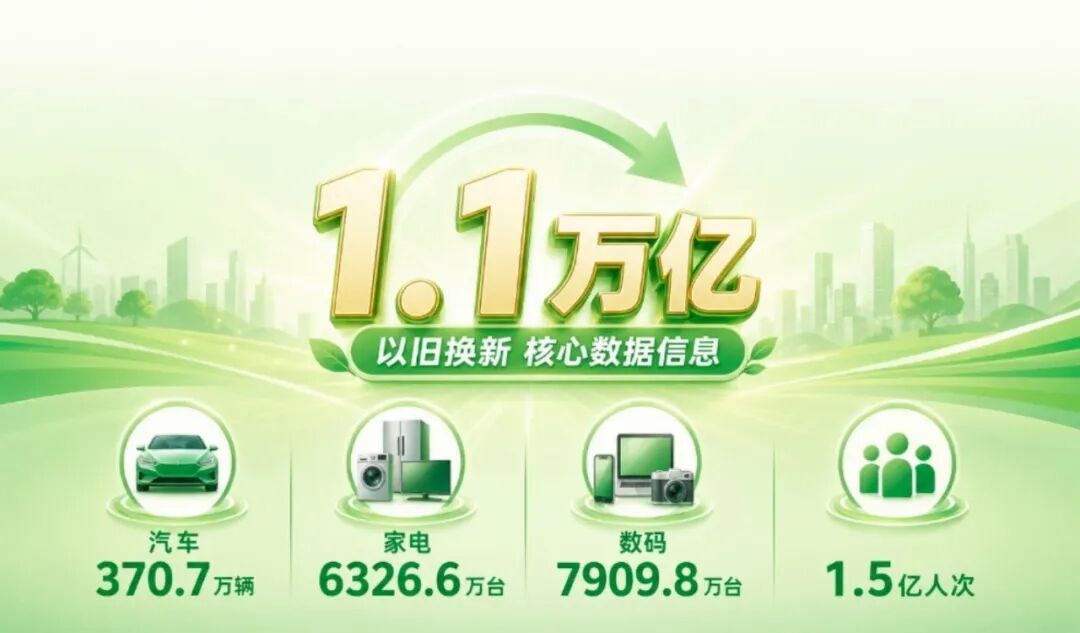
In the first half of 2026, the impact of these policy incentives was profound, driving 3.707 million vehicle trade-ins. This not only directly boosted new vehicle sales but also played a pivotal role in sustaining consumer confidence and alleviating market anxieties within the auto sector.
However, beneath these impressive numbers, the overall downward pressure on the auto market remains a significant concern. The industry's wintery chill has not been dispelled by the subsidies.
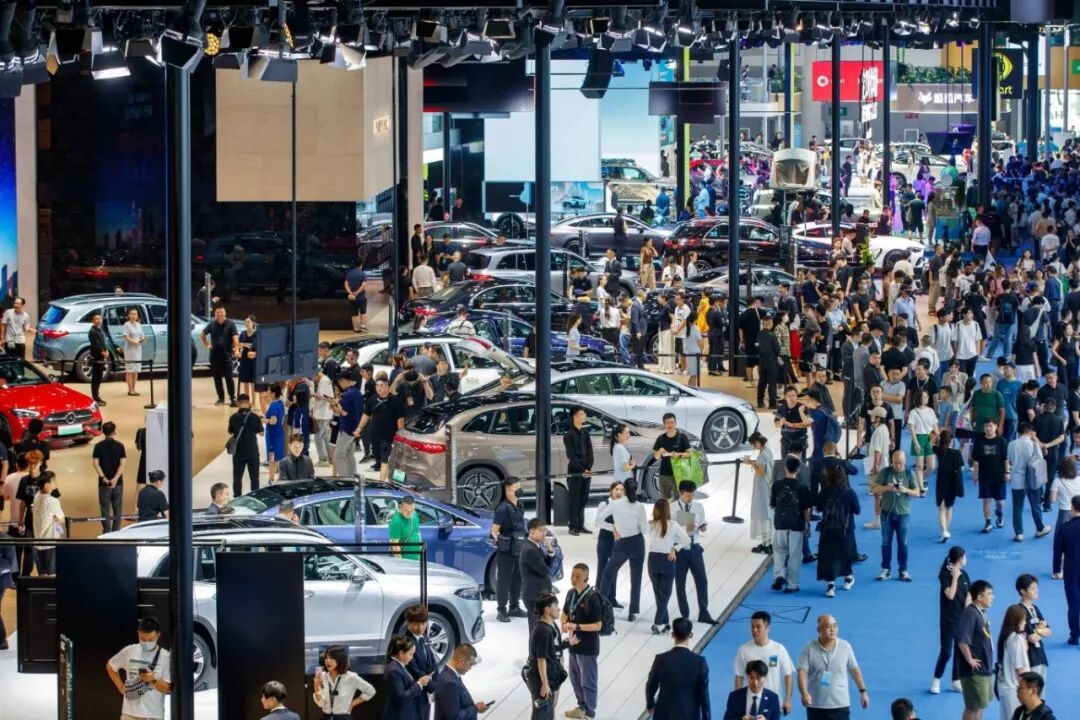
The domestic passenger vehicle market continued to underperform in the first half of the year, with cumulative retail sales reaching only 8.701 million units in the first six months, marking a year-on-year decline of 20.2%. This drop far exceeded market expectations at the beginning of the year and placed considerable strain on the performance of many automakers in the first half.
On one hand, there is the notable sales volume spurred by subsidies; on the other, there is a year-on-year decline exceeding 20%. This stark contrast prompts the question: Without the robust support of vehicle purchase subsidies, would the auto market be in an even more dire state?
This question has become a focal point of discussion among industry professionals, consumers, and the media. It reflects the deeper challenges confronting the auto market and has sparked widespread concern and rational contemplation about the market's future trajectory. The tension between the short-term effectiveness of subsidies and the industry's long-term development has become increasingly pronounced.
01 Policy Impact: National Subsidies Drive 3.707 Million Vehicle Sales
In the first half of 2026, the trade-in policies for consumer goods yielded remarkable outcomes, benefiting not only the automotive sector but also encompassing home appliances, digital products, and other categories. These policies collectively spurred sales of related goods worth 1.1 trillion yuan, reaching 150 million people, effectively invigorating the domestic consumer market.
The automotive sector was a key beneficiary, with 3.707 million vehicle trade-ins serving as a significant catalyst for consumption growth and, to some extent, mitigating the downward pressure on the auto market.
Notably, the trend towards new energy vehicles (NEVs) became even more pronounced under the policy impetus. NEV models were the primary recipients of the subsidies, with 65.4% of NEVs receiving subsidies in June. This directly propelled the NEV retail penetration rate to 62.4% in the second quarter, a record high for the same period, underscoring the policy's pivotal role in promoting NEV adoption.
These accomplishments were made possible by the comprehensive upgrade and optimization of the national subsidy policies in 2026.
In 2025, the national subsidies for vehicle trade-ins had already demonstrated their worth, with over 11.5 million applications throughout the year, directly driving new vehicle sales exceeding 1.6 trillion yuan. This successfully offset multiple pressures, such as industry price wars and consumer hesitancy, laying a solid foundation for policy intensification in 2026.
Building on this momentum, the state continued to ramp up support for auto consumption in 2026, introducing the most substantial and wide-ranging trade-in subsidy policy in recent years to precisely tap into the vast existing vehicle market.
The new policy's highlights are clear and tailored to market needs: a unified national subsidy standard was implemented to eliminate regional policy disparities.
Specifically, scrapping an old vehicle to purchase an NEV qualifies for a subsidy of 12% of the new vehicle's price, up to 20,000 yuan, while trading in an old vehicle for an NEV qualifies for an 8% subsidy, up to 15,000 yuan. Subsidies for trading in fuel vehicles were also enhanced. The eligibility period for old vehicles was significantly extended, further broadening the policy's beneficiaries. The subsidy application process was fully digitized, streamlining procedures and enhancing the consumer experience.
The policy's benefits were swiftly realized. By the end of May 2026, cumulative applications for vehicle trade-in subsidies nationwide surpassed 4.12 million, with May alone witnessing 1.23 million applications, a 13% increase from April. This replacement demand directly drove new vehicle sales of over 1.2 million units, becoming a core pillar supporting steady sales growth in the auto market in May.
By the end of June, the first-half figure of 3.707 million vehicle trade-ins was finalized. However, even with such robust policy support, the auto market still experienced a 20% decline in the first half, highlighting the persistent weakness in terminal consumption (end-consumer demand). Concerns that 'the auto market would fare worse without subsidies' have become more tangible, prompting a more rational and comprehensive reassessment of the actual effectiveness of subsidies within the industry.
02 Subsidies Fail to Address Low-Profit Dilemma
There is no denying that national subsidies can effectively stimulate auto consumption and drive sales growth in the short term, acting as a 'booster.' However, they are not the fundamental driver of long-term market growth and cannot resolve the industry's core challenges at their root.
The primary pain point in the current auto market is the overall low-profit margins across the industry. In the first half of 2026, the auto industry's overall sales profit margin was 3.8%, with the average profit margin in vehicle manufacturing at just 1.5%, a decade-low. Even if some automakers achieve sales growth, it is difficult to translate into tangible profits, leading to an awkward situation of 'increased revenue without increased profitability.'
This issue is not unique to the Chinese market but is a common challenge for the global auto industry.
According to the latest 2026 Fortune 500 list, 35 companies in the vehicle and parts sector made the ranking, joining finance, energy, technology, and healthcare as the five pillar industries. These companies ranked highly in terms of both quantity and total revenue, accounting for 61% of all listed companies and contributing 66% of the total revenue.
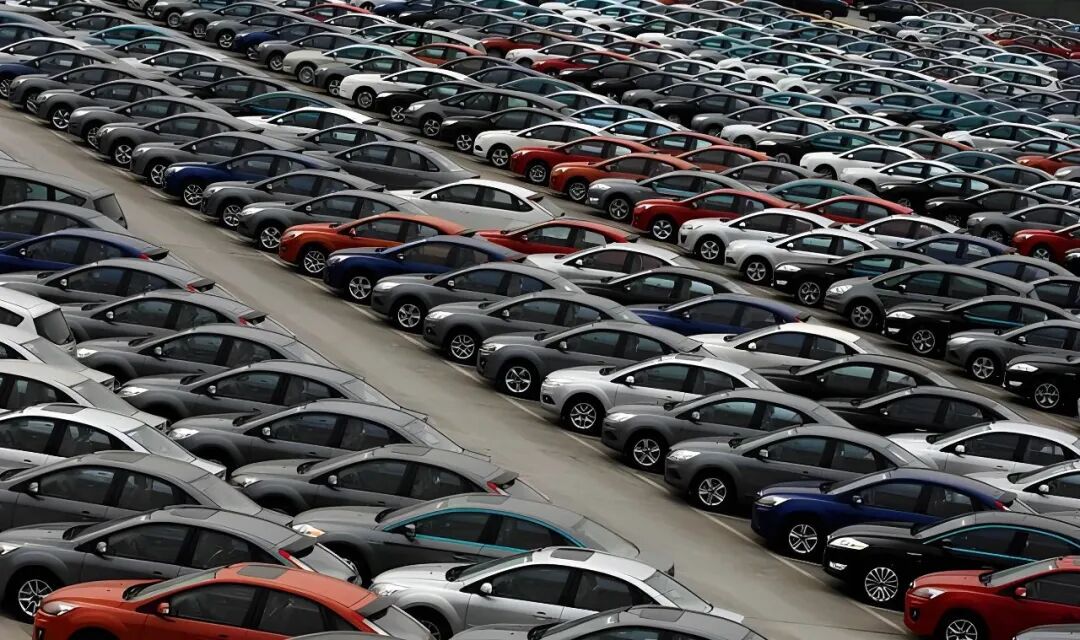
However, behind this massive revenue scale lies the industry's persistently low-profit levels. The average return on sales for the 35 global automakers was just 1.7%, far below the average of other pillar industries.
Focusing on the Chinese market, the average return on sales for the 10 listed auto-related companies was 3.1%, seemingly higher than the global average. Yet, internally, profitability was highly polarized, with a stark gap between leading and lagging companies. Excluding CATL and Jardine Matheson, the two major profit contributors, the average return on sales for the remaining eight vehicle manufacturers was just 1.5%, underscoring significant profit pressure.
With such low-profit margins, automakers lack sufficient funds to invest in core technology R&D, product quality improvement, and brand building. Instead, they are trapped in a vicious cycle of price wars and homogeneous competition, further intensifying market internal competition.
Currently, the 200 billion yuan in 'national subsidies' for 2026 have been fully disbursed, and the policy's benefits will continue to be released in the second half of the year, likely driving further sales growth in the auto market and providing a short-term boost to the industry. However, whether the auto market can truly emerge from its slump and achieve long-term, stable development depends not on subsidies alone but on breaking free from disorderly competition, easing extreme internal competition, and fundamentally improving industry profitability.
Only by doing so can the current dilemma be resolved, enabling the auto market to reduce its reliance on policy subsidies and achieve sustainable development. This is a direction the entire auto industry must strive toward in the future.
Editor-in-Chief: Yang Jing Editor: Wang Yue
-
![]()
New Forces Start to Profit from Scale
-
Sluggish Sales: New Policies Step In to Revive the Market
-
![]()
The Changing Tide of Luxury Cars: Why Are Mercedes-Benz Sales Slumping?
-
![]()
Can You Still Identify Intelligent Driving When the Small Blue Light is Off?
-
![]()
The Stronger the Model, the More Valuable the Application Becomes
-
Is Alibaba Using QwenWork to Rival WorkBuddy?
-
China Eastern Airlines Endures 'Six Straight Years of Losses': Mid-Year Projection Indicates Further Losses Over 1.8 Billion Yuan, with High Debt and Liquidity Challenges Persisting
-
![]()
China Allocates 200 Billion Yuan in Subsidies to Bolster Car Purchases, Yet Auto Market Sees 20% Decline in First Half-Year