Why Joint Venture Fuel-Powered Cars Struggle Despite Price Reductions?
 08/05 2026
 519
519
In recent years, major joint venture automakers have ramped up their shift towards new energy vehicles (NEVs), seeking to overcome their overall lag in the NEV market. Yet, as things stand, the performance of joint venture automotive brands in the NEV sector remains lackluster compared to independent brands. Even leading joint venture brands such as Toyota and Volkswagen have seen their NEV sales fall well short of projections.
A brief overview reveals that the three joint venture automakers performing relatively well are GAC Toyota, SAIC-GM, and Dongfeng Nissan. These three companies can at least boast models with monthly sales exceeding 5,000 units, setting them apart from their peers.
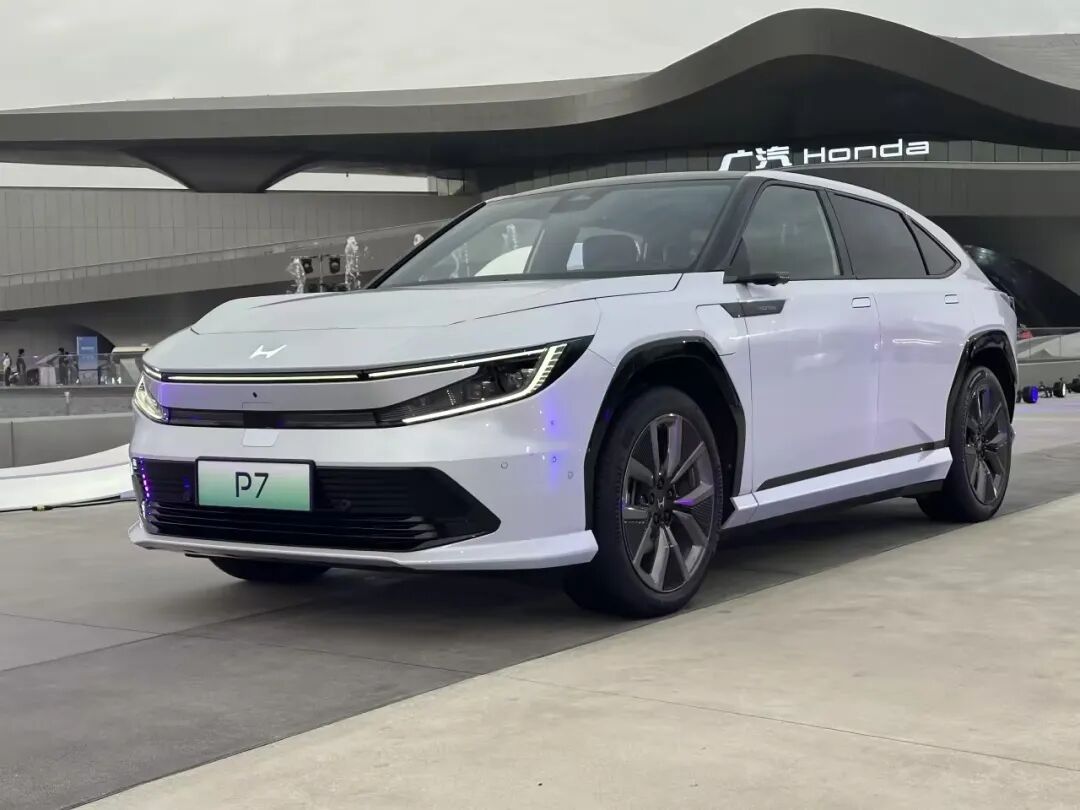
Taking June sales as an example, GAC Toyota's bZ4X sold 7,895 units, SAIC-GM's Buick Velite 7 recorded sales of 5,555 units, and Dongfeng Nissan's NX8 achieved sales of 5,398 units.
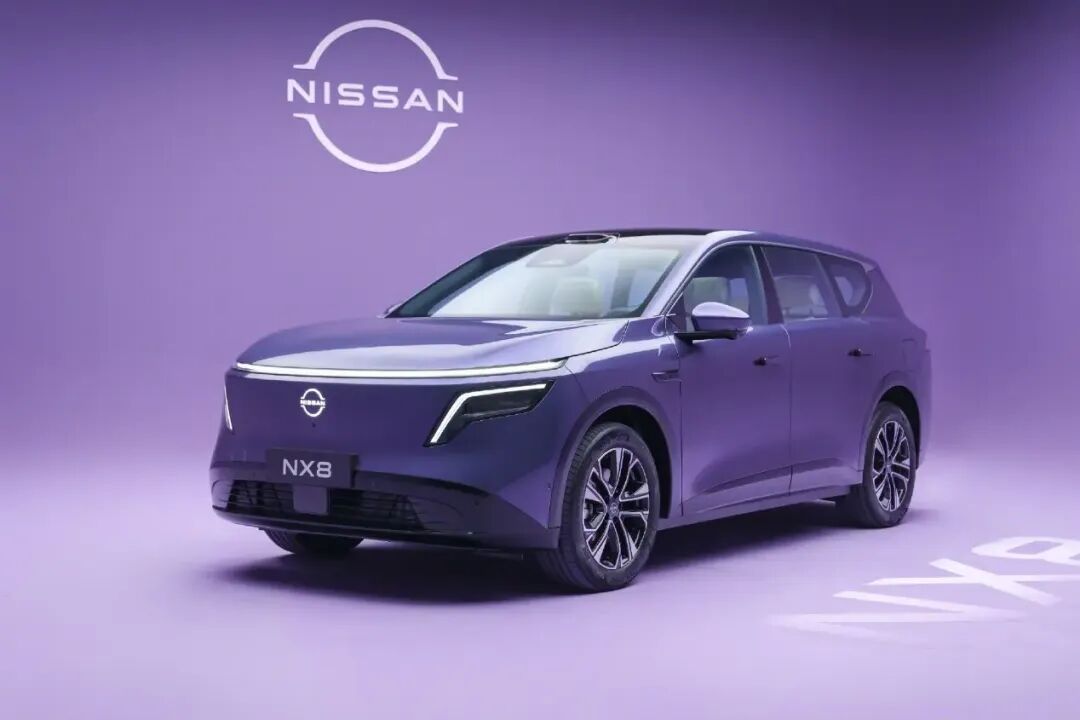
Throughout June, among domestic joint venture NEVs, only these three models managed to achieve notable sales figures. For independent automotive brands, monthly sales of 5,000 units are merely the tip of the iceberg. Given their inability to compete with independent brands in the NEV sector, joint venture automakers have resorted to price cuts on fuel-powered cars to boost market competitiveness. Consequently, despite significant increases in raw material costs in recent months, joint venture fuel-powered cars remain hesitant to raise prices and continue to offer substantial discounts.
So, how did joint venture automakers fare in terms of sales in the recently concluded July? Let's delve into the wholesale data.
Leading the pack is GAC Toyota with 46,500 vehicles sold. SAIC Volkswagen follows closely with 46,000 vehicles sold. These two automakers are also the only ones among domestic joint venture automakers in July to maintain monthly sales exceeding 40,000 units. Nevertheless, both GAC Toyota and SAIC Volkswagen experienced significant year-on-year sales declines in July. GAC Toyota saw a 19.84% decrease, while SAIC Volkswagen's decline was even steeper at 42.2%.
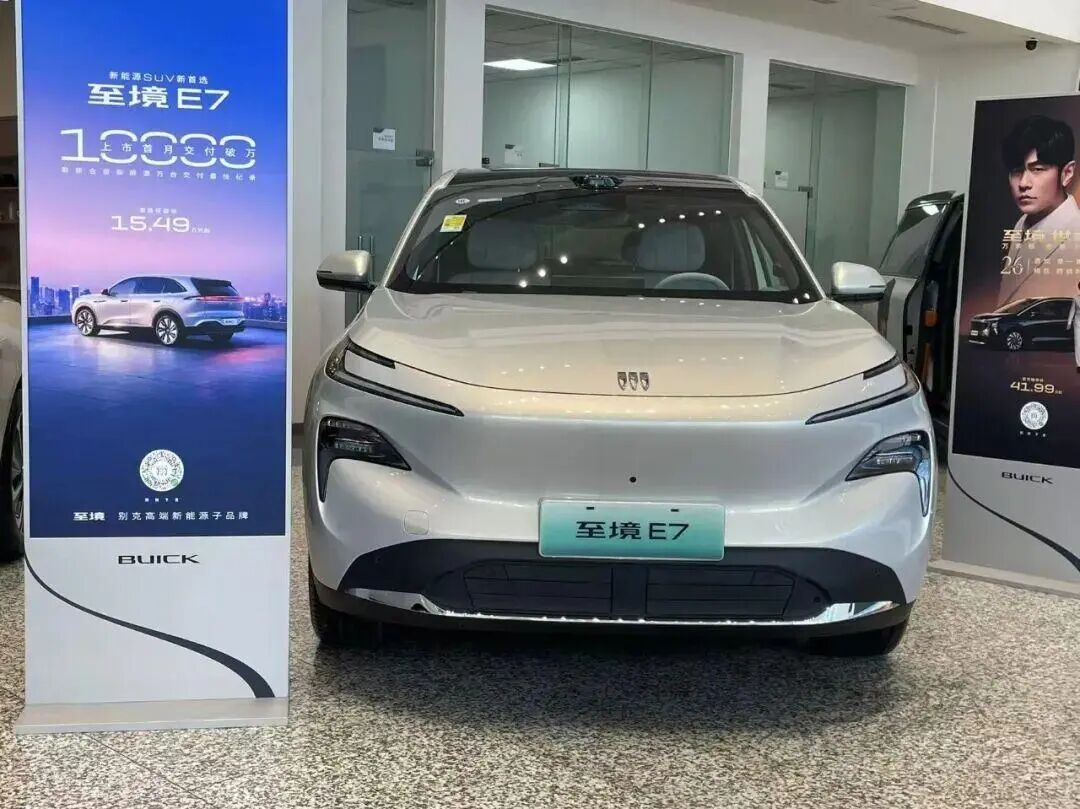
Ranked third is SAIC-GM, with its three major brands selling 34,773 vehicles domestically in July, marking a 17.7% year-on-year decrease. SAIC-GM's ability to rank among the top three in sales among joint venture automotive brands is attributed not only to heavily discounted fuel-powered cars but also to the relatively strong sales performance of the Buick Velite series.
GAC Honda ranked fourth, with 11,686 vehicles sold in July, a 27.11% year-on-year decrease, likely placing it at the bottom in terms of sales among Japanese automakers. GAC Honda's current困境 (predicament, a more natural English term would be "plight") stems from two main factors: declining sales of fuel-powered cars and a complete failure in its electrification transition.
Other joint venture automotive brands have not yet officially released their July sales data, but it is highly probable that their sales will also experience year-on-year declines. One thing is certain: their sales will surpass those of GAC Honda.
Now, let's examine the wholesale data for independent automakers: BYD sold 419,000 vehicles, marking a 21.76% year-on-year increase; Chery sold 279,000 vehicles, a 23.3% year-on-year increase; Geely sold 250,000 vehicles, a 20% year-on-year increase; and Changan sold 207,000 vehicles, a 12% year-on-year increase.
Among new energy vehicle startups, except for Li Auto, other brands experienced significant year-on-year sales growth. Leapmotor achieved the highest growth, with monthly sales exceeding 100,000 units for the first time, marking a 102% year-on-year increase. XPENG Motors followed with a 48% year-on-year increase, while Zeekr also saw a notable 41% year-on-year increase.
From the above data, it is clear that joint venture automakers experienced a widespread decline in sales in July, with none achieving positive growth. The inability to sell despite price cuts has led to fuel-powered car inventories nearing 2.6 million units, with the inventory coefficient for joint venture automotive brands surpassing 2.2, well above the healthy level of 1.5.
In stark contrast, the penetration rate of new energy vehicles reached a new high of 64.5%. Finally, why do you think consumers are hesitant to buy joint venture fuel-powered cars despite their heavily discounted prices? Feel free to leave your comments and join the discussion.
Copyright Notice: This article is original content from CheKuaiping. Reproduction requires authorization. Unauthorized reproduction and any form of plagiarism or misappropriation of text or images are strictly prohibited and will result in legal action. Some images in the article are sourced from the internet, with copyright belonging to the original authors. If your work has been used, please contact us for royalties or removal.
-
![]()
Unveiling Yin Tongyue's 'No Involution' Stance: Chery's Strategic Maneuvers
-
STO Express Faces Scrutiny: Franchise Model’s Safety Gaps Under the Microscope
-
![]()
The Richest Woman is Going Public Again! Valued at 22.5 Billion, Building an 'Optical Empire' with Her Brother
-
![]()
Buying More GPUs is No Longer Enough: Divergence in Monetization Progress Among the Top Four Cloud Providers
-
![]()
Leapmotor Exceeds 100,000 Units, Li Auto Faces Three Straight Months of Decline: China’s Auto Market Competition Intensifies in the Second Half
-
![]()
Can NASA Discover Extraterrestrial Life? UK Invests £3 Million, but First Must Block Out Stars
-
![]()
Huawei Expands Computing Power Business into the Pig Farming Sector
-
![]()
Asian Dragon Receives a 'Makeover': Is FAW Toyota Using the 'Crown' as a Substitute Strategy?