[In-depth Report] Systemic Symbiosis: How Foreign Investment Empowers New Pathways for Chinese Automakers to Go Global
 08/07 2026
 431
431
The global networks and localization capabilities of foreign-invested enterprises are now integrating with the technological innovation and industrial scale advantages of Chinese automakers, providing a new driving force for the globalization of China's automotive industry.
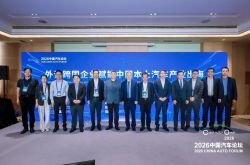
On the morning of July 23, as one of the core sub-forums of the "2026 China Auto Forum," the themed forum on "Empowering China's Domestic Automotive Industry to Go Global through Foreign Multinational Enterprises" was held in Jiading, Shanghai. Organized by the China Association of Automobile Manufacturers and co-hosted by the Intelligent Manufacturing Branch of the Shanghai Foreign Investment Association and the Jiading District Foreign Investment Enterprise Association, the forum focused on key issues in the international development of the automotive industry. It set four major discussion tracks: overcoming overseas market barriers, diverse empowerment models through foreign investment, industrial ecosystem implementation practices, and collaborative supply chain pathways for going global. The event attracted nearly 130 guests from Chinese and foreign automakers, component suppliers, industry institutions, and mainstream media.
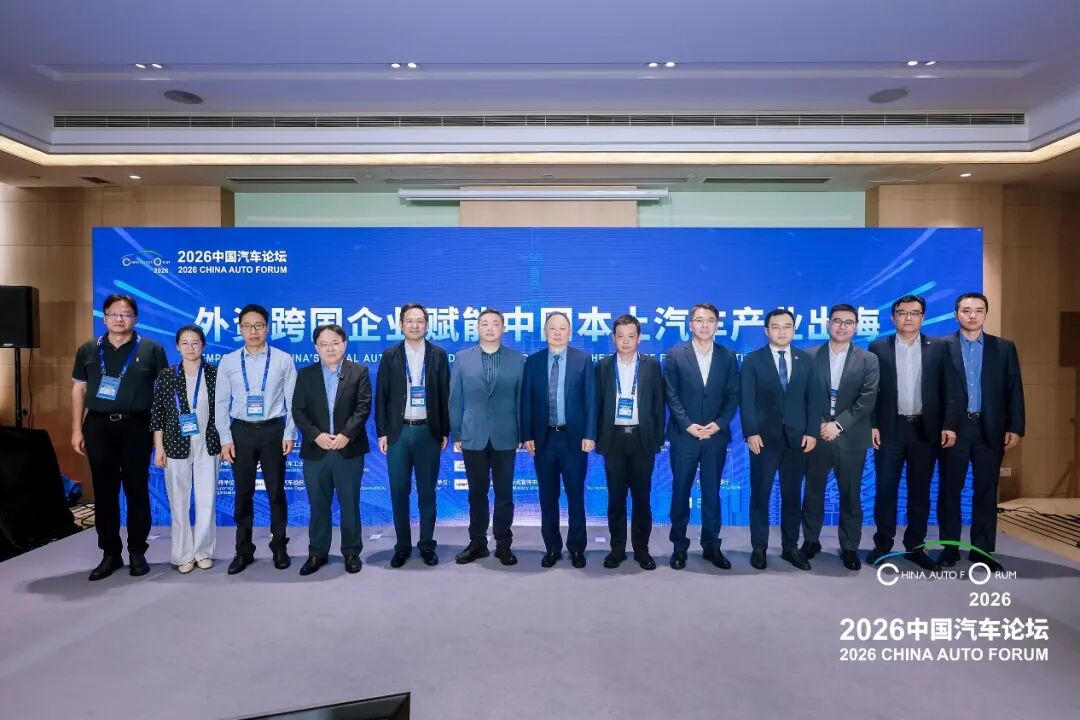
Leaders from government and industry organizations attended the forum, including Chen Ye, Party Secretary and Director of the Jiading District Commerce Commission in Shanghai; Shao Gang, Deputy Party Secretary and Mayor of Anting Town, Jiading District, Shanghai; Huang Feng, President of the Shanghai Foreign Investment Association; and Wei Wenqing, Special Deputy Secretary-General of the China Association of Automobile Manufacturers. Executives and representatives from Chinese and foreign-invested enterprises, including Yang Xiaoming, President of Aptiv China and Asia-Pacific; Gao Gang, Vice President and Global Chief Compliance Officer of NIO; Zhang Lianchong, Vice President of Bosch's Vehicle Motion Control Systems China Region for New Braking Systems; Chen Xiangbin, President of Schaeffler's e-Mobility Business Division in China; Jian Quan, Senior Vice President of Market Licensing for Avanci China; Li Dong, Dean of the Intelligent Manufacturing Innovation Institute at Rockwell Automation (China) Co., Ltd.; Tao Gao, Joint Director of Light Vehicle Production for Mobility Global Greater China; and Sun Jian, General Manager of the National Automobile Foreign Trade Transformation and Upgrading Base (Automobiles and Components), shared insights from multiple perspectives such as technological empowerment, compliance system building, and localization practices. They outlined a development vision for China's automotive industry moving from "product exports" to "systematic global expansion."
Global Expansion Enters a New Systematic Phase
From multidimensional perspectives including local industrial support, industry platform services, and national development, several guests set the tone for discussions during the forum's opening session, reflecting a strong consensus on the current stage-specific characteristics of going global.
Chen Ye stated that China's automotive industry is at a critical juncture of transitioning from product exports to systematic global output. This means shifting from early-stage complete vehicle exports to establishing overseas R&D centers, production bases, and supply chain networks, with Chinese automotive brands accelerating their integration into the global industrial landscape. As a core area supporting Shanghai's ambition to build a world-class automotive industry center, Jiading will continue to explore a new collaborative model for going global featuring "government guidance, foreign investment empowerment, and local leadership," helping Chinese automakers advance steadily in the globalization process.
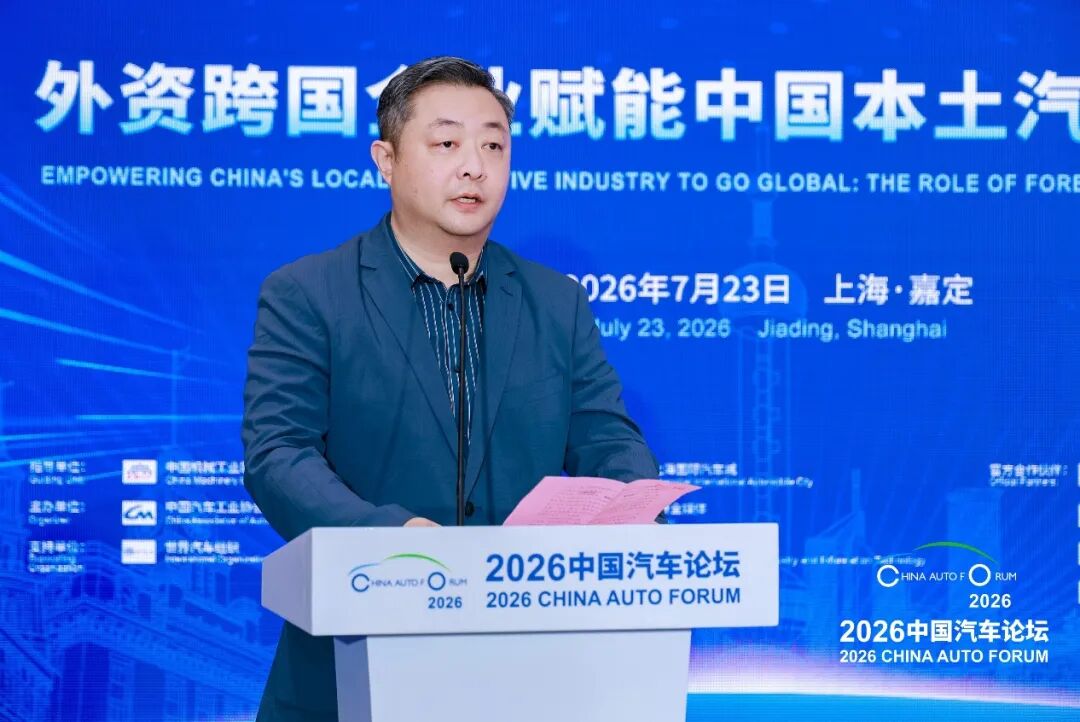
Chen Ye, Party Secretary and Director of the Jiading District Commerce Commission in Shanghai
In his remarks, Shao Gang noted that Anting has developed a comprehensive automotive industry foundation and mature ecosystem covering the entire supply chain, establishing a full-cycle service system for going global that includes "industrial empowerment, resource connection, and implementation support." Anting will continue to focus on high-quality global expansion, connecting global resources with a more open stance, promoting deeper cooperation between Chinese and foreign automakers in technology and channels, and jointly exploring new collaborative pathways for mutual benefit and win-win outcomes.
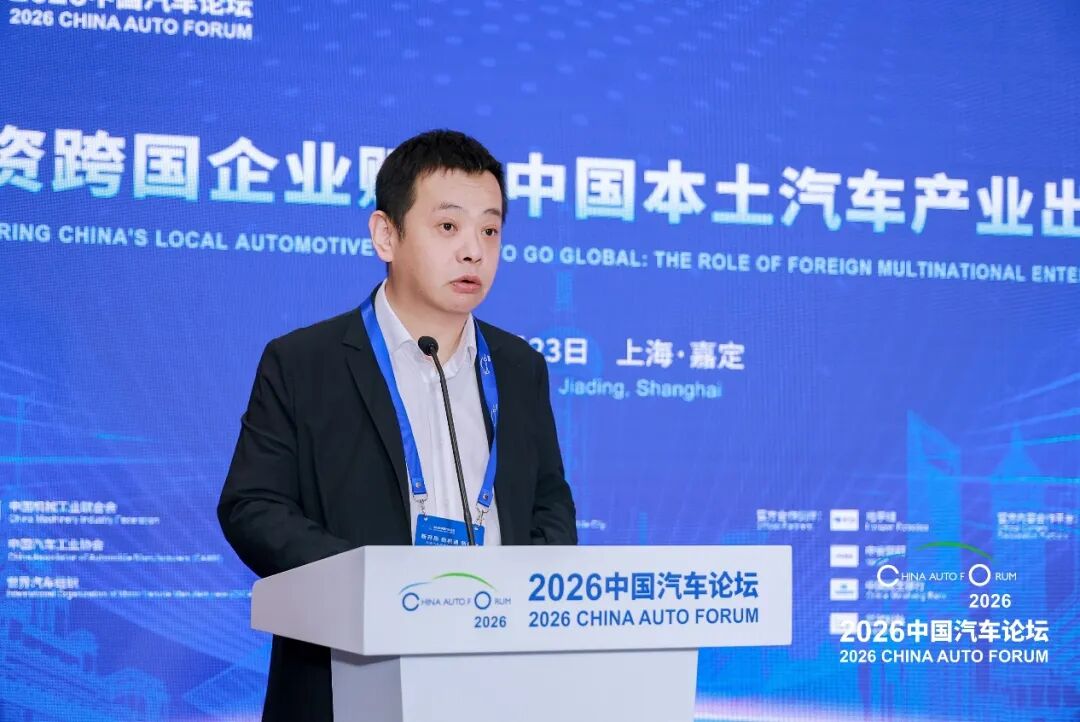
Shao Gang, Deputy Party Secretary and Mayor of Anting Town, Jiading District, Shanghai
Huang Feng emphasized that promoting mutual empowerment and collaborative global expansion between foreign multinational enterprises and local automakers is a core focus of the Shanghai Foreign Investment Association's current work. Drawing on observations from recent industry exchanges in Germany, he pointed out that win-win cooperation is key to resolving Sino-European automotive trade frictions. Chinese automakers should not only pursue their own development in the global expansion process but also commit to creating value for local ecological partners, achieving mutual benefit through bidirectional empowerment.
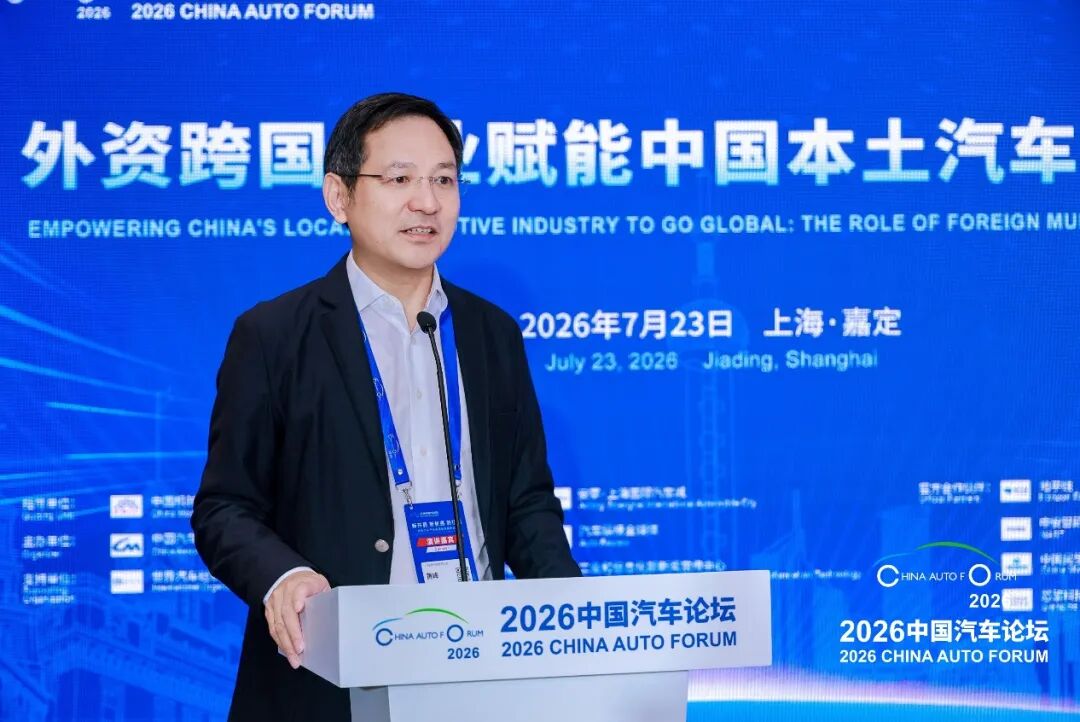
Huang Feng, President of the Shanghai Foreign Investment Association
Wei Wenqing analyzed from an industry-wide perspective that Chinese automakers currently face multiple practical challenges in going global, including overseas policy barriers, compliance certifications, and cross-border supply chains. The global resources and mature operational experience of foreign multinational enterprises can complement the strengths of local automakers, elevating Sino-foreign industrial cooperation to new heights. The China Association of Automobile Manufacturers will continue to build regular dock (docking) platforms to support the steady and far-reaching development of China's automotive industry globalization.
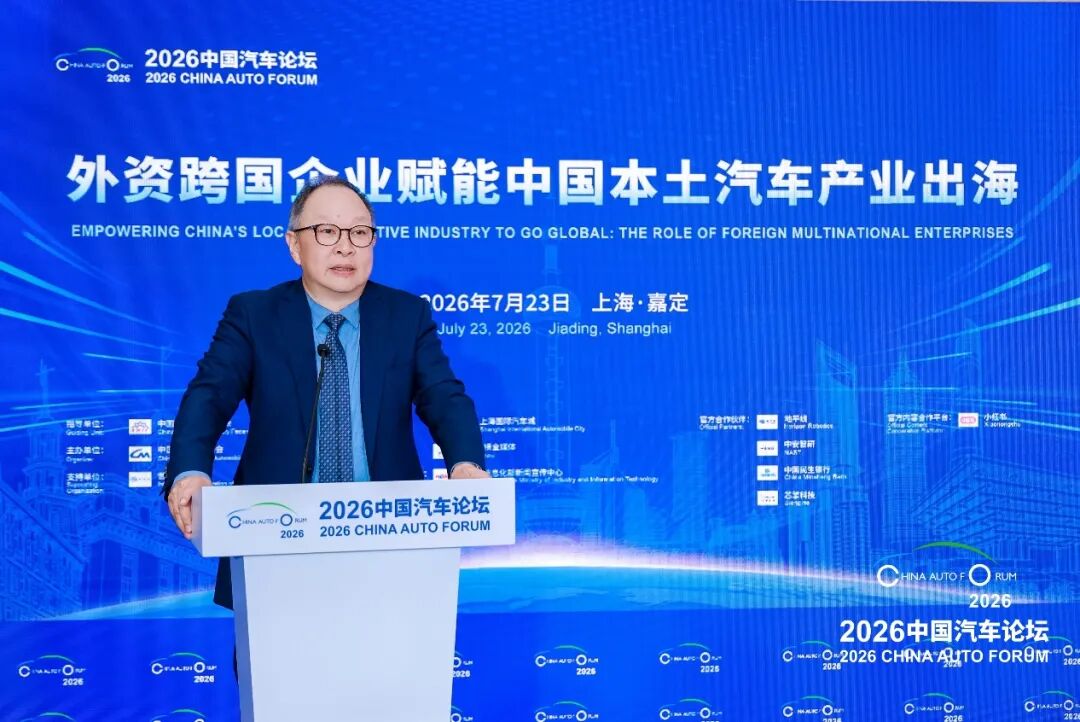
Wei Wenqing, Special Deputy Secretary-General of the China Association of Automobile Manufacturers
A common logical trend emerges from these speeches: For Chinese automakers, going global is no longer a choice between "to go or not to go" but a necessity of "how to go, how to stand firm, and how to go far." Foreign multinational enterprises are no longer simply viewed as competitors or technology suppliers but as important partners for China's automotive industry to deeply integrate into the global system.
Foreign Investment Empowers Technological and Manufacturing System Support
Regarding how to support Chinese automakers' global expansion through technological and manufacturing systems, representatives from foreign-invested enterprises in intelligent manufacturing and core component sectors shared their practical solutions.
Li Dong spoke from the perspective of intelligent manufacturing and industrial automation. He noted that 40 years ago, foreign systems entered China with the wave of globalization, and now China's industrial system is experiencing a reverse "going global" process. This requires a more systematic view of collaboration among government, industry, academia, research, funding, and services. Data shows that China's producer services account for about 17% of GDP, compared to 50-60% in European and American countries, indicating significant growth potential and suggesting that systematic global expansion will become a core engine for industrial upgrading. Rockwell Automation, which has deep roots in the Chinese market for four decades, has developed customized solutions for automotive industry production scheduling, energy management, and equipment predictive maintenance based on China's unique complexity as the only country covering all 666 industrial sub-sectors classified by the United Nations Industrial Development Organization. These local innovations have begun to feed back into global markets.
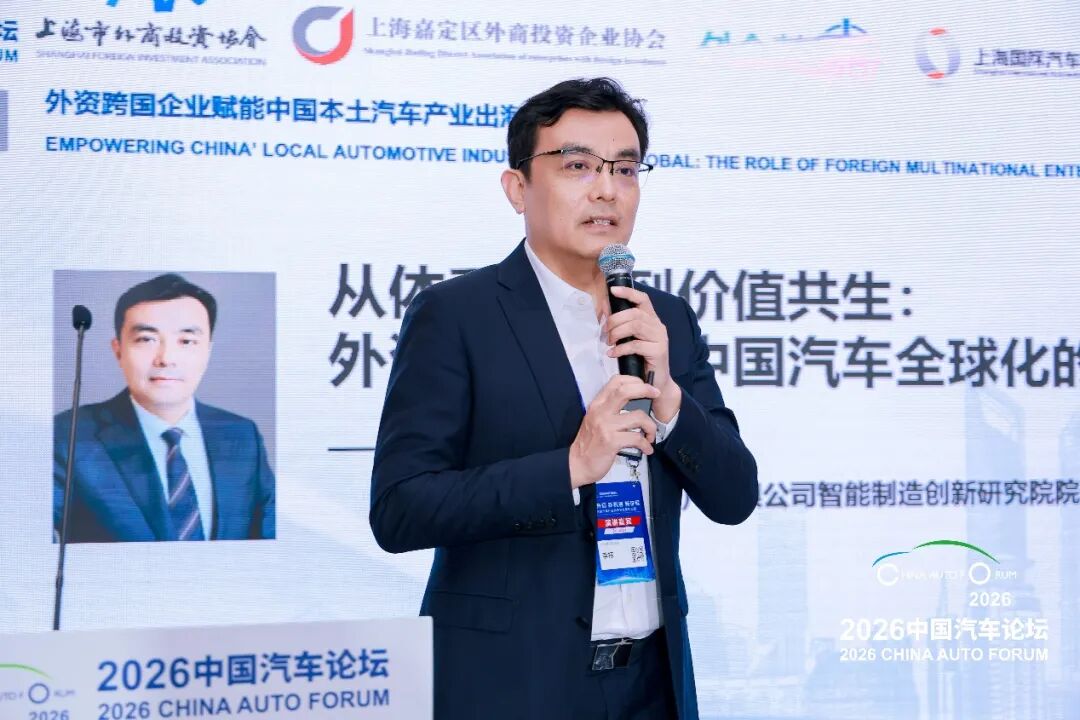
Li Dong, Dean of the Intelligent Manufacturing Innovation Institute at Rockwell Automation (China) Co., Ltd.
Li Dong further stated that systematic global expansion faces two core challenges: compliance and manufacturing. On one hand, enterprises must confront constraints such as the EU's CBAM carbon tariff, battery passports, digital product passports, and international ESG standards. Although CBAM does not directly cover complete vehicles yet, its extended regulations on batteries, components, and steel/aluminum materials pose full-chain challenges. The solution lies in systematically designing domestic full-link carbon footprint coverage, forming standardized data traceability frameworks, and seamlessly transferring them to the EU market. On the other hand, resolving compliance issues ultimately requires returning to the production end, involving full-process manufacturing control, cross-border supply chain collaboration, virtual simulation pre-verification, and green carbon compliance. To address this, he proposed establishing "regional automotive global expansion joint innovation centers," drawing on Rockwell's experience in co-building a Net-Zero Manufacturing Innovation Center in Shanghai. These physical platforms would gather resources from government, industry, academia, research, and funding to help Chinese automakers shift from product exports to capability and brand exports in overseas markets.
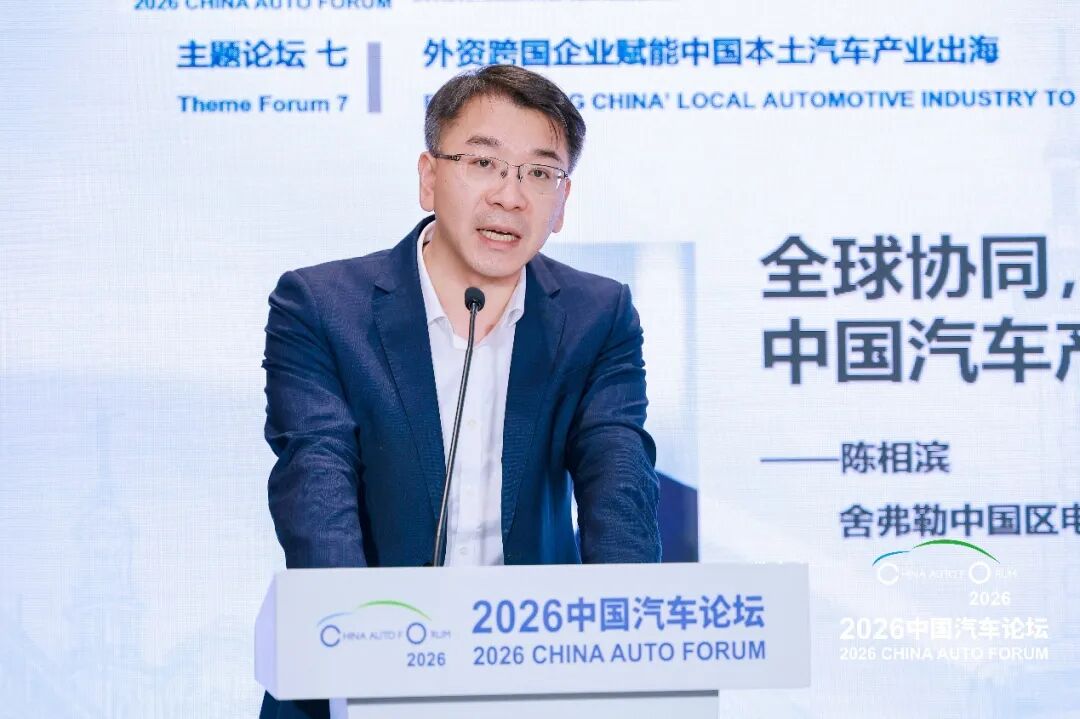
Chen Xiangbin, President of Schaeffler's e-Mobility Business Division in China
In Chen Xiangbin's view, China's automotive industry is undergoing a qualitative transformation from single-product trade, isolated breakthroughs, and low-cost price competition to full-value-chain system exports, global R&D layout (deployment), and comprehensive capability competition. However, systematic global expansion faces four core challenges: persistent geopolitical trade barriers, with North American and European markets tightening; increasingly stringent local compliance thresholds, where overseas development certification cycles often exceed two years, far longer than domestic rhythms; weak brand recognition foundations, requiring channel and service systems to be built from scratch; and global supply chain pressures, where delivery efficiency and cost control are often difficult to balance. He noted that Schaeffler's business spans drive-oriented bearings, drive transmission, drive control, and drive execution, extending to drive empowerment, drive power, drive energy, and drive operation and maintenance, comprehensively covering core e-mobility areas. This enables Schaeffler to provide system-level solutions rather than single components for Chinese automakers. Schaeffler is willing to leverage its local capabilities to reduce global expansion risks, accelerate product iteration through technological accumulation, and empower systematic global expansion through its global layout , achieving full-cycle collaboration with Chinese automakers from the first vehicle to the one-millionth vehicle, helping Chinese automakers move from "going out" to "moving up" in the global market.
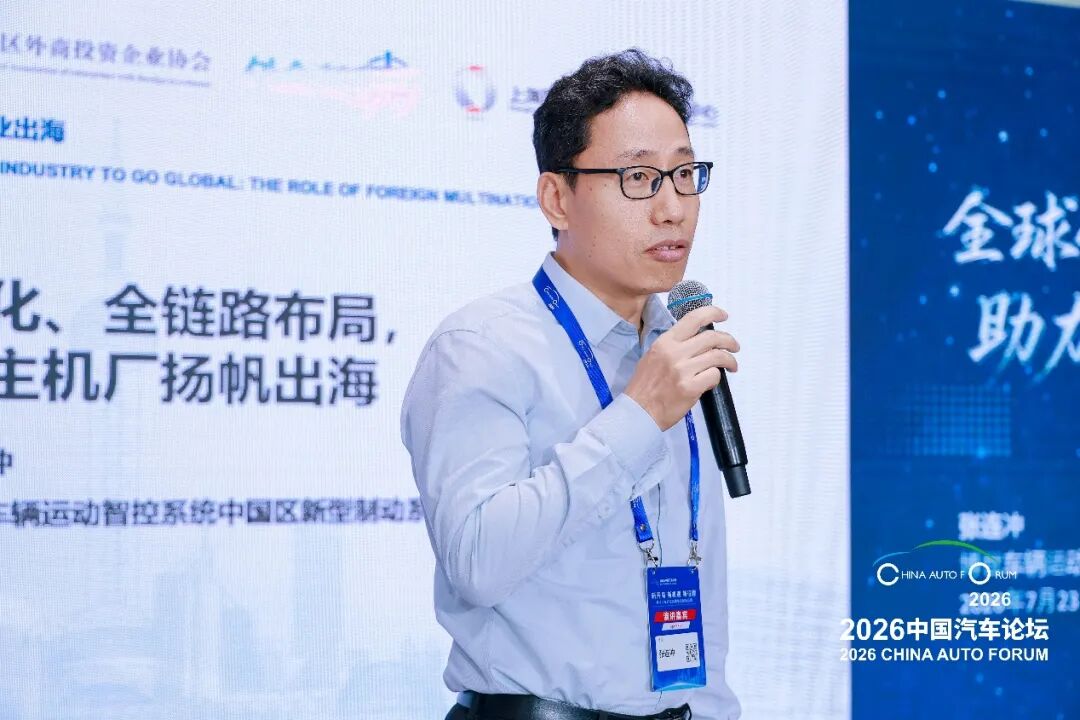
Bosch's Vehicle Motion Control Systems China Region
Zhang Lianchong, Vice President for New Braking Systems, pointed out that Europe, Southeast Asia, and Latin America represent three core markets for Chinese automakers' global expansion, each with distinct characteristics: Europe serves as a compliance trial ground for brands and technologies, requiring vehicles to be recalibrated for local driving scenarios, with some extreme conditions necessitating on-site tuning; Southeast Asia faces fragmented local policy challenges, where Thailand, Indonesia, and Malaysia each have independent requirements, making it difficult for a factory in one country to serve neighboring markets; Latin America, while expanding rapidly, experiences severe economic volatility, requiring automakers to balance local production regulations with exchange rate risks simultaneously. To address these complexities, Bosch has built a full-link support system across five dimensions: regulatory compliance, local R&D adaptation, component warranty, after-sales networks, and local production. Its global network includes 150 R&D bases and 13 professional test sites covering various tuning needs; over 400 on-site engineers provide technical support, effectively compensating for weak overseas OTA infrastructure; an independent after-sales network spans 130 countries with over 43,000 outlets, temporarily serving as automakers' local after-sales systems during their establishment phase; and in local production, Bosch has mature local supply chains in Europe, Mexico, and Brazil, providing solid protection for exporting automakers to bypass trade barriers.
From these shared insights, it becomes clear that whether through systematic empowerment in intelligent manufacturing or global collaboration in core components like e-mobility and braking systems, the common value of foreign technology and manufacturing enterprises lies in leveraging their long-accumulated global R&D, testing, and production networks to help Chinese automakers transform highly decentralized and time-consuming overseas adaptation processes into replicable, scalable standard procedures, thereby minimizing compliance trial-and-error costs to the greatest extent possible.
Supply Chains, Intellectual Property, and Ecosystem Collaboration
Focusing on "soft ecosystem" dimensions such as reverse supply chain global expansion, intellectual property compliance, industry trend analysis, and national-level policy services, speeches from multiple guests further demonstrated the practical progress of foreign investment empowering Chinese automakers' global expansion. From upstream-downstream industrial chain linkage, legal and regulatory compliance, strategic global analysis, to government resource integration, these diverse perspectives collectively filled in the systemic capability puzzle needed for Chinese automakers' global expansion.
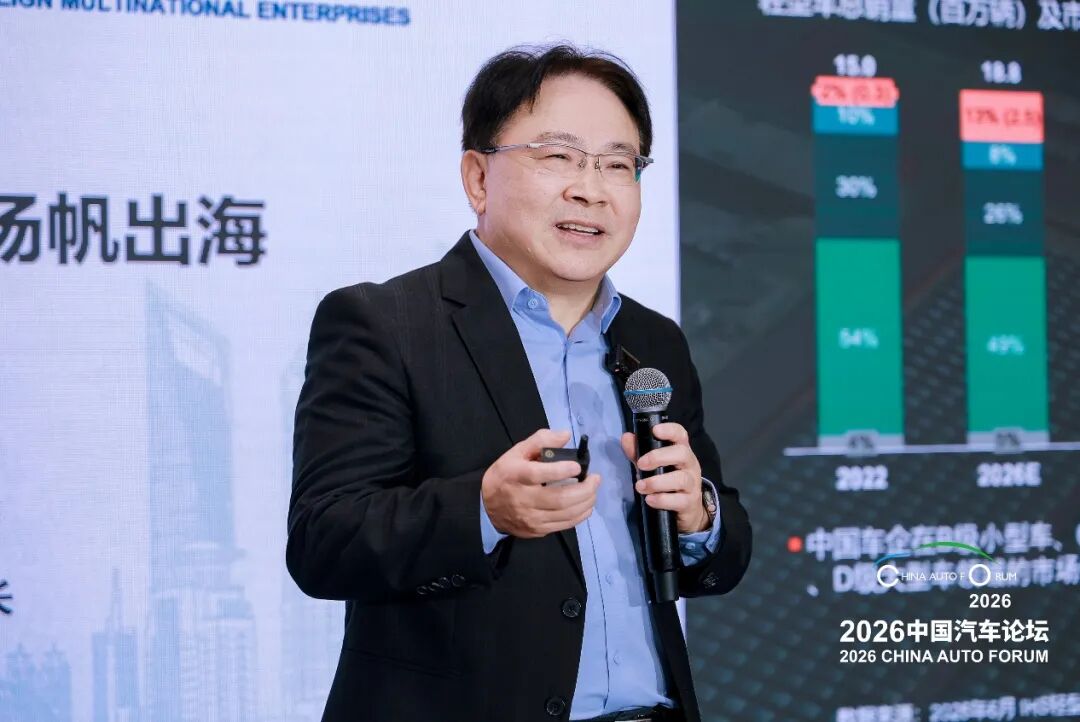
Yang Xiaoming, President of Aptiv China and Asia-Pacific
In Yang Xiaoming's view, Chinese automakers' global expansion now follows a dual-track approach of exports and overseas production base construction, with Europe, South America, and Southeast Asia as core regions. He elaborated on Aptiv's empowerment strategies across four areas: First, global layout (deployment) requires adaptive adjustments, as European team quotations often exceed acceptable prices for Chinese automakers by several times, indicating that global resource advantages do not automatically translate into competitiveness and necessitating proactive organizational efficiency and cost structure reforms. Second, technological differentiation is accelerating, with Sino-foreign differences in regulations and implementation paths for intelligent cockpits and Level 2 driving assistance already representing generational gaps, where China holds greater advantages in advanced intelligent driving, exemplified by Aptiv's China-developed and China-launched 4D satellite radar. Third, supply chain collaborative global expansion is accelerating; Aptiv, which deeply participated in the localization processes of joint ventures like SAIC Volkswagen in the past, now promotes 6-10 Chinese suppliers to go global with automakers each year. Fourth, international enterprises themselves must transform, continuously exploring three areas: technological iteration speed, supply chain feedback to global markets, and global conversion of Chinese advantages, to capture the multi-million-unit annual growth in global expansion.
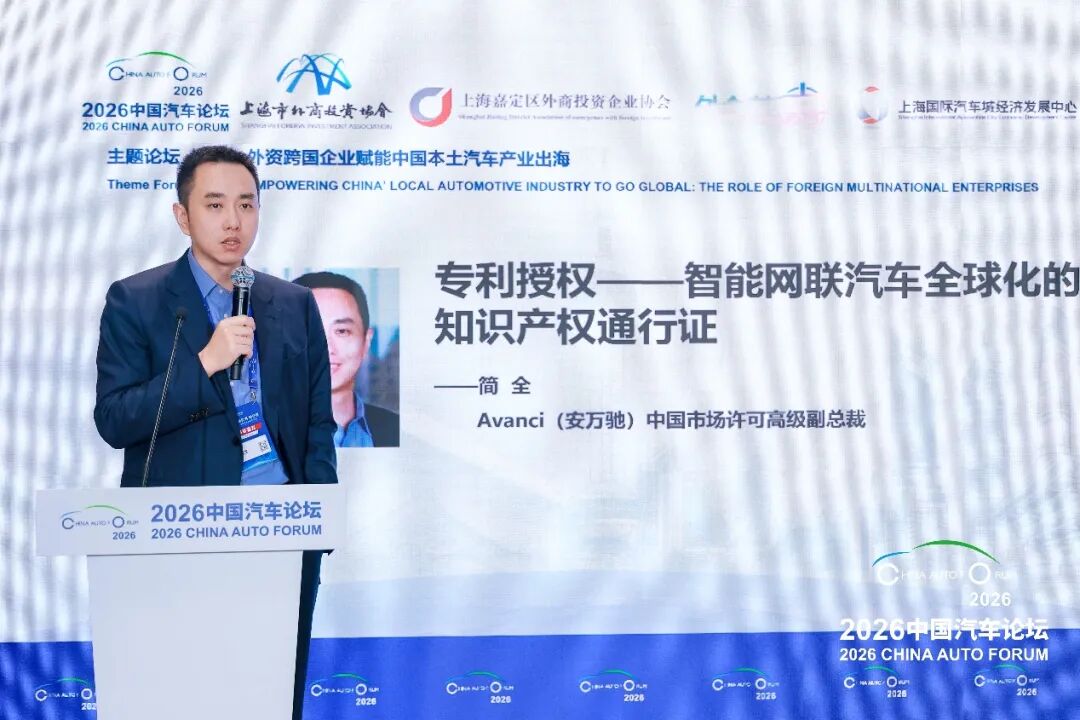
Jian Quan, Senior Vice President of Market Licensing for Avanci China
Jian Quan focused on intellectual property, stating that with the accelerated global expansion of connected vehicles, IP compliance has become an unavoidable strategic issue. As a one-stop patent licensing platform specializing in cellular communication technologies, Avanci aggregates numerous standard essential patent rights holders while offering standardized licensing terms and transparent pricing mechanisms to automotive and other vertical industries. This helps automakers secure long-term, predictable global patent usage rights consistent with competitors' conditions, avoiding pain points such as time-consuming bilateral negotiations, information opacity, and potential litigation disputes. He summarized Avanci's systematic support for Chinese automakers' global expansion across four dimensions: resolving global licensing for most standard essential patents through fair commercial terms; providing an efficient alternative to bilateral negotiations; significantly reducing compliance and transaction costs for patent licensing; and assisting Chinese export brands in building a fair and just global competitive environment, changing the previous passive situation of opaque patent negotiations and excessive risk exposure.
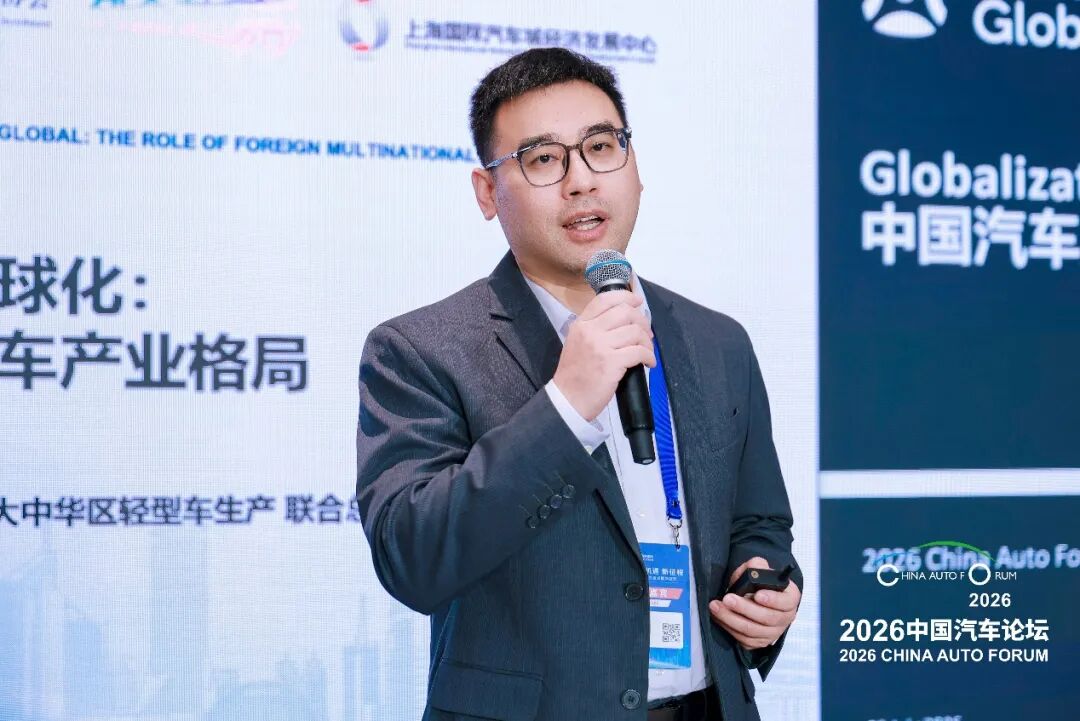
Mobility Global Greater China Region
Tao Gao, Joint Director of Light Vehicle Production
Tao Gao made a trend analysis from the perspective of global industry research. He believes that China's automotive industry is reshaping the global landscape at a pace far exceeding the historical speeds of Japan and South Korea, with exports surging from one million units five years ago to an estimated eight million units this year. However, this is just the prologue to going global. Faced with the current situation of surplus domestic production capacity, automakers are actively embracing overseas markets, while the rising penetration rates of new energy vehicles in Europe and Southeast Asia provide a strategic window for Chinese brands. At the same time, he also raised concerns about brand fragmentation: nearly 40 companies are vying for a 16% share of the overseas market, and the risk of internal competition needs to be transformed into high-quality cooperation and competition. The key to breaking through lies in circumventing trade barriers through localized production and building a competitive moat based on industrial integration advantages rather than mere cost or speed.
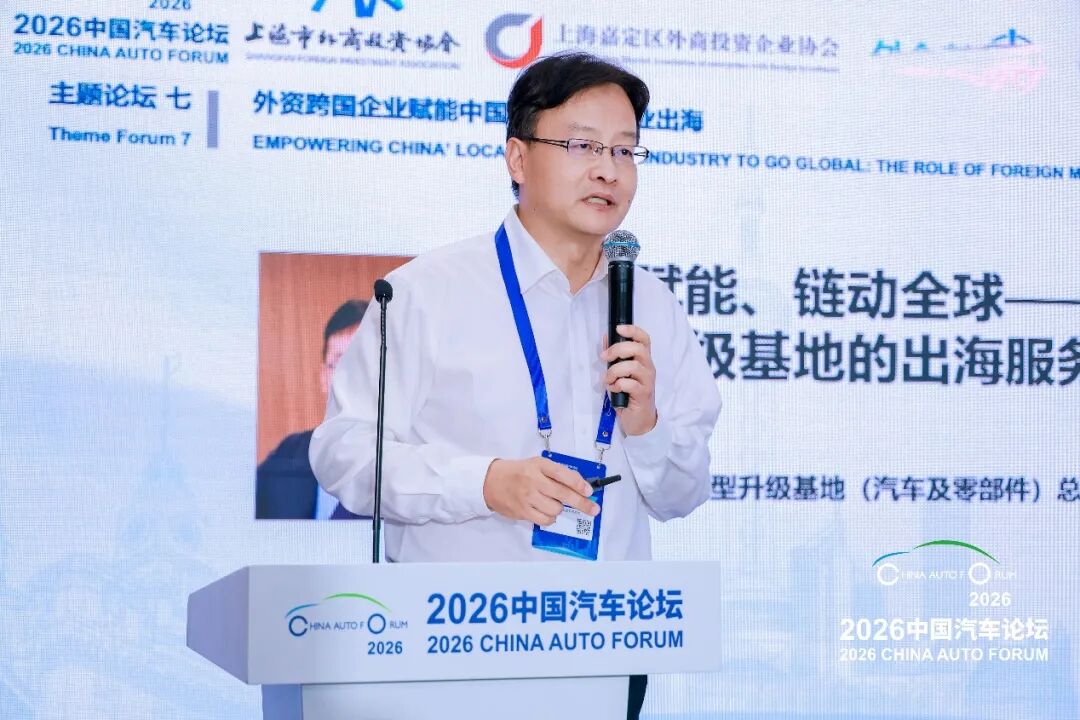
National Automobile Foreign Trade Transformation and Upgrading Base (Automobiles and Parts)
General Manager Sun Jian
Sun Jian emphasized in his policy promotion that the model of low-price competition and self-destructive practices should never be replicated overseas. The National Automobile and Parts Export Base, as a government-led "global connector," is committed to providing a full range of solutions for small and medium-sized enterprises to go global. Its core advantage lies in leveraging national-level credibility to overcome cross-border trust barriers, utilizing a vast database for precise resource matching, and gathering supply and demand resources with "orders" as the driving force. The base offers ten major services covering finance, logistics, law, talent, and business model design, adhering to the philosophy of "going to Shanghai first, then going global." By selecting partners with local implementation capabilities worldwide, it replicates the new energy ecosystem model in Southeast Asia, the Middle East, Africa, and other regions.
The Value Adherence and Collaborative Win-Win of Local Automakers
While foreign-invested enterprises shared their experiences and solutions, voices from Chinese local automakers also provided an important complementary perspective to the forum. Gao Gang shared insights from NIO's perspective on compliance construction and brand value building. In his view, Chinese automakers' going global has entered a new stage of capability and brand competition, with the fundamental focus on adhering to a value system. From its inception, NIO has insisted on a pure electric route, full-stack self-research, ultimate safety, and user service, which are not only the foundation of its products but also the moat for its brand to go global. In practice, its global layout covers not only R&D, supply chain, and sales services but also emphasizes proactive management of compliance risks: establishing a compliance committee directly under the board of directors, formulating more than ten compliance policies applicable globally, and actively integrating localized talent into the corporate culture to address regional differences through "alignment" rather than one-way output. Meanwhile, the company is fully embracing artificial intelligence, building a global legal compliance AI platform covering the entire group to continuously enhance operational efficiency. He emphasized that going global is not simply migrating the domestic model but is driven by underlying values, learning governance experiences from excellent foreign partners such as Bosch and Schaeffler, and achieving sustainable mutual trust and win-win outcomes overseas.
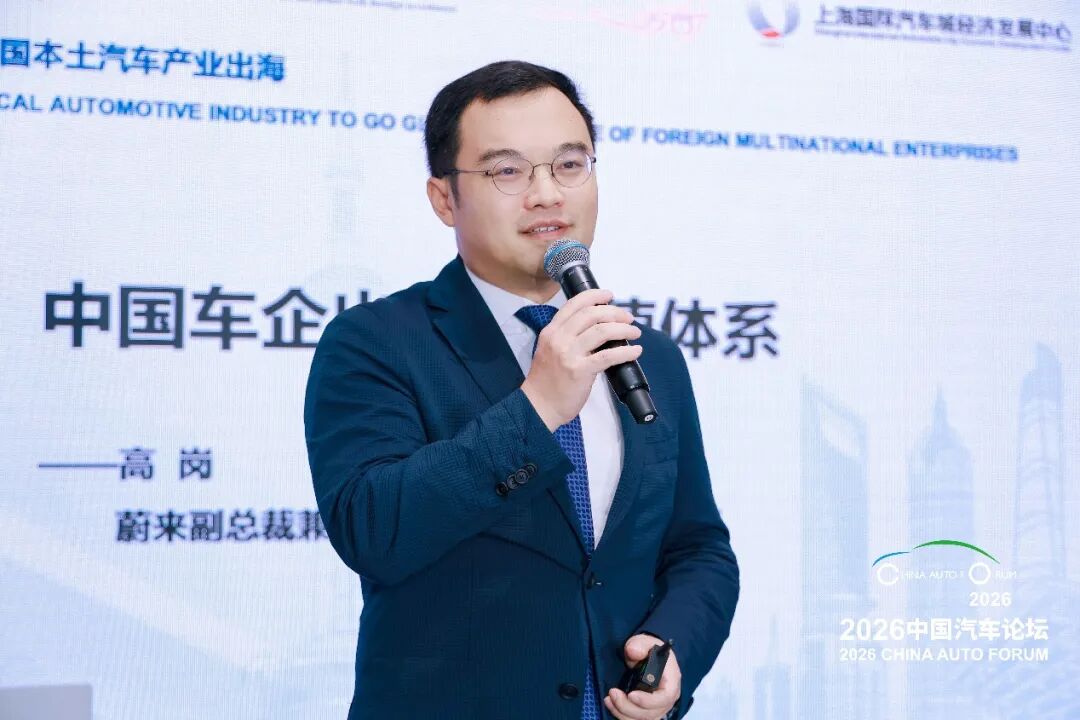
Gao Gang, Vice President of NIO and Chief Compliance Officer & Global General Counsel
Based on the multi-faceted discussions at this forum, it is clear to see the common trends and insights presented by China's automotive industry in going global. First, the going-global model has upgraded from mere product trade to a systematic approach encompassing R&D, manufacturing, supply chain, and branding, posing higher requirements for companies' global governance capabilities. Second, the role of foreign multinational enterprises is undergoing profound changes, evolving from early technology suppliers to "empowering partners" deeply involved in the globalization strategies of Chinese automakers—whether in intelligent manufacturing, core components, supply chain collaboration, intellectual property licensing, or localized production and after-sales networks, they can effectively help Chinese automakers mitigate overseas compliance, certification, and supply chain risks. Third, compliance and standardization construction have become core variables determining the sustainability of going global, from green trade barriers such as the EU's carbon tariffs and battery passports to standard-essential patent licensing and regional technical regulatory differences, all requiring upstream and downstream enterprises in the industrial chain to establish systematic compliance capabilities as early as possible. Fourth, supply chain collaboration in going global is emerging as a new trend, with more and more Chinese parts suppliers "reverse going global" alongside vehicle companies, forming new industrial ecosystem collaborations with foreign-invested enterprises in overseas markets.
China's automotive industry going global is not only a strategic need for its own development but should also be committed to creating value for local ecological partners overseas, achieving mutual benefit and win-win outcomes through two-way empowerment. Against the backdrop of profound adjustments in the global trade landscape and the accelerated iteration of green, low-carbon, and intelligent connected vehicle technologies, the global networks and localization capabilities of foreign-invested enterprises are deeply coupling with the technological innovation and industrial scale advantages of Chinese automakers, providing sustained impetus for the globalization of China's automotive industry. Looking ahead, with the implementation of more regular docking platforms and joint innovation mechanisms, the deep collaboration between Chinese and foreign automotive industry chains is expected to further accelerate. In this process, the Intelligent Manufacturing Branch of the Shanghai Foreign Investment Association and the Jiading District Foreign Investment Enterprise Association will also continue to leverage their platform advantages, cohesion (can be translated as "pool") industry wisdom and resources, promote deeper cooperation between foreign-invested and local automotive companies, and build a more solid organizational support and ecological guarantee for the industry's going global.
In-Depth Coverage of the 2026 China Automobile Forum:
Main Forum: New Beginnings Usher in New Opportunities, as the Automotive Industry Embarks on a New Journey Together

-
![]()
Europe's 'Lagging' Struggle: The Legacy of a Decade-Old Misstep
-
![]()
BAT's Rematch in AI Office: What's Baidu's Strategy?
-
![]()
BAT Enters the AI Office Arena Again: What's Baidu's Strategy?
-
![]()
Sales Review of New Forces in July 2026: Leapmotor Surpasses 100,000 Units
-
![]()
GM Tore Down the Global Market, SAIC-GM Rebuilds It Piece by Piece
-
![]()
Is the Input Method Landscape Being Reshaped by Doubao and Qianwen?
-
![]()
Ashok Didn't Cover It, But Tesla's Head of Engineering Phil Did: FSD Algorithm Architecture, Proxy Tasks, and 300,000 GPUs
-
![]()
[In-depth Report] Systemic Symbiosis: How Foreign Investment Empowers New Pathways for Chinese Automakers to Go Global