Europe's 'Lagging' Struggle: The Legacy of a Decade-Old Misstep
 08/07 2026
 411
411
Hesitant to abandon the old ways yet reluctant to fully embrace the new, Europe finds itself without a viable contingency plan.
How would one characterize the current state of the European automotive market?
The mantra of 'cost reduction and efficiency enhancement' can no longer obscure the harsh reality amidst widespread layoffs. On the day financial results were unveiled, Volkswagen Group's headquarters were ablaze with light, anxiety permeating the air. These seasoned players, who have long dominated the automotive landscape, suddenly realized that their stumbling blocks were not Tesla or BYD, but themselves.
With BYD and Chery securing the top three positions in Germany's model rankings, Chinese brands have eclipsed Japanese counterparts, capturing nearly 13% of the market share. Tariff barriers are insufficient to bridge the technological divide, making the situation even more apparent.
Yet, no solution is in sight.
Dismantling a system that has thrived for decades, or even a century, is a gamble no European automaker dares to take. Even Volkswagen, which once embraced transformation with fervor, finds itself unable to dismantle its deeply entrenched structure.
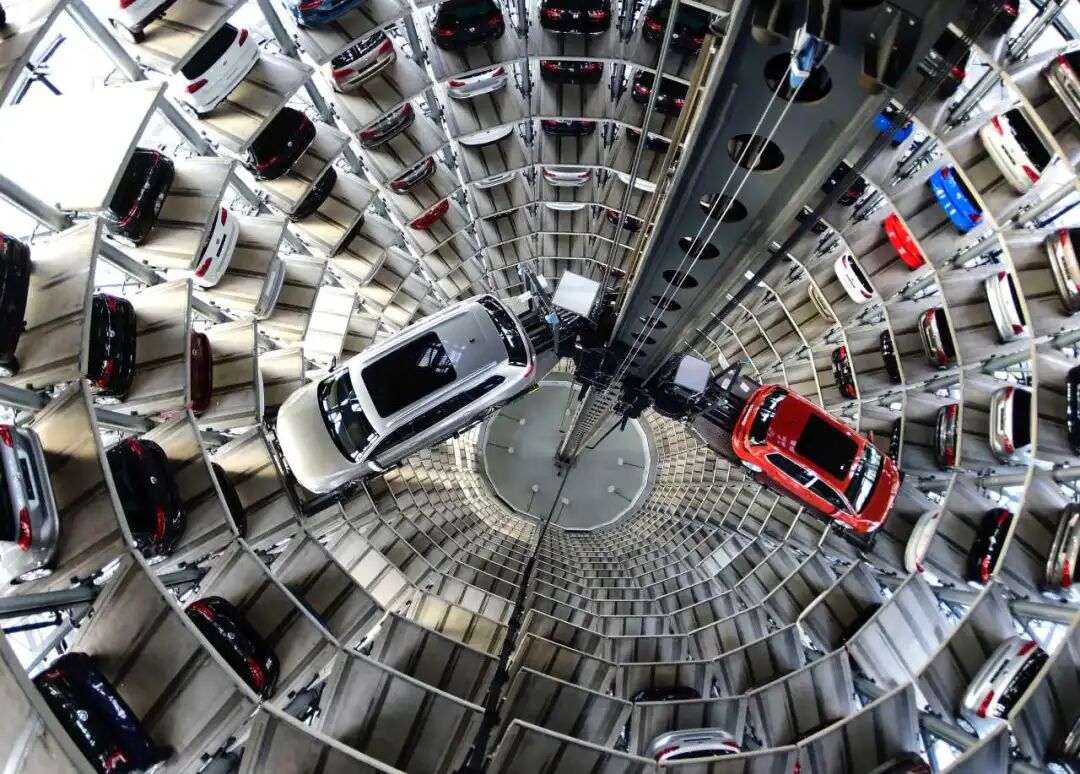
Ironically, the very system Europeans spent 40 years constructing as a barrier in the automotive industry has been dismantled by Chinese brands in just five years. While the 'Volkswagens' defend, the 'BYDs' attack, prompting Volkswagen CEO Oliver Blume to call on the EU to address the rise of Chinese automakers.
'The European auto market has truly transformed.'
Media laments also highlight a miscalculation made a decade ago. The situation in Europe echoes a line from Vladimir Nabokov's Speak, Memory: 'The cradle rocks above an abyss,' hinting at the simultaneous transformation of old and new eras.
Sales of fuel-powered vehicles are plummeting, new energy products struggle to gain a foothold, and they face aggressive competition at home from Tesla and Chinese automakers like BYD and Chery. In this scenario, European automakers are anxious, but Europeans remain unperturbed.
'The world outside is ablaze, yet we're lounging in hot springs.'
The roots of this predicament trace back a decade.
Today, the global automotive industry stands at the crossroads of a new order, while still clinging to the remnants of the old. The balance has shifted.
However, reflecting on the European market, which once established a century-long dominance in the fuel-powered vehicle era, these giants sowed the seeds of their downfall a decade ago.
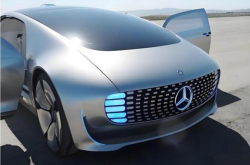
In 2013, Mercedes-Benz launched the S-Class hybrid model, followed swiftly by Audi with the A8L 40 hybrid. Two years later, in 2015, Audi introduced the all-new A3 Sportback e-tron to China.
At that time, in the Chinese auto market, Geely Chairman Li Shufu was still engaged in debates with Li Bin and He Xiaopeng, internet entrepreneurs turned automotive moguls, over whether the industry should follow an 'Internet + Automotive' or 'Automotive + Internet' model.
The winds of change were blowing, and nothing was set in stone. It meant that 'anything was possible.' For European automakers, there was a strong chance to once again shape the new era's landscape. Volkswagen and BMW were determined to seize this opportunity.
But amidst this determination, mistakes were made. European giants believed that simply replacing engines with electric motors and fuel platforms with electric ones would allow them to continue reaping the profits and market dividends of luxury vehicles.
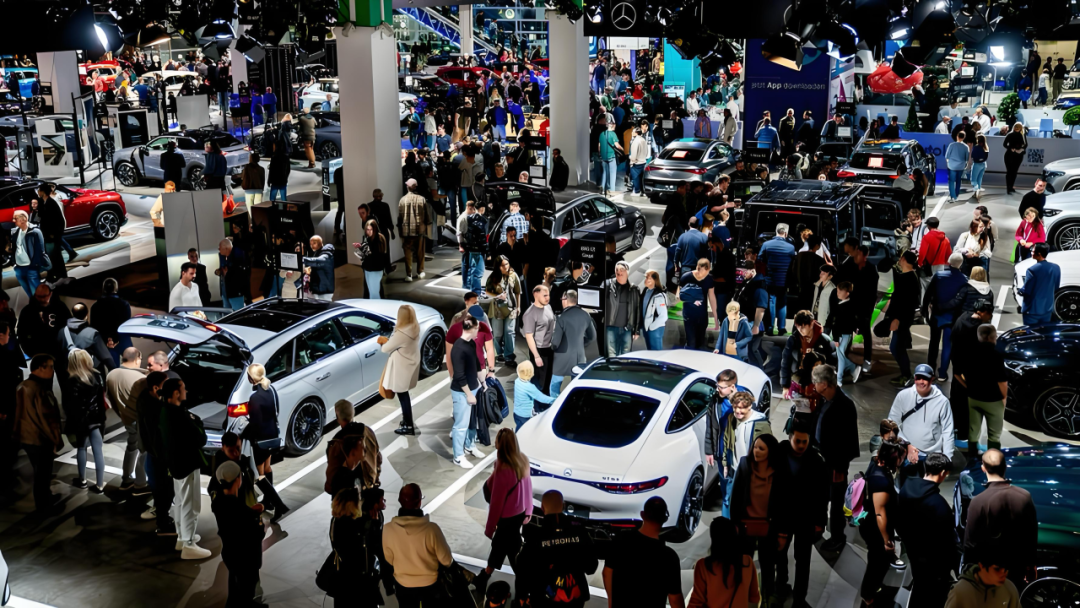
Even as Tesla, like a catfish, stirred up the global electric vehicle era, Europe failed to grasp the essence of this transformation.
Elon Musk once remarked, 'Years ago, I said that non-autonomous internal combustion engine vehicles are like riding a horse while using a flip phone. But you can't force a good idea onto traditional industries. They will insist on their own decline.'
Few traditional automakers heeded these words. Because on the surface, the market still belonged to fuel-powered vehicles, especially in Europe. A decade ago, Germany's domestic passenger vehicle production neared 5.7 million units; a decade later, it had declined by about 1.5 million units, leaving only 4.15 million.
At this juncture, the giants realized with painful clarity that this was a transformation of the automotive industry from a mechanical one to one co-determined by software, supply chains, energy, and user experience. There were no shortcuts to bridge the technological gap, and past achievements no longer counted.
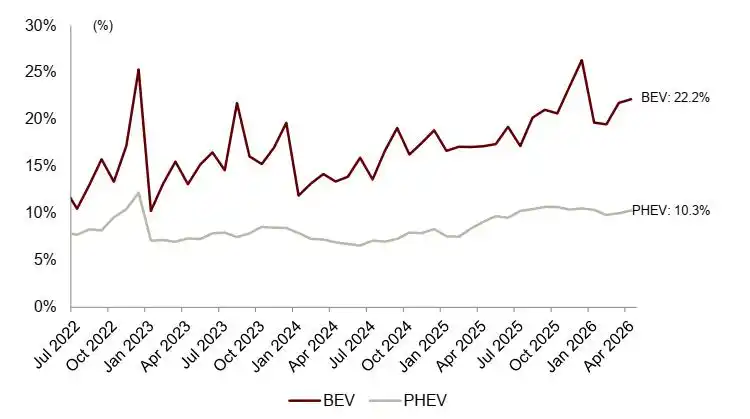
A set of data further stings the nerves of Europe's automotive industry. In the first half of this year, sales of battery electric vehicles (BEVs) in the EU reached approximately 1.221 million units, up 40.5% year-on-year, accounting for 20.7% of total sales. In June, BEV sales reached 271,000 units, up 60.7% year-on-year.
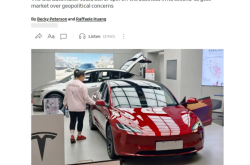
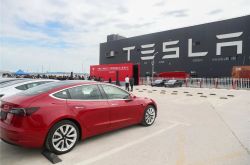
Among them, the Model Y sold over 32,000 units in Europe in June, and the Model 3 sold nearly 17,000 units, securing the top two spots on Europe's BEV sales chart. In key European automotive markets like Germany, France, and the UK, Tesla is thriving.
Bloomberg reported that Chinese automakers, including BYD and Chery, accounted for 34% of plug-in hybrid electric vehicle (PHEV) deliveries in Europe in June, a record high. During the same period, Chinese brands accounted for 11% of total new car sales in Europe and 15% of the BEV market, remaining relatively stable.
Have Europeans suddenly fallen in love with electric vehicles? Not quite. Mature battery, electric drive, and electronic control technologies, leading intelligent cockpits, and extreme supply chain cost control have filled the largest product gaps in the European market.
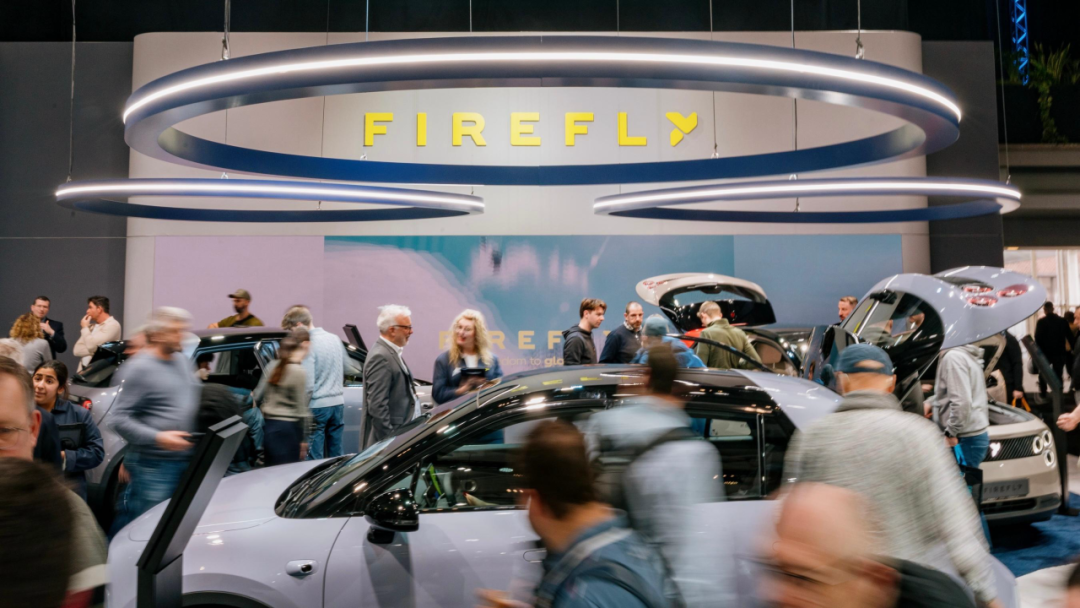
The filling of these gaps has also led to the collapse of traditional fuel-powered vehicles, which once supported the European market, and the automotive industry is now teetering on the brink. Germany's Frankfurter Allgemeine Zeitung warned: 'German automakers will face an existential test if they do not find countermeasures soon.'
Upon returning from China, German Chancellor Merz spoke passionately: 'Our productivity is simply insufficient. If you've just returned from China, you'll feel even more strongly that pursuing work-life balance and a four-day workweek cannot sustain Germany's long-term prosperity. We need to work harder; our competitiveness is no longer strong enough.'
Watching as vehicles they painstakingly built start to sell worse than those from Chinese factories that once only supplied them with parts, the urgency cannot be alleviated even by the nearly 7,500 kilometers separating Berlin and Beijing.
'The world outside isn't waiting for us,' economists lament.
Layoffs are possible, but the system remains untouchable.
German media warn that German giants like Volkswagen may repeat Nokia's fate, while The Wall Street Journal provocatively titles an article, 'The Collapse of Germany's Economic Model, and No One Has a Plan B.'
The finger is pointed at Volkswagen Group.
Because Germany is the bridgehead of Europe's automotive industry, and Volkswagen Group is its helmsman. If Volkswagen wins, Europe has a chance to win.
Germans are not unaware of the need for 'speed,' but their system and people prevent it. The reason for their sluggishness lies in their past successes. Ironically, these very successes have led Germany to dismantle the pillars supporting its automotive industry.
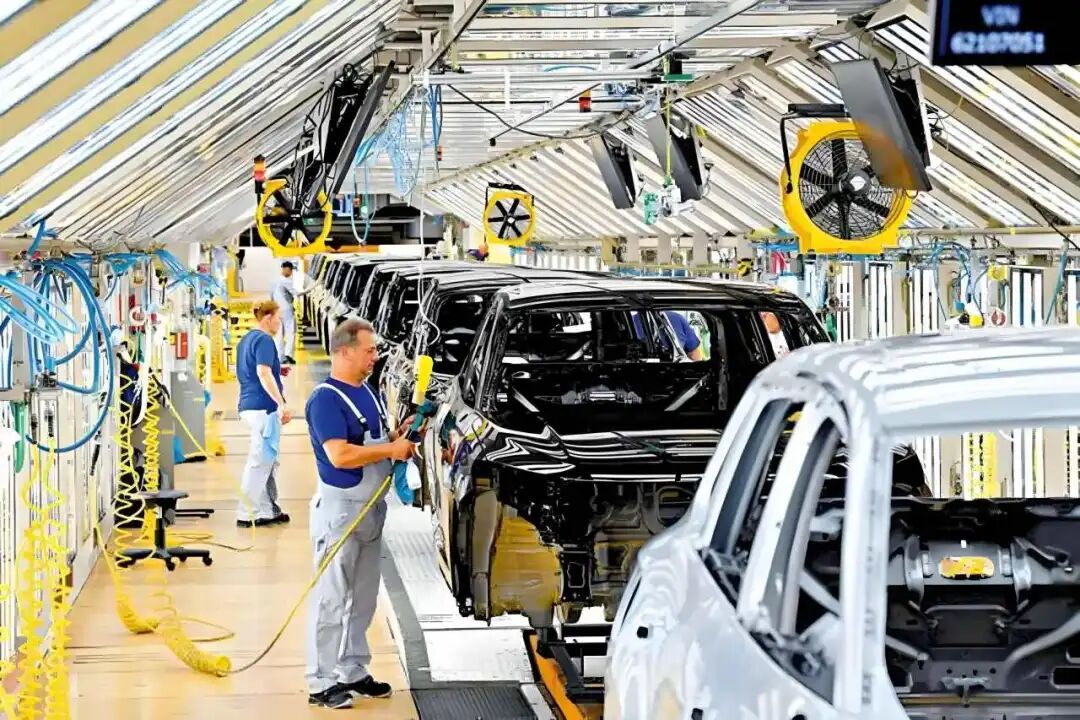
It is widely known that behind every German car stands the entire German industrial system. From downtown Paris to a small town at the foot of the Alps, finding a repair shop that can service a Volkswagen is easier than finding a café. The reputation of 'Made in Germany' resonates globally because of this. Complementing this mature system is a series of organizational contracts behind every plan.
Whether it's the upstream and downstream supply chains, employees, built factories, employment commitments made to unions, or investment guidance given to capital markets, any change means increased 'costs' and higher risks.
The saying 'A black cat or a white cat, as long as it catches mice, is a good cat' holds little weight in Europe. Reducing uncertainty is a habit deeply ingrained in Europe's automotive system, making internal transformation difficult. For many, transformation means breaking 'promises.'
It can be said that the transformation of Europe's auto market is an unsolved dilemma of 'being able to lay off people but unable to change the system.' The once-wealthy European gentlemen find it hard to make up their minds.
If the internal system cannot be broken, the outside world can attack, albeit with exponentially increasing difficulty.
But where there's a will, there's a way. In the first half of the year, Chinese automakers officially reversed their fortunes against Japanese brands in Europe, a market with annual sales of over 10 million units, marking a milestone revolution in global automotive competition.
This revolution has left Europe feeling 'panicked,' especially Volkswagen Group. On July 24, during its first-half performance briefing, Oliver Blume spent seven minutes answering a realistic question.
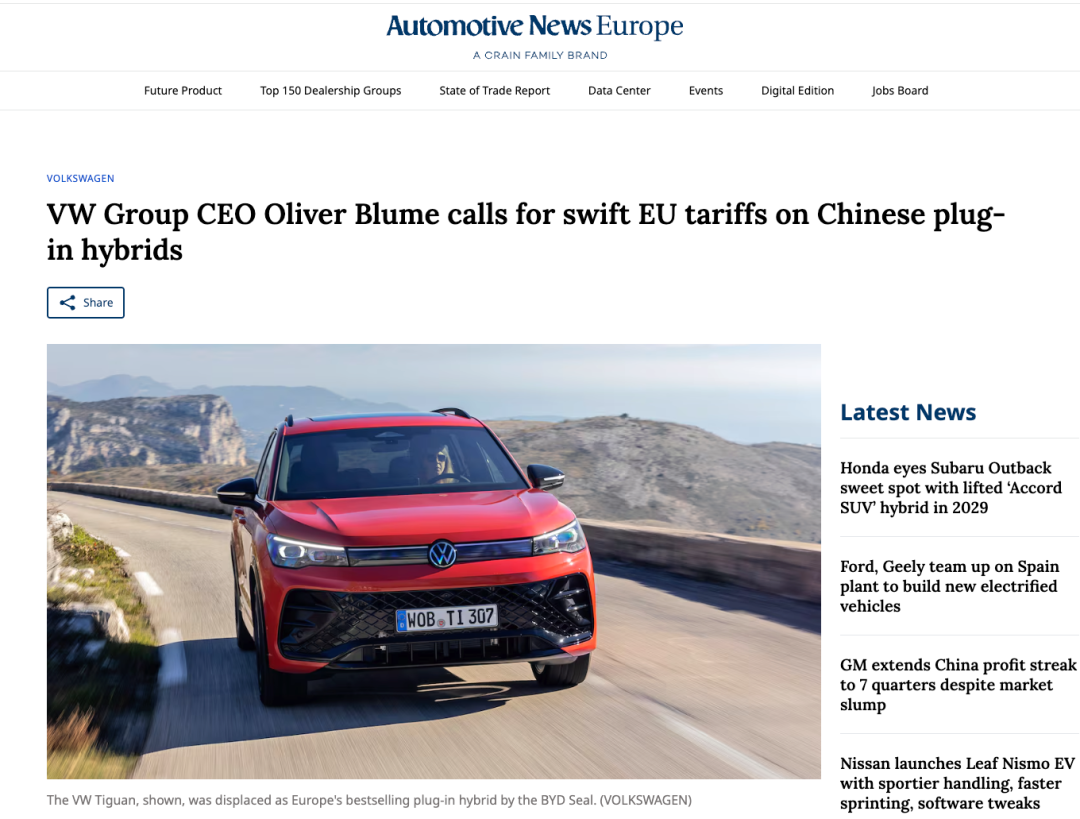
He said, 'The Chinese market is currently saturated, and Chinese automakers are under pressure, making export an inevitable option.' When discussing the European market, he stated a reality: Europe lacks mechanisms like tariffs to protect segments such as plug-in hybrids.
He knows that if Volkswagen cannot curb the advance of Chinese hybrid vehicles in the short term, its European stronghold will face significant challenges. In this unprotected segment, China's new energy vehicle industry has already formed strong technological and cost advantages. In the first half of this year, Chinese brands accounted for 28.3% of Europe's plug-in hybrid market.
With German cars struggling in China and Chinese brands penetrating deep into Europe, the mistake made a decade ago is now yielding even harsher consequences.
Under today's order, Europe is still using 1990s processes to build 2030s cars, making it impossible to solve 'German cars' problems internally.
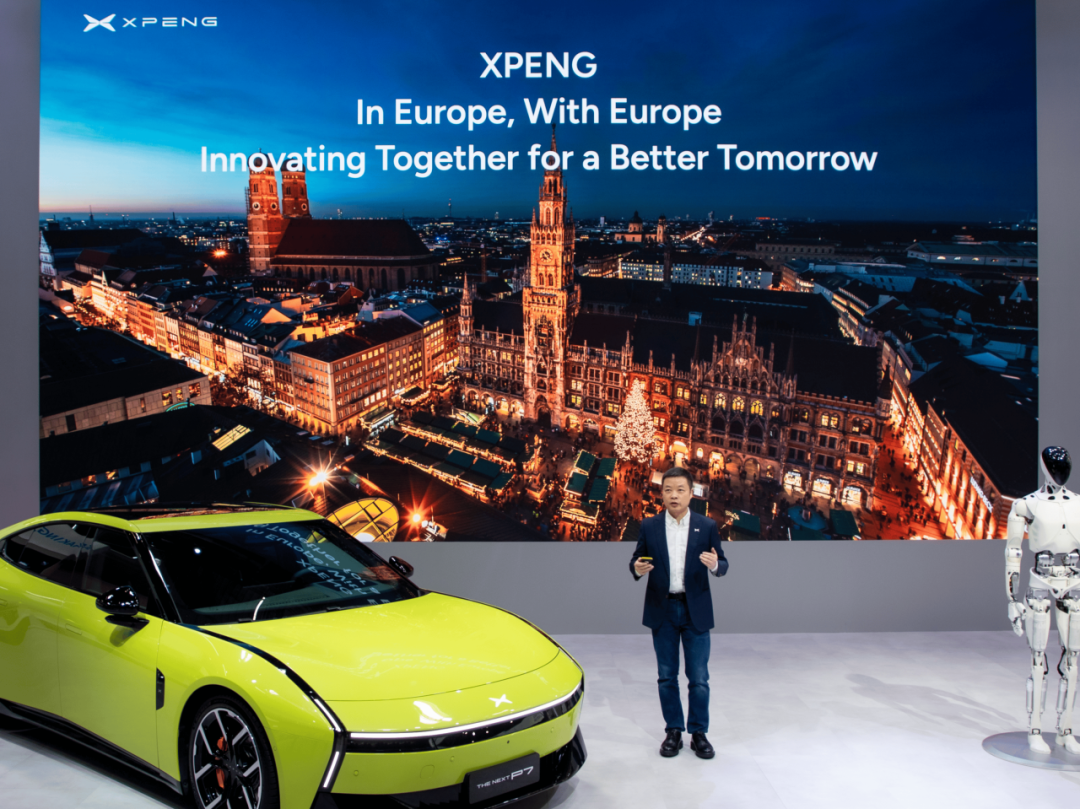
In Munich, Germany, XPENG Motors launched its 'In Europe, For Europe' strategy, reminiscent of Volkswagen's 'In China, For China' approach in China. This assault on the core of Europe's automotive industry is forcing market transformation. Traditional manufacturers, including Volkswagen, are panicking, announcing massive layoffs and capacity cuts to weather the storm.
Only now do they realize that when they made mistakes a decade ago, Chinese automakers had already begun a decade-long deep cultivation of the European market. After SAIC acquired MG in 2011, the brand returned to the UK market, marking the beginning of Europe's layout. In 2015, double-decker electric buses rolled into London streets. Geely completed its full acquisition of British Manganese Bronze in 2013 and took control of Lotus Cars in 2017... These moves laid the groundwork for Chinese automakers' advance into Europe.
Ten, or even fifteen, years is a long and arduous journey. Whether viewed from Europe's internal transformation or external offensive strategy, it is clear that the European market cannot afford a 'quick battle.'
Because this is not simply about selling cars; it is an orderly shift from people to systems. However, unable to let go of the old and unable to embrace the new, Europe truly has no Plan B.
Selling Cars, Making Money, and Preserving Options
From a data perspective, the performance of the European auto market can still be described as 'steady.'
According to the European Automobile Manufacturers Association, in the first half of this year, Volkswagen Group topped the sales rankings in Europe with 1.849 million units, followed by Stellantis Group with 1.0968 million units and Renault Group with 683,100 units.
The most significant change is the clear decline of American and Japanese brands, with Chinese automakers rising strongly. This change has made Europe deeply aware that the transition from 'fuel-powered vehicles to electric vehicles' is now a thing of the past.
New energy brands are now engaged in global competition in the European market, a reality that cannot be ignored.
The intelligent era is characterized by technological costs and user preferences changing faster than the traditional automotive development cycle. Taking three to five years to develop a new model is no longer feasible in today's era. The slow pace of R&D and transformation among European automakers has become a shackle to their transition.
In other words, the European auto market, which 'misjudged globalization,' has seen its core indicators deteriorate.
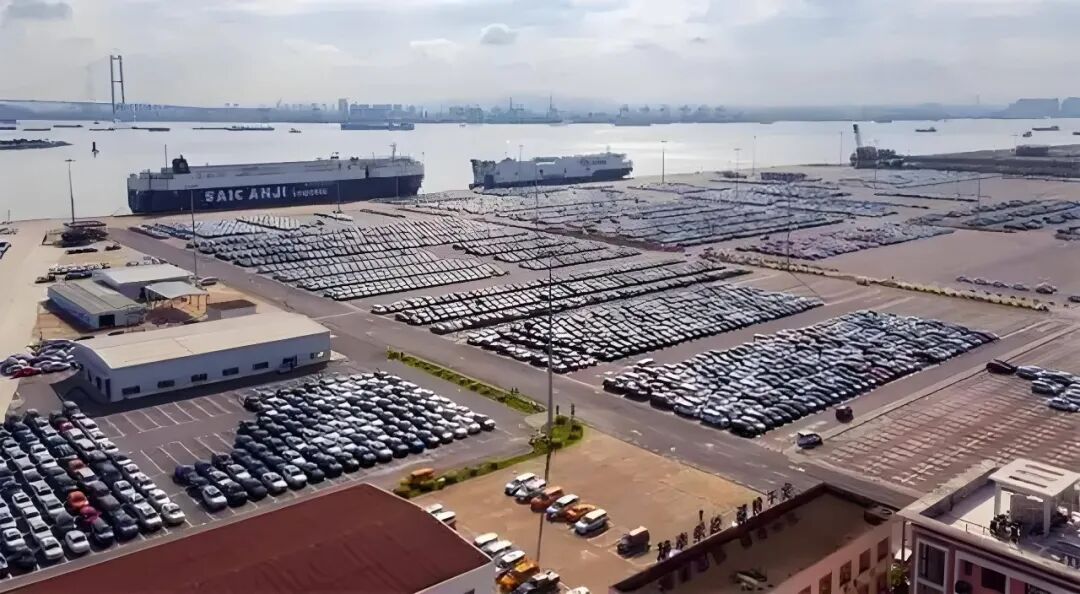
The EU officially warns that, impacted by multiple crises, the European automotive industry could face up to 600,000 potential layoffs this year, meaning nearly a quarter of all jobs could disappear—a devastating blow. Electric vehicle components are 40% fewer than those in fuel-powered vehicles, leading to the mass elimination of jobs in traditional engines and transmissions.
Previously, it was like an elephant dancing with shackles; now, the elephant's legs are nailed to the ground by the system. The elephant does not want to sit idly by, just as Volkswagen Group's helmsman Oliver Blume does not cling to outdated superiority but instead builds a new table.
Take software development as an example—a field that has entailed exorbitant costs. Given its inability to develop software in-house, Volkswagen has shifted from operating in isolation to collaborating with Rivian for software solutions and XPENG for intelligent driving technologies. Similarly, European automakers like BMW and Mercedes-Benz are no longer merely localizing global models for the Chinese market but are also intensifying their local R&D efforts.
In fact, when focusing solely on the European market, Volkswagen's electrification transition is progressing at a commendable pace. According to data from Germany's Federal Motor Transport Authority, by early 2026, the Volkswagen ID.3 had surpassed the Tesla Model Y to become Germany's best-selling battery electric vehicle (BEV) model.
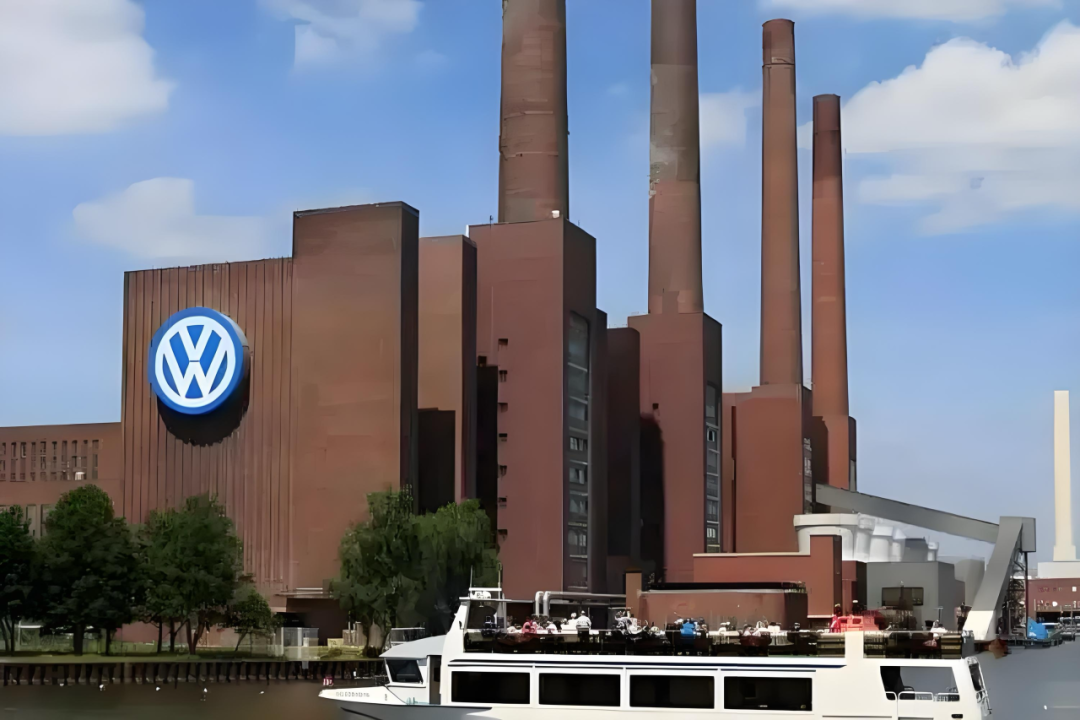
However, Volkswagen and other European automakers still need to accelerate their efforts, as a new signal has emerged.
According to the latest survey results released by international management consulting firm Horváth, "The recent sustained rise in oil prices has bolstered Europe's commitment to transitioning to electric vehicles," indicating that Europeans' acceptance of Chinese cars is approaching a pivotal moment.
This represents a perilous signal for European automakers and serves as a clarion call for them to expedite their transformation. When the 2025 champion model, the Volkswagen Tiguan, was supplanted by the BYD Seal U, landing in fourth place, Germany's "Bild" newspaper perceived the looming threat: "Chinese cars are on the verge of conquering Europe."
The traditional advantages are waning, and the old narratives are barely holding their ground. Nevertheless, in the process of establishing a new paradigm, Oliver Blume has not stepped forward to proclaim a definitive break with the past. Instead, he hopes that this transformation will set the entire corporate structure in motion. His primary concerns remain selling cars, generating profits, and maintaining influence.
However, he also recognizes that "waiting another year, by which time consumers may have formed brand preferences, would be too late." In essence, Chinese automakers are leveraging the Europeans' own rhythm to capture the European market.
" "
"
At the current pace, within another year, one out of every three new energy vehicles on European streets could be a Chinese brand. By then, consumer habits will have truly taken shape. Previously, in Germany, if you inquired about people's car-buying preferences, the response would typically align with the French sentiment: "I prefer cars from my own country."
The answer in the future may diverge. Europe cannot afford to take that risk.
The European Commission has unveiled a "comprehensive plan for the automotive industry" and is even contemplating relaxing the 2035 ban on the sale of fuel-powered vehicles to provide automakers with a transitional buffer period. Simultaneously, in response to industrial structural shifts, the EU introduced the "Industrial Acceleration Act" in March 2026, aiming to localize key manufacturing capacities within Europe through public procurement, industrial support, and localization mandates, thereby reducing reliance on Asian supply chains.
However, until a balance is struck between the EU's anxiety and protectionist tendencies in this "struggle of a cornered beast," the pace of transformation will remain sluggish.
This "slow" battle on the European continent still has a long road ahead.
Note: The image is sourced from the internet. If there is any infringement, please contact us for removal.
-END-
" "
"
-
![]()
Royalties Outstrip Licensing Fees for the First Time: Arm’s Leasing Business Thrives
-
![]()
What changes will happen to the fate of Musk and Tesla?
-
![]()
Google’s Farewell: The Era of Large Models Steps into the ‘Garage Phase’
-
![]()
Blue Light Fades: The Dawn of a New Era for Intelligent Driving Lighting
-
![]()
Over 140,000 Charging Stations Undergo Spot Checks for Charging Accuracy; Non-Compliant Units Face Operational Ban
-
![]()
Tesla is Just the Start: China’s ‘Super Catfish’ is Set to Revolutionize Europe
-
![]()
Europe's 'Lagging' Struggle: The Legacy of a Decade-Old Misstep
-
![]()
BAT's Rematch in AI Office: What's Baidu's Strategy?