BYD RACCO Otter: The 'Walking Catfish' Making Waves in Japan's Domestic Market Moat
 08/10 2026
 539
539
Lead | Introduction
The Japanese K-Car market has long been a bastion for domestic automakers, with Japanese brands holding a dominant position. To make inroads into this specialized market segment, BYD has launched a custom-built pure electric K-Car, sending shockwaves through the Japanese automotive landscape.
This article is produced by | Heyan Yueche Studio
Written by | Zhang Dachuan
Edited by | He Zi
Full text: 2,250 characters
Reading time: 4 minutes
On August 3, BYD announced that orders for its new light pure electric vehicle, the RACCO Otter, which had been on sale in Japan for just one week, had exceeded 700 units. Market sources indicate that deposit-paid orders for the compact car surged to 5,000 units in its first week.
The new light pure electric vehicle, the RACCO Otter, launched on July 28, starts at 2.145 million yen, with the brand aiming to deliver 10,000 units this year.
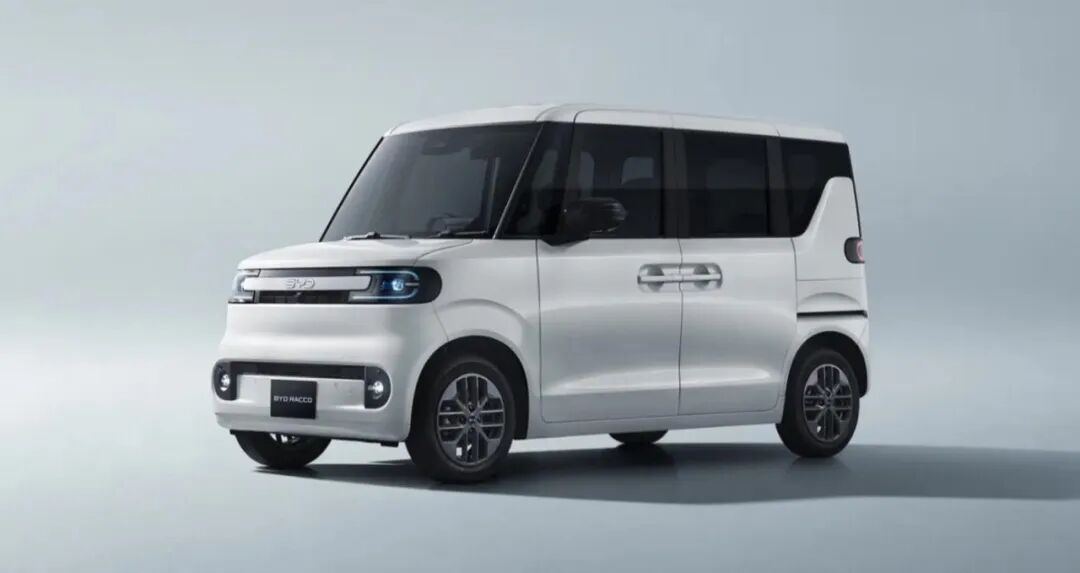
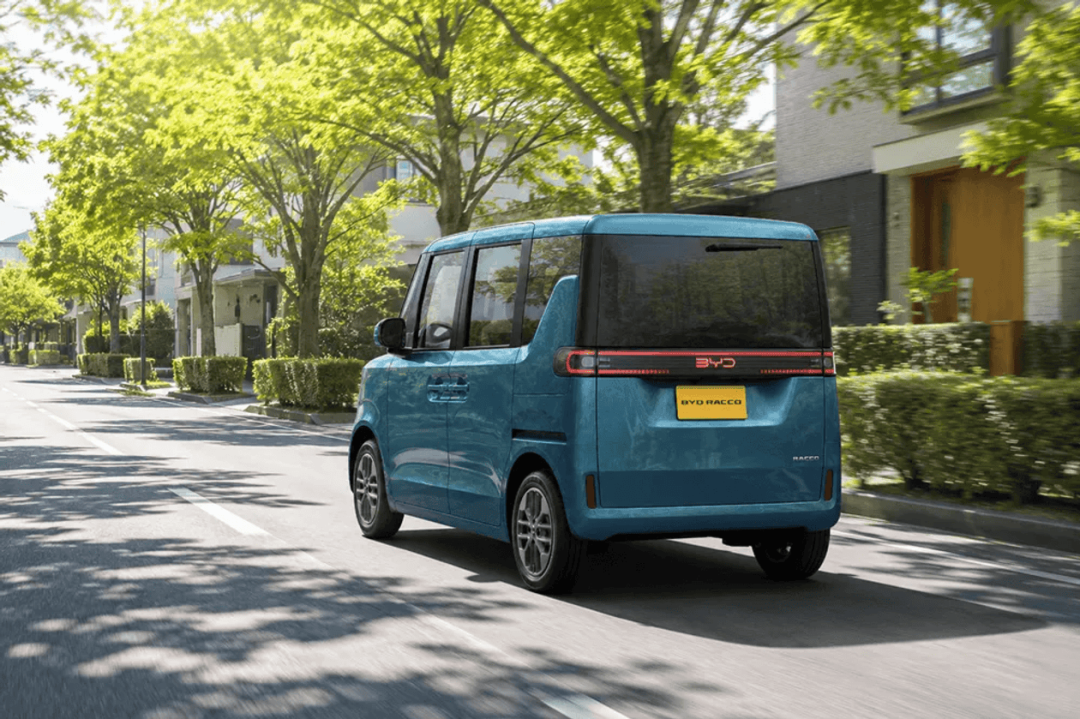
△ On July 28, BYD made its foray into Japan with the launch of its new light pure electric vehicle, the RACCO Otter.
Notably, BYD's total vehicle sales in Japan over the past three years have just surpassed 7,000 units. The RACCO Otter's overwhelming market enthusiasm is set to revolutionize the brand's local development, marking a pivotal moment in BYD's Japanese market expansion.
K-Cars Account for Over One-Third of Japan's Auto Market Share
The primary reason for the local buzz surrounding the BYD RACCO Otter is its status as a purpose-built pure electric K-Car, specifically developed for the Japanese market.
K-Cars (Kei Cars, or light vehicles) are a unique category of compact motor vehicles in Japan, known for their small size, limited engine displacement, low operating costs, and excellent space utilization. They occupy a central niche in the Japanese auto market. In 2025, Japan's total new vehicle sales reached 4.566 million units, with K-Cars accounting for 1.667 million units, representing a 36.5% market share. On the sales charts, the Honda N-BOX claimed the top spot for several years with 199,000 units sold, followed by the Suzuki Spacia and Daihatsu Tanto, with annual sales of 165,000 and 124,000 units, respectively.
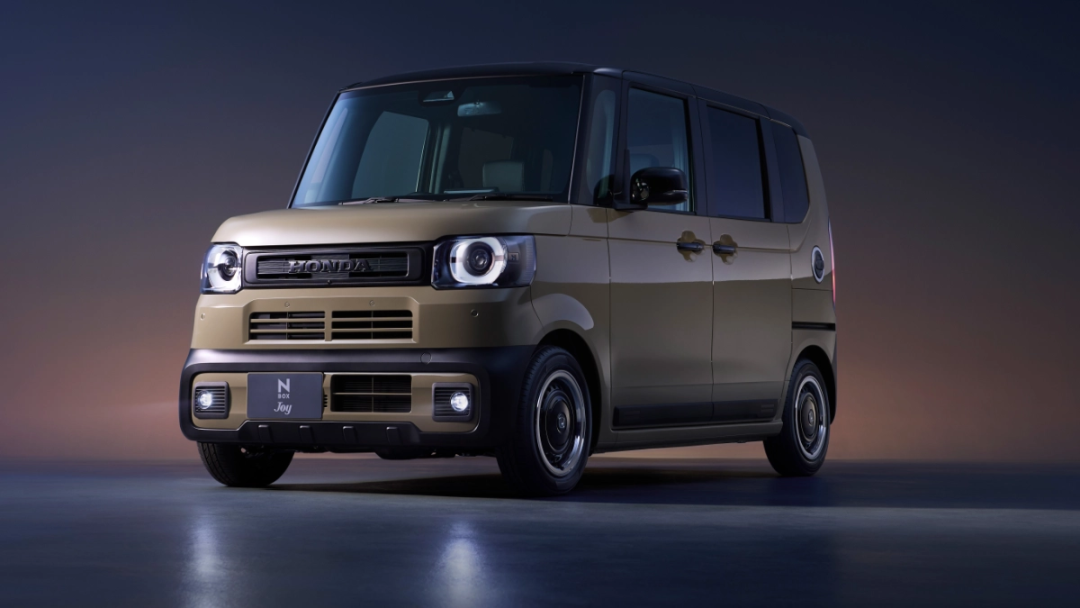
△ In 2025, the Honda N-BOX secured the top sales position for multiple years with 199,000 units sold.
K-Cars' enduring dominance in Japan's primary market share is attributed to comprehensive supporting policies: these vehicles enjoy reductions in Purchase Tax and vehicle and vessel tax, along with significantly lower car insurance and annual inspection fees. In core cities like Tokyo and Osaka, where land resources are scarce, purchasing a K-Car does not require proof of a fixed parking space, substantially lowering the barrier to entry. Japan's robust support for the K-Car industry aligns with the country's narrow roads, scarce parking resources, and aims to alleviate energy pressure from complete reliance on imported crude oil.
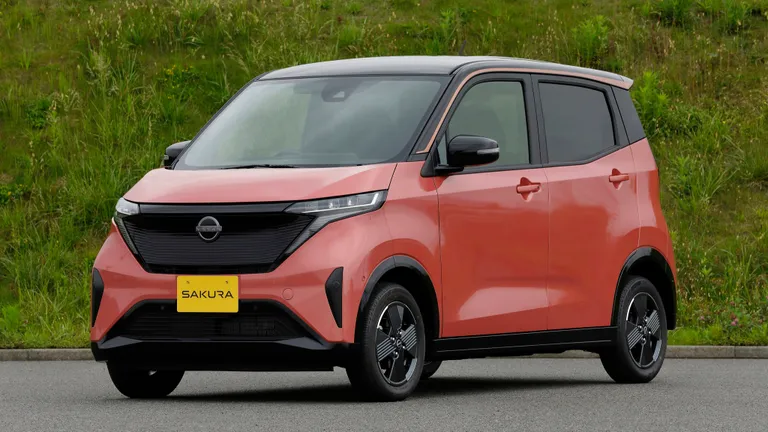
△ In 2025, Nissan Sakura, the sales leader of Japanese pure electric K-Cars, sold only 22,900 units annually.
Despite the K-Car segment's massive scale and critical status, Japanese domestic automakers have long neglected the pure electric K-Car layout. In 2025, Nissan Sakura, the sales champion of Japanese pure electric K-Cars, sold only 22,900 units annually, indicating a very limited scale. While Japanese brands hold an absolute monopoly in the fuel-powered K-Car segment, the pure electric niche has yet to form a solid barrier. The BYD RACCO Otter has capitalized on this window of opportunity, aiming to capture new market share. From a market capacity perspective, Japan's total K-Car sales reached 1.667 million units in 2025, with pure electric models accounting for only 2.8% penetration, leaving ample growth potential and significant room for the RACCO Otter's expansion.
How Does the RACCO Otter Penetrate the K-Car Market?
The RACCO Otter, developed specifically for Japan's pure electric K-Car market, boasts comprehensive product strength with no shortcomings.
It inherits the classic design elements of Japanese K-Cars, including a high-roof body, spacious interior, and sliding doors, while upgrading to dual electric sliding doors. Its range capability significantly outperforms competitors, with a maximum WLTC range of 320 kilometers, compatible with local mainstream CHAdeMO fast charging, achieving a 30%-80% charge in just 24 minutes. In contrast, local competitors like the Nissan Sakura offer only 180 kilometers of range, while the Honda N-ONE e: provides just 295 kilometers, highlighting a clear gap.
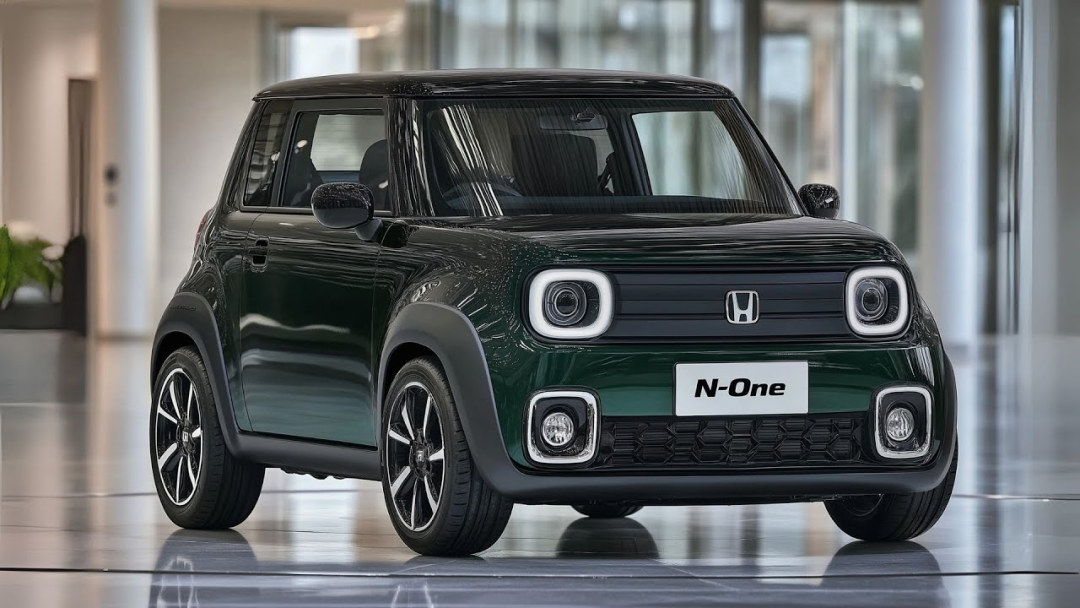
△ The Honda N-ONE e: also falls short of the RACCO Otter in range.
In terms of intelligent configuration, the RACCO Otter shines brightly. Positioned as an SDV (Software-Defined Vehicle), it supports continuous OTA (Over-the-Air) updates and optimizations. The intelligent cockpit is equipped with a central control large screen, smart vehicle connectivity with smartphones, along with V2L (Vehicle-to-Load) external power discharge and L2-level intelligent driving, making it highly practical for daily commuting and short trips.
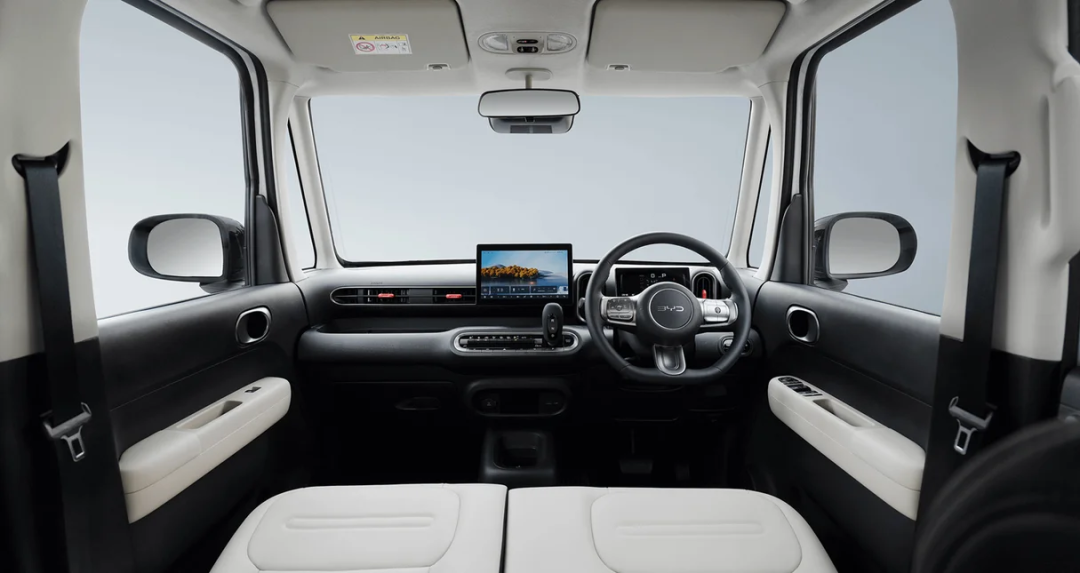
△ The RACCO Otter is an SDV (Software-Defined Vehicle) with high intelligence levels.
Cost is another trump card for BYD: leveraging its self-developed full industrial chain, with a 90% self-developed proportion of vehicle components, it effectively controls terminal pricing. The RACCO Otter's starting price is 2.145 million yen, with the long-range top variant priced at 2.497 million yen. In contrast, the Honda N-ONE e: is priced between 2.6994 million and 3.1988 million yen, significantly higher. Relying on this cost-effectiveness strategy, which has proven successful in the domestic market, BYD hopes to quickly win over local users with the RACCO Otter's comprehensive product advantages, shifting Japanese consumers' preference for domestic automakers.
What Challenges Does the RACCO Otter Face?
The RACCO Otter's market shortcomings do not lie in product strength; rather, brand recognition, offline service channels, and the used car residual value system are the three core barriers to its breakthrough in the Japanese K-Car market.
Japanese domestic automakers have long monopolized the K-Car segment, with brands like Honda and Daihatsu deeply cultivating the market for decades, establishing a nationwide standardized sales, maintenance, and parts supply system, along with a strong user reputation and a stable, mature used car residual value system. Among them, Honda has over 2,000 official stores nationwide, covering all 47 prefectures in Japan. In contrast, BYD plans to have only about 100 official stores by the end of 2025, with a significant gap in both network quantity and service coverage density compared to Japanese giants. Moreover, Honda, Suzuki, and Daihatsu have built a closed-loop service ecosystem encompassing new car sales, maintenance, parts supply, and used car circulation. Their consistently high market sales further solidify stable expectations for their models' residual values. In contrast, BYD, a newcomer to the Japanese market, and the RACCO Otter, as a newly launched model, lack sufficient used car transaction data to support residual value recognition, becoming a significant factor restricting market penetration.
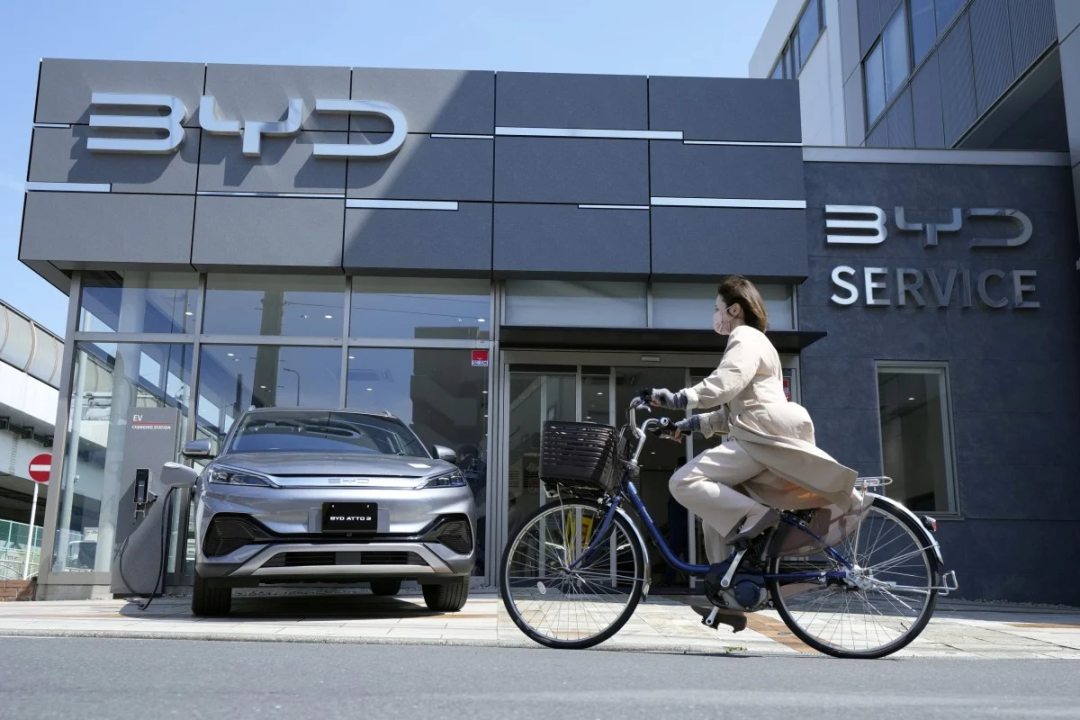
△ Brand recognition, offline service channels, and the used car residual value system are the three core barriers for BYD to breakthrough in the Japanese K-Car market.
The gap in subsidy policies further erodes the model's price advantage. While the RACCO Otter is included in Japan's Clean Energy Vehicle (CEV) subsidy system, the central government subsidy amount it can claim is significantly lower than that of Japanese pure electric K-Car competitors. The vehicle is eligible for only a 150,000 yen central subsidy, while domestic models like the Nissan Sakura, Honda N-ONE e:, and Mitsubishi eK Cross EV can receive central subsidies ranging from 574,000 to 580,000 yen, a subsidy gap exceeding 400,000 yen. For a 2 million yen-class light electric vehicle, a subsidy gap exceeding 10% of the vehicle price substantially dilutes the RACCO Otter's original pricing advantage.
△ The RACCO Otter receives significantly lower subsidies than other Japanese pure electric K-Cars.
Additionally, the model faces potential policy risks. Currently, Japan has not imposed high tariffs on Chinese electric vehicles like the EU and the US, providing a lenient environment for the RACCO Otter's market expansion. However, as the model's sales continue to climb and market share grows, uncertainty remains regarding whether Japan will introduce trade restriction policies such as high tariffs, a core risk BYD needs to anticipate and address in advance.
Commentary
The RACCO Otter is not merely an export of a domestic model but a product tailored by BYD for the Japanese K-Car market. The brand has assembled a dedicated R&D team to conduct on-site research into local vehicle usage needs, upgrading its overseas expansion strategy from "exporting models" to "building cars on demand," with significant strategic implications. BYD has bypassed the conventional passenger car segment and directly entered the K-Car core market, which accounts for one-third of Japan's new vehicle sales and is heavily fortified by Japanese brands. If the vehicle can establish itself, it will signify that Chinese automakers have truly penetrated the heartland of Japan's automotive industry.
(This article is original to Heyan Yueche and may not be reproduced without authorization.)
-
![]()
950 Million Users Fail to Rescue Gemini
-
![]()
Weekly Stock Review | Auto Industry: Profit Margins Thinner Than Factory Work Pay, Thousands of Investors Caught Unawares
-
![]()
Kimi's Valuation Rockets to $50 Billion Amidst Frenzy of Secondary Share Sales! Who's Exiting, Who's Buying?
-
![]()
SAIC-GM Signs 20-Year Contract Extension, Yet Chevrolet Falters at Third Decade’s Dawn
-
![]()
Charging Costs Climb to Parity with Fueling, Will Electricity Prices Reach European Levels?
-
![]()
Tax and Fee Restructuring: The End of 'Special Perks' for Electric Vehicles?
-
![]()
OpenAI is becoming a company we no longer understand
-
![]()
Breaking the Circle: Domestic AI Coding Models Redefine Industry Competition