Weekly Stock Review | Auto Industry: Profit Margins Thinner Than Factory Work Pay, Thousands of Investors Caught Unawares
 08/10 2026
 500
500
Weekly Auto Stock Review: Diverse Market Trends Unveiled
The Chinese auto market in the first half of 2026 is undergoing a significant transformation, characterized by 'expanded scale but diminished profits.'
On one hand, auto exports have, for the first time in a half-year span, surpassed 5 million units, with new energy vehicle (NEV) exports doubling year-on-year. On the other hand, the domestic auto market has witnessed consecutive monthly declines, and the industry's price war has persisted for three years without signs of subsiding. Amid this environment of stark contrasts, automotive sectors in both A-shares and Hong Kong stocks have faced collective pressure, with share prices of several leading listed automakers declining simultaneously. The capital market's valuation logic for the auto industry is undergoing a fundamental shift.
Emotional Signals Behind the Broad Decline in Auto Stocks
The downward trend in the automotive sector accelerated in the second quarter of 2026.
In a recent Hong Kong stock trading session, share prices of several mainstream listed automakers closed lower simultaneously. Beijing Automotive fell by 3.47% to HK$0.835; Li Auto dropped by 2.63% to HK$49.32; Great Wall Motor declined by 2.06% to HK$8.815; and XPeng Motors decreased by 1.74% to HK$46.42.
This was not merely a coincidental fluctuation on a single trading day but rather a reflection of the overall trend in the automotive sector during the first half of the year.
At the beginning of the year, the A-share automotive sector briefly experienced a wave of valuation recovery. Many institutional investors viewed 2026 as the 'year of profit reversal after industry consolidation,' generally expecting that the price war would gradually ease and that automakers' profit margins would recover.
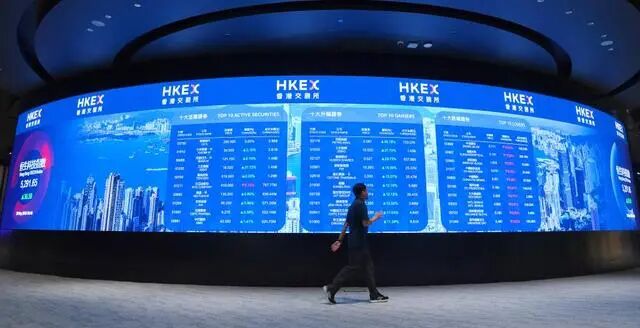
However, after entering the second quarter, the reality of eight consecutive months of year-on-year declines in domestic retail sales shattered the market's optimistic expectations. Coupled with significant profit shrinkage disclosed in the first-quarter financial reports of several automakers, institutional holdings began to rapidly withdraw. The automotive sector as a whole underperformed the broader market, with 'triple valuation slumps' occurring simultaneously across the three sub-sectors: original equipment manufacturers (OEMs), parts suppliers, and dealers.
The market also began to realize that the competition in the domestic auto market is far more brutal than previously anticipated.
Core operating data for the automotive manufacturing industry in the first half of 2026, released by the National Bureau of Statistics, directly exposed the industry's superficial prosperity.
From January to June, the automotive manufacturing industry achieved operating revenue of RMB 5,189.32 billion, up 1.8% year-on-year. Against the backdrop of a weak overall domestic consumption recovery, maintaining positive growth in revenue seems commendable. However, in stark contrast, the industry's total profit for the same period was only RMB 195.35 billion, a significant year-on-year decline of 19.5%. The operating profit margin dropped directly to 3.8%.
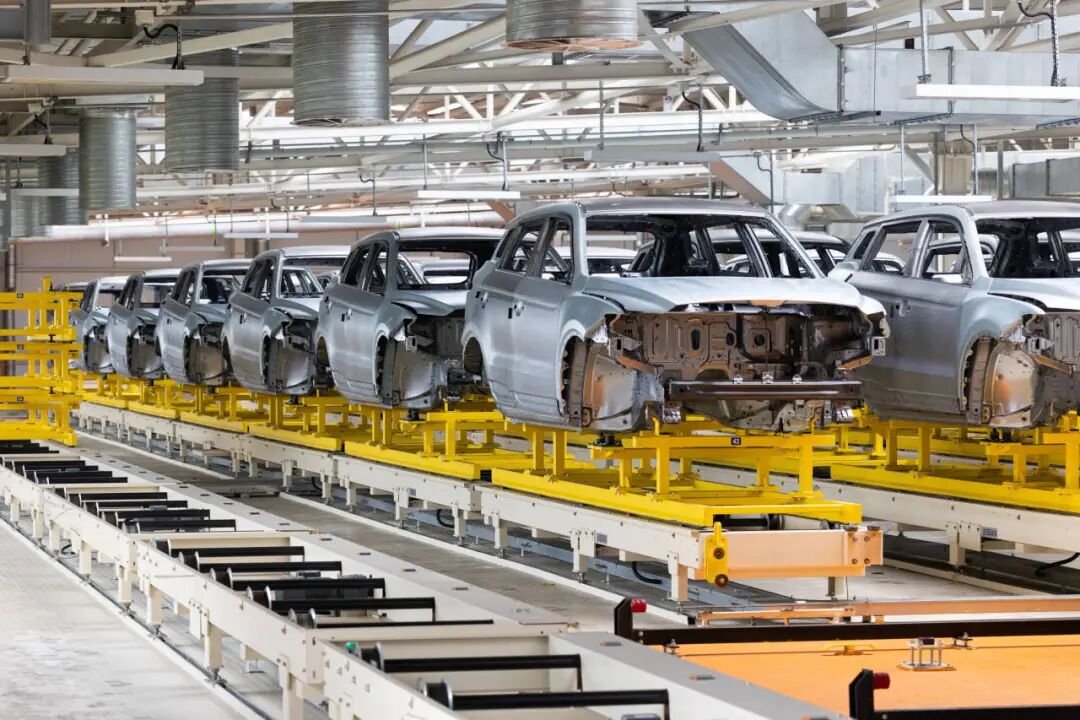
This profit margin level is far lower than the average profit margin of 4.9% for industrial enterprises above a designated size nationwide, marking one of the lowest levels in the auto industry in the past decade.
When broken down by month, the downward trend in industry profits intensified in the first half of the year.
The industry's profit margin was still 4.2% in the first quarter but fell to 3.4% in the second quarter, with the monthly profit margin in May dropping below 3%. Accompanying this was a simultaneous surge in industry quality complaints. In May, auto quality complaints reached 27,000 cases, a year-on-year increase of 93%. Nearly 80% of these issues pointed to a decline in product quality, with the root cause being the sustained price war, which has forced OEMs to continuously compress supply chain costs. The side effects of configuration reductions and material downgrades are now becoming apparent.
From a production and sales perspective, the industry's structural differentiation has reached an extreme.

According to official data released by the China Association of Automobile Manufacturers (CAAM), domestic auto exports reached 5.096 million units in the first half of 2026, up 65.3% year-on-year. Monthly exports in June exceeded 1 million units for the first time, reaching 1.037 million units. Among them, NEV exports totaled 2.355 million units, up 1.2 times year-on-year, accounting for nearly half of total exports. Monthly NEV exports in June reached 523,000 units, surpassing fuel vehicle exports for the first time.
The rapid growth in exports has supported the industry's revenue base, but the weakness of the domestic market has completely eroded the profits generated by this growth. Domestic auto sales in the first half of the year were 9.921 million units, a significant year-on-year decline of 21.1%. The fierce domestic market competition has forced all automakers to sacrifice profits to gain market share.
Survival States Amid Profit Differentiation
As listed automakers successively disclosed their financial forecasts for the first half of the year, the true quality of industry profits was fully revealed. Automakers with different market positions exhibited vastly different survival states, with none able to remain unscathed during the industry's downturn.
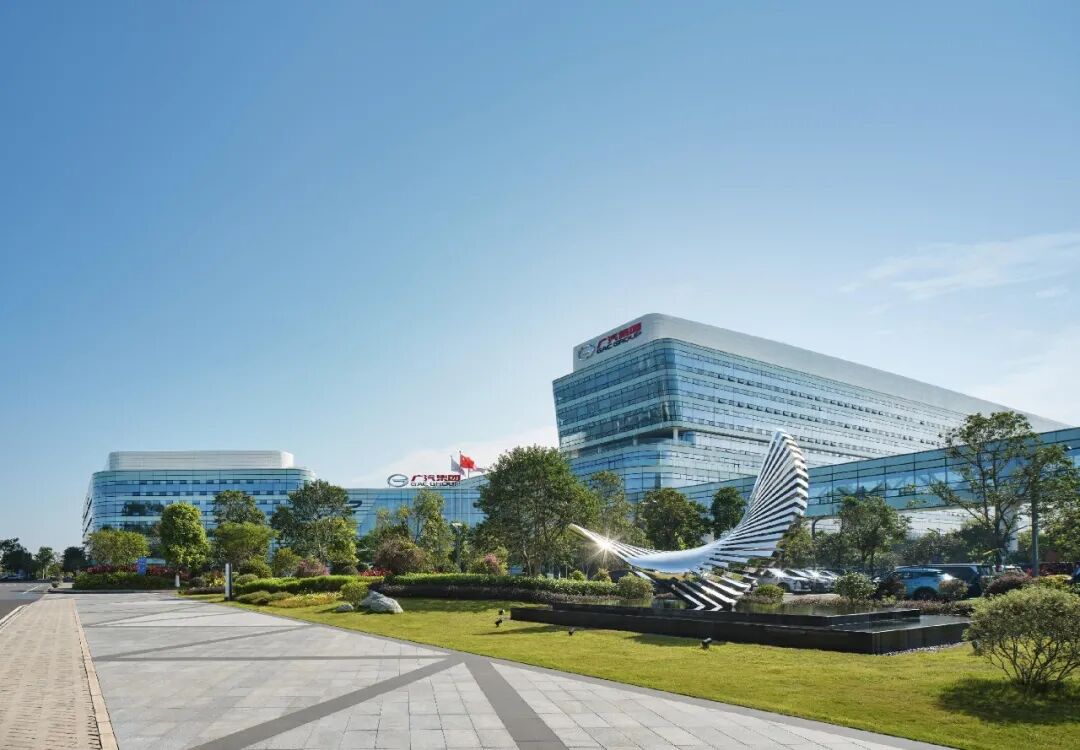
GAC Group, a domestic veteran joint venture automaker giant, reported a massive loss of over RMB 4 billion in the first half of the year despite a slight increase in sales, becoming the most closely watched case in the industry.
The Japanese joint venture brands that once supported its profit base have seen their market shares continuously collapse amid the NEV transformation wave. Although the sales volumes of its self-owned brands, Aion and Trumpchi, have continued to rise, they remain in the stage of 'trading scale for profit,' with thin per-unit profits that are insufficient to fill the profit gap left by the joint venture business. This has directly plunged GAC into a dilemma where old dividends are fading, and new businesses have yet to stabilize.
Seres, which once achieved a profit reversal with its Aito series, earned nearly RMB 3 billion in profit for the entire year last year but fell into a massive loss in the first half of this year. Even though sales of the Aito series have remained steady, it has fallen into the vicious cycle of 'selling more but losing more.' The NEV growth bubble, empowered by Huawei's traffic, is showing signs of fatigue under the impact of the industry's price war.
Against the backdrop of industry-wide profit shrinkage, Great Wall Motor has emerged as one of the few 'benchmarks for loss reduction.' Both its sales volume and operating revenue maintained positive growth in the first half of the year, but its net profit was halved. Great Wall's survival strategy is clear: since the domestic market has become unprofitable, it has fully bet on overseas markets. Overseas sales surged by nearly 50% in the first half of the year, with overseas profitability becoming the core pillar for offsetting domestic losses. Relying on its global layout, Great Wall has successfully avoided the profit slaughter in the domestic market.
The new energy vehicle (NEV) start-up camp has not been spared either.
Li Auto, which previously maintained a profit advantage among NEV start-ups thanks to its precise positioning of family users, saw its profit margins significantly compressed in the first half of the year as competition in the pure electric vehicle (BEV) market intensified and the market enthusiasm for extended-range electric vehicles (EREVs) cooled rapidly. Coupled with sustained high R&D investment in its BEV product line, this was the core reason for the noticeable correction in its stock price.
XPeng Motors, although gaining market share with its first-mover advantage in intelligent driving technology, has seen its profitability progress fall far short of previous market expectations due to sustained R&D investment and terminal price discounts. Beijing Automotive has been most affected by the decline in sales of its joint venture brands, with profit pressures directly reflected in its stock price performance, making it one of the worst-performing stocks in the Hong Kong automotive sector in the first half of the year.
A recent in-depth research report on the auto industry by Bank of America Securities (BofA Securities) has further heightened caution in the capital market. The report clearly states that domestic auto terminal sales have generally been weak in the first half of the year, with rapid export growth being almost the only bright spot in the performance of all automakers during this period. Meanwhile, the sustained rise in upstream raw material prices will pose long-term rigid pressure on the profits of the Chinese auto industry.
In the previous two years, the significant decline in the prices of core raw materials such as lithium carbonate was a key support for automakers' profit recovery. However, since 2026, the price of battery-grade lithium carbonate has rebounded from RMB 70,000 per ton to over RMB 120,000 per ton. Coupled with simultaneous price increases in steel, chips, and other components, this has directly increased cost pressures on automakers.
Against the backdrop of an inability to ease terminal price wars, cost increases cannot be passed on to downstream consumers and must be absorbed by the automakers themselves, further squeezing their already thin profit margins.
Based on downward revisions in sales forecasts, pessimistic judgments on profitability prospects, and rolling adjustments to valuation benchmarks, BofA Securities has chosen to significantly downgrade the target prices of several automakers, parts suppliers, and auto dealers. This move is not an isolated event. Since the beginning of the year, several international investment banks, including Morgan Stanley and Goldman Sachs, have successively downgraded their profit forecasts for the Chinese auto sector. The collective reduction in holdings by foreign institutions has also been a significant driver of the sustained decline in auto stocks in the first half of the year.
In the first half of this year, the National Development and Reform Commission (NDRC) allocated a total of RMB 187.5 billion in three batches for auto trade-in programs. The Ministry of Industry and Information Technology (MIIT) and four other departments launched a campaign to promote NEVs in rural areas. The Ministry of Commerce also introduced 17 new policies for aftermarket cultivation, such as allowing tax payment and license plate registration on the day of vehicle purchase. The policy support has been substantial, but the pace of market recovery remains slower than expected.
For the auto industry in the second half of the year, the era of relying solely on scale to drive profits has come to an end. Automakers must break free from the vicious cycle of 'price cuts for volume growth' and shift toward value-based competition. However, on the whole, the collective decline in auto stocks in the first half of 2026 is not a result of irrational market panic but rather an inevitable valuation restructuring as the industry transitions from incremental to stock competition.
Note: The images are sourced from the internet. If there is any infringement, please contact us for removal.
-END-

-
![]()
Why I'm Not Optimistic About Meituan?
-
![]()
Tencent Goes All In on WorkBuddy: The Battle for AI Office Entry Points Has Just Begun
-
![]()
950 Million Users Fail to Rescue Gemini
-
![]()
Weekly Stock Review | Auto Industry: Profit Margins Thinner Than Factory Work Pay, Thousands of Investors Caught Unawares
-
![]()
Kimi's Valuation Rockets to $50 Billion Amidst Frenzy of Secondary Share Sales! Who's Exiting, Who's Buying?
-
![]()
SAIC-GM Signs 20-Year Contract Extension, Yet Chevrolet Falters at Third Decade’s Dawn
-
![]()
Charging Costs Climb to Parity with Fueling, Will Electricity Prices Reach European Levels?
-
![]()
Tax and Fee Restructuring: The End of 'Special Perks' for Electric Vehicles?