Charging Costs Climb to Parity with Fueling, Will Electricity Prices Reach European Levels?
 08/10 2026
 423
423
When subsidies cease, optimism plummets.
Have you observed that since May Day this year, particularly in the latter half, the cost of recharging at charging stations across different regions has quietly surged significantly?
According to social media feedback from platforms like Xiaohongshu, from prime business districts in first-tier cities to highway service areas in third- and fourth-tier cities, the overall cost per kilowatt-hour for public charging has generally risen by 0.2 to 0.4 yuan, with even steeper increases during peak hours. Many car owners have experienced a 10 to 15 yuan hike in the cost of a single full charge, with some popular stations witnessing price surges exceeding 40% during peak times.
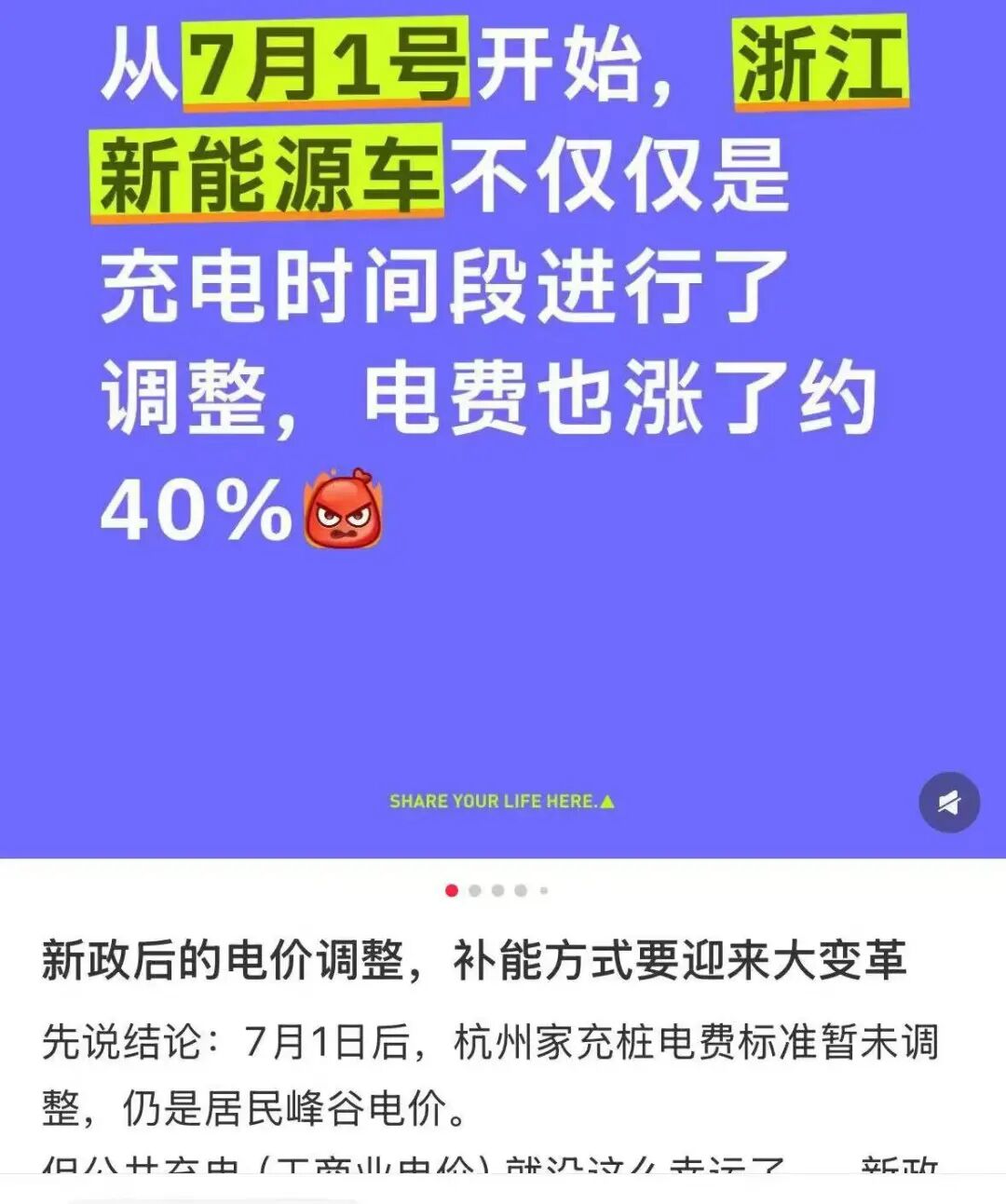
Some netizens have lamented, "If this trend continues, we won't be able to afford charging our cars."
"Gasoline cars must remain reliable."
With the escalation of charging costs for new energy vehicles, many astute car owners have come to a realization—gasoline cars must stay dependable. If gasoline cars falter, no one will be able to keep electricity prices in check.
There are even extreme viewpoints suggesting that once the penetration rate of new energy vehicles surpasses 80%, the cost of charging will rival gasoline prices.
For an extended period, "low operating costs" have been a key advantage of new energy vehicles over gasoline counterparts.
Home charging stations, leveraging stable and low residential electricity rates, render operating costs for private charging station owners nearly negligible. However, for over 60% of car owners without fixed parking spaces who rely on public charging, fluctuations in public charging station prices directly dictate their daily operating expenses.
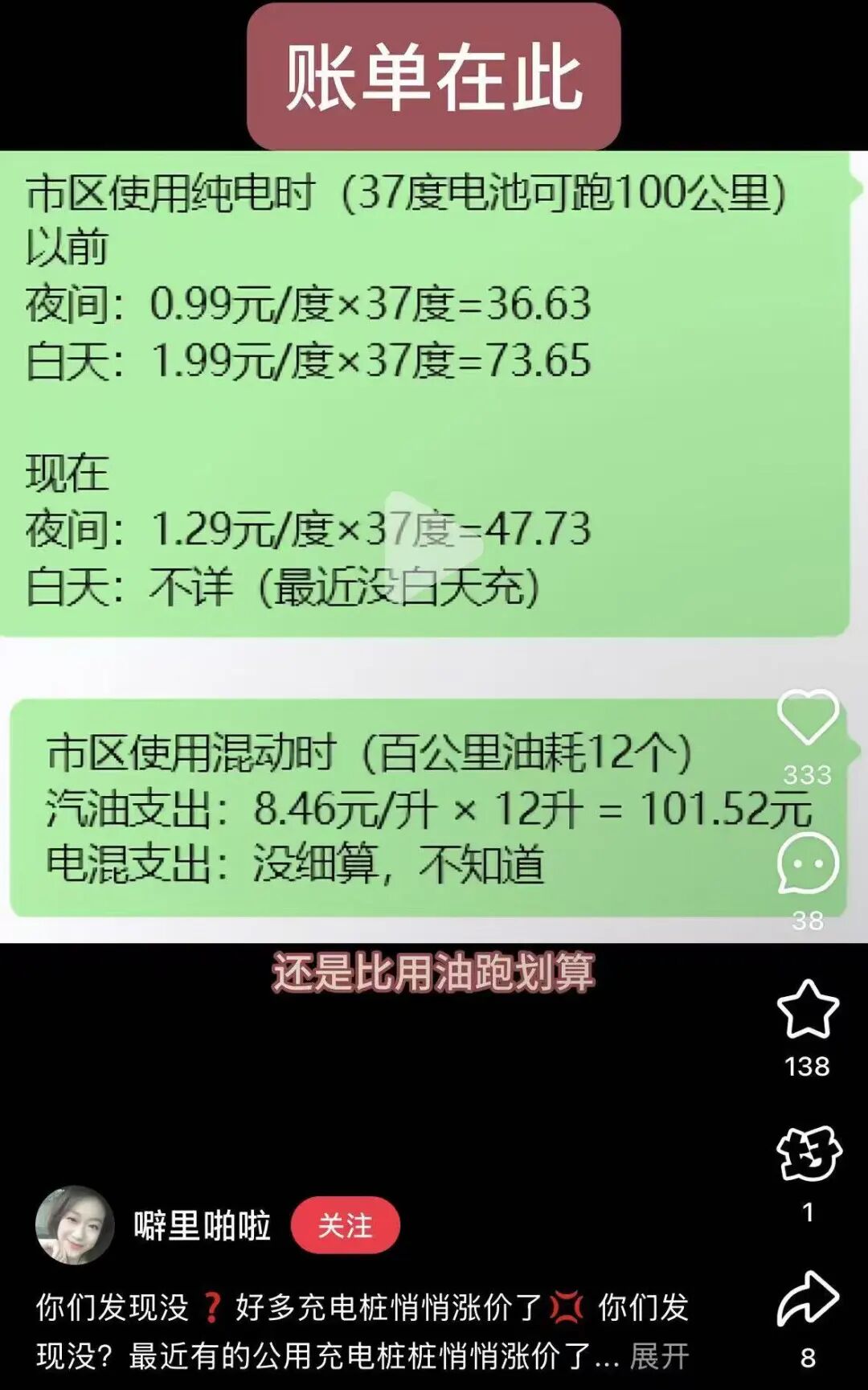
Lao Chen, a ride-hailing driver in Hangzhou, is among the first to feel the cost pressure. He drives a pure electric ride-hailing vehicle, covering nearly 350 kilometers daily, without a private charging station, and depends entirely on public stations in the city for recharging.
In previous summers, during the low-demand period from midnight to 8 AM, the comprehensive electricity price remained steady at 0.62 yuan per kilowatt-hour. He was accustomed to charging at the station after finishing work at 1 AM, with daily charging costs hovering around 55 yuan. After the implementation of the new policy in 2026, the former "golden low-demand period" is no more, with electricity prices soaring to 0.93 yuan per kilowatt-hour at midnight.
If he charges during the evening peak hours between orders, the electricity price at business district stations can exceed 1.25 yuan per kilowatt-hour. Lao Chen calculated that his daily charging costs have now increased by approximately 20 yuan, resulting in an additional 600 yuan in charging expenses per month.
Now, Lao Chen constantly refreshes charging apps, venturing to outlying stations on the city's periphery to find affordable electricity rates. The half-hour charging break he once took now often requires additional time spent on the road searching for low-cost stations.
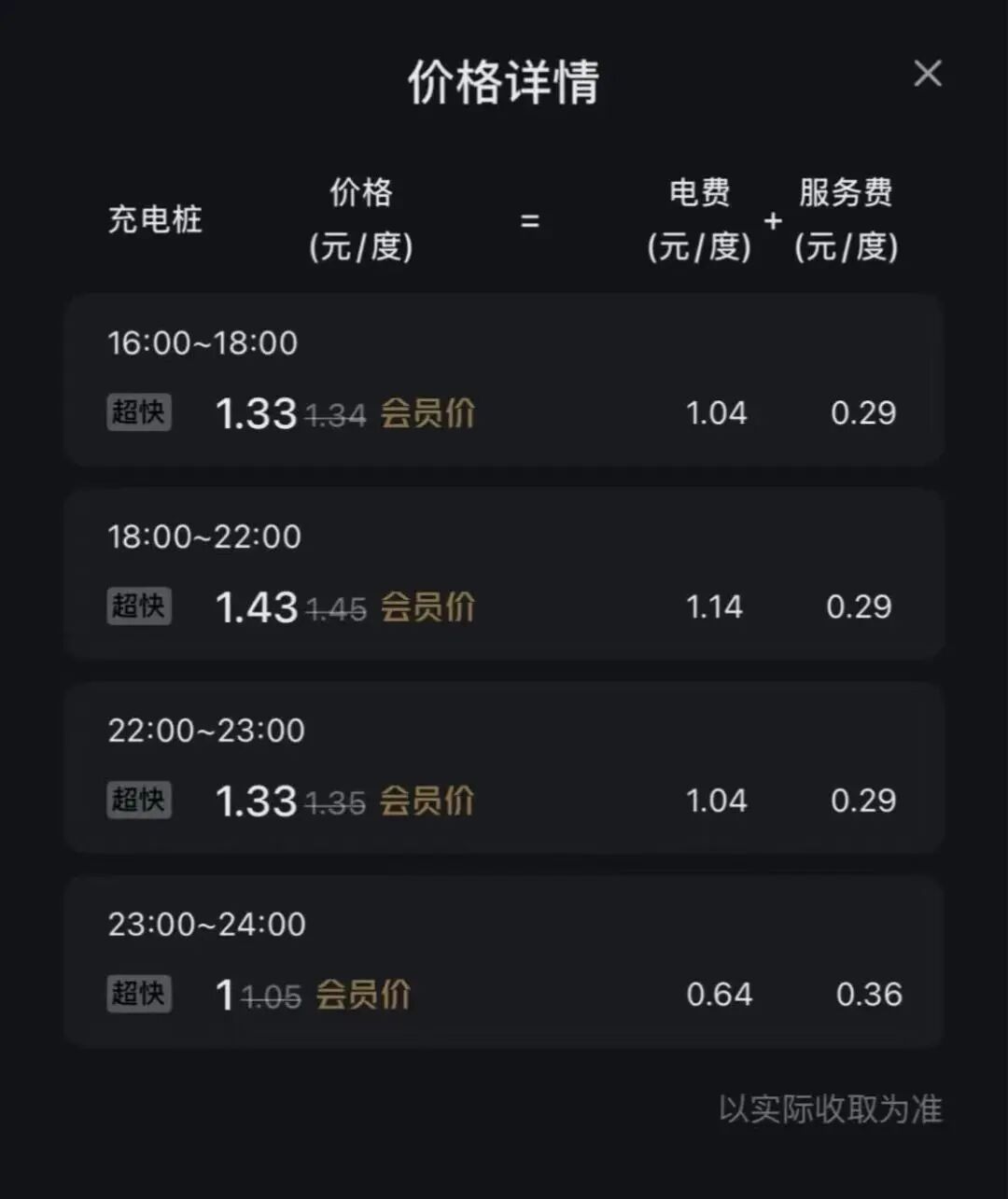
In December 2025, the NDRC and the National Energy Administration jointly issued new regulations, clarifying that starting from March 1, 2026, the fixed peak-valley electricity pricing mechanism for public charging stations will be fully abolished and replaced with a market-based dynamic floating pricing model.
Previously, public charging stations adhered to a nationally unified fixed peak-valley period division, with the period from midnight to 8:00 AM the next day designated as the fixed low-demand electricity price period, the preferred time for most car owners to charge during off-peak hours.
However, with the explosive growth in the number of new energy vehicles, tens of millions of car owners charging simultaneously during the late-night low-demand period has directly led to a sharp increase in local grid load. In many places, the grid load pressure during late-night hours far exceeds that during daytime peak hours, transforming the original "low-demand period" into a "charging peak period." The fixed electricity pricing mechanism is no longer able to adapt to the current electricity consumption structure.
Experts have stated, "The implementation of the dynamic floating pricing mechanism is essentially about achieving intelligent regulation of grid load through price leverage."
Feedback from car owners in cities such as Chengdu, Hangzhou, and Guangzhou indicates that the comprehensive price per kilowatt-hour, which was around 0.6 yuan during the midnight low-demand period in the past, has generally risen to over 0.9 yuan in the summer of 2026, with prices even exceeding 1.2 yuan during peak periods. A single 50-kilowatt-hour charge now costs 8 to 13 yuan more than in previous years, marking a significant increase.
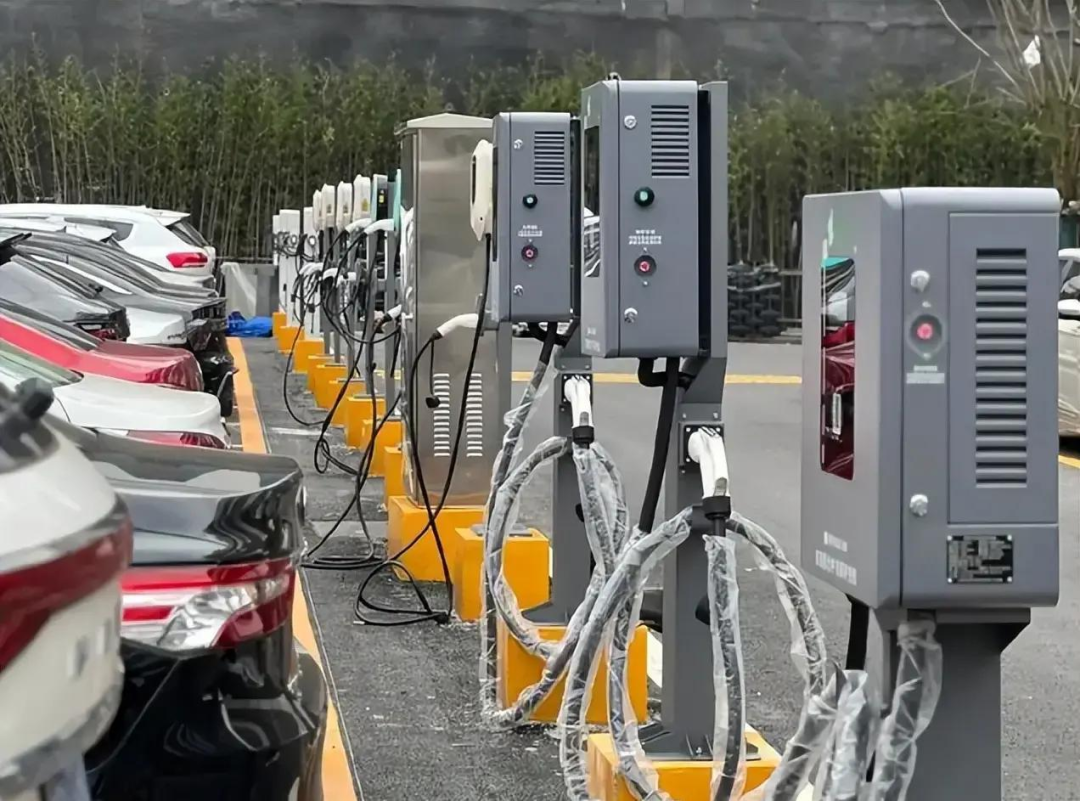
Ms. Lin, an office worker residing in Tianhe, Guangzhou, who cannot install a home charger due to limited parking spaces in her residential area, relies entirely on public fast charging for her daily commute and weekend outings. Her pure electric sedan consumes 16 kilowatt-hours per 100 kilometers. In the past, a full charge for a weekend self-drive trip cost around 60 yuan. Recently, charging at a shopping mall charging station in the city center during peak hours, with electricity prices and service fees combined, a full charge for her vehicle cost 82 yuan.
"I chose an electric car because of the low maintenance costs, but now that public charging prices continue to rise, I feel the gap with small gasoline vehicles is narrowing," Ms. Lin admitted. Now, when planning her outings, she prioritizes avoiding popular charging stations in the city center, preferring to drive a few extra kilometers to charge at suburban stations, adding considerable inconvenience to her travel planning.
A car owner in Shanghai with a 75-kilowatt-hour battery model also complained that while 50 yuan used to cover over 400 kilometers, charging during peak hours now costs over 80 yuan. In core business districts in Beijing, fast-charging stations charge over 2 yuan per kilowatt-hour, approaching prices in many European cities.
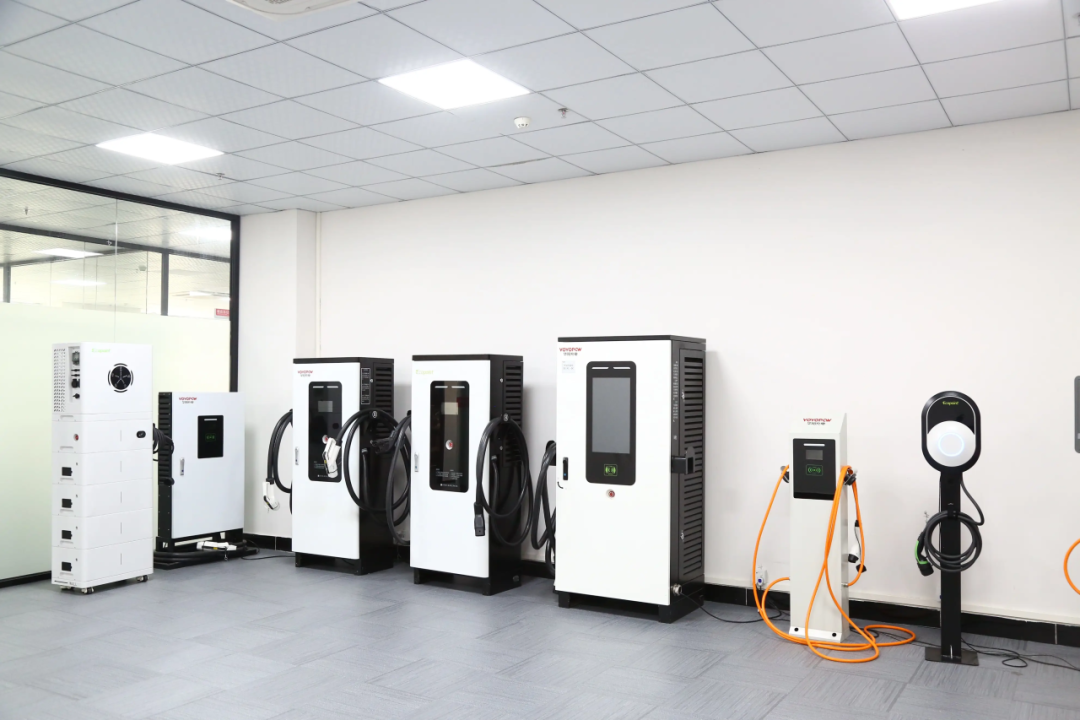
When charging prices rise, car owners' wallets feel the impact first, but the industry's dynamics are also shifting.
Will Charging Stations Be Profitable?
Over the past five years, the domestic charging station industry has relied on financial subsidies to sustain operations. Major operators have engaged in price wars, offering low-cost or even free charging to rapidly expand their infrastructure scale.
As of the end of June 2026, the number of new energy vehicles in China reached 48.97 million, accounting for 13.19% of the total vehicle population, up 2.92 percentage points from the same period last year. With the number of new energy vehicles nearing 50 million, the reduction of subsidies and the implementation of market-based pricing mechanisms are inevitable.
According to CITIC Securities' calculations, the total initial investment for a 16-gun 120kW DC fast-charging station ranges from 1.12 million to 1.28 million yuan, representing a significant capital outlay. According to an operator in Shenzhen, in a certain month, his station's total revenue was 169,000 yuan, with charging revenue at 143,000 yuan, other revenue at 19,200 yuan, and car wash revenue at 5,994 yuan. Total expenses were 158,000 yuan, including electricity costs, power losses, site rental, labor costs, and miscellaneous expenses.

His monthly profit was actually only 11,000 yuan. "We're now exploring the possibility of expanding into other businesses, using charging stations as a means to attract customers. After all, drivers usually stay for at least half an hour to an hour each time they charge."
By the end of February this year, the total number of charging facilities in China had surpassed 21 million. However, out of these 21 million stations, over 16 million are private charging stations. The number of public charging stations, which truly bear the responsibility of public energy replenishment, is just over 4.8 million. If we consider only public stations, the vehicle-to-station ratio exceeds 10:1.
More concerning is that most charging station operators are operating at a loss.
In April this year, a field investigation by CCTV's "Economic Half-Hour" revealed that over 80% of charging station operators are incurring losses.
According to industry calculations, based on an internal rate of return of 8% without government subsidies, the daily utilization rate of a single station must exceed 8.5%, meaning cumulative charging of over 2 hours per day, to achieve normal profitability.
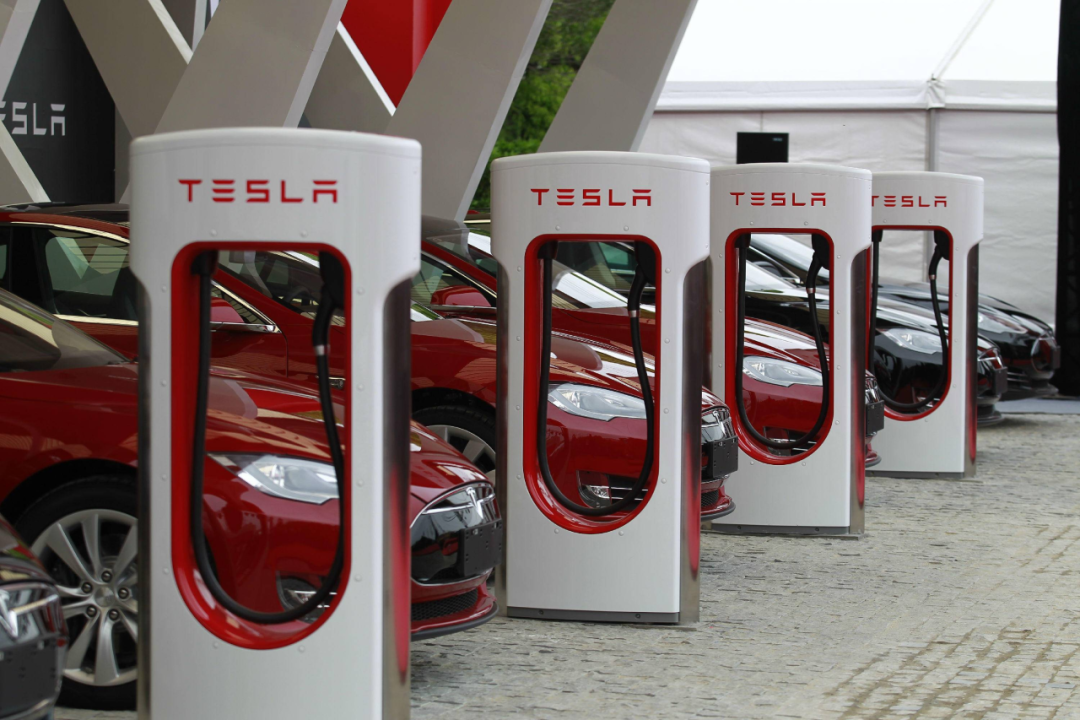
The current utilization rates of most operators are far below this break-even line. The payback period has extended from the original 5 to 6 years to 8 to 10 years, making moderate service fee increases the only way for companies to maintain normal operations and ensure stable infrastructure upgrades.
Taking Shanghai Hongqiao Business District, Shenzhen Nanshan Science and Technology Park, and Beijing Wangjing Business District as examples, during the commuting peak from 5 PM to 9 PM on weekdays, station utilization rates approach 100%. To save time waiting in line, car owners are highly insensitive to small price increases. Operators precisely adjust prices during peak hours and in popular areas, using pricing to filter demand and balance station load, becoming a mainstream operational strategy in the industry.
On the other hand, charging station operators also face competitive pressure from brand-owned charging stations, including Tesla, NIO, Zeekr, and BYD's self-operated supercharging stations. Relying on the advantages of brand-scale operations, these stations offer more stable pricing and higher-quality services, becoming core assets for differentiated competition.
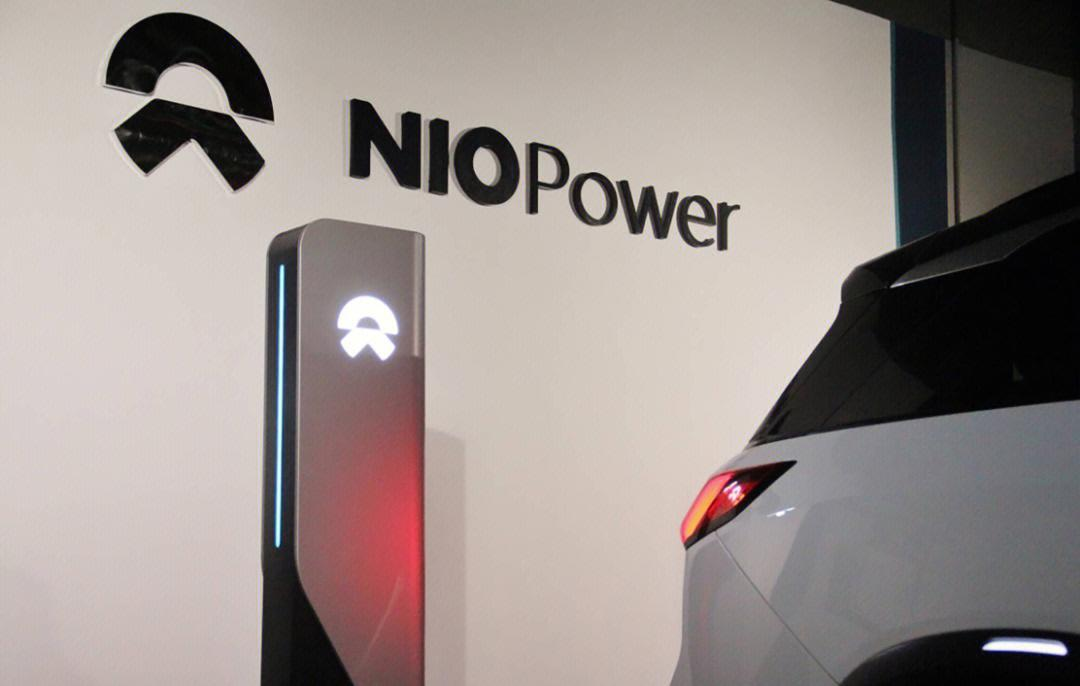
On one hand, netizens are frantically exclaiming, "We can't afford to charge our cars," while on the other hand, charging station operators are struggling to recoup their millions in investments.
It seems that no one is at fault, yet everyone has become a "victim" in this wave. No wonder some netizens say that when subsidies stop, optimism plummets.
From the long-term development perspective of the new energy vehicle industry, the era of low-cost subsidies has already fulfilled its historical mission. Marketization, standardization, and refinement are the core paths for the industry's sustainable development.
We hope that the rise in charging station prices is not the endpoint but the starting point for high-quality development. In the future, the core of competition in the energy replenishment industry will shift from price competition to a comprehensive comparison of service, efficiency, and experience.
Note: Some images are sourced from the internet. If there is any infringement, please contact us for removal.
-END-

-
![]()
Why I'm Not Optimistic About Meituan?
-
![]()
Tencent Goes All In on WorkBuddy: The Battle for AI Office Entry Points Has Just Begun
-
![]()
950 Million Users Fail to Rescue Gemini
-
![]()
Weekly Stock Review | Auto Industry: Profit Margins Thinner Than Factory Work Pay, Thousands of Investors Caught Unawares
-
![]()
Kimi's Valuation Rockets to $50 Billion Amidst Frenzy of Secondary Share Sales! Who's Exiting, Who's Buying?
-
![]()
SAIC-GM Signs 20-Year Contract Extension, Yet Chevrolet Falters at Third Decade’s Dawn
-
![]()
Charging Costs Climb to Parity with Fueling, Will Electricity Prices Reach European Levels?
-
![]()
Tax and Fee Restructuring: The End of 'Special Perks' for Electric Vehicles?