After Two Years of Rumors, Chevrolet Officially Withdraws from the Chinese Market
 08/10 2026
 329
329
Recently, statements from General Motors (GM) regarding Chevrolet have sparked widespread attention. Following the renewal of the contract between SAIC-GM (a joint venture between SAIC Motor and General Motors), GM addressed the future of Chevrolet in China. GM confirmed that it would continue manufacturing Chevrolet vehicles in China and provide comprehensive after-sales support for existing Chevrolet owners. However, GM stopped short of directly addressing the issue of Chevrolet's sales performance in the Chinese market. 
It is noteworthy that the renewed joint venture agreement between SAIC Motor and General Motors explicitly states that GM will concentrate its Chinese operations on the Cadillac and Buick brands. The new agreement also permits GM to utilize China as an export base, shipping Buick and Chevrolet models to markets outside the United States. Given these developments, GM's recent statement effectively signals the end of domestic sales for Chevrolet in China. Indeed, rumors about Chevrolet's withdrawal from the Chinese market have been circulating for some time. Despite repeated denials from SAIC-GM, various indicators suggest that Chevrolet's future in China is already predetermined. In recent years, Chevrolet's sales in China have seen a marked decline. Public data reveals that in 2023, Chevrolet's cumulative sales in China reached 168,600 units, marking a year-on-year decrease of 38.7%. By 2024, sales had plummeted further by 68.7%, with annual cumulative sales dropping to just 52,774 units. 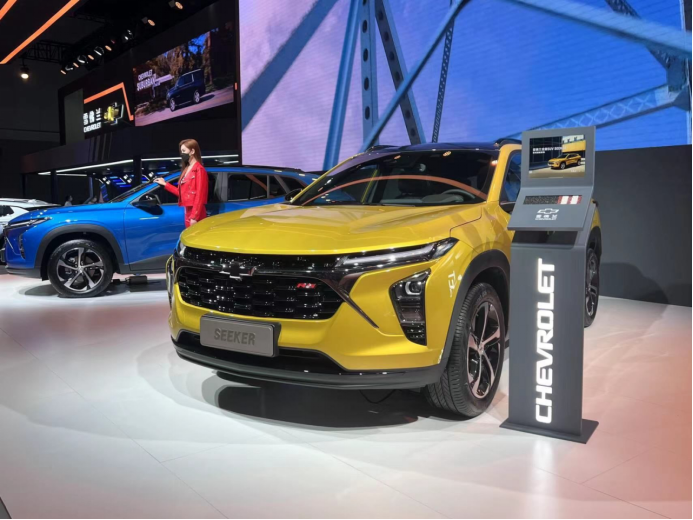
According to industry insiders, due to sluggish market performance, SAIC-GM Chevrolet postponed the launch of several new models originally planned for 2023, instead focusing on maintaining user services and selling older models. A staff member from an authorized Chevrolet dealership revealed to the media that after clearing inventory, stores began to close gradually. Against this backdrop, Chevrolet's sales continued to decline. In 2025, Chevrolet sold fewer than 9,000 units throughout the year. This year, sales have reached an all-time low. Public information indicates that Chevrolet's dealer network is nearly defunct, with many dealerships across the country having already closed. As early as 2024, Chevrolet and the Buick division had merged, with multiple Chevrolet dealerships gradually integrating into the Buick sales network. More significantly, alongside the closure of the dealer network, Chevrolet's digital communication channels have also ceased operations. It is reported that Chevrolet's official Weibo account last posted on January 26, 2025; its official WeChat public account's last update was on February 12, 2025; and other official accounts also stopped operating in early 2025. 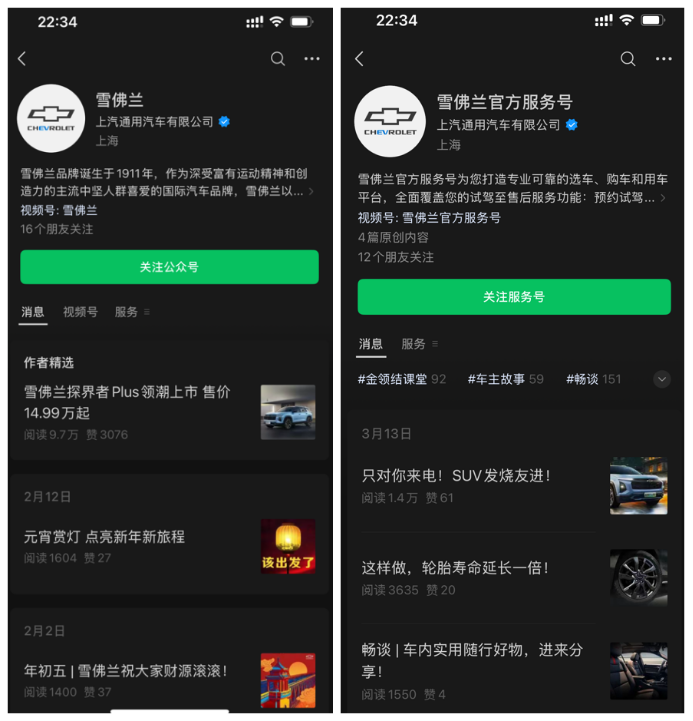
There has been speculation that Chevrolet is on the verge of exiting the market. Currently, Chevrolet's various strategic retreats appear to be the result of deliberate adjustments. As early as February 2024, General Motors CEO Mary Barra stated, "The situation in the Chinese market is now vastly different from five years ago. We hope to participate in this market in the right way, and I believe the market is more inclined towards premium and high-end models." Intense competition in the Chinese automotive market has prompted General Motors to revise its strategy in China. Over the past few years, competition in the Chinese auto market has intensified like never before. Local automotive brands have been offering increasingly high configurations at continuously lower prices. Under the fierce offensive of independent brands such as BYD, Geely, and Chery, even first-tier joint venture brands with stronger pricing power are struggling. As a second-tier brand, Chevrolet's market position has further deteriorated. At that time, Michael Dunne, former president of General Motors Indonesia and CEO of consulting firm Dunne Insights, stated bluntly, "Chevrolet and Buick no longer hold significant meaning for Chinese consumers." 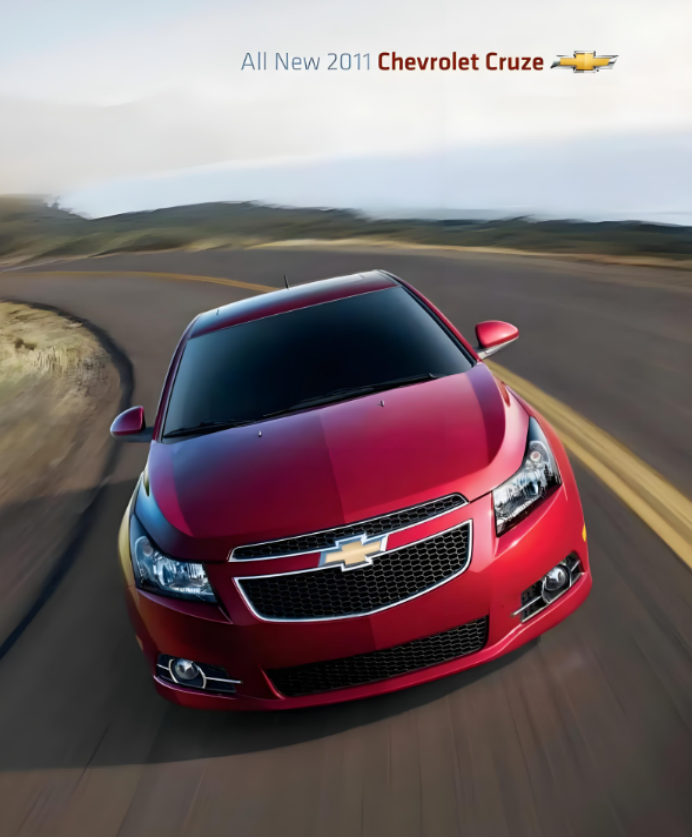
Currently, Buick and Cadillac, which offer higher brand value and profit contributions, have become the brands that SAIC-GM prioritizes for retention and development, making Chevrolet's "lightweight" strategy an inevitable choice. It is also worth mentioning that the renewal agreement between SAIC-GM indicates that from now until 2030, SAIC-GM will launch at least 30 new energy vehicle models, continuously enhancing the new energy product matrices of Buick and Cadillac, without mentioning any plans for Chevrolet. Admittedly, although Chevrolet will halt sales in China, it has not completely vanished from the scene.
In the future, Chevrolet will repurpose its Chinese factories as export manufacturing hubs, with all models produced intended for overseas market sales. Meanwhile, Chevrolet's after-sales service and spare parts supply will continue to be ensured, with vehicle maintenance and repairs handled through existing authorized Buick channels, ensuring that owners' rights are unaffected by the halt in new car sales. This also sets the tone for Chevrolet's positioning in the Chinese market. (Image sourced from the internet, removal upon infringement notice)
-
![]()
Why I'm Not Optimistic About Meituan?
-
![]()
Tencent Goes All In on WorkBuddy: The Battle for AI Office Entry Points Has Just Begun
-
![]()
950 Million Users Fail to Rescue Gemini
-
![]()
Weekly Stock Review | Auto Industry: Profit Margins Thinner Than Factory Work Pay, Thousands of Investors Caught Unawares
-
![]()
Kimi's Valuation Rockets to $50 Billion Amidst Frenzy of Secondary Share Sales! Who's Exiting, Who's Buying?
-
![]()
SAIC-GM Signs 20-Year Contract Extension, Yet Chevrolet Falters at Third Decade’s Dawn
-
![]()
Charging Costs Climb to Parity with Fueling, Will Electricity Prices Reach European Levels?
-
![]()
Tax and Fee Restructuring: The End of 'Special Perks' for Electric Vehicles?