Monthly Sales of 1 Unit: Chevrolet's Failure in China and an Excellent Example of Loss Mitigation for Joint Venture Automakers
 08/10 2026
 547
547
A Different Path Forward
Author|Wang Lei
Editor|Qin Zhangyong
On August 5, SAIC Group and General Motors signed a 20-year contract renewal agreement, the longest among mainstream joint venture automakers.
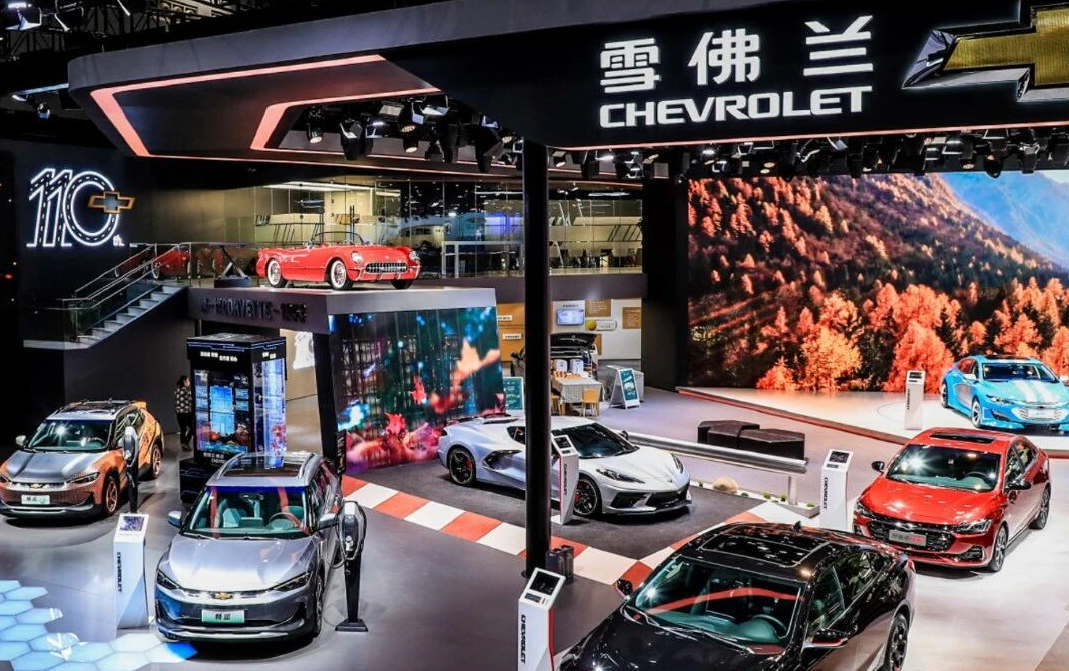
Just a day later, news that “Chevrolet is halting sales in China” ignited the automotive industry, meaning Chevrolet would no longer introduce new models or sell new cars in the domestic market.
However, the factory production lines will be retained, with all mass-produced vehicles shifted to export-only mode, targeting overseas markets, while domestic after-sales services will be fully taken over by the Buick system.
Without a press conference or public farewell, the once-iconic American joint venture brand thus ended its era of domestic new car retail.
Nevertheless, Chevrolet is attempting to regain what it lost in the Chinese market in another way—through overseas markets.
01 29 Years of Deep Presence, Reduced to Zero
One month, one car sold in China.
This is not the sales figure for some obscure model but Chevrolet's total performance across the entire Chinese market in June 2026. Even when expanding the view to the first half of the year, according to third-party website statistics, only 36 units were sold.
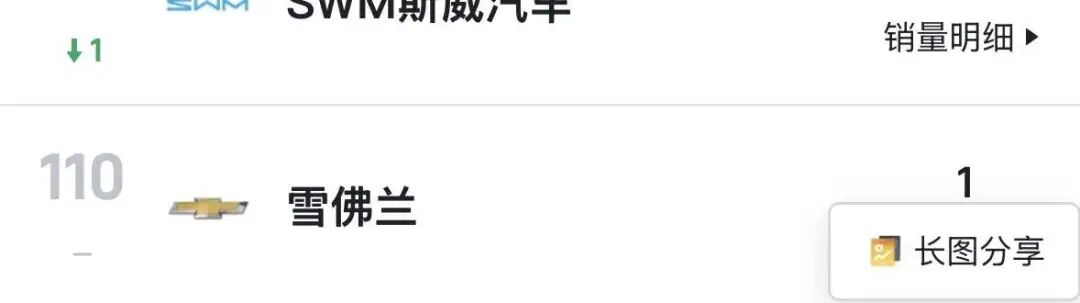
It’s hard to imagine that this is Chevrolet, which once boasted 7.5 million owners in China. The brand, known for models like the Cruze and Malibu, was a top choice for many consumers' first joint venture car, reaching a historic peak of 767,000 annual sales in 2014, averaging 63,000 units per month.
Back then, three out of every ten family cars on the road were Chevrolets. Today, its monthly sales barely match a minute's worth of sales from its heyday.
Accompanying this decline is the collapse of its distribution network, shrinking from nearly a thousand 4S dealerships nationwide at its peak to fewer than 50 today. In first-tier cities, only one dealership remains in Beijing, one in Guangzhou, and one in Hangzhou, all exclusively offering after-sales services without sales.
Additionally, its communication channels have also stalled. Chevrolet's official Weibo account has been inactive for over a year, with its last post wishing a “Happy Chinese New Year” in 2025. This silence effectively foreshadowed the formal end of this global tenth-largest brand's 29-year presence in China.
However, strictly speaking, Chevrolet has not completely exited the Chinese market but has merely moved behind the scenes. According to SAIC-GM's official response, “Production will not cease; only domestic retail sales of new cars will stop. Factories will continue operating, shifting to exports.”
In other words, domestic production lines will remain active, but Chevrolet models manufactured in China will no longer supply the domestic market. Instead, Chinese factories will transform into global export manufacturing bases, serving markets in the Middle East, Africa, South America, Mexico, and the Asia-Pacific region.
In simpler terms, the cars will still be built, just not sold domestically.
For ordinary consumers, regardless of official explanations, a Chevrolet brand where new cars are no longer available for purchase and customer service actively recommends other brands is virtually indistinguishable from “delisting.”
What about the remaining 7.5 million existing owners?
In response, General Motors stated that it remains committed to providing comprehensive after-sales service guarantees for the over 7 million Chinese owners.
In fact, as early as 2024, SAIC-GM initiated a network integration plan, gradually merging Chevrolet's after-sales network into the Buick system. Feedback from owners in multiple regions indicates they can now visit the nearest Buick 4S dealership for a full range of after-sales services, including repairs and maintenance. This model has already been implemented across Hainan and Zhejiang provinces.
The issue, however, lies in whether the actual after-sales experience can truly remain “unaffected” when a brand effectively exists in name only. After all, the familiarity of Buick technicians with Chevrolet models and the efficiency of parts inventory management will inevitably fall short of the original factory service system.
02 Product Flaws and Strategic Missteps
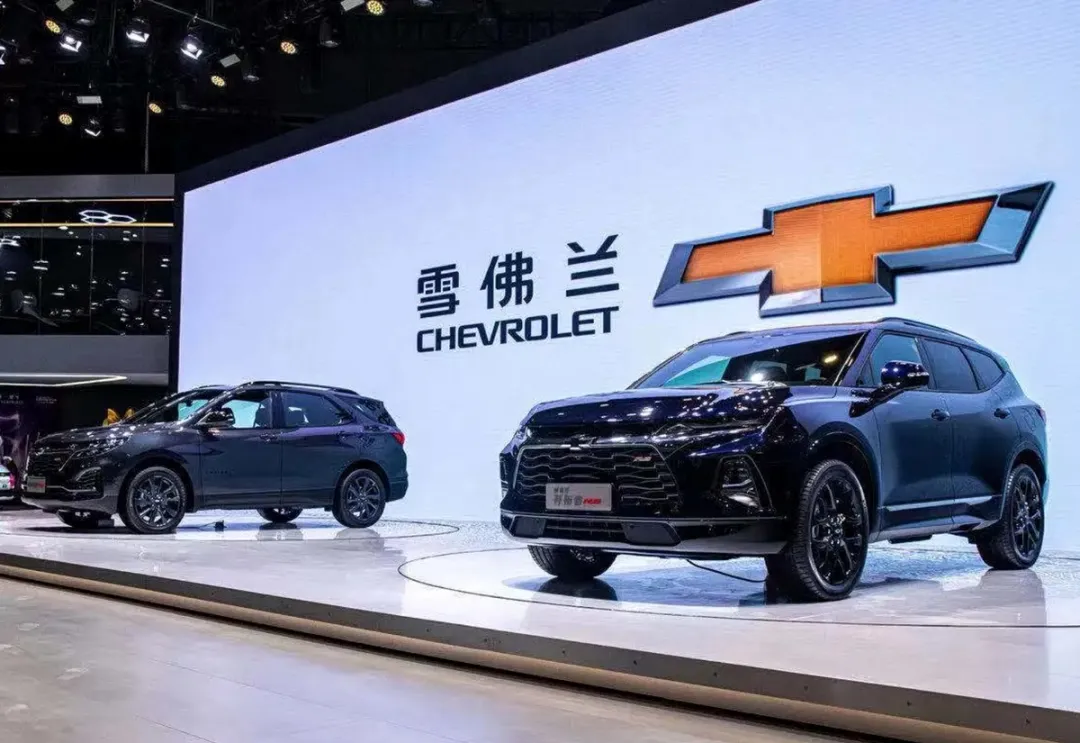
In June of this year, the only Chevrolet sold in China was a Trailblazer, ranking last among all automotive brands—and it was still a gasoline-powered vehicle.
This to some extent illustrates part of the reason for Chevrolet's downfall.
Today, with China's new energy vehicle penetration exceeding 63% and domestic gasoline vehicle sales declining by 45% year-on-year, Chevrolet has virtually failed in the new energy sector:
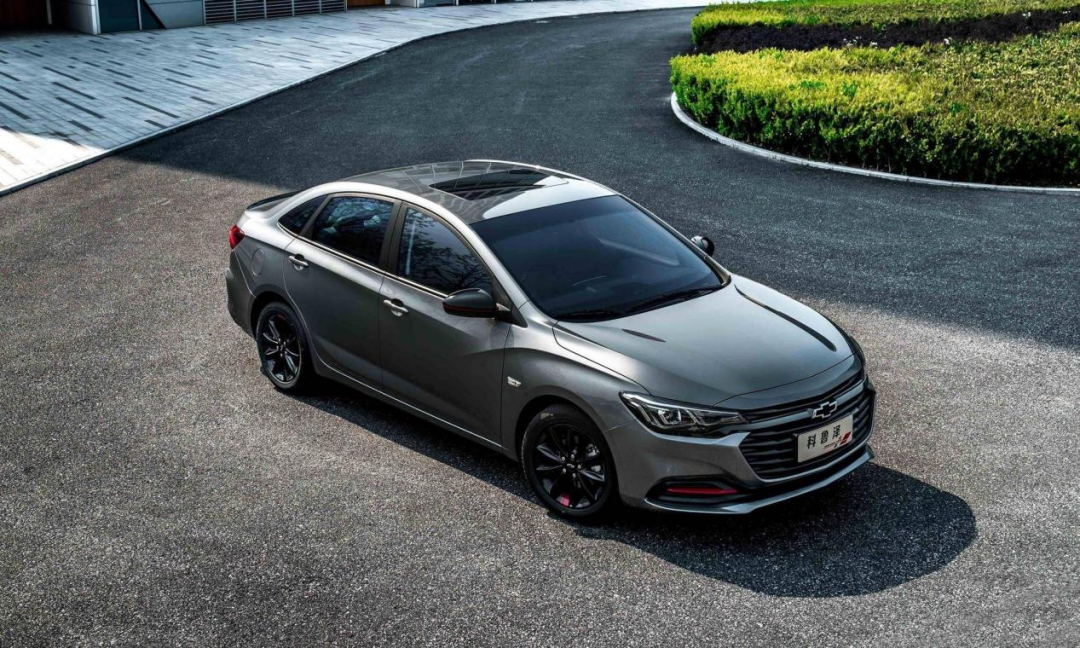
The Trailblazer EV, unveiled at the 2024 Beijing Auto Show, remains unheard of; the first plug-in hybrid model, the Trailblazer PLUS, struggles to break 100 monthly sales; only the “gasoline-to-electric” converted Menlo remains, hovering around a dozen monthly sales. Chevrolet remains stuck at the starting line of the electrification era, with no new models introduced since 2023.
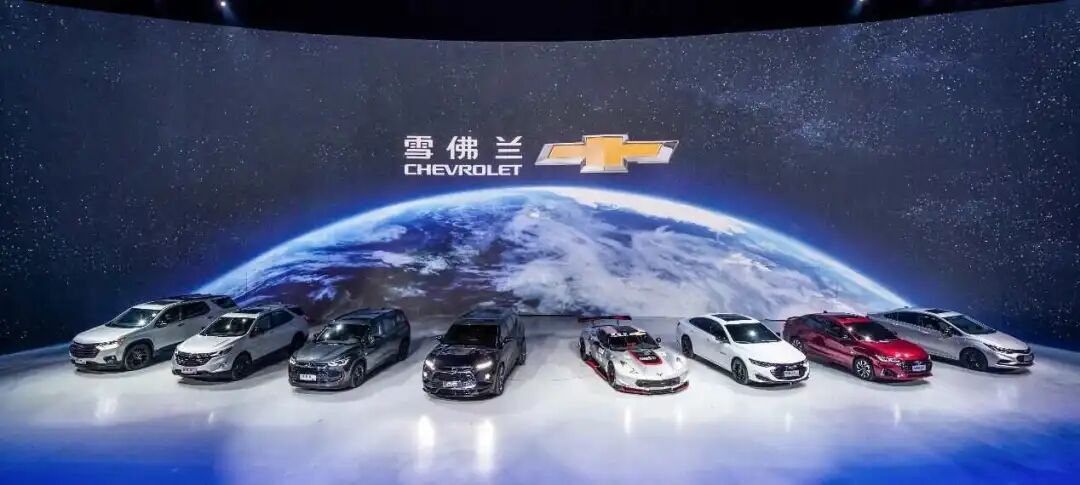
Prior to this, Chevrolet was not without its glory days.
Rewind to 2005, when Buick had already established itself in China's premium business segment, leaving a massive gap in the 100,000-yuan family car market. SAIC-GM rebranded the well-regarded Buick Sail as Chevrolet, introducing it to the mass consumer market as an “affordable and practical” option.
The Sail, priced at just over 50,000 yuan, became the first joint venture sedan for countless ordinary families. Subsequently, the Aveo and Epica were launched, quickly building an entry-level family product lineup.
Two years later, in 2007, the release of *Transformers* catapulted Chevrolet to household fame overnight, with the “Bumblebee” Camaro becoming a dream car for countless young people. By 2009, the launch of the Cruze propelled Chevrolet to its peak.
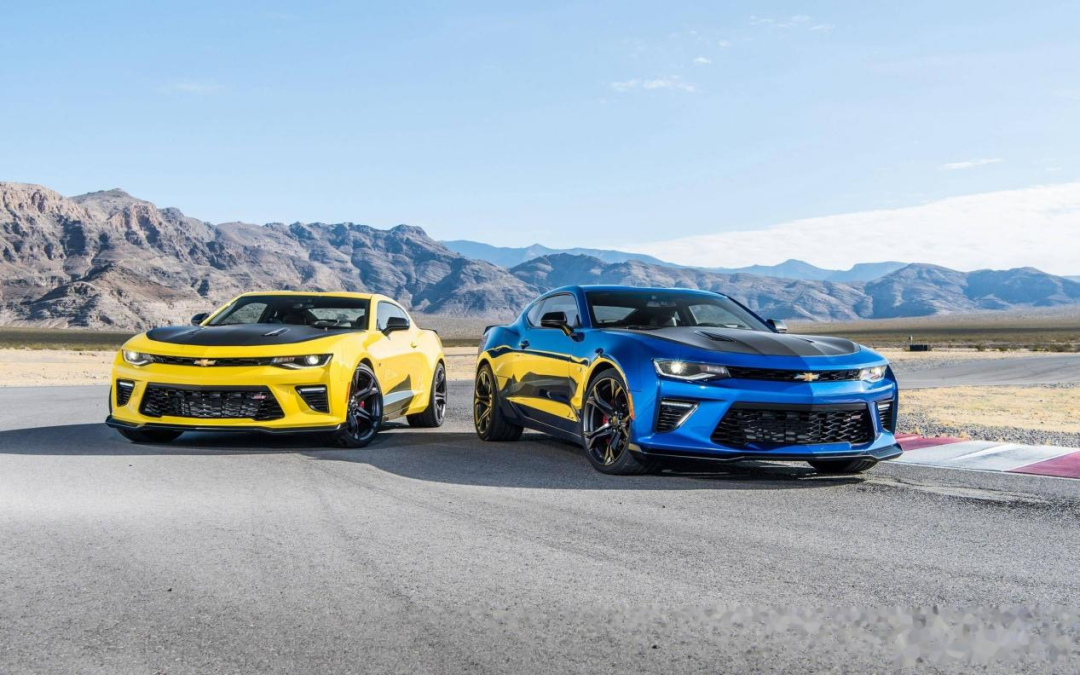
The American muscle car aesthetic, combined with the *Transformers* Bumblebee effect, made many young people feel, for the first time, that joint venture cars were within reach, with single-month sales peaking at over 28,000 units.
Then, in 2012, the Malibu was launched, entering the B-segment market priced at 160,000 yuan—a market typically starting at 200,000 yuan—becoming the first “big car” for ordinary families. These two models were also the main contributors to its historic peak of 767,000 annual sales in 2014.
However, the peak also marked a turning point. In 2018, a “catastrophic” strategic misstep thoroughly changed Chevrolet's fate. General Motors aggressively promoted three-cylinder engines, equipping all mainstay models—such as the Cruz, Malibu XL, and Trax—with three-cylinder powertrains.
Originally, General Motors aimed to comply with China's fuel efficiency regulations and reduce costs with smaller, three-cylinder engines. However, it severely misjudged Chinese market perceptions of three-cylinder engines, which were plagued by concerns over vibration, noise, and durability. This decision wiped out Chevrolet's decade-plus reputation overnight, with sales of mainstay models like the Cruze and Malibu plummeting and brand trust severely damaged.
If the three-cylinder strategy was an internal injury, then internal brand cannibalization within the same group was the final nail in the coffin. SAIC-GM's three brands—Cadillac (luxury), Buick (mid-to-high-end), and Chevrolet (affordable)—once had clear market divisions.
However, as price wars intensified, Cadillac and Buick's terminal prices continuously dropped, with models like the Regal and Verano slipping into the 100,000–150,000 yuan range, directly encroaching on Chevrolet's market space. Meanwhile, Cadillac's XT4 and CT4 began occupying the 200,000-yuan segment.
Chevrolet could neither break upward nor withstand downward pressure from its sibling brands, leaving it increasingly marginalized. Coupled with the rapid iteration pace of Chinese autonomous brands—“facelifts every six months, full model changes every year”—the Malibu XL, unchanged since its mid-cycle refresh in 2015, remained stagnant for nine years, losing all competitiveness.
The decision to adopt three-cylinder engines, the slow pivot to electrification, and internal brand cannibalization—these factors combined to make the exit of this century-old brand inevitable.
03 Who Could Be Next?
In truth, it’s more accurate to say that General Motors made a strategic choice to deprioritize Chevrolet rather than outright abandon it.
As early as 2024, General Motors CEO Mary Barra stated, “The Chinese market today is vastly different from five years ago. We hope to participate in this market in the right way, which I believe leans more toward premium and high-end models.”
This set the tone for Chevrolet's positioning as an “affordable and practical” brand in China.
While Chevrolet no longer has sales in the Chinese market, this does not prevent it from continuing to thrive elsewhere.
As a global century-old brand, Chevrolet enjoys high brand recognition and a mature dealer network in emerging markets like Latin America, the Middle East, and Africa, maintaining strong sales.
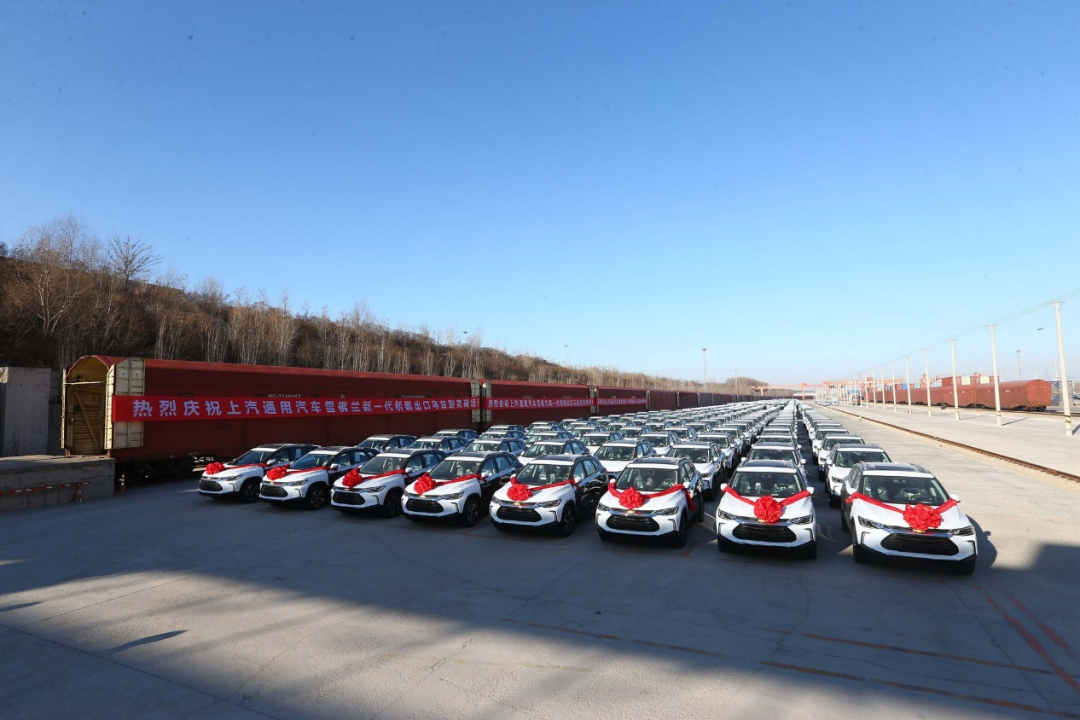
SAIC-GM recognized this over the past two years. In 2024 and 2025, Chevrolet's export sales from China reached 17,159 and 15,917 units, respectively, far exceeding domestic sales and proving the viability of the export model.
Moreover, China offers cost advantages in manufacturing. For example, producing the Chevrolet Aveo in China costs approximately $17,000, compared to $22,000 for local production in Mexico. Exporting Chinese-made Chevrolets overseas, after accounting for shipping and tariffs, still maintains a gross margin exceeding 10%—far more profitable than operating in the Chinese market.
This is why Chevrolet, despite near-zero sales, did not directly exit China like Skoda, Mitsubishi, Suzuki, Renault, or Fiat.
Chevrolet still has an escape route, but other marginalized joint venture brands may not be so fortunate. In 2025, joint venture passenger vehicle market share plummeted to 30.5%, down over 22 percentage points from its peak of 52.6%. By the first half of 2026, this figure had dropped to just 28.2%, with joint venture and foreign brands holding only 24.5% market share in June.
When a brand consistently sells fewer than 5,000 units overall for multiple months and has no plans to launch new models, it means it is teetering on the brink of survival—brands like Dongfeng Peugeot and Infiniti, for example.
Even experts from the China Automobile Dealers Association predict that second-tier joint ventures selling fewer than 100,000 units annually have an over 80% probability of exiting the market.
Compared to them, Chevrolet's dignified exit is preferable to lingering on until collapse.
-
![]()
Proposed to Raise 955 Million Yuan through Private Placement! Huicheng Vacuum Boosts Localization of Ultra-Precision Optical Coating Equipment
-
![]()
Cash Flow Soars 13-Fold! What Major Strategic Move is Wuhan Five Square Optoelectronics Planning?
-
![]()
Leaked Design of vivo X500: Reverts to Circular Camera Module in Top-Left Corner, Pays Homage to Classic X90 Aesthetic
-
![]()
DeepSeek Shows Signs of Foraying into Code Agents, Launches WeChat Official Account Focused on Harness
-
![]()
Auto Companies Deny Claims That ‘Cooperation with Huawei Is Non-Essential’, as Huawei Transforms into a ‘Public Platform’
-
![]()
Starship to Independently 'Return to the Launch Tower': SpaceX's Ambitions Extend Beyond Rocket Building to Dominating Space Transportation
-
![]()
Starship Set to Independently 'Return to the Launch Tower': SpaceX is Revolutionizing Space Transportation, Not Just Building Rockets
-
![]()
Anthropic and OpenAI Face Off Against Deepseek