This Year’s Chengdu Motor Show: A Subdued Affair
 08/12 2026
 491
491
A quick calculation reveals that the 2026 Chengdu International Auto Show is set to open in just 10 days. In previous years, by this juncture, my inbox would be inundated with media invitations, my WeChat flooded with messages from public relations representatives, and I would have needed to book hotels and flights to Chengdu well in advance—often half a month ahead.
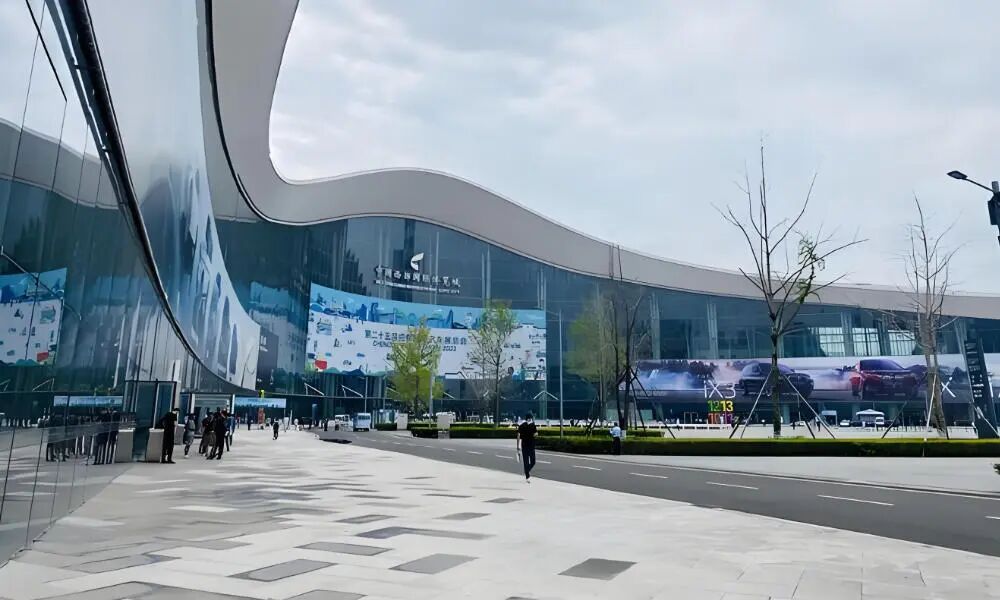
This year, however, the scene is markedly different. Upon reviewing my contacts and inbox, I’ve found a scarcity of formal invitations to national media outlets. Forget about detailed itineraries; even proper pre-event promotional posters are few and far between. The reasons for this could be twofold: either there’s genuinely little of substance to showcase, suggesting inadequate preparation, or marketing budgets have tightened, making it difficult to justify the expense of invitations and hospitality.
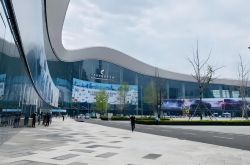
Of course, the official statistics remain as impressive as ever. The exhibition spans 220,000 square meters, covering 12 major halls and outdoor areas, featuring nearly 120 brands and around 1,600 vehicles on display. These numbers solidify its status as the premier A-grade auto show in Western China. Yet, despite these impressive figures, they can’t mask the industry’s subdued atmosphere. Forget about breaking into mainstream conversations; even discussions among industry peers have dwindled by more than half compared to previous years. This annual spectacle of the Western China auto market already exudes an air of desolation before it even begins.
Impressive Scale, but Diminished Quality
The official list of highlights appears lively, with 70 new models set to debut on the first day, 61 planned press conferences, and supporting measures such as billion-yuan vehicle purchase subsidies and million-yuan cash giveaways. With comprehensive coverage across all categories and a packed schedule, it initially seems thriving.
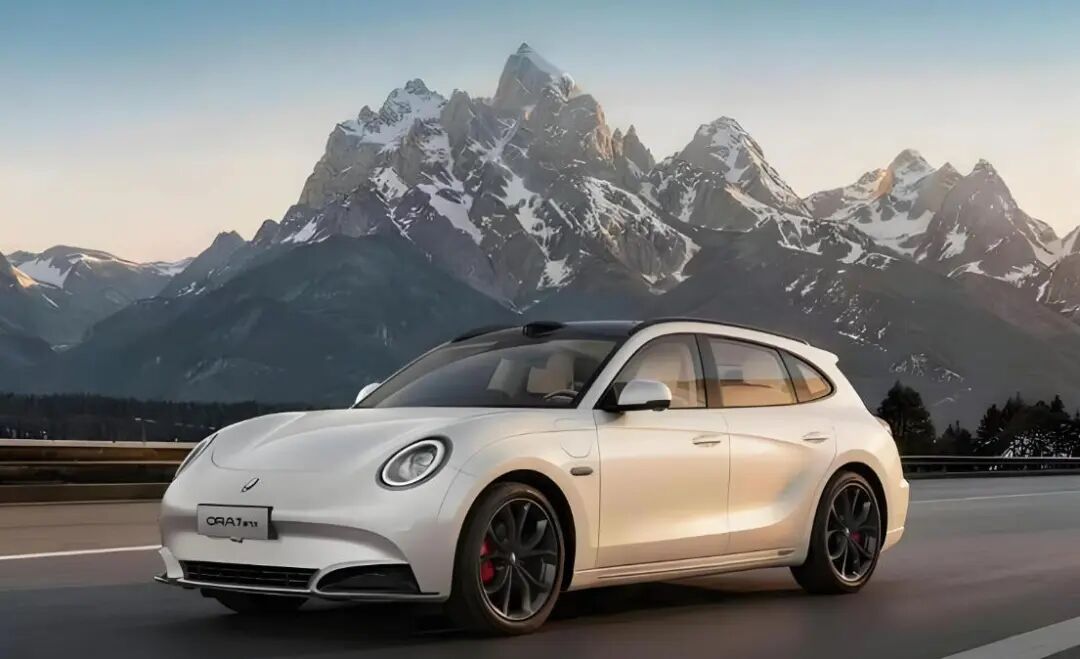
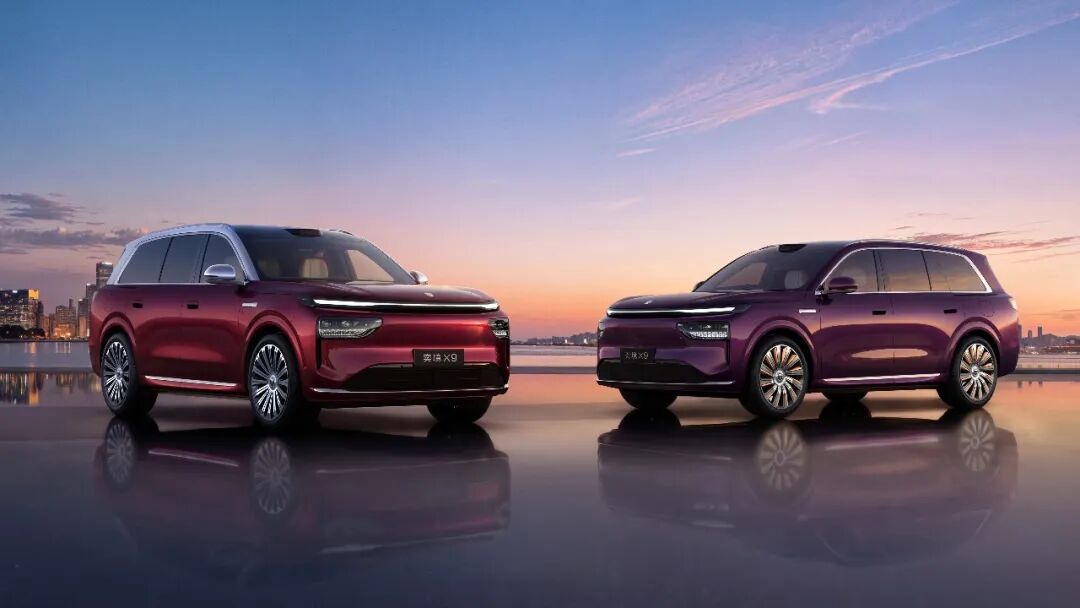
However, a closer look reveals a significant drop in the quality of new models. Currently, only the Ora 7 is confirmed for a global debut, with just a handful of national debuts like the Xiaomi Pengcheng N90 and Yijing X9. The rest are mostly minor annual updates or regional debuts of already-released models, resembling large-scale offline displays rather than the earlier spectacles of over a hundred debuts.
Not only has the number of debuts decreased, but the emphasis on technological displays is also likely to decline. In previous years, many brands would allocate core exhibition areas to showcase powertrains, intelligent driving systems, and concept cars, offering a sense of technological prowess. This year’s disclosed list includes few brands featuring concept cars or core technological displays, with most focusing on currently available models.
Both joint ventures and new energy brands are conservative in their debut investments. Few brands are choosing Chengdu for major new model debuts, relying instead on existing models and minor updates. Many leading brands have already scheduled their major launches as standalone events to avoid clashing with the show. The bustling scene of dozens of press conferences on media day in previous years is likely to be much quieter this time, resulting in fewer industry highlights.
Shift from Showcase to Sales Platform
The insufficient weight of new models is just the surface issue; a deeper change is the rapid fading of the Chengdu Motor Show's status as an industry bellwether.
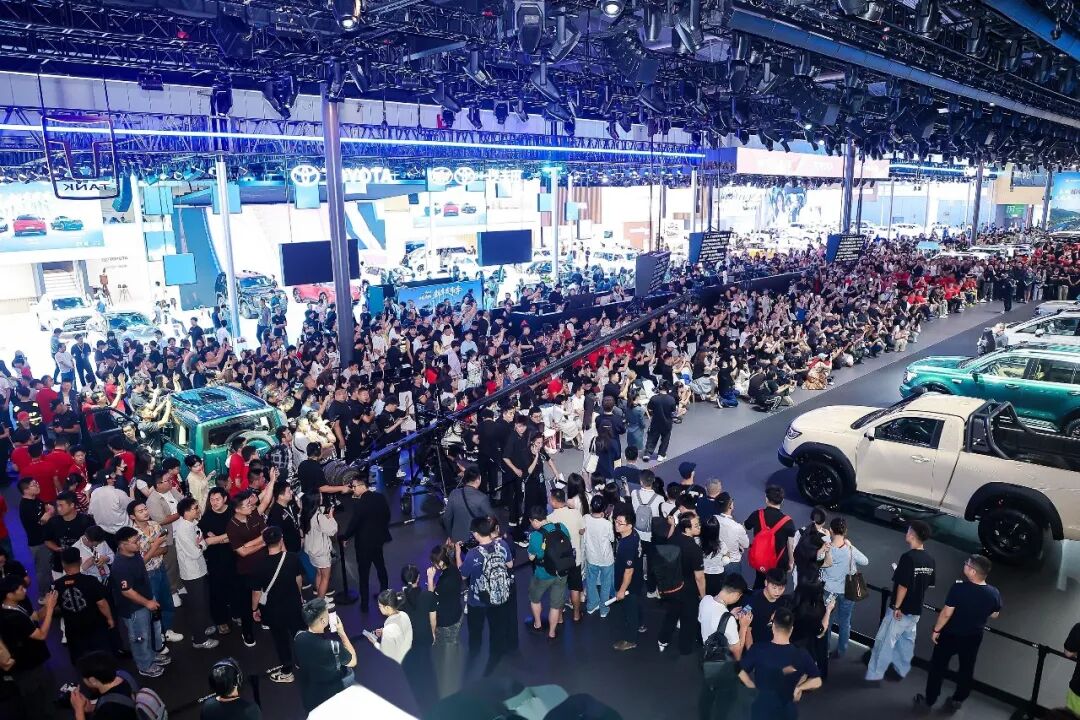
In recent years, there’s been a common feeling among industry peers: leading domestic brands and new energy players are increasingly avoiding the hustle and bustle of auto shows, opting to hold strategic launches and flagship debuts separately before or after the event to deliberately miss the media day peak. Consequently, media days are struggling to generate cross-industry buzz, and the show's original positioning as a 'technology showcase + debut platform' is sliding towards a 'regional hypermarket'.
The calculation is straightforward. Indoor raw space at A-grade auto shows typically costs around 2,000 yuan per square meter, with conventional brands spending several million yuan just on site fees for thousand-square-meter stands. Add in construction, travel, and promotion costs, and the total easily runs into the tens of millions. In contrast, online launches with influencer outreach cost only a third of that, with more precise reach and better-tracked conversions.
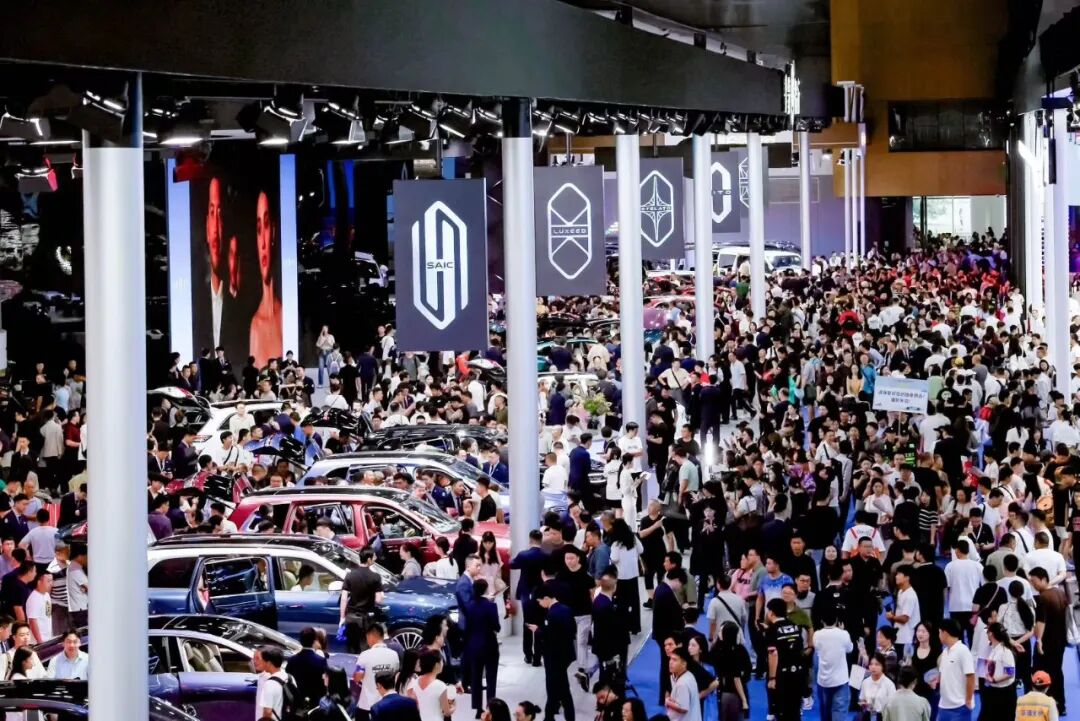
Behind this lies a shift in automotive marketing logic: from broad outreach and spectacle to precise reach and conversion, with budgets tilting towards user engagement, livestreaming, and short videos. At auto shows, promotional efforts now focus entirely on vehicle purchase subsidies, test drives, and consumer coupons, with fewer industry-level technological launches and strategic announcements.
The official attendance figures for previous shows stand at 910,200, suggesting no decline in volume. However, the composition of the crowd has changed: more families are visiting casually, while the proportion of serious buyers and industry professionals declines yearly, creating a contrast between apparent liveliness and industry silence. Even the media has changed; previously, we’d linger at stands discussing technology and interviewing executives. Now, fans mostly ask about on-site discounts, turning us into 'vehicle purchase agents' probing for deals, and synchronously diminishing the show's media attributes.
Accelerated Stratification of Domestic Auto Shows
The Chengdu Motor Show's quietude isn't an isolated case but a microcosm of the cooling domestic auto show industry. This year, not only Chengdu but also auto shows in Chongqing, Changchun, and elsewhere have seen automakers largely forgo inviting national media, relying instead on local media for perfunctory coverage. Ironically, while cities have been competing to develop convention and exhibition economies, building ever-larger convention centers, the number of high-quality shows that automakers are willing to invest in has dwindled.
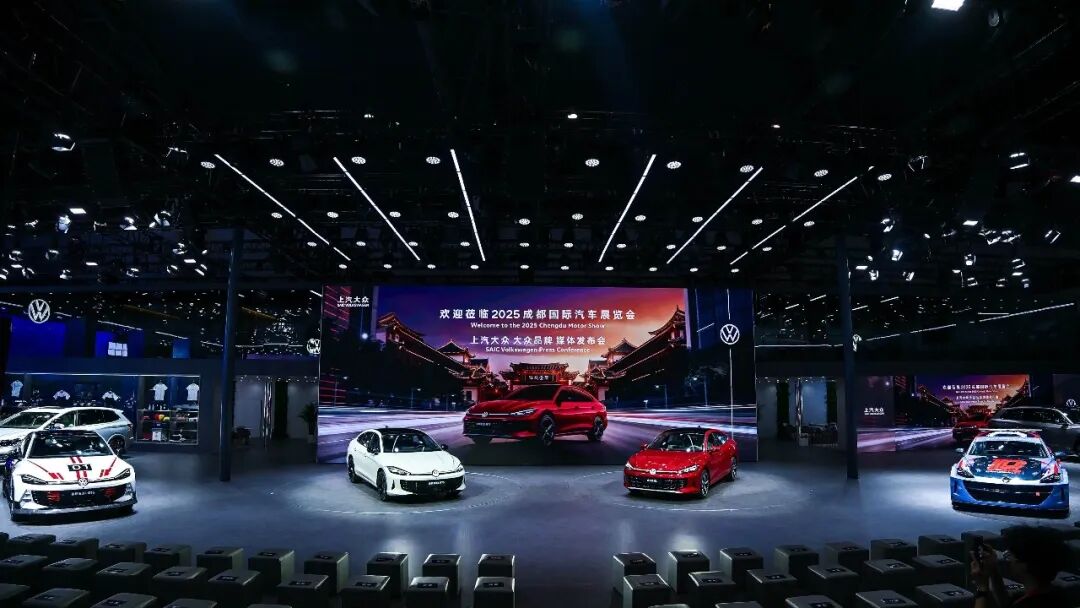
The era of homogeneity among the four major A-grade auto shows is long gone, with their positioning now clearly differentiated: Beijing focuses on policy and strategic announcements, occupying the industry high ground; Shanghai, rooted in the Yangtze River Delta industrial belt, emphasizes global technological showcases with the highest weight on global debuts; Guangzhou handles year-end sales pushes and trend forecasting; while Chengdu, dubbed the 'sales champion show of the second half,' continues to see its debut attributes weaken, sinking into a regional exhibition and sales platform.
Following this trend, although Chengdu still holds an A-grade title, its industry voice and debut weight have fallen behind Beijing and Shanghai, functioning more as a regional sales terminal than an industry trendsetter.
Internationally, there are precedents. The century-old Geneva Motor Show ceased operations in 2024, while attendance at the North American Detroit Auto Show plummeted from 774,000 in 2019 to 275,000 in 2025, a drop of over 60%. The core reasons are the same: declining automaker participation, loss of major debuts, and poor return on investment. When auto shows are no longer the most efficient channel, cutting back on investment is inevitable.
For regional auto shows, stubbornly clinging to the 'global debut' label holds little meaning. Rather than obsessing over paper statistics like debut numbers, they’d do better to solidify their positioning as regional consumption platforms, strengthening industrial linkages and user experiences to forge a differentiated path. For Southwest consumers, the ability to compare vehicles and secure exclusive discounts in one place offers irreplaceable value.
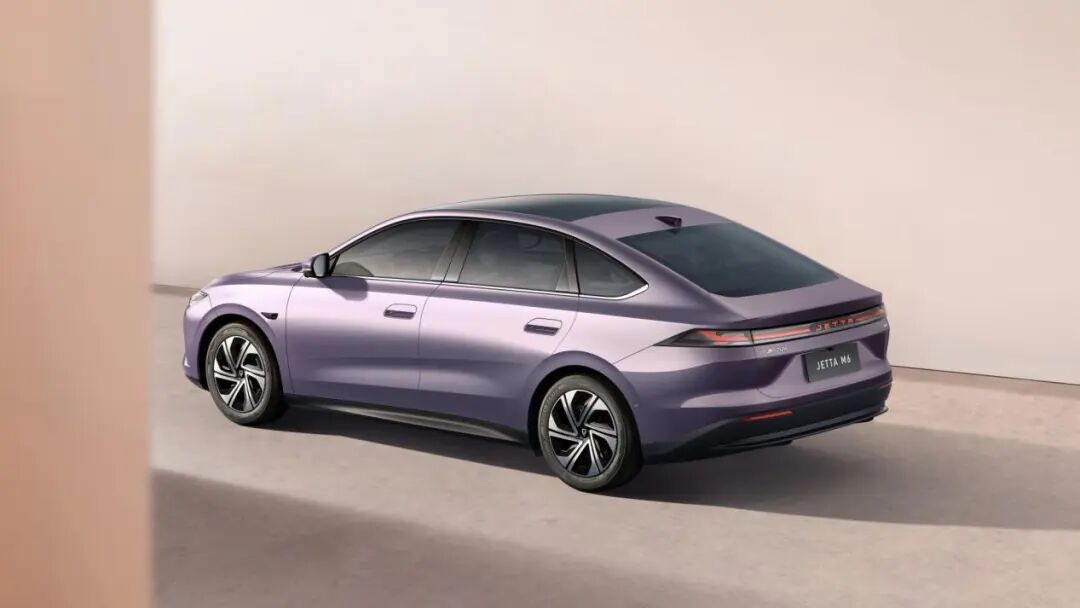
As exhibition halls grow larger and displayed vehicles multiply, industry discussions grow fainter each year. The 'quietness' of the Chengdu Motor Show essentially reflects the automotive industry's marketing transformation and the restructuring of exhibition value. Previously, auto shows were the industry's 'Spring Festival Gala,' with brands pulling out all the stops for spectacle. Now, they resemble weekend hypermarkets, with everyone getting straight to the point. For automakers, only business with a favorable return on investment is worth pursuing; for organizers, finding irreplaceable core value matters far more than maintaining superficial prosperity.
-
After 'No Right to Recall,' Can GAC Still Spin a Compelling Robot Tale?
-
![]()
Baidu's Critical Moment in AI Transformation: After Losing the Main Apple Partnership, What's Next for Ping Xiaoli's Strategy?
-
![]()
Voice Input: Opening the AI Gateway?
-
![]()
This Year’s Chengdu Motor Show: A Subdued Affair
-
![]()
Can a Small Car Priced at 63,900 Yuan Help Leapmotor Achieve Its Goal of 60% Overseas Sales?
-
![]()
Behind Two Renewed Agreements: Joint Venture Automakers Choose Long-Term Presence in China's New Energy Sector
-
![]()
Will Zunjie’s Launch of Two L3-Ready MPVs Spell the End of the ‘Price Markup Era’ for Alphard and Its Peers?
-
![]()
17 Strategies, 1.8 Billion Parcels, 12.5 Billion Yuan: Huizhou, Guangdong, Paves the Way for Autonomous Vehicle and Drone Delivery