Behind Two Renewed Agreements: Joint Venture Automakers Choose Long-Term Presence in China's New Energy Sector
 08/12 2026
 396
396
Lead | Introduction
Against a new market landscape dominated by electrification and intelligence, both General Motors and Honda have chosen to stay in China, completing joint venture renewals with their Chinese partners. However, they differ in cooperation cycles, technological routes, and R&D positioning, forming two distinct paths for electric transformation and heralding new changes in the joint venture landscape.
Produced by | This article is produced Heyan Yueche Studio
Written by | writing an article Zhang Chi
Edited by | Edit He Zi
Full text: 2,317 characters
Reading time: 4 minutes
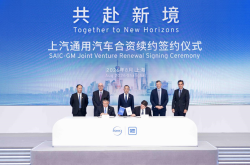
Recently, SAIC Group and General Motors signed an agreement to extend the SAIC-GM joint venture cooperation period by 20 years until 2047. This renewal, on one hand, continues the decades-long joint venture partnership, helping General Motors sustain long-term development opportunities in the Chinese auto market. On the other hand, it elevates SAIC-GM's strategic position: the enterprise will gain greater autonomy in local R&D projects, participate more deeply in global vehicle programs, and receive larger-scale authorization for new energy vehicle exports. For General Motors, the Chinese market remains a vital component of its global strategic layout. In the future, SAIC-GM will also shoulder the pioneering role in GM's global new energy transition and intelligent development.
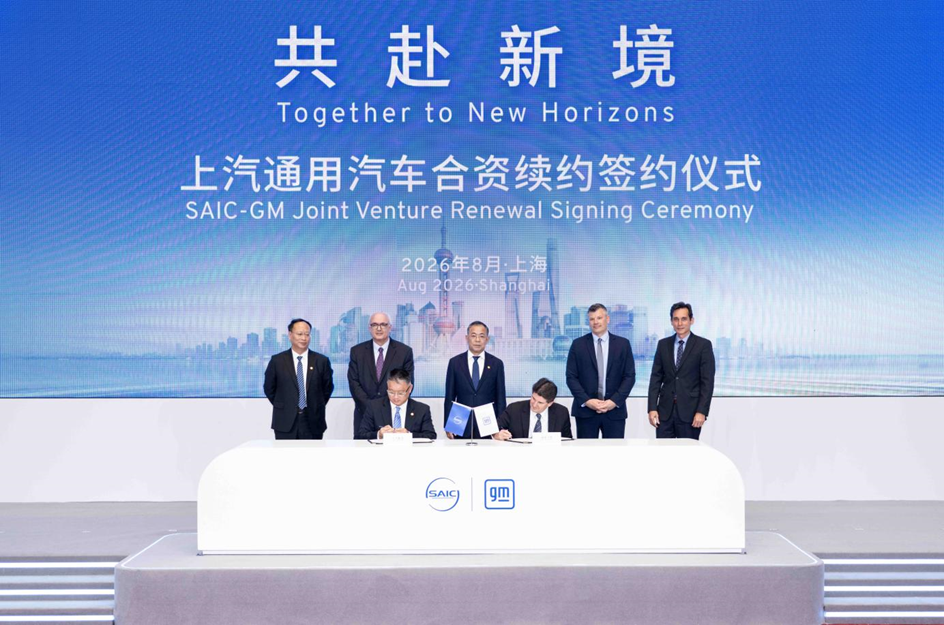
△ SAIC Group and General Motors sign agreement to extend SAIC-GM joint venture period by 20 years until 2047
Coincidentally, Honda recently signed a new cooperation agreement with GAC Group, extending GAC Honda's joint venture period until 2038 while maintaining the equity ratio unchanged. Amid China's automotive industry's new energy transition and reshaping of the industry landscape, both automakers have chosen to continue their long-term partnership. This move is less about continuing the traditional joint venture model and more like a strategic bet on a new form of future cooperation.
Two Different Renewal Contracts
Both Honda and General Motors have chosen to renew their joint venture agreements with Chinese partners, but their long-term strategies for the Chinese market show clear divergence.
SAIC-GM's renewal layout is relatively aggressive: it plans to launch no fewer than 30 new energy models by 2030, perfect (improving) Buick and Cadillac's dual-brand electrified product matrix. Meanwhile, the Pan Asia Technical Automotive Center (PATAC) is positioned as GM's global core R&D hub, with the Chinese side fully leading vehicle development and relying on a self-developed multi-power integration architecture to drive reverse exports of domestically produced new energy models. This 20-year long-term renewal represents GM's far-sighted global layout (layout) in the electrification race, upgrading China from merely a sales terminal to a key strategic pivot for GM's global R&D, technology export, and industrial chain layout (layout).
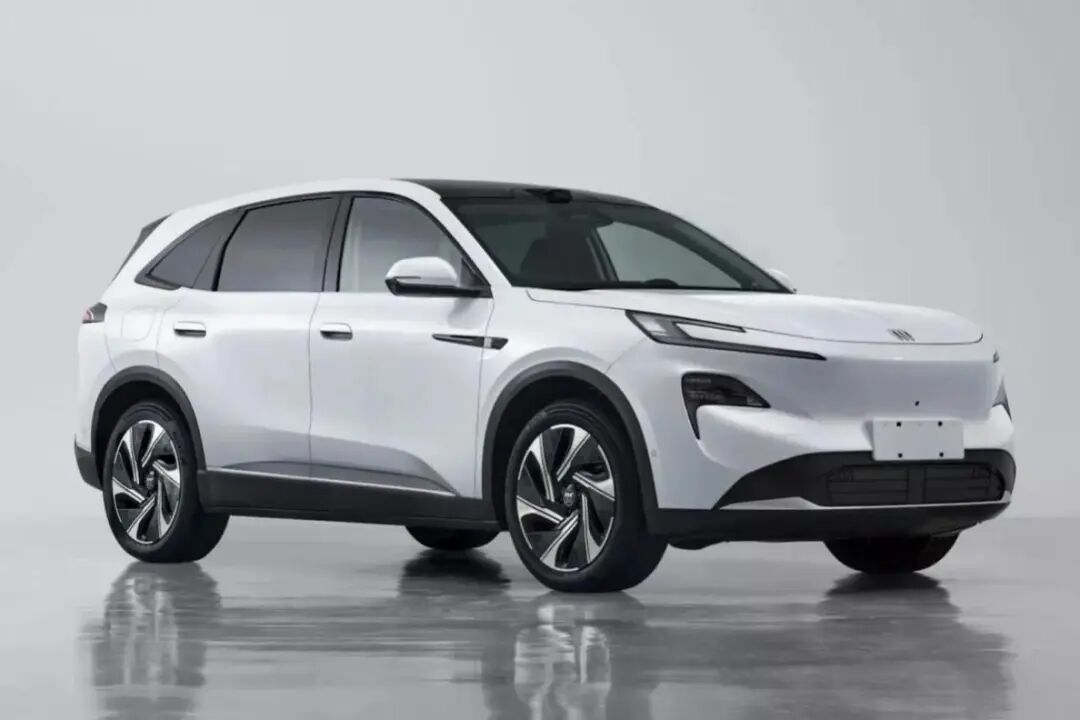
△ The E7 will open a new chapter in SAIC-GM's new energy vehicle exports
GAC Honda, on the other hand, extended its cooperation period by ten years, primarily aiming to secure a buffer period for its new energy transition in China. The two sides established a Sino-Japanese joint innovation model, focusing on deep cultivation of the local market by leveraging Honda's hybrid and GAC's pure electric technology platforms, without planning new energy vehicle export businesses in the agreement. Subsequently, at its strategic communication meeting in August, GAC Honda disclosed specific plans to launch five new models within the next two years, adopting a relatively conservative pace. For Honda, besides GAC Honda, it also needs to balance investments in Dongfeng Honda. In contrast, General Motors has distinct positioning for SAIC-GM Wuling and SAIC-GM, making ensuring SAIC-GM's success the only choice for GM to maintain its foothold in the Chinese market.
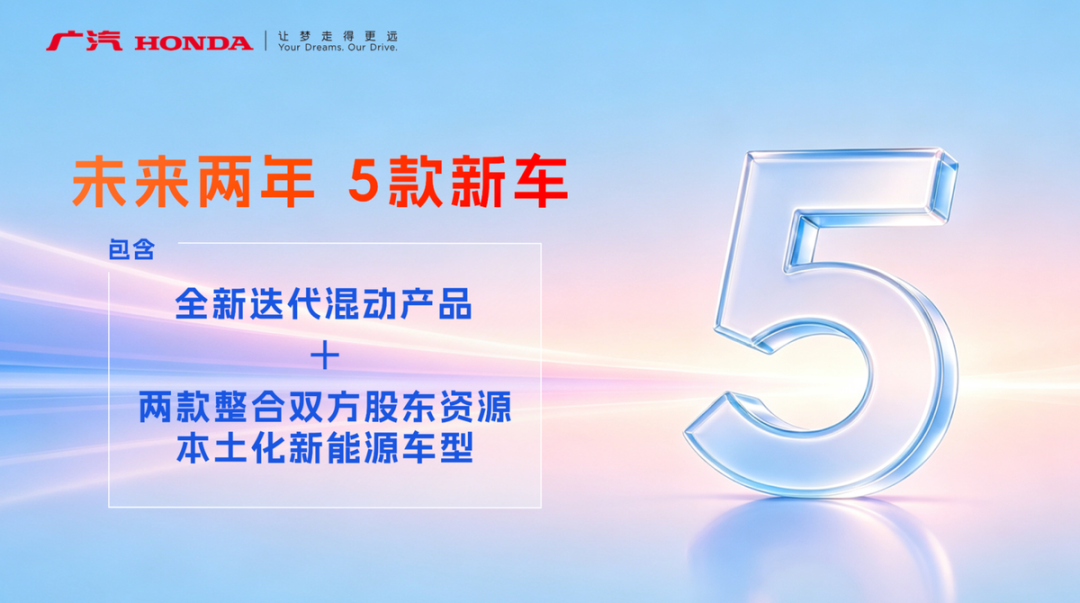
△ GAC Honda's next strategic step
What is the Value of the Chinese Market for Multinational Automakers?
Currently, the industry dividends for joint venture automakers are gradually fading, but most multinational automakers cannot afford the enormous cost of terminating their joint ventures in China. Only by continuing forward can they seize new opportunities.
Despite losing their former dominance in the Chinese market amid strong breakthroughs by local automakers, Honda and General Motors are still making efforts. SAIC-GM and GAC Honda have deep roots in the domestic market for nearly three decades, having established complete and mature production, supply chain, R&D, and dealership systems while accumulating a vast user base. If they abruptly withdraw from China, they would not only lose existing sales and operating revenues but also bear disposal costs for factories, equipment, partner suppliers, sales channels, and on-the-job personnel. Comprehensive calculations show that the opportunity cost for Honda and General Motors to completely exit the Chinese market far exceeds the investment required for sustained deep cultivation and operation.
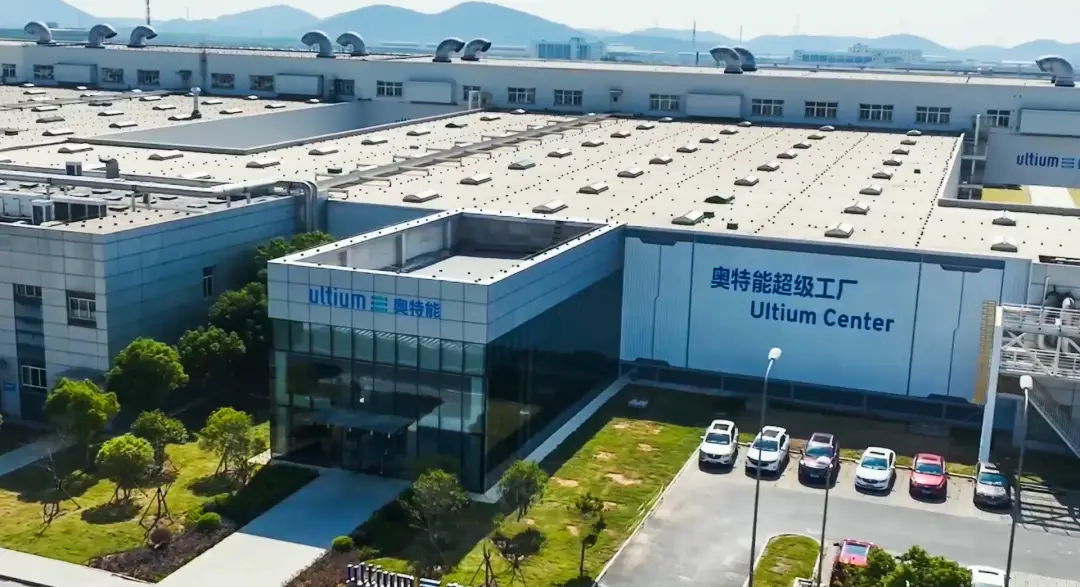
△ Multinational brands like General Motors have built complete industrial chains
Today, the value of the Chinese market for multinational automakers goes far beyond mere sales and profit contributions. As the world's largest automotive market by volume, with annual new vehicle sales stably around 20 million units, joint ventures still have ample survival space as long as they create competitive models. Meanwhile, China has established a mature supply chain with leading advantages in technology, scale, and cost across new energy's three electric systems, intelligent cockpits, and autonomous driving. Multinational automakers can leverage local industrial chain advantages to achieve reverse technology exports, thereby expanding globally and reaping high profits. Additionally, with high consumer acceptance of electrified and intelligent new products, China has become the world's fastest testing ground for automotive industry technology iteration. A smart electric vehicle that can succeed in the domestic market often possesses product competitiveness suitable for global markets.
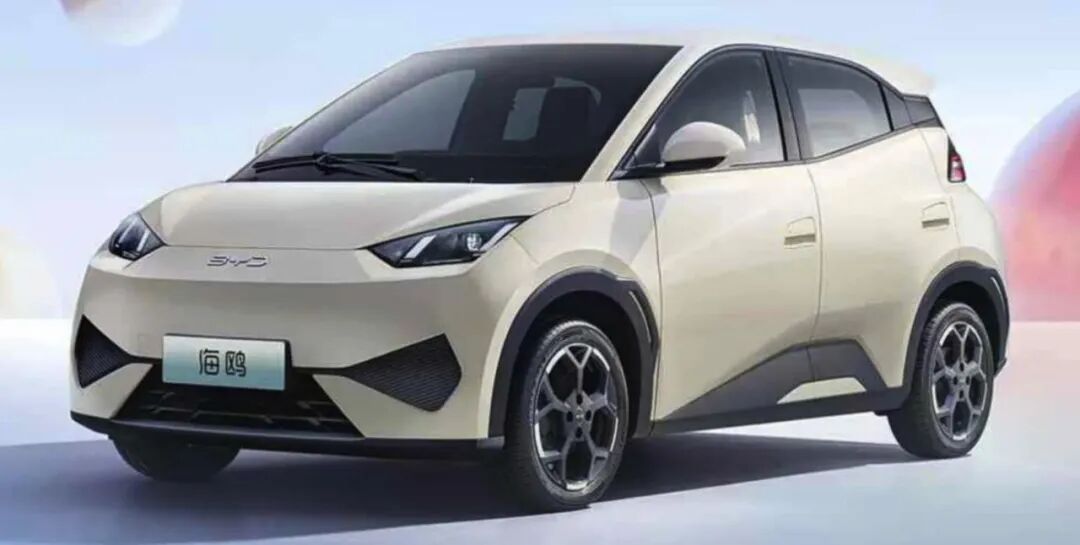
△ The rapid rise of independent brands offers valuable lessons for joint venture brands
The New Tests Begin After Renewal
Renewal means General Motors, Honda, and other automakers have secured their "tickets" for sustained deep cultivation in the Chinese market but does not guarantee victory in market competition. The real core challenge lies in completing a comprehensive reconstruction of product matrices, core technologies, brand positioning, and internal organizational structures within the next three to five years. Only by regaining domestic consumer recognition can the value of the two long-term joint venture agreements in 2038 and 2047 truly materialize.
SAIC-GM's current new energy transition effectiveness still falls short of expectations, with impressive new energy growth but significant shortcomings in overall scale. In the first half of 2026, SAIC-GM's cumulative sales reached 231,200 units, down 5.68% year-on-year, including nearly 50,000 new energy vehicle sales, up 81.1% year-on-year, with a new energy penetration rate of about 21.6%. Despite prominent (outstanding) electric model growth, its overall volume still lags far behind leading independent brands. GAC Honda's market performance is even weaker, with only 68,300 units sold in the first half, plummeting 55.8% year-on-year, without separately disclosing new energy segment sales for the period. In comparison, BYD sold 1,808,500 new energy vehicles in the same period, remaining the absolute industry leader despite a 15.7% year-on-year decline. Geely Holding sold 1,100,900 new energy vehicles, up 10% year-on-year, with a new energy penetration rate as high as 56.9%. Chery Group sold 475,200 new energy vehicles, up 32.3% year-on-year.
While both SAIC-GM and GAC Honda plan to accelerate their new energy product layouts, the core challenge lies in whether they can rely on efficient product iteration speeds to reshape market appeal. Long-term contracts merely provide sufficient transition windows but cannot directly translate into tangible market competitiveness.
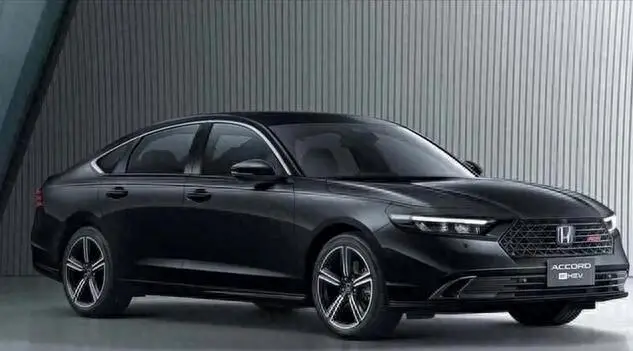
△ Renewal means securing a "ticket" for sustained deep cultivation in the Chinese market but does not guarantee victory
Besides creating differentiated and competitive models, the two joint venture automakers urgently need to reshape their brand core values in the new energy Track (sector). Previously, Honda and Buick relied on their deep-rooted brand reputation, mature internal combustion engine technology, and perfect (well-established) offline channels to stably obtain brand premiums. Today, the industry's competitive logic has completely shifted, with the battleground moving to intelligent driving, intelligent cockpits, in-vehicle software, and pricing systems. How to break free from the traditional joint venture model of "foreign technology transfer with shallow localization adaptation" and create exclusive intelligent experiences tailored to domestic user needs; how to shed fuel car-era brand labels and establish exclusive electric and intelligent brand recognition; how to balance foreign global technology standards with local supply chain cost advantages to form a pricing system combining quality and cost-effectiveness—these will be key to stabilizing their market shares.
In the future, as independent brands rapidly capture user mindshare with self-developed three electric systems and full-stack self-developed intelligent systems, can joint venture automakers like SAIC-GM and GAC Honda integrate multiple resources during their renewed contracts to complete brand value reshaping?
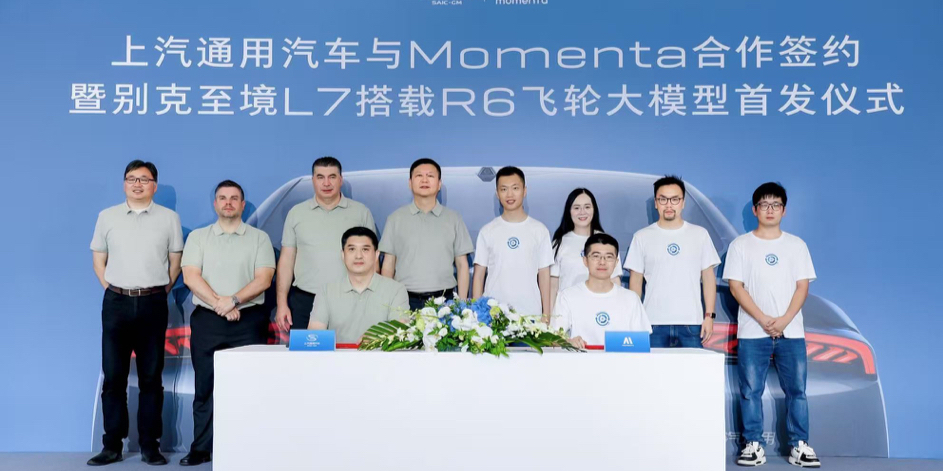
△ Joint venture brands must learn to adeptly integrate high-quality local resources in China
Commentary
GAC Honda adopts a conservative approach, using a ten-year renewal to deepen local cultivation with dual platforms in parallel, securing buffer space for its lagging electric transition and safeguarding its existing market base. SAIC-GM takes an aggressive stance, relying on a twenty-year long-term agreement to initiate global transformation, with the Chinese side leading R&D and establishing a unified technical architecture, upgrading China to a core base for GM's global R&D and exports. Both renewals represent strategic bets on new forms of future cooperation, merely retaining market participation qualifications. The critical transformation period over the next three to five years will determine success—only by breaking free from traditional technology transfer models and completing comprehensive product, technology, and brand innovations can they regain consumer trust and secure their positions in the new energy sector.
(This article is original to Heyan Yueche and may not be reproduced without authorization)
-
![]()
Voice Input: Opening the AI Gateway?
-
![]()
This Year’s Chengdu Motor Show: A Subdued Affair
-
![]()
Can a Small Car Priced at 63,900 Yuan Help Leapmotor Achieve Its Goal of 60% Overseas Sales?
-
![]()
Behind Two Renewed Agreements: Joint Venture Automakers Choose Long-Term Presence in China's New Energy Sector
-
![]()
Will Zunjie’s Launch of Two L3-Ready MPVs Spell the End of the ‘Price Markup Era’ for Alphard and Its Peers?
-
![]()
17 Strategies, 1.8 Billion Parcels, 12.5 Billion Yuan: Huizhou, Guangdong, Paves the Way for Autonomous Vehicle and Drone Delivery
-
![]()
Manus to Regain Independence, Former Shareholders Including Tencent to Repurchase Shares from Meta for $2 Billion
-
![]()
Starting at 99,900 yuan, the Updated Seal 06 Hits the Market. How Should Family Buyers Decide?