Automakers Unanimously 'Turn Away from Large Screens': Are Physical Buttons Making a Resurgence in Vehicle Interiors?
 08/13 2026
 501
501
In contemporary automotive design, car screens are expanding in size and quantity, while physical buttons are gradually being phased out. Automakers boasting central console screens exceeding fifteen inches, or integrating functions like air conditioning, volume control, and even gear shifting into touchscreens, seem to epitomize the cutting-edge of automotive intelligence.
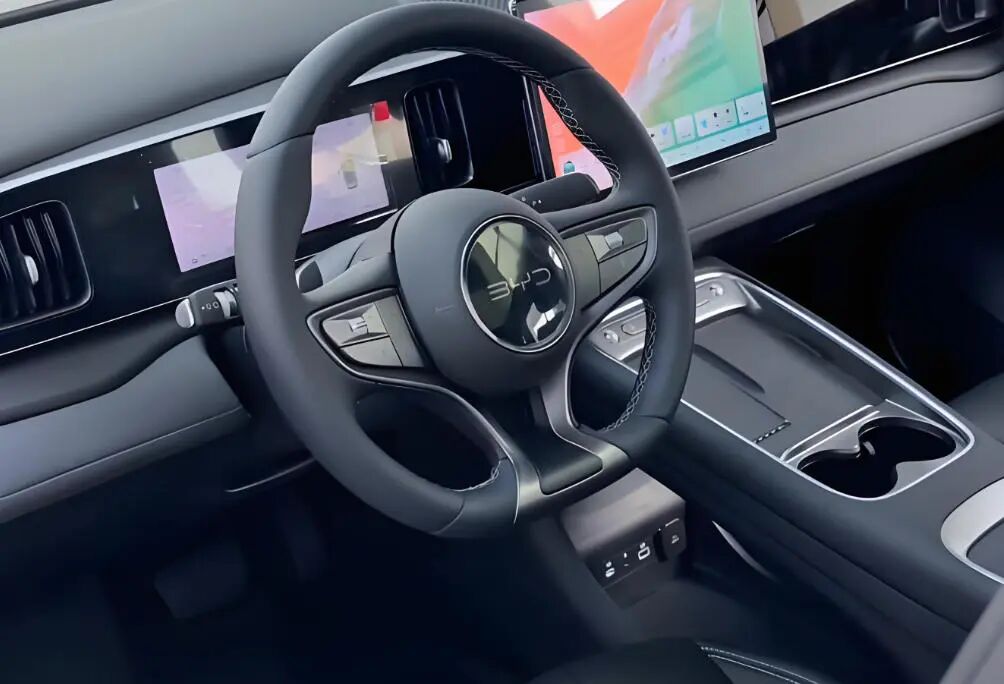
However, a noticeable shift in this trend has emerged recently. Volkswagen, BMW, Audi, as well as Chinese automakers Geely, BYD, and Changan, are almost simultaneously signaling a return to physical buttons and knobs in the next generation of vehicle interiors. This is not a fleeting trend but a collective industry response to the large screen craze of the past few years.
Automakers Initiate Collective Design Reassessment
Volkswagen was the first to openly acknowledge the design flaws of all-touch interiors. The German automaker announced that all new models launched in 2026 would come standard with physical controls for high-frequency functions. This statement from Volkswagen carries significant weight, considering that models like the Golf and ID series from previous years were enthusiastic proponents of the touch trend, with steering wheel touch controls and touch-sensitive air conditioning panels once touted as family design language.
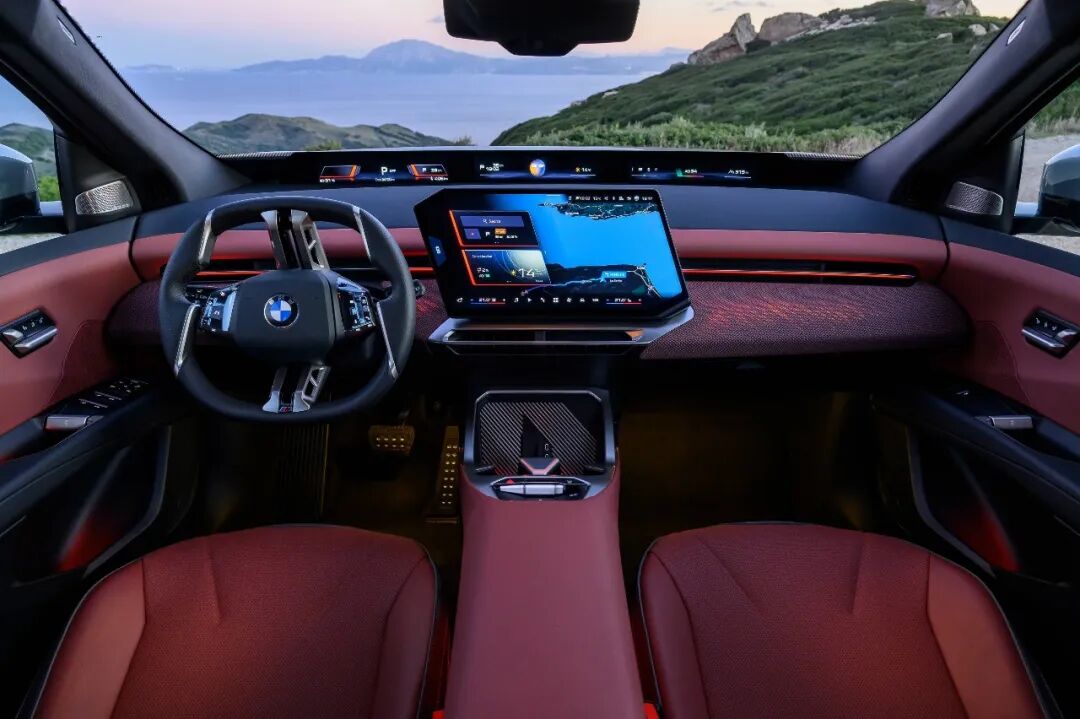
Volkswagen's admission of a misstep is akin to pouring cold water on the industry's large screen competition. BMW has been more cautious, never fully eliminating physical buttons for core functions like air conditioning and volume control over the years, which could be seen as a prudent backup plan. Domestically, Geely, BYD, Changan, and Chery have also gradually reinstated physical buttons for key functions in their new models, no longer promoting a 'zero physical buttons' approach as a selling point.
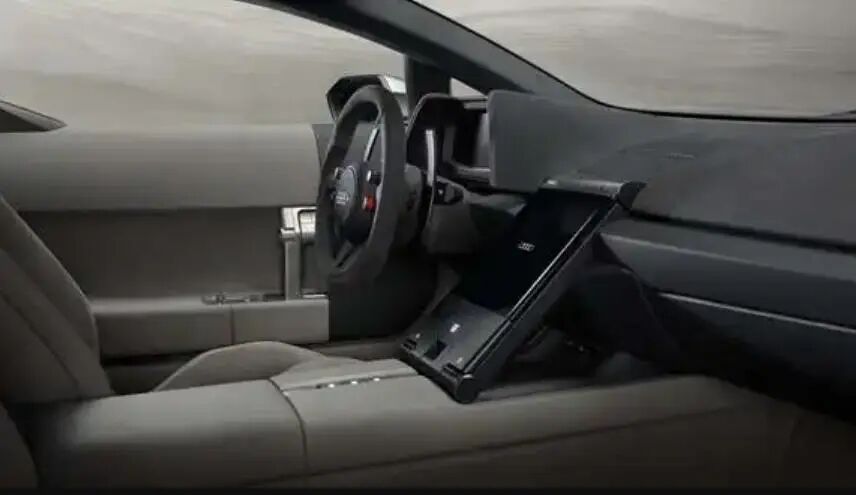
Audi's shift is particularly symbolic. 'Qiche Batantang' verified with Audi China, and the response was unequivocal: the recently released Concept C concept car and Nuvolari supercar, both led by new design director Massimo Frascella, clearly indicate Audi's next-generation design direction: simplicity, clarity, emphasis on materials and craftsmanship, and the introduction of more mechanically tactile buttons and knobs. More importantly, both concept cars are geared towards mass production, and future mass-produced models will largely retain the existing design.
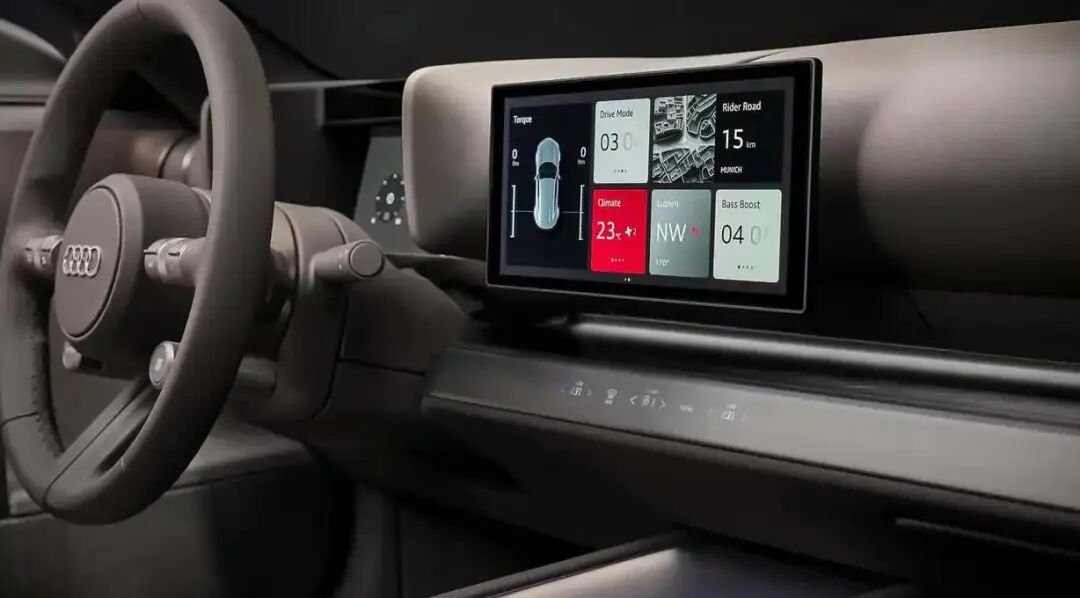
In essence, the gradual reintroduction of buttons and knobs in Audi's product lineup is already a foregone conclusion. Prior to this, Audi had already announced that five new models, including the A5, Q5, and A6, would replace the touch sliders on the steering wheel with physical dials for volume and menu adjustments, citing continuous user demand for the restoration of traditional physical controls.
It's debatable whether this is a retro trend or a step forward. A few years ago, when everyone was eliminating buttons, they talked about a futuristic, minimalist design. Now, adding buttons back is about enhancing user experience, ergonomics, and driving safety. The rhetoric has changed, but the underlying logic remains the same: products are driven by market feedback. A few years ago, consumers were still enamored with new technologies and willing to pay a premium for large screens. But once they started driving every day, they realized that many operations were more about flash than substance. Automakers were slow to react, but ultimately, they must follow where users lead.
Data Supports the Safety Drawbacks of Large Screens
Why are physical buttons making a comeback? Ultimately, it's the result of users voting with their feet, supported by a wealth of quantifiable safety data.
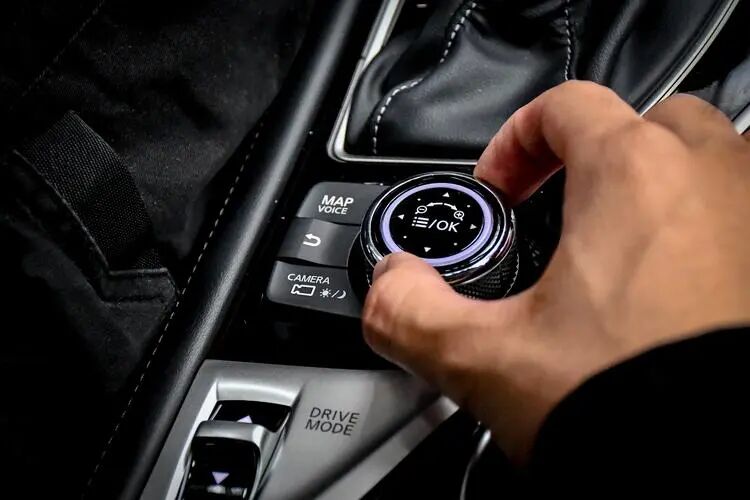
A 2023 driver distraction study by MIT AgeLab revealed that physical rotary knobs reduce visual-manual distraction by up to 47% compared to central touchscreens. When using a knob, drivers' average eyes-off-road time per interaction is about 0.4 seconds; with a touchscreen, this number increases to 1.8 seconds, with 63% more glances away from the road when adjusting air conditioning or audio. Don't underestimate this one-second difference—at 60 kilometers per hour, a vehicle can travel over ten meters in a second, enough time for many things to happen.
A report from the UK's Transport Research Laboratory reached a similar conclusion: when using a touchscreen to operate in-car functions, drivers' reaction times increase by 53% to 57% compared to normal driving. There have been numerous extreme cases where drivers looked down at the screen to adjust the air conditioning while driving, and in just a few seconds, the vehicle drifted out of its lane. Not to mention everyday scenarios like system lag or crashes—when all functions are tied to a single screen, once the system fails, even adjusting the air conditioning becomes impossible. Vehicle owners feel this experience gap most directly.
J.D. Power's 2023 Tech Experience Index study found that 80% of vehicle owners prefer physical buttons to control the air conditioning system, with similar preferences for volume adjustment and radio station switching. Interestingly, even younger consumer groups show no lower acceptance of physical buttons compared to older generations. Previously, the industry assumed that young people, being accustomed to smartphones, would naturally prefer all-touch in-car systems, but this assumption now appears flawed.
Regulatory signals are also becoming clearer. Euro NCAP has announced that starting in 2026, vehicles seeking a five-star safety rating must have physical controls for key functions like windshield wipers and turn signals. This regulation essentially draws a red line for the all-touch route at the policy level. When it comes to safety, flashier is not always better—reliability is key.
Button Return Is Not a Design Regression
At this juncture, it's crucial to clarify a misconception: the return of physical buttons does not signify the elimination of large screens, nor is it a retrogression in design. More accurately, it's a correction in interaction strategy, removing functions that shouldn't be on the screen and allowing the screen and physical buttons to each fulfill their roles.
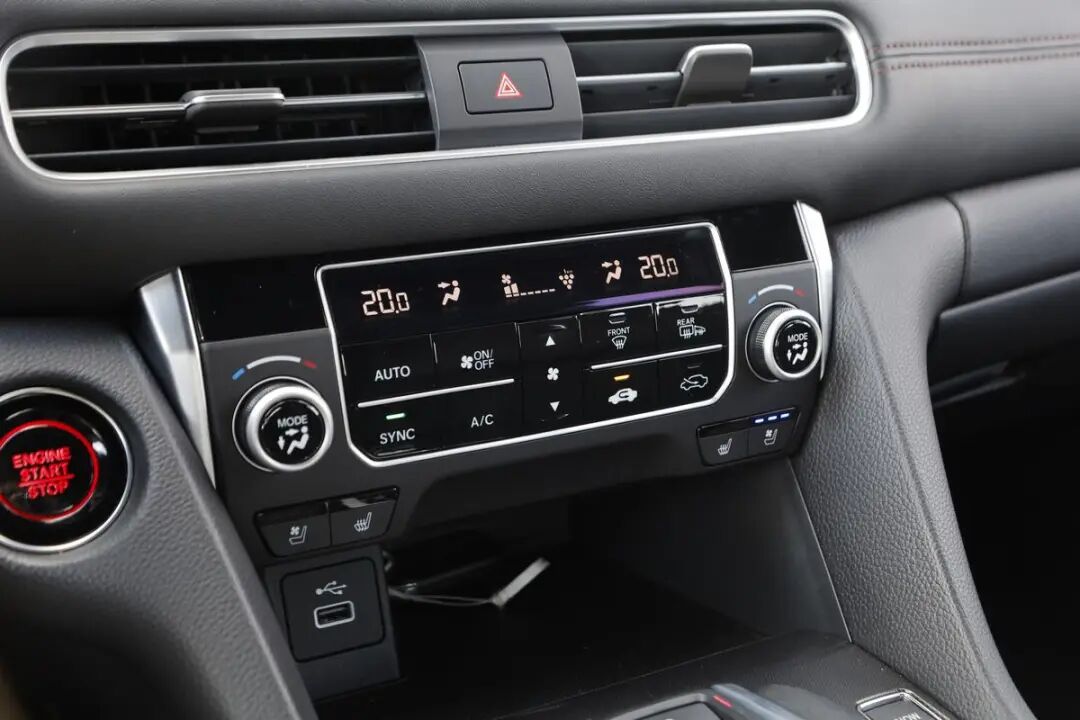
Gu Jianmin, CTO of Valeo China, offers a representative perspective: while pure touchscreen solutions offer a futuristic visual effect and can reduce hardware costs, they lack the tactile feedback needed for physical blind operation when adjusting high-frequency functions like air conditioning and audio while driving, which can easily distract drivers and increase the likelihood of accidental touches.
Therefore, a more rational direction is to establish a clearly divided interaction system. High-frequency essential functions like air conditioning temperature, fan speed, volume, and driving mode selection should be handled by physical controls, allowing drivers to operate them through muscle memory without taking their eyes off the road. Complex but low-frequency functions like navigation, entertainment, and vehicle settings can remain on the screen and be controlled via voice.
These are not substitute relationships but complementary ones. Many automakers share a similar view, believing that reintroducing physical buttons and knobs is not about abandoning digitization but correcting an over-reliance on large screen interactions. Essentially, it's a self-correction by automakers of past approaches that prioritized visual tech appeal over practicality.
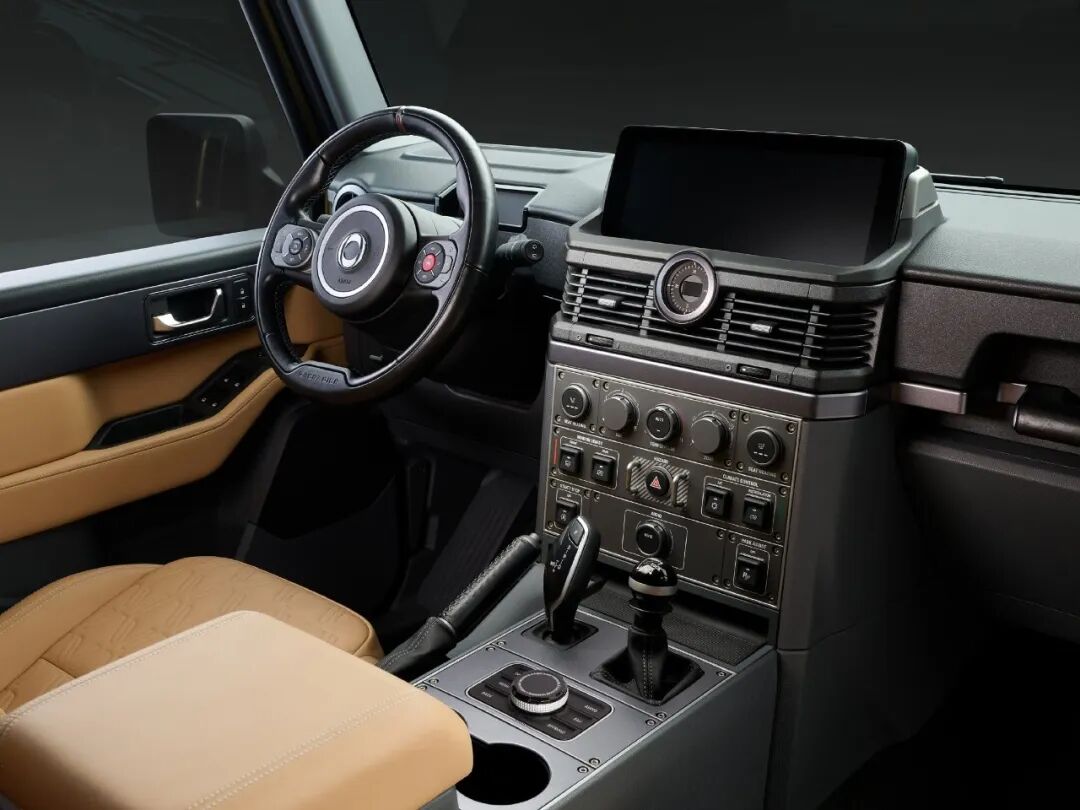
From a deeper perspective, this shift also reflects that the development of smart cockpits is returning from a marketing-oriented approach to an experience-oriented one. A few years ago, screen size and quantity were the most intuitive marketing selling points—consumers could immediately perceive the tech appeal, and automakers were happy to emphasize these aspects. However, once screens reach a certain size or quantity, diminishing returns set in, even negatively impacting the user experience. Consumers' focus is gradually shifting from whether a feature exists to how well it works, prompting automakers to adjust their product logic accordingly.
Of course, we shouldn't overstate the significance of this shift. Physical buttons will not make a full-scale comeback, nor will large screens disappear. The future cockpit will likely be a hybrid form—touch where appropriate, physical where necessary—with the core standard being ease of use and safety for the driver.
Over the past few years, the industry took a detour by directly applying consumer electronics logic to automobiles, overlooking the uniqueness of the driving scenario. Now, correcting course is not a step backward but a return to common sense. After all, cars are meant to be driven, not used as in-car tablets.
-
Hot Topic | SpaceX Partners with NVIDIA AI Architecture, Paving the Way for New Growth in Space Computing
-
Bilibili's Capital Narrative: Meeting Market Expectations but Losing Its Own Identity
-
![]()
China Mobile Reports 538 Billion Yuan in Revenue for First Half of the Year, with 5G Subscribers Surpassing 687 Million
-
![]()
Domestic Wi-Fi Chips Usher in Prime Era
-
![]()
HONOR Unveils Robot Phone, Yet AI-Driven Smartphones Still Await Market Breakthrough
-
![]()
Jiemei Technology Splurges 915 Million Yuan, Making a Bold Move into Optical Ultra-Precision Equipment
-
![]()
Intensifying Investment in Advanced Coating Equipment: Landun Optoelectronics Aims to Secure Majority Stake in Lanchuang Technology
-
![]()
Honor’s Ambition Demands More Than a Gimbal-Equipped Phone