[In-depth Report] Reconstructing a New Talent Foundation to Secure Victory in the New Automotive Arena
 08/19 2026
 416
416
The core of competition in the automobile industry is talent, which serves as a critical pillar for industrial transformation and upgrading, as well as for achieving the goal of becoming a global automotive powerhouse. Against the backdrop of industry electrification, intelligence, and deep AI empowerment, the talent structure and skill sets within the industry are undergoing a comprehensive transformation.
Against the backdrop of a new round of technological revolution and industrial transformation, talent has become a core element of competition in the automotive industry. Gaining the initiative in talent strategy is essential for securing the industry's future high ground. Only by leveraging talent strategy as a fulcrum and constructing a talent supply chain that meets new development needs through the four-pronged collaboration of “policy guidance, industry-education synergy, corporate innovation, and individual empowerment” can China evolve from a “major automotive country” into an “automotive powerhouse,” securing a leading position in global competition. Talent has become a critical variable determining the future competitive success of the automotive industry.
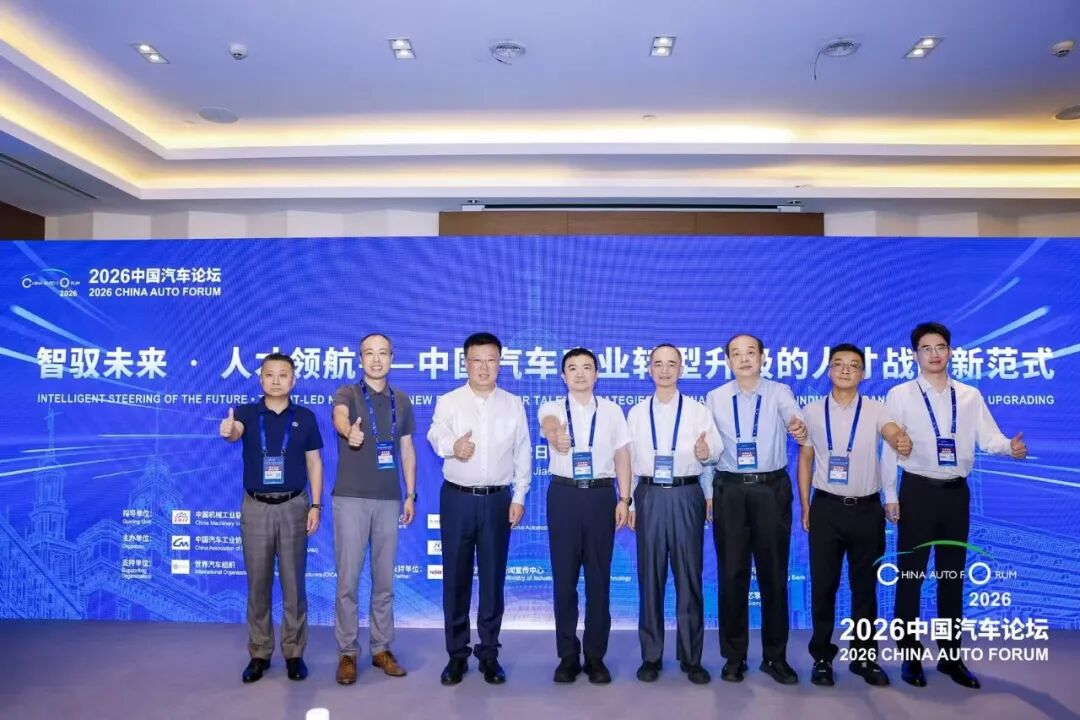
On the afternoon of July 22, the 2026 China Auto Forum hosted a thematic forum titled “Intelligence Drives the Future · Talent Leads the Way: New Paradigms for Talent Strategy in China's Automotive Industry Transformation and Upgrading.” The forum brought together representatives from government, enterprises, universities, and research institutions. Centered on the theme of “talent-led industry upgrading,” it focused on new paradigms for talent strategy in the automotive industry, conducting in-depth discussions on optimizing talent structures and innovating talent mechanisms. The goal was to explore new pathways for cultivating, reserve (reserved here for context, translated as “nurturing”), and developing talent suited to the new era of automotive innovation.
Development Trends in Automotive Talent
Currently, the global automotive industry is accelerating the deep integration of electrification, intelligence, and connectivity. China's automotive industry is at a critical stage of transitioning from “scale expansion” to “quality leap.” The R&D system is shifting from traditional manufacturing-driven to technology innovation and digital-driven, focusing on achieving self-reliance and collaboration in core technologies. User experience is evolving from a single transportation tool to an intelligent mobile living space, enabling full-cycle, scenario-based, and sustainable iterations. Manufacturing is transforming from large-scale and standardized to flexible, digital, and green, with simultaneous improvements in efficiency and quality. The industrial ecosystem is shifting from a chain-like division of labor and closed operations to cross-sector integration and open collaboration, forming a modern industrial landscape with multi-participant involvement, multi-element aggregation, and multi-value sharing. These profound transformations lay a solid foundation for high-quality development and the creation of new global competitive advantages for China's automotive industry.
However, challenges accompany these transformations. Chen Xu, Deputy Secretary-General of the China Association of Automobile Manufacturers, believes that the accelerating restructuring of the industrial ecosystem continuously generates demand for new roles, posing unprecedented challenges to talent skill structures. Interdisciplinary knowledge and composite skill sets are increasingly becoming core competencies. Traditionally skilled talent with single expertise can no longer meet the demands of industrial transformation. Composite talent integrating technical R&D, digital applications, cross-sector collaboration, and innovative practical capabilities is becoming a scarce and critical resource for industrial development.
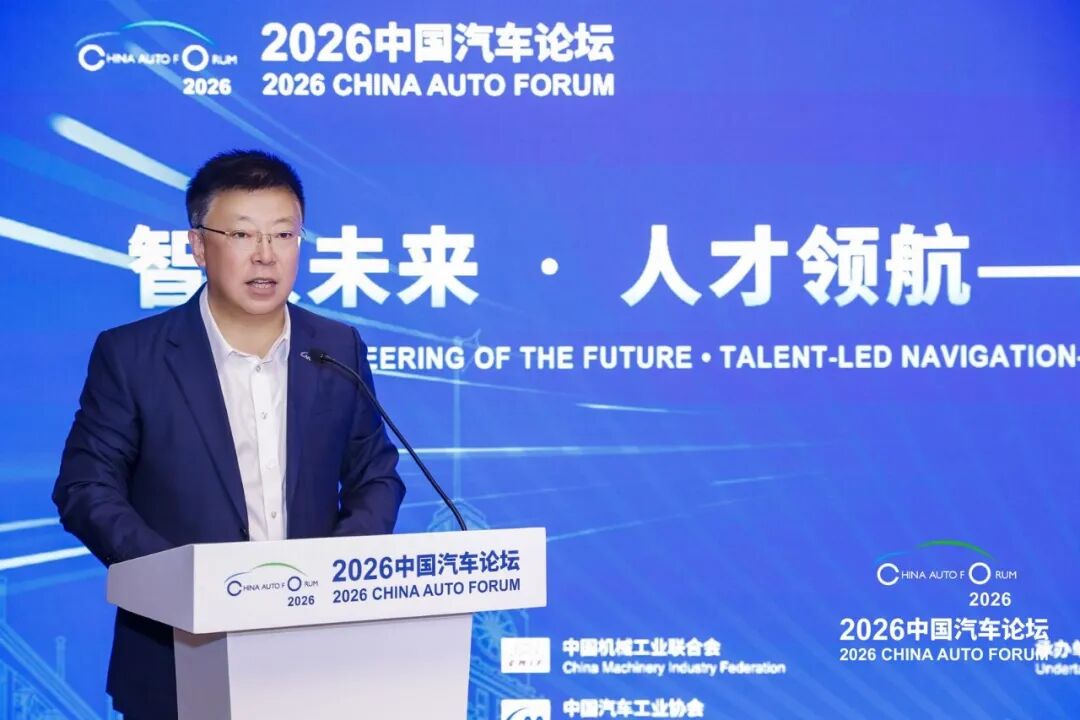
Chen Xu, Deputy Secretary-General of the China Association of Automobile Manufacturers
The “15th Five-Year Plan” outline released this year explicitly proposes “coordinating the construction of a strong education, technology, and talent nation,” with comprehensive deployments for cultivating, attracting, and effectively utilizing talent across all dimensions. It systematically arranges reforms to deepen talent development mechanisms. Advancing Chinese modernization requires talent as a strategic pillar, with the talent empowerment strategy serving as a core support for Chinese-style modernization. Talent is the foundation of innovation, development, and national rejuvenation. Talent is the strategic resource for achieving national rejuvenation and gaining the initiative in international competition, providing solid support for building a modern socialist country in all respects and advancing the great rejuvenation of the Chinese nation on all fronts.
Looking back over the past decade, China's automotive industry has achieved a historic leap from “following” to “leading,” with the comprehensive upgrade of its talent system serving as the core driving force behind this transformation. Facing new trends in new energy and intelligent connectivity, as well as new challenges posed by AI technology, automotive talent is undergoing profound reshaping in terms of structure, capabilities, and mindset.
Li Zhele, Secretary-General of the China Talent Research Association's Automotive Talent Professional Committee, analyzed ability iteration trends across four talent groups—HR, R&D, skills, and marketing—using multi-dimensional industry talent data. He also elaborated on new development requirements for talent across the industry amid the AI wave. HR professionals, as human resources practitioners, have transitioned from backend support to strategic business partners, deeply participating in corporate strategy and business decision-making, taking responsibility for business growth, and becoming core drivers of organizational transformation. New trends demand new capabilities from HR, requiring proficiency not only in full business segments such as new energy, intelligent connectivity, AI, and new marketing but also the ability to drive comprehensive changes in organizational structure, corporate culture, and process systems.
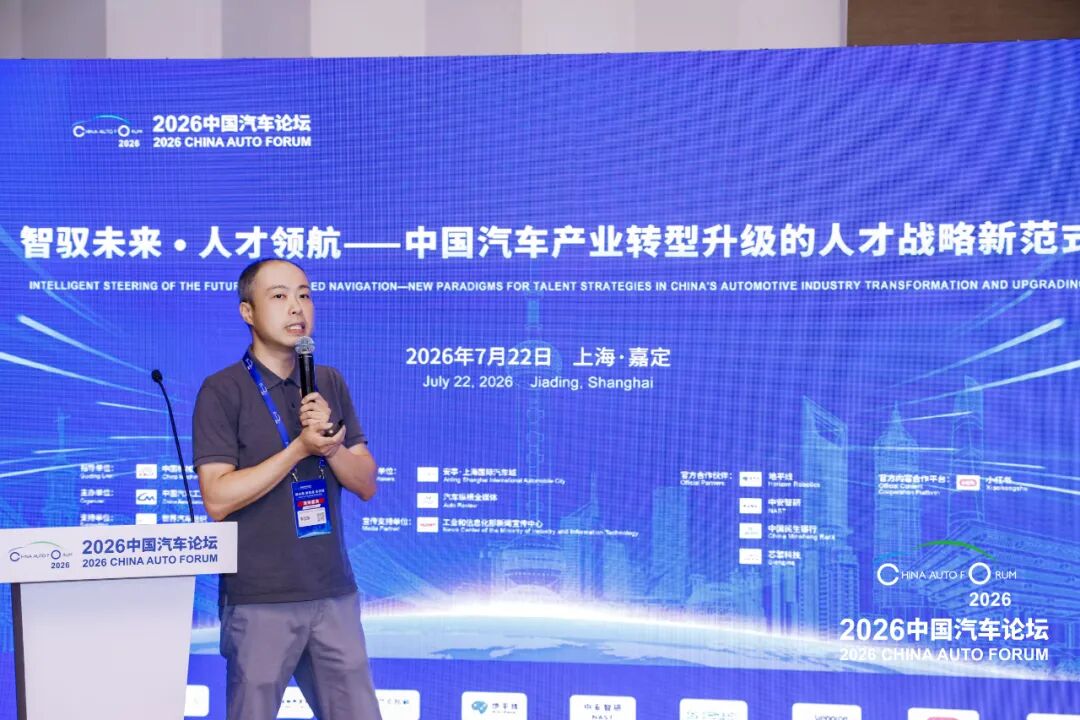
Li Zhele, Secretary-General of the China Talent Research Association's Automotive Talent Professional Committee
R&D talent is shifting from “mechanical hardcore” to “soft and hard skills integration,” displaying new characteristics of “quantitative and qualitative growth” and structural optimization. In recent years, the total number of automotive R&D talent has sustained growth (continued to grow, translated as “continued growth”), with a significant increase in the proportion of R&D personnel in leading enterprises. Meanwhile, under the trend of interdisciplinary integration, vehicle engineering is no longer the sole core discipline; electronic science, control engineering, software algorithms, and artificial intelligence have become key disciplines. Benefiting from digital tools, the average time for R&D personnel to independently handle positions has been significantly reduced, accelerating talent growth. The new era also demands new capabilities from R&D talent, requiring engineers to shift from engineer-centric thinking to user-centric and systems thinking, moving from solving single problems to addressing complex system issues, and from imitative innovation to pioneering innovation.
With continuous technological progress, skilled talent is transitioning from “pure operation” to “human-machine collaboration,” facing dual challenges of “reducing quantity while improving quality” and functional transformation. In recent years, the overall proportion of skilled talent in vehicle manufacturing has declined, but the average annual vehicle output per skilled worker has increased significantly, with a steady rise in the proportion of highly skilled talent. As automated equipment replaces repetitive production line roles, skilled talent is shifting toward equipment operation and maintenance, flexible production scheduling, and overseas supporting services. Digital and globalized operations impose new requirements on skilled talent, necessitating capabilities in automated equipment maintenance, data collection and analysis, flexible production line adjustments, and foreign languages as essential skills for overseas skilled talent.
The capability boundaries of marketing talent are also continuously expanding, with talent possessing cross-sector backgrounds being more favored by automakers. The emergence of new marketing formats imposes higher requirements on marketing talent, necessitating high coordination across brand communication, order facilitation, product delivery, and user operations. Digital tools and data-driven thinking are becoming fundamental skills. Today's marketing talent are no longer solely responsible for offline sales but must also master new marketing methods such as online content creation, emotional scenario operations, and omnichannel conversion. With young domestic groups being the primary car buyers, marketing models and talent capabilities must align with young consumers' habits.
Li Zhele believes that AI will become a new variable defining the automotive industry, with every sector—AI+R&D, AI+manufacturing, AI+HR, AI+marketing—undergoing transformation. Facing this wave, talent needs to focus on cultivating three abilities: first, efficient interaction capabilities, mastering methods to communicate with AI tools and ask precise questions to fully unleash their value; second, innovative and creative capabilities, as standardized and repetitive tasks will be replaced by AI, leaving human core competitiveness focused on original thinking and creative planning; third, resilience and adaptability, to navigate uncertain and dynamic industry environments, maintain a stable mindset, proactively embrace technological changes, and amplify personal professional value through AI.
Talent Strategies of Automakers
When an automaker can cultivate talent adapted to new technologies and markets faster than its competitors, it gains true competitiveness—a competitiveness that cannot be acquired by simply offering doubled salaries in the market.
Dong Hanyu, Head of Global Talent Recruitment at XPENG Motors, believes that with the new energy vehicle industry entering the “new four modernizations” deep waters, the underlying logic of industrial competition has shifted to a contest for “new intelligence talent.” According to Dong, XPENG Motors regards young talent as the core foundation for its long-term development and is driving a fundamental transformation in its talent strategy from “relying mainly on social recruitment with experience as a priority” to “building on campus recruitment with potential as the core.” By constructing a closed-loop integration of industry and education encompassing “pre-employment cognition, co-developed curricula, industry-academia-research collaboration, and order-based talent cultivation” and implementing the “Explorer Program” for systematic training, XPENG aims to achieve autonomous control over its talent chain and lay a solid talent foundation for the global layout of its intelligent mobility ecosystem.
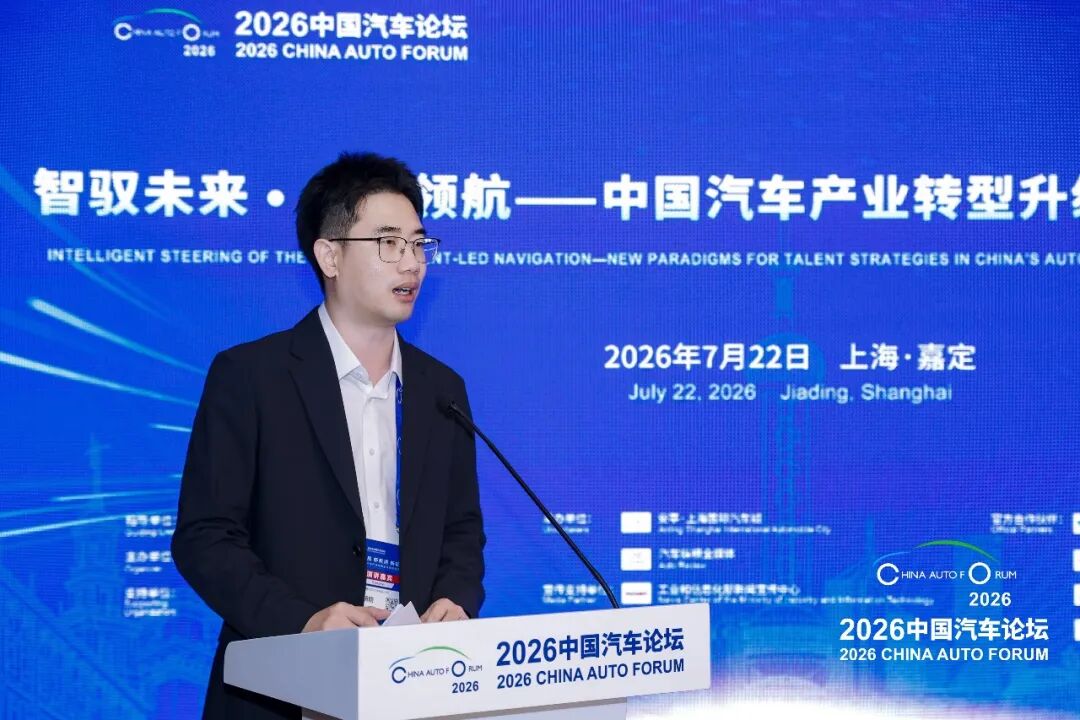
Dong Hanyu, Head of Global Talent Recruitment at XPENG Motors
In the future, XPENG Motors hopes to achieve core objectives in its talent strategy through three directions: first, building a national-level integration of industry and education community to expand cooperation scale; second, continuously implementing the “Explorer” growth system to ensure talent is “recruited effectively, nurtured well, retained, and utilized,” with sub-plans under Explorer training, including the “K Plan” for manufacturing systems and the “S Plan” for sales systems, featuring slightly different curricula and promotion mechanisms; third, deepening science-education integration and skills dual-drive, increasing research collaborations with top universities, and translating research outcomes into product and technological upgrades.
According to Ding Wuxia, HR Director and Global Recruitment Head at NIO, NIO's core HR objective is to “achieve value-driven individuals and organizations,” constructing a complete value system centered on mission, vision, five driving forces, and four core values. Adhering to the core philosophy that “HR is about people and hearts,” NIO regards value-driven approaches as the key to long-term corporate competitiveness, making values the fundamental criterion for major corporate decisions and employees' daily duties.
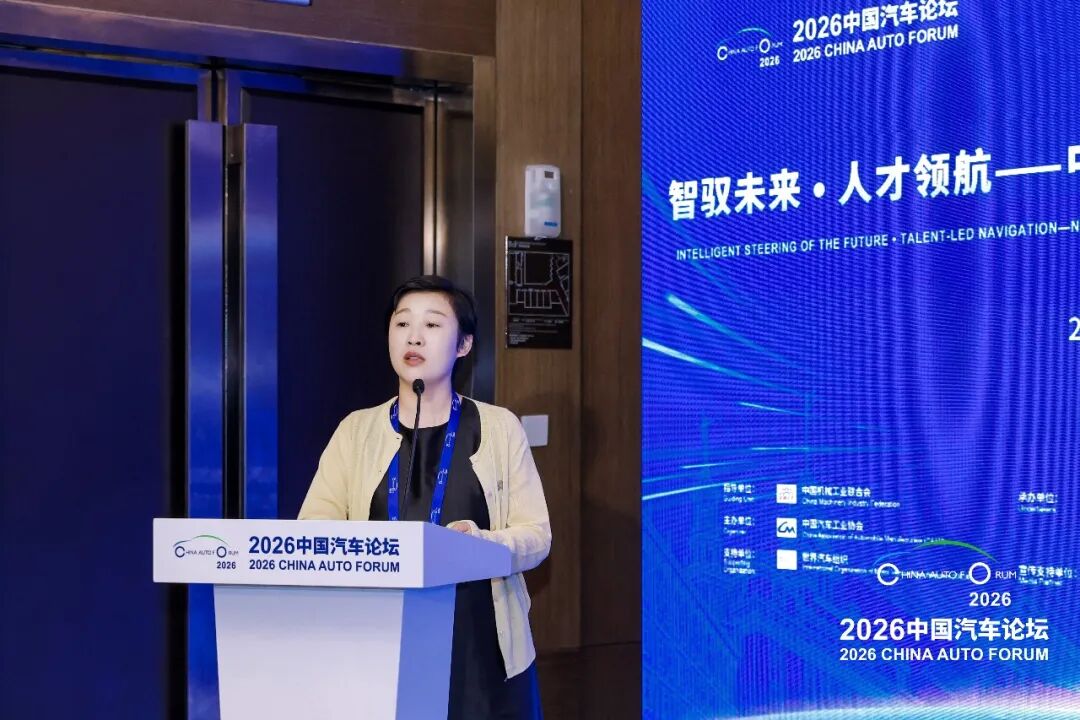
Ding Wuxia, HR Director and Global Recruitment Head at NIO
Based on this, NIO has established a standardized, closed-loop value-driven mechanism through four dimensions: value creation, value assessment, value growth, and value incentives, translating cultural values into actionable behaviors for employees and assessable metrics for the organization, uniformly implemented by all global employees.
Among them, “value creation” implements dual-track management of organizational EBIT (Earnings Before Interest and Taxes) business goals and employee VAU (Vision Action Upgrade) personal goals. Unlike traditional quantitative assessments, VAU goals focus on Potential Unleashed (potential activation, translated as “unleashing potential”) and value extension, guiding employees to go beyond basic job standards, proactively explore user needs, provide value-added services, and maximize their Job value (positional value, translated as “positional contribution”).
“Value assessment” establishes a multi-dimensional evaluation system covering organizational performance, individual performance (EI), and annual values assessment (VI), conducting comprehensive evaluations of employees' values practice through peer reviews and behavioral retrospectives, achieving dual assessments of performance and values.
“Value growth” builds a dual-channel career development system with professional (P) and managerial (M) promotion tracks, allowing employees to simultaneously hold dual ranks, enabling bidirectional growth in professional and managerial capabilities, and clearing long-term development pathways for talent.
“Value incentives” construct a diversified system combining material and honorary incentives. In addition to material rewards such as year-end bonuses and stocks, honorary awards like “Value Star” and “Value Achievement Award” are established to recognize cross-departmental value creation projects, setting benchmarks for values practice across the organization.
NIO's practices demonstrate that while culture and values may seem intangible, they are critical supports for rallying strength in adversity and achieving stable transformations amid change. It is this value-driven system that enables employees across nations to collaborate within a shared cultural framework, becoming NIO's internal strength to navigate industry cycles and sustain market competitiveness. Looking ahead, NIO will continue to foster a virtuous cycle of “value-driven culture, culture-nourished talent, and talent-created value” to achieve multi-party value symbiosis among the enterprise, employees, users, and society.
The Wuhu Model of Industry-Education Integration
The automotive industry is Wuhu's core primary industry, with Wuhu cultivating high-quality national enterprises like Chery Automobile through its industrial foundation, laying a solid industrial base for deep university-enterprise cooperation. Since Chery Automobile's establishment in 1997, Wuhu Vocational and Technical University has simultaneously launched automotive-related majors, growing alongside the enterprise for over two decades and cumulatively supplying nearly 10,000 professionals to Chery, forming a deep foundation of university-enterprise collaboration.
Peng Ding, Dean of the School of Automotive and Aeronautics at Wuhu Vocational and Technical University, systematically elaborated on the practical pathways for vocational education to deeply engage with local industries, deepen industry-education integration, and empower talent cultivation and industrial development, drawing on the experience of deep industry-education integration between Wuhu Vocational and Technical University and Chery Automobile, combined with the history, achievements, and future plans of university-enterprise collaboration.
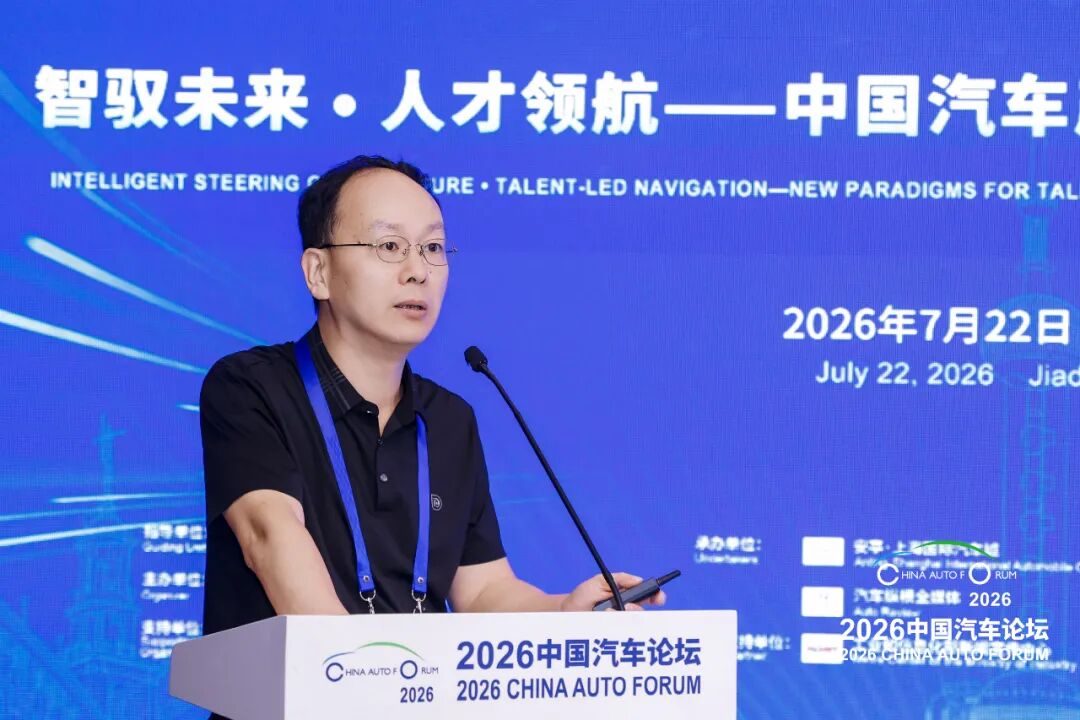
Peng Ding, Dean of the School of Automotive and Aeronautics at Wuhu Vocational and Technical University
Over the years, Wuhu Vocational and Technical University has remained true to its vocational education mission, breaking down barriers to university-enterprise cooperation, exploring a standardized and systematized model for industry-education integration, and creating a unique talent cultivation and educational system.
First, it constructs a “Nine Co-” collaboration system. The university and enterprise collaborate deeply to jointly develop talent cultivation plans, curricula, on-site engineers, entrepreneurship education, dual-qualified faculty, and enterprise standards, achieving comprehensive co-construction and sharing in talent cultivation, teaching construction, and industrial R&D.
Second, it creates a “Six-ization” distinctive educational model. With party building guidance as the core, through six initiatives—mechanism innovation, structural reshaping, spatial reconstruction, management optimization, and resource sharing—it comprehensively deepens industry-education integration reforms. This model helped the university win first prize in Anhui Province's teaching achievement awards and is now vying for national-level teaching achievement awards.
Third, it implements six innovative practical initiatives: adhering to party building for talent cultivation, deeply engaging with Chery's “Grass Hut Spirit,” building an automotive cultural resource library, accumulating over a thousand micro-educational materials, and integrating corporate red culture into the entire talent cultivation process; innovating dual-synergy mechanisms, implementing a “dual-subject university-enterprise, dual-role teachers, dual-identity students” model, relying on a faculty with senior corporate titles and industry experience to achieve co-cultivation, co-management, and co-sharing of university-enterprise talent; reshaping a flattening (flat, translated as “flat”) organizational structure, optimizing secondary college management models, implementing teacher project listings and “dual responsibilities,” breaking down barriers between institutional and corporate management philosophies; reconstructing practical training spaces, integrating teaching, service, and cultivation functions, implanting corporate management thinking, and achieving scenario-based and industrialized talent cultivation; creating an ecological operation and maintenance system, abandoning traditional university departmental setups, fully implementing corporate-style management models and project-based full-cycle management; and promoting the sharing of educational resources, relying on two national-level teaching resource libraries to open up practical training equipment, digital resources, and industry professor resources, fulfilling the original aspiration of vocational education for inclusive empowerment.
In the future, Wuhu Institute of Technology will continue to deepen its all-round cooperation with Chery Automobile. Based on the national-level municipal industry-education consortium platform, it will focus on four major directions: talent cultivation, platform construction, achievement transformation, and unwavering commitment to its original aspiration.
Firstly, it will precisely cultivate industrial talents. Efforts will be made to fully promote the construction of the On-site Engineer College and the Chery Innovative Undergraduate Experimental Class, establish the first school-enterprise joint innovation class for national vocational undergraduates, innovate talent cultivation models, arrange students to receive on-the-job training in enterprises for more than one-third of their study time, and cultivate high-end technical and skilled talents tailored to the automotive industry.
Secondly, it will upgrade the science and innovation education platform. Leveraging the resource advantages of the municipal industry-education consortium, high-quality industrial innovation platforms and Skilled Masters Studios will be established to strengthen the hardware and science and innovation foundations for the integration of industry and education.
Thirdly, it will accelerate the transformation of industry-academia-research achievements. By leveraging the resources of governments, enterprises, and schools within the consortium, collaborative efforts will be made in industrial technology research and development, as well as the implementation and transformation of scientific research achievements, promoting deep synergy and Linkage (Note: ' Linkage ' is translated as 'collaborative' in the context, but kept as is in HTML if it's a specific term or needs emphasis) development among professional clusters, industrial clusters, and innovation chains.
Fourthly, it will adhere to the original aspiration of vocational education. Based on the core positioning of serving leading industries and leading enterprise (translated as 'leading enterprises' in context) as a 'Double High' institution, it will continue to explore characteristic paths for vocational education to serve the development of local major industries, continuously accumulate high-quality educational achievements, and create a replicable and referential 'Wuhu Vocational Solution' for the integration of industry and education, thereby supporting the high-quality development of vocational education and the upgrading of the local automotive industry.
Talent prosperity leads to industrial prosperity, and strong talent leads to a strong automotive industry. Standing at the historical juncture of moving from an 'automotive powerhouse' to an 'automotive superpower', talent is not only the 'primary resource' for development but also the 'core foundation' for winning the future. Whether it is XPENG Motors' strategic determination to build an autonomous and controllable talent chain based on campus recruitment, NIO's long-termism in cohesion (translated as 'rallying' in context, but ' cohesion 组织力量' can be understood as 'rallying organizational strength') organizational strength through value-driven approaches, or Wuhu Institute of Technology's practice of integrating industry and education by taking root in the industry and growing symbiotically with leading enterprises, they all convey a common message: whoever can build systematic competitive advantages in talent cultivation, reserve, and development will gain the initiative in the fierce global industrial competition.
In-depth Coverage of the 2026 China Auto Forum:
Conference Forum: New Beginnings Usher in New Opportunities, as the Automotive Industry Embarks on a New Journey
Technology Leaders Summit: Upholding Safety Boundaries and Jointly Exploring New Directions in Automotive Technology
Theme Forum 1: Old Maps Cannot Find New Continents: Collective Reflection and Breakthroughs for Joint Venture Automakers in the New Era
Theme Forum 2: Anchoring ESG as a New Benchmark, Empowering the New Journey of Industrial Globalization
Theme Forum 3: Insurance Safeguards China's Automobiles on Their Global Voyage
Theme Forum 4: Seizing Critical Windows of Opportunity and Deepening Automotive Globalization
Theme Forum 7: Symbiotic Systems and Foreign Investment Empowering New Paths for Chinese Automobiles to Go Global
Theme Forum 8: Building a Solid Quality Foundation and Leading the New Development of the New Energy Vehicle Industry
Special Forum: Anchoring Standard Foundations and Accelerating the Popularization of StarFlash Digital Keys
-
![]()
After 315 Exposed AI Data Manipulation, Someone Finally Unveiled the Inner Workings of the GEO Industry
-
![]()
Cows Vanish from the Grasslands, While Digital Tokens Soar with the Wind
-
Buffett Goes All-In with Billions, Duan Yongping Halves Positions: Who Misjudged Google?
-
![]()
Li Shufu’s Swansong Financial Report: Two Words Capture the Essence – Global Expansion
-
![]()
Major Milestone: China’s Rocket Achieves Landing Leg Recovery for the First Time!
-
![]()
Cadillac Launches XT5 PHEV, Venturing into the Luxury Plug-in Hybrid Market
-
![]()
Is the FREELANDER 8, Minus the Land Rover Emblem, a ‘Quick Band-Aid’ or a ‘Sustainable Strategy’?
-
![]()
Can General AI Assistants Avoid Repeating the Internet's Mistakes?