Li Shufu Takes a Strategic Step Back: What Lies Ahead for Geely?
 08/19 2026
 335
335
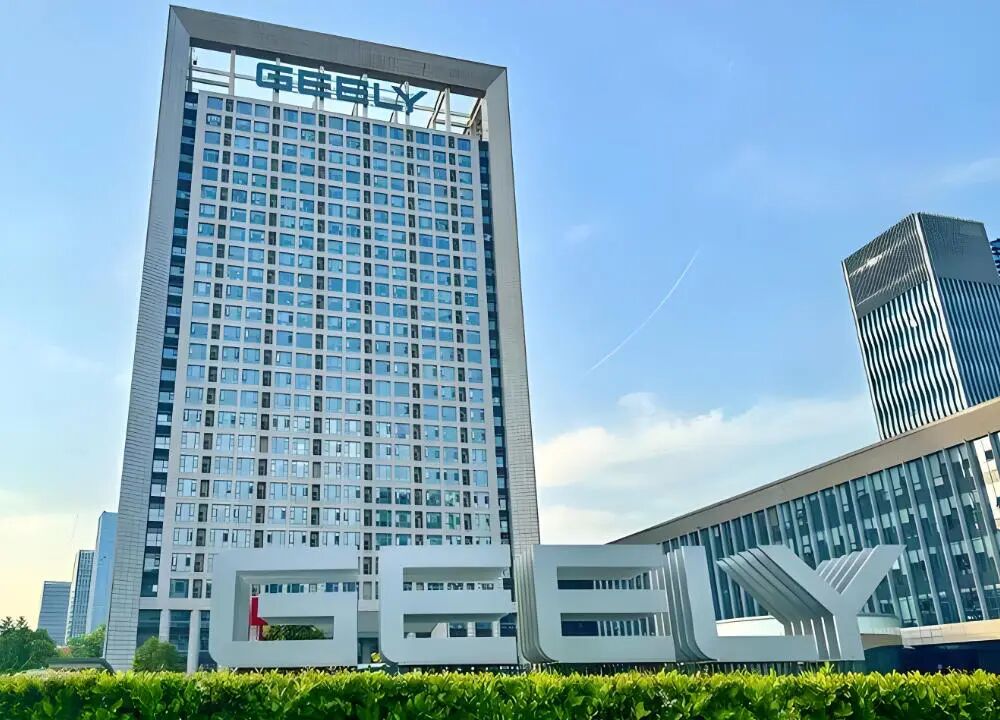
On August 17, Geely Auto made two significant announcements. One unveiled the interim results for 2026, showcasing a revenue of 173.6 billion yuan and a 46% surge in core profit, marking a new record high for the same period. The other announced a major reshuffle of the board of directors, with Li Shufu stepping down as chairman, An Conghui taking the helm, and Gan Jiayue being appointed as CEO. The simultaneous release of these announcements was clearly intentional. The former reflects the interim outcomes of strategic adjustments made over the past few years, while the latter sets the personnel tone for the next phase. Together, they outline the comprehensive implementation path of the 'One Geely' strategy.
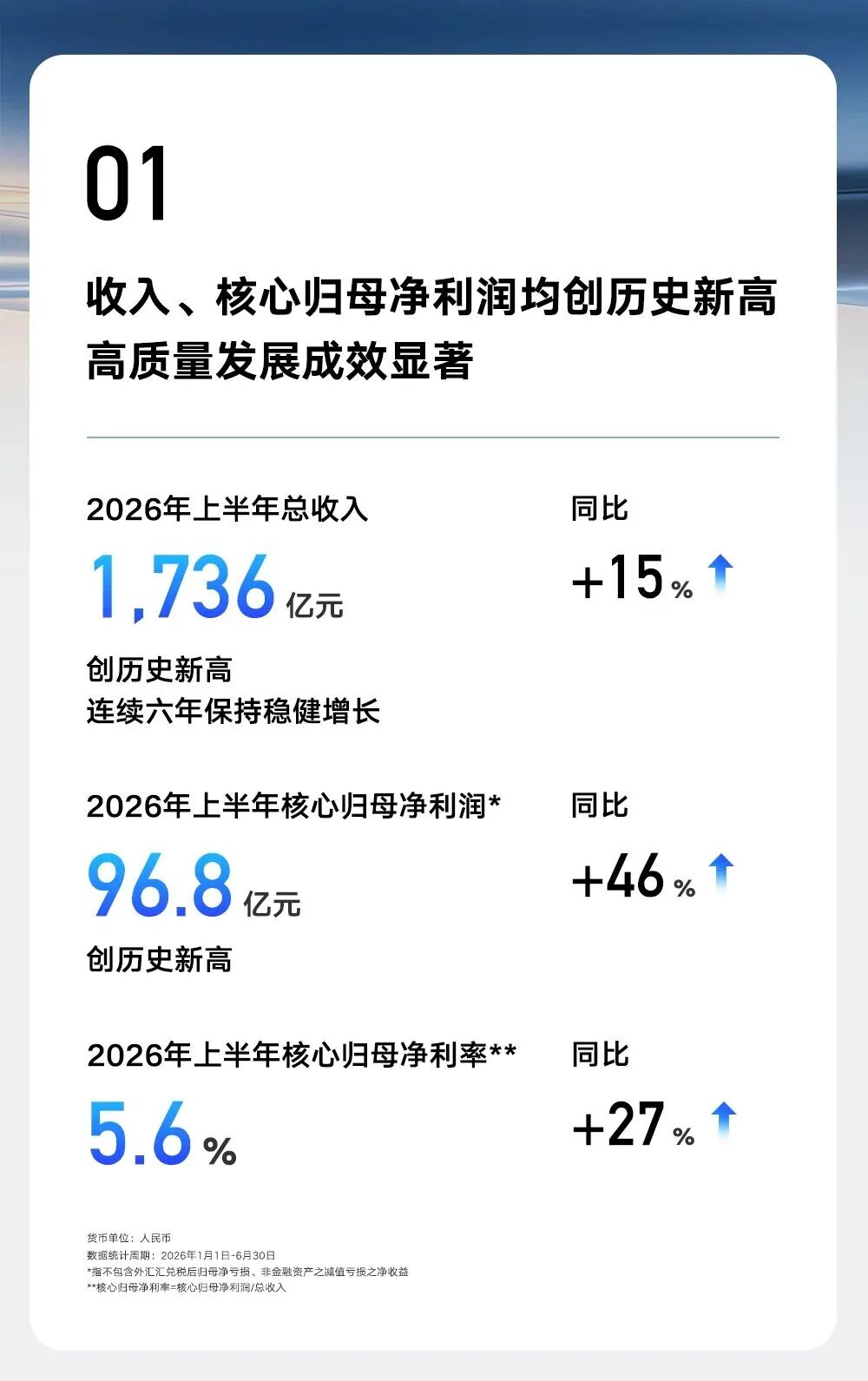
Against the backdrop of the entire automotive industry, Geely's performance stands out. In the first half of the year, the domestic auto market was engulfed in a fierce price war, with most automakers either sacrificing profits for volume or losing market share to safeguard profits. Few managed to achieve growth in both revenue and profit. Geely, however, saw only a 1% increase in total sales, yet revenue rose by 15%, and core net profit attributable to the parent company soared by 46%. This trend of 'minimal volume growth, substantial profit increase' warrants a deeper analysis beyond mere figures.
Why Did Profit Skyrocket Despite Slight Sales Growth?
Let's delve into the core operational data: In the first half, total revenue reached 173.6 billion yuan, up 15% year-on-year; core net profit attributable to the parent company was 9.68 billion yuan, up 46% year-on-year, with profit growth significantly outpacing revenue. The gross profit margin recovered to 17.9%, up 1.6 percentage points year-on-year. The average selling price per vehicle climbed to 112,000 yuan, up 16% year-on-year.
Correspondingly, total sales in the first half were 1.423 million vehicles, up only 1% year-on-year. With sales nearly stagnant, yet revenue and profit surging, the explanation is straightforward: the vehicles sold were more expensive and more profitable.
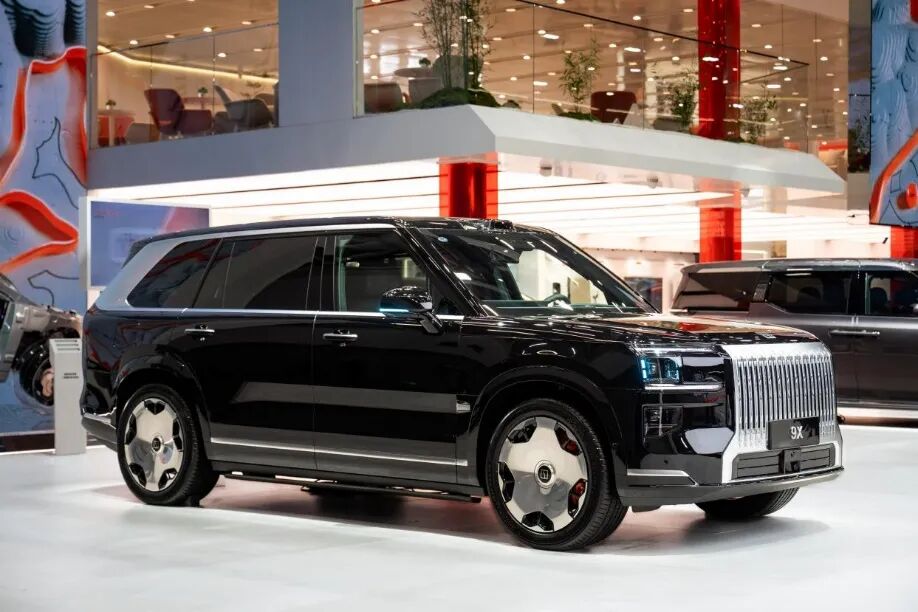
A breakdown by brand clarifies the situation. Zeekr delivered 178,000 vehicles in the first half, nearly doubling year-on-year. Although it accounted for only 12.5% of total sales, its revenue share reached 31.7%, far exceeding its sales share. This directly reflects the success of its high-end positioning. Zeekr's average transaction price is around 350,000 yuan, placing it in the realm of traditional luxury brands. Every percentage point increase in its sales share significantly boosts overall profitability, far more than mass-market models.
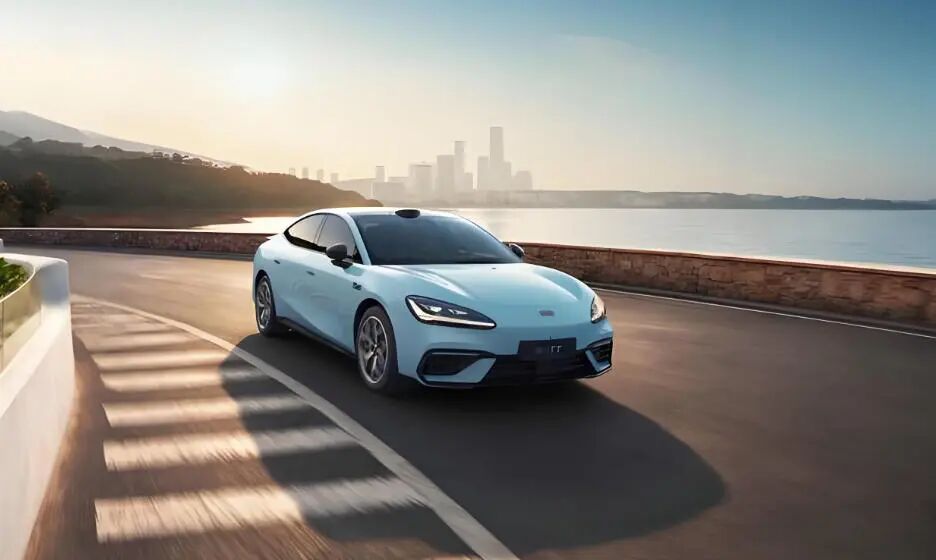
The Galaxy series sold nearly 520,000 vehicles in the first half, bolstering the new energy segment, while high pricing in overseas markets further elevated its profitability. The China Star series sold 581,000 vehicles, maintaining the fuel vehicle base, with the implementation of i-HEV hybrid technology somewhat slowing the decline of fuel vehicles.
However, we must also view profit data objectively. The net profit attributable to the parent company was 9.091 billion yuan, down slightly by 1.8% year-on-year, contrasting sharply with the high growth in core profit. This difference primarily stems from non-operating factors such as exchange gains/losses and non-financial asset impairments. Core profit, excluding one-time fluctuations, better reflects the true profitability of the main business. Yet, this also indicates that with an increasing share of overseas business, exchange rate fluctuations will have a growing impact on financial statements, an unavoidable variable in the overseas expansion process.
Personnel Adjustments Reinforce 'One Geely'
This profit increase is not solely attributable to product improvements; optimized organizational efficiency also played a significant role. In the first half, the administrative expense ratio decreased by 0.2 percentage points to 1.7%, R&D investment ratio decreased by 0.3 percentage points to 5.2%, and despite significant overseas expansion, the sales expense ratio remained flat year-on-year. The effects of quality and efficiency improvements are evident in the financial statements. Behind this efficiency boost lies the 'One Geely' strategy, which has advanced from R&D and supply chain to marketing and corporate governance.
Just over half a month ago, Geely Auto Group Sales Corporation was officially established, comprising six first-tier sales companies for China Star, Galaxy, Lynk & Co, Zeekr, etc., all under the unified leadership of Lin Jie. This was not merely a personnel appointment but the integration of previously independent sales systems into a unified framework.
Previously, with multiple brands operating in parallel, issues such as overlapping channels, fragmented user operations, and internal competition for marketing resources persisted. Now, while maintaining each brand's market sensitivity at the front end, the middle and back ends share channel, user, and supply chain resources, essentially achieving cost reduction and efficiency improvement through organizational reform.
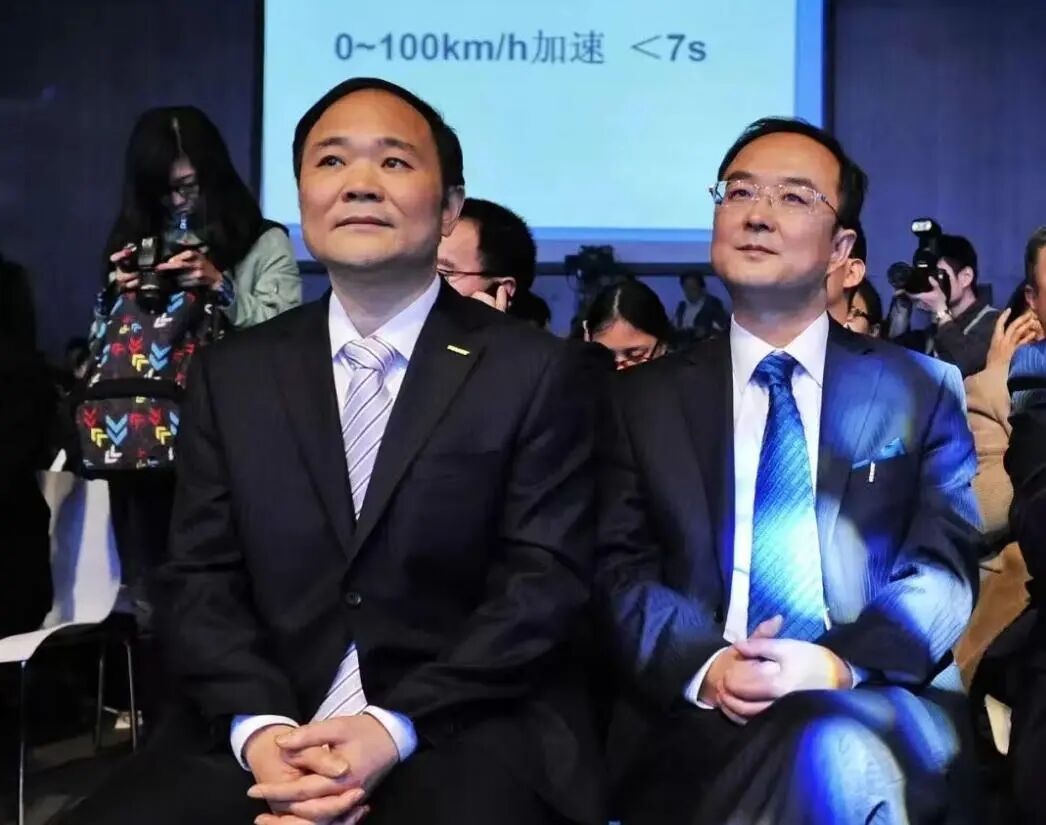
The board adjustments further elevated this integration to the governance level. Li Shufu resigned as board chairman to become Lifetime Honorary Chairman, with An Conghui succeeding as chairman and Gan Jiayue appointed as CEO. According to official statements, this was to improve the authorized operation mechanism for professional managers, essentially entrusting daily operations entirely to a professional team while Li Shufu continues as chairman of Geely Holding Group to oversee strategic direction. An Conghui, a seasoned veteran within the Geely system, is well-versed in the 'One Geely' strategy. Gan Jiayue, with extensive experience in finance and operations, complements An's strategic focus with a need for refined operations.
From organizational restructuring at the beginning of the year to sales integration and now board transitions, a series of coordinated moves have gradually translated the 'One Geely' strategy from a slogan into tangible implementation across R&D, production, sales, and even corporate governance.
Overseas Expansion and Intelligent Layout for Sustainable Success
While structural upgrades in the domestic market have yielded results, the real growth potential lies overseas. In the first half, Geely exported 474,200 vehicles, up 158% year-on-year, surpassing total exports for the entire year of 2025.
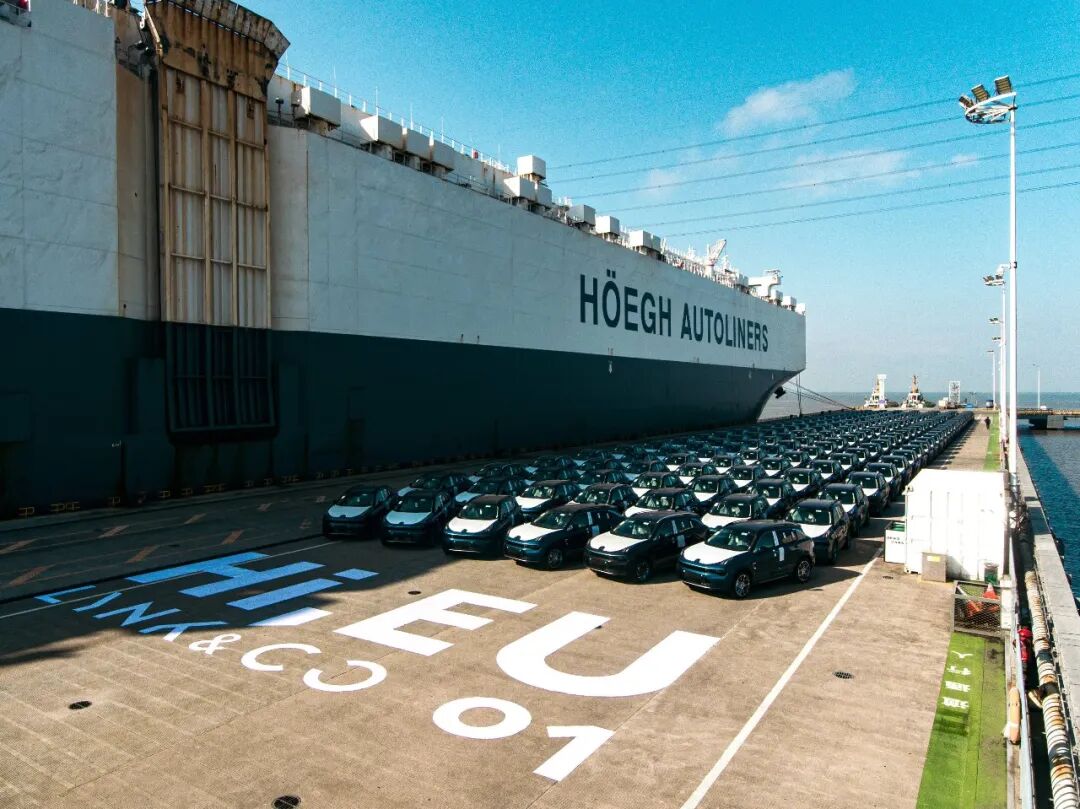
Among them, new energy vehicle exports reached 277,200 units, up 585% year-on-year, accounting for nearly 60% of total exports, gradually shifting away from the old model of relying on low-priced fuel vehicles for overseas sales. Monthly exports exceeded 100,000 units in June and July, with the annual export target raised from the initial 640,000 units to 920,000 units, while striving for 1 million units.
Unlike many automakers that simply export complete vehicles, Geely adopts an 'industrial symbiotic' asset-light approach, collaborating with overseas partners such as Volvo, Proton, Renault, and Ford to leverage their production capacity and channels for rapid market entry. This not only circumvents some tariff barriers but also reduces the risks of heavy asset investment.
Currently, 12 overseas factories are operational, with a total capacity exceeding 650,000 units, and an additional factory set to commence production by year-end. While this model offers rapid expansion and lower risks, it also demands higher standards for localized operations and quality control systems. Whether local market reputation can be maintained remains to be seen over time.
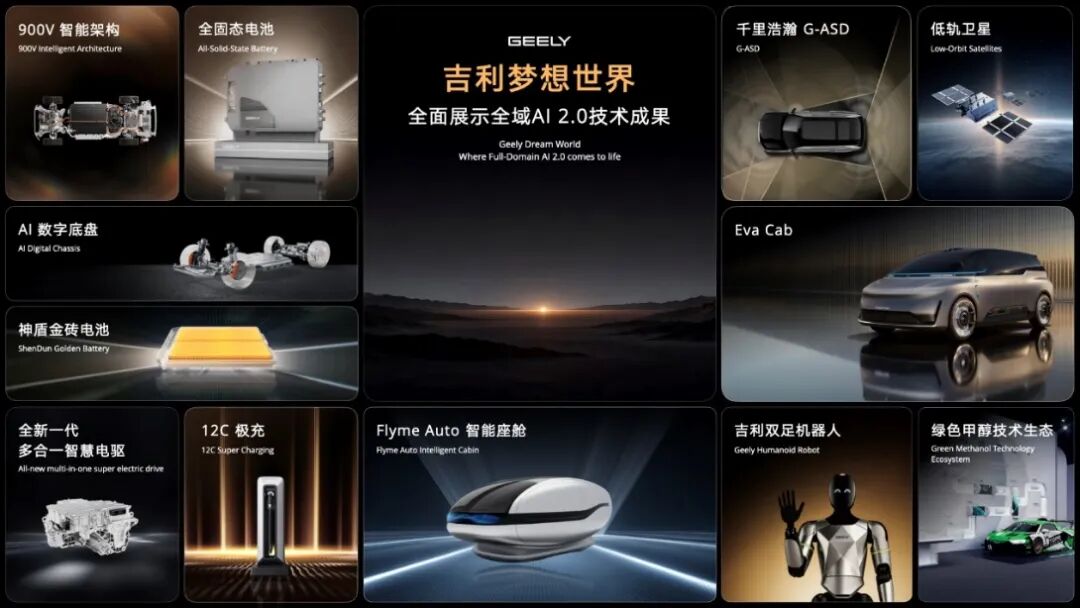
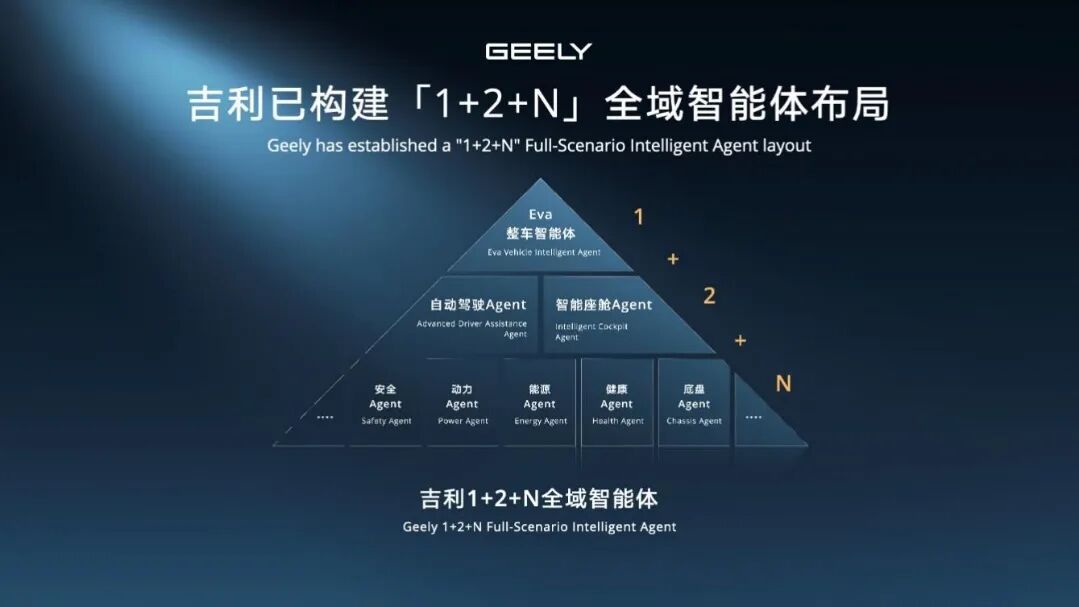
For the second half of the year, Geely's core focus is on ubiquitous AI. R&D investment reached 9.061 billion yuan in the first half, up 8% year-on-year, primarily directed towards intelligent technologies, three electric systems (batteries, electric motors, electronic control), and cutting-edge technologies. While nearly every company in the industry is promoting AI-driven intelligent driving and AI cockpits, Geely's distinctive feature is its comprehensive layout, with AI penetration spanning chips, large models, chassis, and powertrains, even extending to R&D and production processes.
However, objectively speaking, the intelligent technology arena is becoming increasingly homogeneous, making it difficult to maintain parameter-based advantages long-term. Ultimately, user experience and the speed of scalable implementation will determine success. Whether Geely can differentiate itself through ubiquitous AI remains to be seen.
Overall, Geely's interim financial report, coupled with the simultaneous personnel adjustments, serves as both a phased summary and the opening of a new chapter. Over the past few years, Geely has been consolidating, from brands to R&D to sales, and has now established a smooth operational framework, with results beginning to reflect in profits. High-end positioning is led by Zeekr, globalization is accelerating, and the core business is supported by China Star and Galaxy, enhancing risk resistance compared to previous years.
Yet, there is no room for complacency. The domestic fuel vehicle market continues to contract, with no sign of abating in the 100,000-150,000 yuan price range, and Galaxy faces significant pressure from leading competitors. Overseas markets are growing rapidly, but trade barriers and localized operational challenges are just beginning to surface. The intelligent technology arena is even more crowded, making differentiation a formidable task.
The success of the new organizational structure and management team in leveraging their resources remains to be seen. The automotive industry's elimination race continues, and temporary profit growth proves little. The true test lies in sustainably converting quality advantages into stable market share.
-
![]()
Can L1, the Shargeek AI Glasses That Once Stopped Production Voluntarily, Make a Resurgence? A Firsthand Account
-
![]()
Latest US Consumer Car Purchase Report: Seats and Driving Assistance Top Picks, Auto Parking Makes Debut on List
-
![]()
Chengdu Auto Show Preview: Xiaomi and AITO Take Diverse Approaches, Leaving NIO as the Lone BEV Purist
-
![]()
Is It Worth It for CATL to Acquire Zhongheng Electric for 4.1 Billion?
-
![]()
After 315 Exposed AI Data Manipulation, Someone Finally Unveiled the Inner Workings of the GEO Industry
-
![]()
Cows Vanish from the Grasslands, While Digital Tokens Soar with the Wind
-
Buffett Goes All-In with Billions, Duan Yongping Halves Positions: Who Misjudged Google?
-
![]()
Li Shufu’s Swansong Financial Report: Two Words Capture the Essence – Global Expansion