Is the FREELANDER 8, Minus the Land Rover Emblem, a ‘Quick Band-Aid’ or a ‘Sustainable Strategy’?
 08/19 2026
 466
466
Lead | Introduction
Recently, the FREELANDER 8 has officially launched its global pre-sale campaign. As the inaugural mass-produced model from the new brand jointly forged by Chery and Jaguar Land Rover, this vehicle is positioned as a premium tech-savvy all-terrain SUV. It offers multiple configurations with five and six-seat options, priced between RMB 339,900 and RMB 459,900. Stripped of the traditional Land Rover badge, the FREELANDER 8 no longer clings to the identity of an established luxury off-roader. Instead, it blends a luxurious cabin, intelligent technology, and all-terrain prowess, marking a fresh endeavor by a joint venture automaker to transition into the new energy sector. It also raises an industry question about balancing classic heritage with contemporary innovation in the fiercely competitive mid-to-high-end SUV market.
Produced by | This article is produced by: Heyan Yueche Studio
Written by | Article written by: Yun Li
Edited by | Editing by: He Zi
Full text: 2,776 characters
Reading time: 4 minutes
The FREELANDER brand signifies a new joint venture between Chery and Jaguar Land Rover, characterized by dual innovation in technology and business model. It also represents a landmark shift from one-way technology input to two-way technology co-creation in the post-joint venture era, seen by the industry as a pivotal turning point for Chery Jaguar Land Rover towards Joint Venture 3.0.
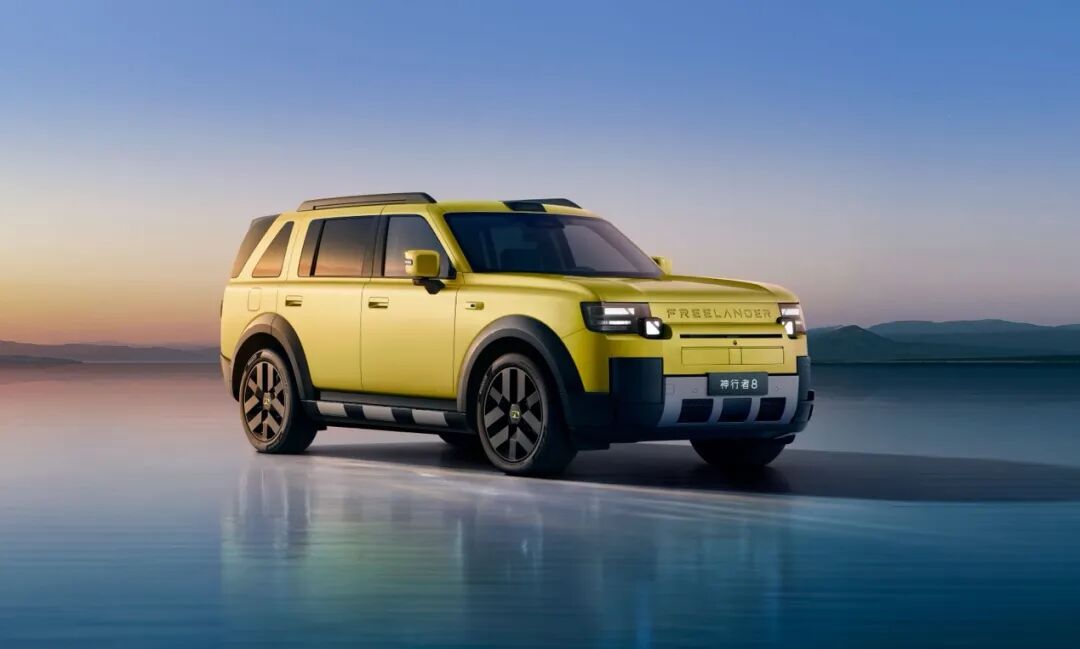
△ The FREELANDER 8 officially commences global pre-sale
The FREELANDER 8: Chery Jaguar Land Rover’s Inaugural Shot in the Joint Venture 3.0 Era
The new model embodies a new development paradigm of ‘British heritage + Chinese smart manufacturing + global supply chain.’ It extends Land Rover's over 70-year all-terrain off-road legacy while incorporating China's new energy intelligent technology and localized luxury aesthetics. Whether the FREELANDER 8, sans the Land Rover badge, can break through market constraints and whether the new product form, blending off-road genes with family luxury attributes, will gain consumer acceptance are key industry concerns.
As the pioneering work of Chery Jaguar Land Rover’s Joint Venture 3.0 era, the FREELANDER 8's debut signifies a strategic breakthrough for established joint venture automakers to reconstruct their development logic. The pre-sale lineup of the FREELANDER 8 is clearly structured, with the five-seat version starting at RMB 339,900. The six-seat version offers three configurations: PRO, MAX, and MAX+, priced between RMB 349,900 and RMB 429,900. Additionally, there are 1,000 limited-edition launch models available at a fixed price of RMB 449,900.
Some say the new model is fully equipped across the board, covering three core product dimensions: high performance, all-terrain capability, and intelligent luxury. The manufacturer defines it as a flagship model that inherits the classic while breaking boundaries. The global CEO of FREELANDER also stated, ‘The new model aims to integrate over 70 years of luxury off-road heritage with cutting-edge intelligent technology, breaking the homogenization trap of traditional luxury SUVs.’
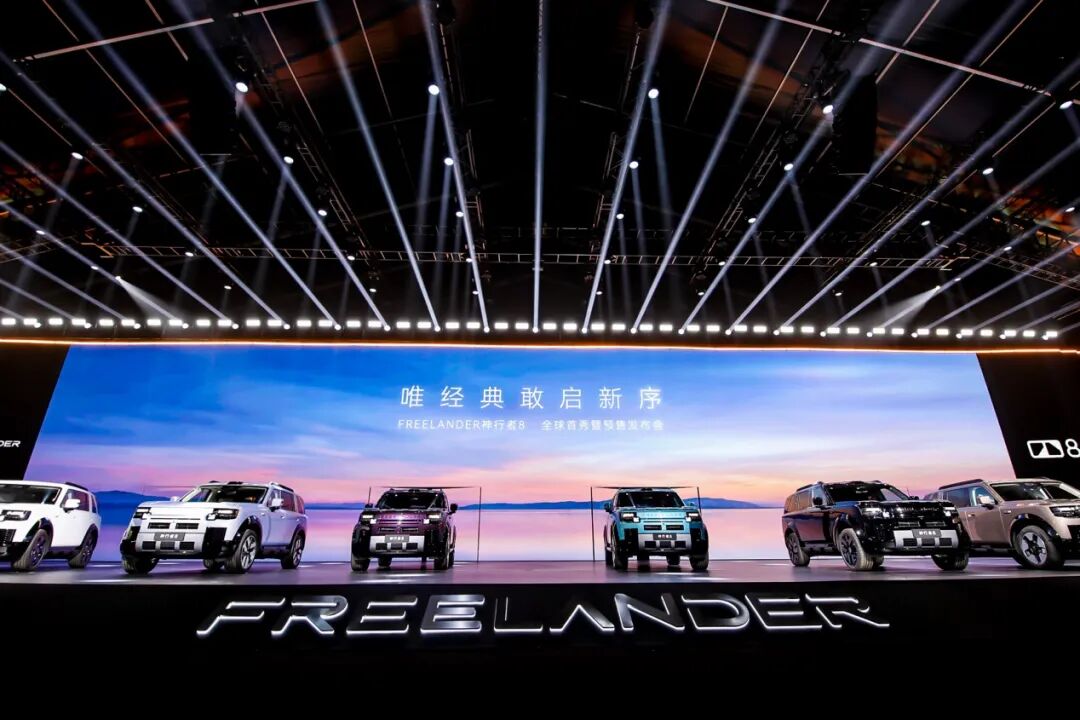
△ The new model embodies a new development paradigm of ‘British heritage + Chinese smart manufacturing + global supply chain’
Reviewing the development history of automotive joint ventures in China, the industry has long been divided into distinct eras. The Joint Venture 1.0 era was dominated by one-way technology and model input from overseas brands, with domestic automakers responsible for localization production and channel sales, while core technologies and brand influence were entirely controlled by foreign parties. The Joint Venture 2.0 era saw initial localization adaptations, with automakers optimizing space, configurations, or range for the Chinese market, but core R&D systems and technical standards remained outside autonomous control. As the wave of new energy and intelligence swept through the market, the drawbacks of traditional joint venture models became increasingly apparent, with established joint venture automakers continuously losing market share. In the Joint Venture 3.0 era, these established automakers will face a do-or-die battle.
For a long time, Chery Jaguar Land Rover has been constrained by the traditional joint venture system, appearing somewhat passive in new energy transition, intelligent cockpit, and intelligent driving technology iterations. Both the FREELANDER brand and the FREELANDER 8 represent explorations and implementations of the Joint Venture 3.0 model.
The arrival of the FREELANDER 8 precisely fills the competitiveness gap, utilizing an industry-leading 800V high-voltage extended-range platform, Huawei's ADS intelligent driving system, Qualcomm's flagship cockpit chip, and a series of strategic moves to address shortcomings in intelligence and new energy. At the same time, it aligns with domestic consumer demands through localized luxury configurations and multi-scenario space layouts, helping the brand step out of the traditional joint venture competition and establish a foothold in the high-end new energy market dominated by new forces.
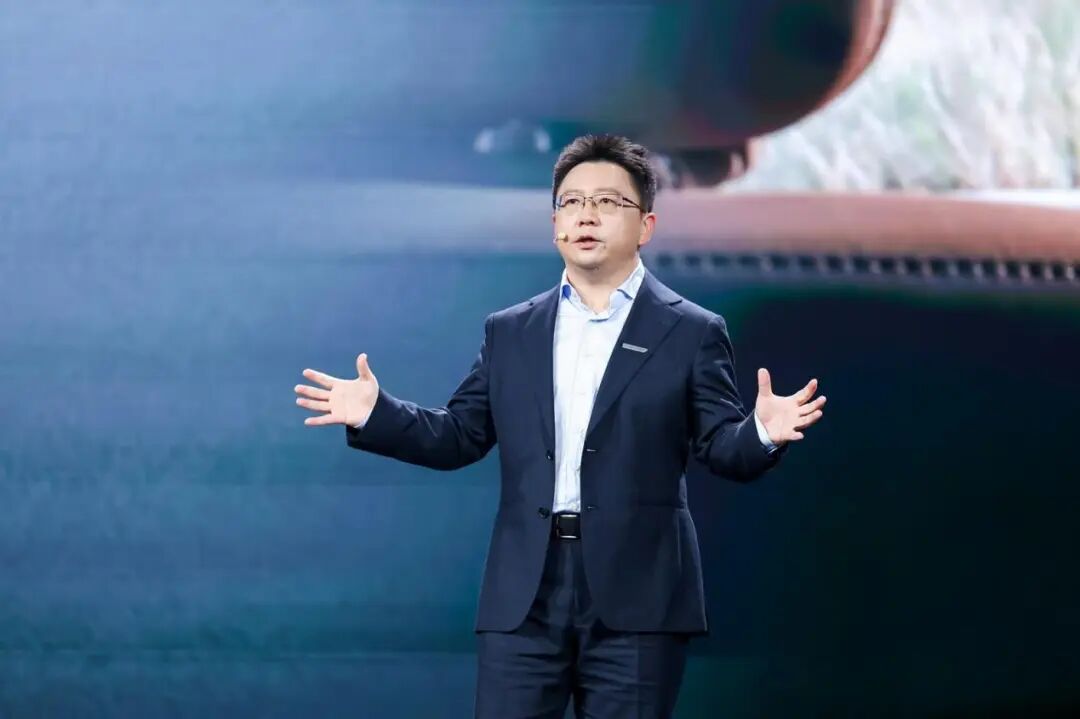
△ Wen Fei, Global CEO of FREELANDER, Director and Executive Vice President of Chery Jaguar Land Rover
Is the FREELANDER Still a Land Rover Without the Badge?
Some argue that without the classic Land Rover badge, the product loses its core brand premium and cannot be considered ‘classic.’ However, in Chery Jaguar Land Rover's product logic, true classics are not just about the logo but about the continuation of heritage and continuous breakthroughs.
The FREELANDER 8 breaks free from the single framework of traditional hardcore off-road SUVs, abandoning the shortcomings of older off-road models that emphasized performance while neglecting comfort and intelligence. It reshapes the standards for luxury all-terrain SUVs with ‘classic heritage + cutting-edge innovation,’ aiming to create a new species with no weaknesses.
At the most intuitive cockpit level for users, the FREELANDER 8 aligns with Chinese consumers' core demands for luxury family vehicles, maximizing the localized advantages of ‘fridge, TV, sofa.’ According to reports, the new model's interior features top-tier materials such as Ayous solid wood and New Zealand net-zero carbon NAPPA leather, paired with exquisite craftsmanship, showcasing a remarkable luxury foundation.
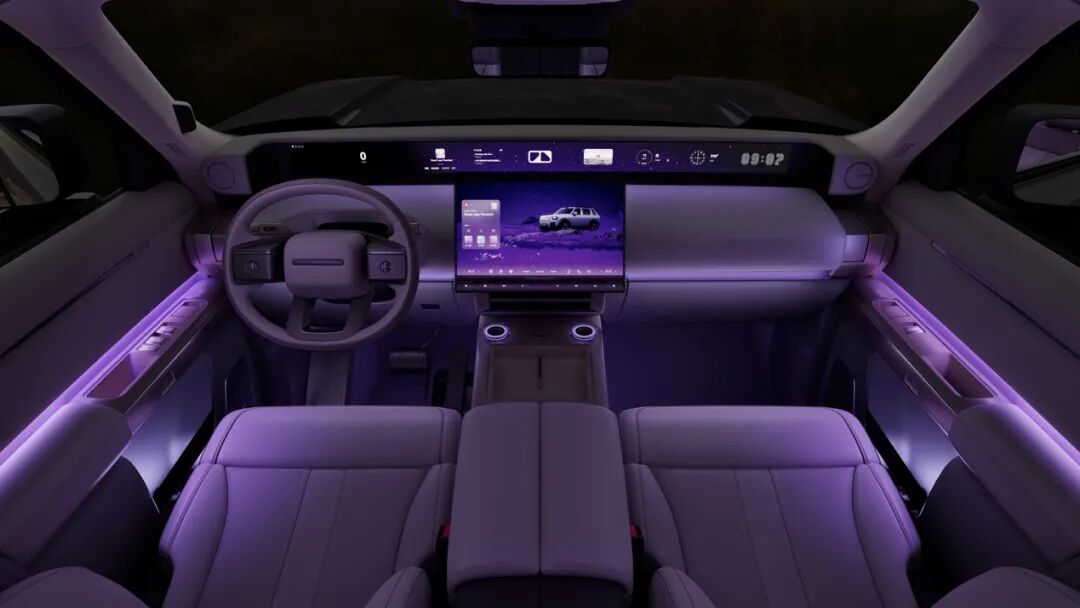
△ The FREELANDER 8 aligns with Chinese consumers' core demands for luxury family vehicles
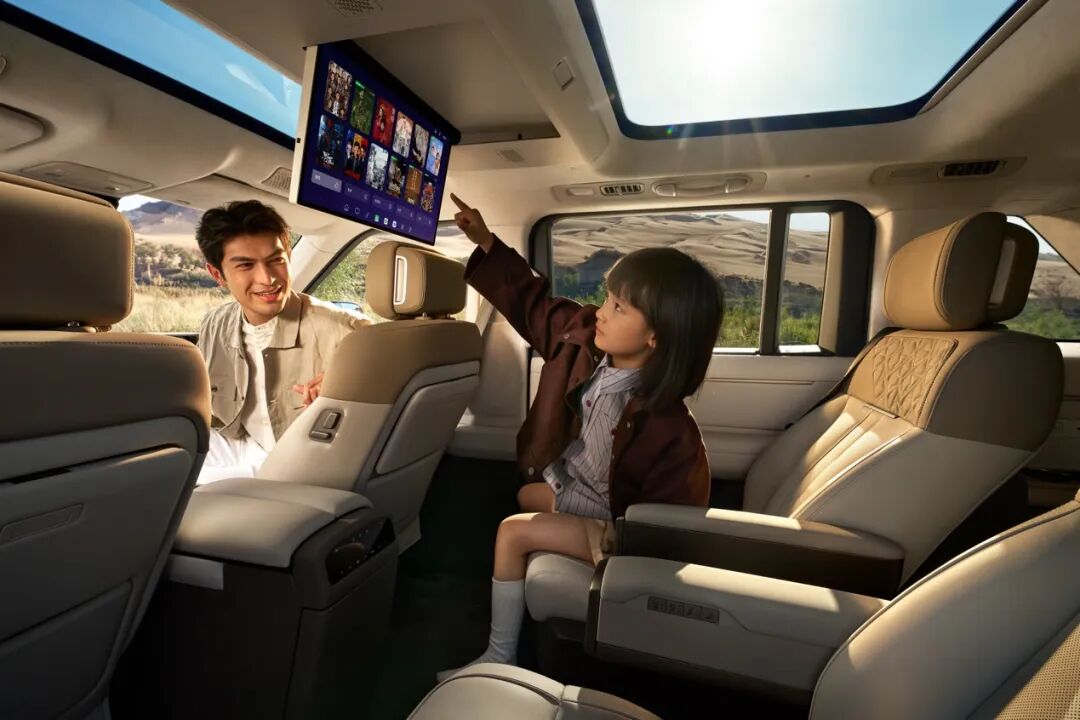
In terms of space, it achieves so-called ‘equal rights for all seats,’ with the front commander's seat balancing control and comfort, the second-row zero-gravity seats equipped with multi-dimensional massage, heating, and ventilation functions, and the third row breaking away from the traditional ‘useless’ positioning to offer class-leading space and comfort configurations, significantly improving the common issue of cramped rear seats in hardcore SUVs.
Additionally, the entire lineup is equipped with a 10L intelligent clean cooler, multi-scenario intelligent ambient lighting, and an audio-visual system featuring a second-row ceiling-mounted TV, further enhancing home comfort and luxury, highly meeting the core needs of family users.
According to the manufacturer, comprehensive breakthroughs in intelligence are a core highlight of the FREELANDER 8, surpassing traditional joint venture Land Rover models. The new model claims to be the first in the world to feature Qualcomm's 8397 flagship automotive-grade chip, providing long-lasting smooth experiences supported by leading computing power. Paired with a massive 46.3-inch far-end triple screen and a new HMI system developed using Unreal Engine 5.6, it offers cinematic 3D interactive experiences.
△ The new model offers cinematic 3D interactive experiences
In terms of intelligent driving, the new model comes standard with Huawei's ADS 5 intelligent driving system, equipped with an 896-line LiDAR and rear solid-state LiDAR, enabling centimeter-level perception accuracy and full-scenario intelligent assisted driving.
Of course, ‘deep off-road capability’ remains a core focus of the FREELANDER 8. Leveraging the brand's 78 years of all-terrain technology accumulation, the new model features what it claims to be the world's only i-ATS intelligent all-terrain system, equipped with three locks, ensuring a maximum wading depth of 900mm, 100% gradeability, and 800mm cross-axle clearance.
The new model also covers nine all-terrain modes, enabling 0.5-second rapid terrain recognition and mode switching. Additionally, the entire lineup comes standard with an 800V high-voltage extended-range platform, dual-motor four-wheel drive, and a two-speed rear motor, balancing off-road performance with commuting efficiency, truly achieving a good balance between hardcore off-roading, luxury comfort, and intelligent technology.
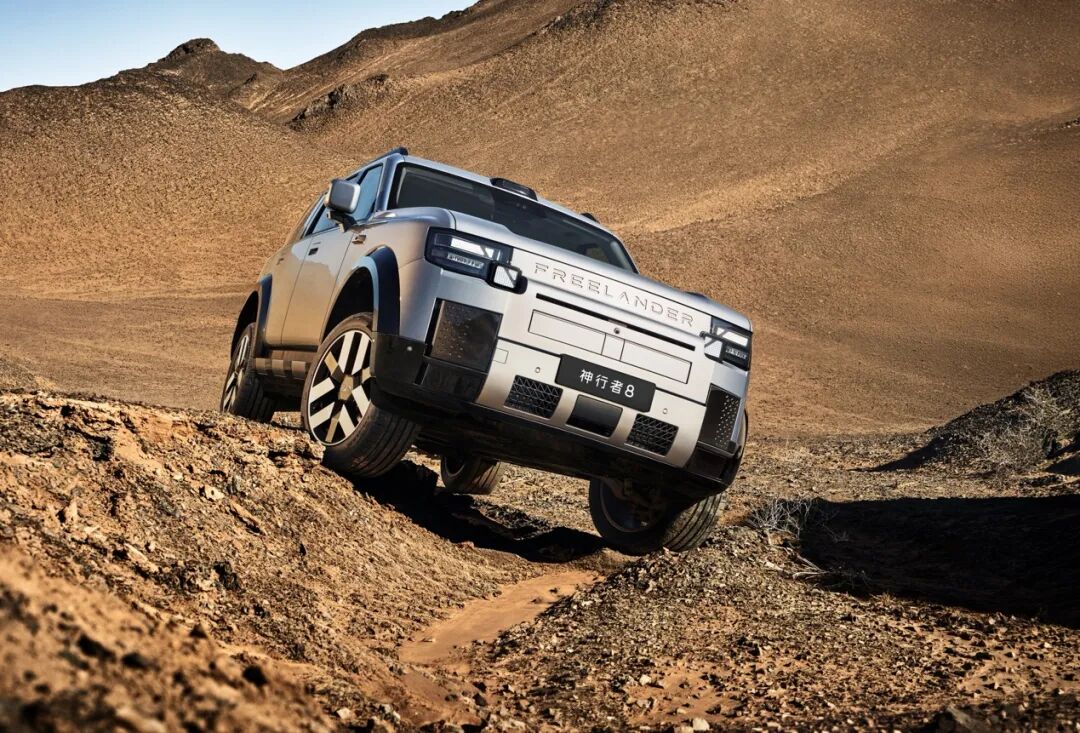
△ ‘Deep off-road capability’ remains a core focus of the FREELANDER 8
The FREELANDER 8 Takes a Risk to Help Jaguar Land Rover Emerge from Its Slump
In recent years, traditional joint venture brands have continued to decline, with second-tier luxury market share being eroded by domestic premium brands and new forces. Jaguar Land Rover's sales in China have plummeted from a peak of 146,000 units to less than 40,000 units annually, with channel contractions, terminal price cuts, and product aging becoming concentrated issues.
Against this backdrop, Chery Jaguar Land Rover breaking away from the traditional joint venture framework and launching a new independent brand is not a complete negation of the past but a strategic upgrade that builds on previous successes. It marks the evolution of their cooperation from simple model joint ventures to a new model of technology sharing, resource interchange, complementary strengths, and mutual empowerment. It is also a core starting point for the brand's transformation towards intelligence, youthfulness, and scenario-based adaptations.
From short-term market feedback, the FREELANDER 8 has generated strong buzz and product competitiveness. Its new brand positioning without the Land Rover badge, seemingly all-around product strength, and sincere pre-sale incentives can quickly attract market curiosity and tap into dual customer segments of high-end families and off-road enthusiasts, bringing incremental sales to the brand in the short term. However, from a long-term perspective, the model still faces numerous uncertainties.
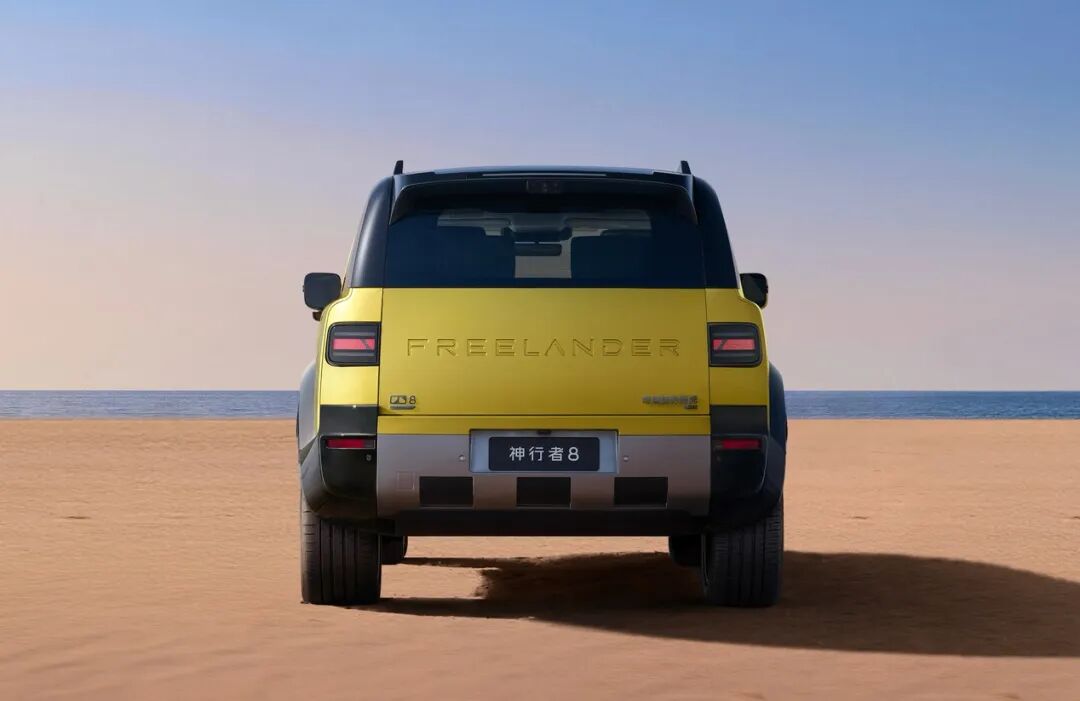
△ The FREELANDER 8 represents a bold attempt by traditional joint venture automakers to transform
Without the high recognizability and brand premium of the Land Rover badge, the new FREELANDER brand lacks market recognition accumulation. Whether consumers will accept a new product form with ‘off-road genes but no Land Rover badge’ remains unknown. Meanwhile, the fiercely competitive 300,000-yuan-plus high-end new energy SUV market sees new force models excelling in intelligent ecosystems, user engagement, and brand youthfulness. Whether the FREELANDER 8 can sustain breakthroughs, escape short-term hype, and build long-term market competitiveness remains to be seen.
Commentary
The FREELANDER 8 represents a bold attempt by traditional joint venture automakers to transform. It may serve as both a ‘quick band-aid’ to address market crises and a strategic solution for long-term development. It abandons the arrogance and stubbornness of established luxury brands, focusing on localized needs while integrating overseas heritage and Chinese smart manufacturing to reconstruct the product logic of luxury all-terrain SUVs. In the short term, the new model can quickly fill Chery Jaguar Land Rover's new energy product gap and activate brand market enthusiasm. In the long term, its ability to break through brand recognition constraints, continuously iterate product strength, and build differentiated competitive advantages will directly determine the success or failure of Chery Jaguar Land Rover's Joint Venture 3.0 model and provide crucial reference samples for the entire traditional joint venture industry's transformation.
(This article is original to Heyan Yueche and may not be reproduced without authorization.)
-
![]()
Can L1, the Shargeek AI Glasses That Once Stopped Production Voluntarily, Make a Resurgence? A Firsthand Account
-
![]()
Latest US Consumer Car Purchase Report: Seats and Driving Assistance Top Picks, Auto Parking Makes Debut on List
-
![]()
Chengdu Auto Show Preview: Xiaomi and AITO Take Diverse Approaches, Leaving NIO as the Lone BEV Purist
-
![]()
Is It Worth It for CATL to Acquire Zhongheng Electric for 4.1 Billion?
-
![]()
After 315 Exposed AI Data Manipulation, Someone Finally Unveiled the Inner Workings of the GEO Industry
-
![]()
Cows Vanish from the Grasslands, While Digital Tokens Soar with the Wind
-
Buffett Goes All-In with Billions, Duan Yongping Halves Positions: Who Misjudged Google?
-
![]()
Li Shufu’s Swansong Financial Report: Two Words Capture the Essence – Global Expansion