Cadillac Launches XT5 PHEV, Venturing into the Luxury Plug-in Hybrid Market
 08/19 2026
 564
564
Recently, Cadillac has officially released the official images of its brand-new XT5 PHEV and announced that pre-sales for this vehicle will kick off on August 21 at the Chengdu Auto Show. As Cadillac's inaugural plug-in hybrid SUV in the Chinese market, the XT5 PHEV fills a crucial gap in the brand's plug-in hybrid lineup and is poised to become a key model shaping Cadillac's future market trajectory. 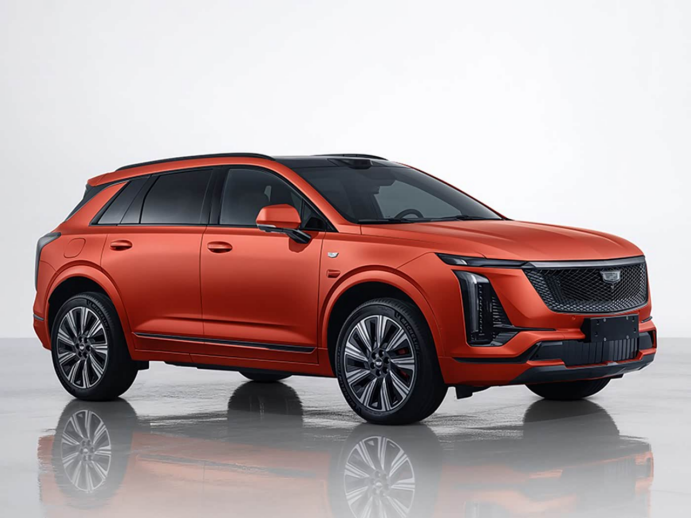
The introduction of this new model aligns with a significant strategic renewal for SAIC-GM. SAIC Motor and General Motors recently signed a joint venture renewal agreement, with both parties pledging to increase investment in the new energy sector. According to the plan, SAIC-GM, Buick, and Cadillac will launch at least 30 new energy models in the coming years.
The all-new XT5 PHEV leads the charge in Cadillac's new wave of new energy product releases. Public information reveals that the new XT5 PHEV addresses several shortcomings of its predecessor, the gasoline-powered version, in terms of configuration. The vehicle is outfitted with the Momenta R7 world model and features a LiDAR system, enabling the gradual activation of highway and urban NOA (Navigate on Autopilot) upon delivery. It boasts a dual-motor all-road plug-in hybrid system powered by Ultium 5C ternary lithium batteries and an all-road electric Hummingbird chassis. Through a cutting-edge electronic architecture, the vehicle seamlessly integrates perception, decision-making, and execution, allowing it to better interpret the driving intentions of the Momenta R7 world model and achieve comprehensive intelligent synergy.
This model not only reduces daily usage costs for users but also strikes a balance between economic efficiency for daily commuting and the dynamic experience of a luxury vehicle, addressing issues such as high fuel consumption and inadequate intelligent configurations in gasoline-powered cars. 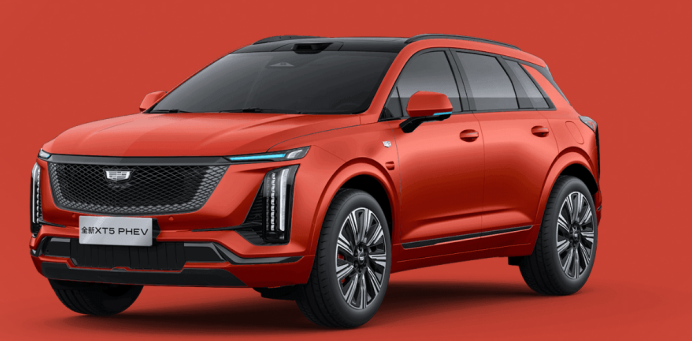
Reflecting on Cadillac's market performance in recent years, the brand's overall sales have exhibited a clear downward trend. In 2021, Cadillac achieved annual sales of 233,000 units in China, but sales have declined year-on-year since then. In 2022, annual sales dropped to 186,000 units; in 2023, they further decreased to 178,000 units; and in 2024 and 2025, sales fell to 128,000 units and 102,000 units, respectively. The downward trend persisted in 2026. From January to July of this year, the brand's cumulative sales reached 44,557 units, with the gasoline-powered XT5 contributing 18,418 units, accounting for 41%; the CT5 sold 13,514 units, with these two models contributing over 70% of total sales.
The performance of other models has been lackluster, with the XT4 (cumulative sales) at 3,696 units, the XT6 at just 473 units, the CT6 at 889 units, and the CT4 at a mere 2 units. The IQ series of pure electric vehicles and the Cadillac Celestiq have also failed to provide significant sales support. The brand's sales heavily rely on two gasoline-powered models, and its multi-model portfolio has clearly contracted. 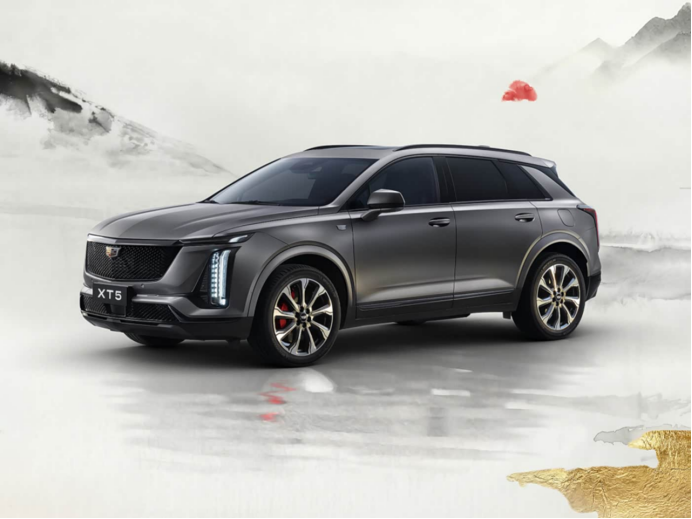
Meanwhile, the market space for second-tier luxury gasoline-powered SUVs continues to shrink, as first-tier luxury brands lower their entry thresholds through terminal price adjustments, and domestic brands continue to capture mid-to-high-end consumer groups. Public data shows that in July this year, total sales of new energy passenger vehicles reached 918,000 units, with plug-in hybrid models accounting for 216,000 units.
In the plug-in hybrid SUV market, the Haval Menglong New Energy sold 6,183 units in July. Similar trends are evident in the MPV market, where total domestic MPV retail sales reached 76,000 units in July. High-end new energy MPVs priced around 300,000 yuan maintained growth, with the Zhijie V9 topping the July MPV retail chart with 8,974 units sold, while the Tengshi D9 and VOYAH Dreamer also performed impressively. It is evident that domestic brands have built up market appeal in the new energy and plug-in hybrid segments, and the competitive environment in Cadillac's segment has undergone significant changes compared to the gasoline-powered era. 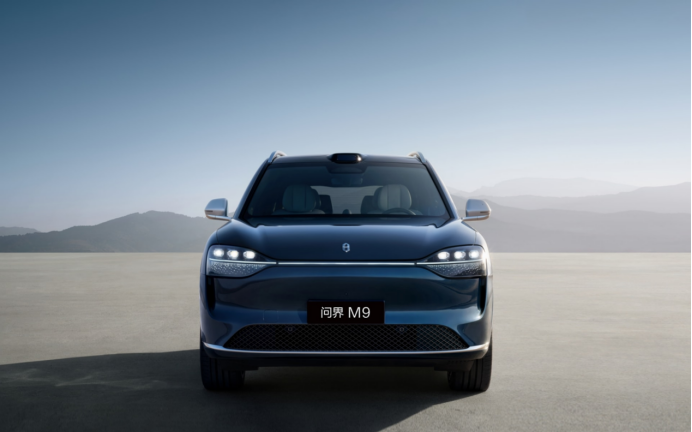
The launch of Cadillac's all-new XT5 PHEV represents a significant attempt by the brand to respond to market changes. However, even with enhanced overall product strength, pricing strategy will still play a pivotal role in determining the XT5 PHEV's subsequent market performance. Currently, the official guide price for the gasoline-powered XT5 ranges from 379,900 to 459,900 yuan, with actual terminal transaction prices falling between 230,000 and 330,000 yuan.
Drawing on SAIC-GM's past pricing strategies, the XT5 PHEV is likely to maintain a reasonable price differential compared to its gasoline-powered counterpart, avoiding excessive cannibalization of the gasoline model's customer base while securing its position in the 300,000-yuan luxury plug-in hybrid SUV segment. Additionally, the brand needs to strike a balance between maintaining its luxury positioning and market competitiveness, avoiding pricing that deviates from market expectations or undermines brand premium. 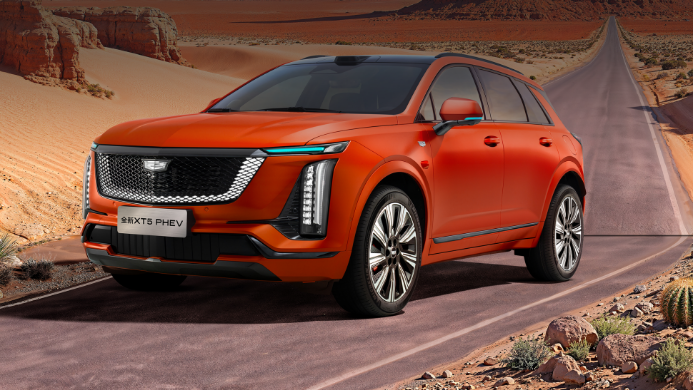
However, despite significant improvements in Cadillac's product strength, pricing strategy remains the linchpin influencing the market performance of the XT5 PHEV. Currently, the official guide price range for the gasoline-powered XT5 is 379,900-459,900 yuan, with actual terminal transaction prices ranging from 230,000-330,000 yuan.
Drawing on SAIC-GM's previous pricing rationale, the XT5 PHEV is likely to establish a reasonable price differential compared to its gasoline-powered counterpart, avoiding undue impact on the existing gasoline model's customer base while finding a suitable niche in the 300,000-yuan luxury plug-in hybrid SUV market. At the same time, the brand must balance maintaining its luxury positioning with market competitiveness, avoiding pricing that is either too high and deviates from user expectations or too low and undermines brand premium. 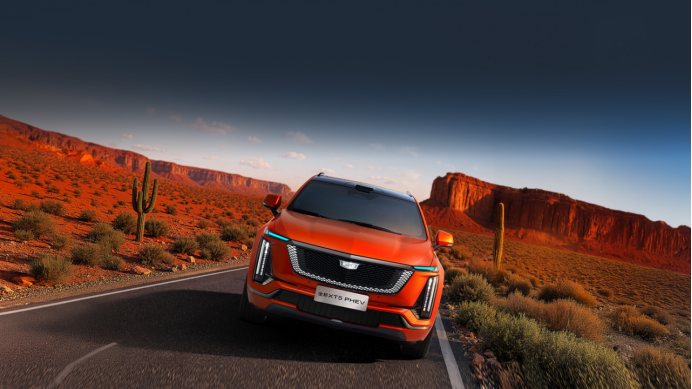
Overall, the XT5 PHEV is a pivotal model in Cadillac's product lineup. It stands at a critical juncture of joint venture renewal and rides the wave of the plug-in hybrid SUV market, supported by market-proven technological advancements. Cadillac's sales challenges stem more from a misalignment between its product matrix and market demand, as the brand still retains a certain user base. The subsequent market performance of this new model will be influenced not only by the product itself but also by pricing, terminal sales strategies, and marketing approaches. (Images sourced from the internet; removal upon infringement notice)
-
![]()
Non-Recurring Items-Adjusted Net Profit Soars by 72.59%! Dongtianwei Records 502 Million Yuan in Revenue
-
![]()
Securing 2 Billion Yuan in Financing and Supplying Inno-Light: This Optical Device Company Launches Its IPO!
-
![]()
Farewell to 'Card Stacking': 2026 Marks China's Computing Power Shift to 'Token Value Output' Era
-
![]()
Xiaomi Weathers Storage Price Surge, Q2 2026 Revenue Tops 100 Billion Yuan Again
-
![]()
Geely Bids Farewell to the 'Li Shufu Era': A Historic Power Transition in China's Auto Industry | Auto Circle
-
![]()
Baidu Prepares for Inclusion in Southbound Trading: Wall Street Reassesses the Value of 'AI ETF'
-
![]()
Revenue and Net Profit Dip, GPU Cloud Rockets 283%: Baidu’s AI Strategy Hits Payoff Period
-
![]()
How to Leverage AI Digital Humans for Overseas Live Streaming and Key Precautions