Certain Automakers Opt Out of This Year’s Chengdu Motor Show Once Again
 08/20 2026
 470
470
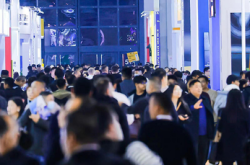
In a matter of days, the annual Chengdu Motor Show will commence. Official data reveals that the exhibition space for this year’s event remains expansive at 220,000 square meters, featuring participation from nearly 120 automotive brands and showcasing over 1,600 vehicles. From this vantage point, the Chengdu Motor Show continues to hold its position as the premier A-class auto show in central and western China, generating considerable anticipation. However, a subtle shift in atmosphere is palpable at this year’s event. 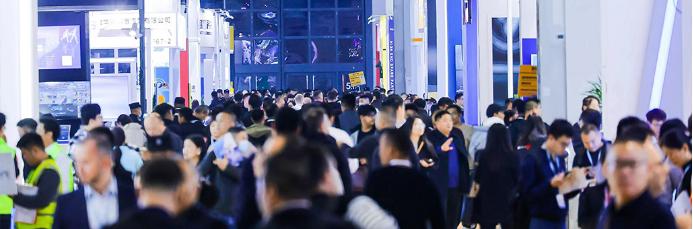
Observers note that while the exhibition scale and vehicle count remain consistent with previous years, the number of major new car debuts appears to be on the decline. Current public information indicates that only a select few models, such as the all-new long-wheelbase GLE SUV, BYD Dahan, Ora 7, Jetta M6 (anticipated), Volkswagen ERA 8X/5X, and the all-new BMW i3 (with an interior debut), are slated for global premieres at the 2026 Chengdu Motor Show. Although additional new car debut announcements may emerge, the current lineup falls short of the hundreds typically seen at past Chengdu Motor Shows. 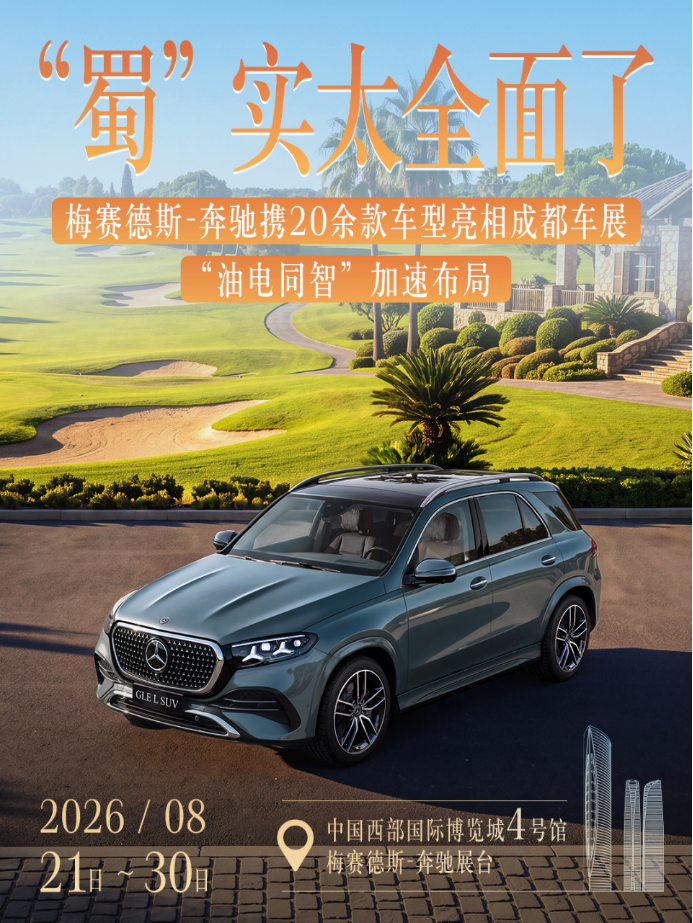
Furthermore, among the “nearly 120 brands” participating in this year’s Chengdu Motor Show, some are opting for a more subdued presence. Media reports indicate that certain automakers have confirmed participation but will forgo press conferences. Other media sources lament the scarcity of media invitations from automakers. Even more telling, some automakers have chosen to skip the event altogether. 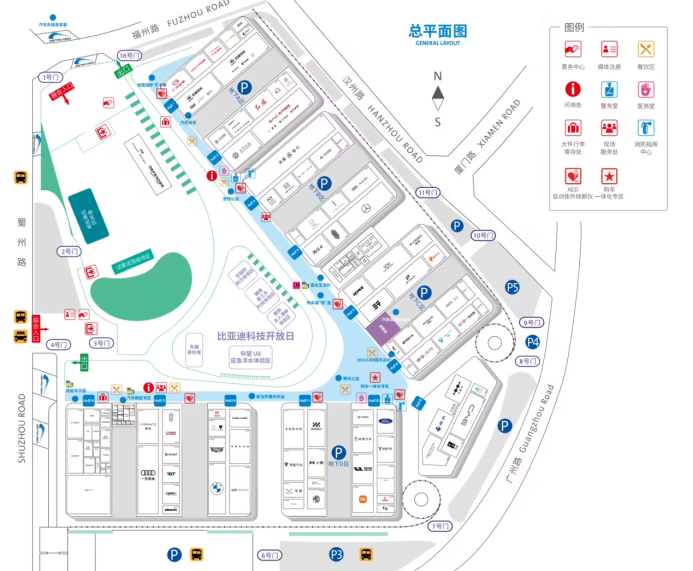
The booth layout for this year’s Chengdu Motor Show lacks representation from joint venture automakers like Dongfeng Honda, Dongfeng Nissan, and Kia. Luxury and supercar brands such as Lexus, Porsche, Bentley, and Maserati are also notably absent. It is worth mentioning that super-luxury brands like Porsche have been missing from the Chengdu Motor Show for two consecutive years. While some may attribute their absence to the current sluggish market performance in China, this is merely one facet of the issue. Media-disclosed data reveals that despite the expansion of the Chengdu Motor Show’s scale in recent years, metrics such as the number of press conferences, media attendance, visitor numbers, and transaction volumes have all been quietly declining, with its value continuously decreasing. Insights have pointed out the underlying reasons. 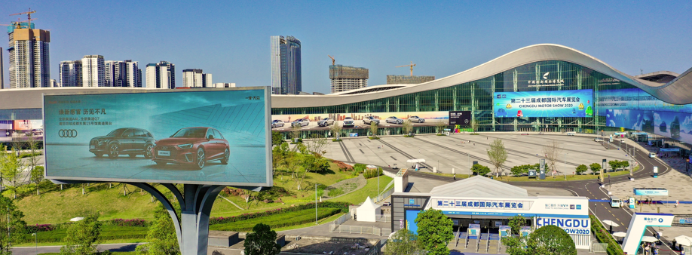
For an extended period, auto shows have served as the primary bridge for communication between automakers, dealers, media, and consumers due to limited communication channels. Consequently, auto shows have held significant weight in manufacturers' brand promotion strategies. However, over the past five to six years, with the rapid advancement of digital media, various digital platforms have emerged as the primary communication channels between automakers, media, and users. As a result, the significance of auto shows has diminished for manufacturers. Coupled with the increasingly fierce market competition, automakers have become more prudent with their marketing investments under profit pressure. A clear illustration is that many automakers have been reducing their auto show budgets in recent years, not only limiting booth invitation quotas but also discontinuing the provision of air tickets and hotels for the media. 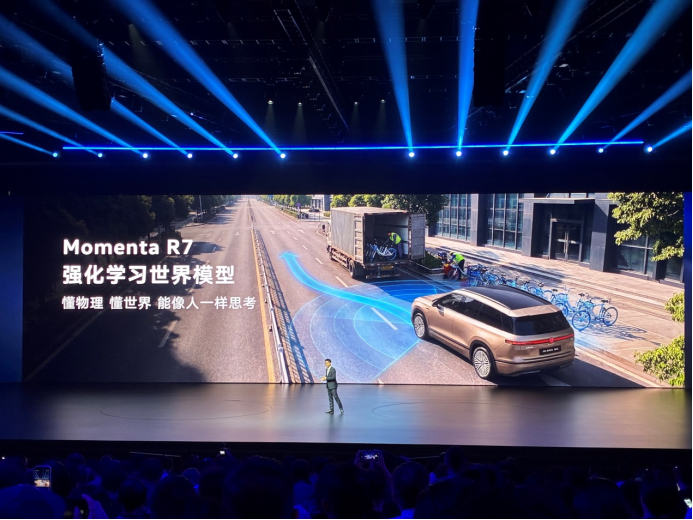
Even when allocating funds, automakers are more inclined to organize their own press conferences. Many media outlets have observed that in recent years, the number of press conferences hosted by major automakers has not decreased but has instead increased, particularly the abundance of online events. Currently, various online and offline activities have become the primary marketing channels for automakers. The once-indispensable auto show has gradually transitioned from an annual key exposure platform for automakers to a mere ordinary offline event. Expanding our perspective, the evolution of the Chengdu Motor Show is not an isolated phenomenon. In fact, several overseas international auto shows have encountered similar challenges. Over the six years from 2019 to 2025, attendance at the Detroit Auto Show dropped by 64.5%; the German International Auto Show in Frankfurt relocated to Munich in 2021; and the century-old Geneva Auto Show officially ceased operations in 2024... Admittedly, the reasons for the evolution of these auto shows vary. However, whether it is a decrease in attendance or a lack of willingness among exhibitors to participate, it ultimately points to one reason: the value of auto shows as a communication platform is diminishing. 
In the past, auto shows were almost the sole link connecting automakers, media, and consumers, thus becoming a crucial node for releasing automotive news. However, in recent years, with the diversification of communication channels, the attribute of auto shows as a platform for voice-making has been continuously weakened. That being said, for mass-market automotive brands, auto shows remain an excellent platform for concentrated new car displays and customer acquisition channels. However, for brands like Porsche, the situation is different. (Image source: Internet, removed if infringing)
-
![]()
NIO, Huawei, and Li Auto are All Talking About the 'World Model'. Where Are the Differences?
-
![]()
50,000-Yuan Cars Face Sluggish Sales, While Those Priced Over 400,000 Yuan Sell Like Hotcakes—Is Wealth Really on the Rise?
-
![]()
Sora Exits, Domestic Models Rise: The 'Turning Point' in AI Video Generation
-
In-depth: Kimi K3 Unveils the Chaoshan Tech Innovation Cluster, as Traditional Business Group Adopts a New Approach
-
![]()
Anthropic Sprints Towards Largest IPO in History, 'Silicon Valley's First Lady' Emerges
-
![]()
Seedance 2.5 is Here, But Is the Industry Really Ready?
-
![]()
July Sees Penetration Rate Rebound to 34%, Boosting New Energy Sanitation Vehicle Replacement
-
![]()
Certain Automakers Opt Out of This Year’s Chengdu Motor Show Once Again