50,000-Yuan Cars Face Sluggish Sales, While Those Priced Over 400,000 Yuan Sell Like Hotcakes—Is Wealth Really on the Rise?
 08/20 2026
 416
416
Small and micro vehicles have long dominated the automotive market, primarily due to their affordability. However, a curious trend has recently emerged: cars priced around 50,000 yuan are struggling to find buyers, while luxury vehicles priced at 400,000 yuan are flying off the shelves. What's behind this phenomenon? Have people suddenly become much wealthier?
I. 50,000-Yuan Cars Struggle While Those Over 400,000 Yuan Thrive
According to a report from China Newsweek, micro vehicles, which once ruled county and township markets, are now experiencing a collective downturn.
Data from Cui Dongshu, Secretary-General of the China Passenger Car Association, reveals that in the first half of 2026, cumulative sales of passenger cars priced below 50,000 yuan in the domestic market reached 130,000 units, marking a staggering 55% year-on-year decline.
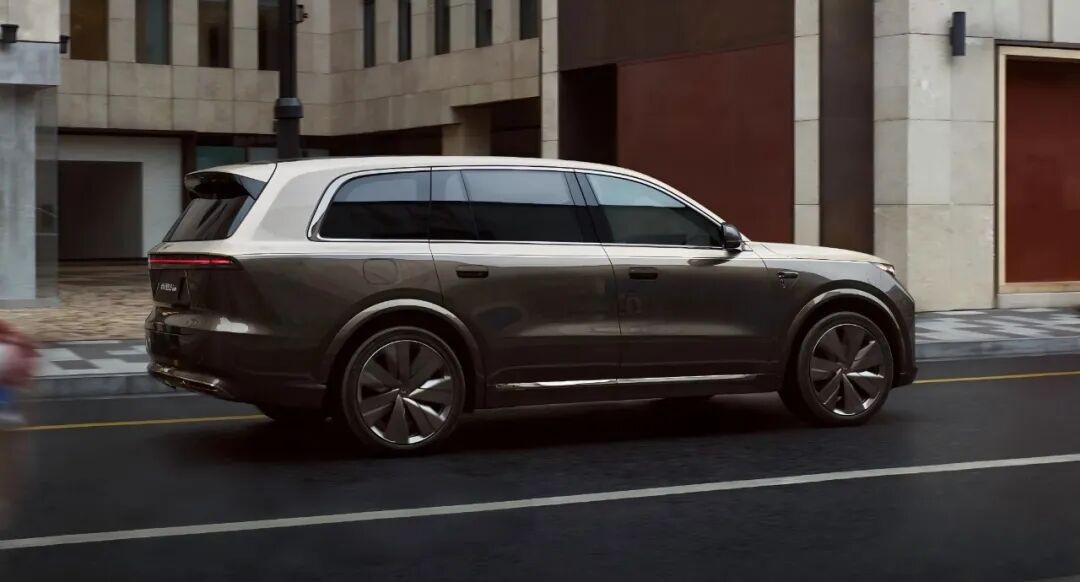
In contrast, the high-end New Energy Vehicle (NEV) segment is bucking the trend: sales of NEVs priced above 400,000 yuan surged by 46% year-on-year, with domestic brands capturing 59% of this market segment. The term "two extremes" aptly describes the current state of the domestic auto market.
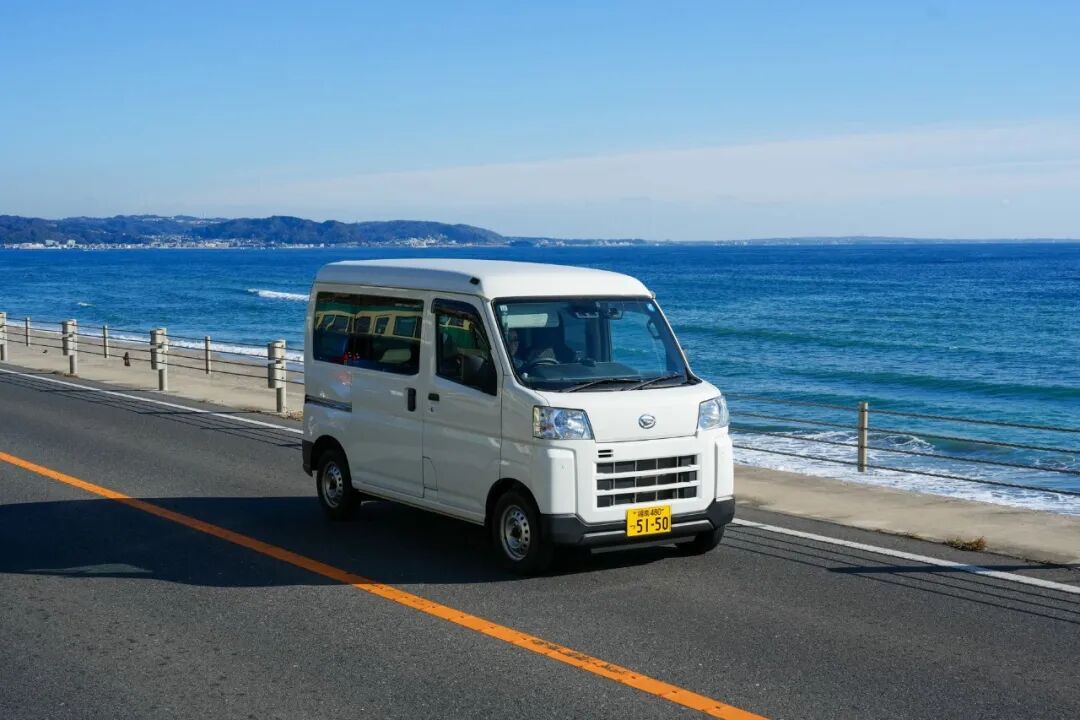
In the A00-class micro electric vehicle market, the Wuling Hongguang MINIEV stands as an iconic model. At its peak, monthly sales exceeded 50,000 units, quickly penetrating county, township, and urban short-distance commuting markets with its extremely low purchase threshold. However, in the first half of this year, sales of the Wuling Hongguang MINIEV reached 72,800 units, nearly 100,000 units less than the 171,100 units sold during the same period last year.
From a demand structure perspective, the A00-class market has completed the NEV substitution cycle for fuel-powered micro vehicles. According to data from the Gasgoo Automotive Research Institute, the NEV penetration rate in this segment reached 100% in 2025, meaning there is virtually no room for additional growth from fuel-powered commuter vehicles switching to NEVs. Moreover, the consumption mindset of existing users is shifting: early adopters of micro commuter vehicles, after a 3-4 year ownership cycle, generally seek larger spaces, longer ranges, and higher safety standards when repurchasing, rather than opting for another minimalist commuter vehicle. Simply meeting the basic need of "being able to drive" is no longer sufficient to sustain user loyalty.
II. Is Wealth Really on the Rise?
A fascinating, almost surreal, phenomenon has emerged in the automotive market recently: if you ask dealers, vehicles priced around 50,000 yuan—once dubbed "national God cars"—now sit unsold, with dealerships facing inventory headaches. Yet, in the high-end market above 400,000 yuan, brands like Li Auto, AITO, and NIO are achieving monthly sales in the thousands or even tens of thousands. What's behind this?
First, the micro vehicle segment is facing significant headwinds. Many might assume this is due to consumption downgrading, with people having less money to spend on cheap cars. Quite the opposite—the core issue lies in price misalignment. In the past, vehicles like the Wuling Hongguang MINIEV could be purchased for as little as 20,000-30,000 yuan, truly a "bargain." However, things have changed in recent years. Raw material prices have risen, battery costs—while volatile—have a certain baseline, and compliance costs have surged. Meeting the latest safety regulations and crash standards requires strengthening vehicle structures and adding configurations, all of which come at a cost. Consequently, the price threshold for micro vehicles has been forced upward. Consumers who once expected to spend around 30,000 yuan now find themselves facing prices of 50,000-60,000 yuan, leading to disillusionment.
Why? Because Class A vehicles are engaged in fierce price wars, creating a classic "substitution effect." If 50,000 yuan can only buy a "souped-up low-speed electric vehicle" lacking air conditioning or safety features, but for just a little more—or even the same price—consumers can purchase a proper Class A fuel-powered or entry-level electric vehicle with superior space, safety, and comfort, the choice becomes clear. For budget-conscious consumers, every yuan counts. With Class A vehicle prices dropping so significantly, why settle for a poorly performing micro vehicle just to save a few thousand yuan? Thus, the shrinking micro vehicle market isn't due to a lack of buyers but rather being outcompeted by "better value" Class A vehicles. These consumers aren't unwilling to spend but refuse to waste money on inferior products.
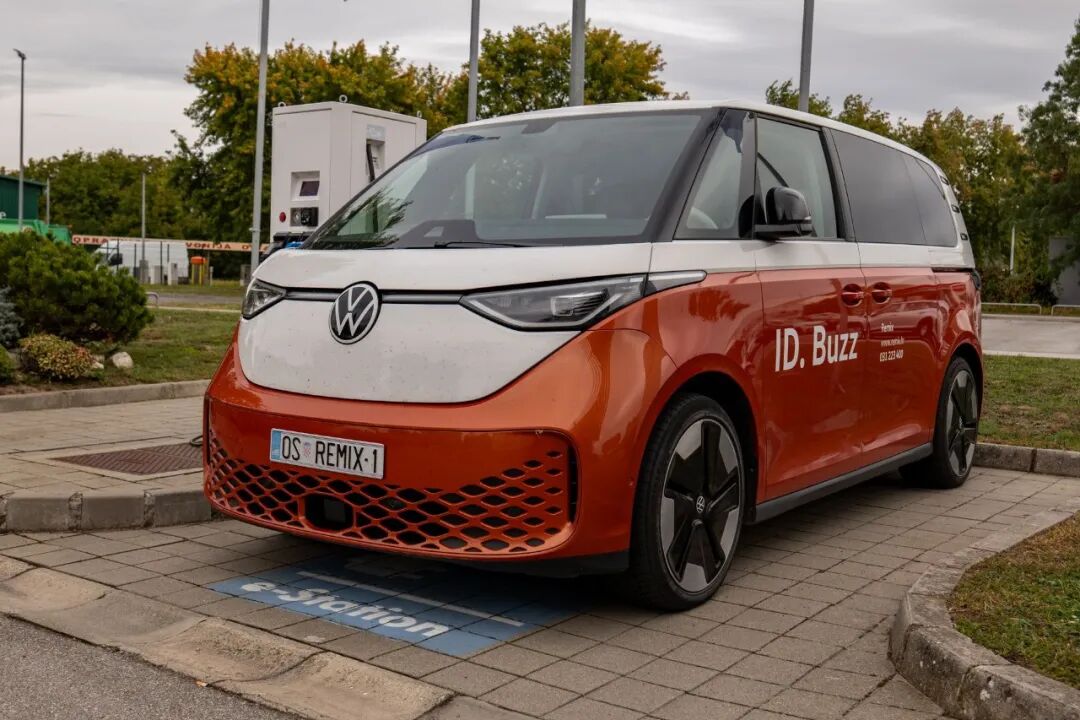
Second, domestic substitution in the high-end market is more pronounced. In contrast, the high-end automotive market above 400,000 yuan is expanding for entirely different reasons. Historically, this price range was dominated by traditional luxury fuel vehicle giants like BBA (BMW, Benz, Audi), with consumers paying a premium for the social status associated with their brands. Today, however, domestic high-end NEV brands like Li Auto, AITO, and NIO are reshaping the value assessment system in this segment. These brands no longer simply sell transportation tools but offer comprehensive family travel experiences.
Leveraging advanced intelligent driving assistance systems, smart cockpits, fast-charging and battery-swapping networks, and comfort features like "refrigerators, TVs, and sofas," they comprehensively outperform traditional fuel vehicles in the same price range in terms of intelligence and riding experience. This generational gap in product strength has unlocked significant demand among high-net-worth individuals. It's not that they've suddenly become wealthier but that domestic NEVs offer far greater comprehensive value than traditional luxury cars at similar or even lower prices. This shift from "buying brands" to "buying experiences" is directly driving the rapid growth of the high-end NEV market above 400,000 yuan.
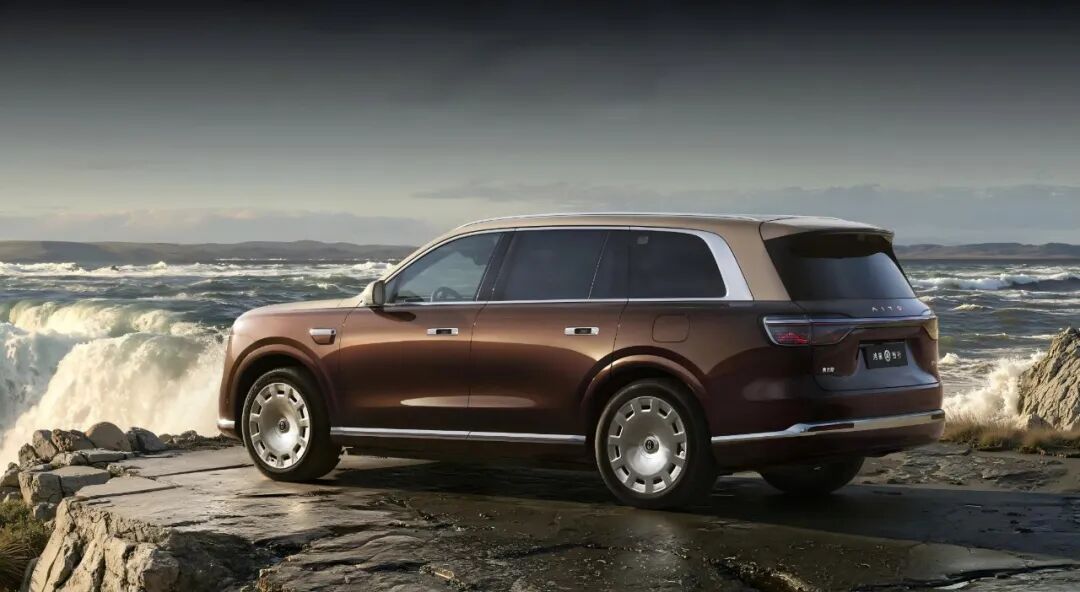
Meanwhile, a typical consumption scenario is emerging: electric vehicle camping. Previously, cars were merely transportation tools for most people, but now, increasingly, large SUVs are becoming mainstays for camping and even replacing hotels for self-drive travel. This comprehensive transformation of functional scenarios has boosted willingness to spend more on vehicle upgrades, a key reason for the popularity of high-end models above 400,000 yuan.
III. Consumption Trends Are Undergoing Profound Reconstruction
Overall, this phenomenon of "low-end slump, high-end boom" reveals a profound "value reconstruction" in China's automotive consumption market. It's not just about money but also about mindset. Traditionally, Chinese consumers fell into two categories: those seeking affordability and those seeking prestige. But now, both groups are evolving.
Budget-conscious consumers—the ones who once bought 50,000-yuan cars—are now more pragmatic. They no longer compromise solely for affordability. In the past, with limited options, they had to settle for low-end vehicles. Now, amid intense market competition, they'd rather save a bit more or take out a loan to buy a Class A vehicle with guaranteed quality and safety. Their consumption upgrade isn't about spending more but raising the baseline for "quality of life." They refuse to drive anxiously to save a few thousand yuan. This represents a typical consumption upgrade in the automotive market, where consumers prioritize quality over mere cost savings, making spending more rational.
Meanwhile, affluent consumers—those buying vehicles above 400,000 yuan—have become more confident and discerning. They no longer blindly chase brand prestige or pay for empty notions like "Made in Germany" or "British heritage." They care more about whether a car provides emotional value, eases commutes in heavy traffic, and ensures family comfort. Thus, BBA vehicles, once a "must-have," are now an "option" or even a fallback choice. This shift is alarming because it signals the collapse of traditional luxury brands' reliance on brand loyalty. Domestic NEVs' strategy of making options standard gives them a technological edge, further enhancing their brand appeal.
IV. K-Shaped Divergence Will Become the Dominant Trend
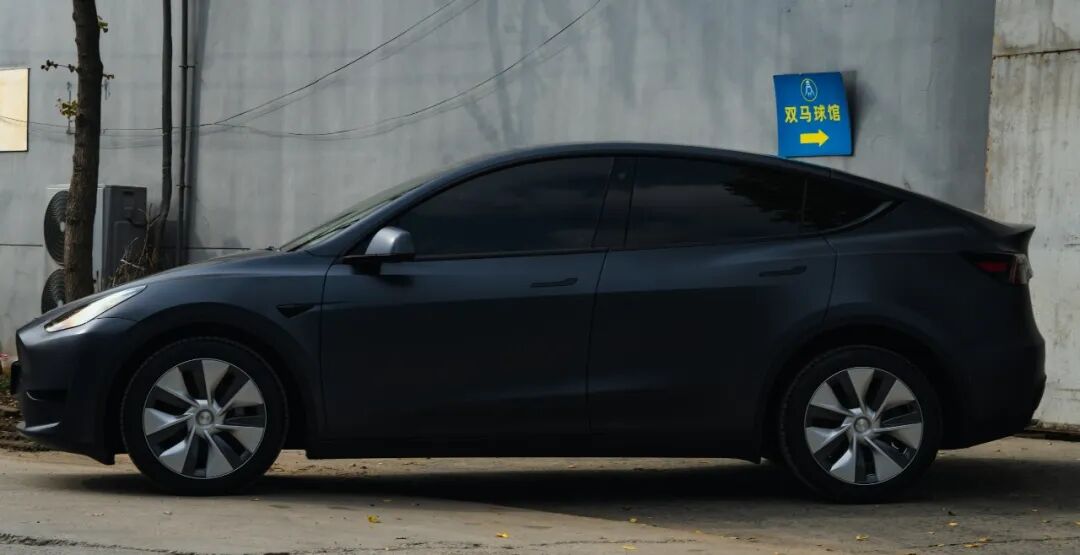
In the long run, the era of broad-based growth in China's automotive consumption is over, and the market is undergoing a rapid and ruthless reconstruction. The K-shaped divergence in the automotive market will not only persist but intensify. At the upper end of the K-curve are leading automakers with core technological barriers and ecosystems, continuously breaking through upward through high-end and intelligent offerings to earn high profits. At the lower end are models focusing on extreme affordability and basic commuting needs.
The truly struggling players are those in the "middle ground"—automakers lacking core technologies, insufficient brand premium, and mediocre product strength. They face squeeze from both ends and will be accelerated out of the market. The automotive industry has officially bid farewell to the era of wild expansion driven by low prices and is entering a final stage of value competition, shifting from scale-based to value-based rivalry.
At this stage, price wars alone can no longer drive overall market growth. Only companies that truly understand consumer needs and provide irreplaceable value can survive this ruthless consolidation and remain in the game.
END
Daily Quote: No one else will make you better; you improve because of your experiences, your self-rescues, your ability to move on, and your growth. Patience brings success; tranquility brings peace. Why rush when you can solve problems? And why worry when you can't?
Jiang Han's Perspective
-
![]()
NIO, Huawei, and Li Auto are All Talking About the 'World Model'. Where Are the Differences?
-
![]()
50,000-Yuan Cars Face Sluggish Sales, While Those Priced Over 400,000 Yuan Sell Like Hotcakes—Is Wealth Really on the Rise?
-
![]()
Sora Exits, Domestic Models Rise: The 'Turning Point' in AI Video Generation
-
In-depth: Kimi K3 Unveils the Chaoshan Tech Innovation Cluster, as Traditional Business Group Adopts a New Approach
-
![]()
Anthropic Sprints Towards Largest IPO in History, 'Silicon Valley's First Lady' Emerges
-
![]()
Seedance 2.5 is Here, But Is the Industry Really Ready?
-
![]()
July Sees Penetration Rate Rebound to 34%, Boosting New Energy Sanitation Vehicle Replacement
-
![]()
Certain Automakers Opt Out of This Year’s Chengdu Motor Show Once Again